
International Cab and Chassis Trucks For Sale in Kansas
Shop International cab and chassis trucks for sale in Kansas. Compare 4300 specs, GVWR, cab-to-axle lengths, engines, and body-ready options.
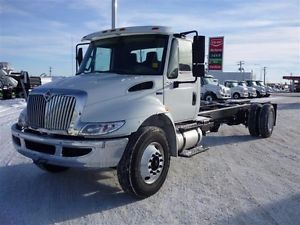
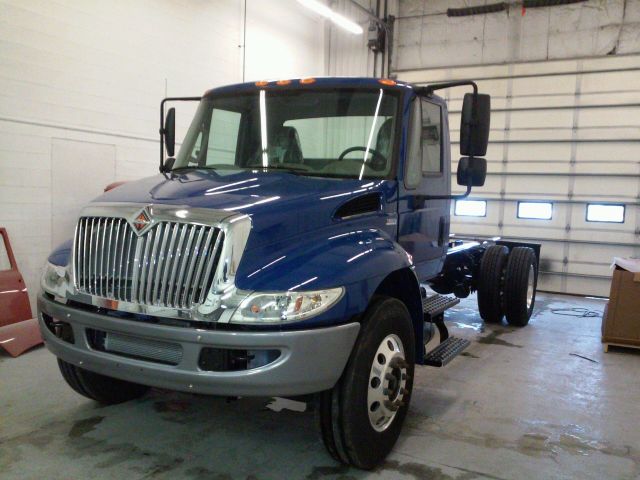
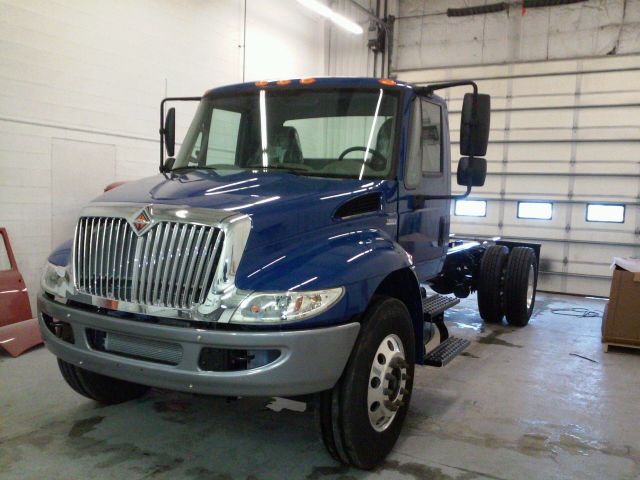
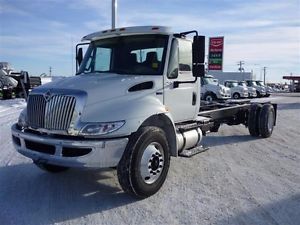
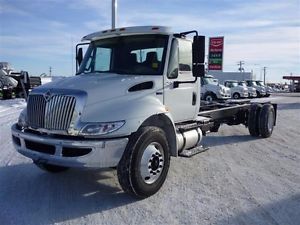
Selling a international cab and chassis truck? List your international cab and chassis truck for sale and reach thousands of commercial buyers.
International Cab and Chassis Trucks in Kansas
In Kansas, application matters because routes can include highway miles, farm-to-market roads, municipal work, and stop-and-go city delivery. Many International cab and chassis trucks in this segment are spec'd around 33,000-pound GVWR, which puts them in a strong position for Class 7 work without moving into a heavier vocational platform than the job requires. Common configurations include air brakes, locking differentials, and air ride suspension, all of which can be useful depending on terrain, payload sensitivity, and body type. Cab-to-axle dimensions such as 138-inch or 140-inch CA are especially important because they determine what body lengths and equipment packages will fit the frame correctly.
Powertrain choice deserves close attention. International medium-duty cab and chassis trucks from this era are often found with MaxxForce DT or MaxxForce 7 engines in the mid-200 horsepower range, paired with either an Allison automatic or a Fuller manual transmission. For pickup-and-delivery, utility, and city-route work, an Allison automatic is usually favored for ease of operation, reduced driver fatigue, and smoother body equipment integration. A manual transmission can still make sense for fleets that want a simpler spec or drivers who prefer more direct control. Buyers should also confirm wheelbase, PTO compatibility if hydraulic equipment will be added, front axle capacity, rear axle ratio, frame rail dimensions, and any body-builder provisions already installed.
A good International cab and chassis truck is not just about engine and mileage. It is about how well the chassis matches the body you plan to mount and the duty cycle it will run. Check for proper frame length behind cab, suspension capacity for the finished payload, brake type, electrical interface for body controls, and any restrictions related to emissions systems or idle time. If the truck is being used for a van body or reefer, turning radius and dock maneuverability matter. If it is headed into service body or dump use, axle ratings, differential spec, and frame strength become more important. When the core chassis is spec'd correctly, an International cab and chassis can be a practical, body-ready platform for a wide range of commercial applications.
Frequently Asked Questions about International Cab and Chassis Trucks in Kansas
What is an International cab and chassis truck used for?
An International cab and chassis truck is built to accept a vocational or delivery body after purchase. Common uses include dry van delivery, refrigerated delivery, flatbed hauling, service body work, utility applications, dump bodies, and tow or rollback installations. The chassis is designed as the foundation for the final truck, so buyers should match the frame and axle specs to the body and payload they intend to run.
What should I check first when buying a cab and chassis truck?
Start with GVWR and cab-to-axle length because those two specs drive body compatibility more than anything else. After that, review axle ratings, wheelbase, transmission type, frame dimensions, brake system, and suspension. If the truck will power hydraulic or mechanical equipment, confirm PTO capability and clearance for pumps, tanks, and toolboxes. A truck can have the right engine and still be the wrong chassis if the body does not fit correctly.
Is the International 4300 a good platform for medium-duty commercial work?
The International 4300 is widely recognized as a versatile medium-duty platform for Class 6 and Class 7 applications, depending on how it is equipped. It is commonly selected for local and regional service because it can be configured for delivery, municipal, contractor, and utility work. Buyers value it for body-builder flexibility, familiar parts support, and a broad range of available wheelbases, axle ratings, and transmission choices.
Should I choose an automatic or manual transmission in an International cab and chassis?
An automatic transmission is often preferred for city delivery, frequent stops, and operations with multiple drivers because it reduces fatigue and simplifies training. Allison automatics are especially common in medium-duty body applications. A manual transmission may still be a good fit for certain vocational uses or fleets that want a lower-complexity driveline. The better choice depends on route type, driver preference, and whether the truck will spend more time in traffic, on job sites, or on open roads.
Why does cab-to-axle length matter on a cab and chassis truck?
Cab-to-axle length determines the usable space for the body and directly affects upfit compatibility. A 138-inch or 140-inch CA, for example, can suit different body lengths and equipment layouts depending on the application. If the CA is wrong, the body may not mount correctly, axle loading can be affected, and finished truck balance may suffer. This is one of the most important measurements to verify before buying any cab and chassis truck.