
International Trucks For Sale in Michigan
Browse International trucks for sale, including ProStar, LoneStar, 4300, and more. Compare specs, cab styles, engines, and vocational setups.
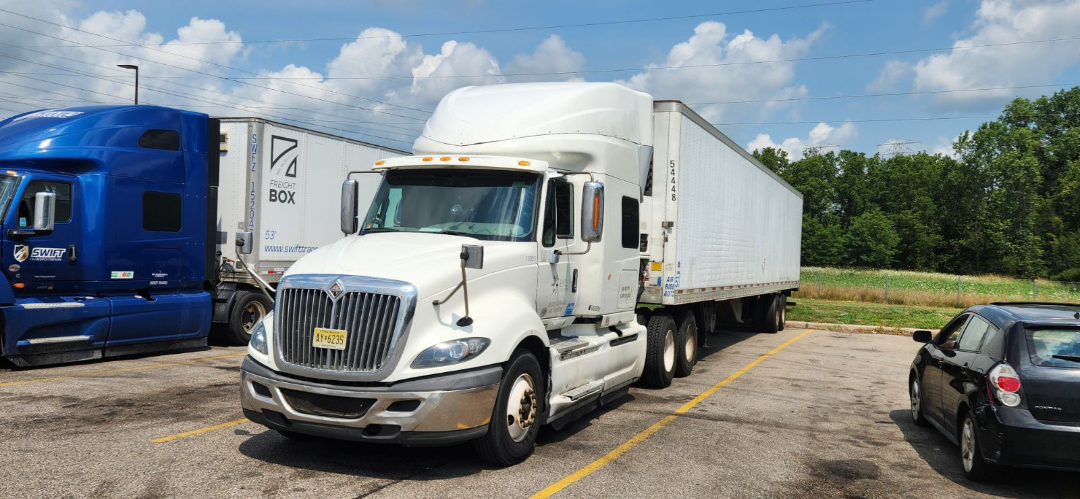
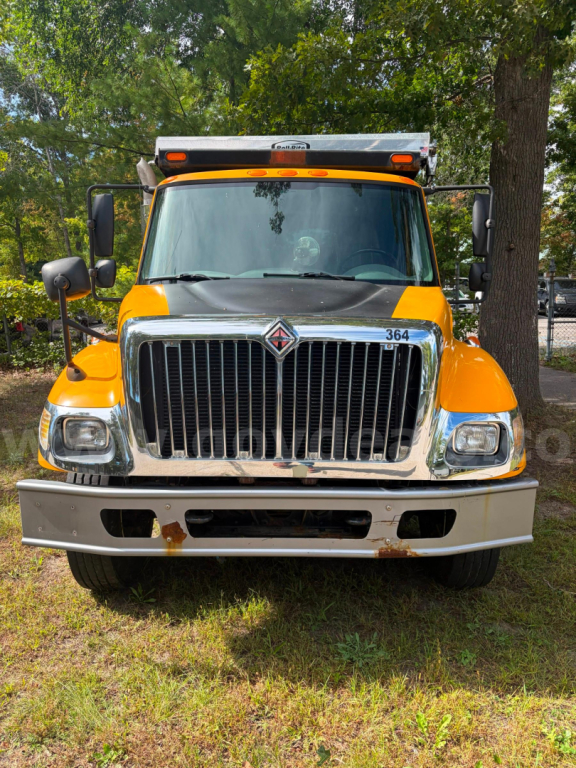
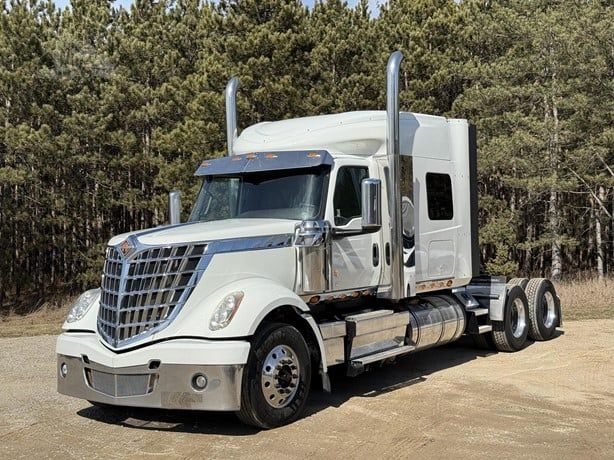
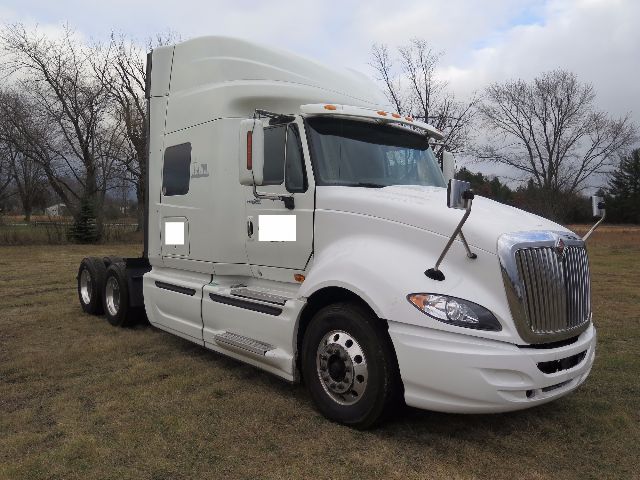
Selling a international truck? List your international truck for sale and reach thousands of commercial buyers.
International Trucks in Michigan
Frequently Asked Questions about International Trucks in Michigan
What are the most common International truck models buyers compare?
The most commonly compared International trucks depend on the job. For highway use, buyers often look at the ProStar and LoneStar, both of which are conventional tractors available in day cab and sleeper configurations. For medium-duty and vocational work, the 4300 is one of the most recognized International models because it adapts well to dump bodies, service bodies, flatbeds, hooklifts, and box truck applications. The right comparison starts with the intended duty cycle, axle setup, and body or trailer requirements rather than just model name alone.
What engines are common in used International highway trucks?
Used International highway tractors are frequently equipped with Cummins engines, especially the ISX and X15 in sleeper tractors aimed at regional or long-haul use. Horsepower in these trucks often falls in the mid-400 to 500 horsepower range, depending on spec and intended freight. Buyers should verify engine model, emissions system service history, and drivetrain pairing, especially on higher-mileage units. In a used truck, maintenance records for the DPF, DOC, EGR, turbo, and overhead work can be just as important as the engine badge on the hood.
What transmission and axle specs should I look for on an International sleeper truck?
A typical International sleeper tractor in the used market may have a 10-speed or 13-speed manual, or an automated manual transmission, paired with tandem drive axles and ratios commonly in the low-3s. That setup usually balances fuel economy with acceptable startability for van, reefer, and general freight work. The best gearing depends on cruise speed, terrain, and load profile. In Michigan and throughout the Midwest, buyers hauling mixed freight often pay close attention to axle ratio, tire size, and overdrive spec because those three items directly affect RPM at highway speed.
What should I inspect on a used International 4300 or other vocational chassis?
On a medium-duty International such as a 4300, inspect the frame condition, wheelbase suitability, PTO provisions, suspension type, brake system, and body installation quality. If the truck carries specialized equipment such as a hooklift, confirm hoist operation, hydraulic condition, subframe integrity, and body compatibility. Also check service intervals, rust exposure, spring or air suspension wear, and signs of municipal or severe-duty use. A vocational chassis can look clean and still need expensive work if hydraulics, wiring, or frame modifications were not done correctly.
Are International trucks a good fit for regional and fleet applications?
International trucks are a common fit for fleets because they are widely used across freight, municipal, utility, and contractor operations, which helps with parts familiarity and service access. On-highway models are often spec'd for fuel efficiency and driver comfort, while medium-duty models are chosen for straightforward upfitting and predictable operating costs. For a regional buyer, the real value comes from finding a truck with the right wheelbase, axle ratings, drivetrain, and maintenance history for the route and body type. A properly spec'd International can be practical, easy to service, and well suited to repeat-duty operations.