
2017 International Trucks For Sale
2017 International trucks, from DuraStar box trucks to ProStar tractors, emphasizing tare weight, floor strength, thermal integrity, durability gains.
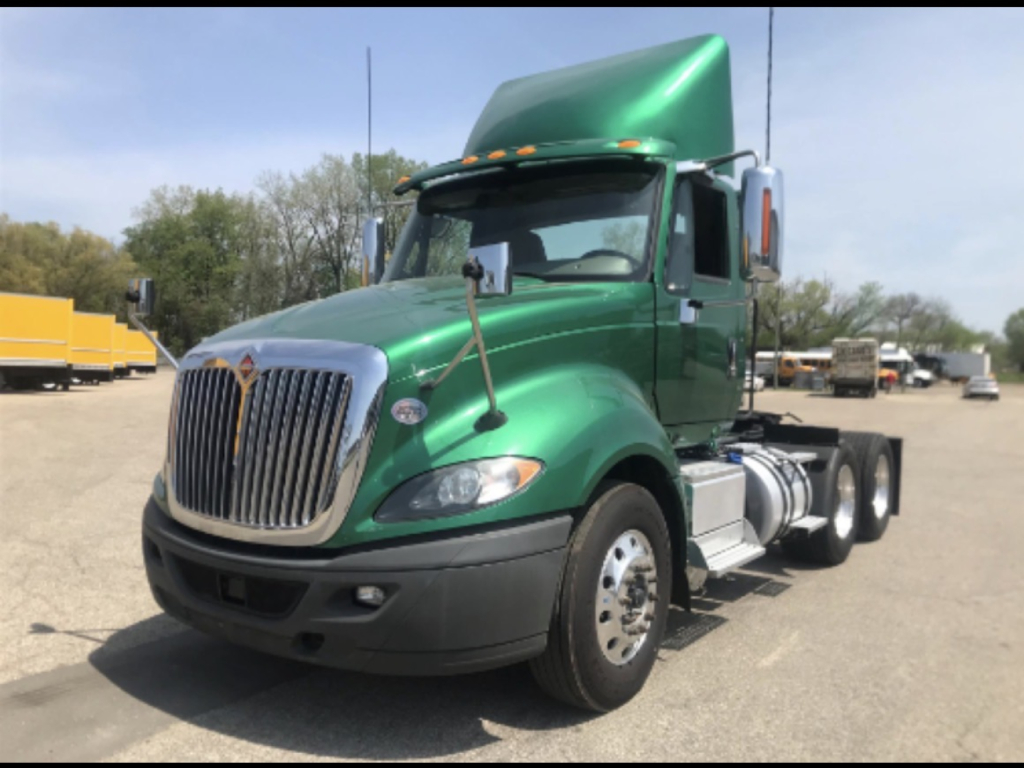
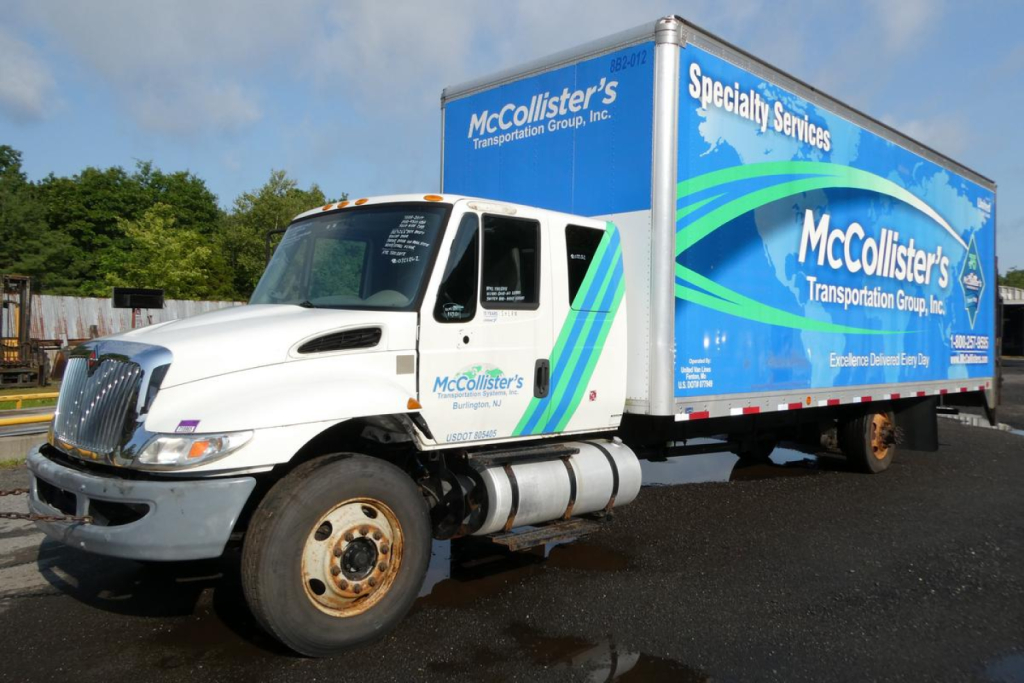
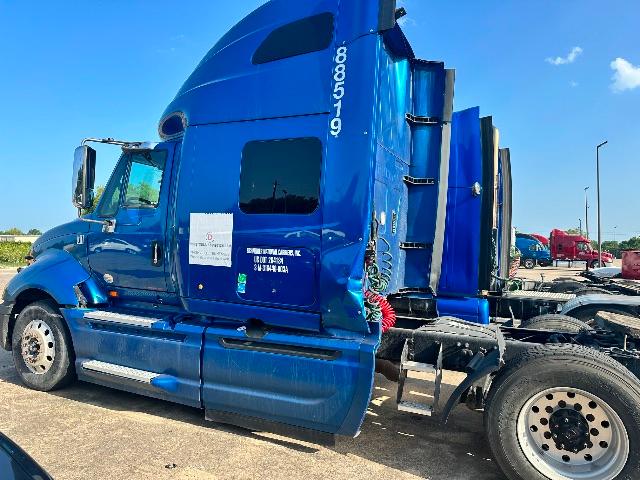

Selling a 2017 international truck? List your 2017 international truck for sale and reach thousands of commercial buyers.
2017 International Trucks
Tare weight drives payload and fuel cost. Aluminum wheels, aluminum air tanks, smaller fuel tanks, and day cab configurations reduce curb weight; full locking differentials, heavy vocational suspensions, PTOs, and large sleepers add mass. Single axle tractors suit lighter regional work; tandems with wide base singles can balance traction and weight. On straight trucks, body construction and liftgate selection can swing several hundred pounds. Verify GVWR, front and rear axle ratings, and expected GCWR if the unit will pull a trailer, and match axle ratios to cruise speed for the target terrain.
Floor strength and thermal integrity matter in box and refrigerated builds. Look for laminated hardwood or extruded aluminum floors with high concentrated load ratings, countersunk fasteners, and continuous crossmembers under dock impact zones. Recessed logistics track, heavy scuff liners, and full width threshold plates extend floor life. For refrigerated bodies, check insulation thickness, thermal breaks at posts and sills, door seal compression, and drain routing, since tight thermal performance keeps setpoints steady and lowers reefer hour load. For sleepers, intact door and window seals, proper HVAC performance, and an APU or diesel fired bunk heater improve temperature control with minimal idling.
Corrosion resistance affects lifecycle cost. 2017 International cabs and frames typically use e coated steel with sealed seams; stainless hardware, aluminum fuel tanks, and composite hoods help resist rust. Inspect frame rails near suspension hangers and crossmembers for scale, look for flaking around fifth wheel brackets, and examine brake and fuel lines for pitting. Check harness connectors for moisture intrusion and verify ground integrity. Review aftertreatment history, DPF ash load and cleanings, SCR dosing performance, and NOx sensor replacements; a complete service record reduces downtime risk and stabilizes total cost of ownership.
Frequently Asked Questions about 2017 International Trucks
Which 2017 International models fit highway, regional, and vocational use cases?
For long haul and regional linehaul, ProStar and LoneStar tractors in day cab or sleeper configurations provide aerodynamic cabs and efficient gearing choices. For pickup and delivery, utility, and municipal work, DuraStar 4300 medium duty chassis with Allison automatics are common, with GVWRs suited to 24 to 28 foot van or reefer bodies. For construction, crane, and refuse, WorkStar and HX vocational platforms offer heavier frames, set forward axle options, and suspensions built for high axle loads and frequent off pavement operation.
How should I evaluate floor strength on a 2017 International box or reefer truck?
Inspect the body specification rather than the chassis badge. Look for laminated hardwood or extruded aluminum flooring with documented concentrated load ratings, tight fastener patterns at rear thresholds, and continuous steel or aluminum crossmembers under dock boards. Tall scuff liners and recessed logistics track prevent wall damage that migrates to floor edges. Check rear sill straightness, door alignment, and evidence of forklift tine impact, then verify the floor rating aligns with your pallet weights and equipment, including pallet jacks and forklifts.
What impacts tare weight most on 2017 International tractors and straight trucks?
Cabs and sleepers, wheel and tank materials, suspension choice, and body equipment drive most of the curb weight variance. Day cabs on air ride with aluminum wheels and standard fuel capacity are lighter; adding a 72 inch sleeper, full lockers, heavy vocational springs, a PTO, a liftgate, or a rail gate can add hundreds of pounds. Optimize for the duty cycle, using aluminum components where practical, right size fuel tanks to daily range, and avoid over spec axle and suspension capacities that do not align with your legal payload.
What corrosion issues should I check on a 2017 International before purchase?
Focus on frame rails near suspension hangers, crossmembers around the transmission and fifth wheel brackets, and cab mount points. Look for scale, bubbling under paint, and delamination around drilled holes. Inspect brake and fuel lines for pitting, pay attention to battery trays and ground straps, and open electrical connectors to check for green corrosion. Salt belt units benefit from intact undercoating and e coat; stainless fasteners, aluminum fuel tanks, and composite hoods help, but long term integrity depends on prior wash and maintenance practices.
What emissions and drivetrain items are most important to verify on 2017 International trucks?
Confirm that the DEF, SCR, DOC, and DPF systems are functioning correctly, with recent regen history, DPF ash level or cleaning records, and no active fault codes. Review NOx sensor and dosing module replacements, and inspect heat shields and harness routing. On the drivetrain, match rear axle ratio to your cruise speed and terrain, confirm clutch or torque converter health, and evaluate gear spread for startability and gradeability. A road test that includes a parked regen, highway cruise at target RPM, and a full brake application will surface most issues quickly.