
International Trucks For Sale in Arkansas
Shop International trucks for sale in Arkansas. Compare medium and heavy-duty models, engines, axle setups, PTO options, and vocational specs.
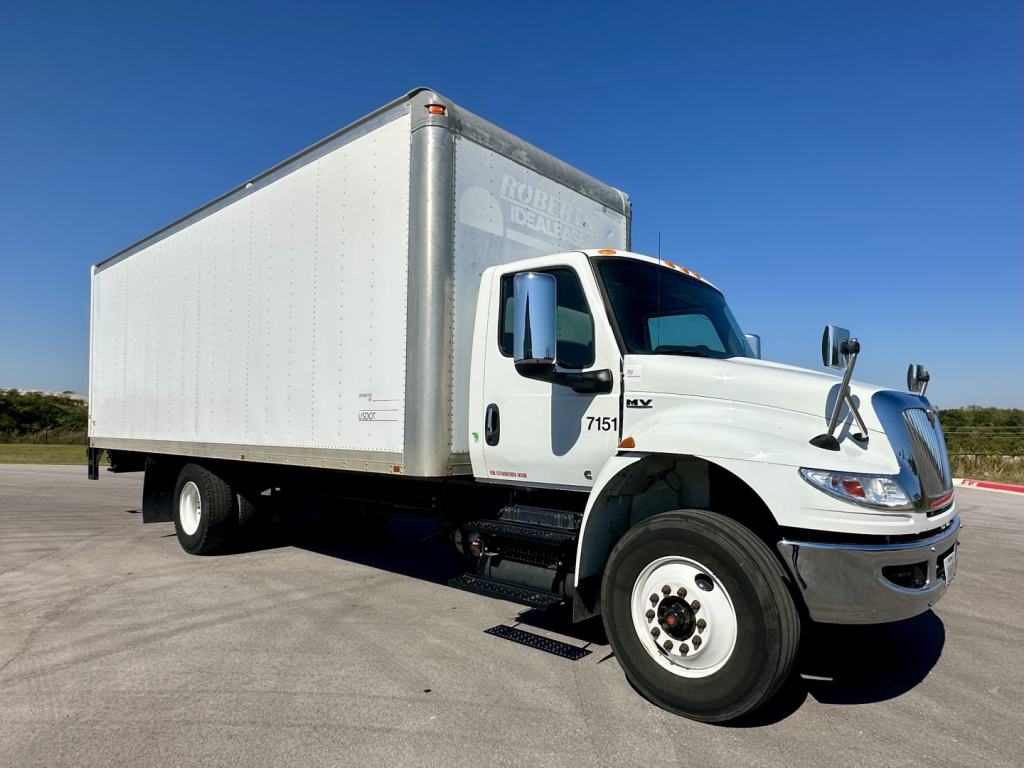
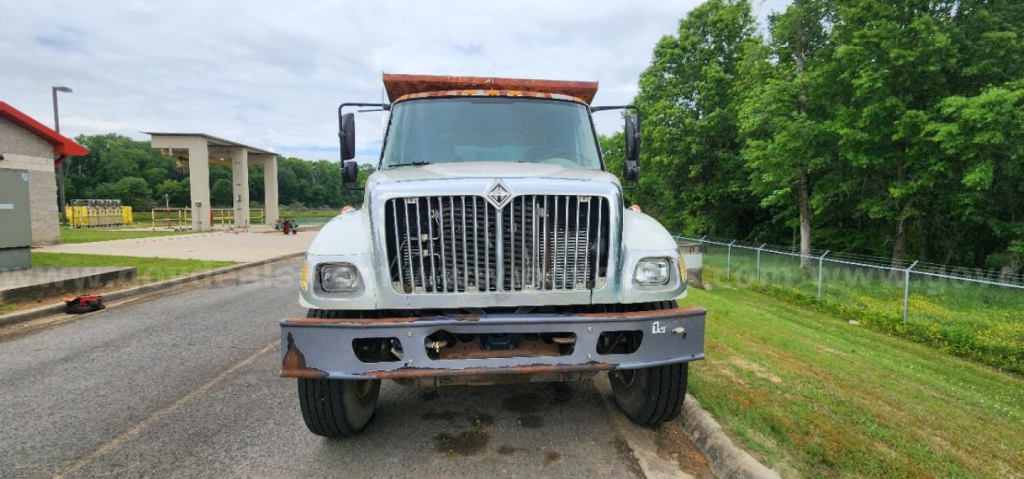
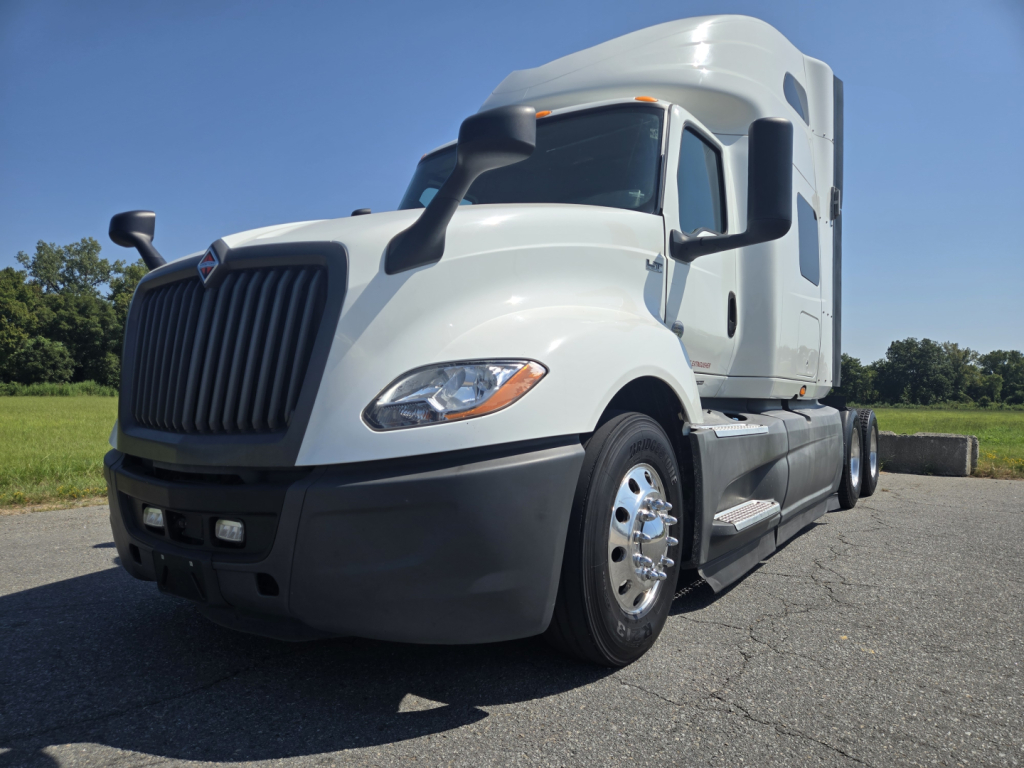
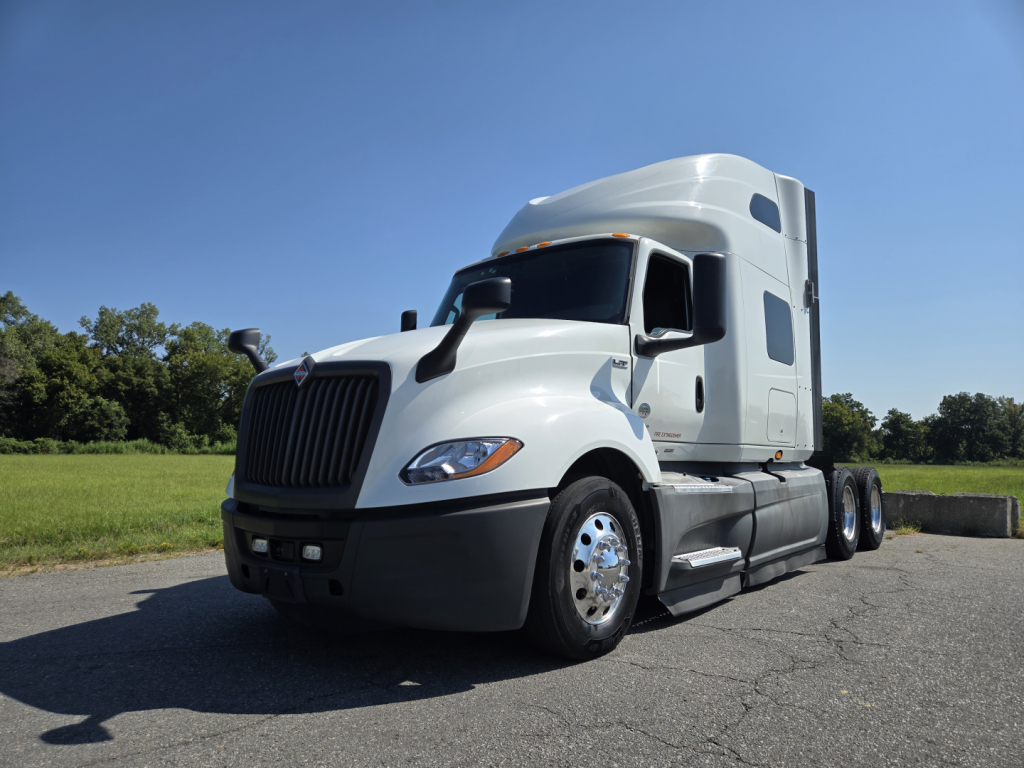
Selling a international truck? List your international truck for sale and reach thousands of commercial buyers.
International Trucks in Arkansas
A buyer should start with the job requirement, then match that to GVWR, axle configuration, and engine package. In Arkansas, it is common to see International trucks set up as single axle, tandem axle, and quad axle vocational units depending on payload and bridge law needs. Medium-duty models are often used for local delivery, utility service, and lighter body applications, while heavier 7000 series, WorkStar, or HV trucks are built for harsher duty cycles and more PTO-driven equipment. Pay close attention to wheelbase, frame height, suspension type, and front axle capacity if the truck will carry a dump body, vacuum system, crane, or other specialized equipment. Buyers comparing older MaxxForce-powered trucks with Cummins-powered units should also factor in emissions complexity, service history, and local dealer support.
Spec details matter more than the badge on a vocational truck. Transmission choice affects startability and driver acceptance, especially on jobsite routes with frequent stops or soft ground. Many International trucks in this class are equipped with Allison automatic transmissions, though manual and automated options are also found. Rear axle ratio, locking differentials, and suspension setup can make a major difference in off-pavement performance and legal payload. If the truck has a body installed, inspect PTO operation, hydraulic plumbing, hoist condition, body floor wear, frame corrosion, and signs of hard municipal or utility service. On dump and severe-service models, buyers should also check for cracks around hanger brackets, body mounts, and tailgate hardware, along with brake condition and evidence of air system issues.
International remains a practical brand for fleets and owner-operators who want a broad used market, straightforward vocational spec choices, and strong parts familiarity across many service networks. For Arkansas buyers, that can be especially important when a truck needs to split time between paved highways, county roads, and muddy jobsites. The best truck in this category is usually the one with the right axle and body combination, clean maintenance records, and a spec that fits the actual work cycle rather than the lowest purchase price.
Frequently Asked Questions about International Trucks in Arkansas
What are the most common International truck models found on the used market?
Common used International models include the 4300 and 4400 for medium-duty work, along with the 7400, 7600, WorkStar, Durastar, MV, and HV series for heavier vocational applications. The exact model matters because it usually indicates frame strength, axle ratings, cab configuration, and the kind of body the truck was designed to carry. Buyers shopping used units should compare model family along with GVWR, engine, transmission, and body equipment rather than relying on model number alone.
Are International trucks a good choice for dump, vacuum, and other vocational applications?
International trucks are widely used in vocational service because they are commonly spec'd with PTO capability, heavier frames, multiple axle configurations, and body-friendly chassis layouts. That makes them a frequent choice for dump trucks, vacuum trucks, utility trucks, flatbeds, and service bodies. The real value depends on how the chassis was originally ordered, since two trucks with the same model badge can have very different front axle ratings, wheelbases, suspension packages, and PTO provisions.
What should I inspect first on a used International vocational truck?
Start with engine and transmission operation, then move to the frame, suspension, brakes, tires, and any installed hydraulic or PTO-driven equipment. On a dump or vacuum truck, body condition and auxiliary system function are just as important as the chassis. Look for corrosion, cracked mounts, worn bushings, fluid leaks, air system problems, and signs of overloaded use. Maintenance records and evidence of recent emissions repairs can be especially important on older trucks.
How do I choose between a medium-duty and heavy-duty International truck?
The decision comes down to payload, body weight, terrain, and duty cycle. A medium-duty International is often enough for local delivery, lighter utility work, and smaller flatbed or service applications. A heavy-duty model is usually the better fit for dump bodies, severe-service use, tandem axle configurations, and jobs requiring higher front axle capacity or more robust PTO performance. Matching the truck to the body and the legal weight target is more important than buying the largest chassis available.
Do engine and emissions systems matter when buying a used International truck?
They matter a great deal because engine family, emissions generation, and service history directly affect uptime and operating cost. Buyers should identify whether the truck has an International MaxxForce engine, a Cummins engine, or another package, then verify how the emissions system has been maintained. EGR, DPF, DEF, turbocharger condition, and fault history can all influence the real value of the truck. A lower-priced unit can become expensive quickly if emissions components or aftertreatment systems need major repair.