
International Rolloff Trucks For Sale
Shop International rolloff trucks with hooklift and hoist options, heavy-duty specs, hydraulic systems, and vocational chassis details.
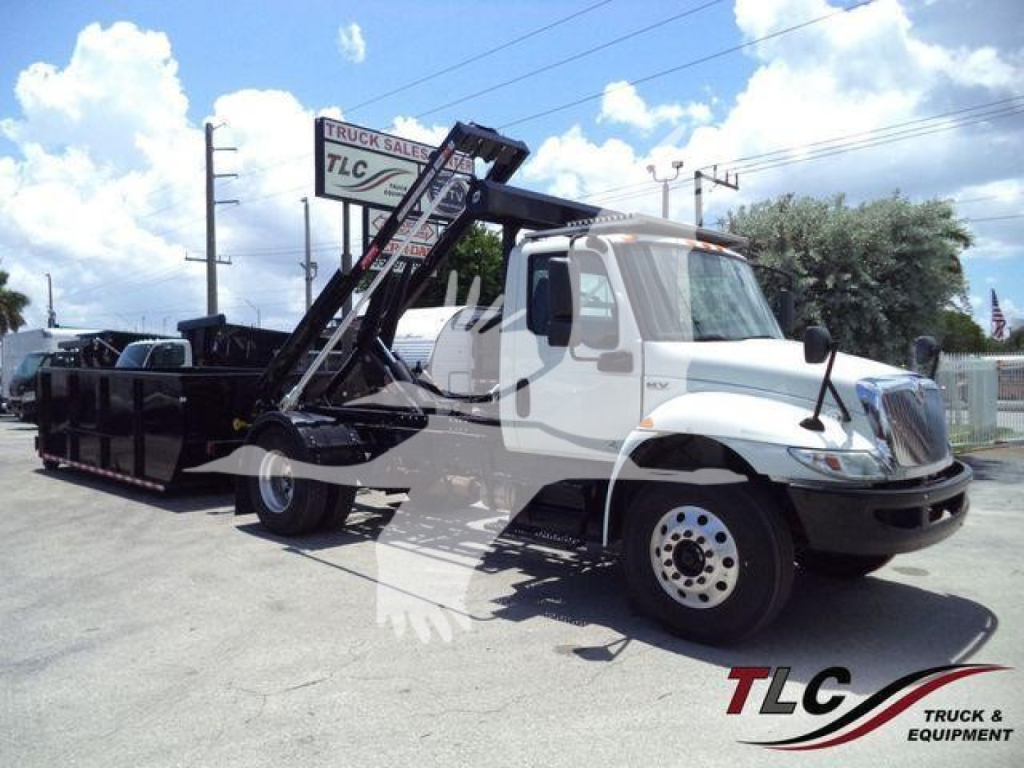
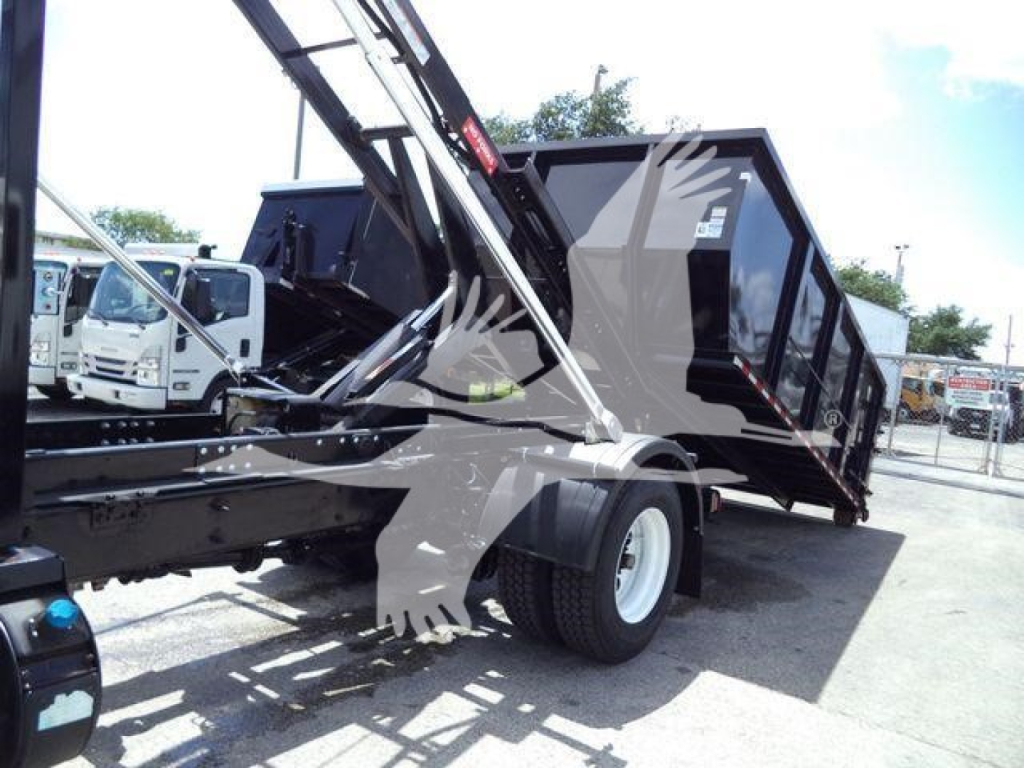
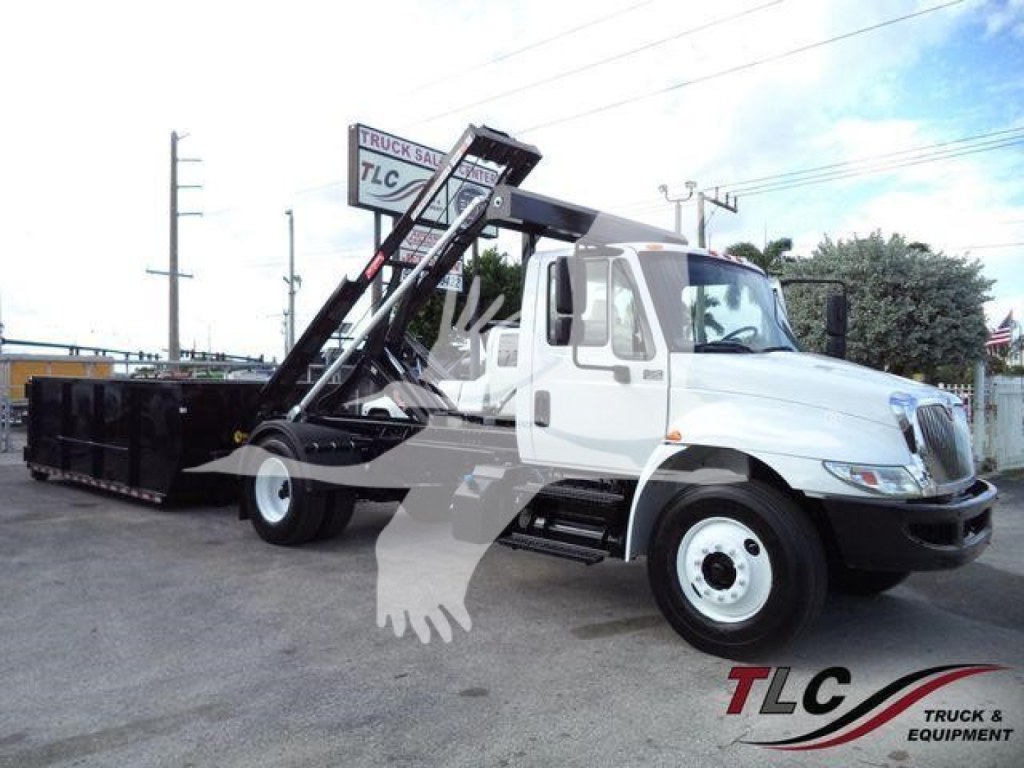
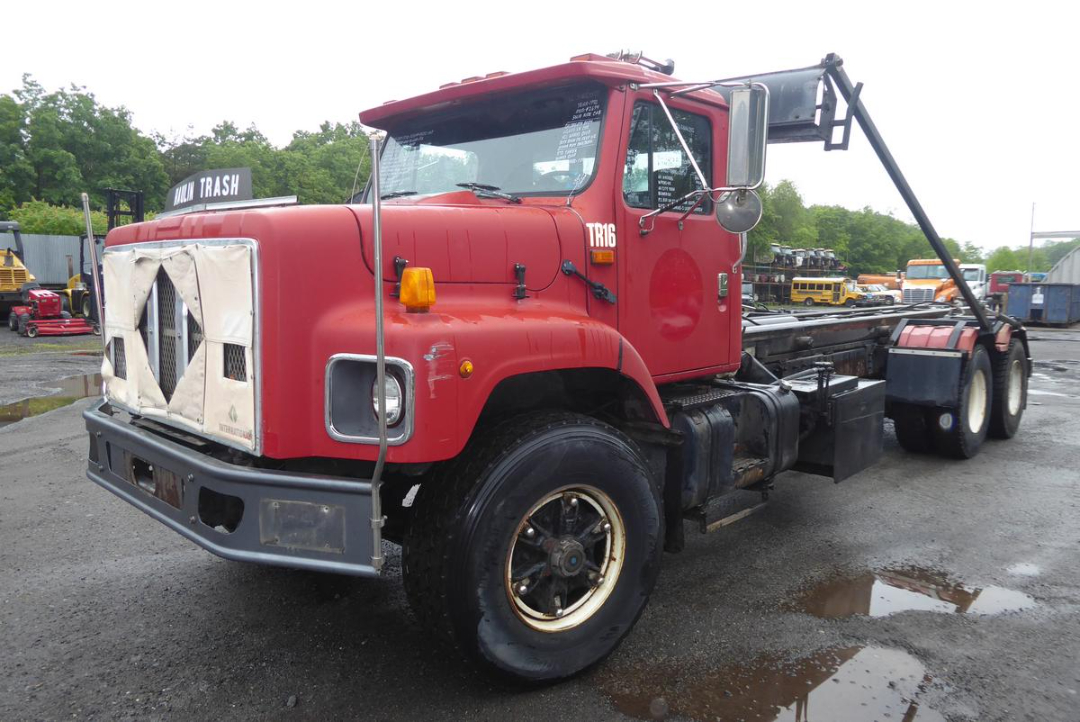
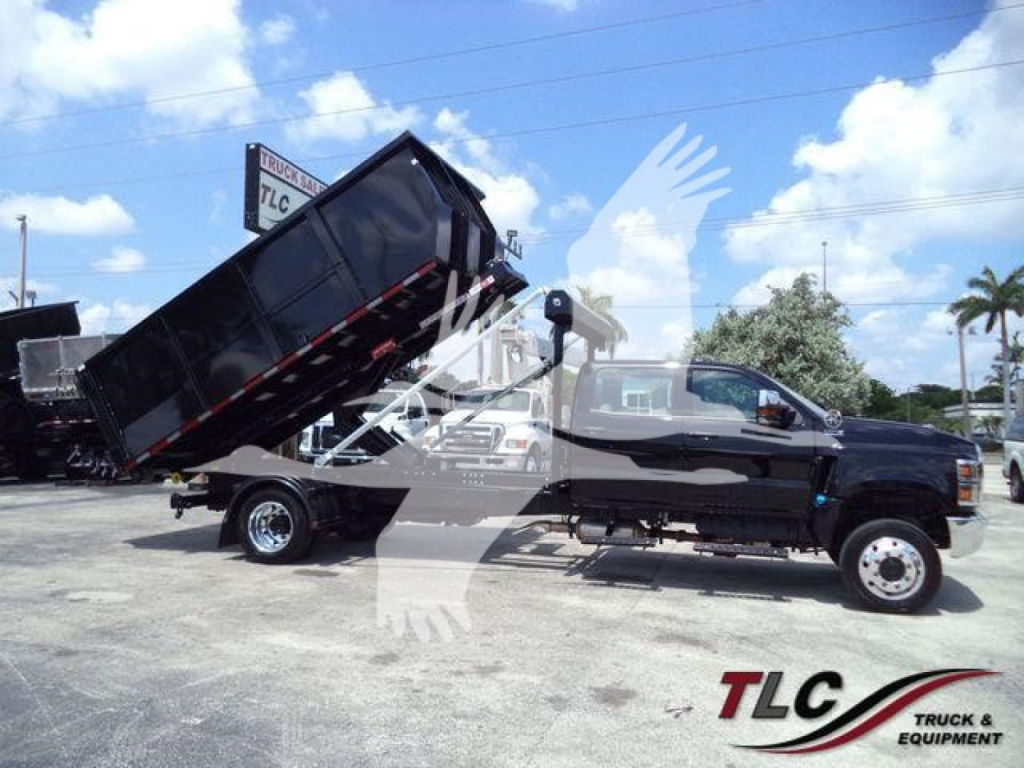
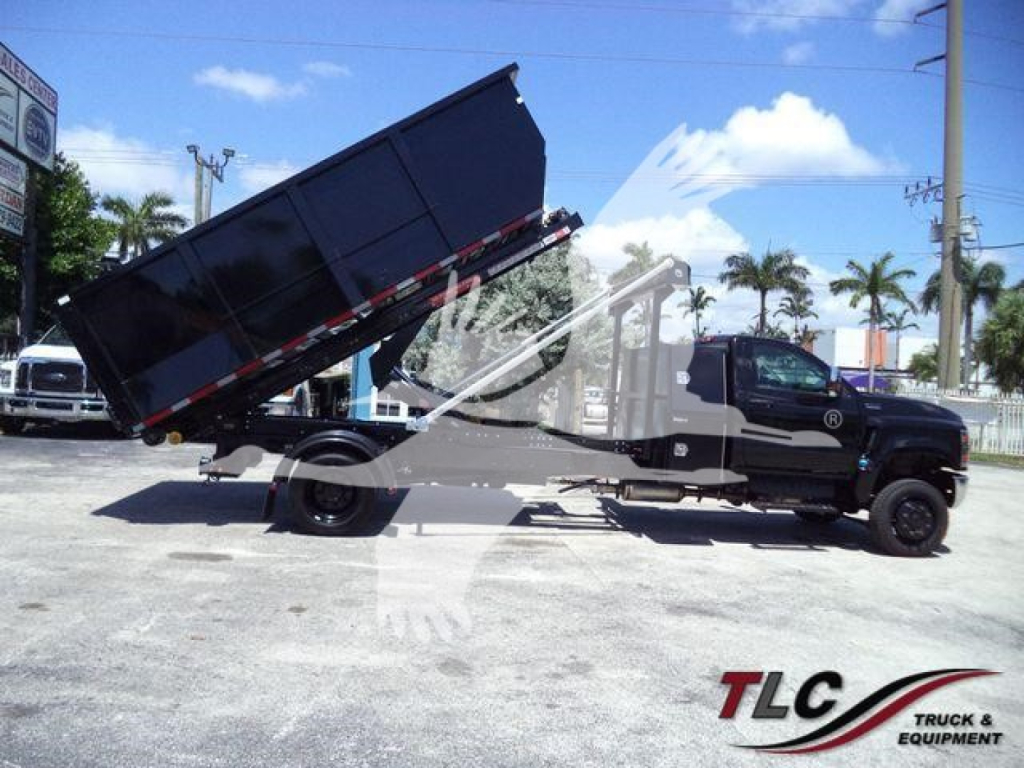
Selling a international rolloff truck? List your international rolloff truck for sale and reach thousands of commercial buyers.
International Rolloff Trucks
International rolloff configurations vary between cable hoists and hooklift systems, and that choice changes how the truck fits the job. A traditional cable rolloff is common in refuse and scrap applications where standardized containers are moved all day. A hooklift offers more body flexibility and can run dumpsters, flatbeds, dump bodies, hot boxes, salt spreaders, and other attachments if the hydraulic system and hook height are matched correctly. Important fitment details include hoist rating, inside and outside rail width, hook height, container length range, and rear overhang. A truck with the wrong wheelbase or kingpin-equivalent body geometry for the intended boxes can be harder to load, transfer, and balance legally across the axles.
On older and mid-range International rolloff trucks, buyers will often see engines like the DT466 or larger heavy-duty diesel platforms paired with manual or automatic transmissions. The right setup depends on route density, driver turnover, and terrain. Automatics help in stop-and-go container work, while manual transmissions can still appeal in severe-duty fleets that prioritize simplicity and operator control. Rear axle ratios, suspension type, and tire size affect launch with loaded cans, off-road traction, and highway speed. Hydraulic performance deserves a thorough inspection because cylinder seepage, worn pins and bushings, tired pumps, and sticky valves can turn a usable truck into a repair project quickly. A functioning tarp system, stable hoist operation, and clean PTO engagement are all worth verifying.
For buyers comparing International rolloff trucks for sale, the best value usually comes from matching the truck to the containers, routes, and legal weight profile already in service. Confirm frame condition, crossmember integrity, hoist subframe mounting, brake life, and steering wear, especially on high-cycle vocational units. Cab condition matters, but a straight frame, healthy hydraulics, and correct axle spec matter more on a rolloff truck than cosmetic appearance. If the truck will work in urban transfer, construction debris, municipal yard service, or scrap hauling, it pays to buy around capacity, hydraulic compatibility, and serviceability first.
Frequently Asked Questions about International Rolloff Trucks
What should I look at first when buying an International rolloff truck?
Start with the hoist or hooklift capacity and then confirm the chassis can legally and safely support that workload. Axle ratings, GVWR, wheelbase, cab-to-axle, frame strength, PTO arrangement, and hydraulic condition are the core checkpoints. On a vocational truck, worn pins, bushing play, cylinder leaks, or a weak pump can matter more than mileage alone.
What is the difference between a cable rolloff and a hooklift on an International truck?
A cable rolloff is built mainly for loading and unloading rolloff containers with standardized rails. A hooklift uses a hydraulic arm and hook bar, giving the truck the ability to handle multiple body types such as dumpsters, flatbeds, dump bodies, and specialty attachments. Hooklift trucks offer more versatility, but the hook height, body length range, and hydraulic compatibility must match the equipment being used.
Are International rolloff trucks good for municipal and waste applications?
Yes. International vocational chassis are widely used in municipal fleets, refuse support work, recycling, and container service because they are typically available with heavy frames, severe-duty suspensions, and engine options suited to stop-and-go operation. Parts availability and familiarity among fleet technicians also make them a practical fit for public-sector and private vocational use.
How important is wheelbase on a rolloff truck?
Wheelbase is critical because it affects container fit, axle balance, turning radius, and bridge-law compliance. A wheelbase that is too short or too long for the hoist and container lengths can create loading issues or poor weight distribution. Buyers should compare wheelbase, cab-to-axle, and rear overhang against the exact box sizes and application the truck will handle.
What common wear areas should be inspected on a used rolloff truck?
Inspect the hoist rails, hook or cable assembly, rear rollers, hinge points, pins and bushings, hydraulic cylinders, PTO, pump, control valve operation, and tarping system. Also check frame rails for cracks or added repairs, suspension wear, brake condition, steering play, and evidence of uneven loading. These trucks often work in high-cycle environments, so operational wear is usually more important than appearance.