
2027 International Trucks For Sale
Browse 2027 International trucks with insight on LT, RH, HX, HV and MV chassis, engines, GVWR classes, vocational upfits, and spec priorities.

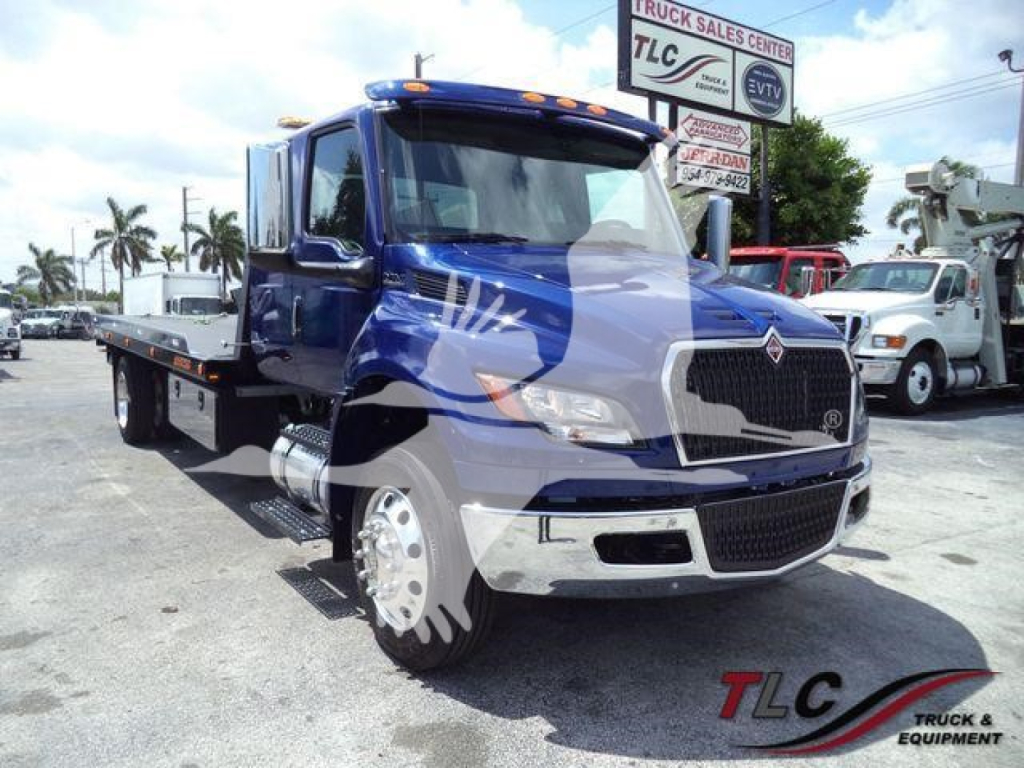
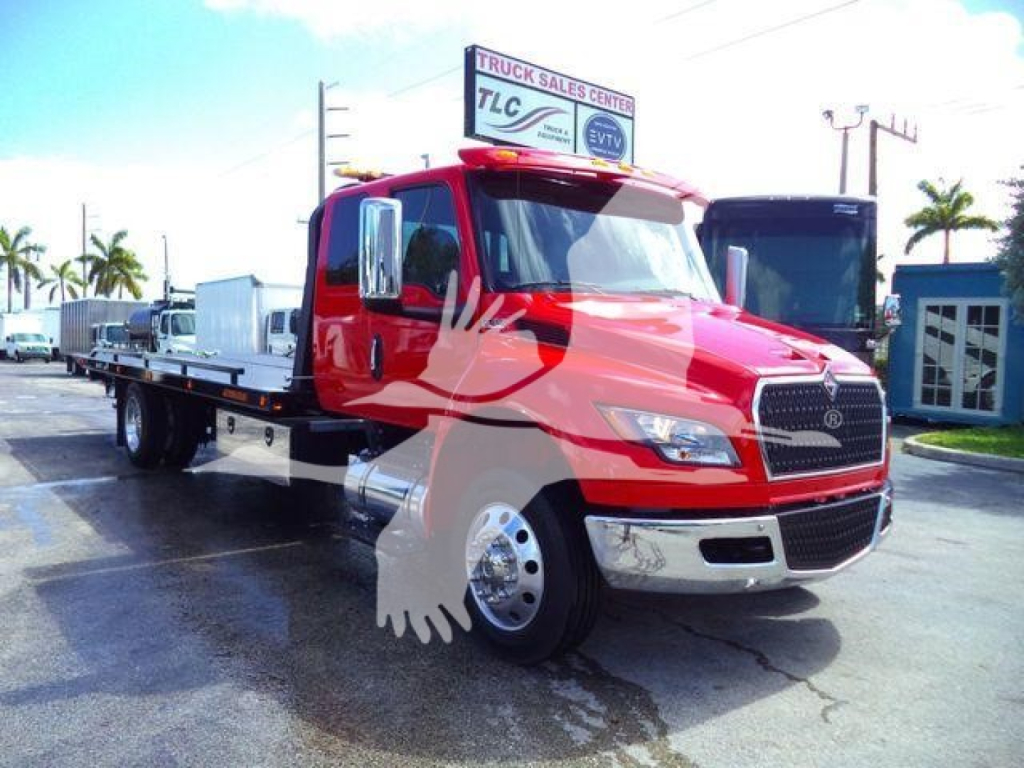
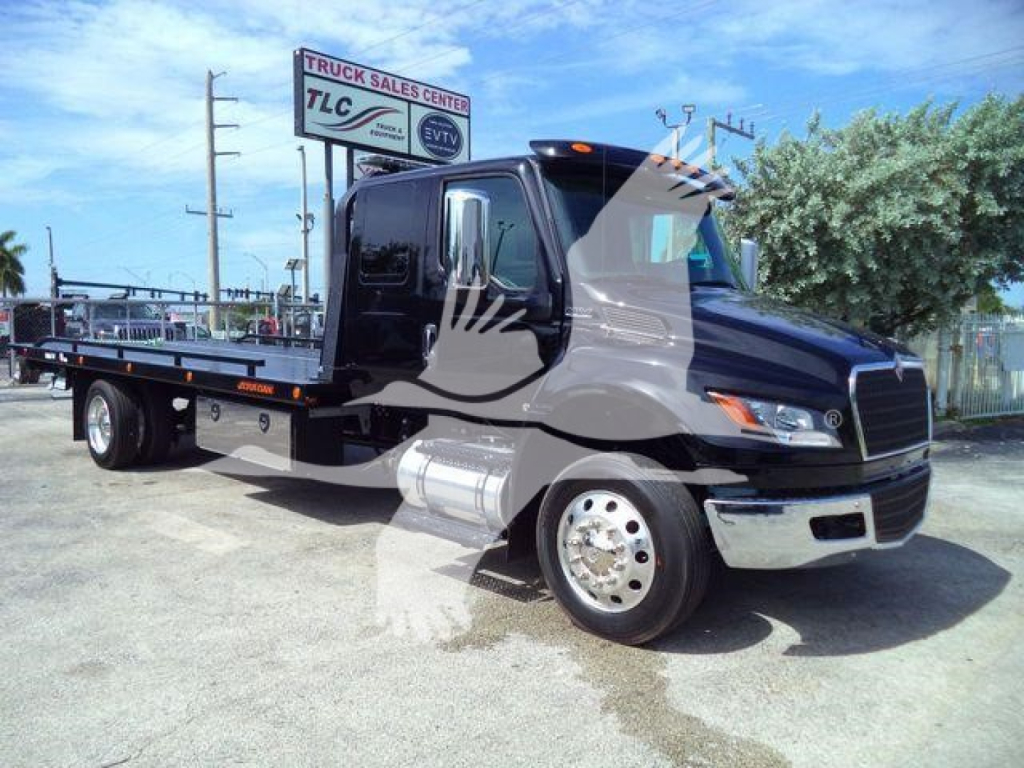
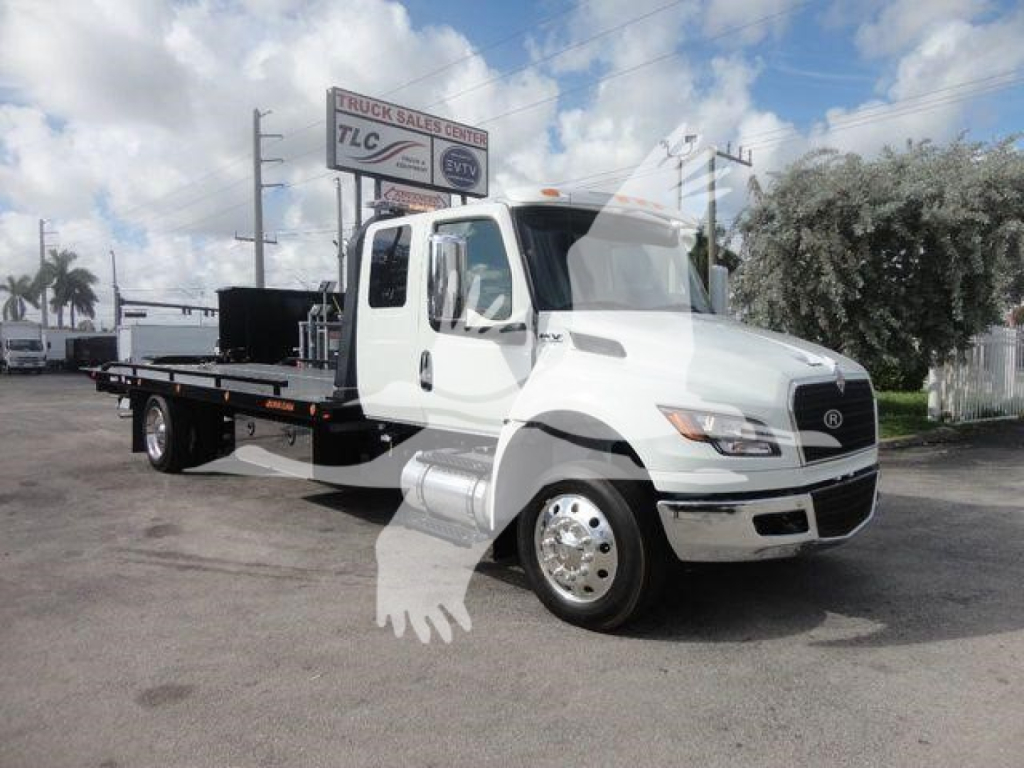
Selling a 2027 international truck? List your 2027 international truck for sale and reach thousands of commercial buyers.
2027 International Trucks
For over-the-road buyers, International sleeper and day cab tractors are commonly spec'd around fuel economy, driver comfort, and service access. Expect attention on engine ratings, automated transmissions, rear axle ratios, and wheelbase matched to trailer length and kingpin settings. A highway-focused International tractor is often chosen for regional freight, dedicated lanes, or long-haul work where a mid-roof or double-bunk sleeper may matter as much as horsepower. Buyers should compare gross combination weight rating, front axle capacity, fairing package, tank capacity, and braking configuration, especially if the truck will run in mixed terrain or spend time in urban terminals where turning radius and visibility affect daily productivity.
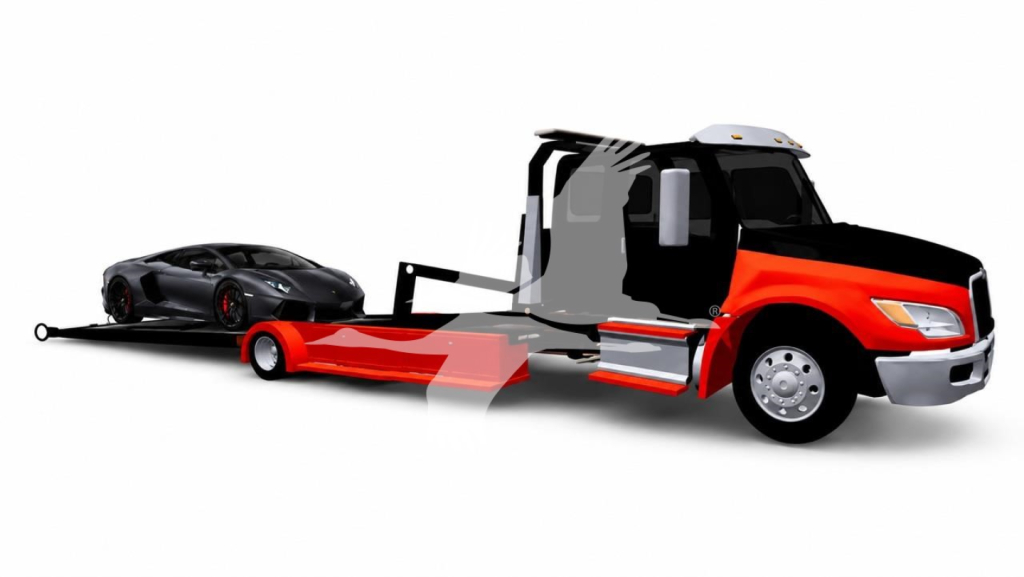
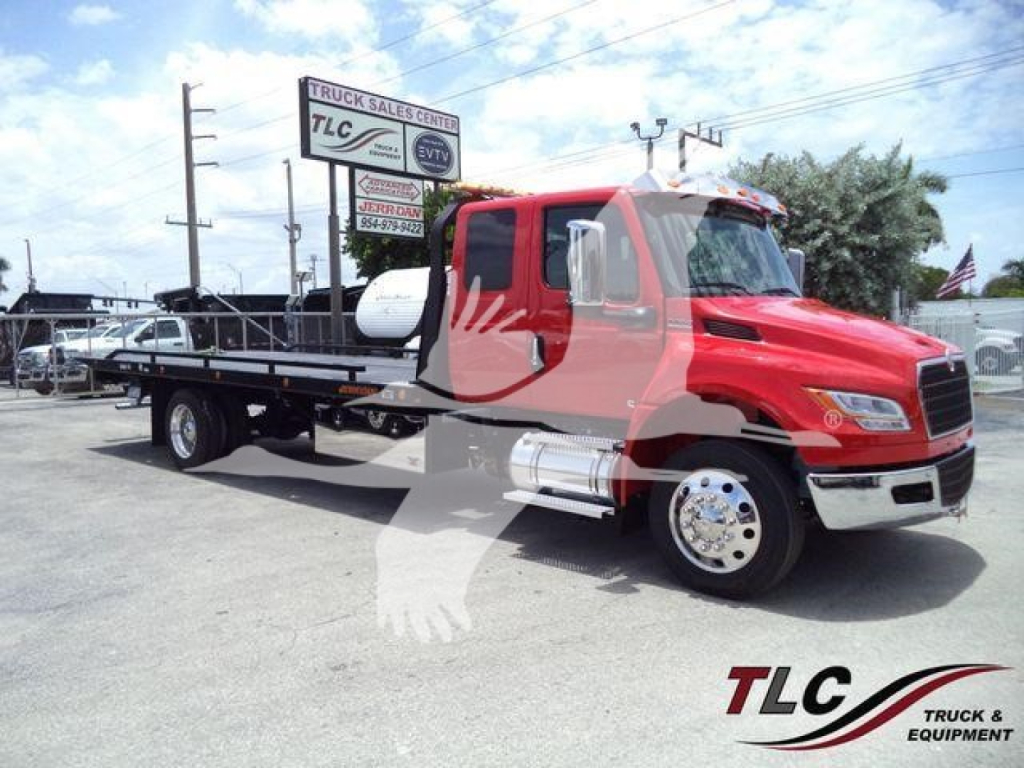
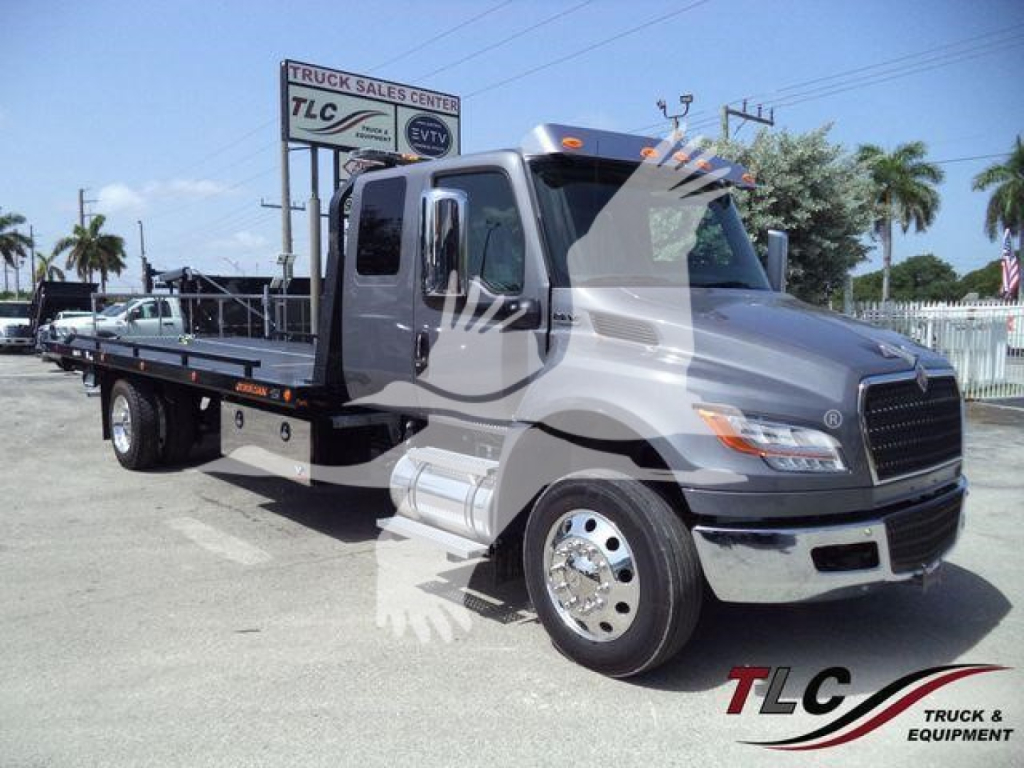
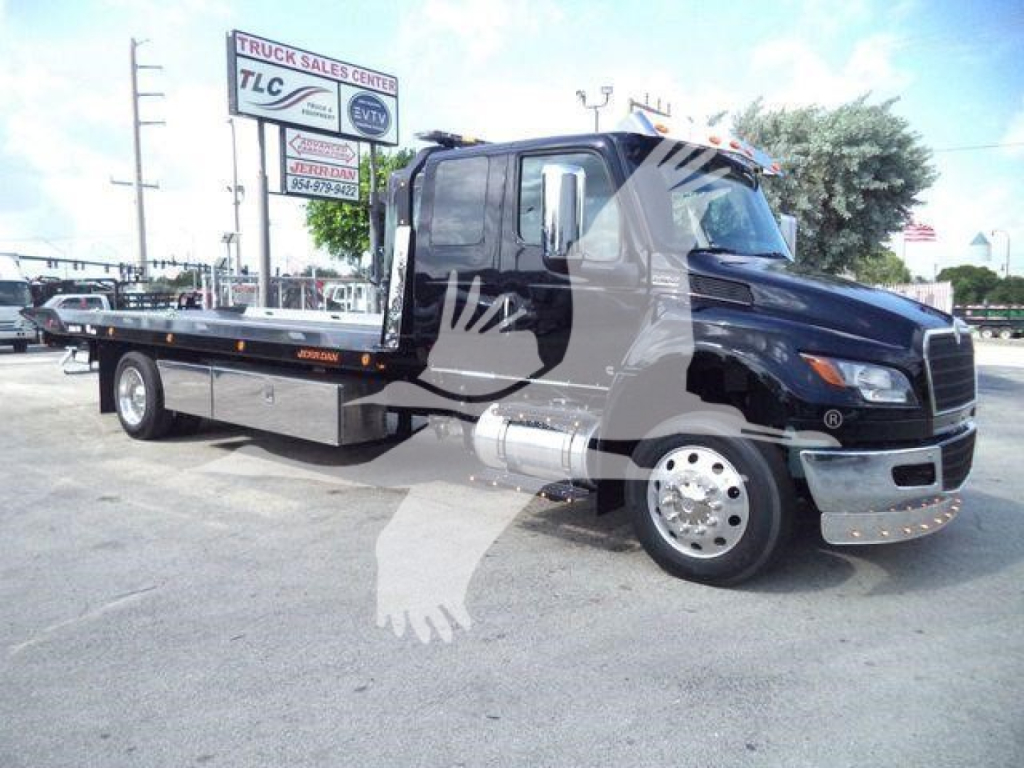
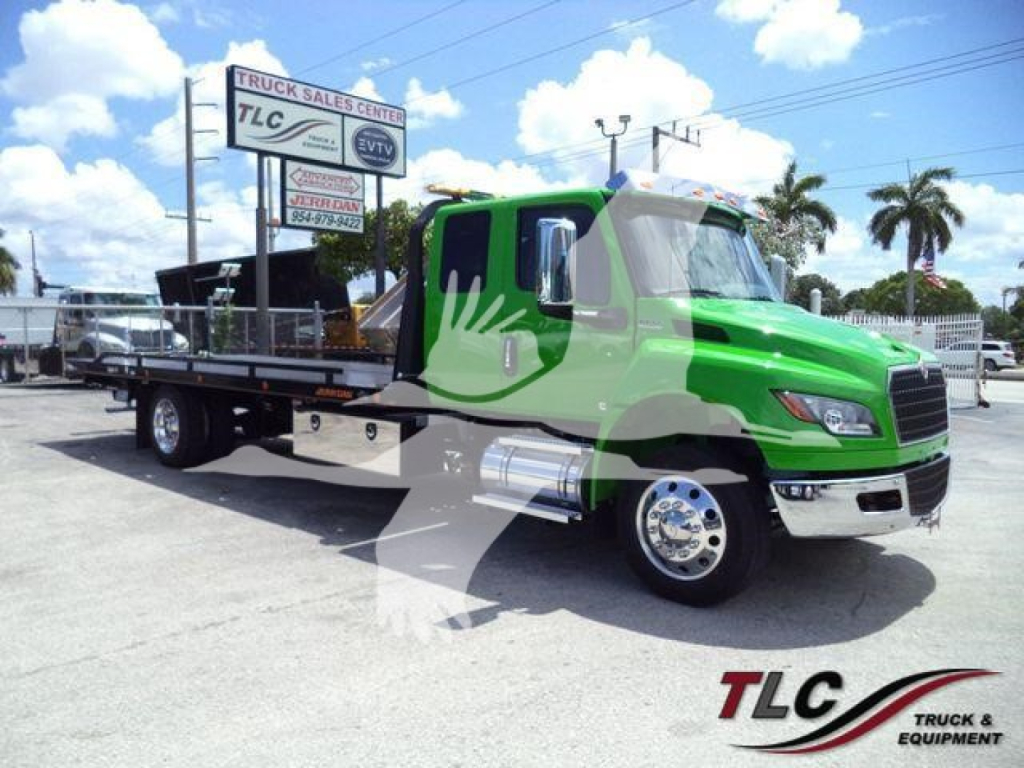
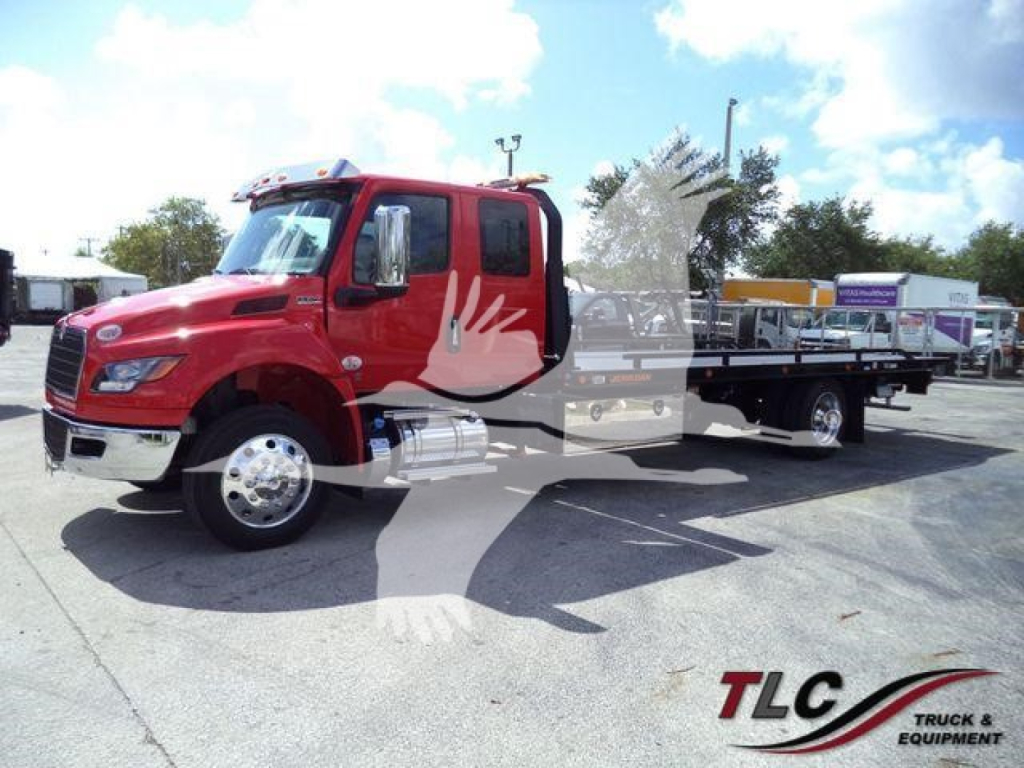
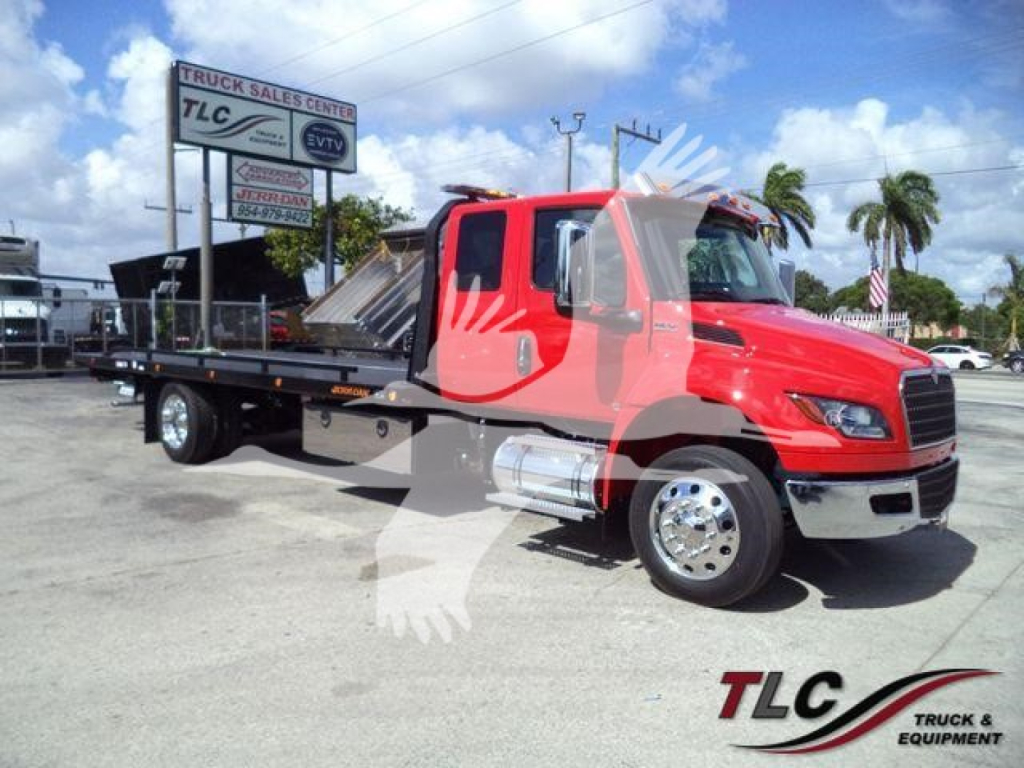
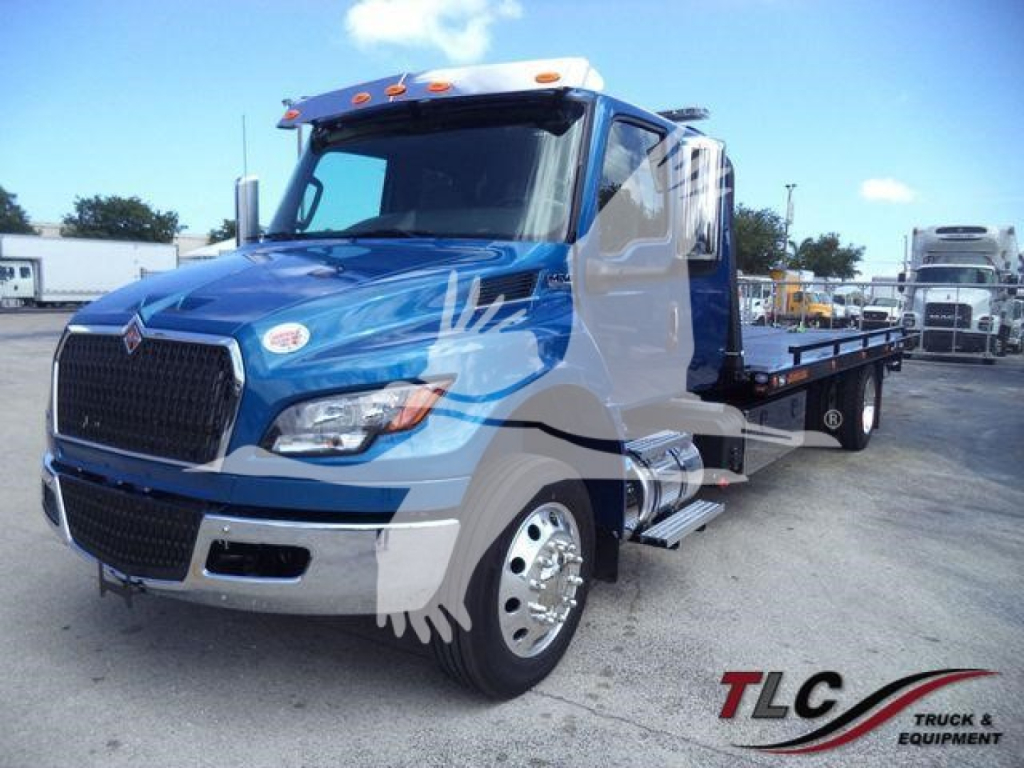
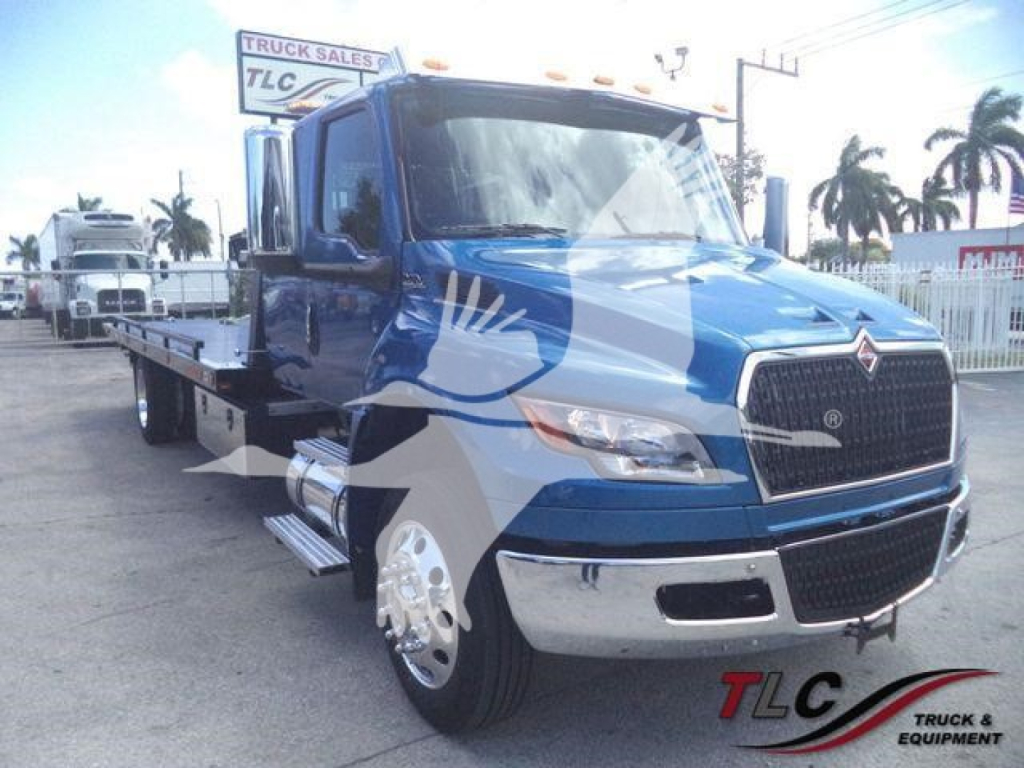
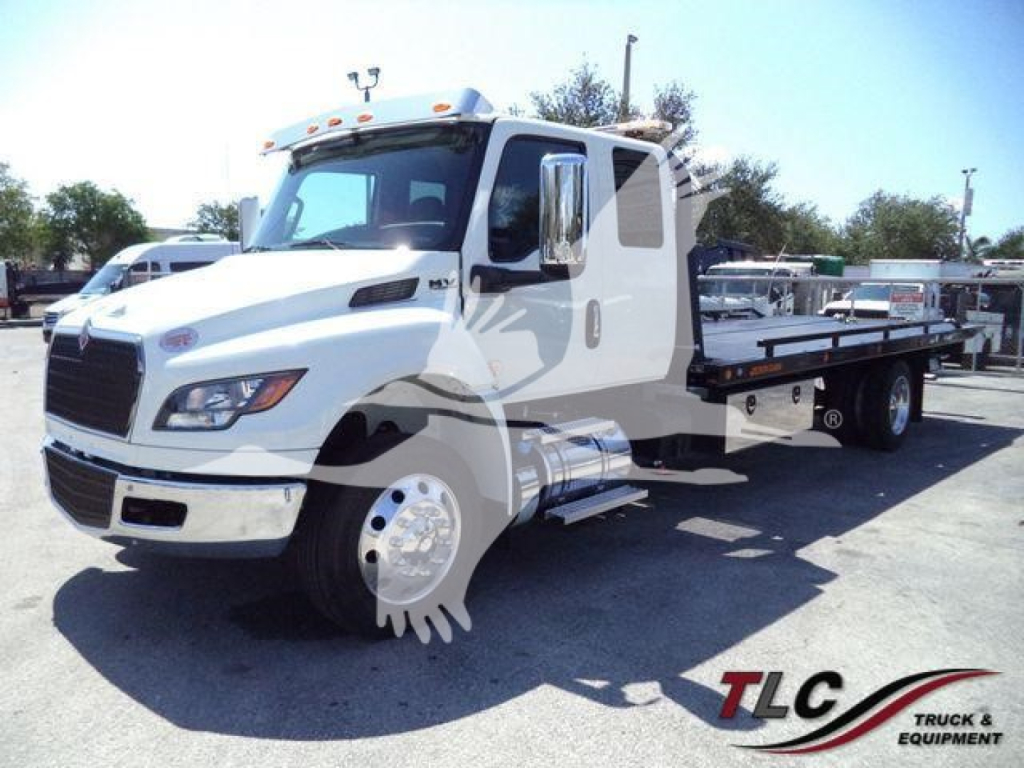
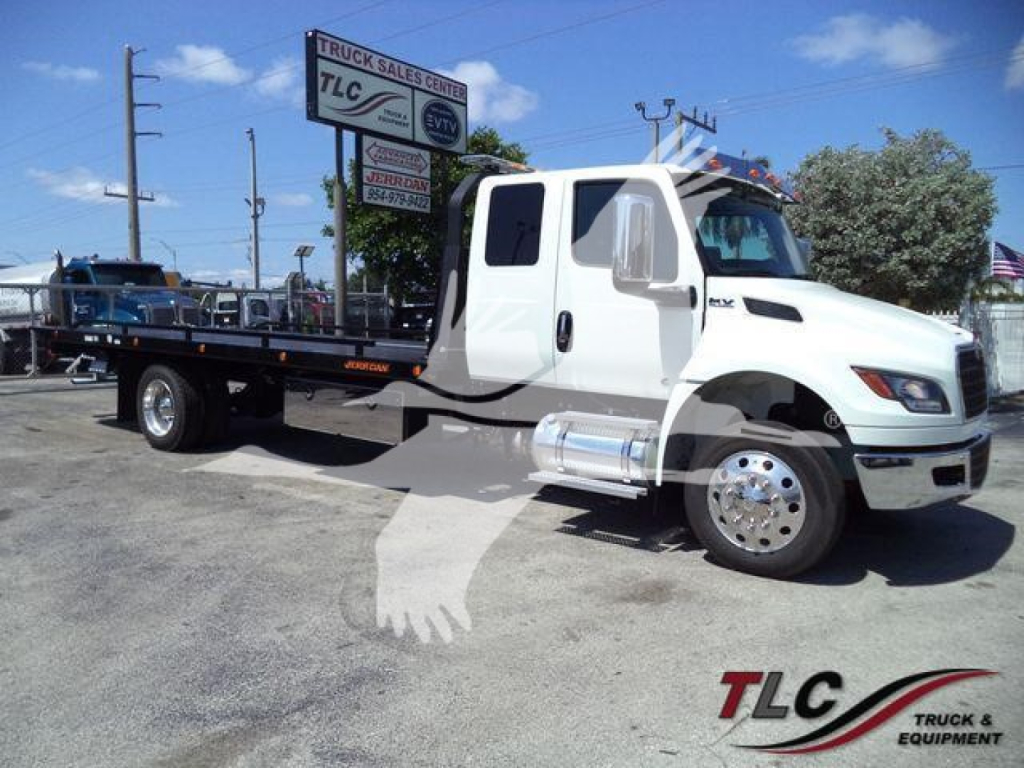
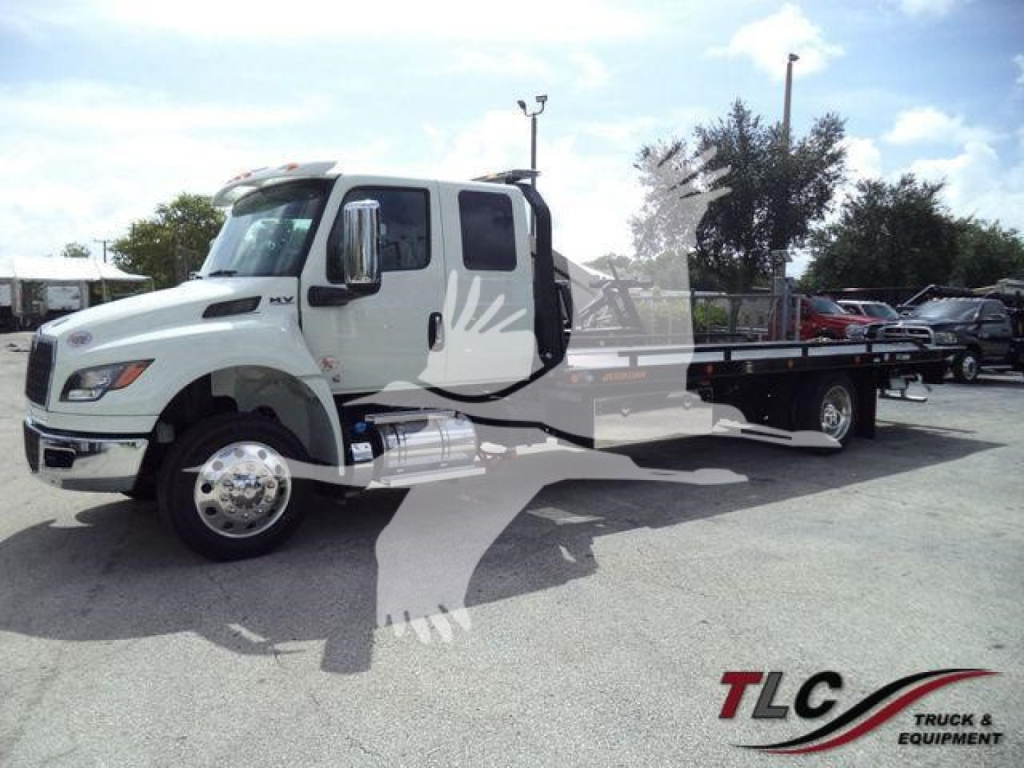
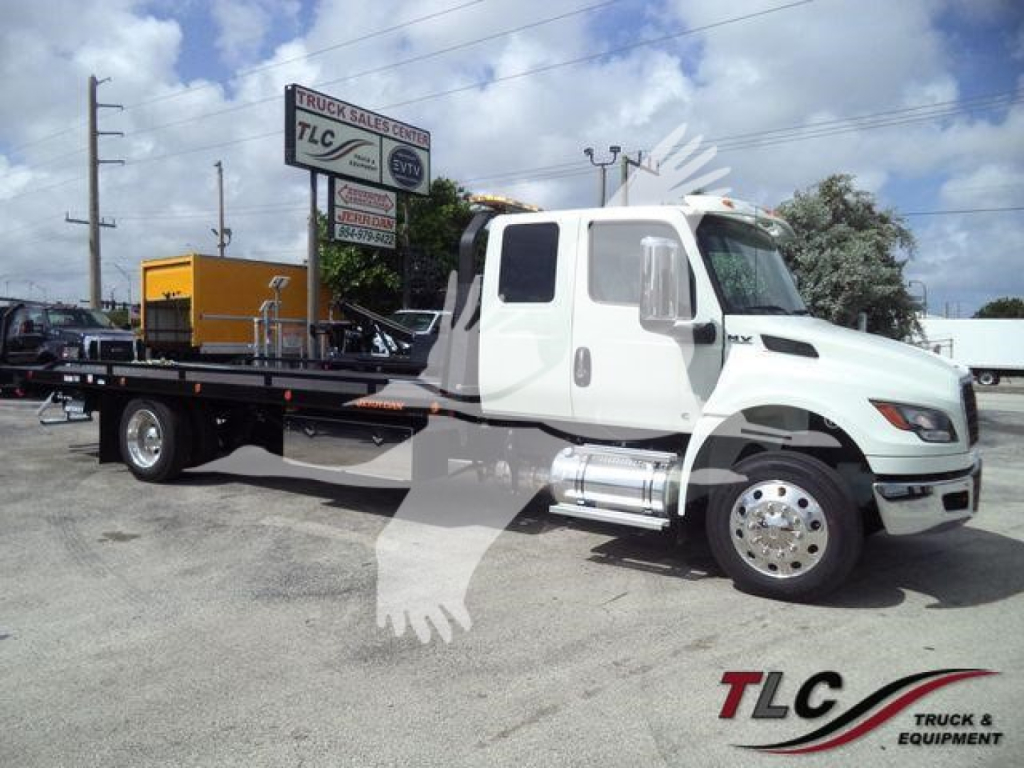
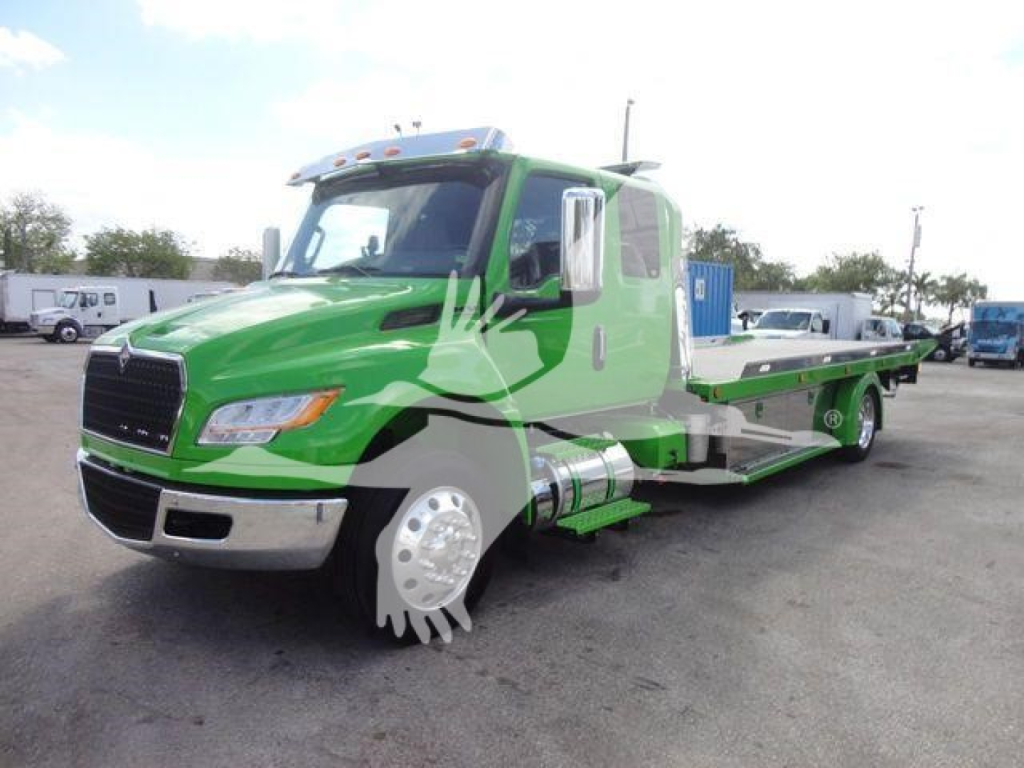
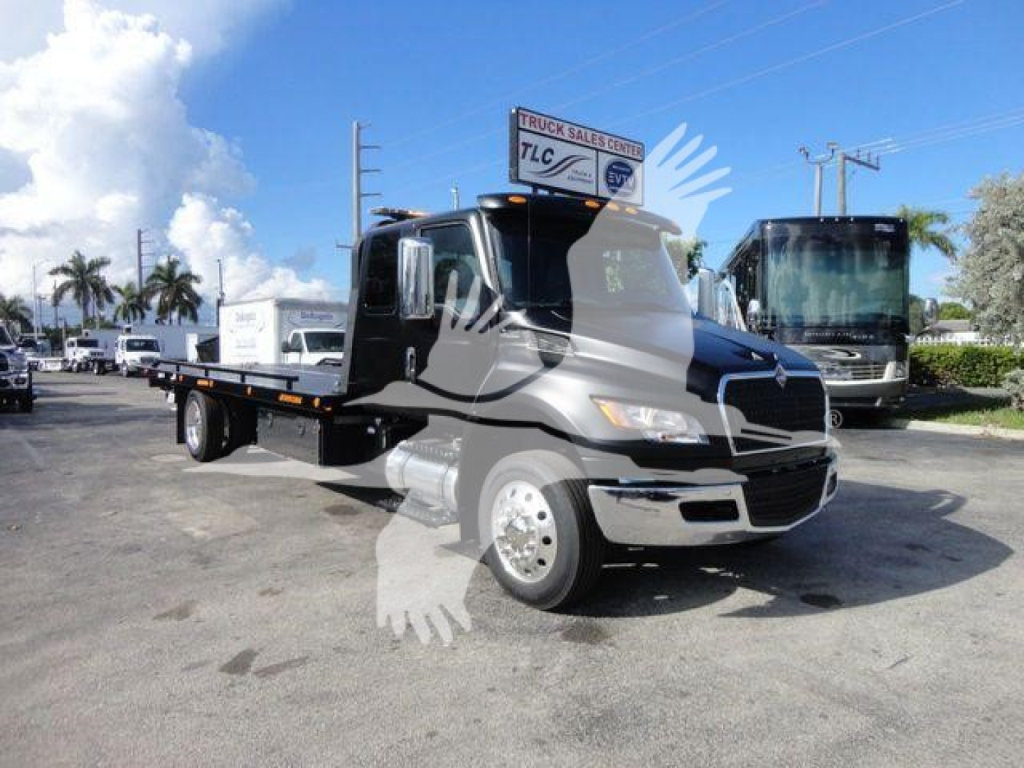
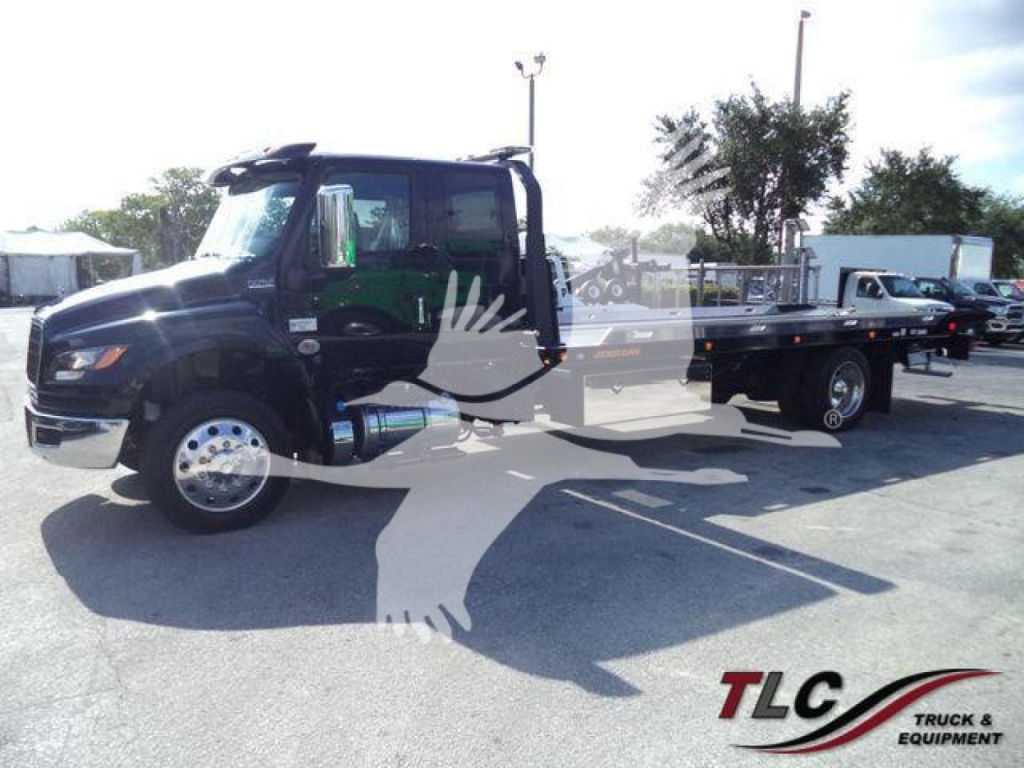
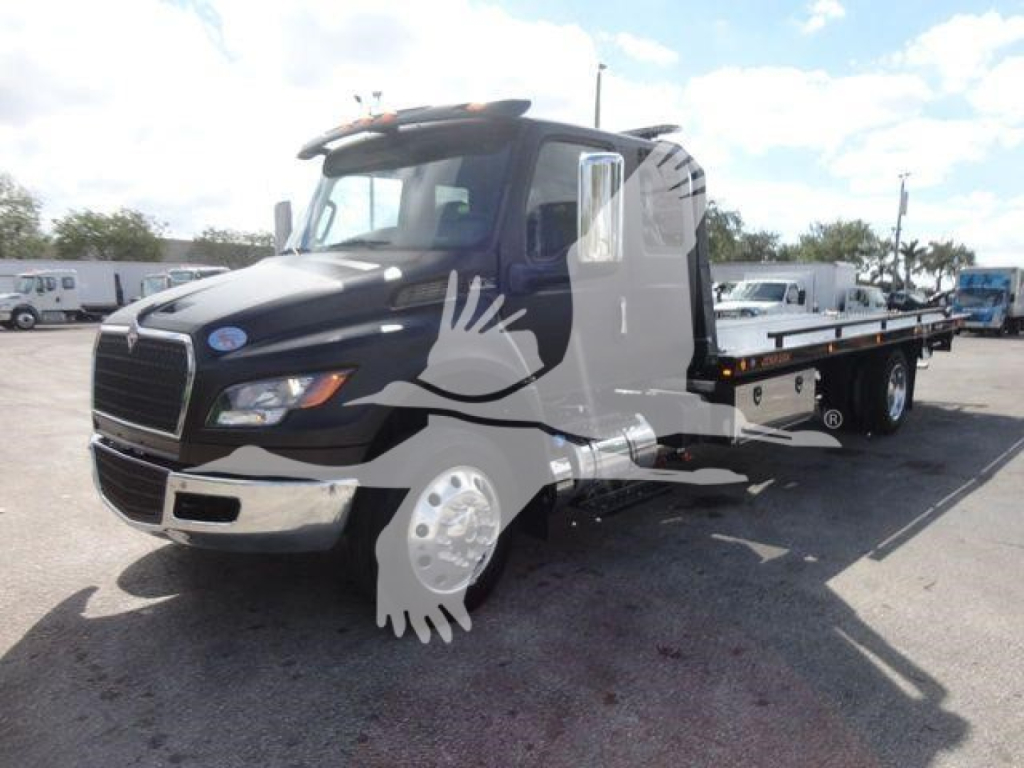
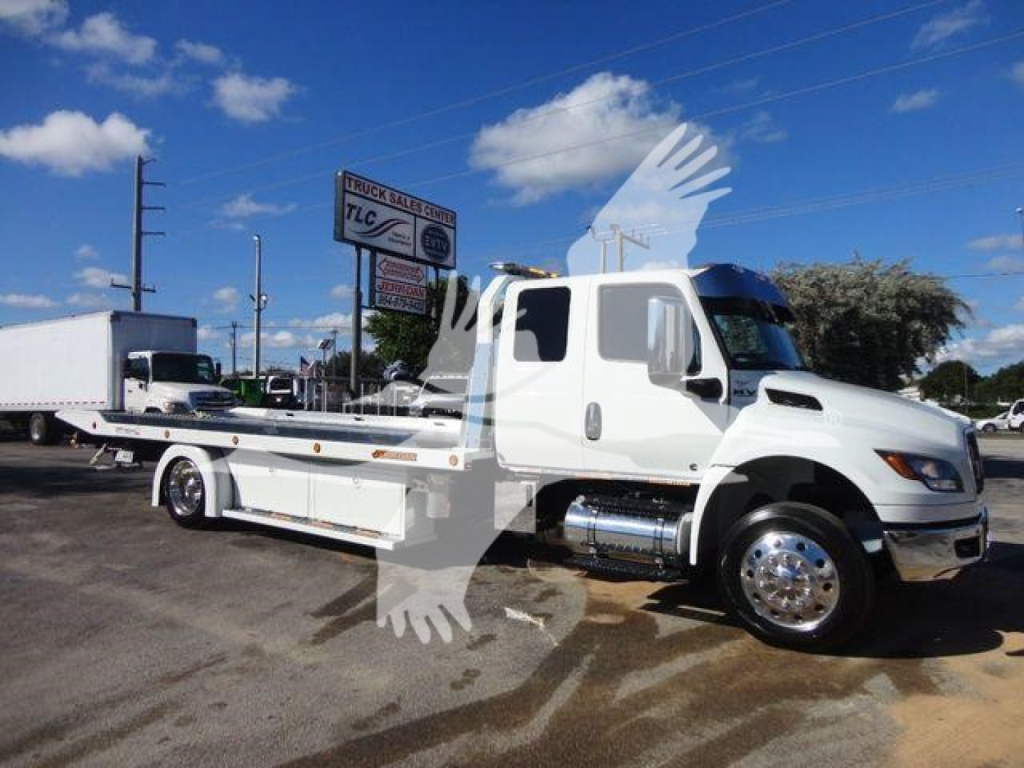
On the vocational side, International chassis are widely used for wreckers, dump bodies, vacuum trucks, tank applications, utility bodies, beverage bodies, and other specialized upfits. In these trucks, frame strength, PTO provision, electrical architecture, and axle spread usually matter more than cosmetic options. Medium-duty models such as the MV are often selected for Allison automatic transmissions, straightforward body-builder integration, and GVWR ranges that fit city service, pickup and delivery, septic, towing, or municipal routes. Heavier HV and HX configurations are better suited when the job demands higher front axle ratings, severe-service suspensions, double-frame options, and vocational-friendly gearing. Buyers should verify clear frame rail space, hydraulic requirements, and whether the truck is already set up for the body, pump, winch, or boom the operation requires.
International trucks also deserve a close look on operating cost and support factors. Common buying checkpoints include engine family, emissions system history, warranty position, telematics capability, brake type, and the availability of parts and dealer service in the truck's operating region. A buyer comparing 2027 International trucks should also look at interior layout, visibility, ingress and egress, and driver-assist features if the truck will rotate among multiple operators. The best spec is usually the one that matches route, payload, body weight, and maintenance capability without carrying unnecessary components that add cost or reduce legal payload.
Frequently Asked Questions about 2027 International Trucks
What are the main International truck models buyers usually compare in the 2027 lineup?
Most buyers separate International trucks into highway and vocational groups. LT and RH models are commonly compared for on-highway tractor work, while MV models cover a large share of medium-duty applications such as box trucks, wreckers, utility bodies, and municipal service. HV and HX chassis are the typical comparison point for heavier vocational work that needs stronger frames, higher axle ratings, and severe-service components. The right choice depends more on duty cycle, body type, and GVWR than on model year alone.
What should I check first when buying a 2027 International vocational truck?
Start with the chassis dimensions and weight ratings that control the upfit. Cab-to-axle, wheelbase, frame rail section, front and rear axle capacities, and PTO compatibility should be confirmed before looking at trim or appearance. For a tow truck, vacuum truck, dump truck, or tank truck, the body installation and hydraulic requirements are critical. A clean spec sheet that matches the intended body will usually save more money than choosing a truck with extra features but the wrong frame or axle package.
Are International trucks a good fit for regional and long-haul tractor work?
International tractors are commonly used in regional freight, dedicated lane service, and long-haul applications when spec'd correctly. Buyers usually focus on sleeper size, fuel tank capacity, rear axle ratio, engine horsepower, and automated transmission setup to match route profile and gross combination weight. A fuel-economy spec for flatter regional lanes will look different from a heavier long-haul or mixed-grade setup. Driver comfort, visibility, and service network coverage are also important because they affect uptime as much as powertrain choice.
What engine and transmission details matter most on an International truck?
The important details are the engine family, horsepower and torque rating, transmission type, rear axle ratio, and how those components work together under the truck's actual load. Medium-duty International trucks are often paired with Allison automatic transmissions for stop-and-go vocational work, while highway tractors may use automated manual transmissions for fuel economy and driver consistency. Buyers should also review emissions system design, PTO requirements, cruise speed targets, and terrain, because a strong engine rating alone does not guarantee the truck is properly spec'd for the job.
How do I compare payload and legal capacity on different International trucks for sale?
Use GVWR or GCWR first, then work backward from body weight, equipment weight, fuel, driver, and cargo. On vocational trucks, heavy pumps, booms, toolboxes, or tanks can significantly reduce remaining legal payload even when the chassis looks substantial. On tractors, axle ratings, fifth wheel placement, and local bridge or spread laws can influence usable capacity. A proper comparison should include suspension type, tire rating, wheelbase, and any installed upfit so the truck's real working capacity is clear before purchase.