
2016 Rolloff Trucks For Sale
Shop 2016 rolloff trucks for waste, scrap, and container work. Compare hoist capacity, axle ratings, drivetrain specs, and body setup.
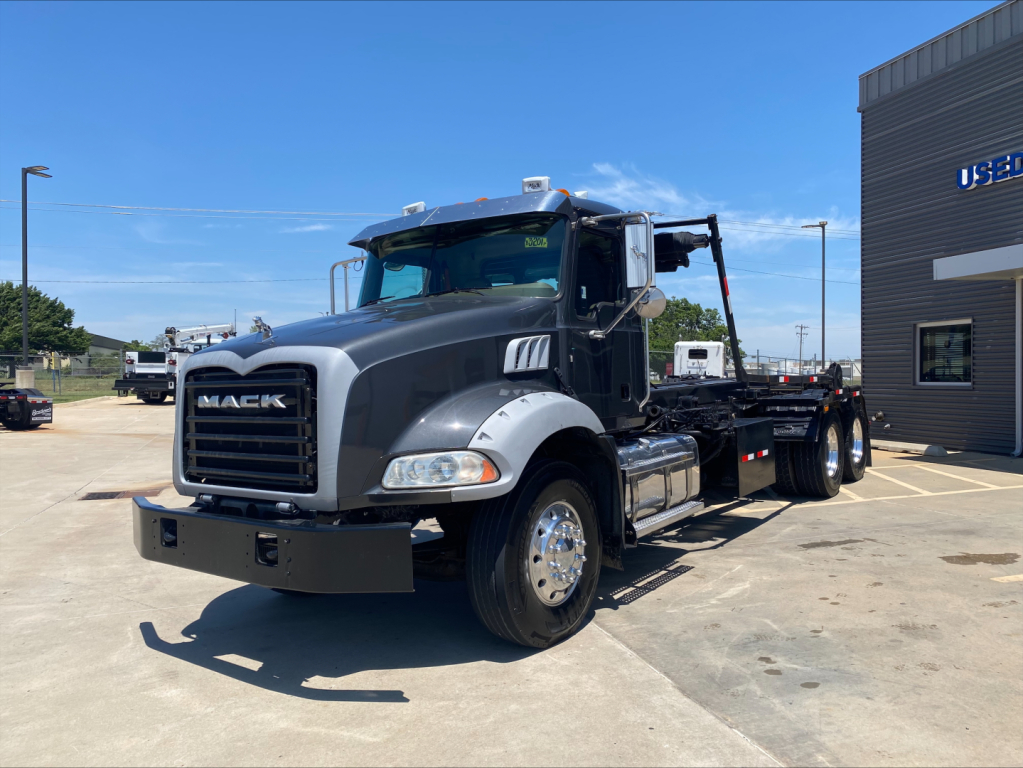
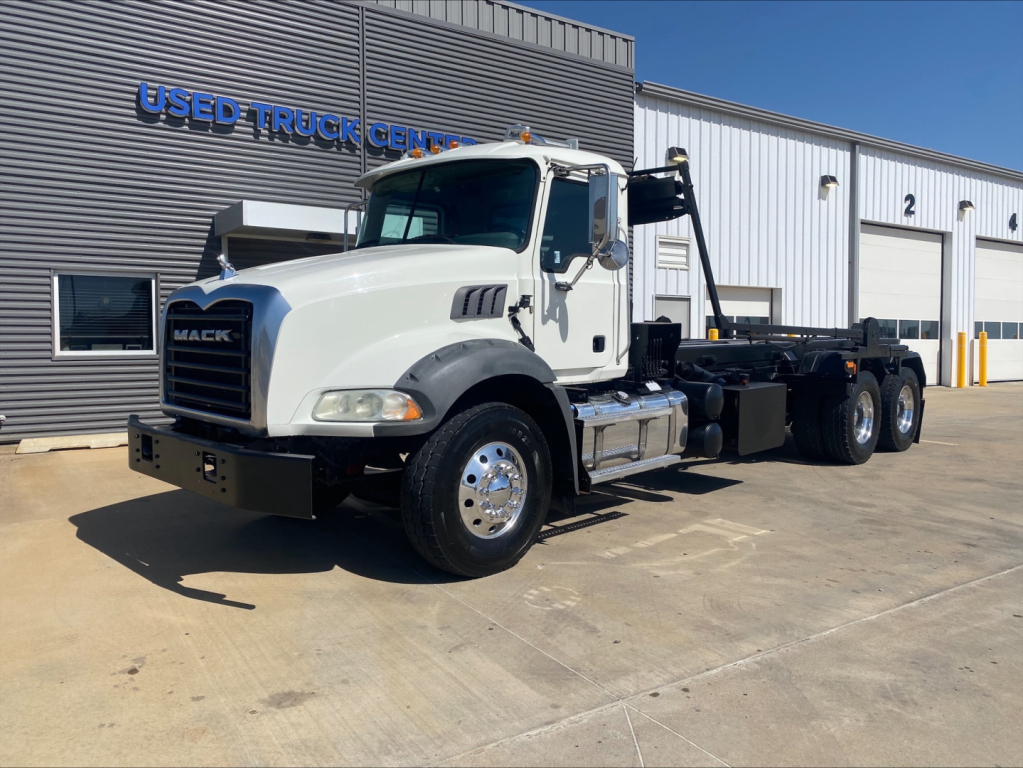
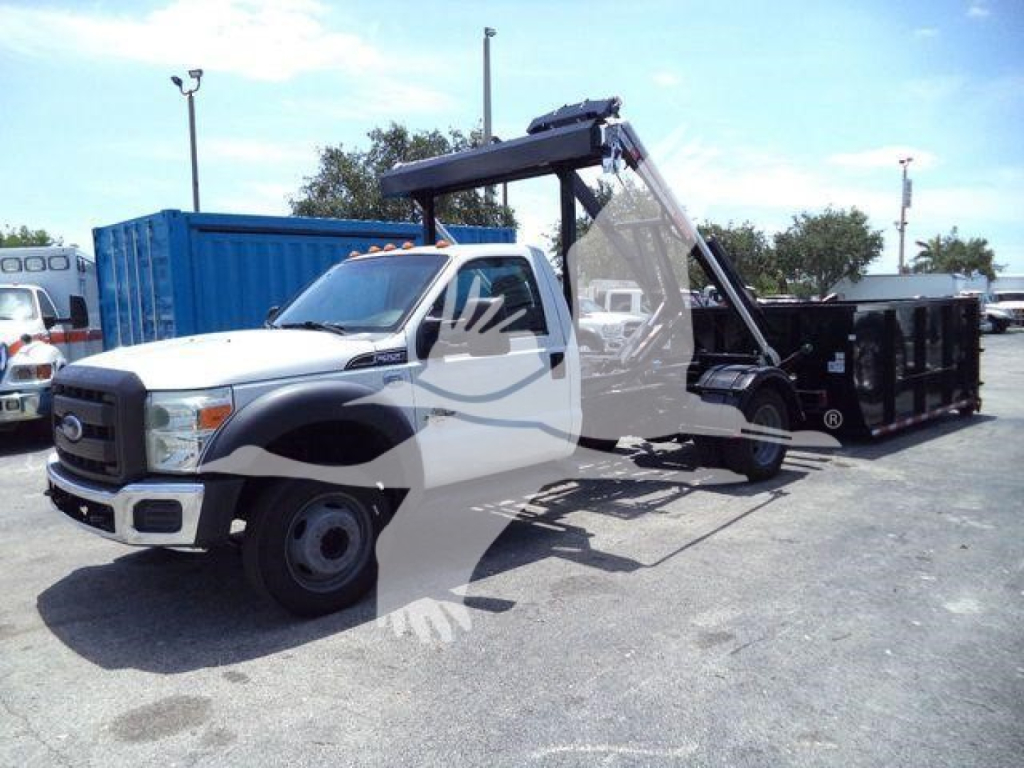

Selling a 2016 rolloff truck? List your 2016 rolloff truck for sale and reach thousands of commercial buyers.
2016 Rolloff Trucks
The key buying decision is matching the hoist and chassis to the boxes you plan to run. A 60K hoist can be a practical fit for many waste and C&D routes, while heavier scrap or high-volume demolition applications may call for a 75K setup and stronger frame reinforcement. Check axle ratings closely. Many 2016 rolloff trucks are spec'd with front axles around 18,000 to 20,000 lbs and rear tandems in the 40,000 to 46,000 lb range. Suspension type matters too. Spring suspension is common for durability and lower maintenance, while heavier-duty rear suspensions may better handle punishing jobsite conditions. Gear ratio, tire size, and wheelbase all affect container placement, bridge compliance, and maneuverability in tight urban accounts.
Powertrain specs on 2016 rolloff trucks often land in the 330 to 450 horsepower range, with torque tuned for low-speed pulling rather than highway speed. Allison automatics are common because they perform well in constant loading cycles, backing, and PTO-driven hydraulic work. Buyers should confirm PTO engagement, hydraulic response, hoist cycle speed, and the condition of rollers, rails, cable, hook gear, and tail components. Frame condition is critical on any used rolloff. Look for cracks, previous repairs, corrosion around hoist mounts, and uneven wear caused by off-center loading. If the truck has spent its life in transfer, scrap, or demolition service, inspect crossmembers, rear hinge areas, and suspension attachment points carefully.
A well-chosen 2016 rolloff truck can still be a productive asset if the vocational spec is right and the hoist system is sound. Also known as a roll-off truck or container truck, this equipment class is less about cosmetic condition and more about structural integrity, legal payload potential, and uptime. Buyers should compare inside CA, outside rail, and cable style systems based on the container fleet already in service. It also makes sense to verify container length compatibility, tarping system type, cab-to-axle measurement, and any local bridge-law limitations before committing to a chassis. For operations that depend on quick turns and reliable box swaps, the right 2016 rolloff truck is one that balances hoist capacity, axle spec, drivetrain durability, and serviceability.
Frequently Asked Questions about 2016 Rolloff Trucks
What should I check first on a 2016 rolloff truck?
Start with the hoist rating, frame condition, and axle specs. Those three areas determine whether the truck can legally and reliably do the work. Inspect the hoist mounts, rails, rollers, hook or cable system, rear hinge area, and PTO hydraulics for wear or damage. Then confirm that the front axle, rear tandem, wheelbase, and suspension match the container sizes and material weights your operation handles.
Is a 60,000 lb hoist enough for a rolloff application?
A 60K hoist is adequate for many waste, roofing, and construction debris applications, especially where container weights are moderate and routes are frequent. It may be less ideal for dense scrap, heavy demolition loads, or operations that consistently push container capacity. The hoist rating should be matched to real container weight, not just box size. Buyers should also consider frame reinforcement, axle ratings, and local weight laws because the hoist is only one part of the overall working capacity.
Why are Allison automatic transmissions so common in rolloff trucks?
Allison automatics are popular in rolloff service because they handle constant stop-and-go driving, backing, and PTO work well. They reduce driver fatigue, simplify operation in crowded job sites, and generally perform smoothly during repeated container pickup and drop cycles. In vocational service, that ease of operation can support faster route work and more consistent driver performance, especially in urban or high-turn environments.
What axle and suspension specs are typical on a 2016 rolloff truck?
Many 2016 rolloff trucks use an 18,000 to 20,000 lb front axle and 40,000 to 46,000 lb rear tandem, often on spring suspension. Those specs are common because they balance durability, legal payload, and vocational stability. Exact ratings vary by chassis and application. Heavier-duty setups may be better for scrap or demolition, while lighter configurations can still work well in municipal or waste container service with the right hoist and wheelbase.
How important is container compatibility when buying a used rolloff truck?
Container compatibility is critical. A truck can be mechanically sound and still be a poor fit if the hoist design, hook height, cable system, rail style, or wheelbase does not match the boxes already in service. Buyers should verify container length range, hook or cable dimensions, body style compatibility, and any tarping requirements before purchase. Matching the truck to the existing container fleet avoids expensive modifications and reduces downtime after delivery.