
2021 Rolloff Trucks For Sale
Shop 2021 rolloff trucks for waste, scrap, and demolition work. Compare hoist capacity, axle setup, wheelbase, hydraulics, and cab specs.
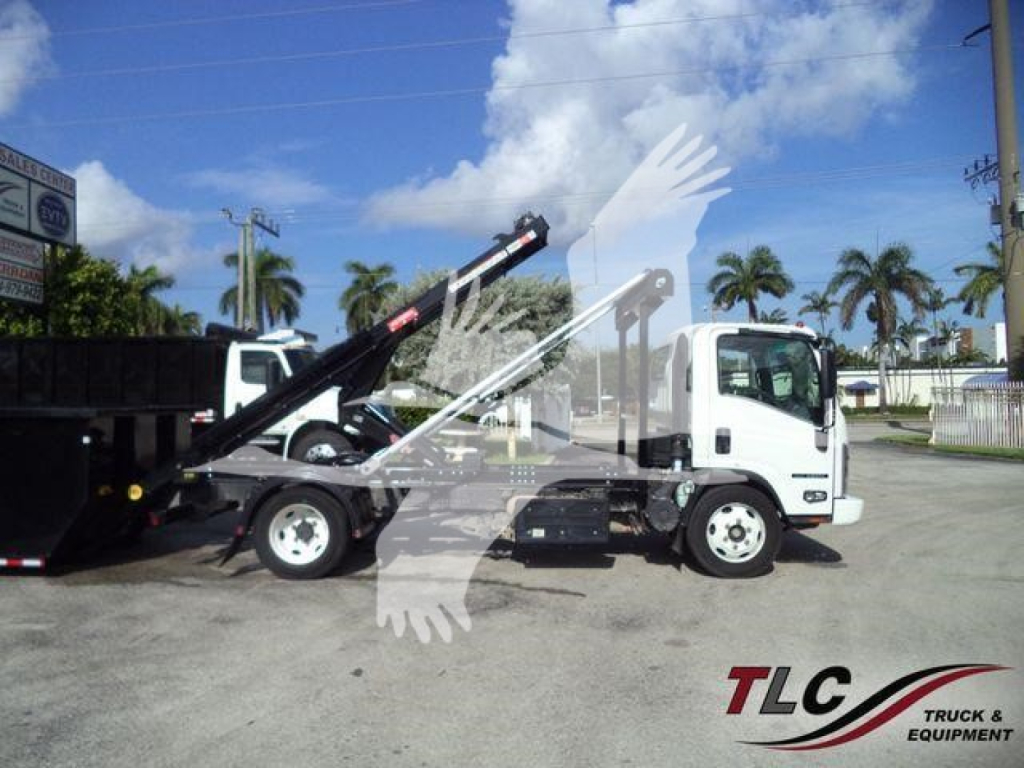
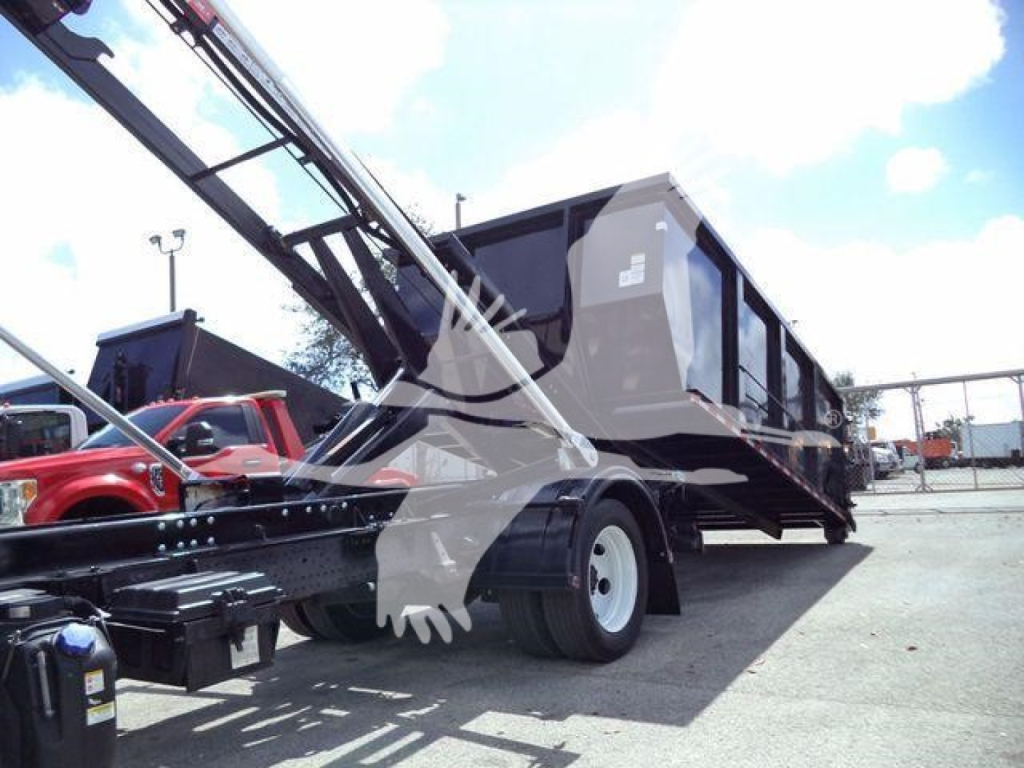
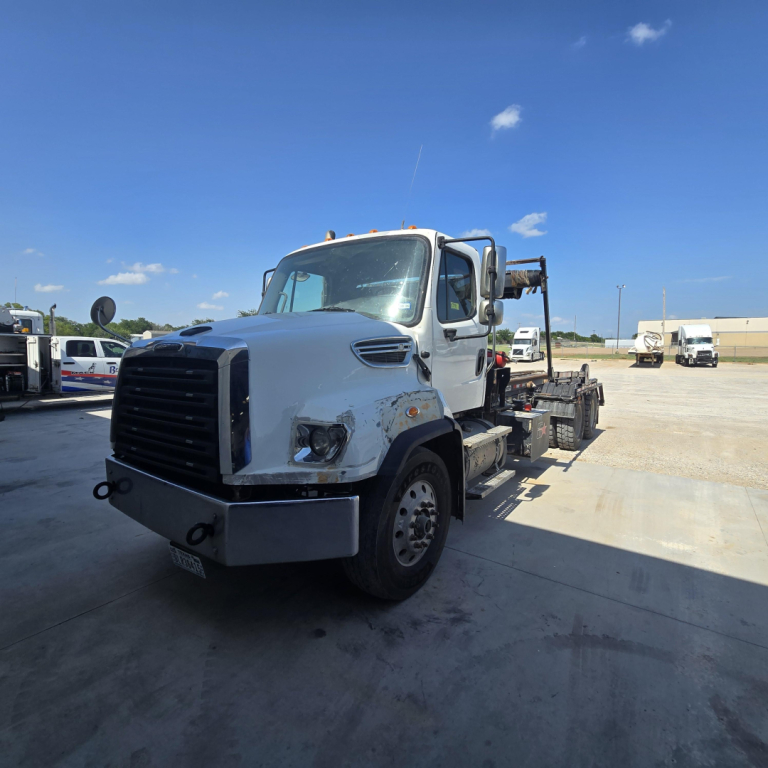
Selling a 2021 rolloff truck? List your 2021 rolloff truck for sale and reach thousands of commercial buyers.
2021 Rolloff Trucks
On a 2021 model, emissions equipment, transmission choice, and PTO-driven hydraulic setup deserve close attention. Many trucks in this year range use automated manual or Allison automatic transmissions, though some vocational buyers still prefer manual gearboxes for simplicity and driver control. Look at engine family, horsepower, torque rating, rear axle ratio, and suspension type in relation to your route profile. A truck spending most of its day on stop-and-go city service has different needs than one pulling loaded cans on highway runs to a landfill. Front axle ratings, lift axle configuration, frame specs, and legal GVWR are also critical because payload can disappear quickly once the hoist, tarping system, and upfit are factored into curb weight.
Body details make a major difference in daily productivity. Buyers should inspect hoist capacity, rail length, container compatibility, cable condition, sheave wear, lock function, tarp system operation, and the overall condition of pins, bushings, and hydraulic cylinders. Outside rail rolloff trucks remain common for refuse and construction debris because they are straightforward to service and widely understood by operators. Hooklift-style units can offer more body flexibility, but a traditional rolloff truck is still the standard choice for moving open-top containers, compactors, and specialty boxes across commercial and municipal applications. If the truck will work in tight alleys or urban transfer stations, turning radius, cab style, mirror visibility, and legal bridge compliance become just as important as raw capacity.
For many buyers, a 2021 rolloff truck hits a useful middle ground between late-model features and manageable acquisition cost. This year range may offer updated driver-assist options, improved cab ergonomics, and cleaner electrical integration for tarpers, cameras, and lighting compared with older vocational units. The best buying decision usually comes down to matching the truck's wheelbase, hoist rating, axle package, and hydraulic condition to the containers already in your fleet. A rolloff truck that is correctly spec'd for can length, loaded material type, and route density will usually outperform a heavier or higher-horsepower truck that is mismatched to the job.
Frequently Asked Questions about 2021 Rolloff Trucks
What should I check first on a 2021 rolloff truck?
Start with hoist capacity, axle configuration, wheelbase, and GVWR because those specs determine the truck's real working fit. After that, inspect the hydraulic system, PTO operation, cylinders, pins, bushings, cable or hook components, container locks, and tarp system. Engine and transmission specs matter, but a rolloff truck earns its keep through the hoist and chassis setup, so the upfit condition should be evaluated just as closely as the powertrain.
What axle setup is common for a 2021 rolloff truck?
Tandem axle and tri-axle configurations are both common, depending on application and state bridge laws. Tandem axle trucks are often used where maneuverability is important and container weights are more moderate. Tri-axle trucks, including pusher or tag axle layouts, are common when operators need higher legal payload and more flexibility on heavier refuse, scrap, or demolition loads. The right setup depends on route density, transfer distance, and local weight enforcement.
Are automatic transmissions common in 2021 rolloff trucks?
Yes. Allison automatics and automated manual transmissions are both common in this model year, especially in vocational fleets focused on driver availability and reduced fatigue in stop-and-go work. Automatic options can improve ease of use in urban service and repeated loading cycles. Manual transmissions still appeal to some buyers for lower complexity and operator preference, but 2021 trucks are frequently spec'd with automatic or automated shifting systems.
How important is wheelbase on a rolloff truck?
Wheelbase is one of the most important specs because it affects container compatibility, weight distribution, maneuverability, and bridge compliance. A longer wheelbase may better support larger cans and improve stability, but it can be a disadvantage in alleys, job sites, and dense commercial routes. A shorter wheelbase usually turns better, but it still has to match the hoist rail length and intended container sizes. The truck should be matched to your can fleet, not just selected by horsepower or price.
What industries commonly use 2021 rolloff trucks?
Rolloff trucks are widely used in waste hauling, recycling, scrap handling, demolition, construction debris removal, municipal sanitation, and industrial cleanup. They are designed to pick up, transport, and dump open-top containers and other compatible bodies with minimal downtime between stops. Buyers in these industries usually prioritize durability, hydraulic reliability, legal payload, and ease of service over appearance or long-haul comfort features.