
2024 Rolloff Trucks For Sale
Shop 2024 rolloff trucks for waste, scrap, and container hauling. Compare hoist capacity, axle setup, cab style, and chassis specs.
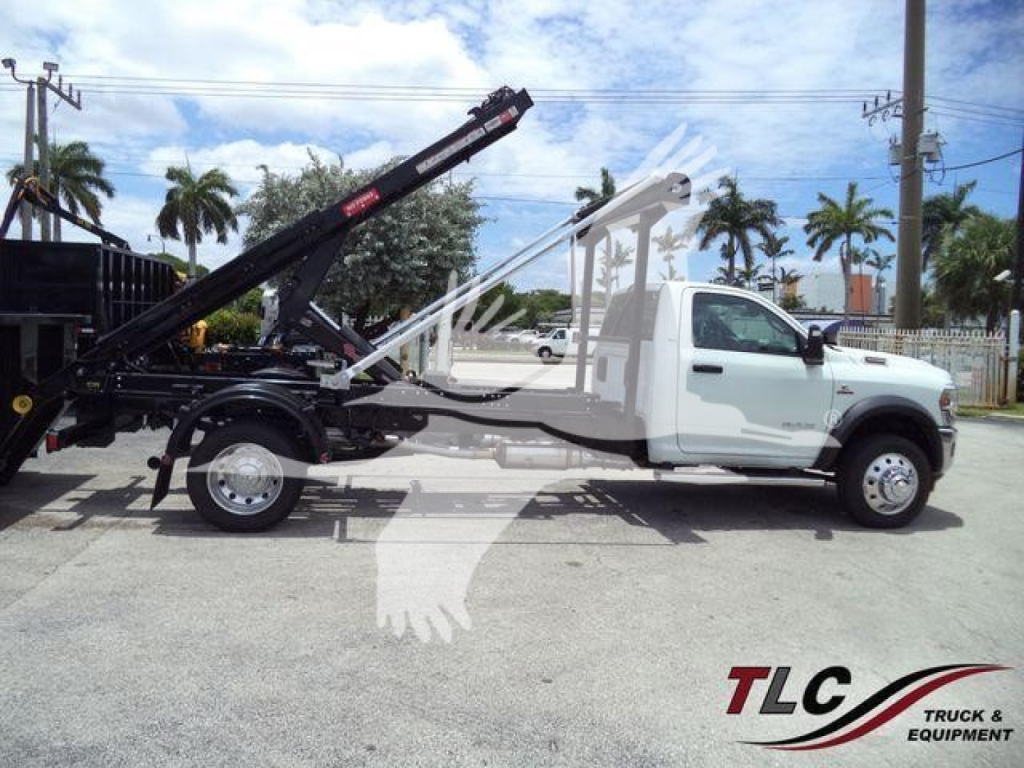
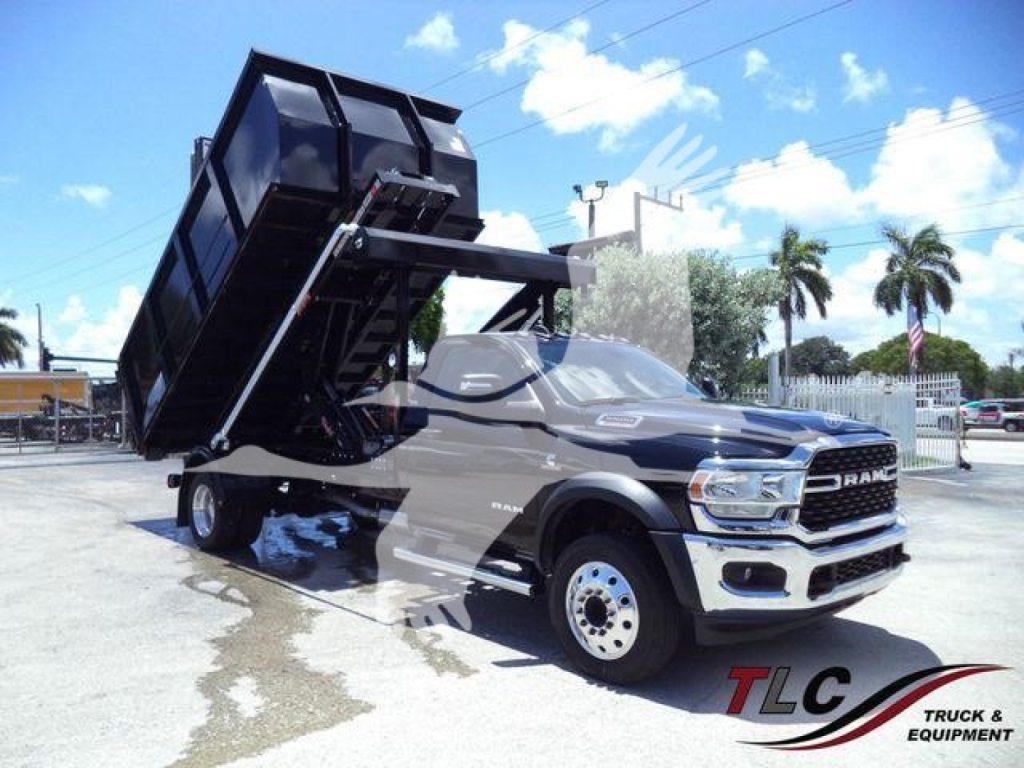
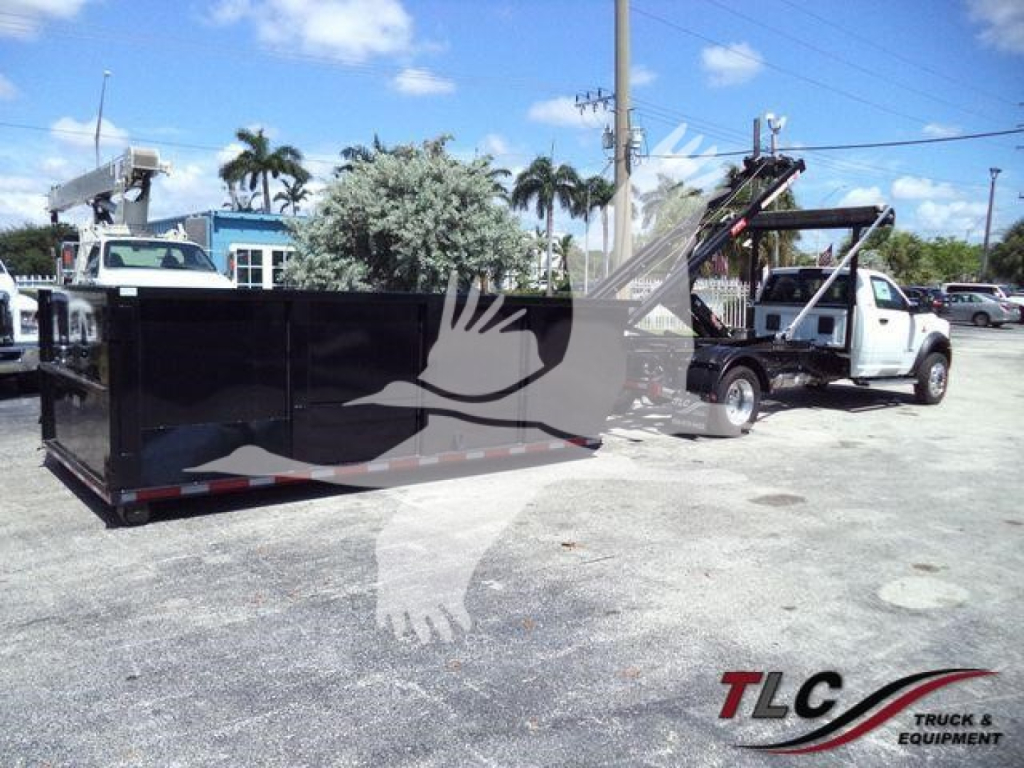
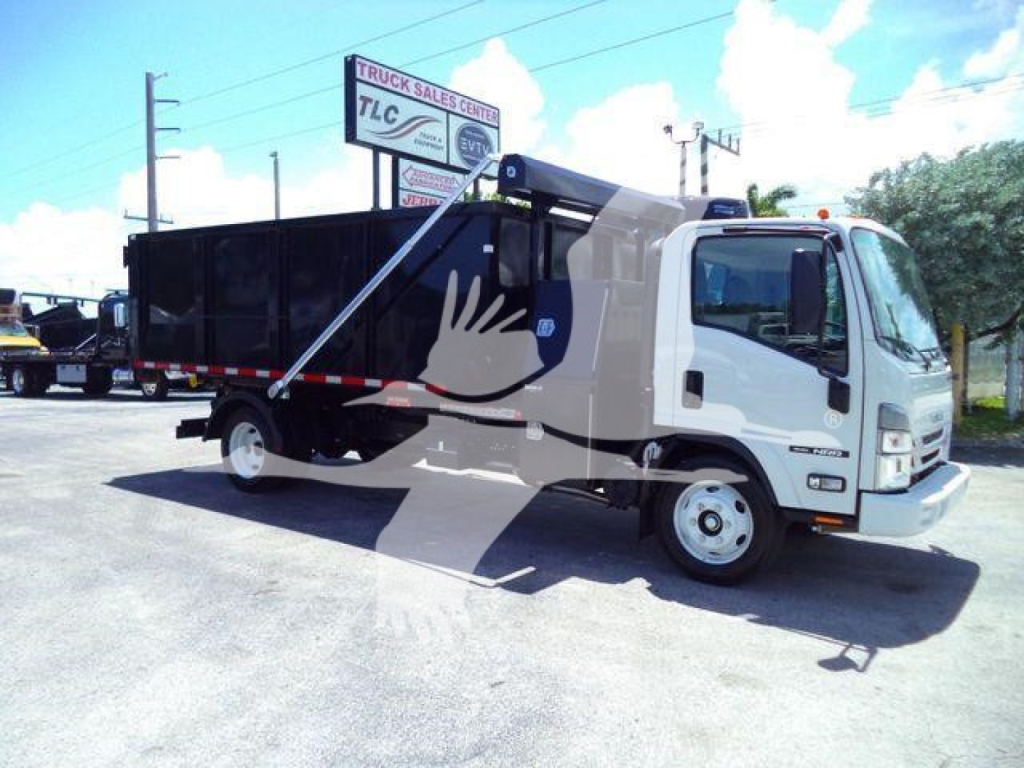
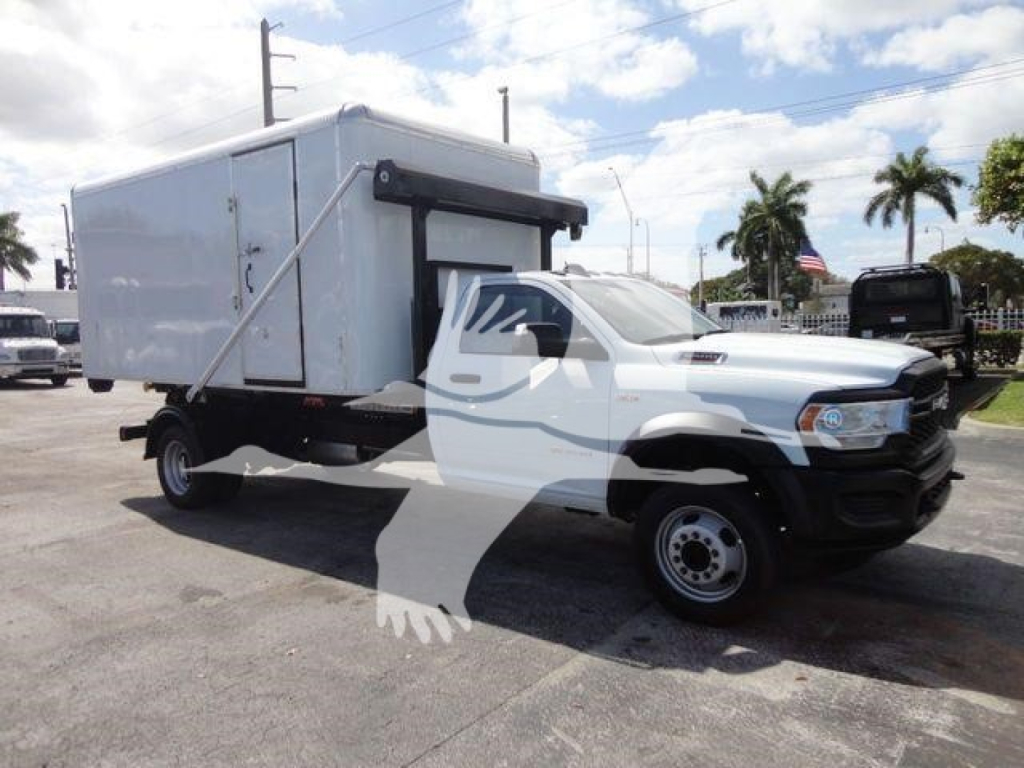
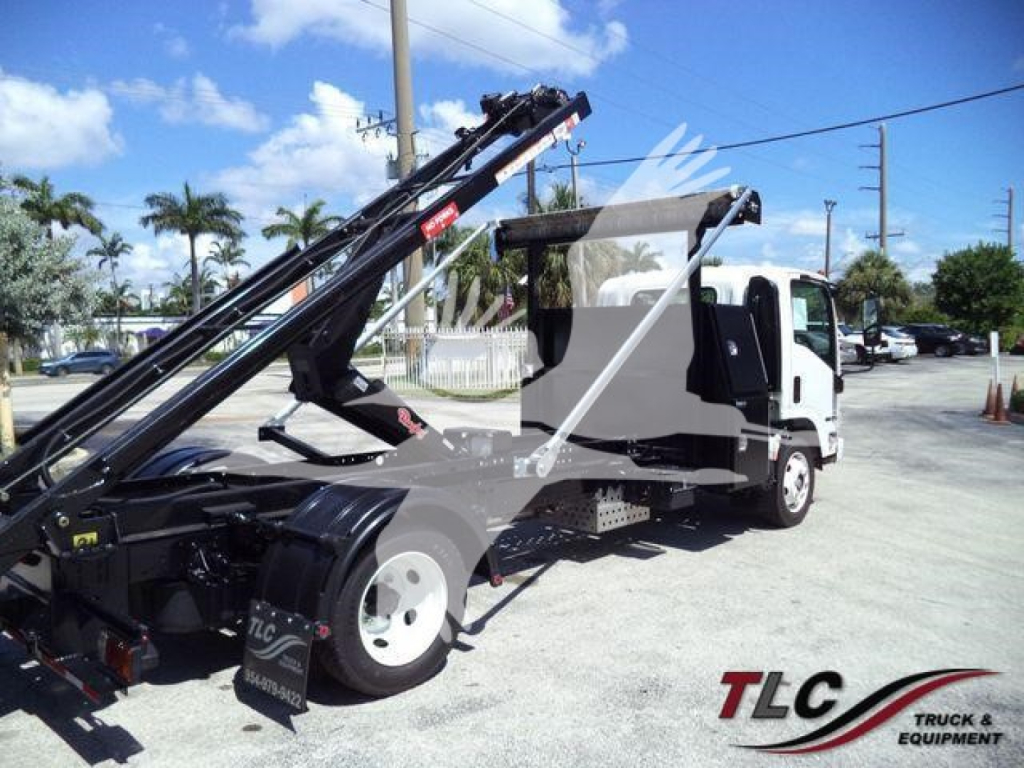
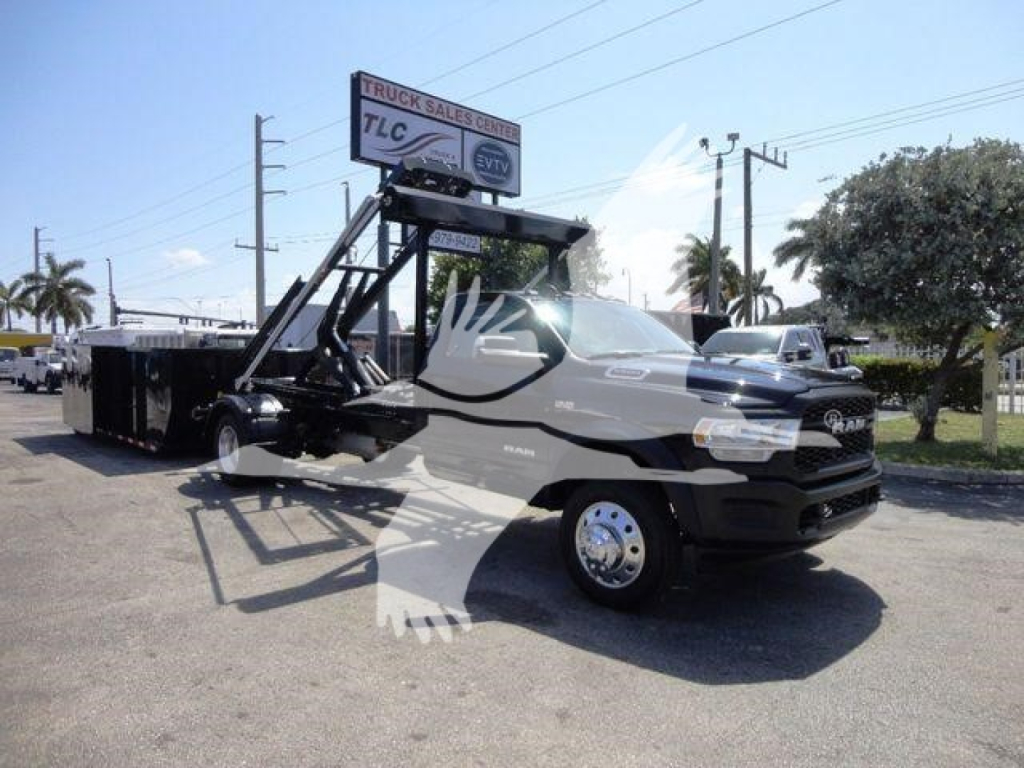
Selling a 2024 rolloff truck? List your 2024 rolloff truck for sale and reach thousands of commercial buyers.
2024 Rolloff Trucks
The most important buying decisions are hoist capacity, axle configuration, and wheelbase. Common setups include single-axle and tandem-axle chassis, with tandem trucks dominating heavier commercial applications because they can handle larger cans and higher legal payloads. Hook hoist and cable hoist designs are both used in the rolloff segment, though cable hoists remain common in traditional waste and scrap service. Buyers should pay attention to outside rail width compatibility, hoist reeving, jib length, winch rating, and the truck's center of gravity when loaded. A 2024 model may also bring updated driver-assist features, cleaner integration of PTO and body controls, and improved visibility from modern vocational cabs.
Chassis spec matters just as much as the body. Many rolloff trucks are built on severe-duty platforms from makers such as Mack and Volvo, often in 6x4 form with diesel engines matched to Allison automatic transmissions for stop-and-go work. Suspension choice affects durability and ride quality, especially on rough transfer yard surfaces or demolition sites. Front axle capacity, rear axle ratio, frame reinforcement, and brake package all influence how well the truck holds up under repeated container cycles. Practical details like tarp systems, ICC bumper design, in-cab controls, backup cameras, and pintle or trailer options can also change day-to-day productivity.
A good 2024 rolloff truck should fit the container sizes used in your market, stay legal on local bridge and axle laws, and cycle containers without excessive stress on the chassis. Fleets comparing units should look closely at hoist brand, body installation quality, hydraulic plumbing protection, and service access around the pump, valves, and rear rollers. For buyers running demolition debris, scrap, or construction waste, durability at the tail, hoist mounts, and container rails usually matters more than cosmetic extras. For municipal and commercial hauling, uptime, driver visibility, and easy serviceability often deliver the best long-term value.
Frequently Asked Questions about 2024 Rolloff Trucks
What is the difference between a cable hoist and a hook hoist on a rolloff truck?
A cable hoist uses a winch cable to pull the container onto the rails, while a hook hoist uses a hydraulic lifting arm with a hook bar. Cable hoists are common in traditional rolloff waste applications and are familiar to many operators. Hook hoists offer faster container interchange and can be more versatile when fleets use multiple body types, but container compatibility is more specific. The right choice depends on the containers already in service, the weight of typical loads, and how much flexibility the operation needs.
What axle setup is most common for a 2024 rolloff truck?
Tandem-axle 6x4 trucks are the most common setup for heavier rolloff work because they support larger containers and higher payloads. Single-axle trucks are still used in lighter applications or tighter urban routes where maneuverability matters more than maximum capacity. The correct axle setup depends on local weight laws, container size, route density, and whether the truck will handle demolition, municipal waste, scrap, or general commercial containers.
How do I choose the right hoist capacity for a rolloff truck?
Hoist capacity should be matched to the heaviest loaded container the truck is expected to pull and dump, not just the empty can size. Buyers should account for debris type, container length, legal axle weights, and the stress created during loading on uneven ground. A truck that is under-spec'd may struggle with cycle times and durability, while an over-spec'd unit can add unnecessary chassis weight and cost. The hoist manufacturer rating, chassis GVWR, and axle capacities need to work together as a package.
What features improve productivity on a rolloff truck?
Productivity often comes from a combination of body controls, visibility, and service-friendly design. In-cab PTO controls, tarp systems, backup cameras, well-protected hydraulic lines, and clean routing around valves and pumps can reduce delays and damage. Rear rollers, rail construction, and body mounting quality also affect how smoothly containers load and unload. For stop-and-go vocational work, an automatic transmission and a cab with good sightlines can make a noticeable difference in daily efficiency.