
2024 Rolloff Trucks For Sale in Florida
Browse 2024 rolloff trucks for sale in Florida. Compare GVWR, hoist type, container length, winch setup, and chassis options.
Selling a 2024 rolloff truck? List your 2024 rolloff truck for sale and reach thousands of commercial buyers.
2024 Rolloff Trucks in Florida
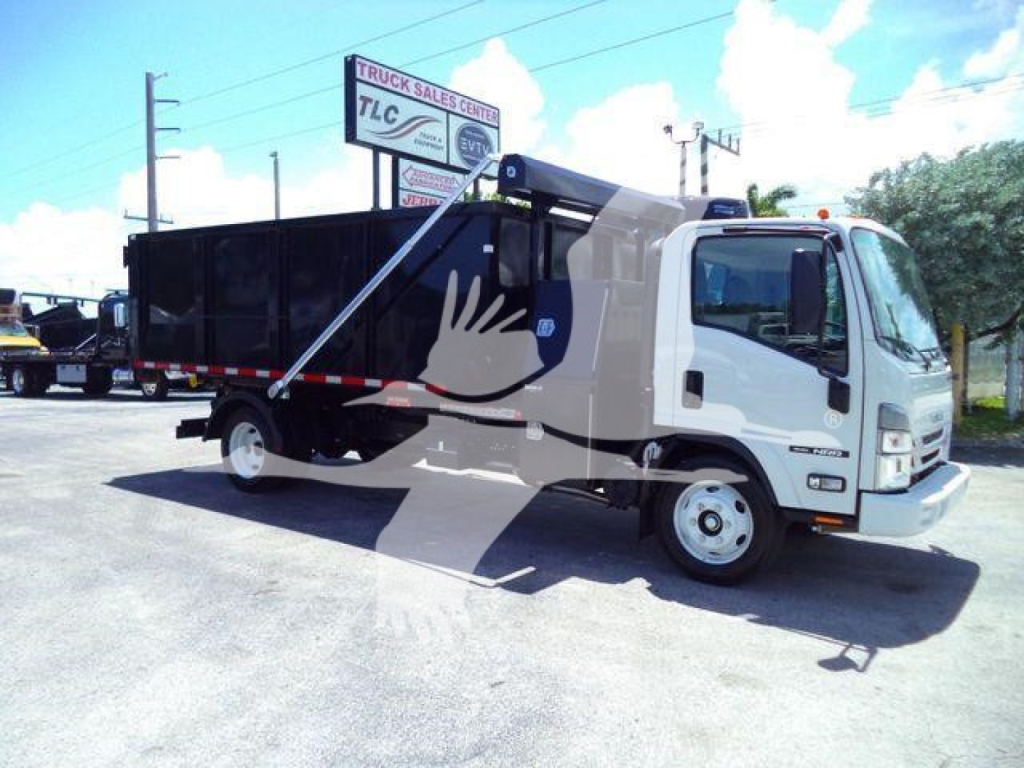
The first decision is usually chassis capacity and license requirement. Many 2024 rolloff trucks fall in the 19,500 to 26,000 GVWR range, which covers a wide spread from non-CDL configurations up to Class 6 trucks at the top end of the non-CDL threshold. Popular platforms include the Ram 5500, Ford F-550, Chevrolet Silverado 6500HD, and cabover models such as the Isuzu NRR. Gas engines can make sense for lighter-duty urban routes and lower upfront cost, while diesel power is still preferred for heavier payloads, frequent towing, and higher annual mileage. Buyers in Florida often pay close attention to 4x2 versus 4x4, wheelbase, turning radius, cooling performance, and corrosion resistance, especially for stop-and-go work in heat, humidity, and coastal environments.
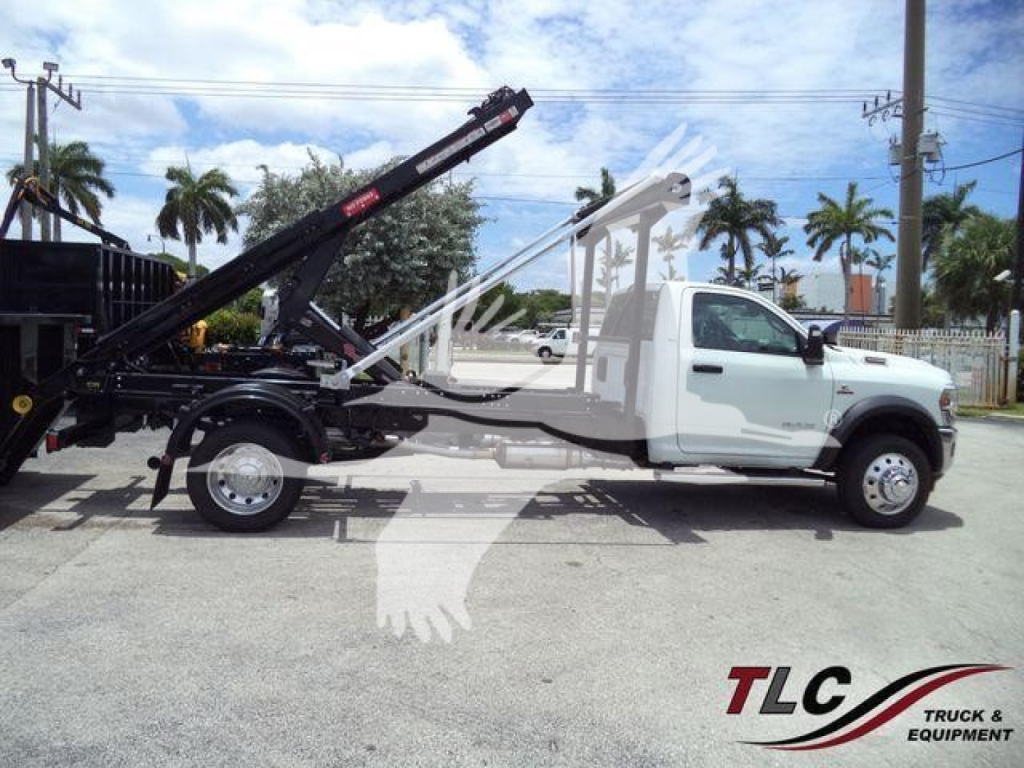
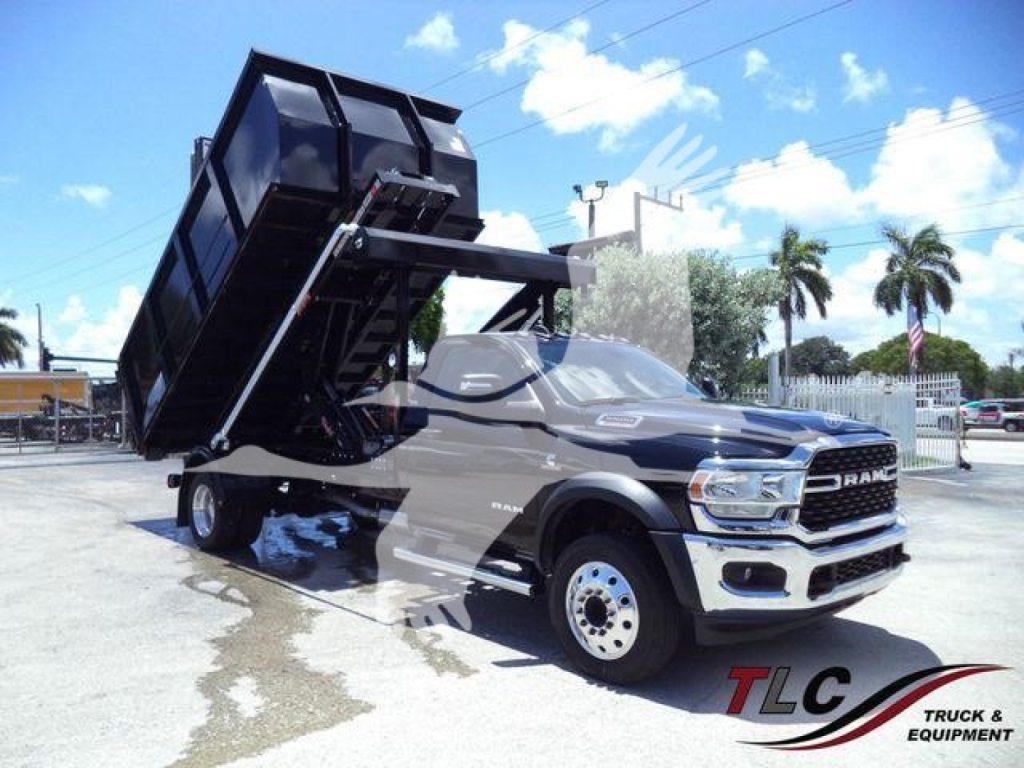
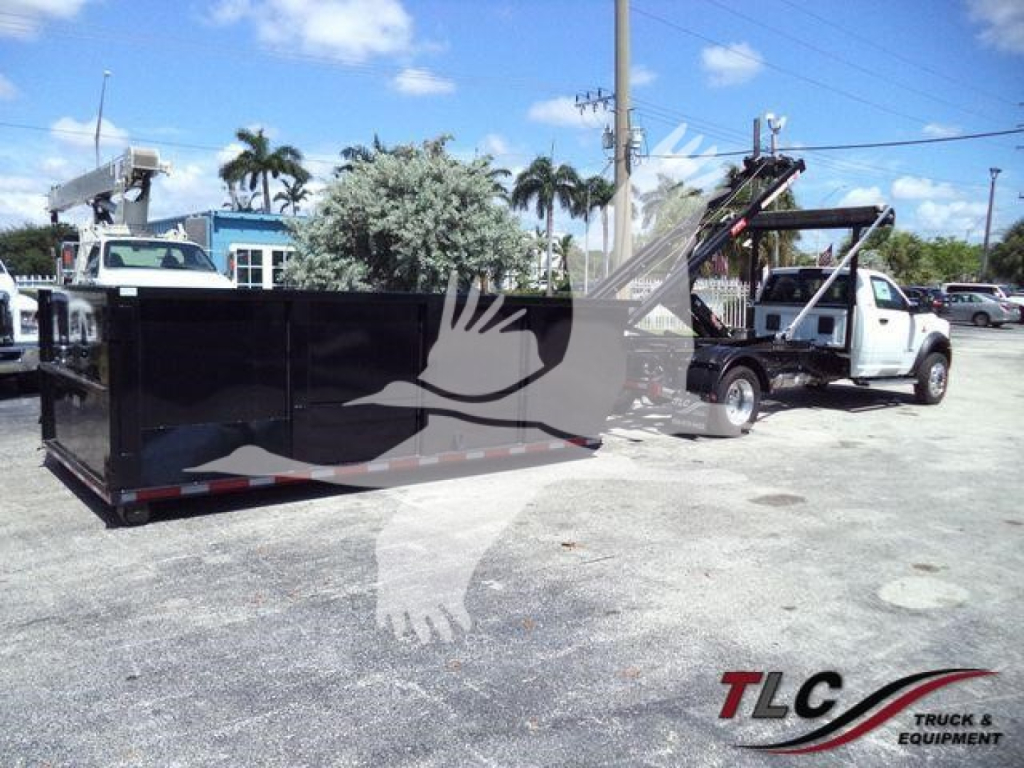
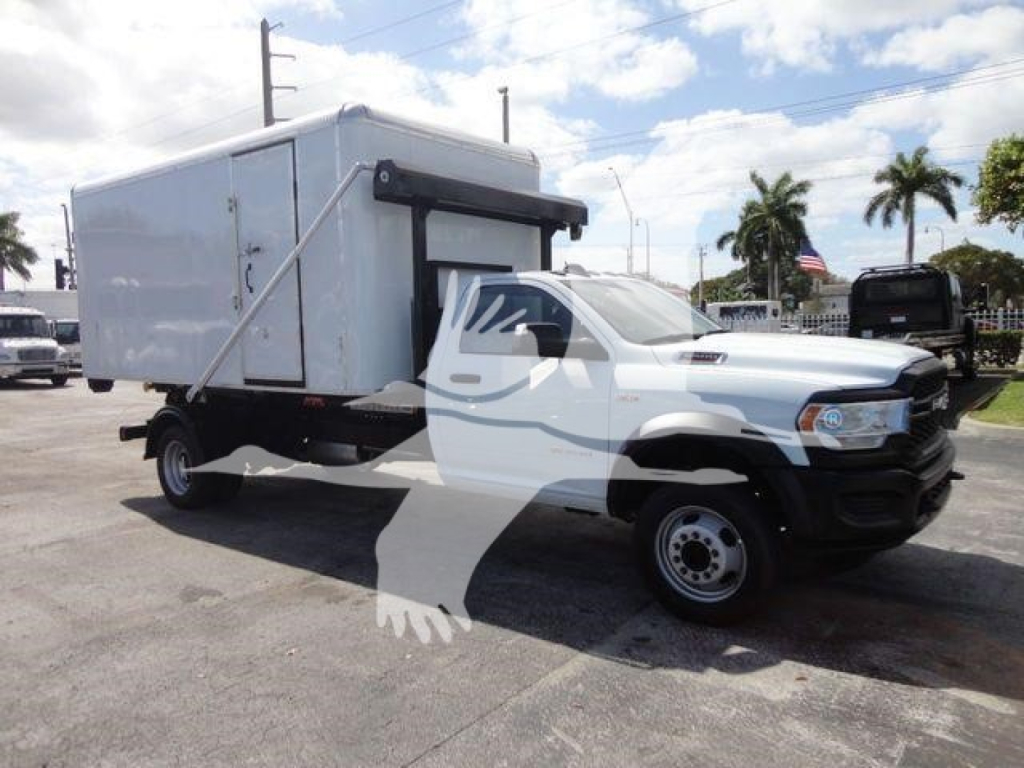
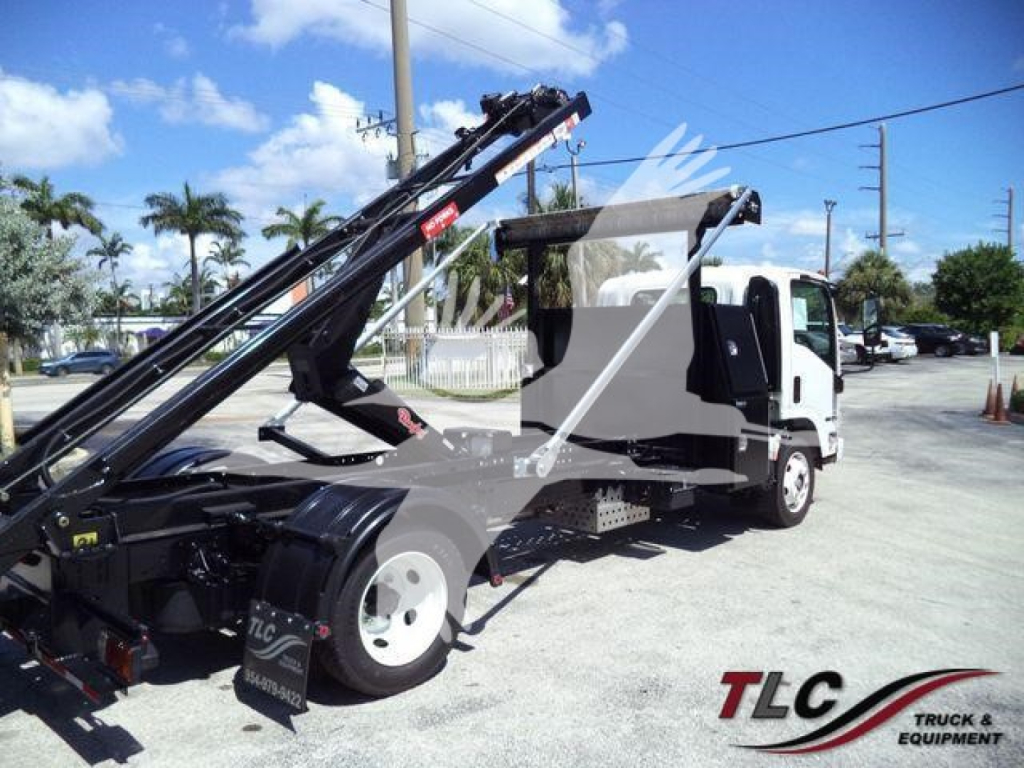
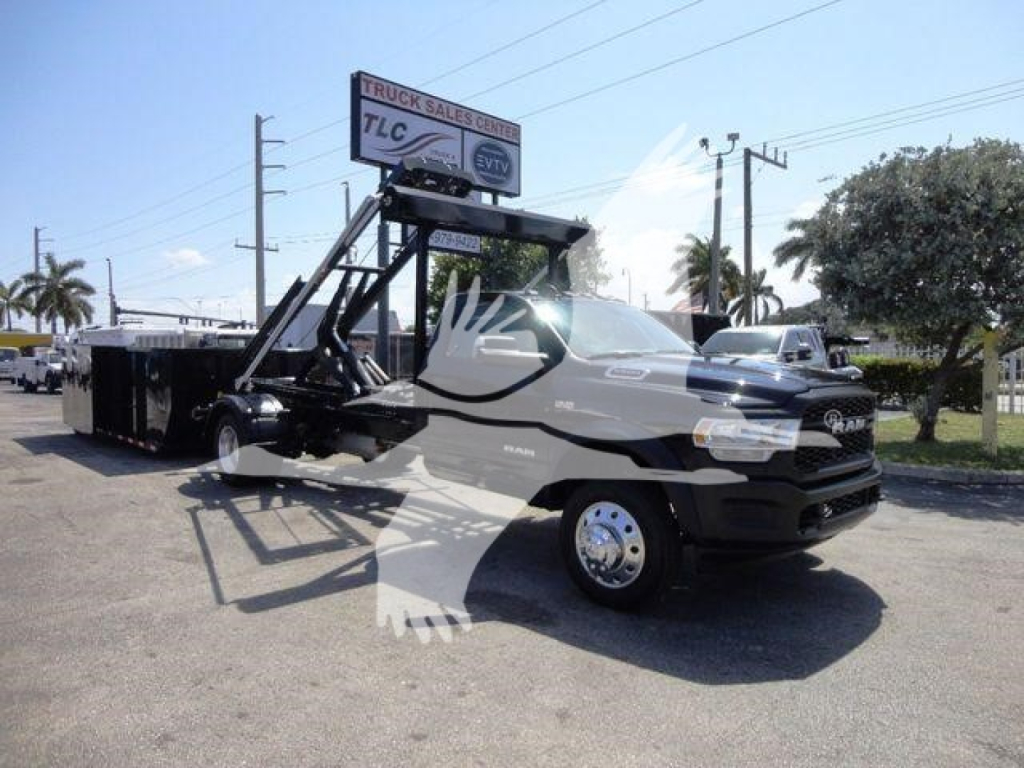
On the upfit side, most rolloff trucks in this category use an electric-over-hydraulic or PTO-driven hoist with a cable winch, typically paired with 11-foot to 15-foot containers. Key details that matter are hoist rating, winch capacity, cable length, body rail design, rear roller setup, and control placement inside and outside the cab. Container specs deserve a close look because side height, floor thickness, door style, and tarp configuration all affect the work the truck can do efficiently. A 14-foot container with 51-inch sides is common for trash, brush, and light C&D debris, while enclosed van-style containers or storage bodies are useful for equipment transport and secure jobsite staging. Features such as ICC bumper hitches, receiver tubes, trailer brake controls, 7-way plugs, toolboxes, fender kits, and electric tarp systems add real operational value when the truck is moving between disposal, delivery, and towing tasks.
A good buyer comparison goes beyond model year and engine badge. Check front and rear axle ratings, frame strength, brake type, suspension setup, tire size, and the actual installed hoist model. Confirm container compatibility if you plan to run multiple cans, and verify clear dimensions so new boxes match existing fleet assets. For Florida service, it also helps to think about route density, landfill cycles, storm cleanup demand, and parking constraints in residential areas. The best 2024 rolloff truck is the one sized correctly for the payload, container inventory, and duty cycle, with enough hydraulic performance and chassis margin to stay productive without overbuying capacity.
Frequently Asked Questions about 2024 Rolloff Trucks in Florida
What GVWR range is common for a 2024 rolloff truck?
Most 2024 rolloff trucks in this segment are built on medium-duty chassis rated from about 19,500 GVWR up to 26,000 GVWR. That range covers many non-CDL applications while still giving enough capacity for debris boxes, landscape bodies, and small equipment containers. The right rating depends on container size, material density, towing needs, and how close you expect to run to legal payload on a daily basis.
What is the difference between electric-over-hydraulic and PTO-driven rolloff hoists?
Electric-over-hydraulic hoists use an electric power unit to run the hydraulics and are common on lighter and medium-duty rolloff trucks because they simplify installation and work well for intermittent cycles. PTO-driven hoists run off the transmission power take-off and usually offer stronger continuous-duty hydraulic performance for heavier use. Buyers should compare duty cycle, serviceability, lifting speed, and how the truck will be used through the day before choosing between the two systems.
What container length is most common on a mini rolloff or switch-and-go truck?
Container lengths around 11 to 15 feet are common in this category, with 14-foot bodies being especially popular. That size gives a practical balance of payload, maneuverability, and compatibility with debris, brush, roofing, and general contractor work. Side height also matters, since a 51-inch sidewall behaves very differently from an enclosed storage body when you are loading bulky but light material versus dense debris.
Are rolloff trucks good for Florida routes and urban jobsite work?
Yes. Rolloff trucks are well suited to Florida service because they can work efficiently on short hauls, residential routes, and tight commercial properties where a larger full-size rolloff truck may be less practical. Buyers should still account for heat, humidity, corrosion exposure, and stop-and-go traffic by paying attention to cooling systems, chassis finish, tarp reliability, and overall service access.
What should I inspect first when comparing rolloff truck listings?
Start with the chassis GVWR, axle ratings, engine and transmission pairing, and then move to the installed hoist model, winch capacity, and container dimensions. After that, verify brake setup, hitch equipment, trailer plug configuration, tarp system, and whether the truck matches any existing boxes or fleet standards you already use. Compatibility and real-world payload matter more than cosmetic differences when comparing rolloff trucks.