
Western Star Rolloff Trucks For Sale
Compare Western Star rolloff trucks for sale by hoist compatibility, axle ratings, and PTO setup to match demolition, scrap, and waste-hauling routes.
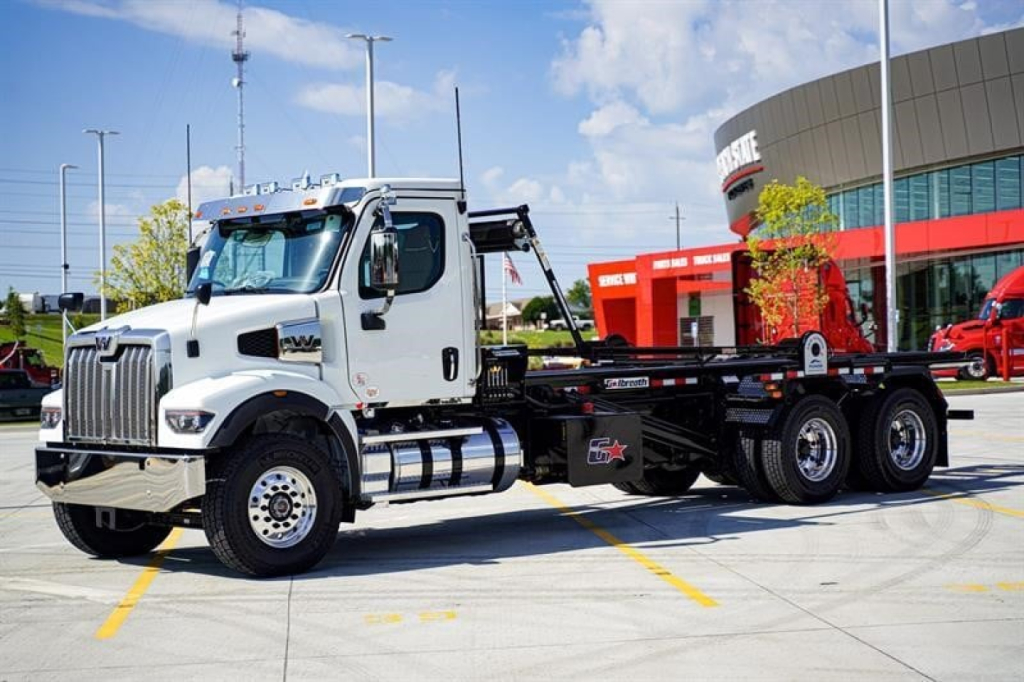
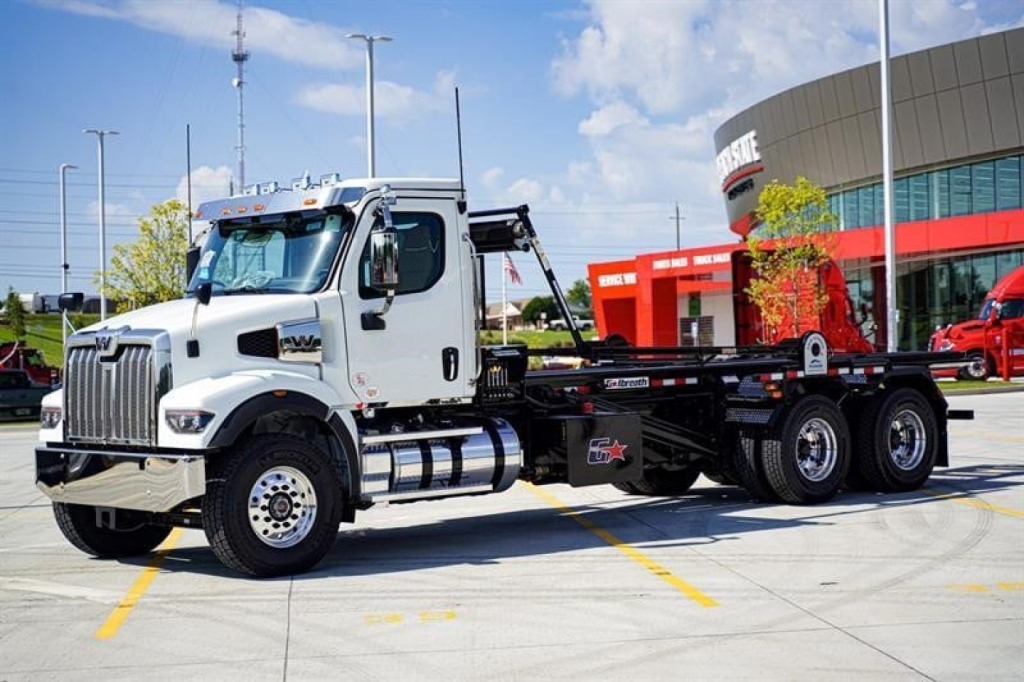
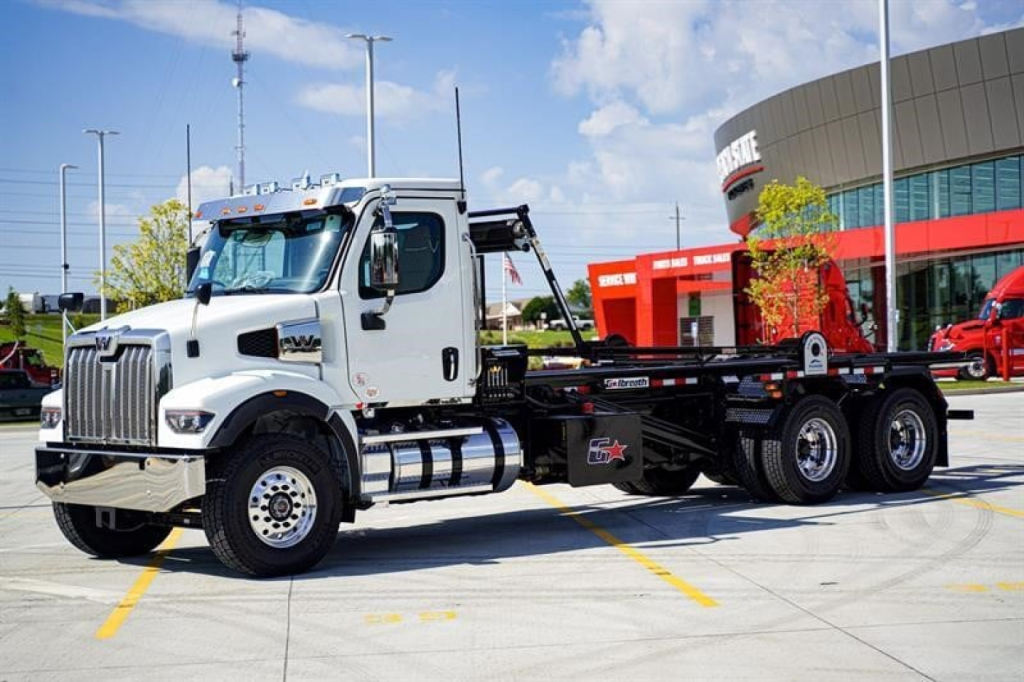
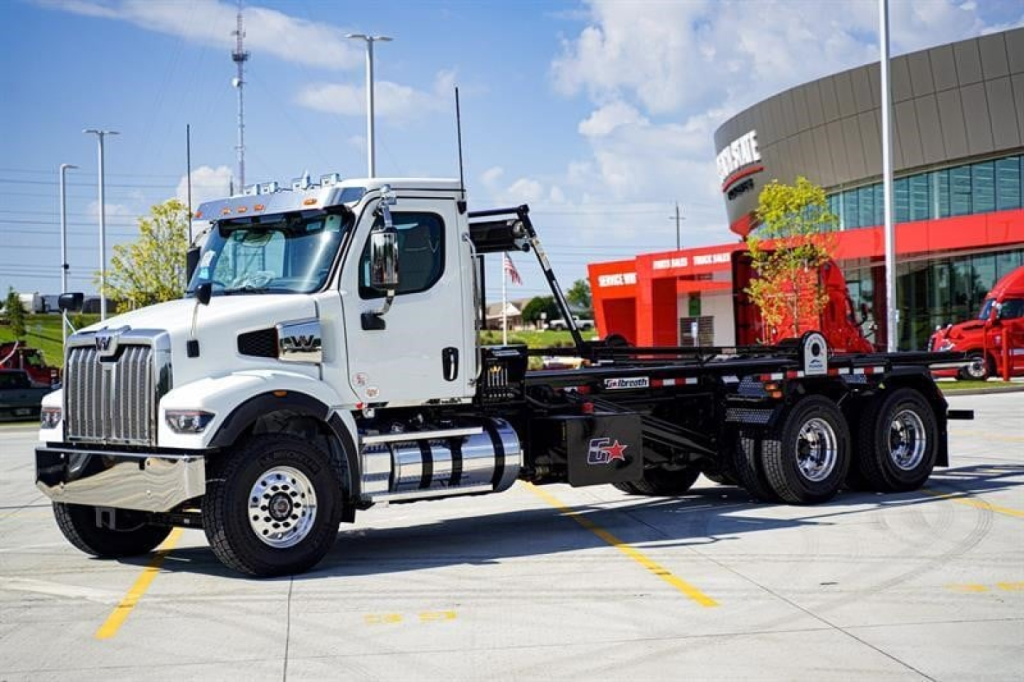
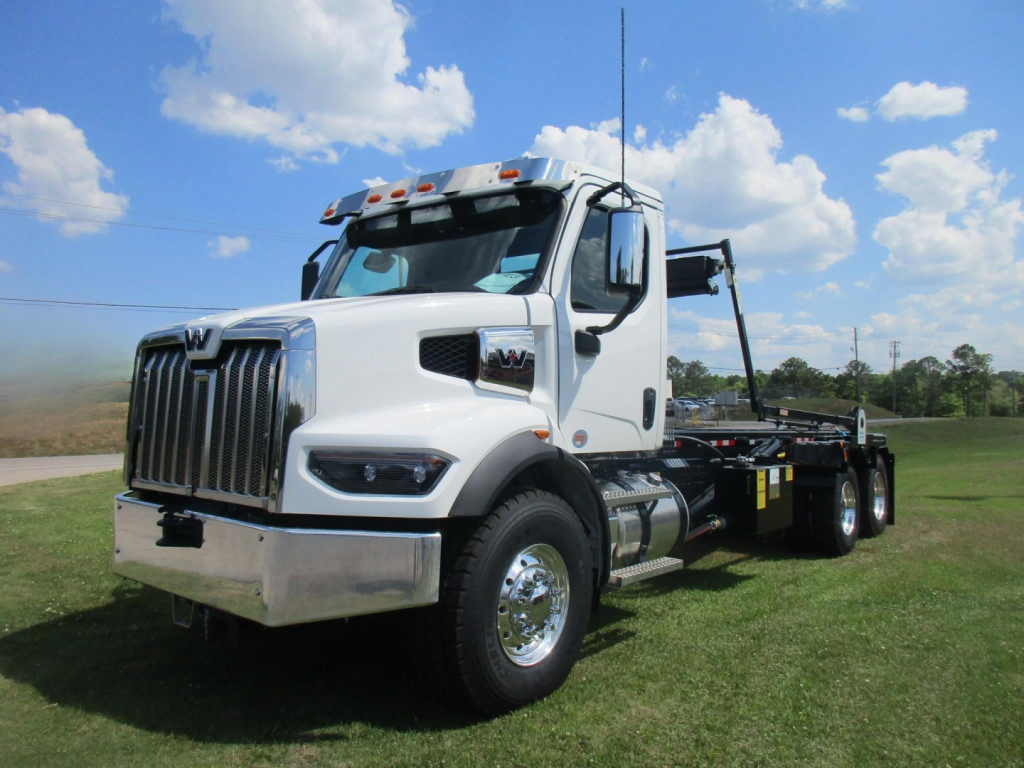
Selling a western star rolloff truck? List your western star rolloff truck for sale and reach thousands of commercial buyers.
Western Star Rolloff Trucks
Identify the engine's emissions generation and check DPF, SCR, and DEF service records where equipped. For new trucks, specify hydraulic flow and cooling requirements, confirm separate chassis and hoist warranties, and account for the 12% US federal excise tax on qualifying heavy trucks. Across the United States and Canada, axle spacing and local weight limits govern usable payload; inspect salt corrosion, check seasonal road restrictions, and verify California emissions eligibility before purchase.
Frequently Asked Questions about Western Star Rolloff Trucks
Is a Western Star 47X or 49X better for tight rolloff routes?
The Western Star 47X has a shorter bumper-to-back-of-cab dimension than the 49X, which can help package a rolloff for confined jobsites. Actual maneuverability still follows wheelbase, steering geometry, axle configuration, and rear overhang. Compare the completed truck's turning clearance and container loading space rather than choosing by model name alone; a long-wheelbase 47X can require more room than a shorter-wheelbase 49X.
Can a Western Star cable rolloff truck carry hooklift containers?
A Western Star cable rolloff cannot be assumed to handle hooklift containers without compatible container fittings and hoist geometry. Cable systems require the correct pickup attachment, rails, rollers, and locking arrangement; hooklifts require matching hook height and compatible container dimensions. Some containers support both systems, but confirm compatibility with the hoist manufacturer before loading. Container length alone does not establish a safe match.
Does a 75,000-pound hoist mean a Western Star rolloff can legally carry that much?
A 75,000-pound hoist rating does not establish a Western Star rolloff's legal payload. Hoist capacity describes equipment capability under the manufacturer's specified conditions, while road payload is limited by chassis ratings, tires, axle loads, axle spacing, and applicable weight laws. Weigh the completed truck with its container, fuel, and normal equipment, then check axle-by-axle loading with representative material before assigning a payload.
How should I test the hydraulics on a used Western Star rolloff?
A used Western Star rolloff should complete a loaded hoist cycle with the hydraulic oil at operating temperature. A cold, empty demonstration can hide pump wear, internal cylinder leakage, and overheating. Have a qualified operator check lifting performance, cylinder drift, pump noise, hose movement, and container locks. Verify pressure and flow against the hoist manufacturer's specifications, and never inspect beneath an unsupported raised hoist.
What license do I need to drive a Western Star rolloff truck?
A typical heavy Western Star rolloff operating without a trailer requires a Class B CDL in the United States when its GVWR or actual gross weight reaches 26,001 pounds. A qualifying combination with a trailer over 10,000 pounds can require Class A. Drivers must also avoid applicable air-brake restrictions. Canadian requirements follow provincial licensing classes, so confirm the required class and air-brake qualification for the truck's configuration.