
2023 Rolloff Trucks For Sale
Browse 2023 rolloff trucks for sale. Compare hoist capacity, axle ratings, PTO setups, container compatibility, and vocational specs.
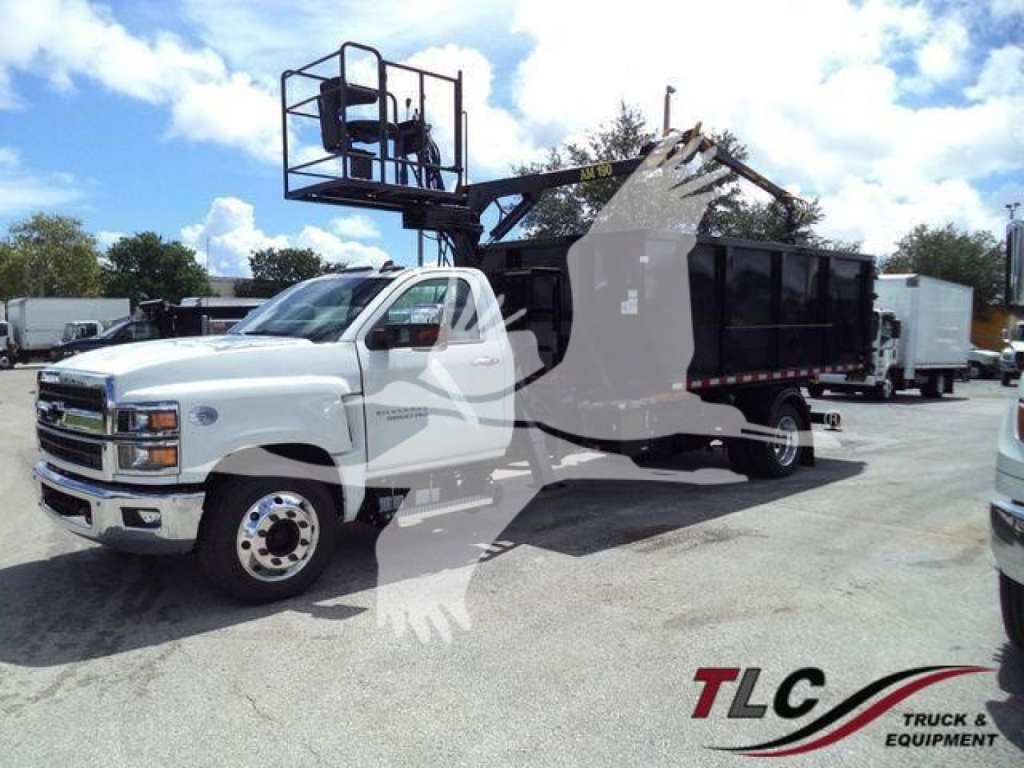
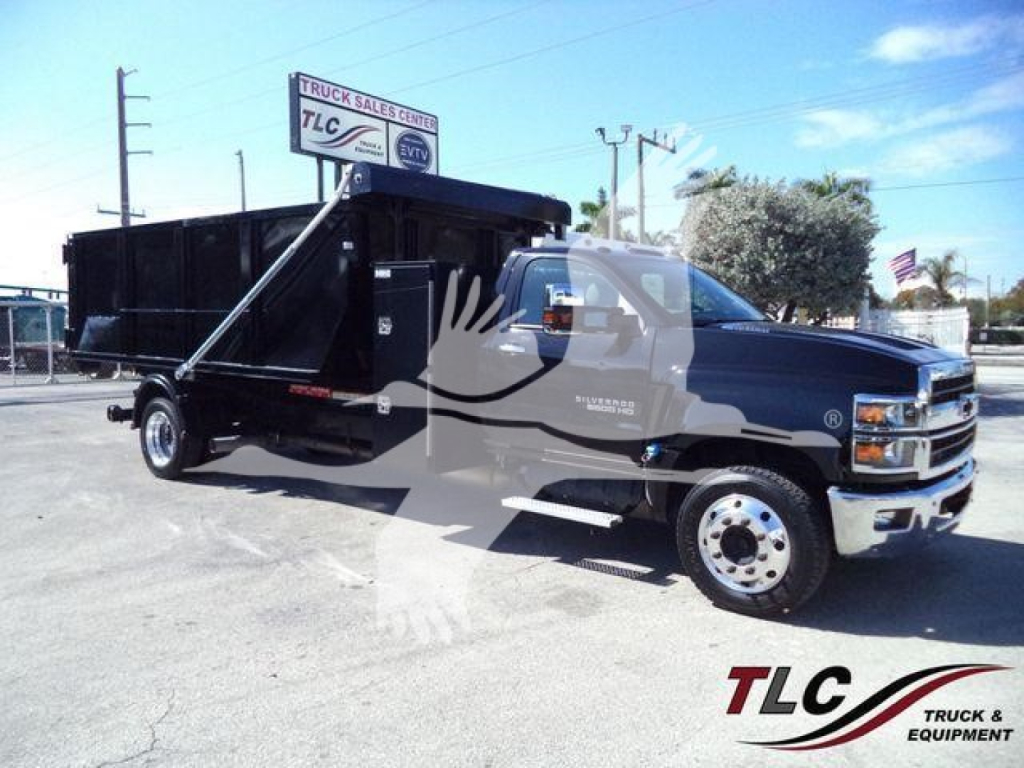
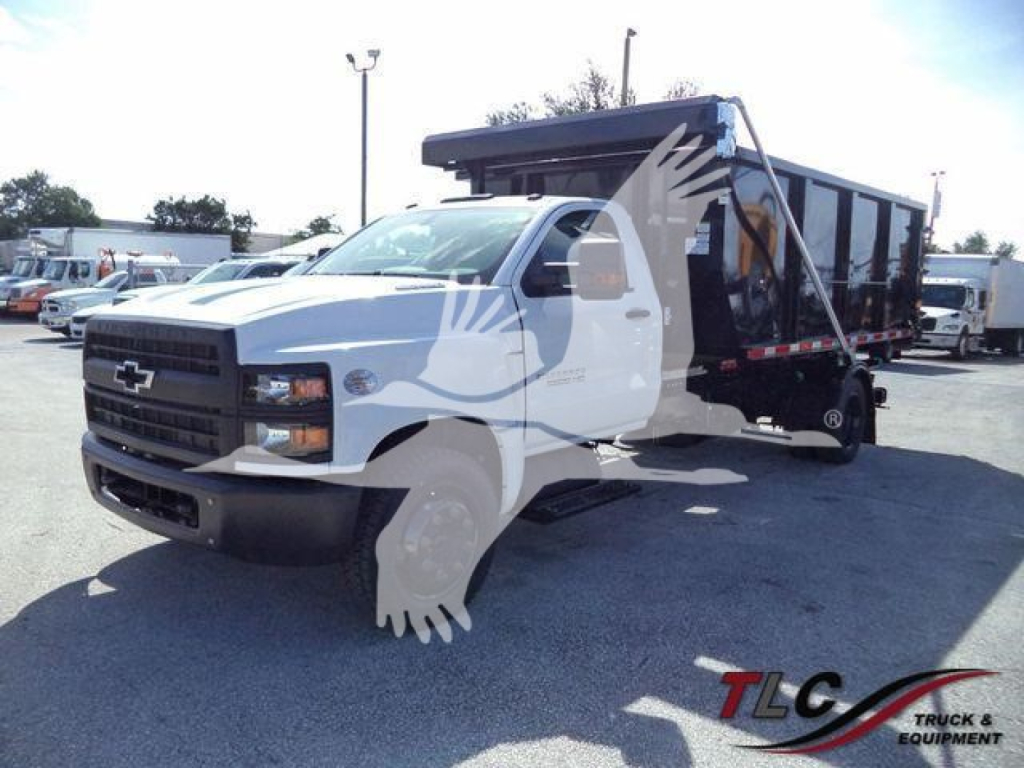
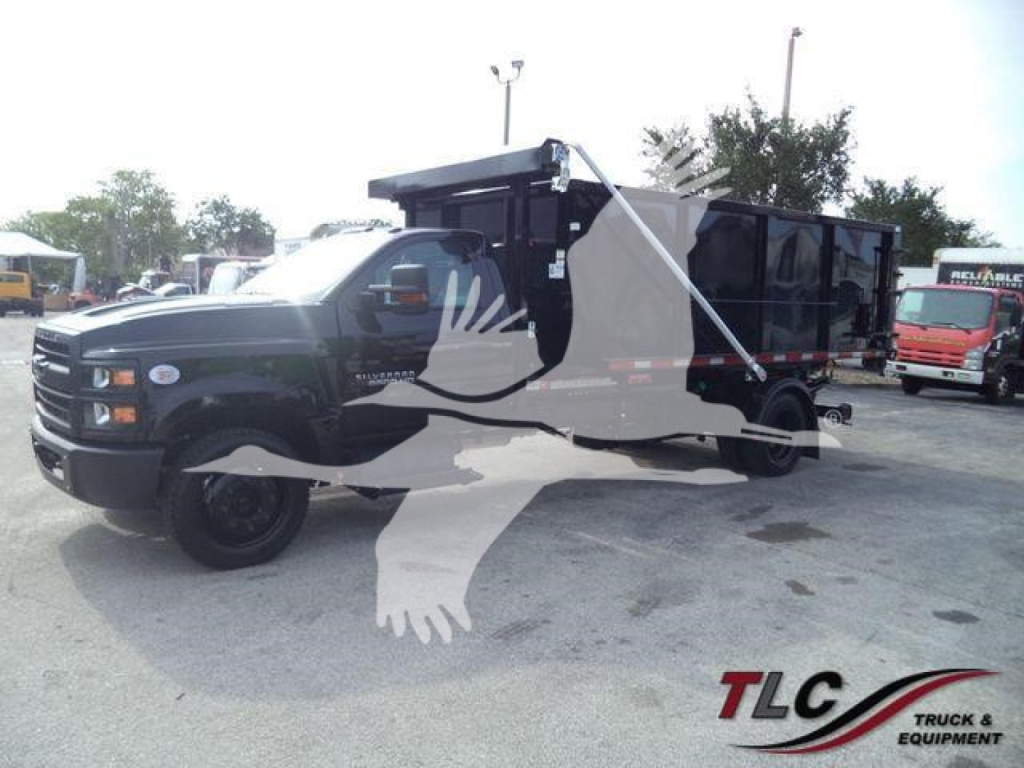
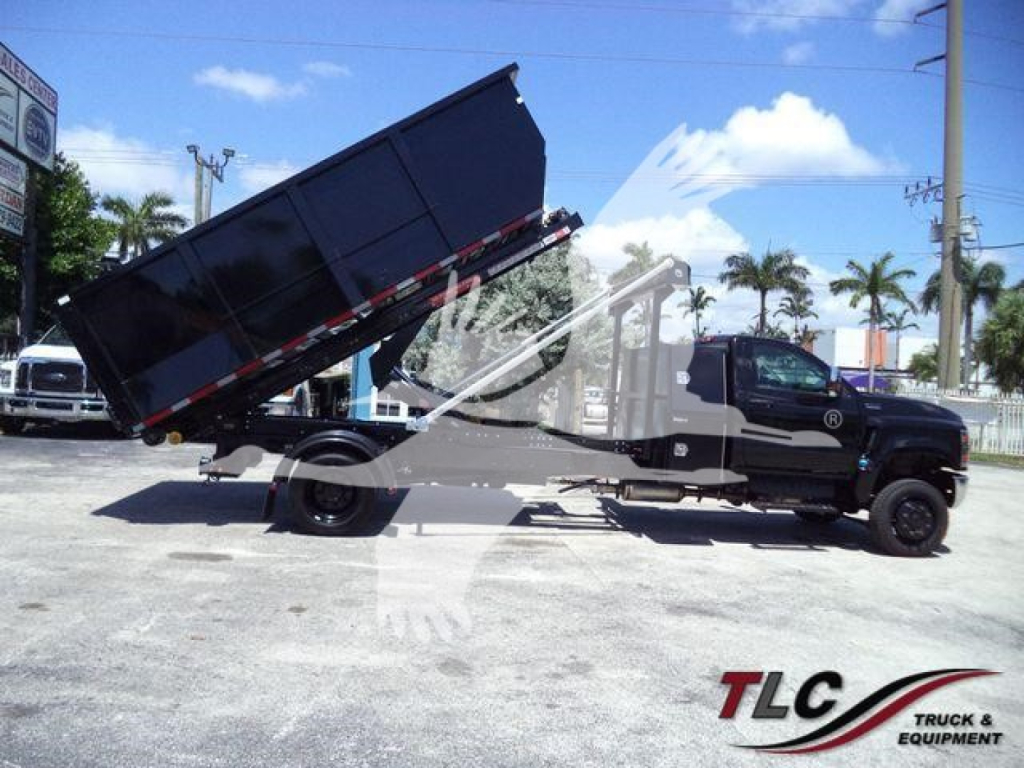
2023 Chevrolet Silverado 6500Hd
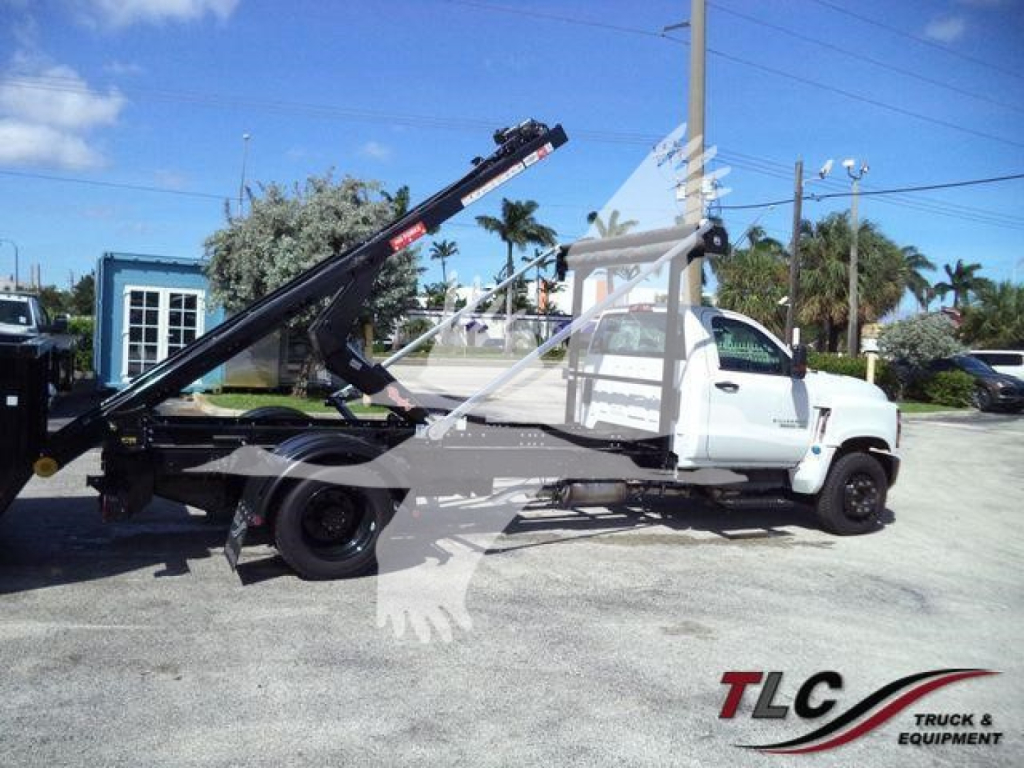
2023 Chevrolet Silverado 6500Hd
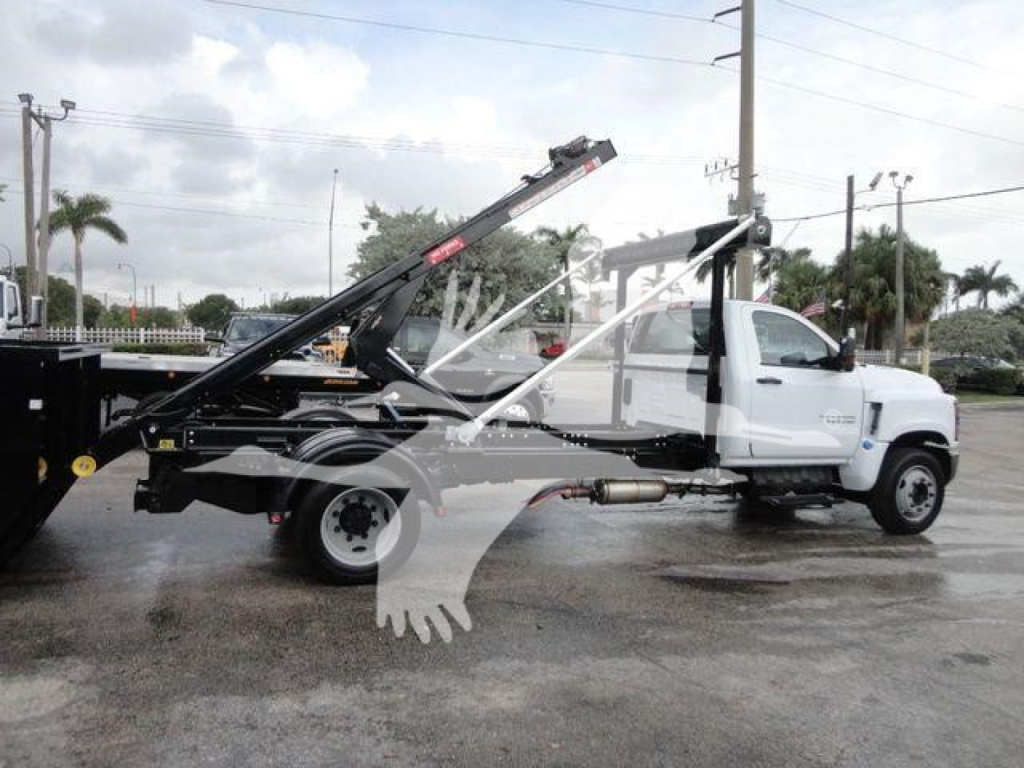
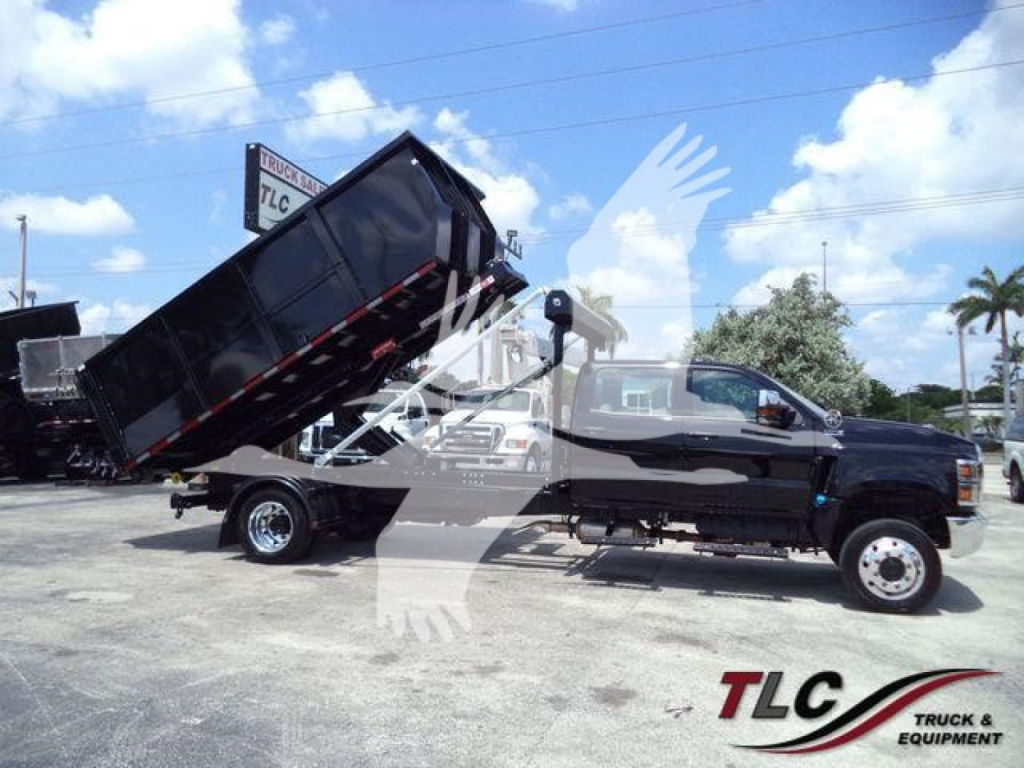
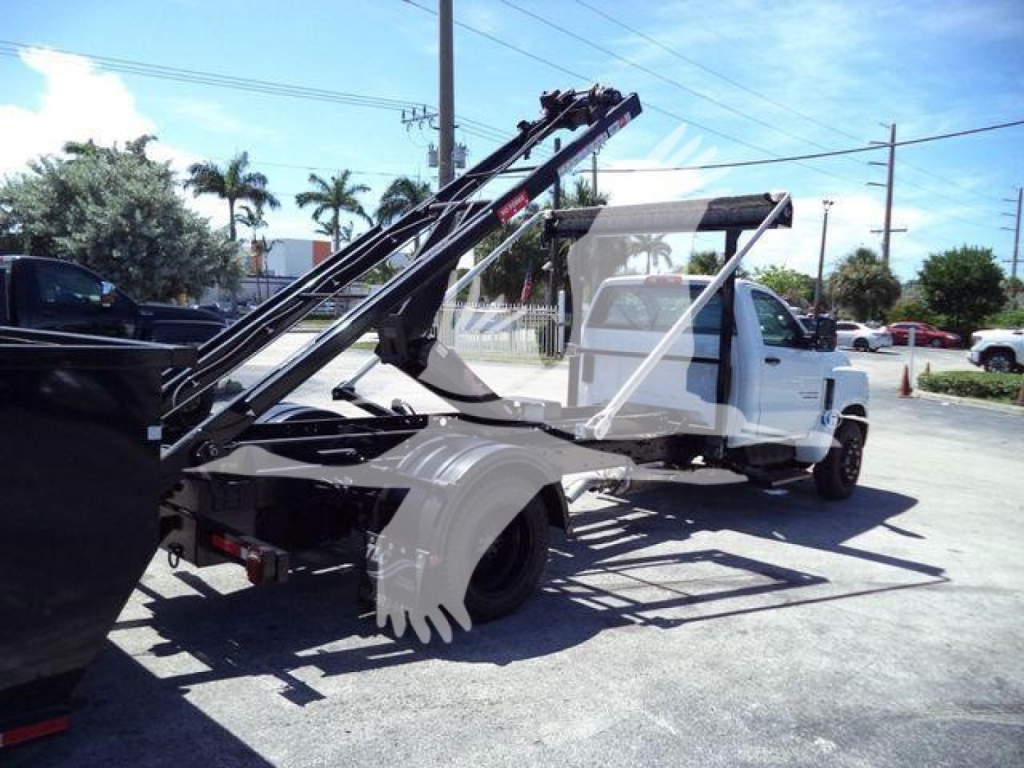
2023 International Cv
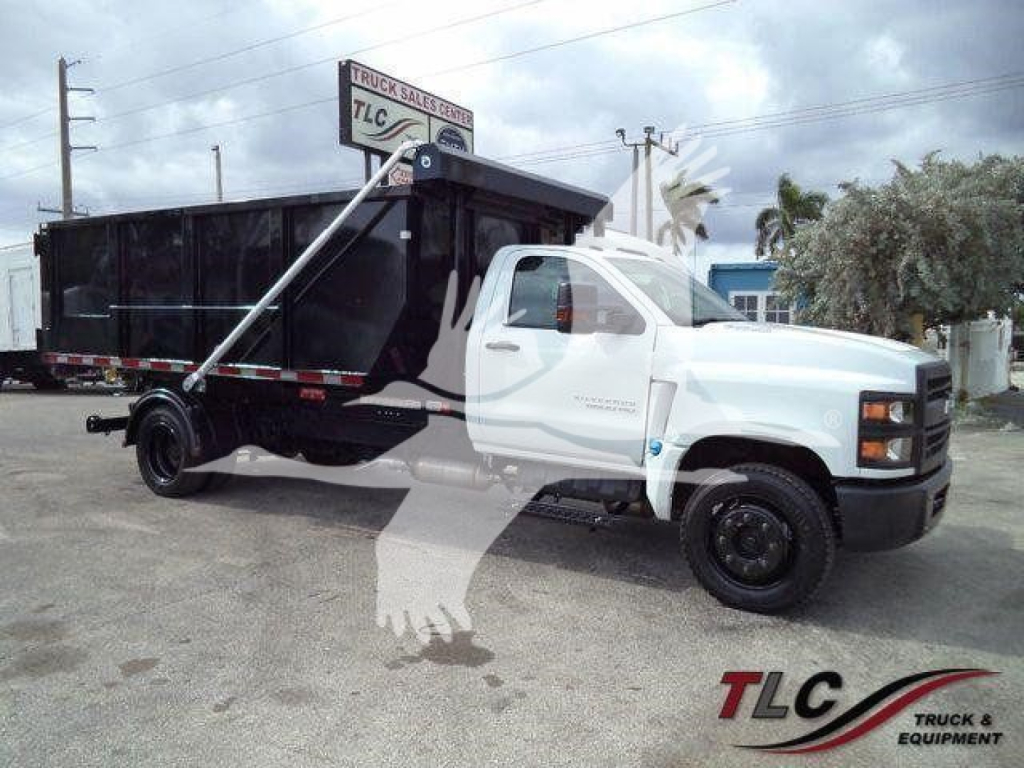
2023 Chevrolet Silverado 6500Hd
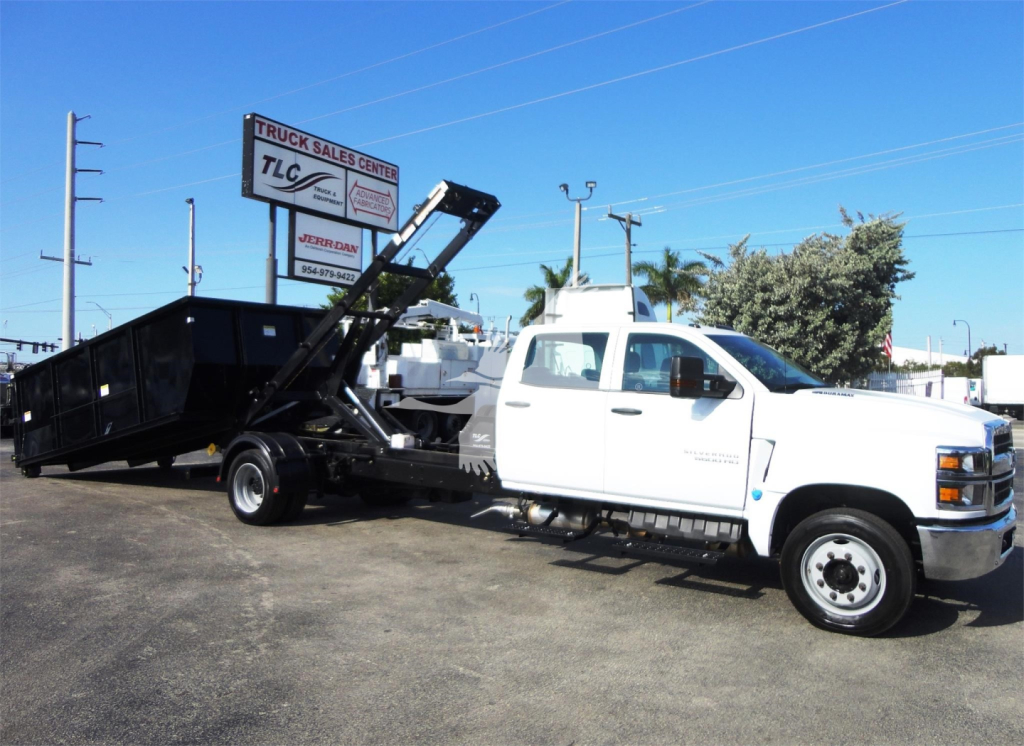
Selling a 2023 rolloff truck? List your 2023 rolloff truck for sale and reach thousands of commercial buyers.
2023 Rolloff Trucks
On 2023 models, the biggest buying decisions usually come down to axle rating, transmission choice, and frame strength. Many rolloff trucks in this year range are spec'd with diesel engines in the 350 to 450 HP class, paired with automatic or automated transmissions that improve stop-and-go route efficiency and driver consistency. Allison automatics remain common in refuse and container work because they simplify operation around tight job sites and transfer stations. Front axle ratings in the 18,000 to 20,000 lb range and rear axle ratings around 40,000 to 46,000 lbs are typical on heavier tandem configurations, especially when the truck is expected to handle dense debris or scrap loads.
Container compatibility matters as much as raw hoist capacity. Buyers should confirm rail type, cable or hook system, hoist length, and the body's intended can sizes before comparing trucks. Important details include inside or outside rail width, tarp system, container stops, jib rating, and hydraulic oil capacity. Frame reinforcements, double-frame sections, and suspension design also affect long-term durability. Camelback, vocational air ride, and multileaf suspensions each have their place depending on payload, off-road exposure, and driver preference. A well-spec'd 2023 rolloff truck should also be evaluated for wheelbase, cab-to-axle measurement, overhang, and legal bridge compliance in the states where it will run.
For buyers comparing 2023 rolloff trucks for sale, uptime and serviceability are just as important as payload. Look closely at hydraulic plumbing protection, PTO access, hoist manufacturer support, corrosion resistance, and brake specification. Trucks used in demolition and scrap service often benefit from severe-duty chassis components, steel bumpers, and robust cooling packages. Trucks used in municipal or contractor fleet work may place more value on operator visibility, in-cab controls, backup camera integration, and easier body access for maintenance. The best 2023 rolloff truck is the one spec'd for your container fleet, route density, material type, and local gross weight limits, not simply the highest advertised hoist rating.
Frequently Asked Questions about 2023 Rolloff Trucks
What should I look for first when buying a 2023 rolloff truck?
Start with the hoist capacity and the chassis axle ratings, then confirm that the truck matches the container sizes and material types you plan to haul. A rolloff truck can have plenty of engine power but still be a poor fit if the rail system, wheelbase, or hoist length does not match your cans. Buyers should also verify PTO and hydraulic setup, rear suspension type, front axle capacity, and local legal weight compliance before comparing cosmetic features or cab options.
What axle ratings are common on 2023 rolloff trucks?
Many 2023 rolloff trucks use tandem-axle vocational chassis with front axles around 18,000 to 20,000 lbs and rear axles in the 40,000 to 46,000 lb range. Exact ratings depend on the body, intended payload, and whether the truck is built for lighter waste applications or denser demolition and scrap work. The right axle package should be chosen based on loaded container weights, bridge laws, and how often the truck will operate on rough job sites.
Are automatic transmissions a good choice for rolloff trucks?
Yes, automatic transmissions are very common in rolloff service because they improve drivability in stop-and-go work and reduce driver fatigue during repeated container pickups and dumps. Allison automatic transmissions are especially common in vocational applications because they pair well with PTO-driven hydraulic equipment and simplify maneuvering in tight spaces. Some fleets still prefer automated manual transmissions, but automatics remain a strong choice for route efficiency and operator consistency.
How do I know if a 2023 rolloff truck will work with my containers?
You need to confirm the truck's rail configuration, hoist style, hook or cable system, and the can lengths it was designed to handle. Rail width, jib design, body length, and rear overhang all affect compatibility. A truck that is wrong for your container fleet can create loading problems, poor weight distribution, or unusable approach angles, so buyers should verify container specifications against the truck's body builder data before purchase.
What is the difference between a rolloff truck for waste work and one for scrap or demolition?
Waste and recycling applications often prioritize route efficiency, easier loading cycles, and driver-friendly controls, while scrap and demolition service usually demand heavier frame reinforcement, stronger suspensions, and more severe-duty chassis components. Dense materials place more stress on the hoist, rear axles, brakes, and frame. That is why trucks intended for scrap or C&D work are often spec'd with higher-capacity axles, tougher suspension packages, and more protection for hydraulic and underbody components.