
Kenworth Rolloff Trucks For Sale
Shop Kenworth rolloff trucks built for waste, scrap, and container hauling with heavy-duty hoists, tandem axles, and vocational specs.
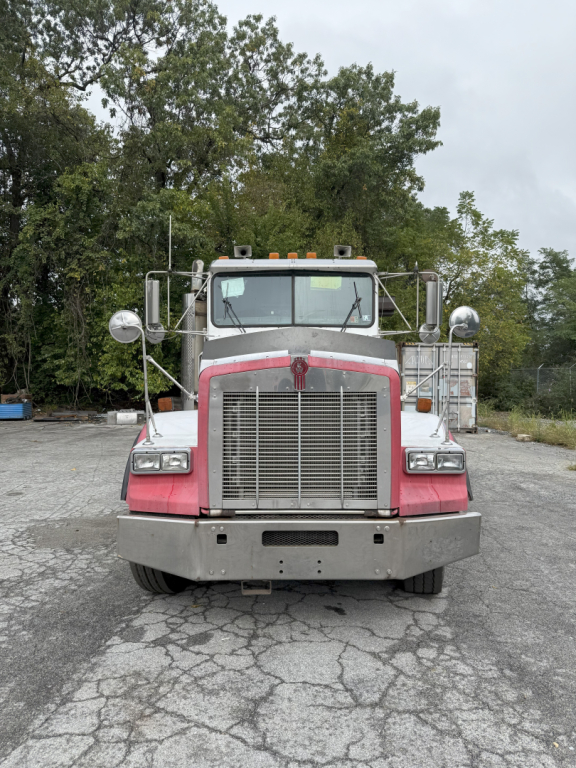
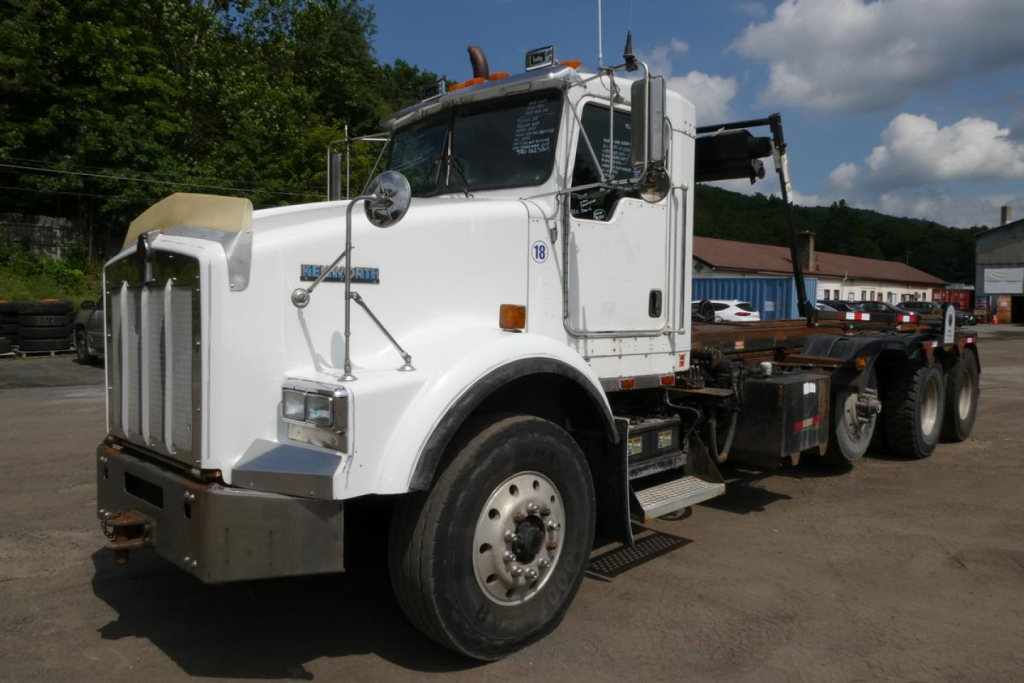

Selling a kenworth rolloff truck? List your kenworth rolloff truck for sale and reach thousands of commercial buyers.
Kenworth Rolloff Trucks
The key buying decisions usually start with hoist capacity, axle ratings, and drivetrain spec. In this category, it is common to see 60,000-lb to 75,000-lb rated hoists, 20,000-lb front axles, and 44,000-lb to 46,000-lb rear axles on tandem configurations. Wheelbases around 252 inches are common because they balance body fitment, bridge compliance, and handling. Power choices often include the PACCAR MX-13 or Cummins X15, generally in the 450 to 455 hp range, paired with Allison automatic transmissions such as the 4000RDS or 4500RDS. That combination is popular in rolloff service because it simplifies driver training, improves low-speed control around containers, and holds up well in severe-service routing. Rear axle ratios around 4.30 to 4.33 are also common when buyers need launch power and steady performance with loaded boxes.
A serious buyer should look past engine mileage and focus on how the truck was spec'd and maintained for vocational work. Frame condition, hoist brand and rating, PTO engagement, hydraulic leaks, tarp system operation, suspension type, and tail roller wear all affect uptime. On a used Kenworth rolloff truck, inspect crossmembers, pintle area if equipped, cable or hook system wear, and any signs of frame modification behind the cab. Confirm the truck's GVWR matches the intended container sizes and route weights, and make sure the wheelbase and hoist geometry fit your box inventory. If the truck will work in tight urban routes, turning radius and cab visibility matter. If it will spend more time on transfer or regional hauling, fuel capacity, gear ratio, and ride quality become more important.
Kenworth has a strong reputation in vocational fleets because the platform is serviceable, driver-friendly, and widely accepted in severe-duty applications. Parts support, common drivetrain pairings, and broad body-builder familiarity make these trucks easier to place into a mixed fleet. Buyers comparing Kenworth rolloff trucks should pay close attention to emissions system history, transmission model, front axle capacity, rear suspension, and exact hoist rating rather than shopping by year alone. A properly spec'd rolloff truck can be productive for years, but in this category, the right setup for your container size, terrain, and daily cycle count matters more than any single badge on the hood.
Frequently Asked Questions about Kenworth Rolloff Trucks
What specs matter most when buying a Kenworth rolloff truck?
The most important specs are hoist rating, axle capacity, wheelbase, engine-transmission combination, and rear axle ratio. Many Kenworth rolloff trucks are built with 20,000-lb front axles, 44,000-lb to 46,000-lb rears, tandem drives, and wheelbases around 252 inches. Buyers should match the hoist capacity and frame setup to the container sizes and payloads they actually run, because a truck that is under-spec'd for the work will create problems with productivity, stability, and component life.
Is an Allison automatic a good choice for a rolloff truck?
Yes. Allison automatics are common in rolloff service because they provide smooth low-speed control, consistent PTO-friendly operation, and easier driver onboarding in stop-and-go work. They are especially useful in waste, scrap, and construction routes where the truck is constantly maneuvering around bins, jobsite obstacles, and transfer stations. A manual transmission can still be a fit for some fleets, but many buyers prefer the Allison 4000RDS or 4500RDS for vocational duty.
What is the difference between a 60K and 75K rolloff hoist rating?
The hoist rating reflects the lifting capacity of the rolloff system and should be matched to the type of containers and material being hauled. A 60,000-lb hoist may be adequate for many standard waste and construction applications, while a 75,000-lb setup is better suited for heavier containers, scrap, demolition debris, and more demanding duty cycles. The hoist rating should always be considered along with axle ratings, frame reinforcement, and local weight laws.
Which Kenworth model is most common in rolloff applications?
The Kenworth T880 is one of the most common models in this category because it is designed for vocational service and can be spec'd for heavy-duty front axles, tandem rears, severe-service suspensions, and body-builder compatibility. It is widely used in waste, construction, and municipal fleets. Buyers often choose the T880 because it offers a durable chassis, good visibility, and drivetrain options that fit rolloff work well.
What should I inspect on a used Kenworth rolloff truck before buying?
Focus on the working components first. Inspect the hoist, hydraulic system, PTO, tarp system, tail rollers, hinge points, and frame rails for wear, leaks, cracks, or poor repairs. Check the suspension, driveline, brake condition, and signs of repeated overload. It is also important to review engine hours, emissions system service history, transmission operation, and any body-builder modifications. In a rolloff truck, vocational wear often tells you more than the odometer.