
2020 Rolloff Trucks For Sale
Browse 2020 rolloff trucks with common hoist, axle, engine, and container specs for waste, scrap, demolition, and municipal hauling.
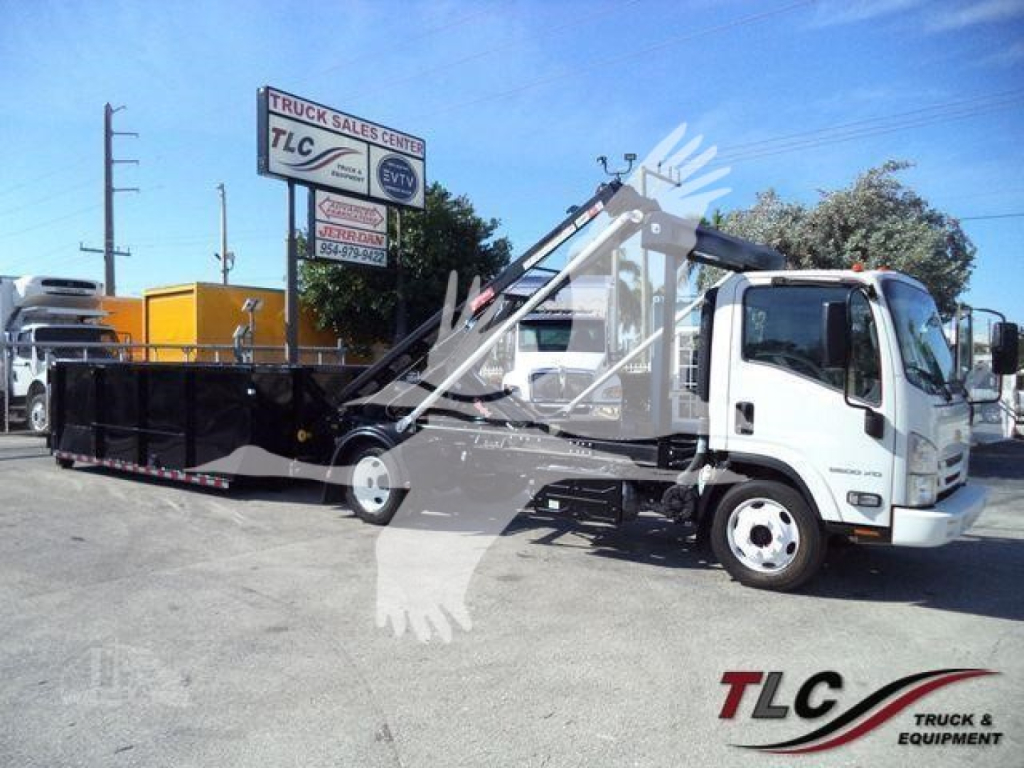
Selling a 2020 rolloff truck? List your 2020 rolloff truck for sale and reach thousands of commercial buyers.
2020 Rolloff Trucks
Powertrain choice on a 2020 rolloff truck usually centers on durability and PTO performance. Heavy vocational engines in the 350 to 500 hp range are common, with torque matched to frequent stop-and-go work, loaded pulls from transfer stations, and uneven jobsite access. Allison automatic transmissions, especially 4500-series units, are popular because they simplify driver training and work well in urban routes and tight disposal sites. Automated manuals and manual transmissions are still found in some fleets, but buyers should evaluate launch feel, PTO engagement, and how the transmission behaves backing to containers on grades. Rear axle ratios, suspension spec, and wheelbase also matter because they affect hook approach, bridge compliance, and turning radius.
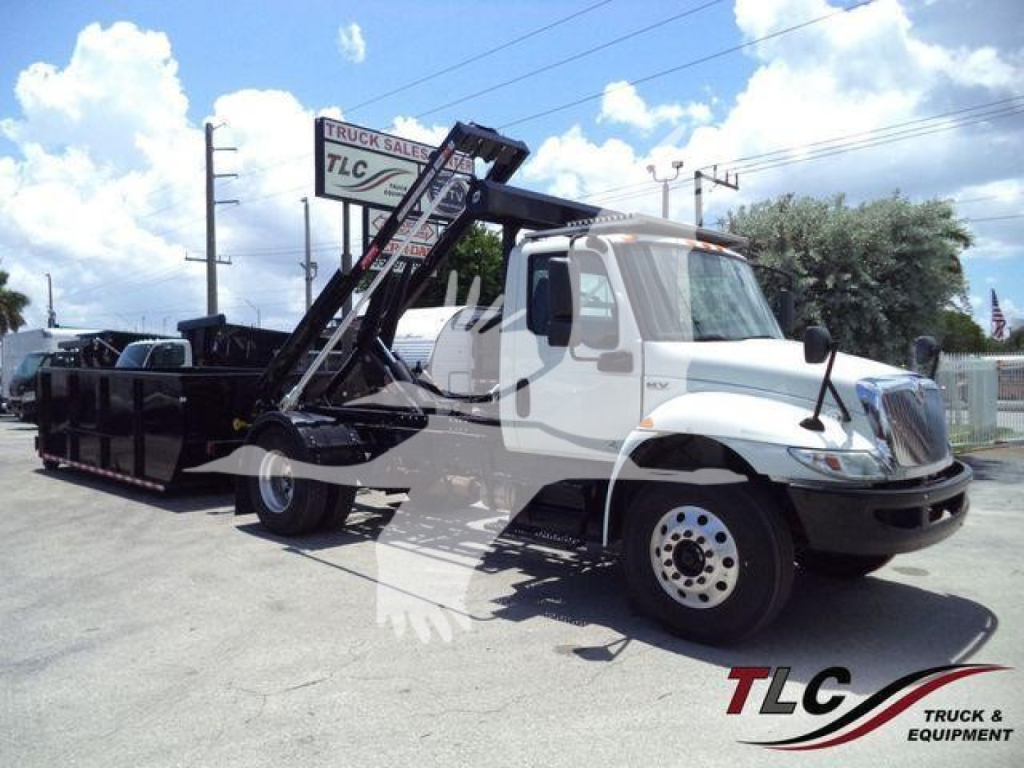
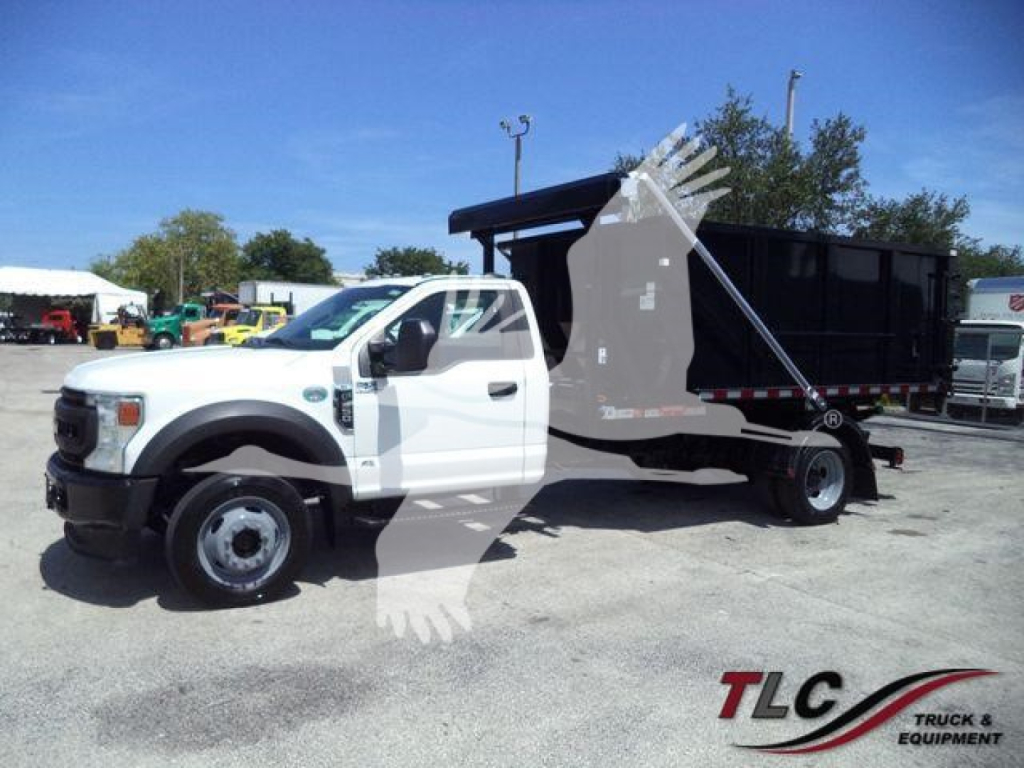
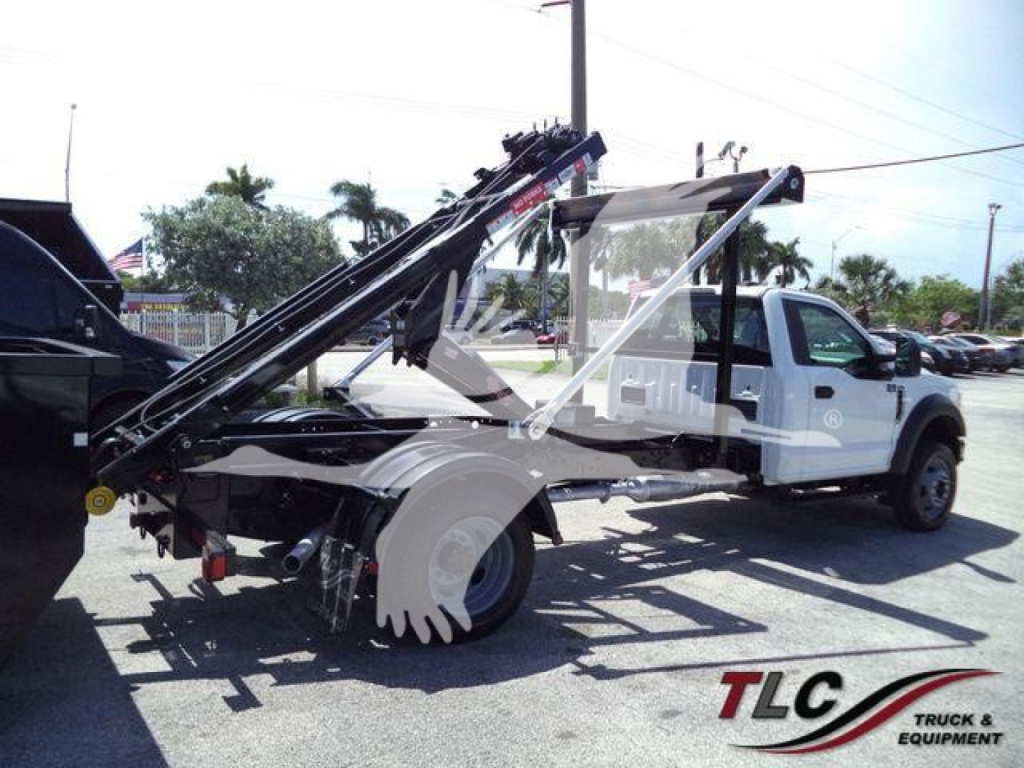
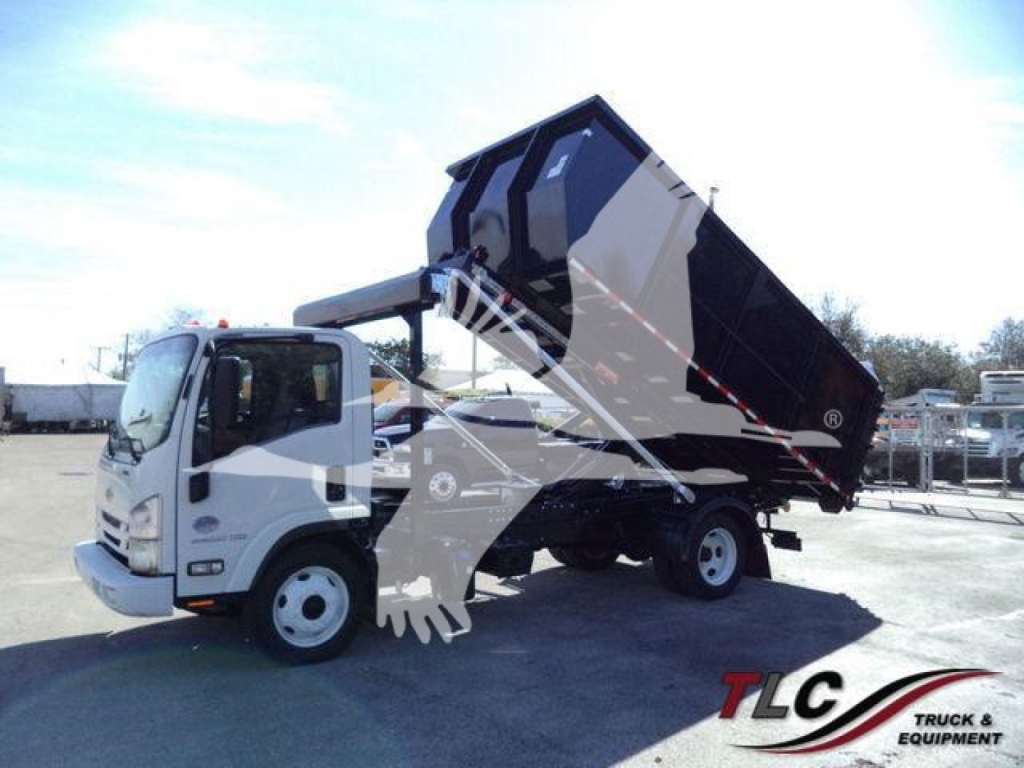
The hoist and body equipment deserve the same level of inspection as the chassis. Look at cable versus hooklift-style roll-off configuration, winch capacity, rail wear, sheave condition, cylinder leaks, crossmember fatigue, and the condition of the tarp system if equipped. Container compatibility is critical. Rail height, hook height, and overall hoist geometry need to match the cans in your fleet or the boxes used by your customers. A truck with the wrong wheelbase or kingpin-style thinking applied to trailer operations can still be a poor fit in rolloff work if tail swing, axle spread, or hoist reach do not line up with your route conditions.
For a 2020 model, emissions and electronics should be part of the buying decision. This year generally gives buyers modern safety and engine controls without being as expensive as late-model replacement trucks. Review idle hours, PTO hours, aftertreatment service history, DEF system repairs, brake lining life, and evidence of frame reinforcement around the hoist installation. Front axle ratings around 18,000 to 20,000 lb and rears from 40,000 to 46,000 lb are common on tandem units, with heavier legal GVWR achieved through lift axles where allowed. The best 2020 rolloff trucks are the ones with a hoist spec that matches your containers, an axle package that fits your payload profile, and a maintenance record that shows the truck has been worked hard without being neglected.
Frequently Asked Questions about 2020 Rolloff Trucks
What hoist capacity is common on a 2020 rolloff truck?
Many 2020 rolloff trucks are equipped with 40,000-lb, 50,000-lb, or 60,000-lb hoists. The right choice depends on the size of the containers you handle, the density of the material, and local axle laws. A higher-rated hoist provides more flexibility for demolition, scrap, and heavy C&D loads, but the chassis, axle ratings, and wheelbase still need to support the application safely and legally.
Are Allison automatic transmissions a good fit for rolloff trucks?
Yes. Allison automatic transmissions are widely used in rolloff applications because they perform well in stop-and-go routes, simplify driver operation, and offer smooth PTO integration for hoist work. They are especially common in urban waste, recycling, and container service where frequent backing, tight turns, and repeated load cycles are part of the job. Buyers should still confirm service history, fluid condition, and transmission model to make sure it matches the truck's horsepower and GVWR.
What should I inspect on a used 2020 rolloff truck besides miles?
Miles only tell part of the story on a vocational truck. PTO hours, idle hours, hoist cycle wear, hydraulic leaks, rail and roller wear, winch condition, tarp operation, suspension condition, and frame integrity are all important. Emissions service records also matter on a 2020 truck, especially for the DPF, DEF, and SCR systems. A truck with moderate miles but very high PTO use may have seen far more work than the odometer suggests.
What axle setup is typical for a 2020 rolloff truck?
A common setup is a tandem rear axle with a 18,000-lb to 20,000-lb front axle and 40,000-lb to 46,000-lb rears. Many trucks also include a lift axle, pusher axle, or tag axle to improve payload compliance and bridge distribution. The best axle package depends on container length, material weight, and the state or municipal regulations where the truck operates. Matching axle spread and wheelbase to your legal route profile is just as important as raw hoist capacity.
Why does wheelbase matter on a rolloff truck?
Wheelbase affects turning radius, tail swing, axle loading, and how well the truck can pick up and set down containers in confined spaces. A longer wheelbase may support certain hoist and axle combinations better, but it can be harder to maneuver in alleys, transfer stations, and urban jobsites. A shorter wheelbase can improve maneuverability, but it still has to work with the hoist geometry and container lengths you run. Buyers should compare wheelbase to route conditions, can size, and local bridge laws before making a decision.