
2020 Rolloff Trucks For Sale in Florida
Browse 2020 rolloff trucks for sale in Florida. Compare GVWR, hoist type, container size, winch setup, and chassis specs for debris hauling.
Selling a 2020 rolloff truck? List your 2020 rolloff truck for sale and reach thousands of commercial buyers.
2020 Rolloff Trucks in Florida
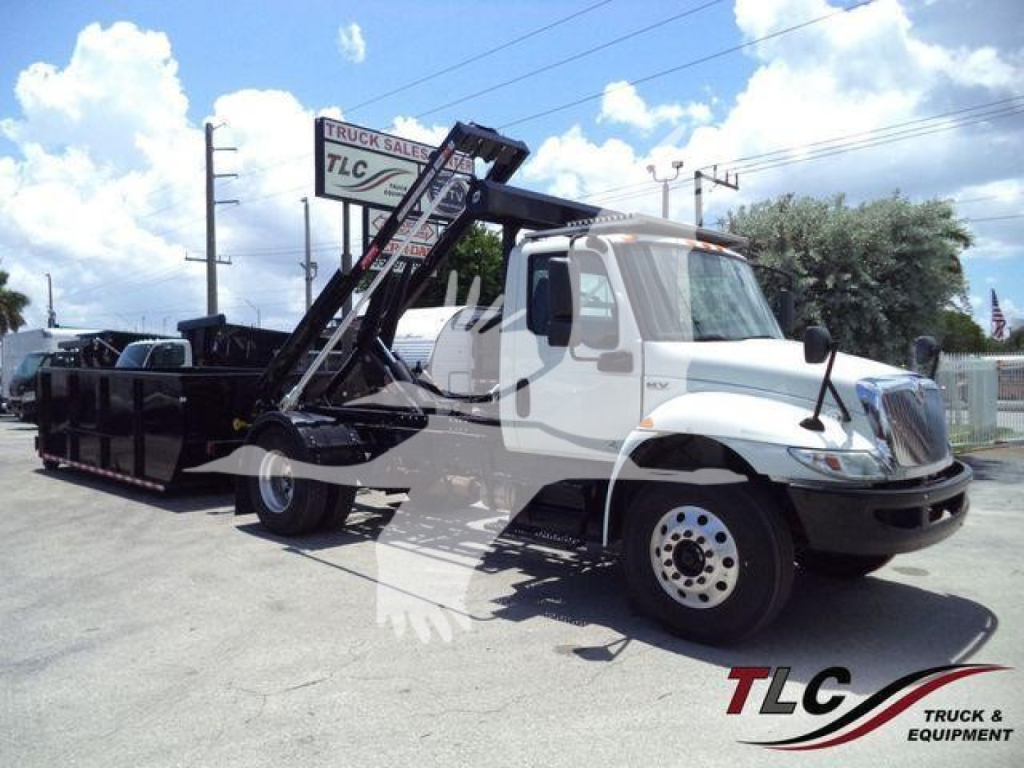
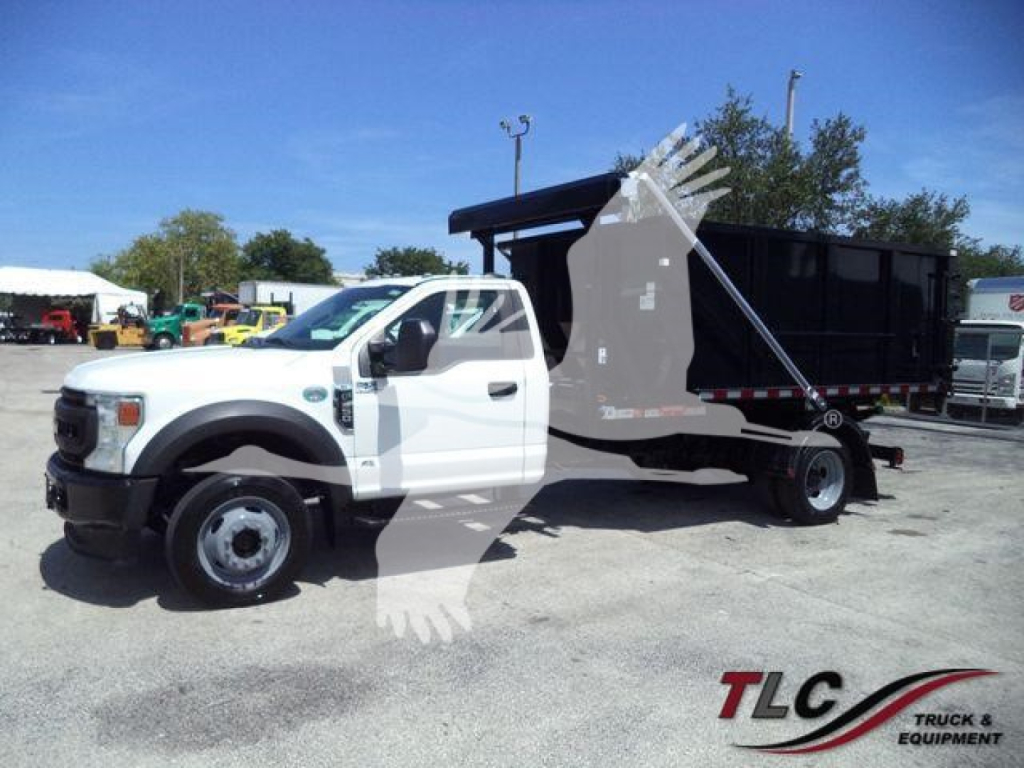
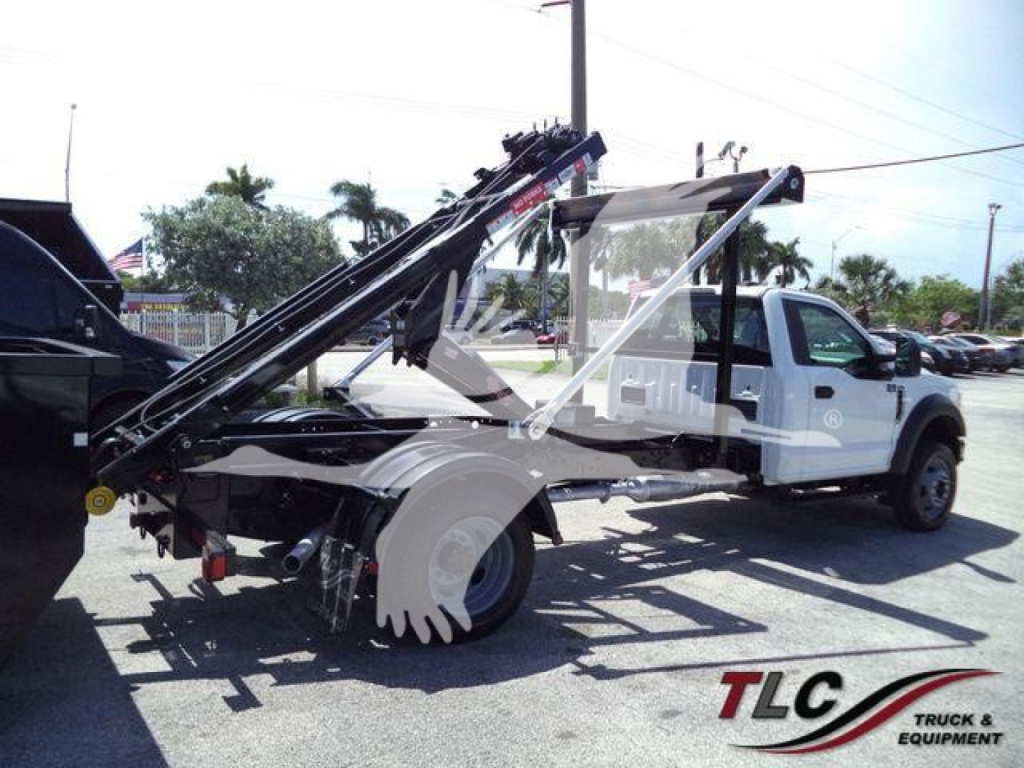
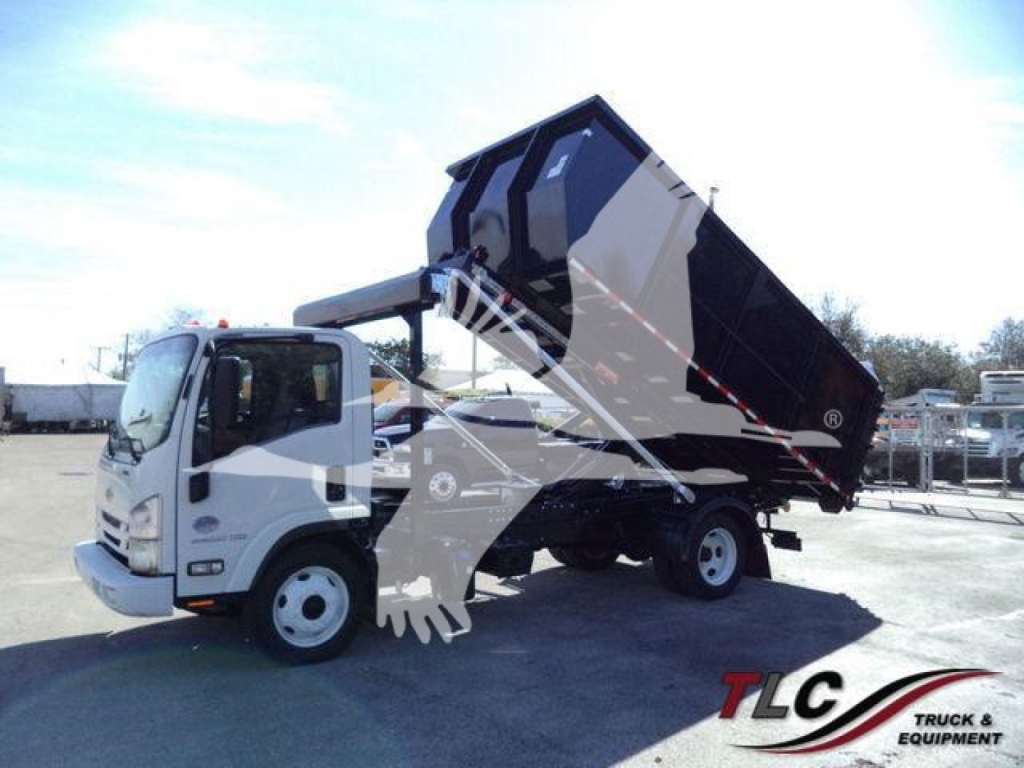
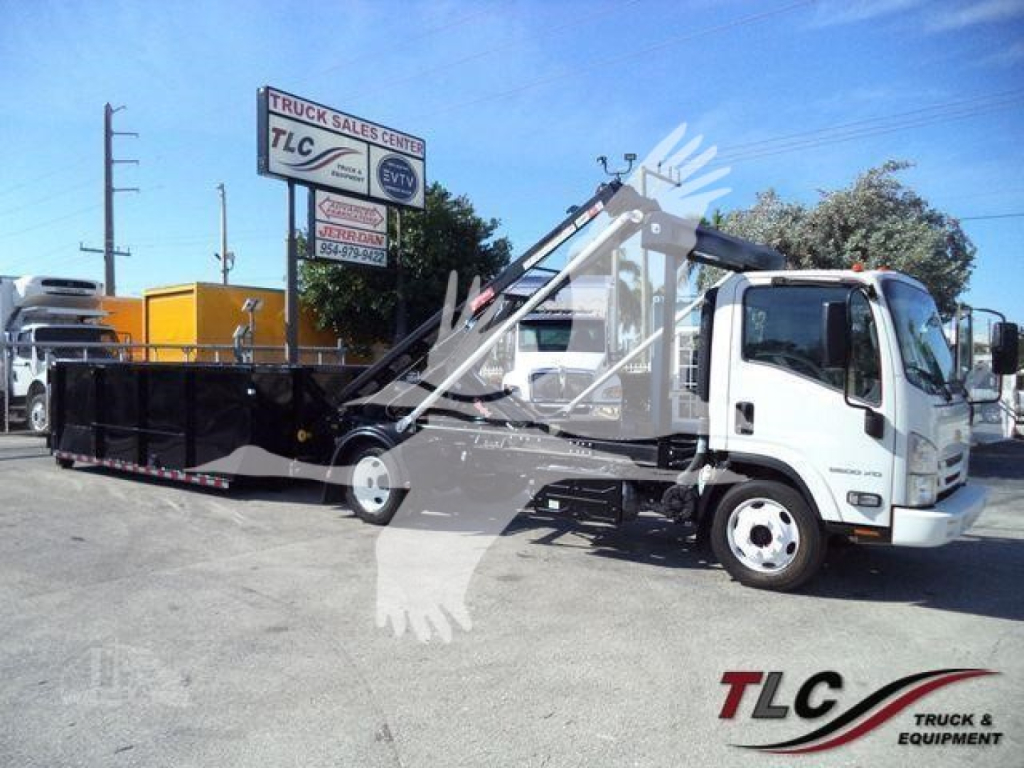
The hoist setup matters as much as the chassis. Many 2020 trucks in this category use electric-over-hydraulic or PTO-driven hydraulic hoists with winches, 25-foot cable lengths, in-cab and exterior controls, and tarp systems to secure loose loads. Buyers should look closely at hoist rating, winch capacity, cycle speed, and how the truck is configured for the boxes it will actually carry. A 14-foot container with 51-inch sides works well for landscape and mixed debris, while taller sidewalls increase cubic capacity for lighter material but can change loading characteristics and center of gravity. Rear door style, hitch package, trailer brake provisions, and receiver setup also matter if the truck will pull equipment or support a multi-service operation.
Florida usage puts extra focus on corrosion resistance, cooling system health, and dependable hydraulics. Powder-coated steel bodies are common, but condition of the hoist rails, cable, sheaves, crossmembers, and rear sill should be inspected carefully on any used rolloff truck. Medium-duty diesel engines from this model year are generally emissions-equipped, so service history for DEF, DPF, and related sensors is worth reviewing along with idle hours and PTO usage. Wheelbase, axle rating, brake type, and suspension also affect how the truck performs with loaded bins, especially on stop-and-go local routes. Air brakes and air ride can improve control and durability on heavier-spec chassis, while lighter hydraulic-brake trucks may appeal to operators focused on non-CDL staffing and lower acquisition cost.
For many buyers, a 2020 rolloff truck is really a route-efficiency decision. The value comes from how quickly the truck can drop one box, pick another, and get back on the road with minimal labor. Container compatibility is critical, especially with Switch-N-Go style systems and other interchangeable mini-rolloff bodies. Confirm the body dimensions, rail geometry, hook or cable arrangement, and electrical controls before assuming one truck will work with an existing fleet of cans. A well-matched 2020 rolloff truck can cover junk removal, roofing tear-off, landscaping, municipal cleanup, and light construction work with far more versatility than a fixed dump body.
Frequently Asked Questions about 2020 Rolloff Trucks in Florida
What should I look for first when comparing 2020 rolloff trucks?
Start with GVWR, hoist type, and container compatibility. Those three factors determine payload range, licensing requirements, and whether the truck will work with the boxes you plan to use. After that, compare wheelbase, brake system, engine and transmission combination, and whether the truck uses electric-over-hydraulic or PTO-driven hydraulics. A truck that looks similar on paper can perform very differently depending on hoist rating, winch setup, and body dimensions.
Are 2020 rolloff trucks available in non-CDL configurations?
Yes. Many 2020 rolloff trucks were built on chassis around 19,500 to 25,999 pounds GVWR, which can keep them in non-CDL territory depending on local and application-specific requirements. That makes them attractive for landscaping, junk removal, and small container service where driver availability matters. Buyers still need to verify actual GVWR, registration, brake type, and any state or jobsite rules that may apply.
What container size is most common on a 2020 medium-duty rolloff truck?
A 14-foot container is one of the most common sizes in this category. It provides a useful balance of maneuverability, volume, and chassis fit on medium-duty trucks like the Isuzu NRR, International 4300, and similar models. Side height is just as important as floor length. Lower 51-inch sides are common for denser material, while taller sides increase cubic capacity for lighter debris such as brush, roofing, or general cleanup loads.
Is PTO hydraulic better than electric-over-hydraulic on a rolloff truck?
Neither system is automatically better for every operation. PTO hydraulic systems are often preferred for frequent cycling and heavier daily use because they deliver strong, consistent hydraulic performance tied to the chassis drivetrain. Electric-over-hydraulic setups can work very well on lighter-duty applications and may simplify installation on some chassis. The better choice depends on how often the truck will swap containers, how heavy the loads are, and how important service simplicity is in your fleet.
Why does container compatibility matter so much on used rolloff trucks?
Container compatibility affects revenue immediately because a mismatched truck cannot efficiently service your existing boxes. Rail spacing, cable or hook arrangement, body length, hoist geometry, and control setup all need to align with the containers in service. Even among mini-rolloff systems that look similar, small differences can create loading issues, poor fit, or unsafe operation. Verifying compatibility before purchase is one of the most important checks on any used rolloff truck.