
2027 Rolloff Trucks For Sale
Shop 2027 rolloff trucks for waste, scrap, demolition, and container hauling. Compare hoists, axle ratings, wheelbases, and tarp systems.
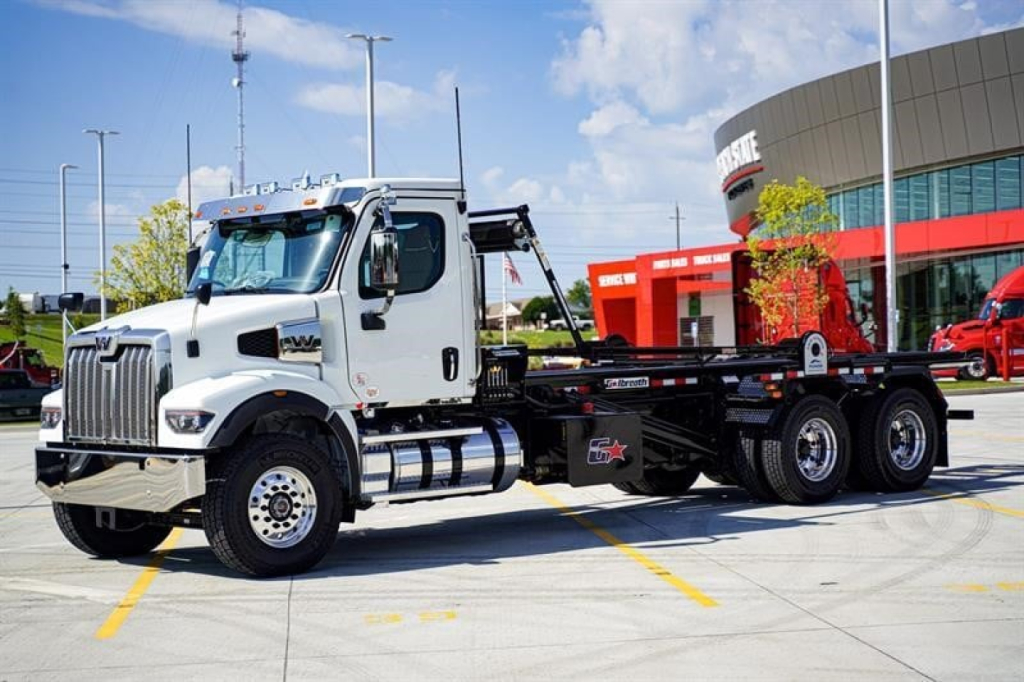
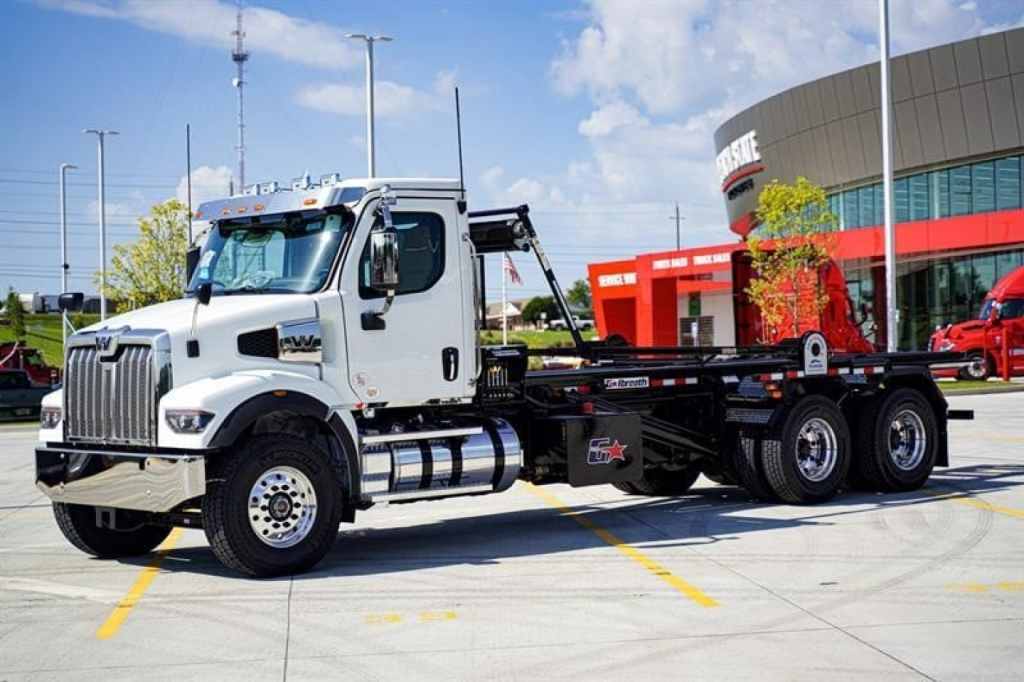
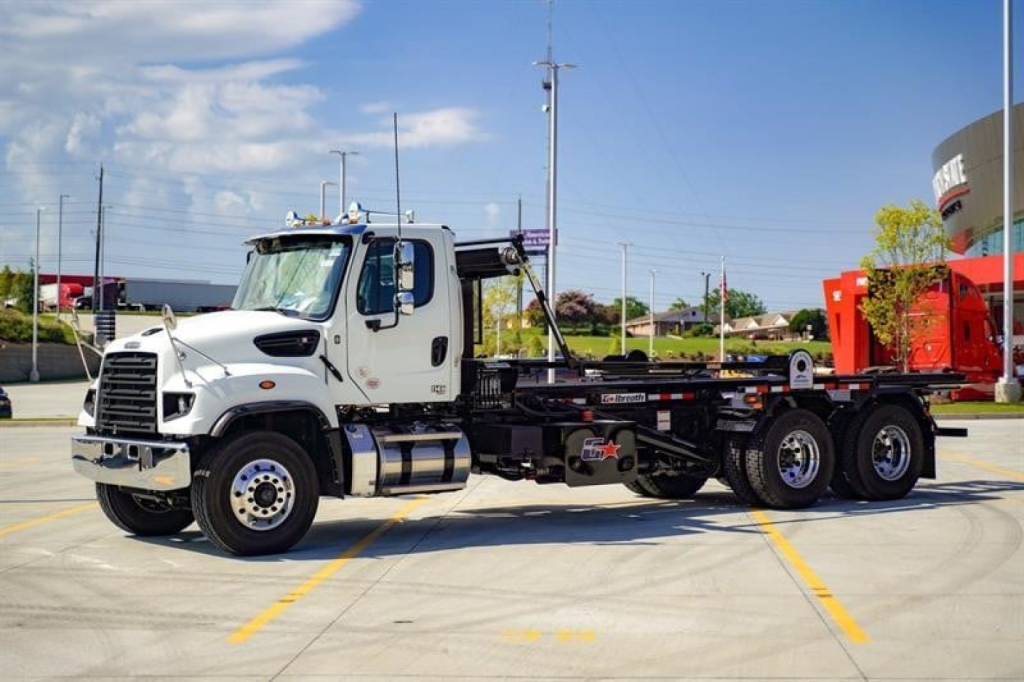
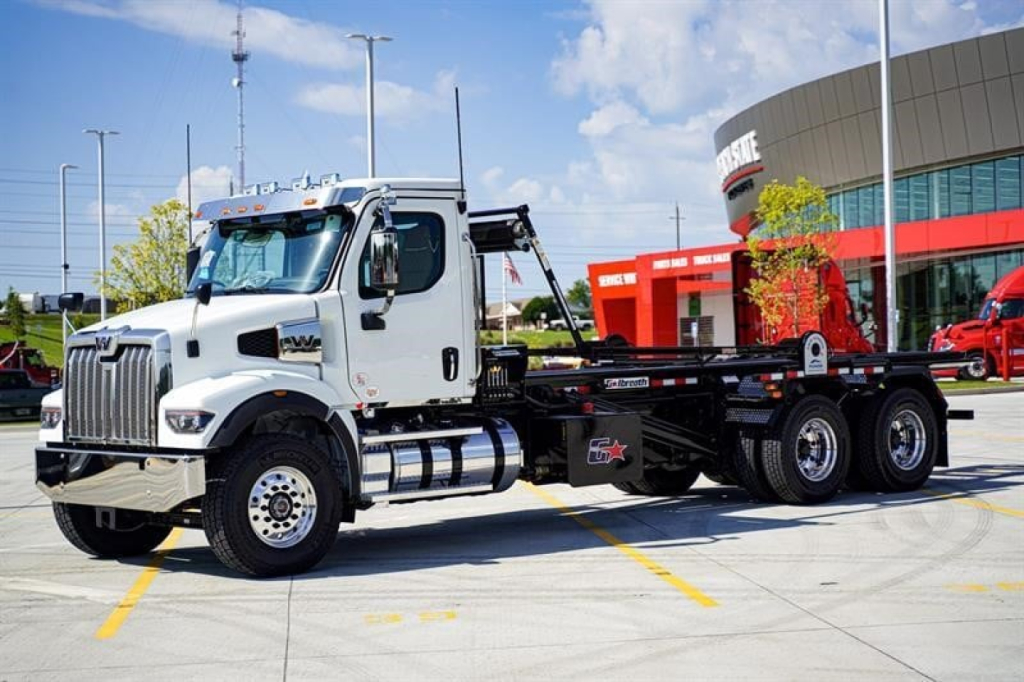
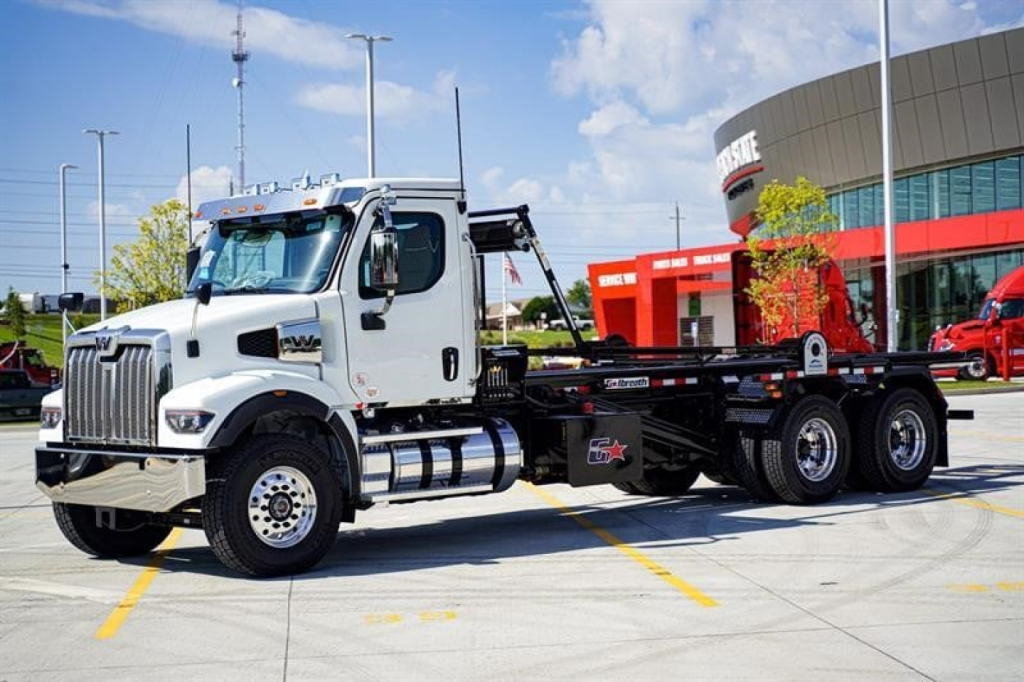
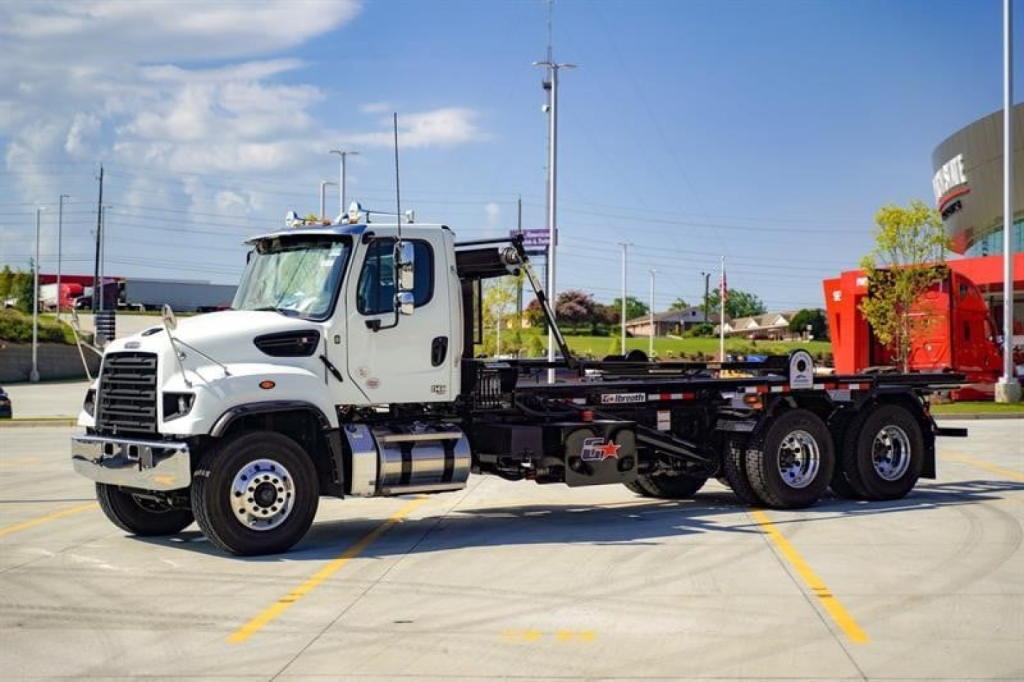
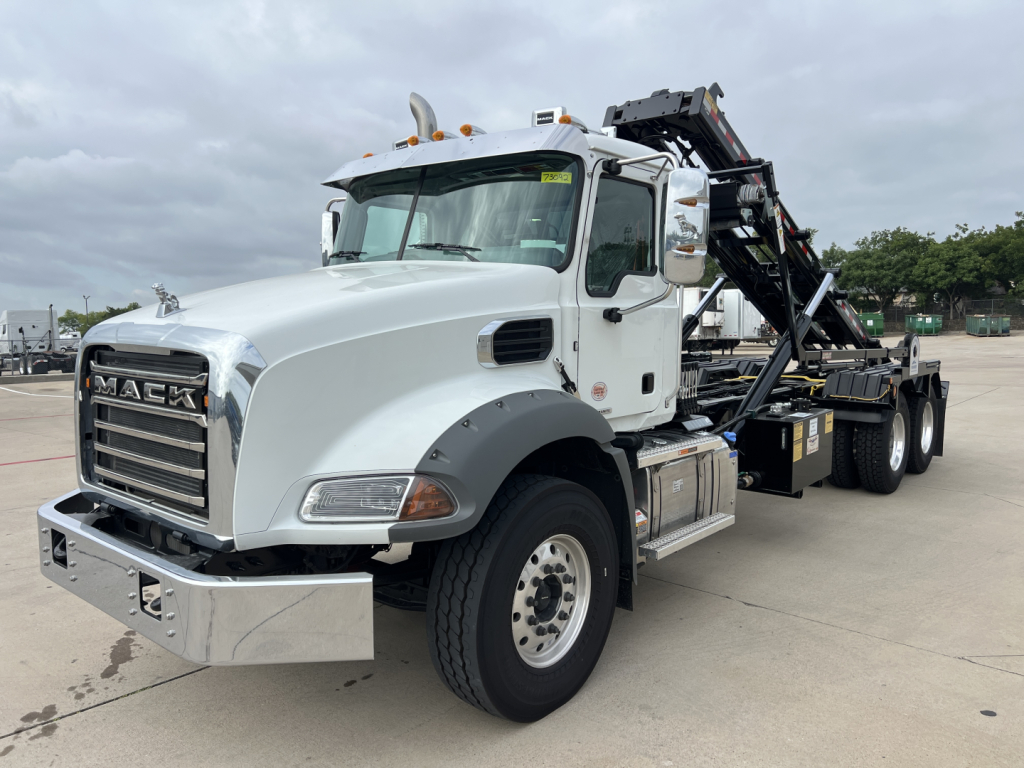
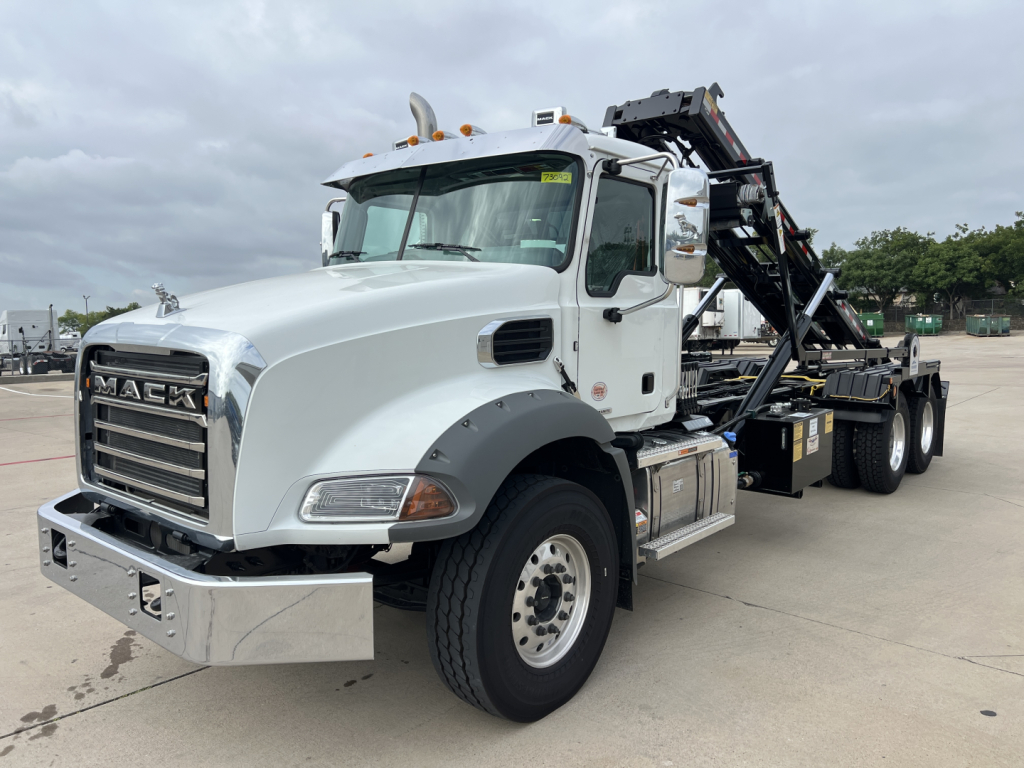
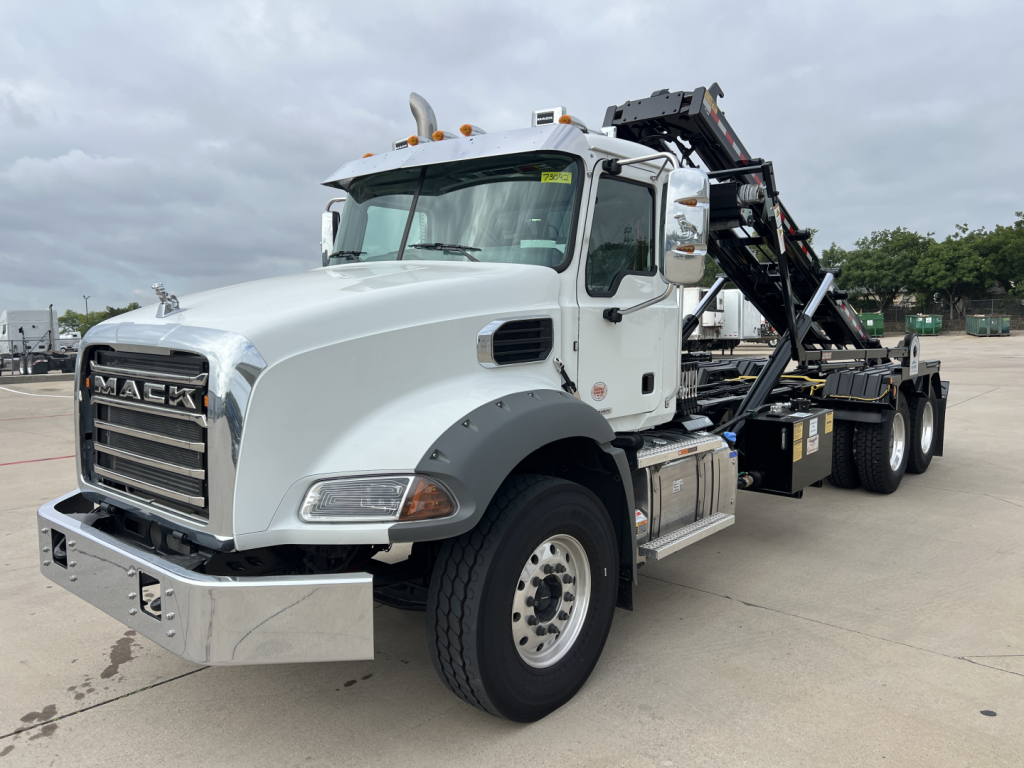
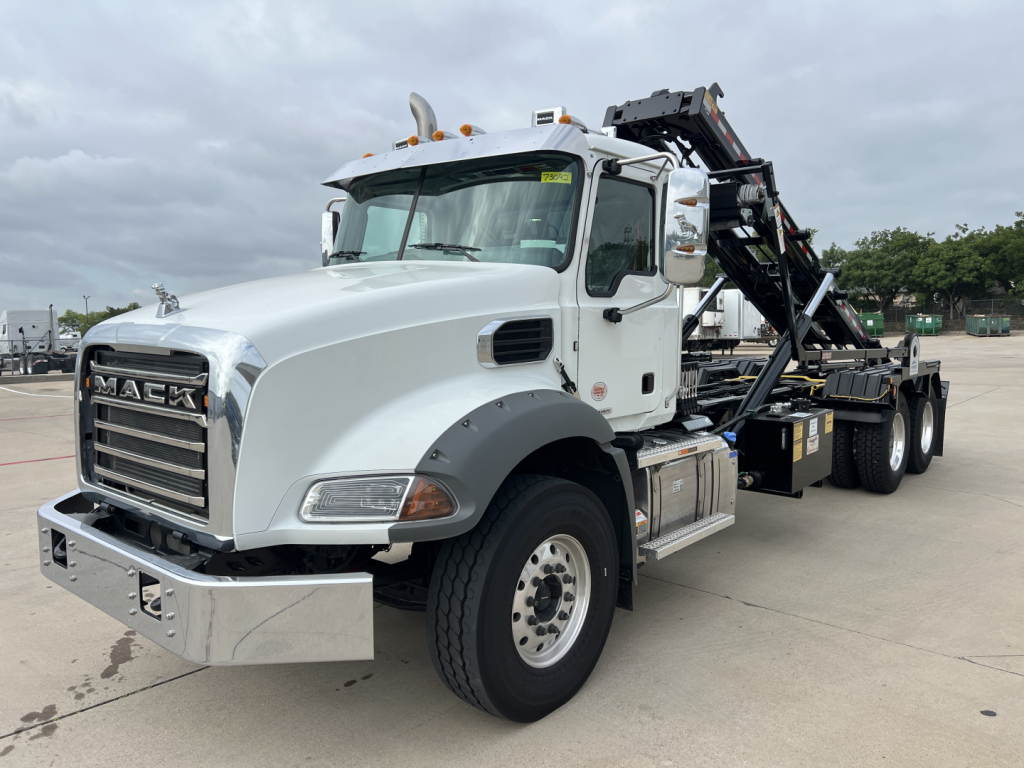
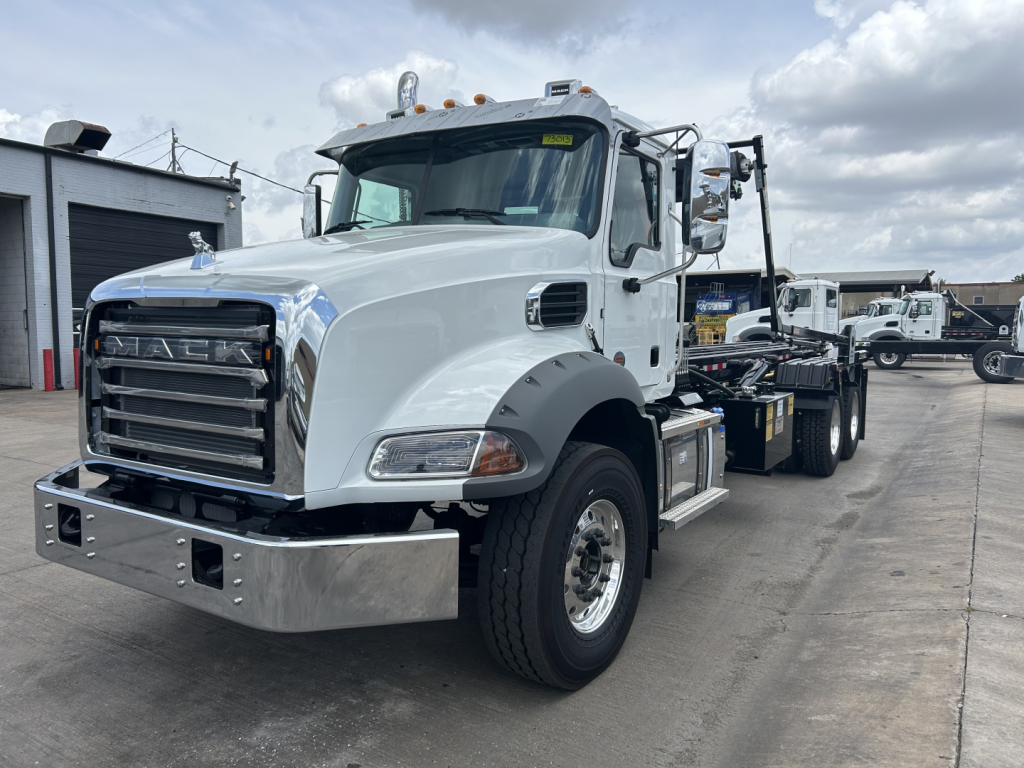
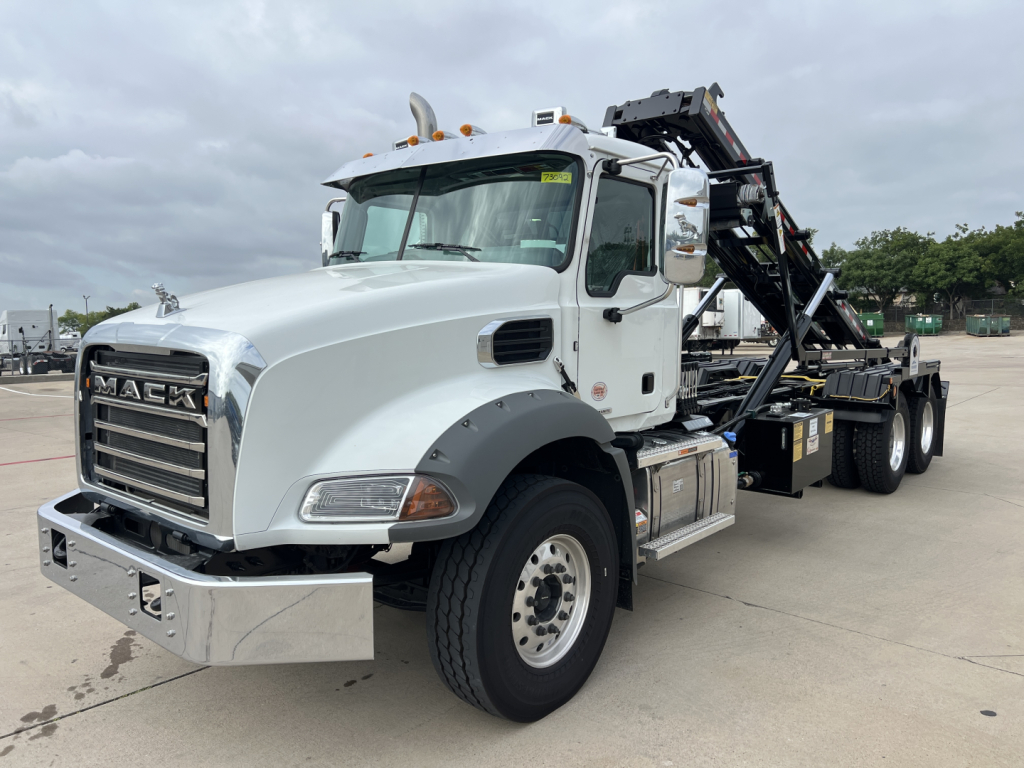
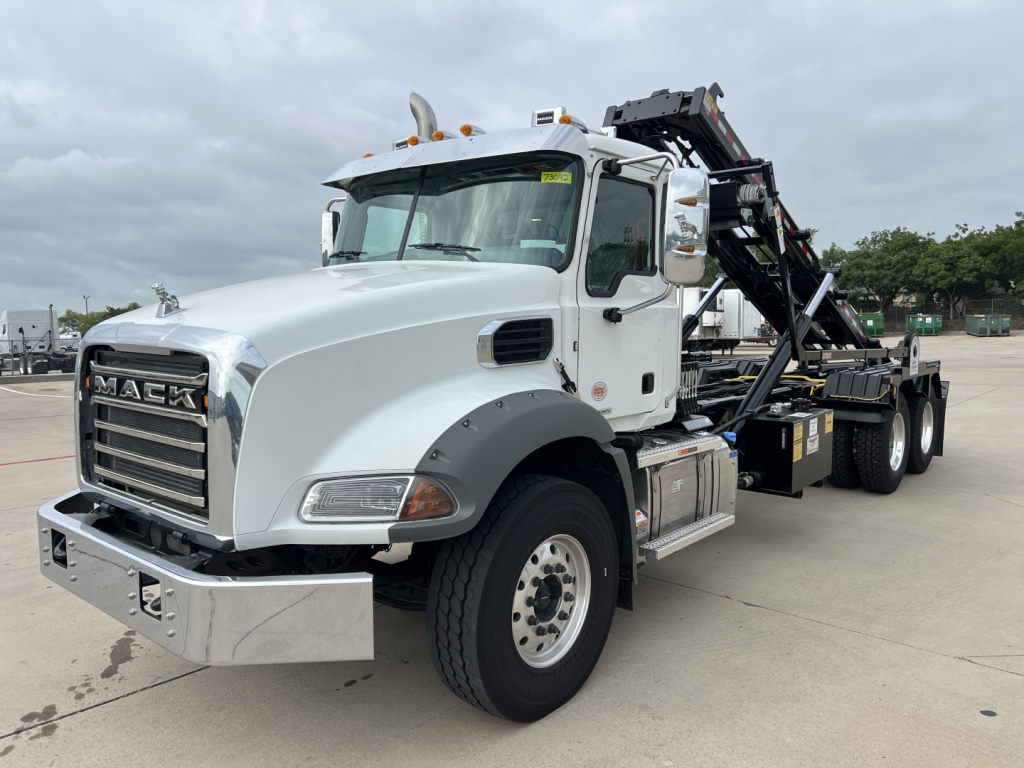
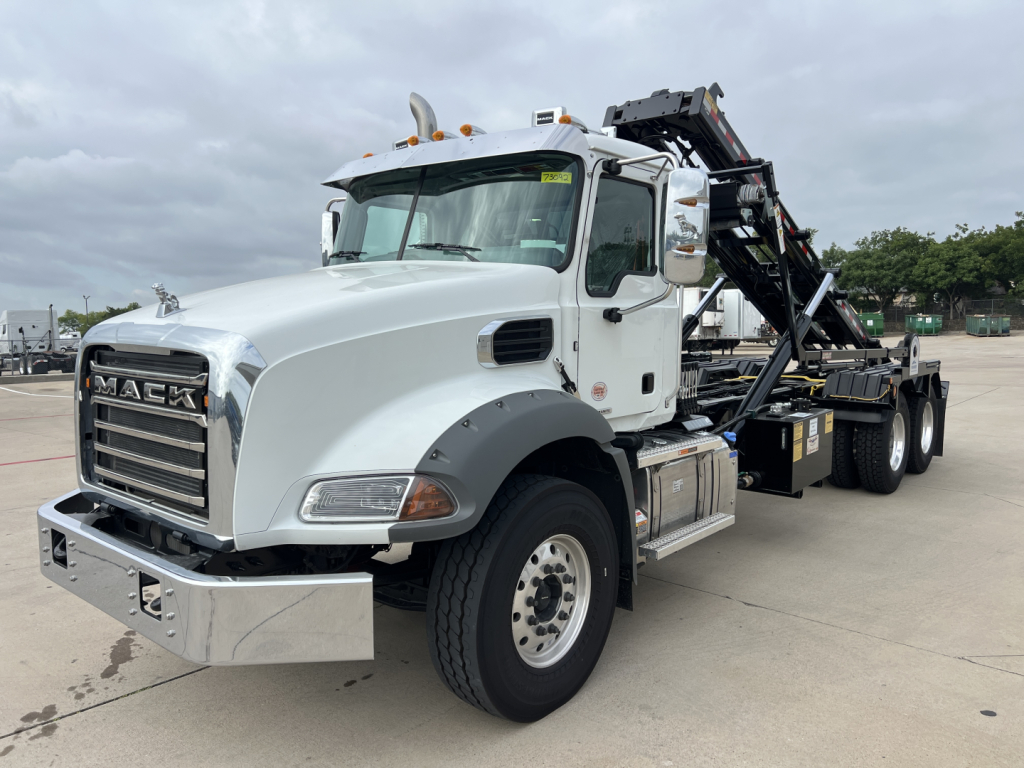
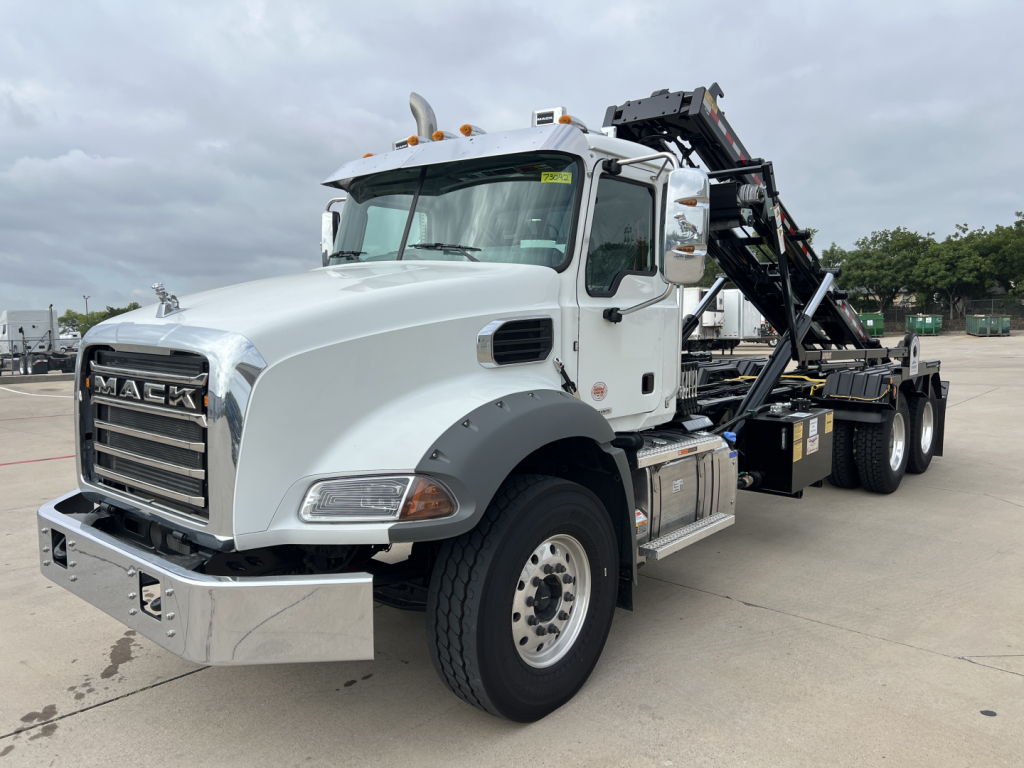
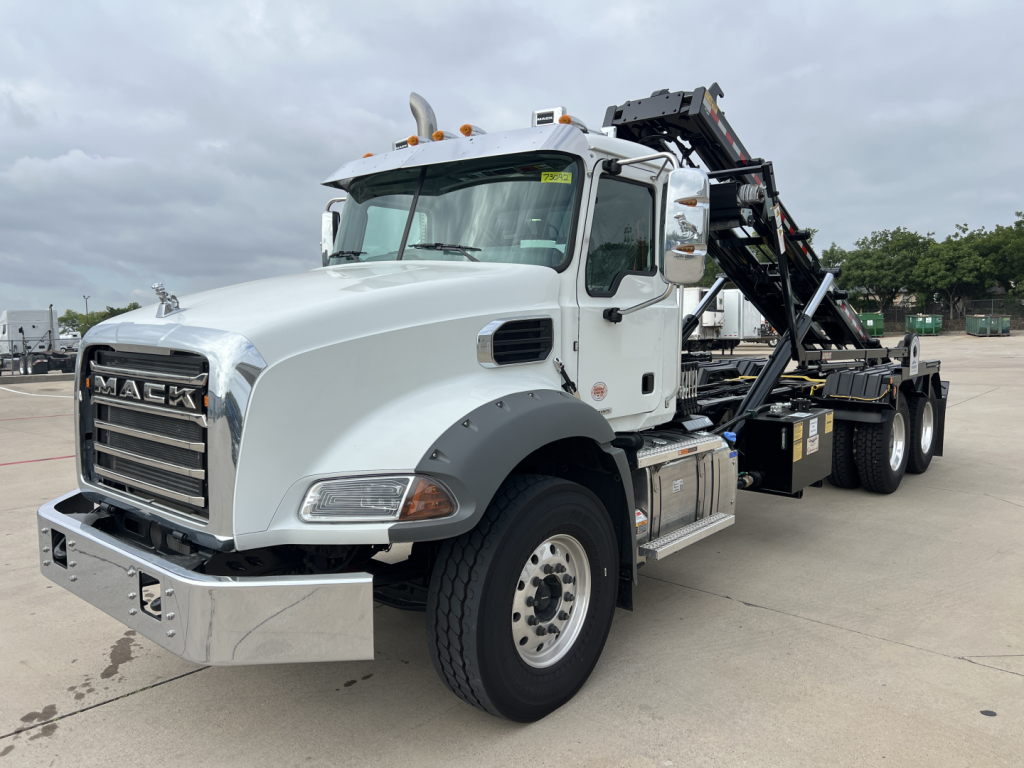
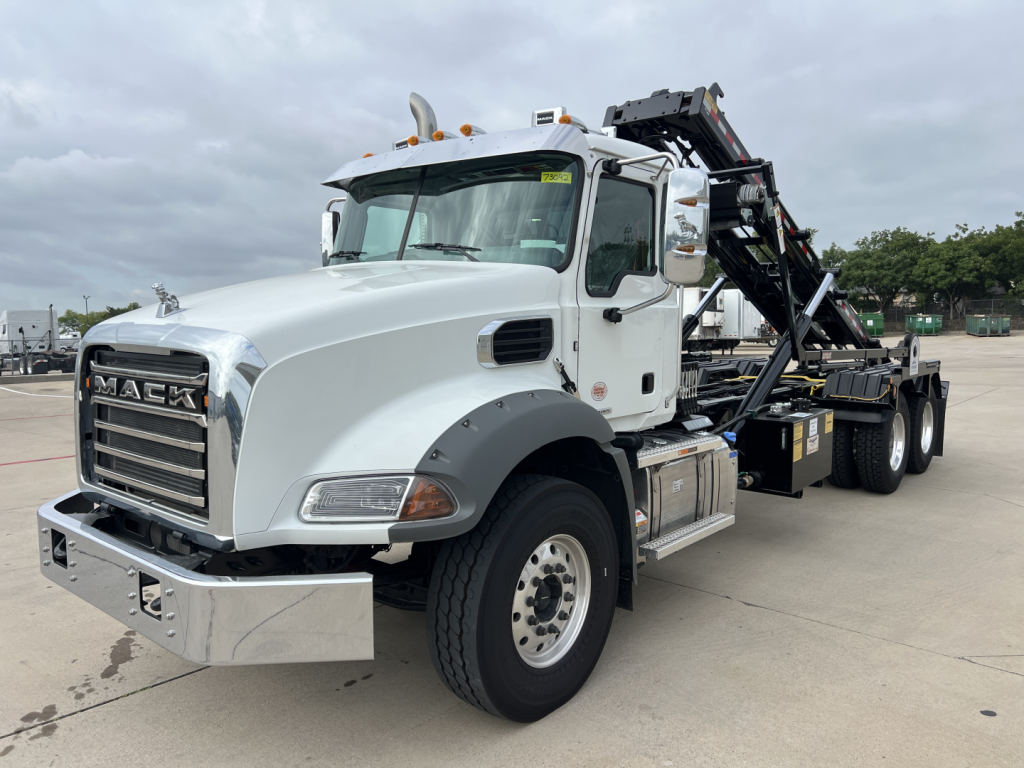
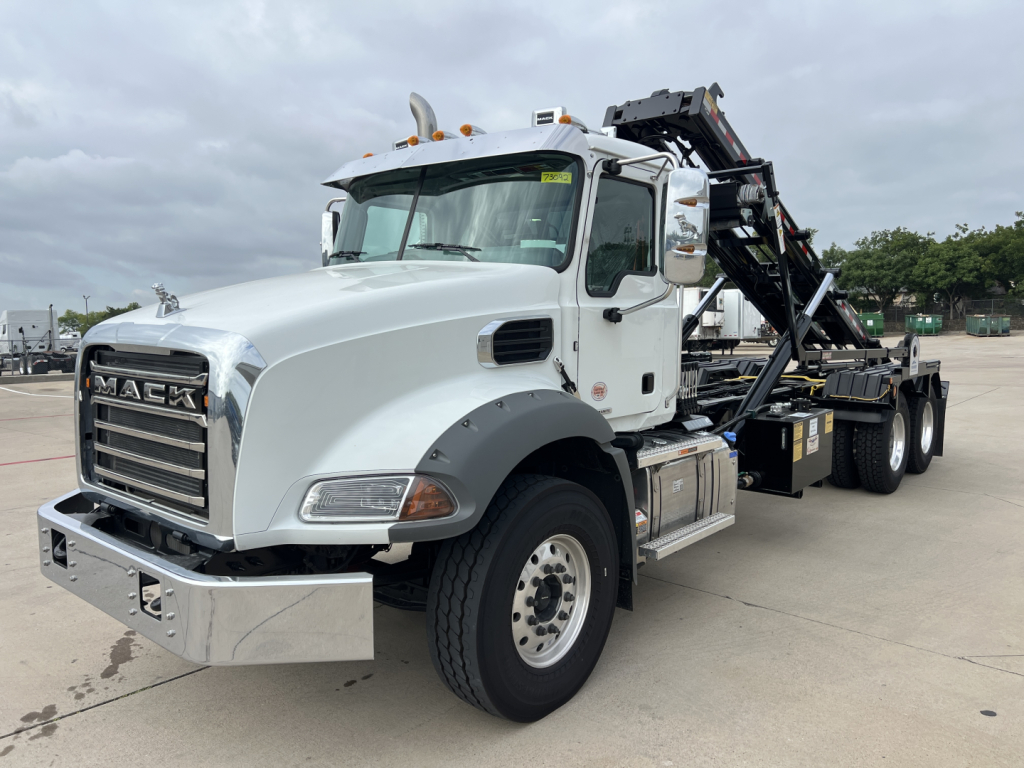
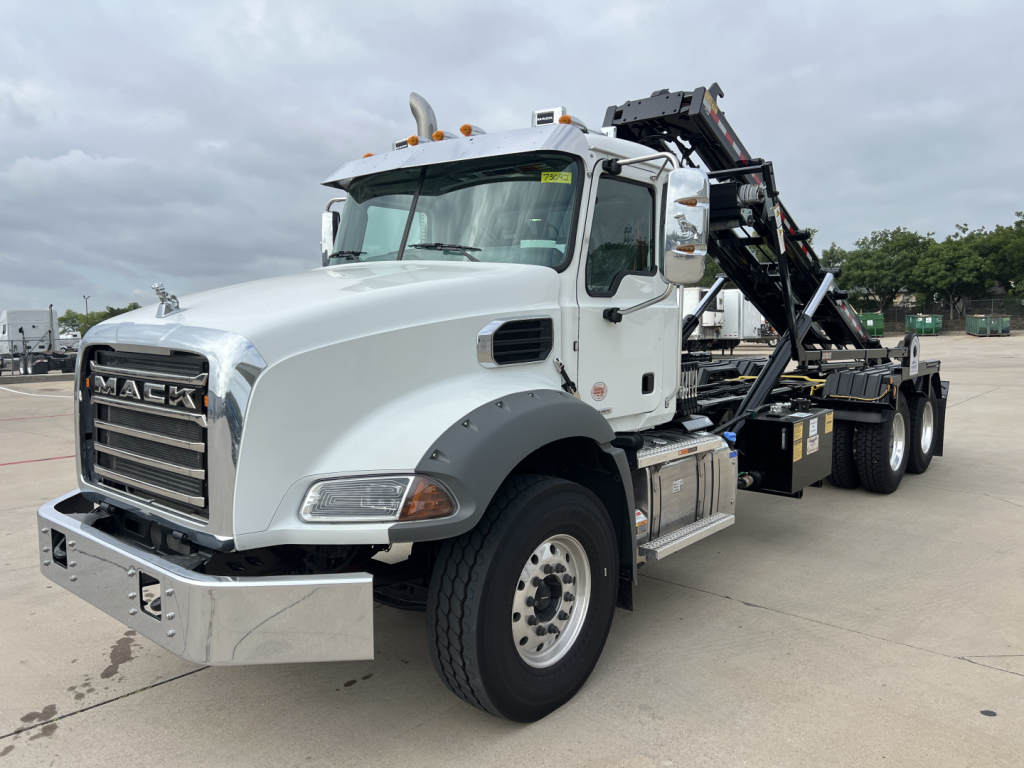
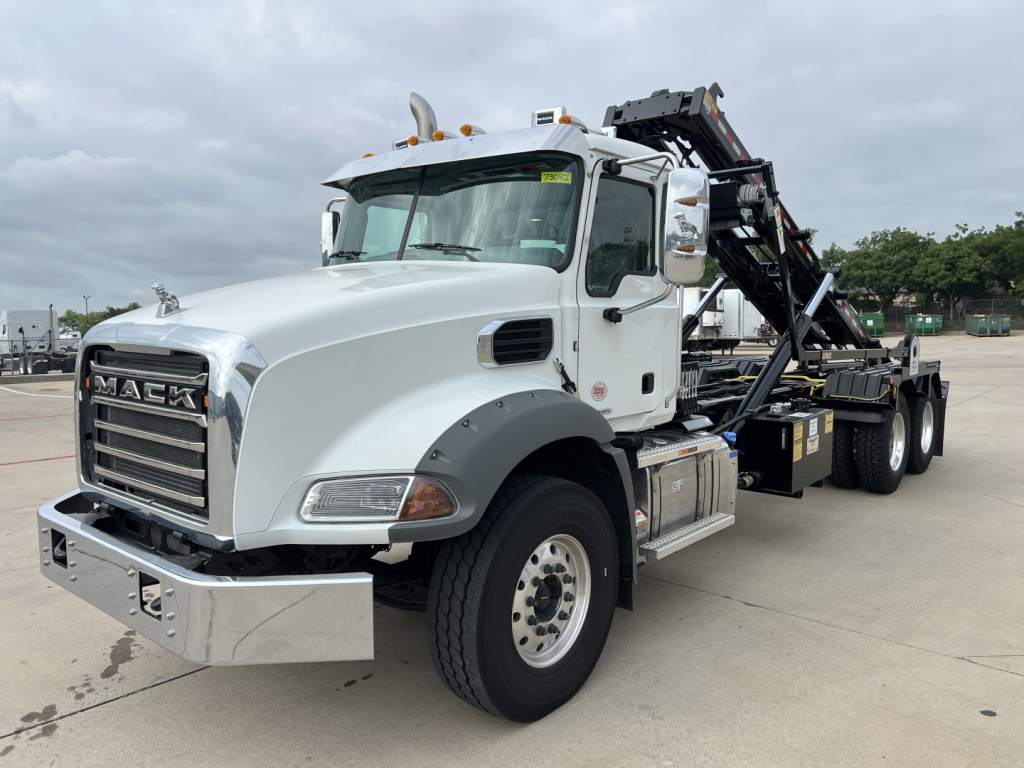
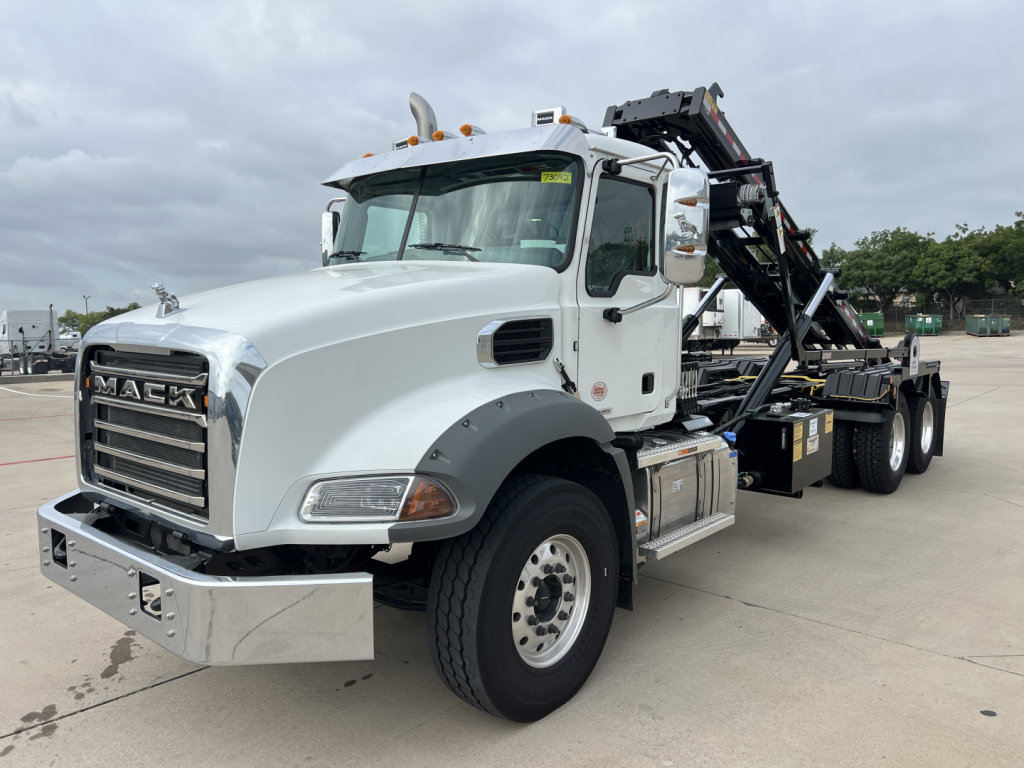
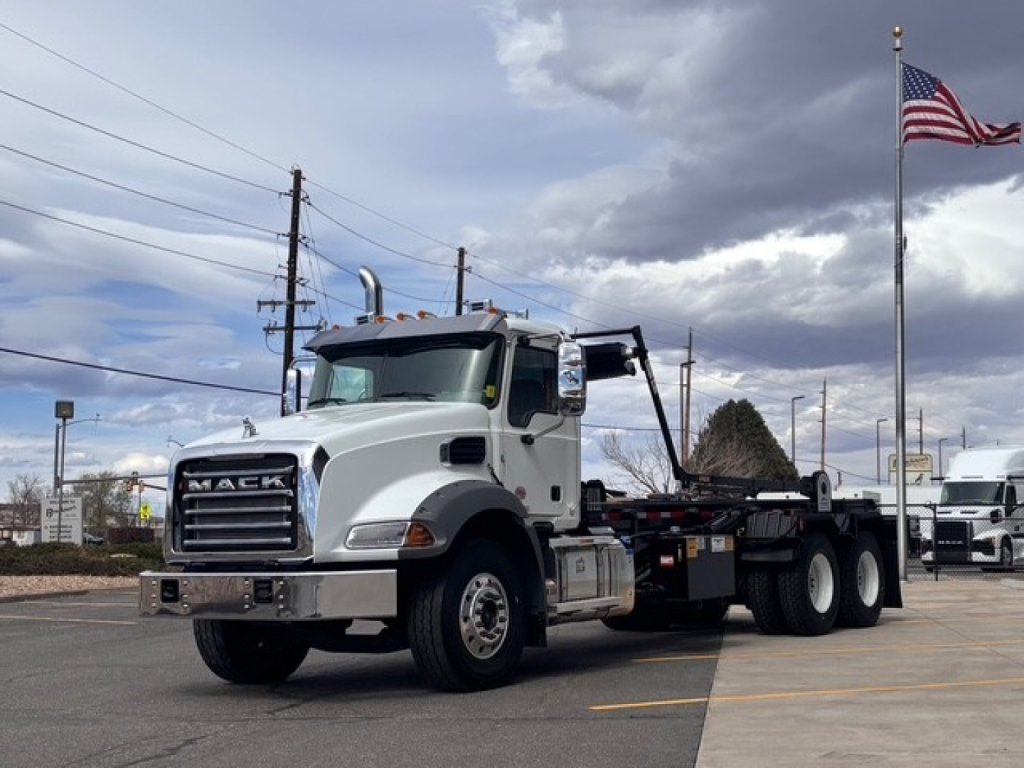
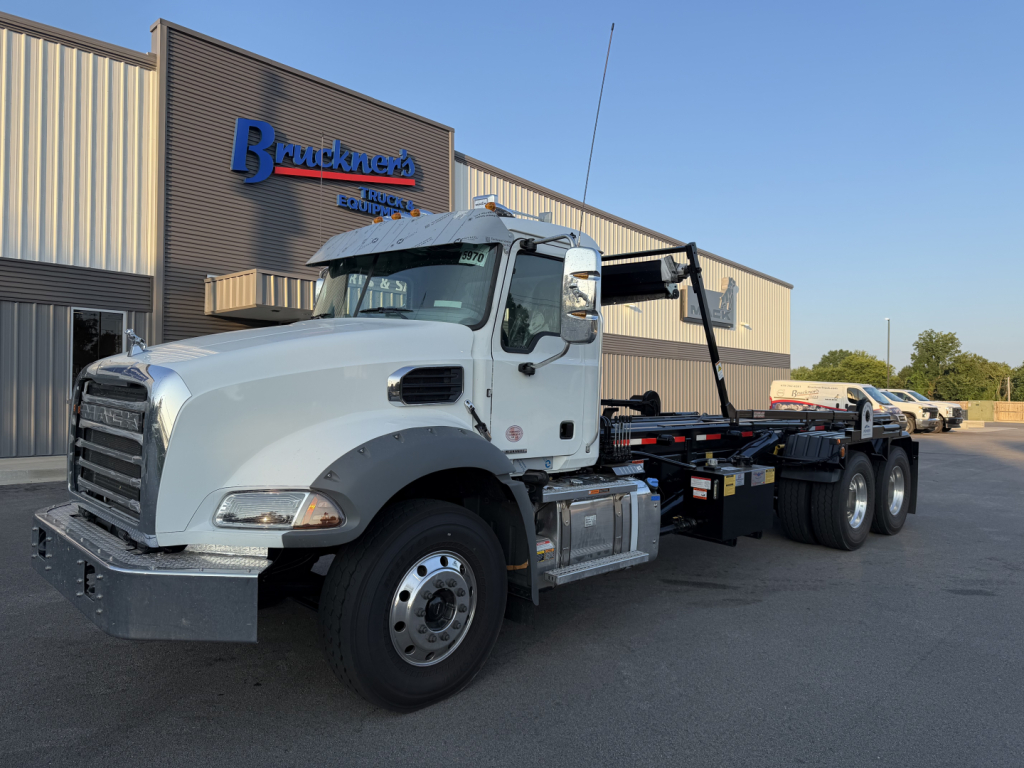
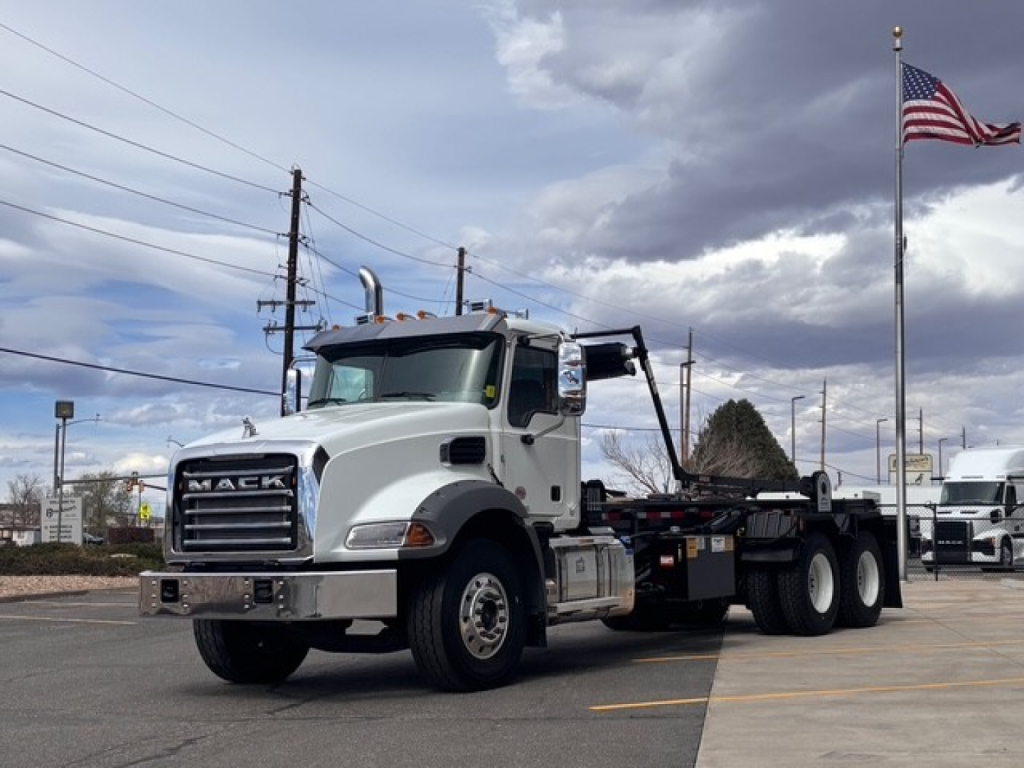
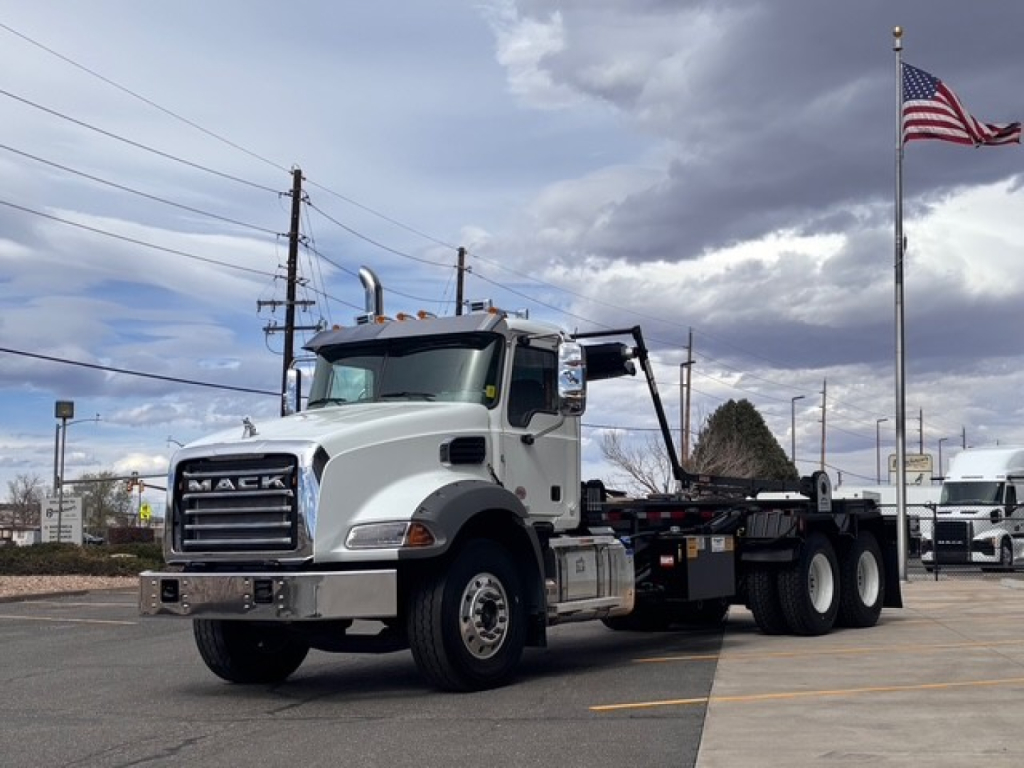
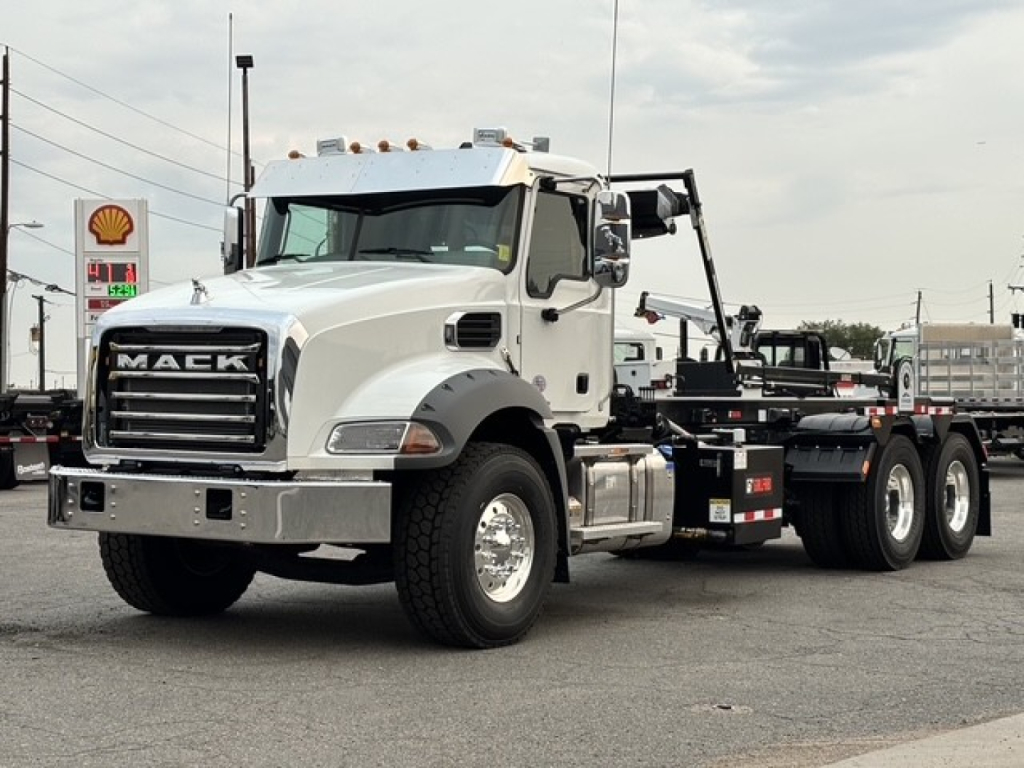
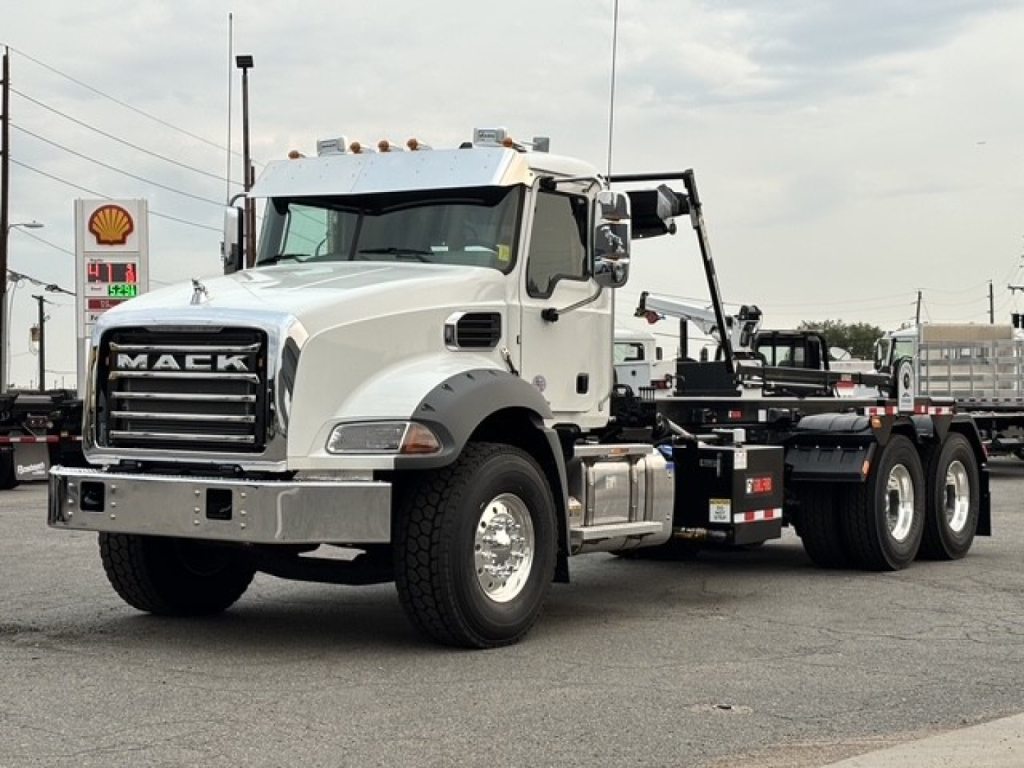
Showing 1 to 28 of 49 results
Selling a 2027 rolloff truck? List your 2027 rolloff truck for sale and reach thousands of commercial buyers.
2027 Rolloff Trucks
Wheelbase, cab-to-axle, and overall hoist installation matter more on a rolloff than many first-time buyers expect. A longer wheelbase can improve container fit and bridge weight distribution, but it can also affect maneuverability on tight urban routes, transfer stations, and jobsites. Front axle ratings around 18,000 to 20,000 lbs and rear ratings in the 40,000 to 46,000 lb range are typical on tandem setups, with some trucks adding lift axles for higher legal payloads. Buyers should also pay close attention to transmission choice. Allison automatics are popular in stop-and-go refuse and container work because they reduce driver fatigue and simplify backing and positioning, while manual or automated manual transmissions still appeal in certain regional fleets focused on driver preference or maintenance strategy.
The hoist itself is only part of the package. Tarp systems, container rails, outside rail width, hook height, pintle prep, PTO configuration, and rear lighting all affect day-to-day usability. Rack-and-pinion tarp systems are common for fast, consistent container coverage, and many operators want air and electric run to the rear for towing or additional equipment flexibility. Severe-duty suspension, locking differentials, body up alarms, work lights, heated mirrors, and durable cab interiors are not cosmetic features on this type of truck. They directly affect uptime and driver efficiency in dirty, high-abuse environments. Brake configuration also matters, with many buyers preferring front discs for steering axle performance while retaining proven drum setups on the rear.
For a buyer comparing 2027 rolloff trucks for sale, the best value is usually the truck that matches container length, route density, legal weight targets, and maintenance capability. A truck spec'd too light will suffer in hoist performance and chassis life, while one spec'd too heavy can add cost and reduce payload efficiency. The right rolloff truck should be evaluated as a complete vocational system: engine horsepower and torque, transmission, axle ratios, frame strength, hoist brand and capacity, tarp design, and chassis layout all need to work together. If the truck will spend its life on demolition boxes, scrap cans, or dense municipal debris, prioritize structural durability and traction. If it will run repeatable commercial routes, focus on cycle time, driver ergonomics, and service access.
Frequently Asked Questions about 2027 Rolloff Trucks
What hoist capacity is common on a Class 8 rolloff truck?
A common range for a tandem-axle Class 8 rolloff truck is 50,000 to 60,000 lbs of hoist capacity. That range fits many commercial waste, scrap, and construction applications, but the correct choice depends on container size, material density, and how often the truck will load on uneven ground. Hoist rating should be matched with axle capacity, frame spec, and legal weight limits rather than chosen as a standalone number.
Is an automatic transmission a good choice for rolloff work?
Yes, many fleets prefer Allison automatic transmissions for rolloff service because container work involves constant stopping, backing, PTO operation, and tight positioning. An automatic can reduce driver fatigue, improve consistency between operators, and help in urban and high-cycle applications. Manual and automated manual transmissions still have a place, especially in fleets with established maintenance preferences or drivers accustomed to those setups.
What chassis specs matter most when buying a rolloff truck?
The most important chassis specs are front and rear axle ratings, wheelbase, cab-to-axle dimension, frame strength, suspension, axle ratio, and PTO compatibility. These directly affect hoist installation, bridge law compliance, turning radius, and durability under repeated loading cycles. Buyers should also verify brake configuration, differential locks, tire size, and any lift axle setup because those details influence traction, legal payload, and long-term operating cost.
What are rolloff trucks typically used for?
Rolloff trucks are used to transport open-top containers for waste removal, demolition debris, recycling, scrap metal, roofing tear-off, and construction cleanup. They are designed for fast container swaps at commercial, industrial, and municipal sites. Compared with a rear loader or front loader refuse truck, a rolloff truck is built around moving detachable boxes rather than compacting material onboard.
How important is wheelbase on a rolloff truck?
Wheelbase is a major buying decision because it affects container compatibility, weight distribution, ride quality, and maneuverability. A longer wheelbase can help with bridge compliance and fit certain box lengths better, but it may be harder to place in alleys, transfer stations, and confined jobsites. The right wheelbase depends on the container sizes being hauled, local route conditions, and the truck's target legal weight range.