
2027 Rolloff Trucks For Sale in Colorado
Shop 2027 rolloff trucks for sale in Colorado. Compare hooklift and cable hoist specs, axle ratings, body lengths, and PTO setups.
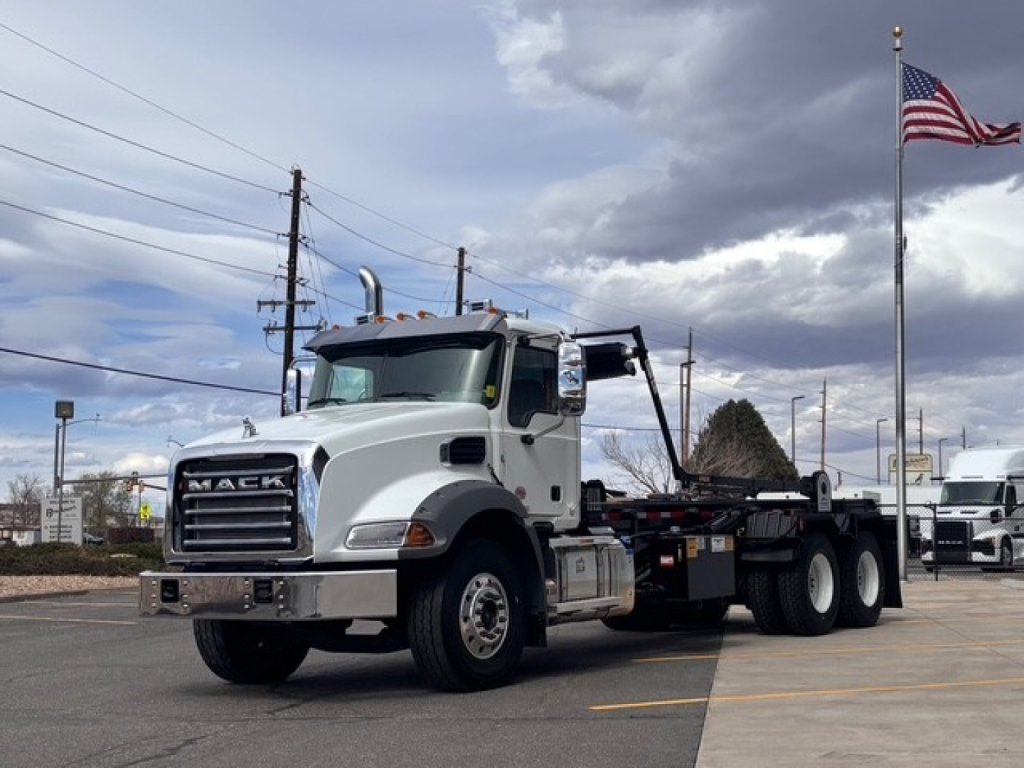
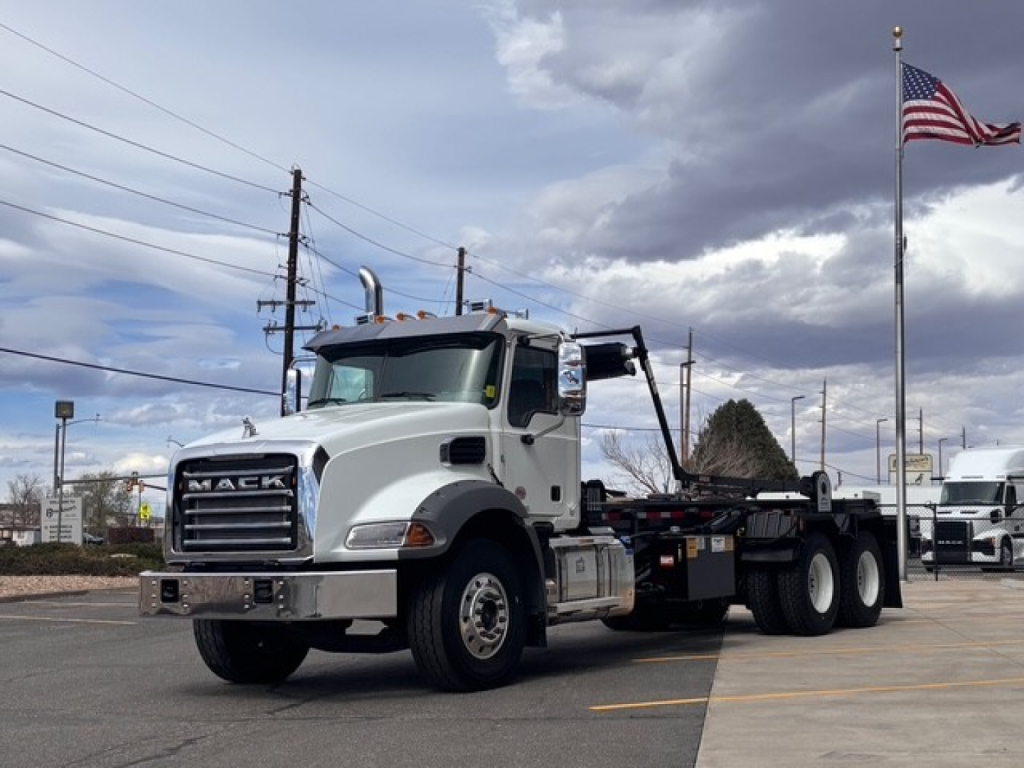
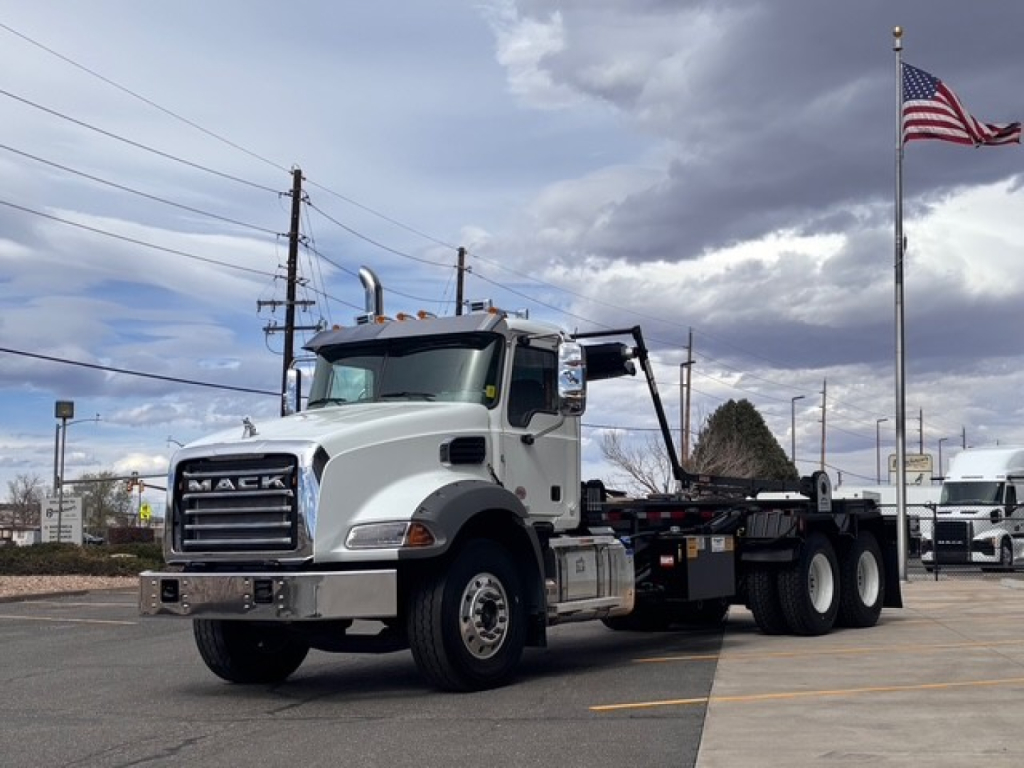
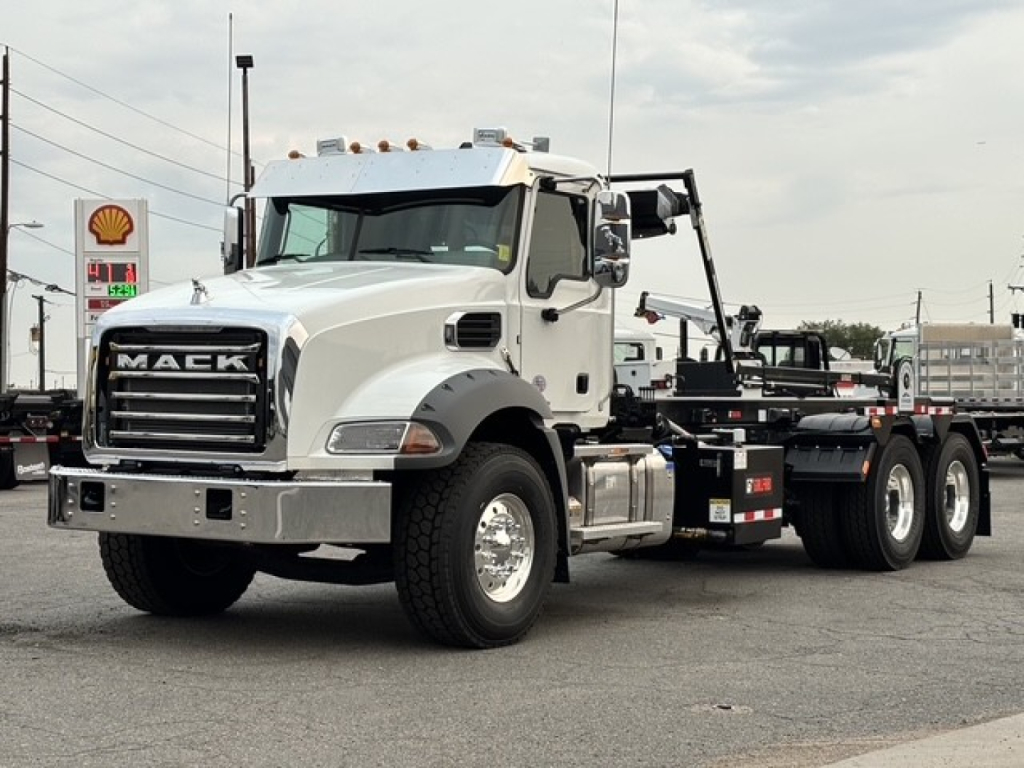
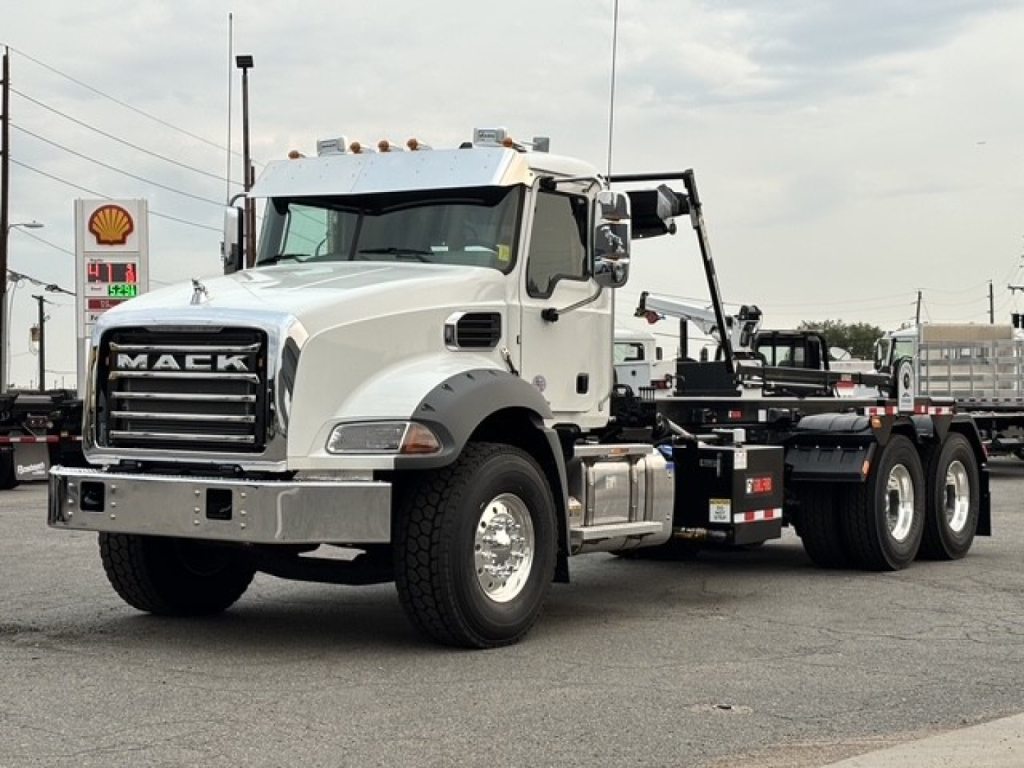
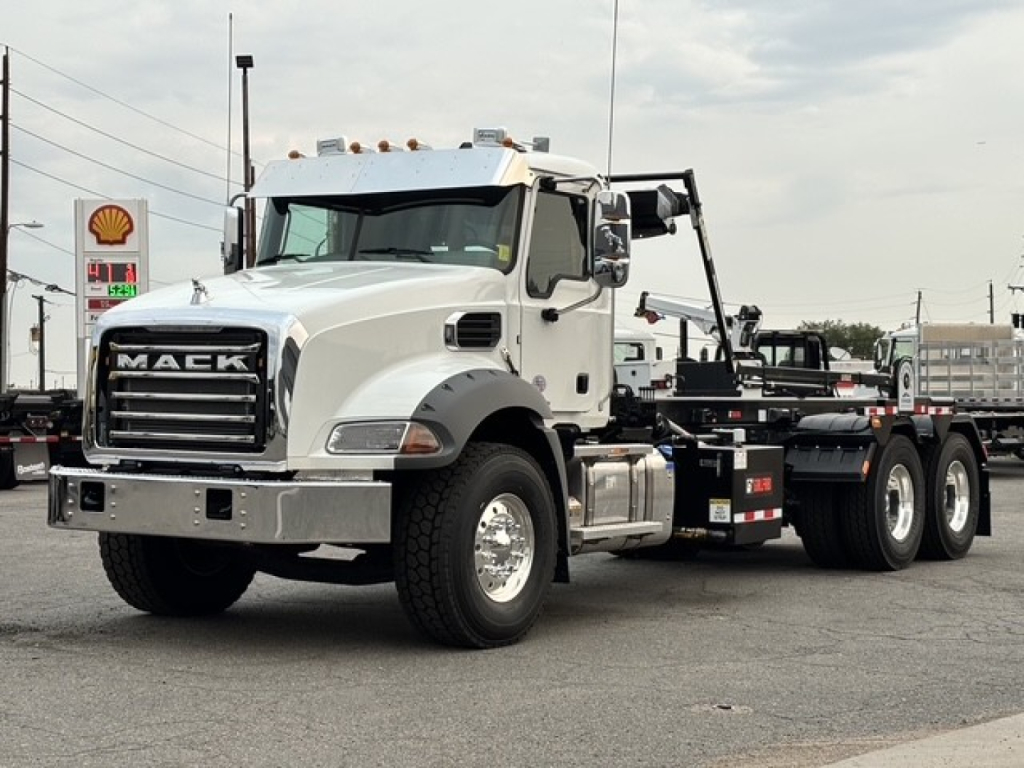
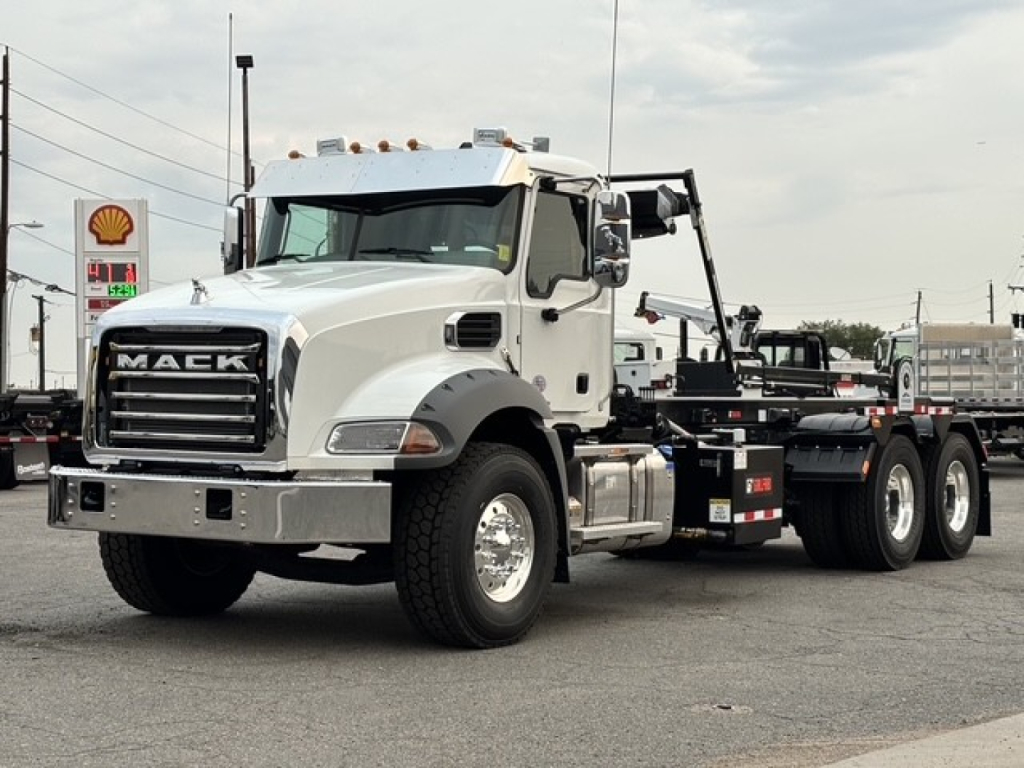
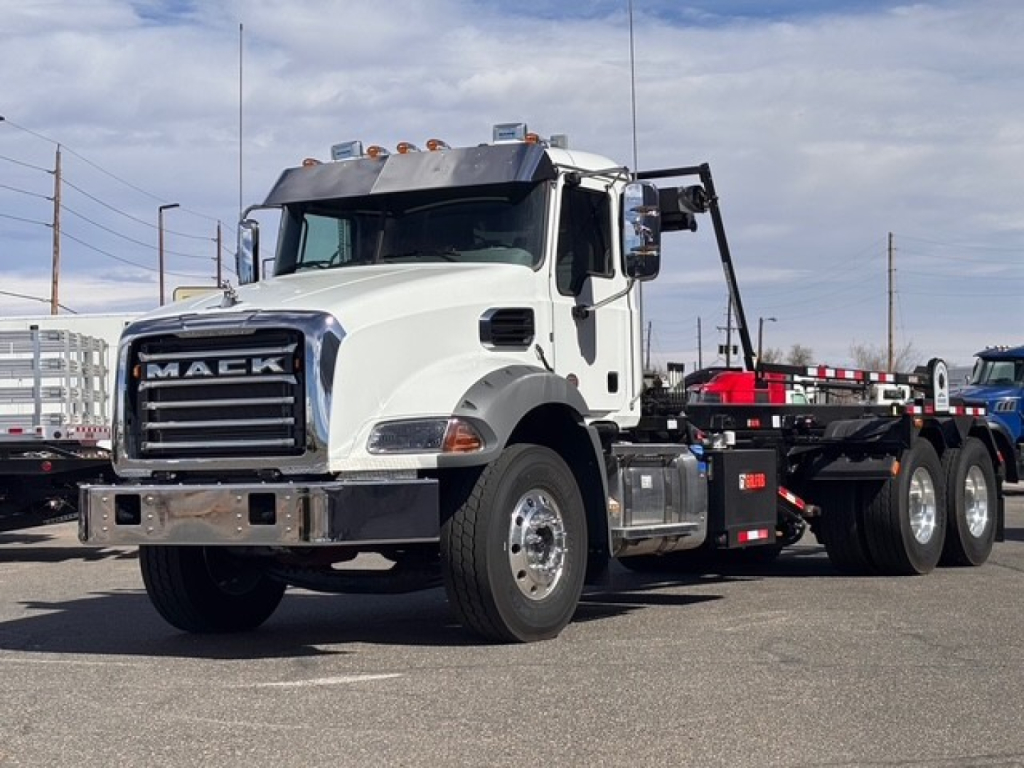
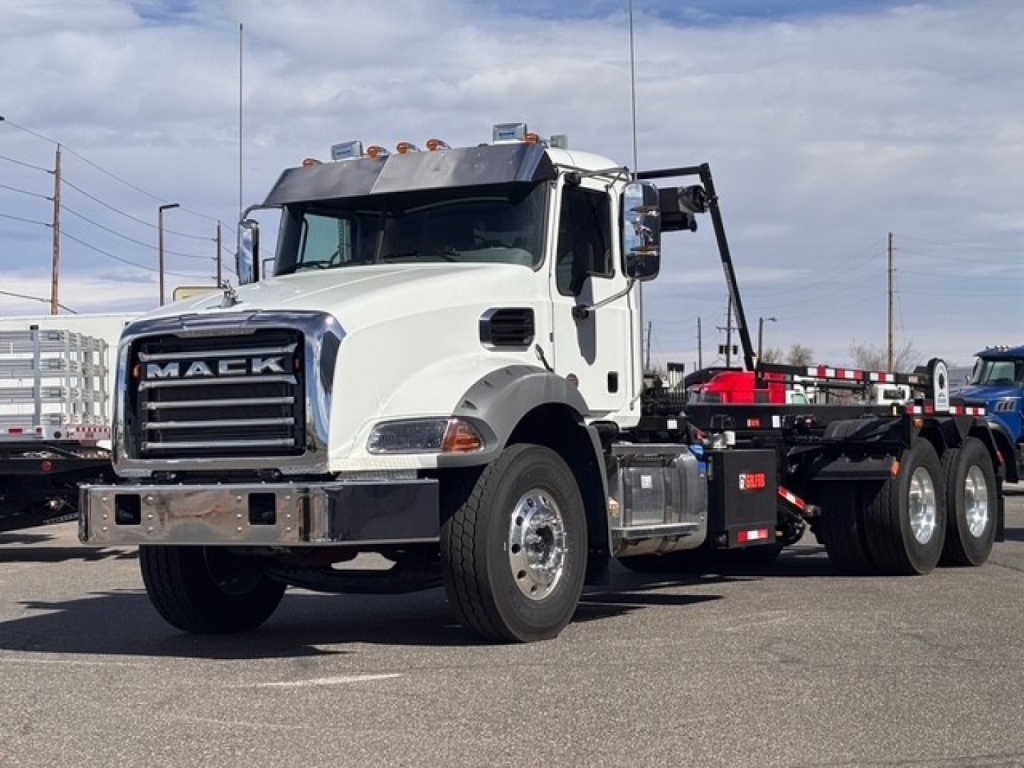
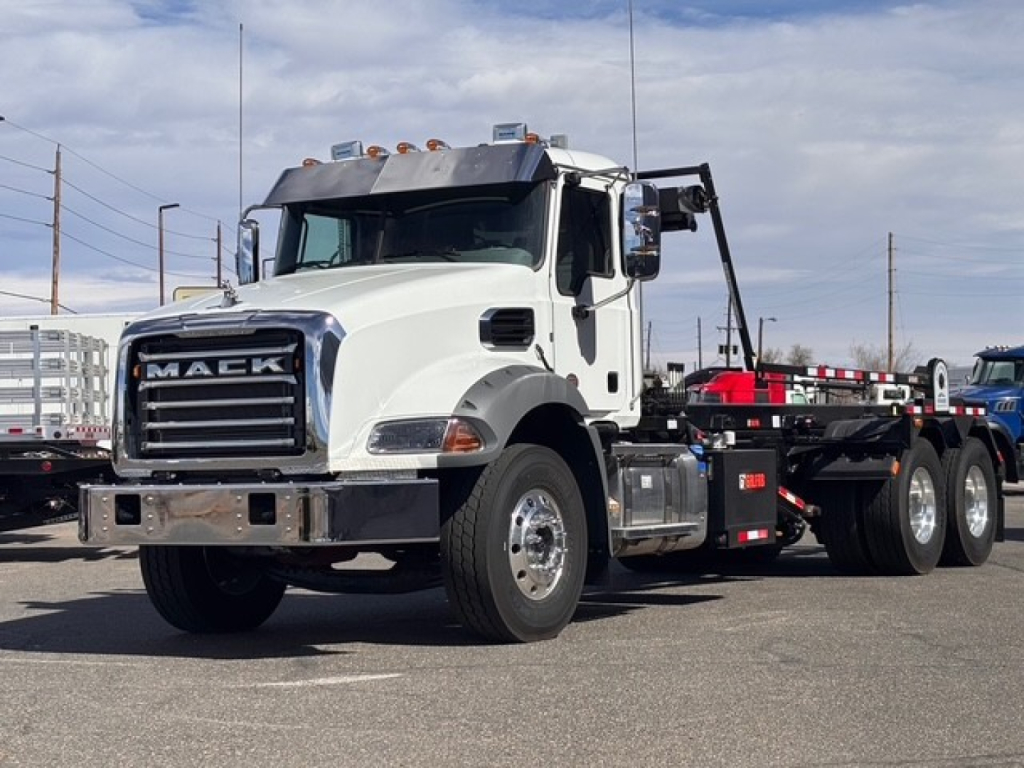
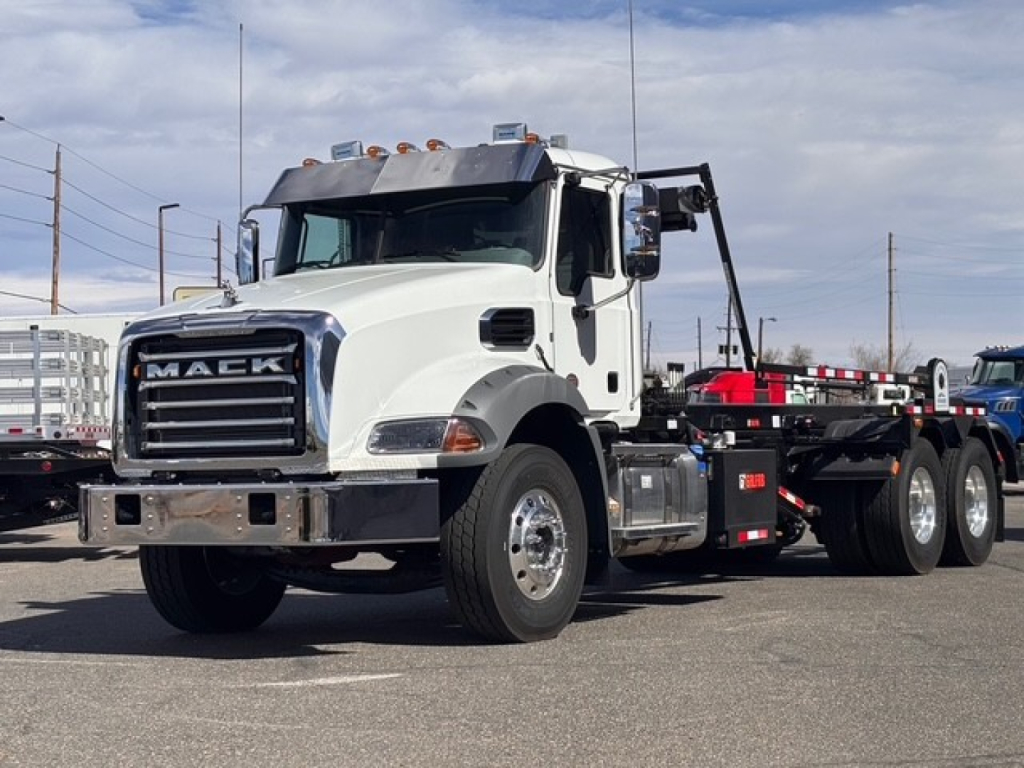
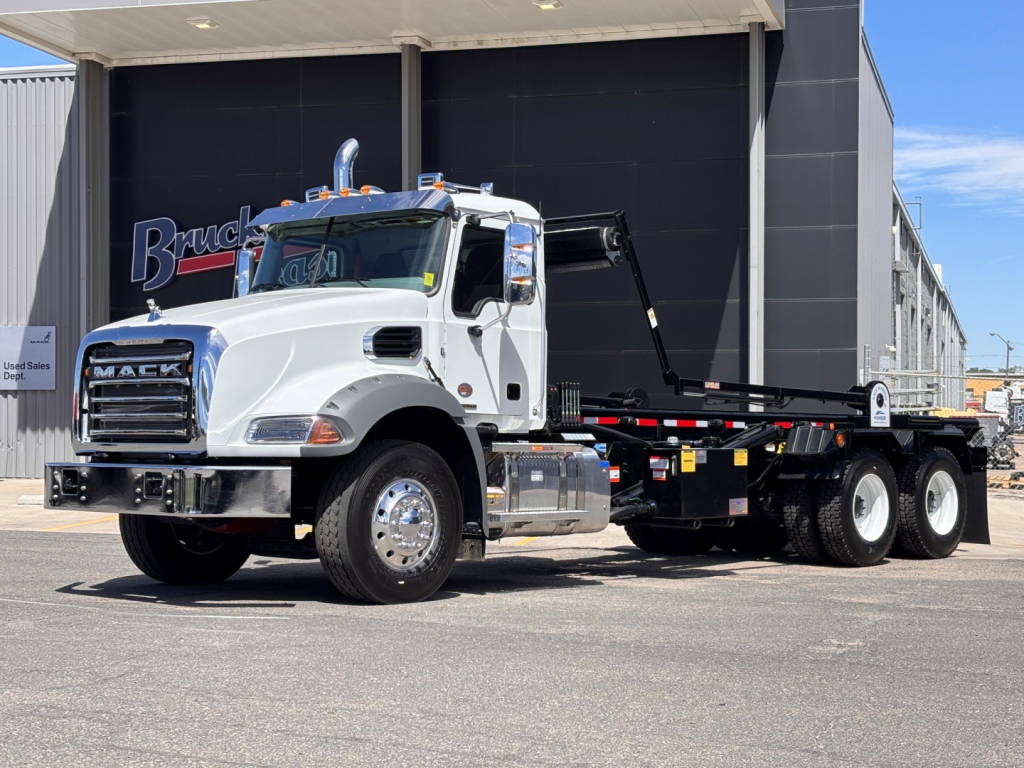

Selling a 2027 rolloff truck? List your 2027 rolloff truck for sale and reach thousands of commercial buyers.
2027 Rolloff Trucks in Colorado
The biggest decision is often cable hoist versus hooklift-style operation, along with the hoist capacity and usable container range. Traditional rolloff cable systems remain common for waste applications because they are proven, straightforward, and well suited to high-cycle container work. Key chassis considerations include wheelbase, axle spacing, suspension, frame strength, and powertrain calibration. Buyers should also look closely at gross vehicle weight rating, front axle capacity, rear axle ratio, and brake spec, especially if routes include mountain terrain or repeated stop-and-go service. In Colorado, elevation and grades can make engine torque, transmission gearing, and cooling performance more important than on flatter routes.
A well-matched rolloff truck should balance legal payload with durability and maneuverability. Common buyer checkpoints include inside and outside rail dimensions, tarp system type, hoist reach, winch or hook geometry, container compatibility, and how the body upfit affects cab-to-axle requirements. Many operators also pay attention to automatic transmission programming, locking differentials, and pusher or tag axle availability when trying to maximize bridge compliance or improve turning in metro areas. Safety and uptime items matter too, including backup cameras, work lighting, hydraulic routing protection, PTO engagement logic, and access for service around pumps, valves, and hydraulic tanks.
For Colorado fleets, corrosion protection and year-round operating practicality deserve attention even on new units. Snow, road treatment chemicals, and off-pavement work can accelerate wear on hoist components, rear rollers, hinges, and electrical connections. A good rolloff spec is one that matches the containers already in service, the disposal sites on the route, and the weight profile of the material being hauled. When comparing 2027 rolloff trucks, the most useful approach is to verify the chassis ratings, hoist capacity, container length compatibility, and drivetrain spec as a complete package rather than judging the truck by cab and engine badge alone.
Frequently Asked Questions about 2027 Rolloff Trucks in Colorado
What should I look for first when comparing 2027 rolloff trucks?
Start with the hoist system, rated lifting capacity, and the chassis axle ratings. Those three factors determine what size containers the truck can handle and how much weight it can legally move. After that, confirm wheelbase, cab-to-axle dimension, PTO and hydraulic setup, and the engine-transmission combination. A rolloff truck that looks similar on paper can perform very differently depending on gearing, suspension, and upfit geometry.
Are cable rolloff trucks better than hooklift trucks for waste applications?
Cable rolloff trucks are still a standard choice for high-volume waste, scrap, and construction debris service because they are durable and designed around traditional rolloff containers. Hooklift trucks can offer flexibility when one chassis needs to handle multiple body types, but they are not always the default choice for fleets built around standard waste boxes. The better option depends on the containers already in service, the type of material being hauled, and how often bodies need to be swapped.
How important is drivetrain spec for a rolloff truck in Colorado?
It is extremely important because Colorado routes often include elevation, steep grades, variable weather, and mixed highway-jobsite use. A rolloff truck moving loaded containers in the mountains benefits from strong low-end torque, proper rear axle ratio, effective engine braking, and a transmission calibrated for vocational work. Cooling capacity, traction features, and brake spec also matter more in this environment than they might in flatter regions.
What container and body dimensions need to match on a rolloff truck?
The truck's hoist and rail system need to match the container lengths and pickup geometry used in your operation. Buyers should verify rail width, hoist reach, winch or hook engagement points, and the cab-to-axle dimension required by the upfit. If those measurements are off, the truck may have poor loading performance, reduced compatibility, or uneven weight distribution that affects legal loading and handling.
What maintenance areas matter most on a new rolloff truck?
Focus on the hydraulic system, hoist pivot points, rollers, cable or hook components, electrical protection, and rear chassis wear areas. Even a new truck benefits from an upfit that allows easy service access and protects hoses, valves, and wiring from debris damage. In Colorado service, corrosion resistance, sealed connections, and durable tarp and lighting components can make a noticeable difference in uptime over the long term.