
2027 Rolloff Trucks For Sale in Texas
Shop 2027 rolloff trucks for sale in Texas. Compare hoist capacity, axle ratings, wheelbase, tarp systems, and chassis specs for waste hauling.

Selling a 2027 rolloff truck? List your 2027 rolloff truck for sale and reach thousands of commercial buyers.
2027 Rolloff Trucks in Texas
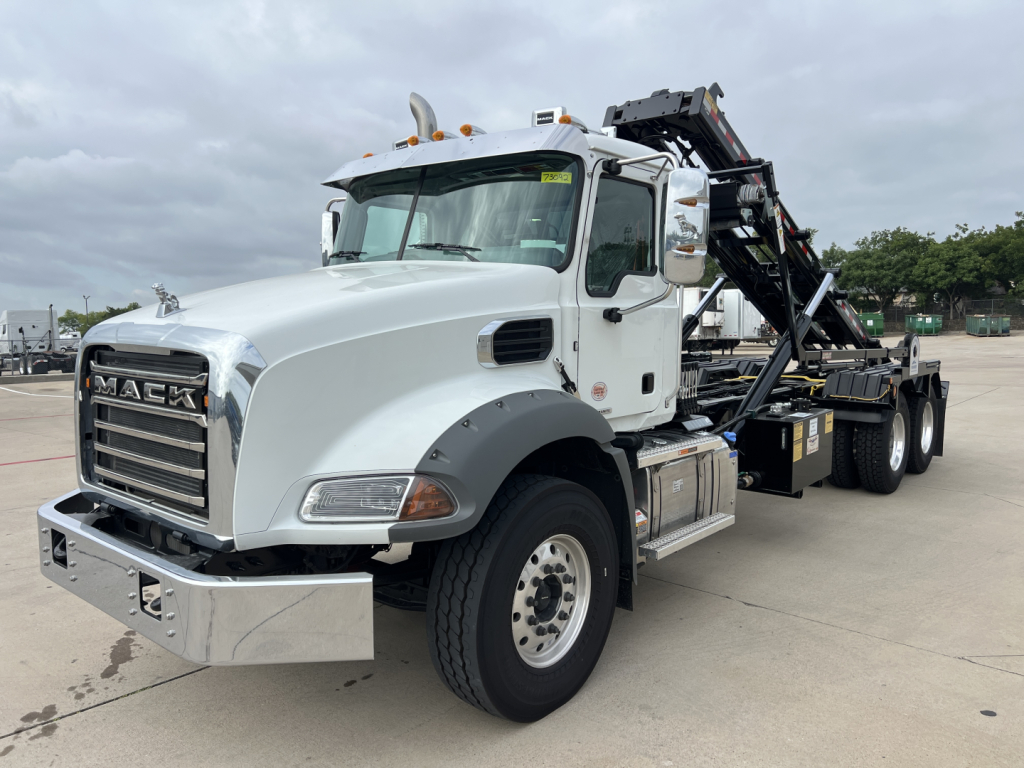
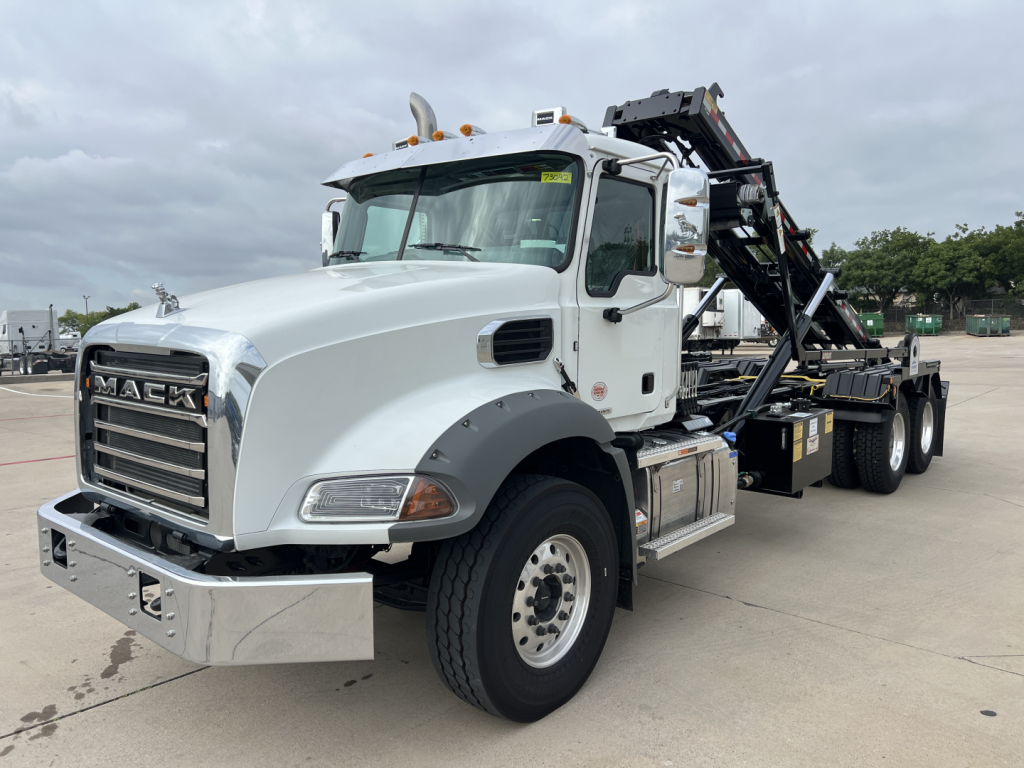
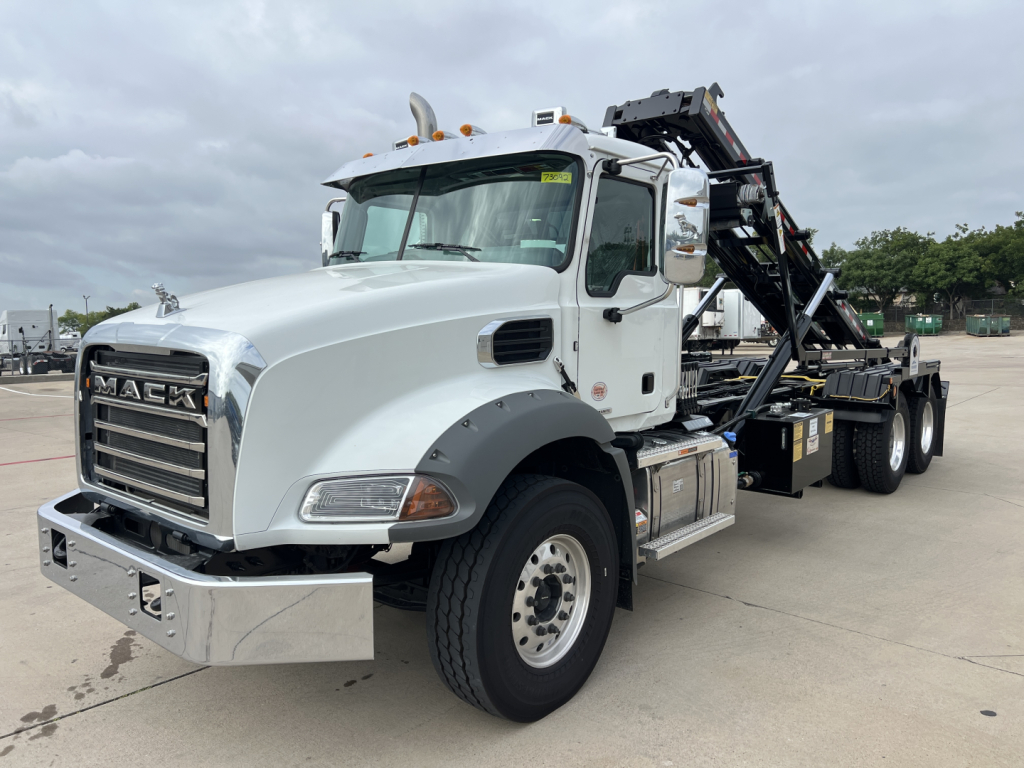
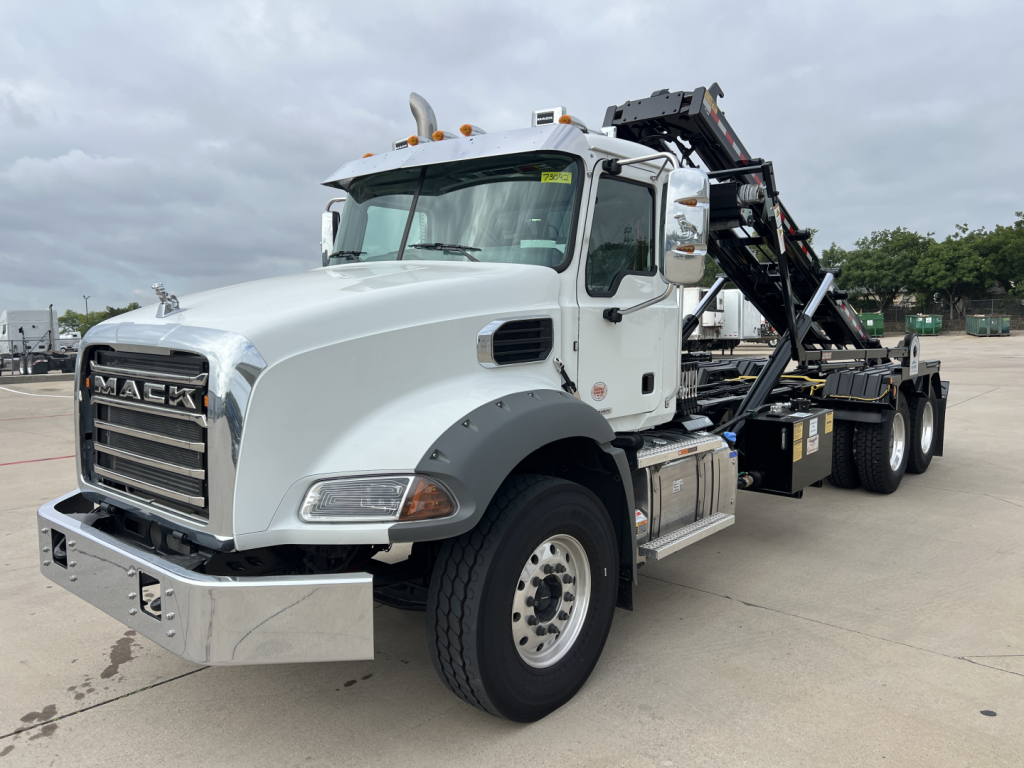
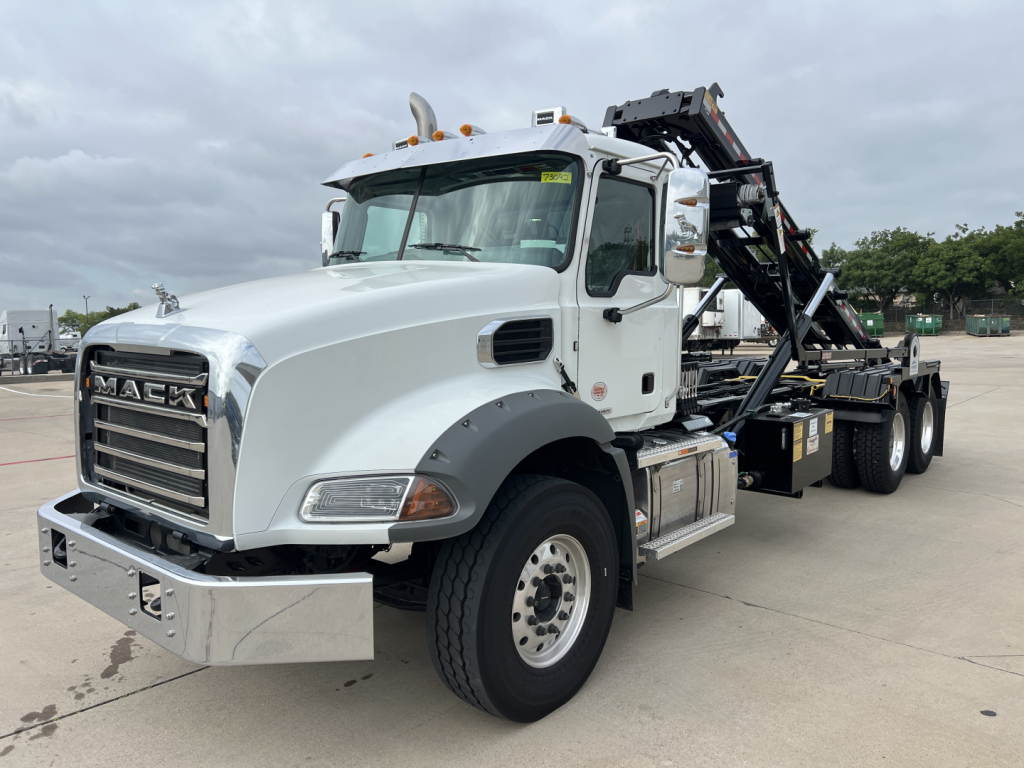
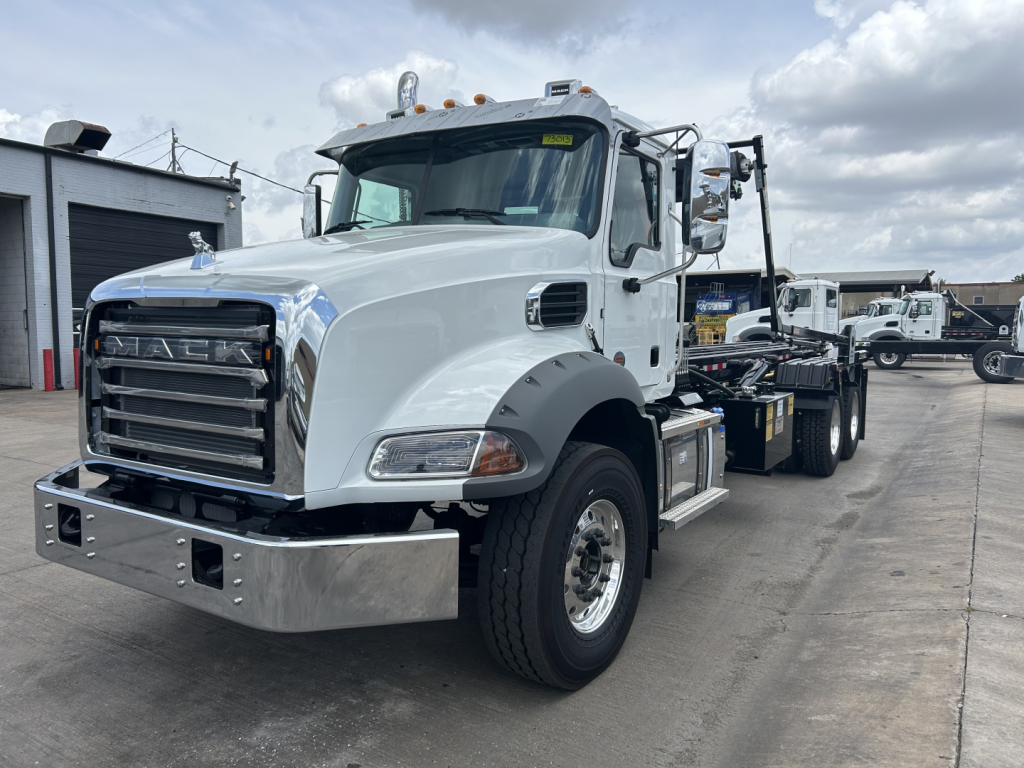
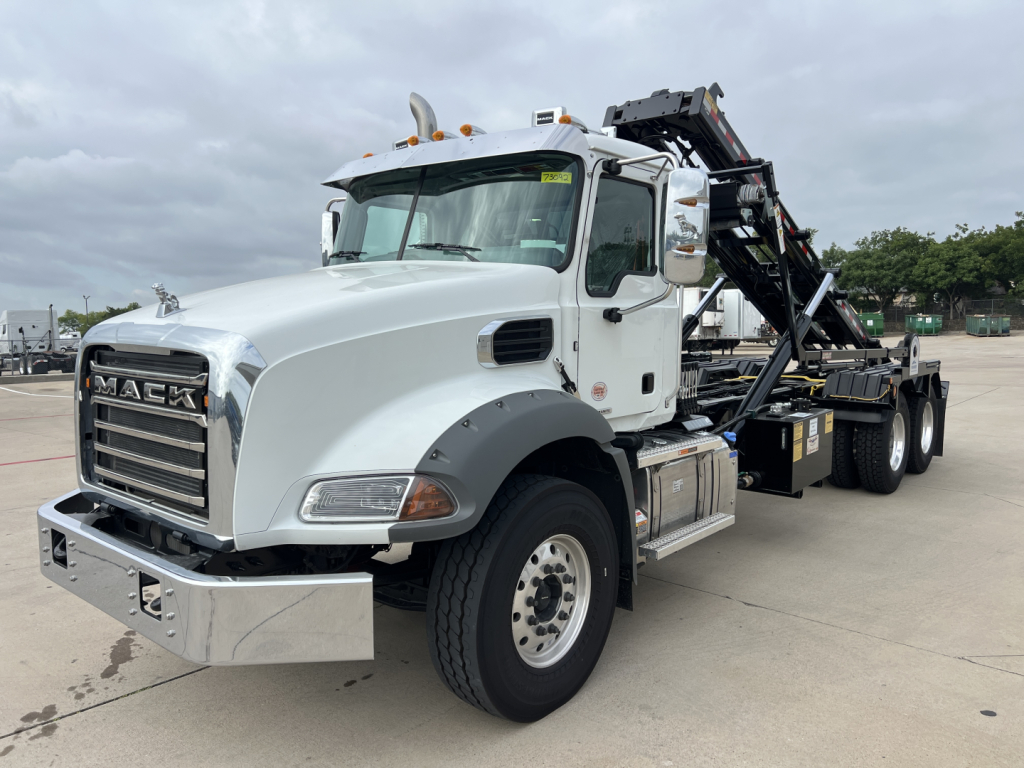
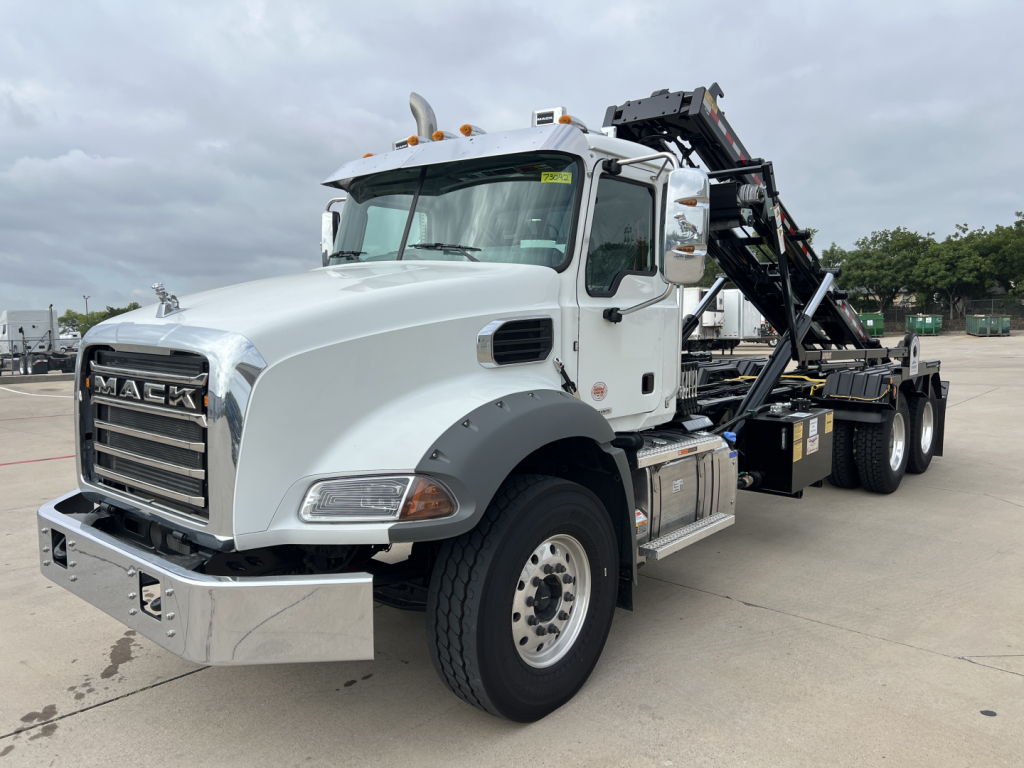
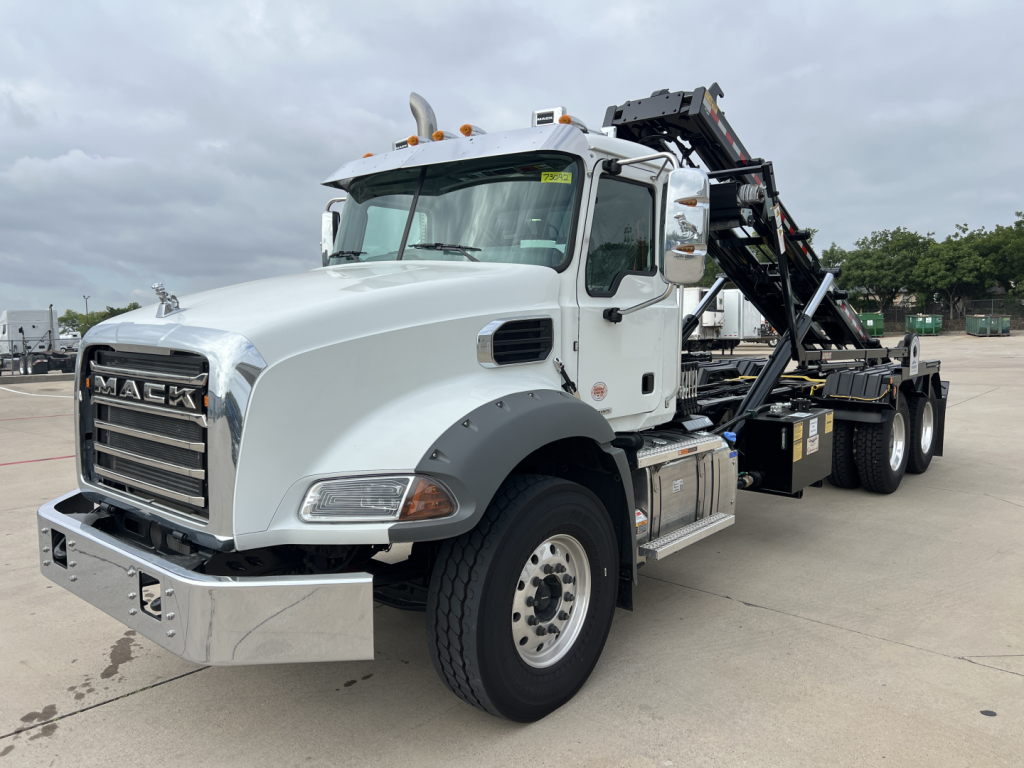
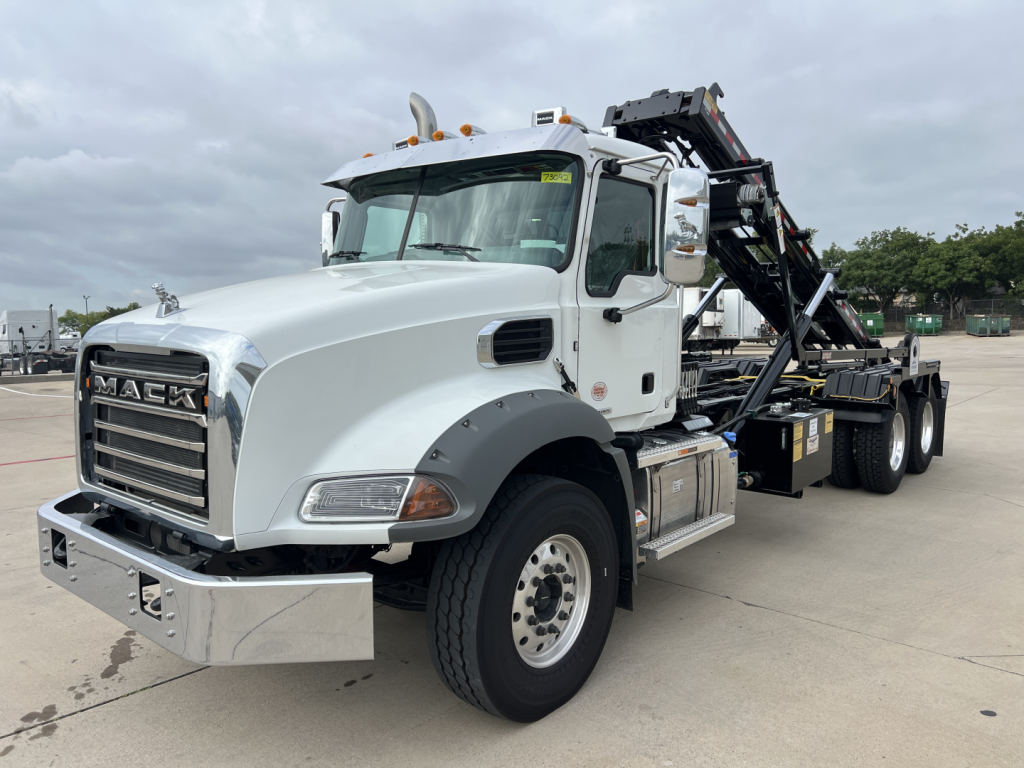
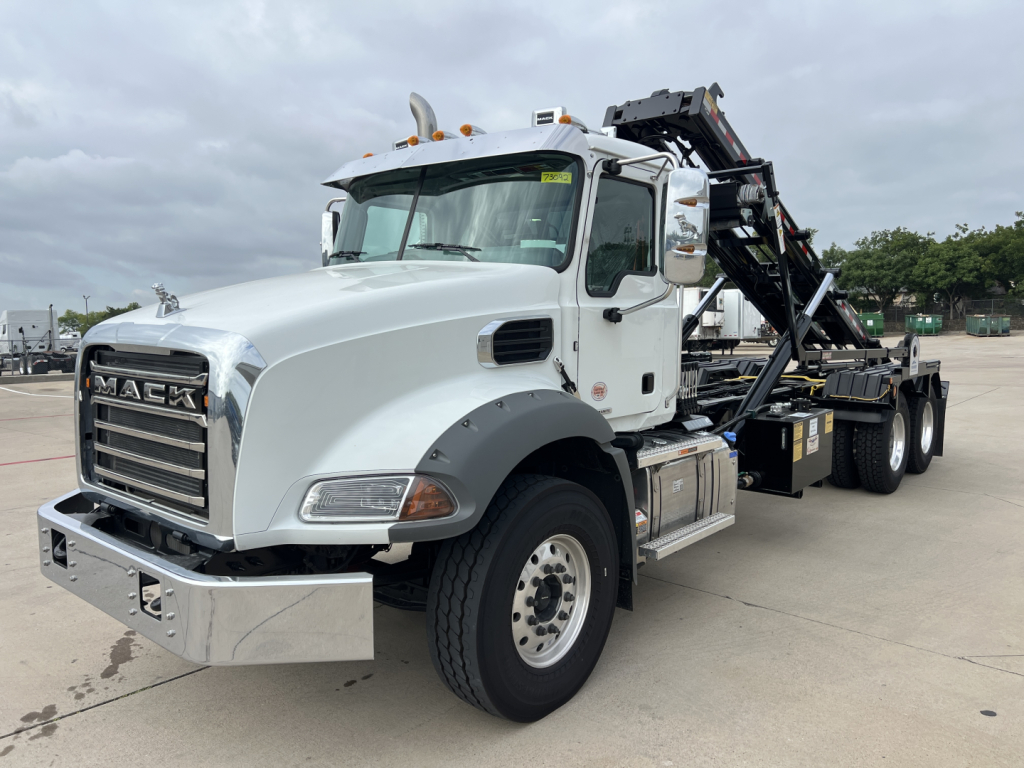
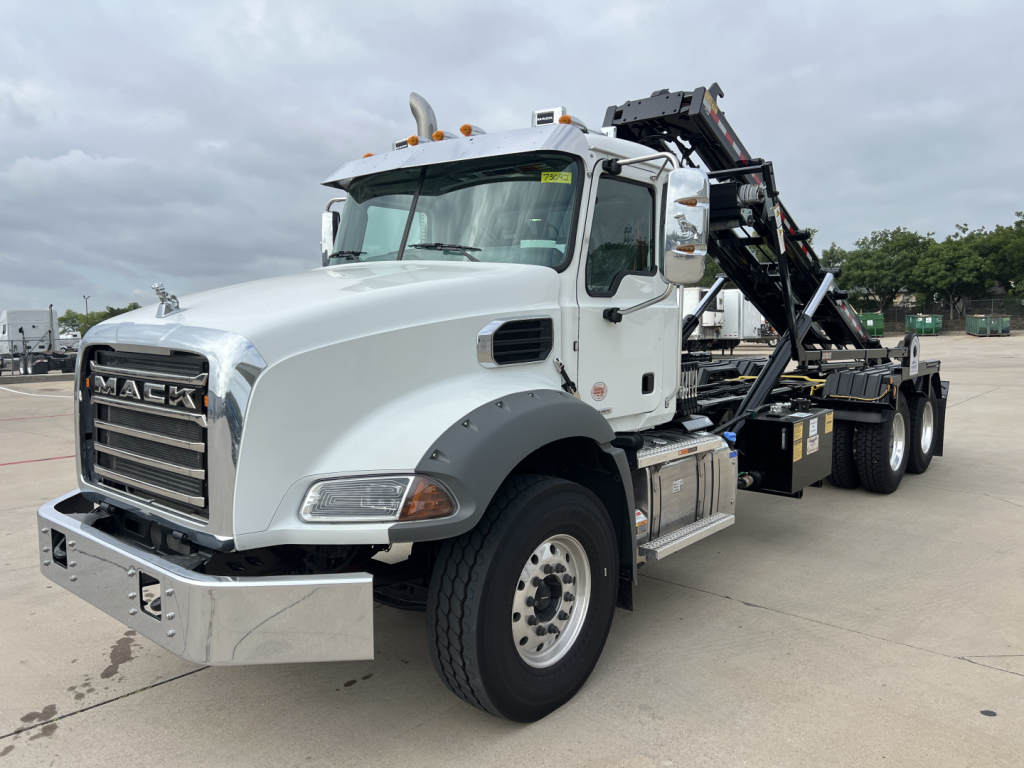
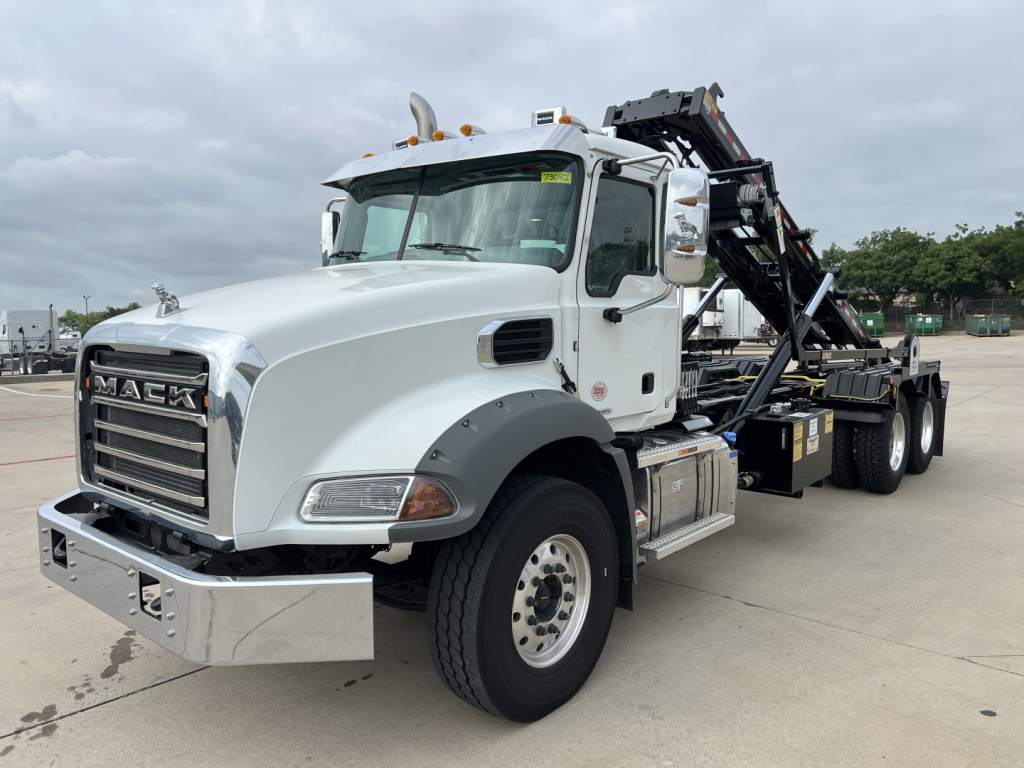
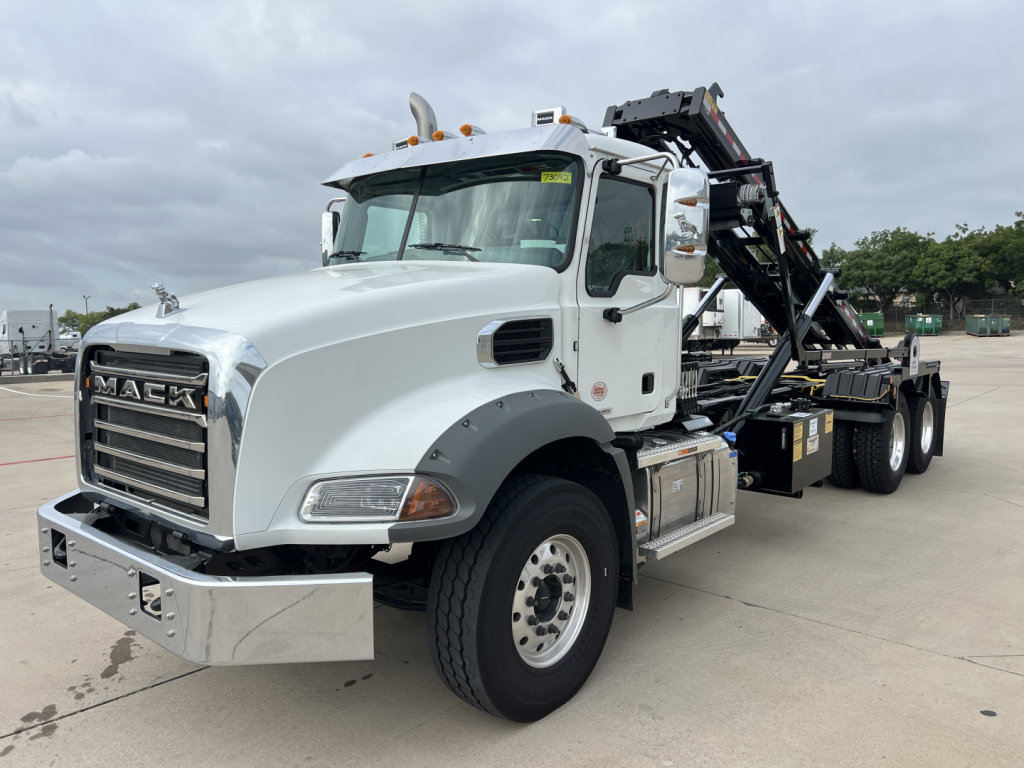
Chassis specification matters as much as the hoist. Many rolloff trucks are spec'd as severe-duty tandem axle units with front axles around 18,000 to 20,000 lbs and rears in the 40,000 to 46,000 lb range. Wheelbase, frame strength, and suspension all affect body installation, legal payload, and maneuverability at transfer stations or tight job sites. Buyers comparing newer trucks will often look at heavy frame rails with liners, rear suspension design, locking differentials, PTO integration, and transmission choice. Fully automatic transmissions remain common in refuse and rolloff work because they reduce driver fatigue and improve consistency in stop-and-go routes, while diesel engines in the 400-plus horsepower range are typical for hauling loaded cans in urban traffic and on Texas highways.
Container length compatibility is another major buying point. A rolloff truck may be set up to handle a range of box lengths, but the exact hoist geometry, cable or hook specification, and wheelbase need to match the containers already in service. Tarp systems also deserve close attention. Rack-and-pinion tarp systems are popular because they provide faster, more consistent coverage and help operators comply with road safety requirements. Practical details like work lights, backup alarms, heated mirrors, air ride seating, fuel capacity, and tire selection make a real difference on long shifts and multi-stop days. If the truck will spend time on rough approaches or unpaved sites, ground clearance, traction, and suspension durability become even more important.
For Texas buyers, durability and service access are usually top priorities. Rolloff trucks often work in heat, dust, and heavy traffic, so cooling performance, electrical routing, hydraulic component protection, and easy maintenance access all matter. A good category comparison should include axle ratings, GVWR, hoist manufacturer, hoist capacity, wheelbase, rear ratio, engine horsepower, transmission model, suspension type, and tarp setup. The best 2027 rolloff truck for sale is not simply the highest-rated unit. It is the one matched to your container fleet, route density, legal weight targets, and loading environment.
Frequently Asked Questions about 2027 Rolloff Trucks in Texas
What hoist capacity is common on a rolloff truck?
Many rolloff trucks are equipped with hoists in the 50,000 to 60,000 lb class, especially on severe-duty tandem axle chassis. The right capacity depends on the weight of the containers you move, the material inside them, and how often the truck cycles each day. Higher-capacity hoists can provide better durability margins in heavy debris or scrap applications, but the complete chassis spec still has to support the intended work.
What should I check to make sure a rolloff truck matches my containers?
Start with container length range, cable or hook compatibility, and hoist geometry. Then verify wheelbase, hoist rail length, and rear overhang because those dimensions affect loading angle and container fit. Buyers should also confirm the tarp system, body clearance, and any site-specific requirements so the truck integrates with the existing container fleet without costly modifications.
Are automatic transmissions common in rolloff trucks?
Yes. Automatic transmissions are widely used in rolloff applications because they perform well in stop-and-go service, reduce driver fatigue, and help newer operators work more consistently. In refuse and construction debris hauling, where the truck may load, reposition, and travel short distances repeatedly, an automatic can improve productivity and reduce wear from constant shifting.
What axle ratings are typical for a tandem axle rolloff truck?
A common tandem axle rolloff configuration uses a front axle rated around 18,000 to 20,000 lbs and tandem rears rated from 40,000 to 46,000 lbs. Exact ratings vary by chassis and application. These numbers matter because they influence legal payload, bridge compliance, and how well the truck handles loaded containers on local roads, transfer routes, and job sites.
Why is a tarp system important on a rolloff truck?
A tarp system helps contain debris, improves road safety, and supports compliance with state and local covering requirements. Rack-and-pinion tarp systems are popular because they offer consistent extension and retraction with less manual effort. For fleets running multiple loads per day, tarp reliability directly affects turnaround time and driver efficiency.