
Volvo Rolloff Trucks For Sale
Shop Volvo rolloff trucks built for waste, scrap, and container hauling. Compare hoist capacity, axle ratings, wheelbase, and drivetrain specs.
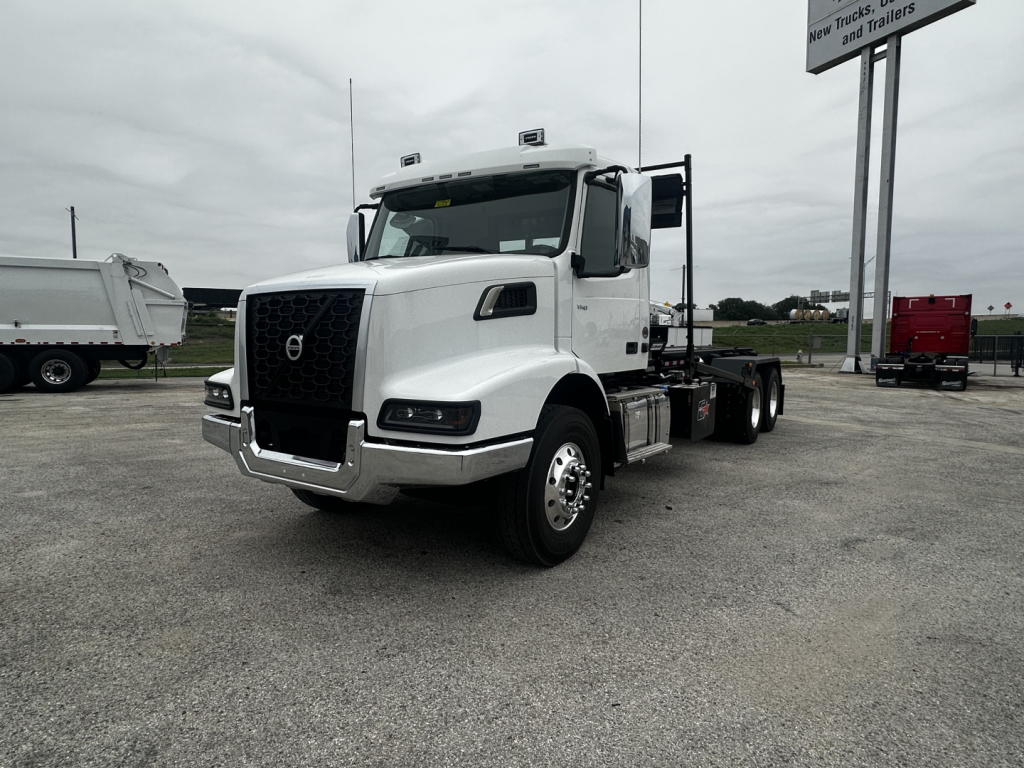
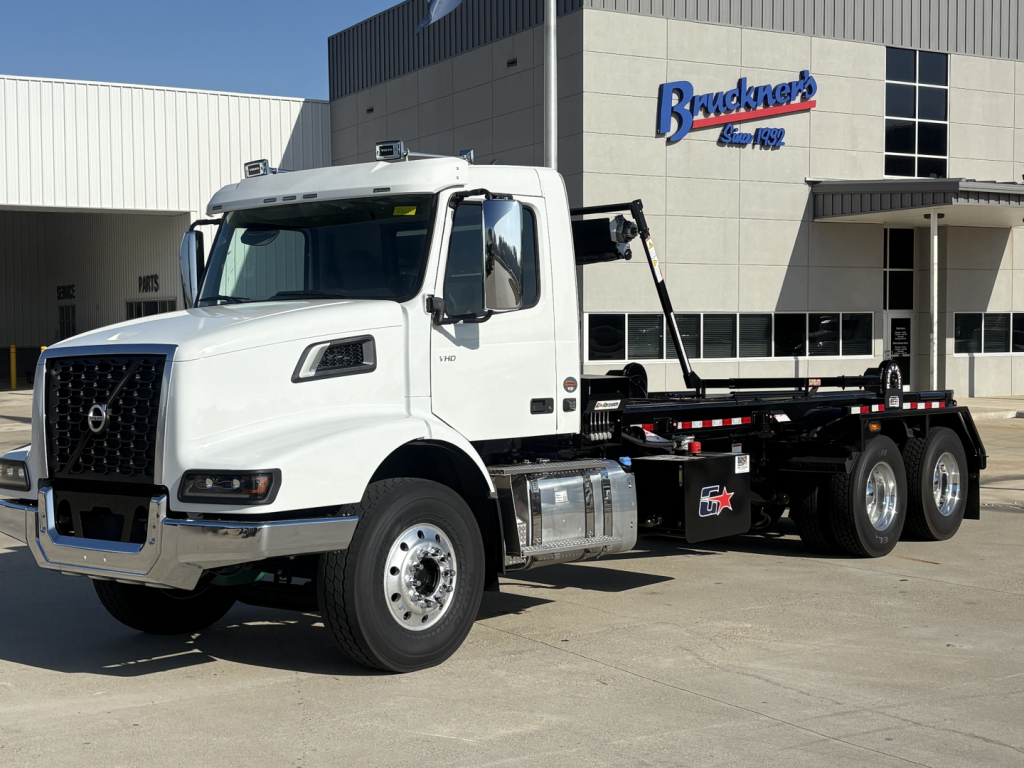
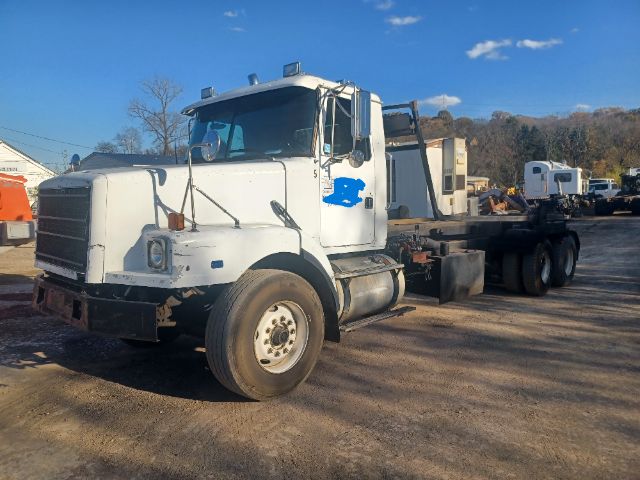

Selling a volvo rolloff truck? List your volvo rolloff truck for sale and reach thousands of commercial buyers.
Volvo Rolloff Trucks
A typical Volvo rolloff setup may include a 60,000-lb class hoist, tandem rear axles, double frame rails, PTO-driven hydraulics, and either an automated or fully automatic transmission. Allison automatics are popular in rolloff service because they simplify repeated loading cycles and backing in tight sites, while manual and automated manual transmissions still appeal to fleets focused on driver preference or lower acquisition cost. Engines often fall in the Volvo D11, D13, or Cummins range, with horsepower commonly spec'd to support full container pulls without overbuilding the truck. Suspension choice also matters. Hendrickson, camelback, or air ride rear suspensions each affect durability, driver comfort, and body stability during hoist operation.
Container length range, cable or hook system design, and intended route profile should drive the rest of the spec. A truck working dense commercial routes may prioritize a shorter wheelbase, sharp wheel cut, and good cab visibility. A truck moving heavier scrap or demolition loads may need higher rear axle ratings, differential locks, and stronger frame reinforcement. Look closely at front axle capacity, pusher or tag axle configuration if equipped, and the relationship between cab-to-axle measurement and hoist placement. Buyers should also inspect the hydraulic system, PTO engagement, hoist wear points, sheave condition, roller alignment, and tarping system if the truck will run regulated debris or municipal material.
Used Volvo rolloff trucks can be a strong value when the chassis maintenance history is solid and the hoist has not been overstressed. Pay attention to frame corrosion, crossmember repairs, pintle or trailer equipment if the truck tows, and signs of twisting around the hoist mounts. In this category, body-builder integration is just as important as the cab and engine. A well-spec'd Volvo rolloff should load smoothly, track straight with a full can, and match the container inventory already in service. For many operators, the best truck is the one that fits the can sizes, legal weight targets, and jobsite access limits of the route it will actually run.
Frequently Asked Questions about Volvo Rolloff Trucks
What should I look for first on a Volvo rolloff truck?
Start with hoist capacity, axle ratings, wheelbase, and frame spec. Those items determine container compatibility, legal payload potential, and how the truck will handle on tight routes or uneven jobsites. After that, review the hydraulic system, PTO setup, transmission type, and cab-to-axle measurement to make sure the chassis and hoist were matched correctly.
Is a Volvo VHD a good platform for rolloff applications?
Yes. The Volvo VHD is a common vocational platform for rolloff work because it is designed for severe-service use, offers strong front axle and tandem configurations, and supports body-builder installations well. It is frequently spec'd for waste, recycling, scrap, and demolition service where durability, visibility, and predictable low-speed performance are important.
What hoist capacity is common on a Volvo rolloff truck?
A 60,000-lb class hoist is common in this segment, especially on tandem-axle vocational chassis. The right rating depends on container length, material density, and local weight laws. Heavier applications like scrap or demolition may justify a more robust setup, while lighter waste and commercial container routes may not require the maximum hoist rating.
Should I choose an automatic transmission for a rolloff truck?
Many fleets prefer an Allison automatic for rolloff work because the duty cycle involves frequent stops, backing, PTO operation, and loading on uneven ground. An automatic can reduce driver fatigue and improve consistency during pickup and set-down cycles. Manual and automated manual transmissions still have a place, but the best choice depends on driver pool, terrain, and maintenance preference.
How do I evaluate a used Volvo rolloff truck?
Inspect both the chassis and the hoist as a single working system. Check service records, engine hours if available, transmission behavior, suspension wear, and signs of hard vocational use. Then inspect the hoist mounts, rollers, cable or hook components, hydraulic cylinders, PTO function, frame condition, and any cracking or corrosion around reinforcement areas. A clean maintenance history and a straight, properly integrated frame matter as much as engine mileage in this category.