
Rolloff Trucks For Sale in Colorado
Browse rolloff trucks for sale in Colorado. Compare hoist capacity, axle setup, container compatibility, and vocational specs.
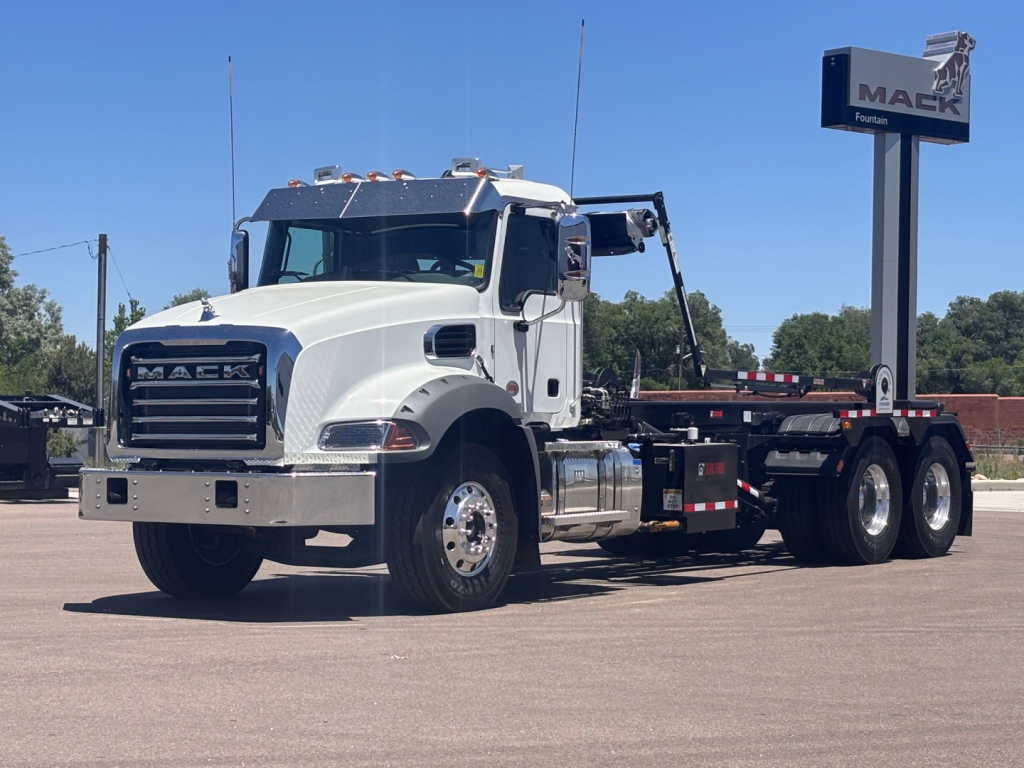
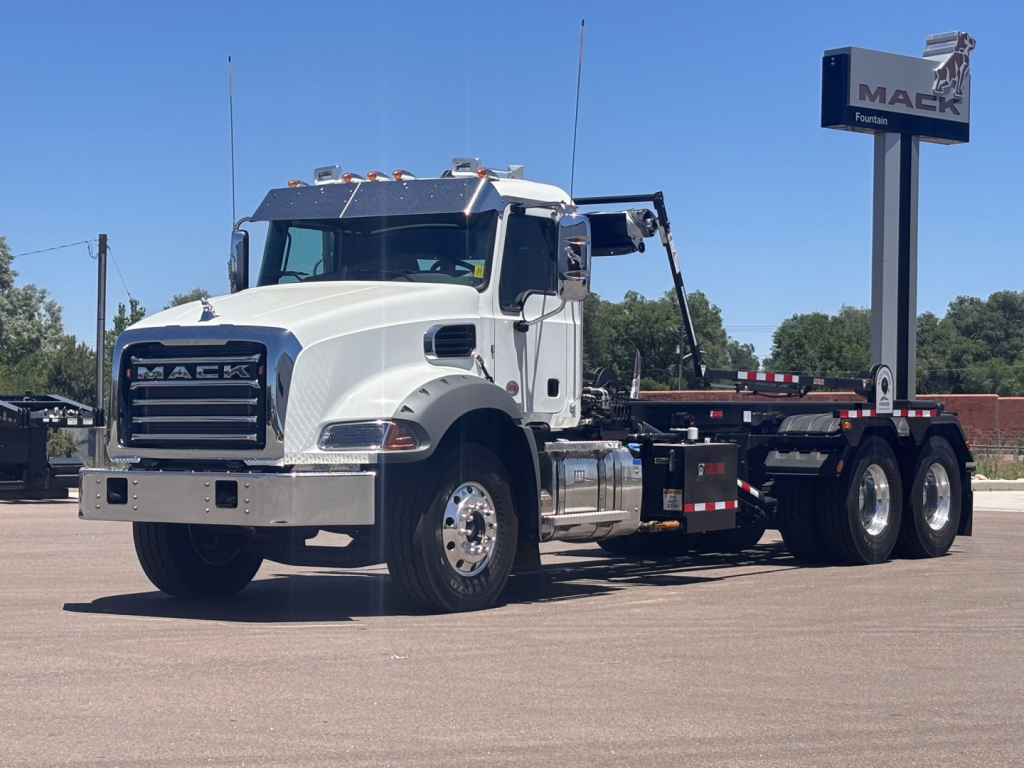
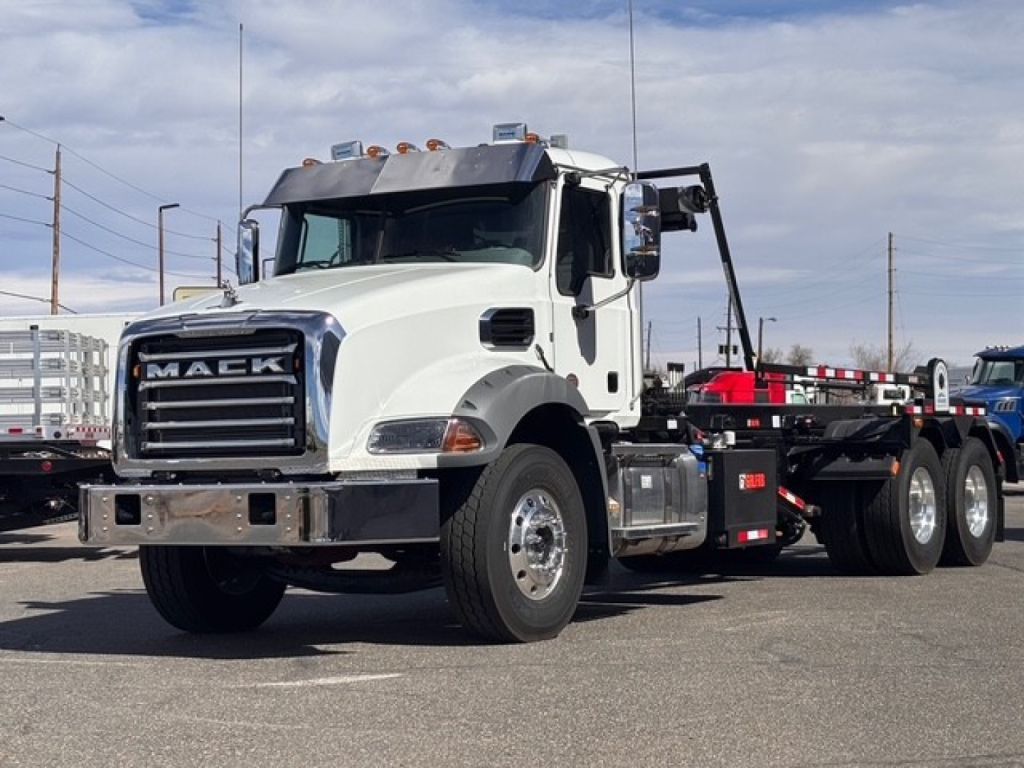
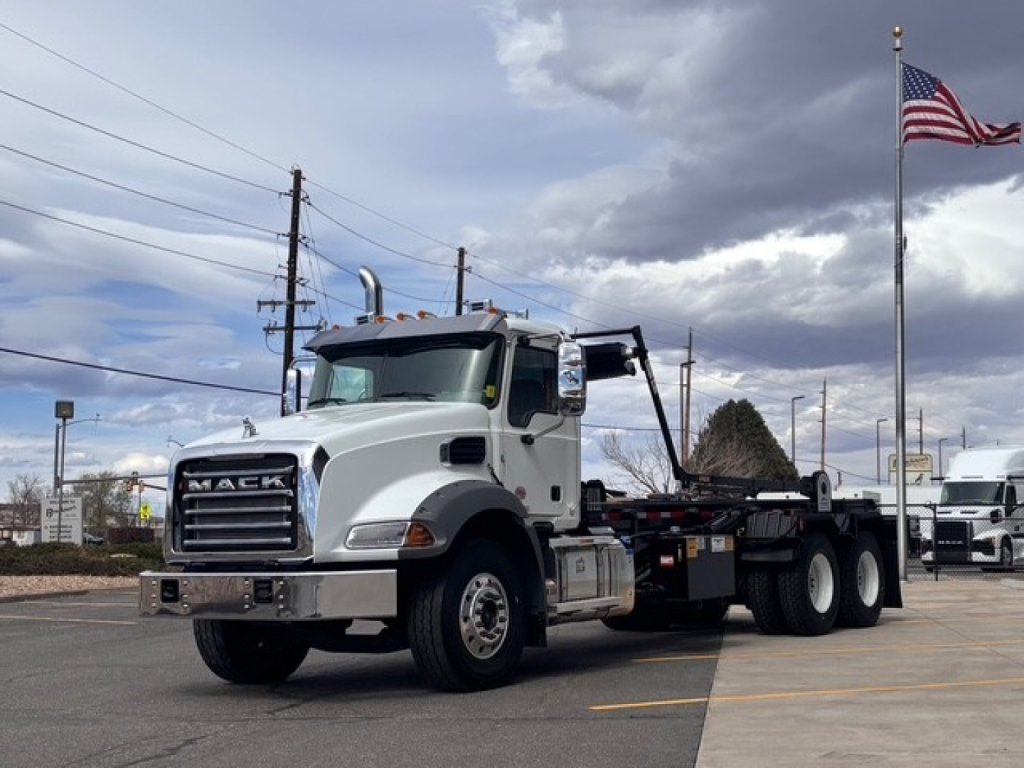
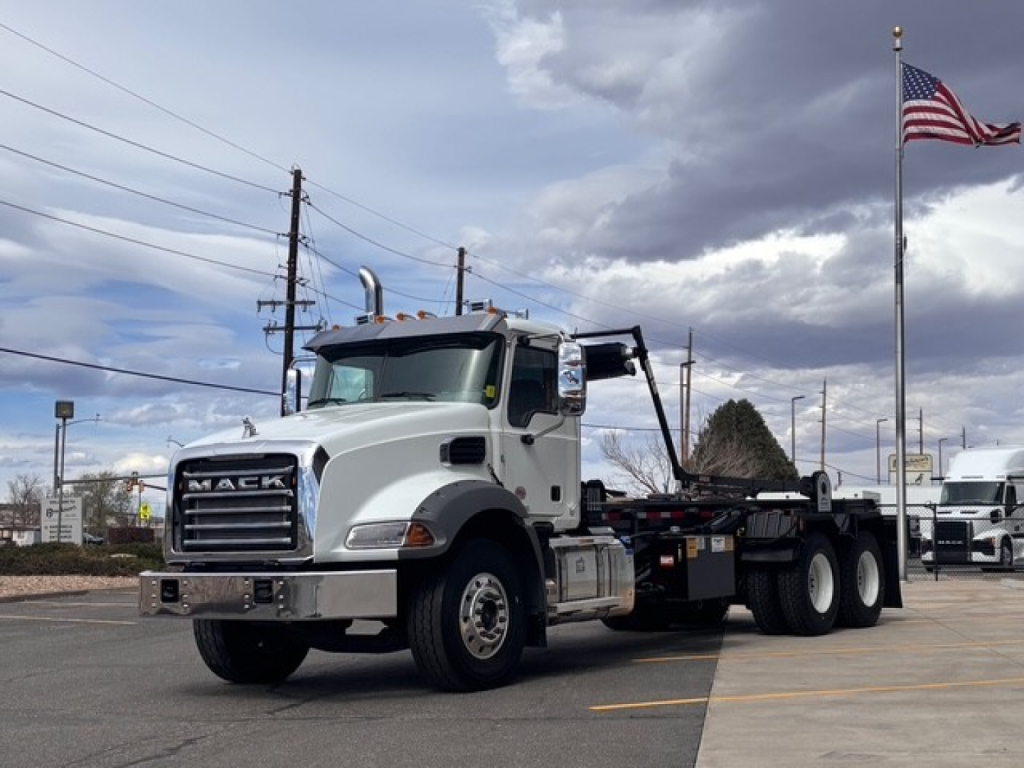
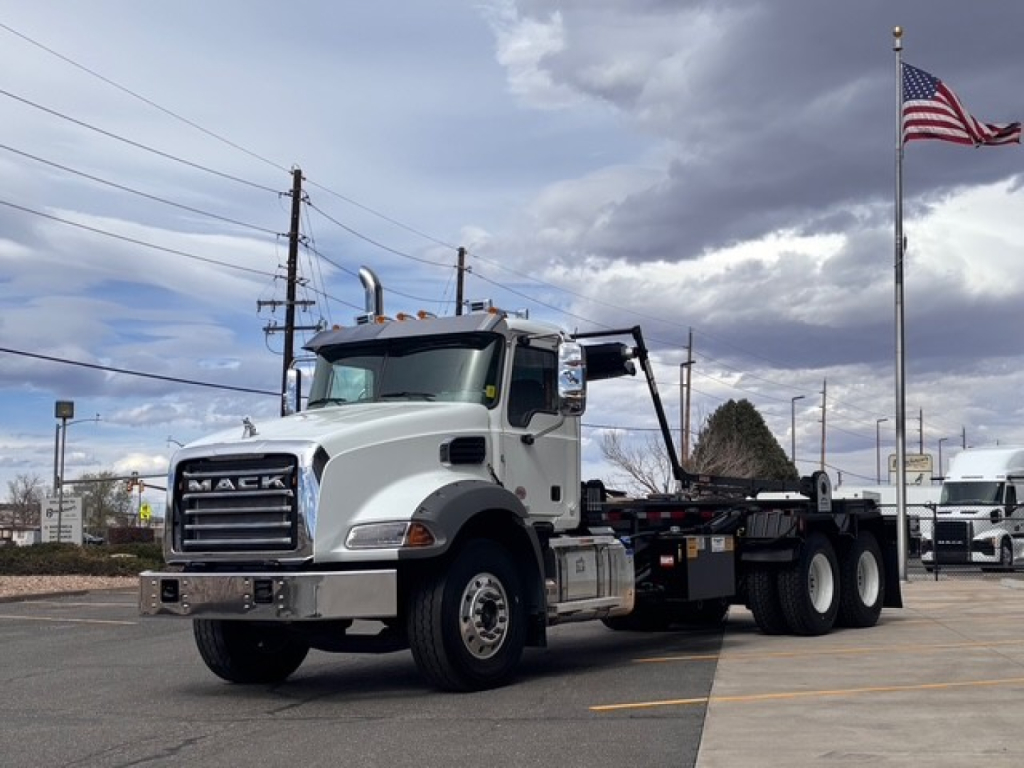
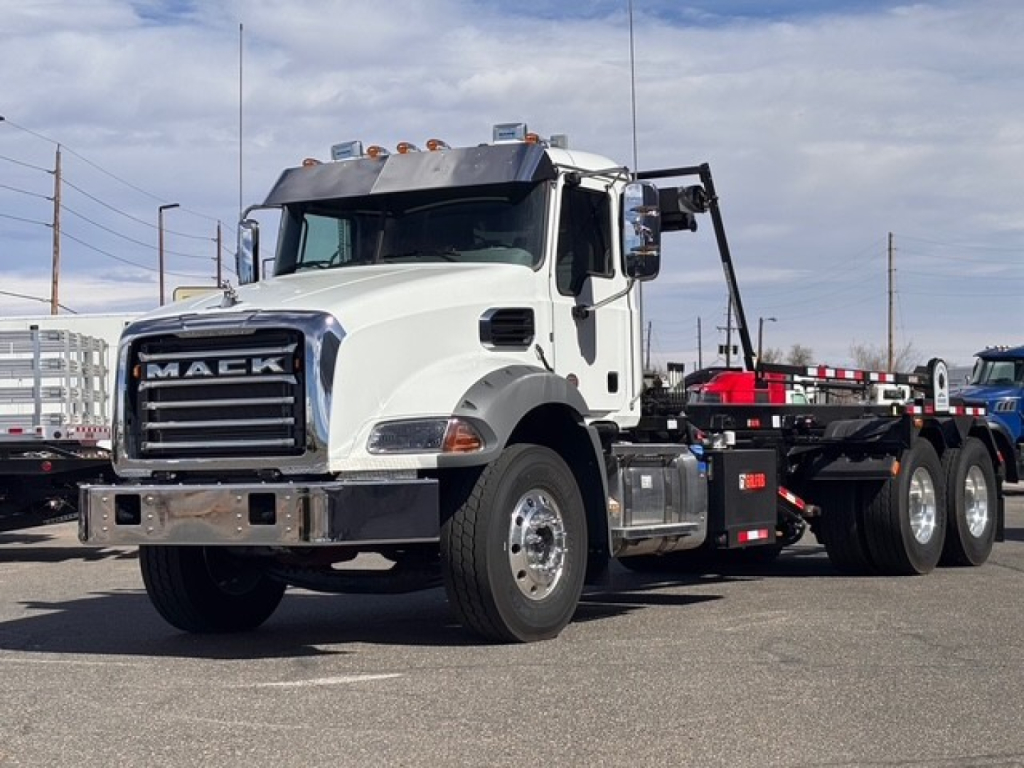
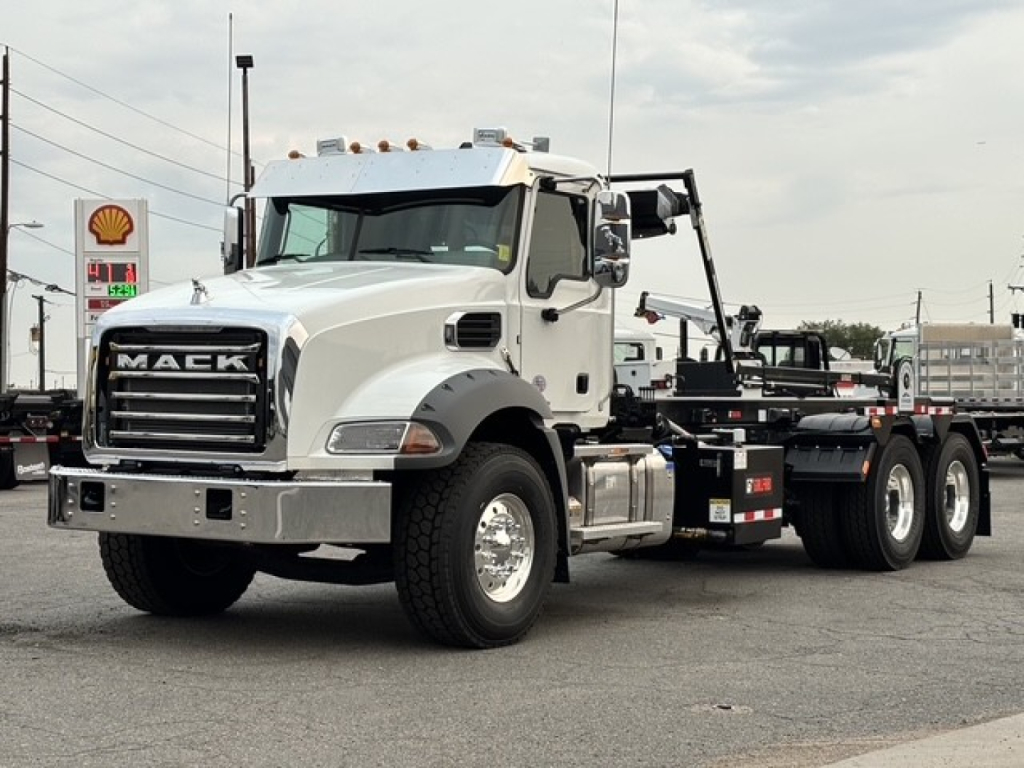
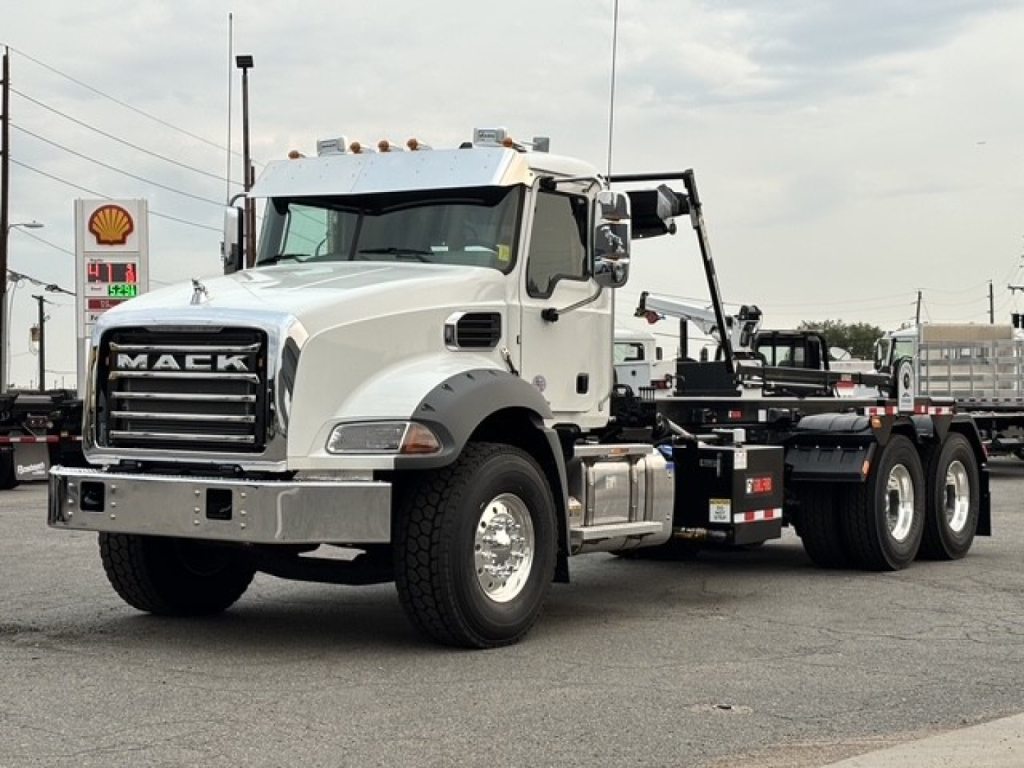
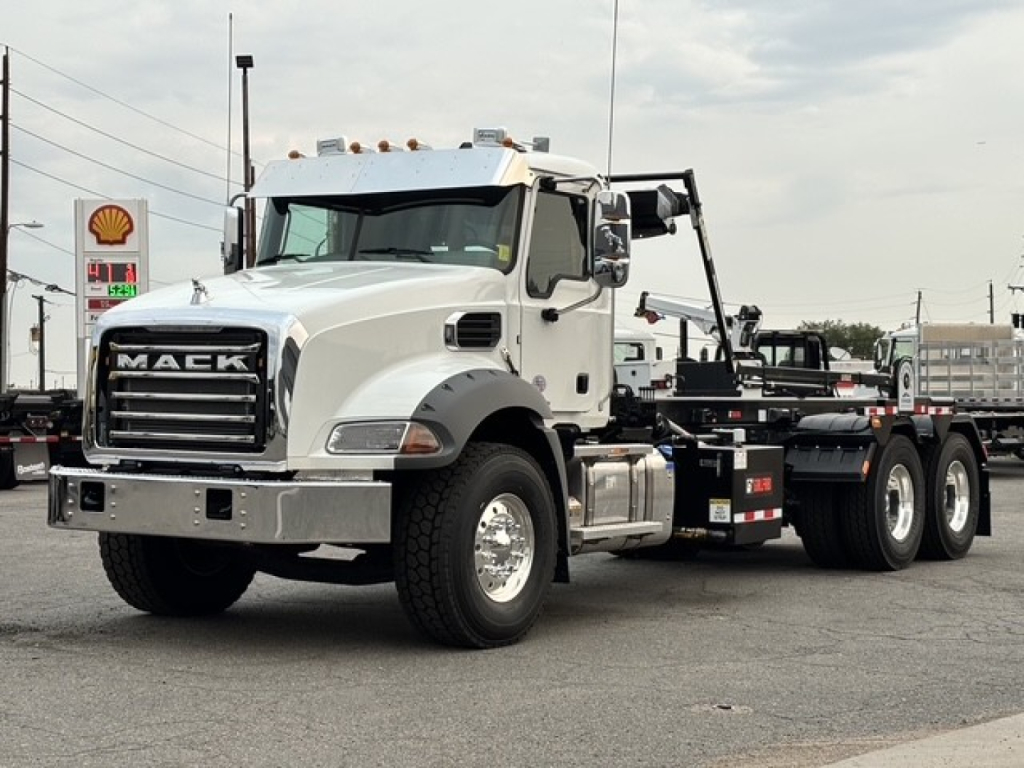
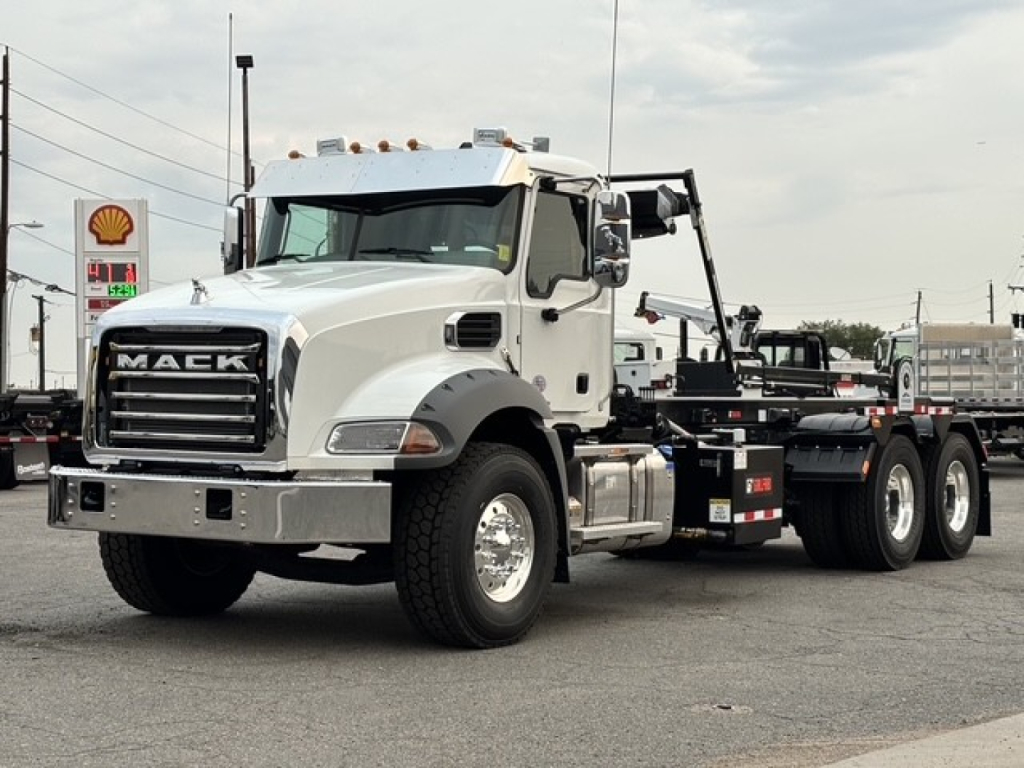
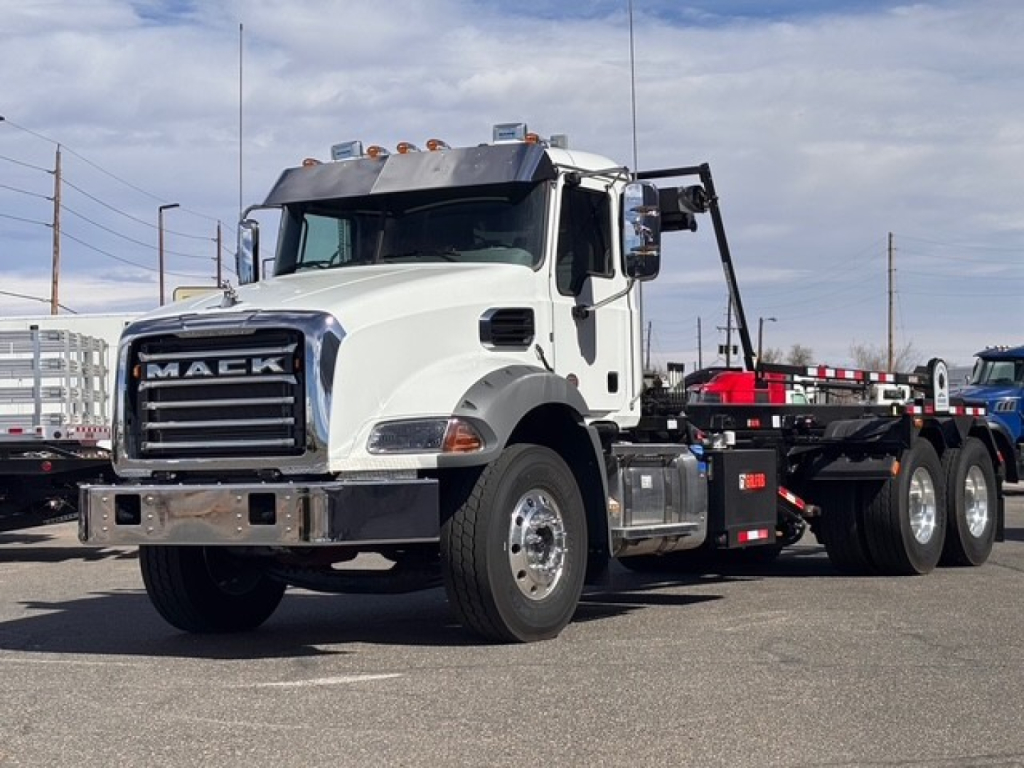
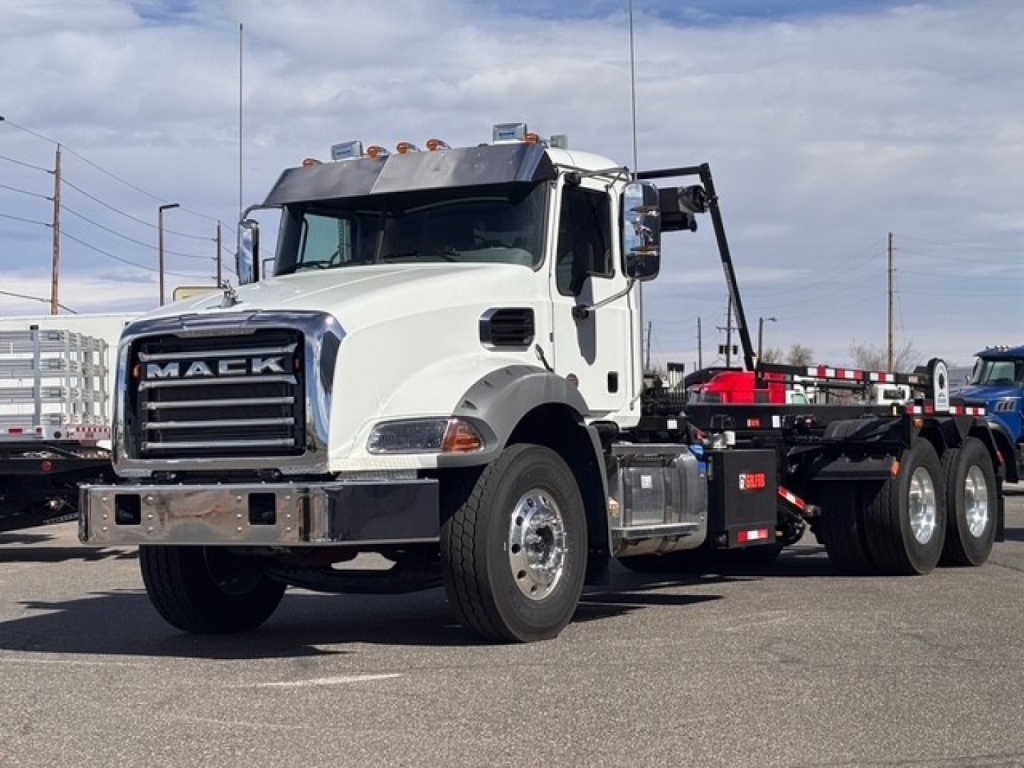
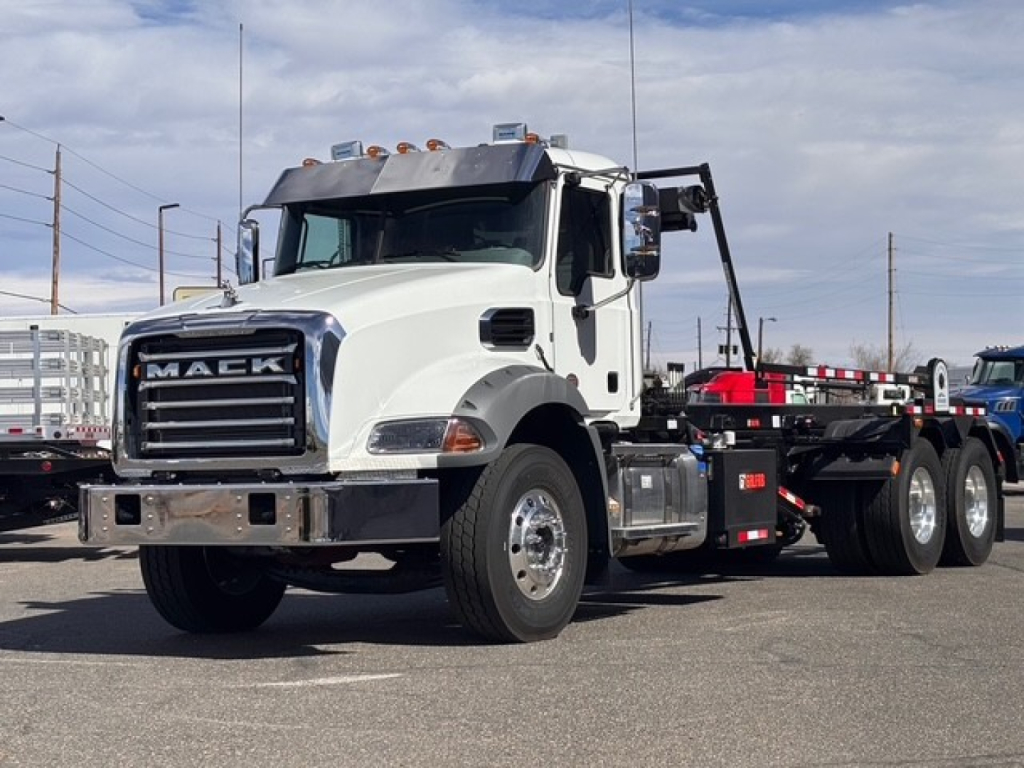
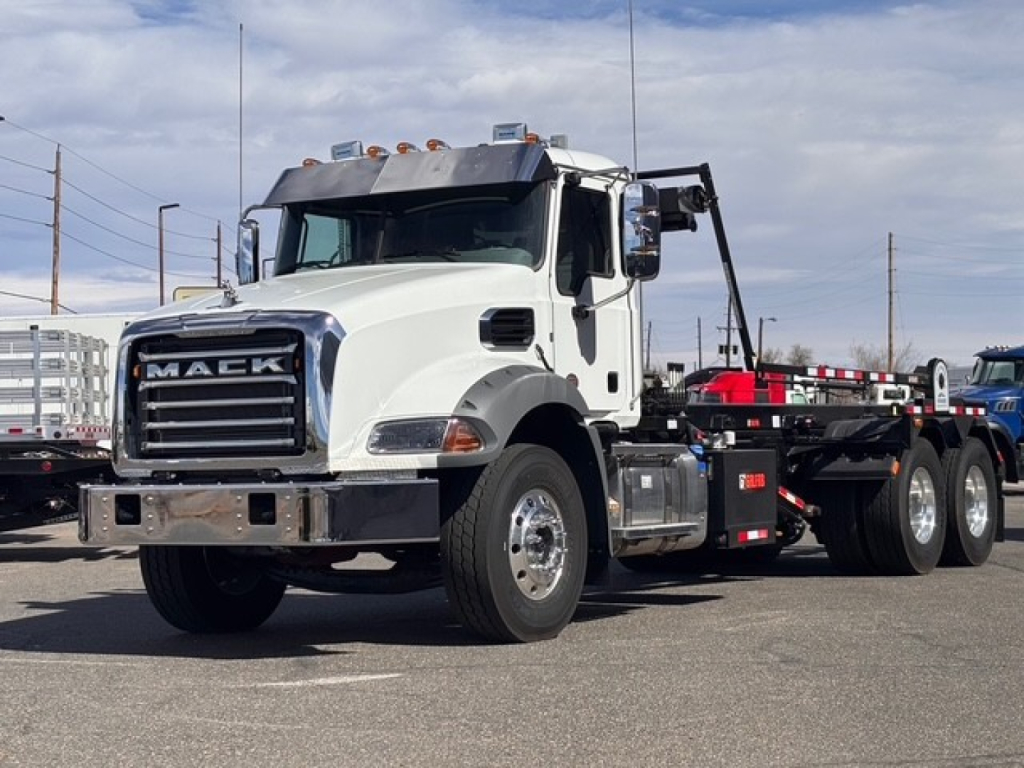
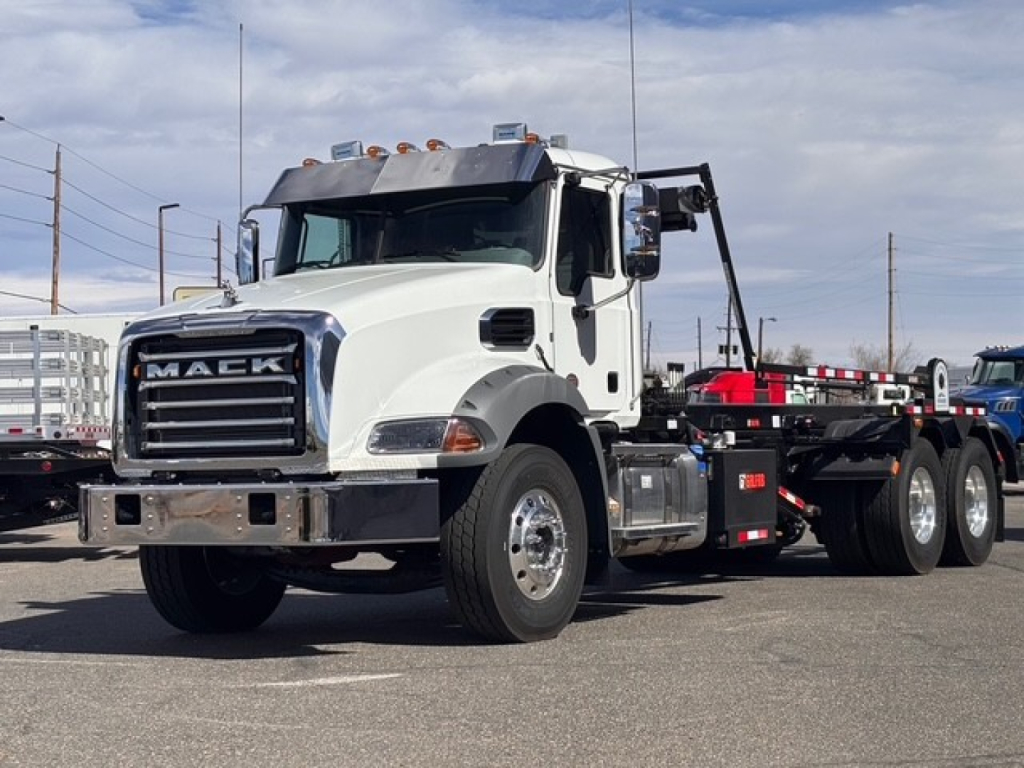
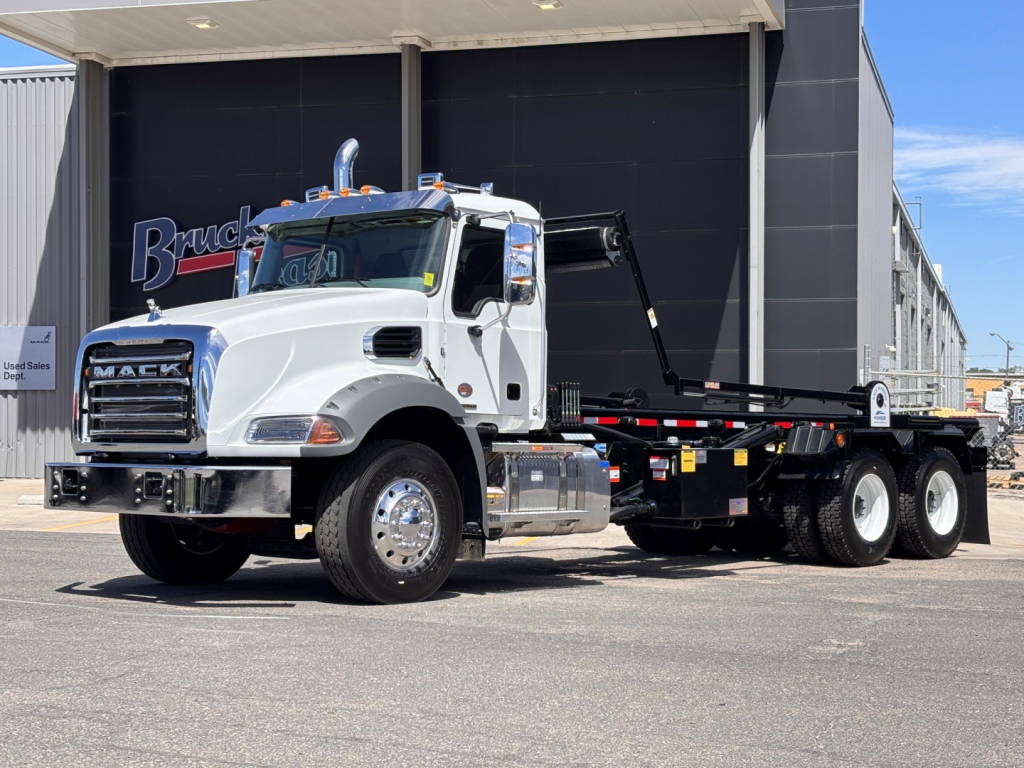
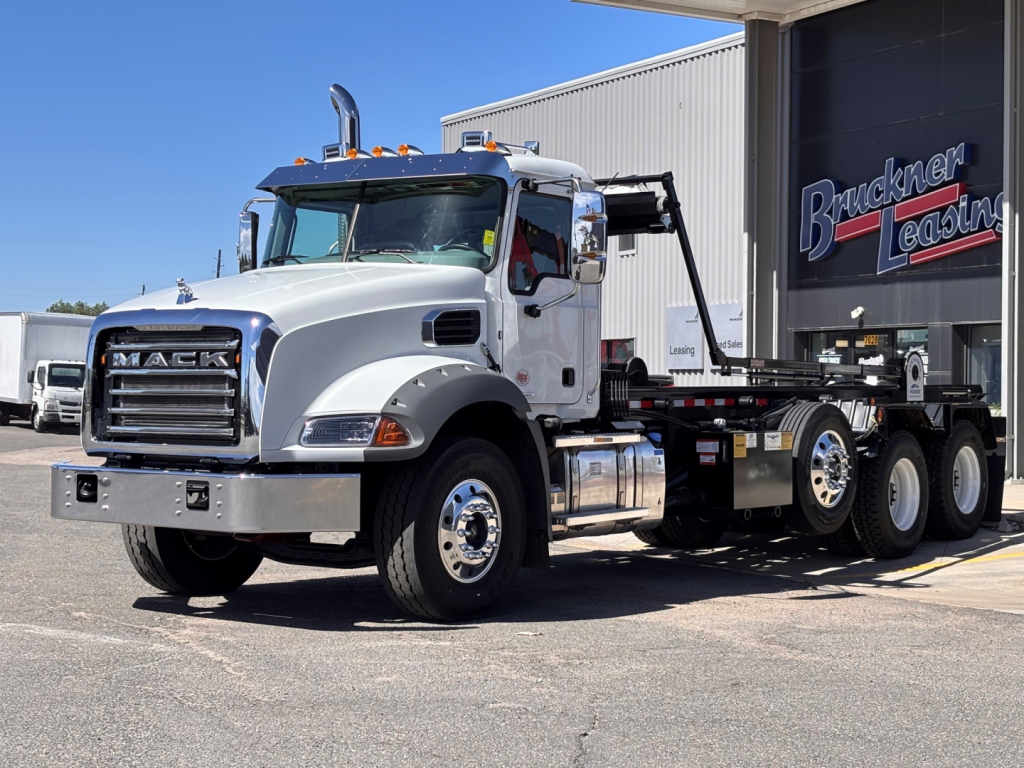

Selling a rolloff truck? List your rolloff truck for sale and reach thousands of commercial buyers.
Rolloff Trucks in Colorado
In Colorado, terrain and elevation matter. A rolloff truck working the Front Range, mountain transfer routes, or jobsite service in steep grades needs enough engine torque, the right rear axle ratio, and cooling capacity that holds up under repeated PTO use. Many buyers look for diesel engines paired with automatic or automated manual transmissions to improve stop-and-go drivability and reduce driver fatigue. Wheelbase, cab-to-axle measurement, and frame rail spec are not minor details on a rolloff. They directly affect hoist fitment, weight distribution, and legal axle loading with full cans. Suspension choice also matters, especially if the truck will see rough demolition sites, landfill approaches, or mixed pavement and dirt service.
Container compatibility is another practical buying point. Common rolloff body lengths often support 10-yard through 40-yard containers, but actual compatibility depends on rail length, hoist geometry, hook height or cable setup, and chassis ratings. Buyers should pay attention to winch capacity, jib reach, inside and outside rail width, tarp systems, ICC bumper layout, and whether the body includes features like auto tarping, fender packages, pintle hitches, or toolboxes. If turnaround time is critical, details such as fast cycle times, in-cab controls, backup camera integration, and reliable hydraulics can make a measurable difference in daily production.
A good rolloff truck is more than a truck with a hoist bolted on. It is a vocational package built around legal payload, duty cycle, and the material being hauled. Waste fleets often prioritize dependable hydraulics and fast container swaps. Scrap and demolition operators may put more emphasis on frame reinforcement, higher hoist ratings, and protection against impact loading. Municipal and contractor buyers may want a chassis that can balance maneuverability in tighter urban service with enough gross vehicle weight rating for full-size containers. Looking closely at axle ratings, PTO and pump setup, brake configuration, and body manufacturer specs will tell you far more about long-term fit than model year alone.
Frequently Asked Questions about Rolloff Trucks in Colorado
What is the difference between a cable rolloff truck and a hooklift rolloff truck?
A cable rolloff truck uses a winch and cable system to pull rolloff containers onto body rails, and it remains a common choice for waste, scrap, and demolition work. A hooklift uses a hydraulic hook arm to load and unload compatible bodies or containers with faster changeover and more versatility. Cable systems are often preferred for traditional rolloff can service and heavy container handling, while hooklift systems appeal to operators who want to run flatbeds, dumps, salt spreaders, or other interchangeable bodies on one chassis.
What axle configuration is common on a rolloff truck?
Tandem axle rolloff trucks are the most common because they balance legal payload, chassis durability, and maneuverability for container service. Heavier applications may use a lift axle or tridem setup to manage bridge law compliance and spread weight across more axles. The right configuration depends on container size, material density, route restrictions, and how often the truck operates near gross weight.
What should buyers in Colorado look for in a rolloff truck?
Colorado buyers should pay close attention to gradeability, engine torque, transmission calibration, rear axle ratio, and cooling performance. Mountain routes and higher elevations can expose underpowered or poorly geared vocational trucks quickly, especially during repeated starts, PTO operation, and steep descents with loaded containers. Suspension durability, brake spec, and traction setup are also important for landfill roads, construction sites, and winter conditions.
How do I know what container sizes a rolloff truck can handle?
Container compatibility is determined by more than stated yard size. Buyers need to verify rail length, hoist capacity, cable or hook specification, hook height if applicable, and the truck's axle and frame ratings. A truck may physically load a container but still be a poor match if weight distribution, legal axle loading, or body geometry are wrong for the intended can sizes.
Which specs matter most on a used rolloff truck?
On a used rolloff truck, the most important checks are frame condition, hoist wear, hydraulic leaks, PTO and pump performance, cable or hook condition, roller and rail wear, and signs of cracking around body mounts or reinforcement areas. Service history matters, but vocational wear points tell the real story. Buyers should also inspect suspension components, brake system condition, rear axle ratings, and evidence of chronic overloading or off-road abuse.