
Mack Rolloff Trucks For Sale in Colorado
Shop Mack rolloff trucks for waste, scrap, and container hauling. Compare specs, hoist setups, axle ratings, and Colorado-ready configurations.
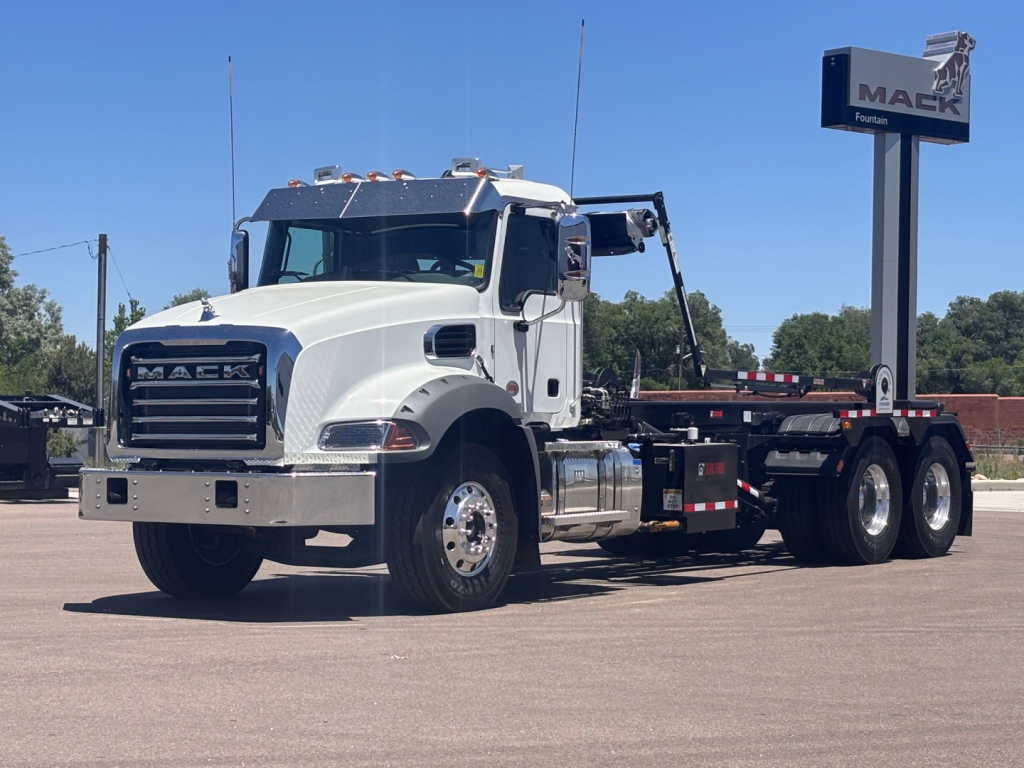
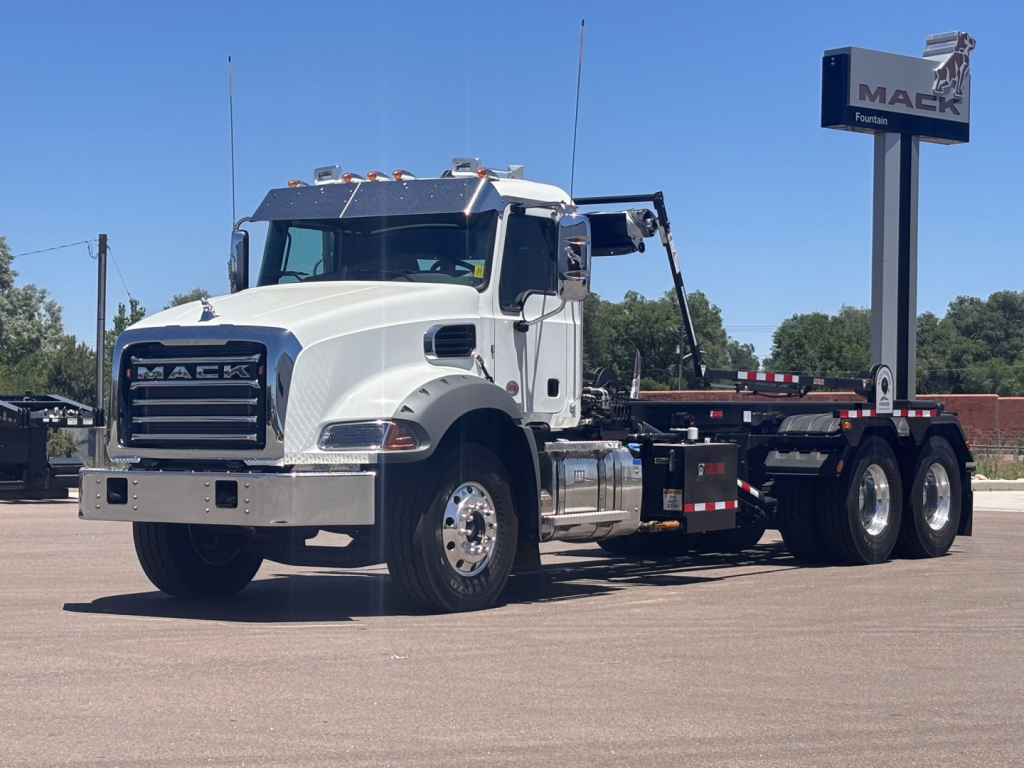
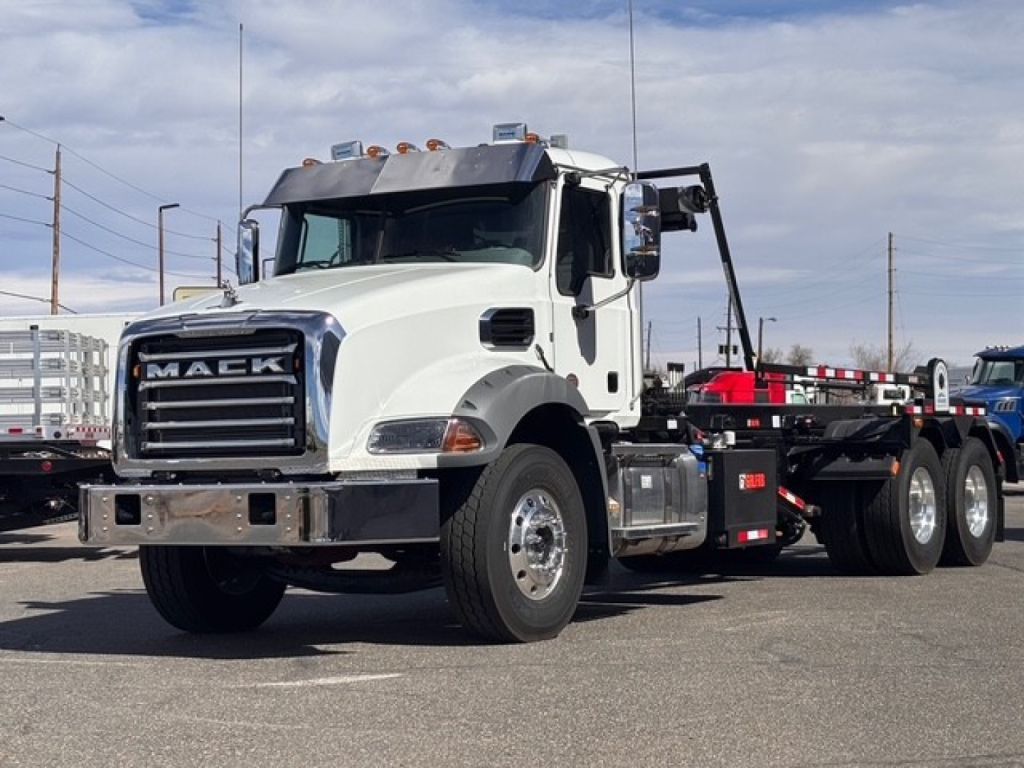
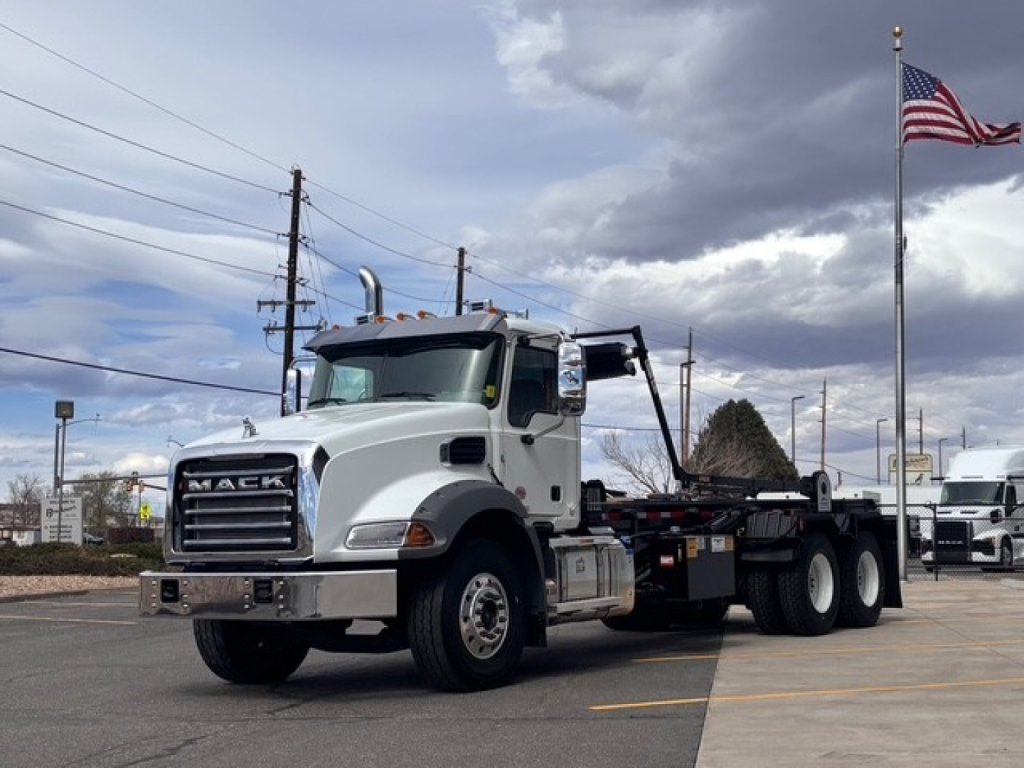
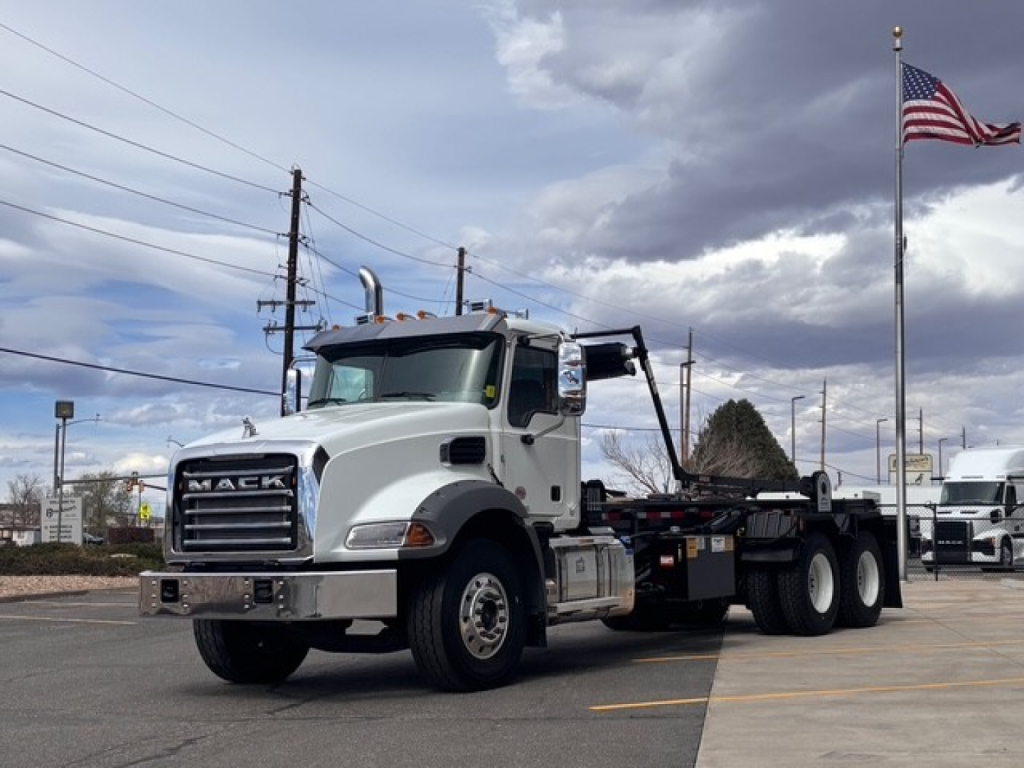
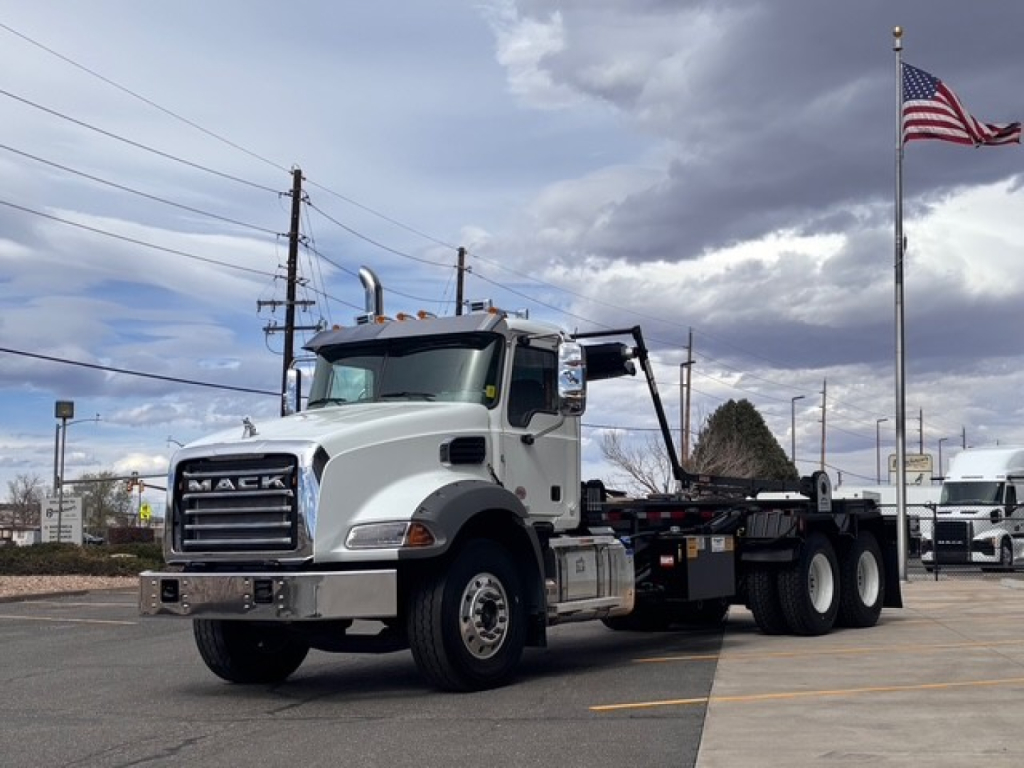
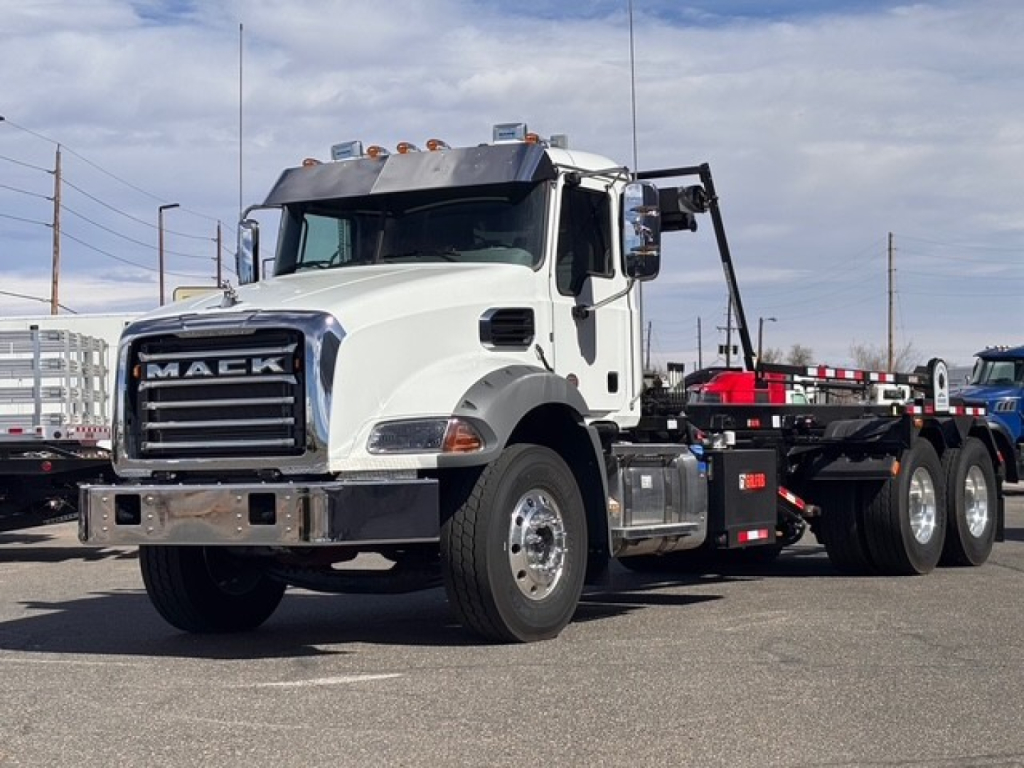
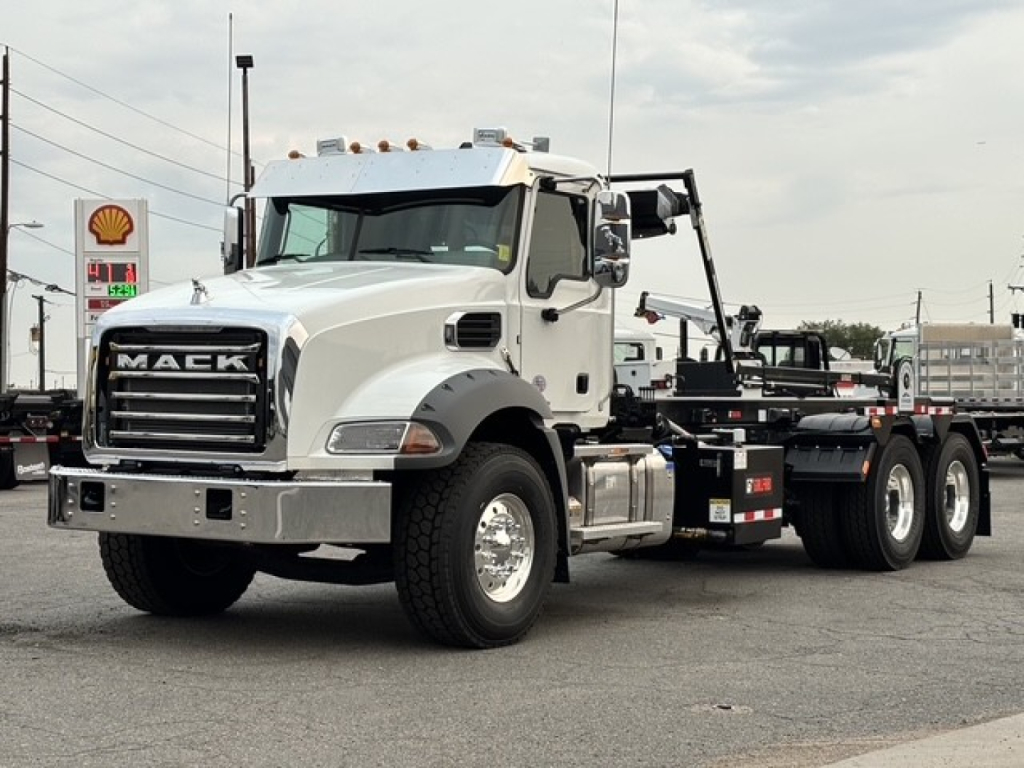
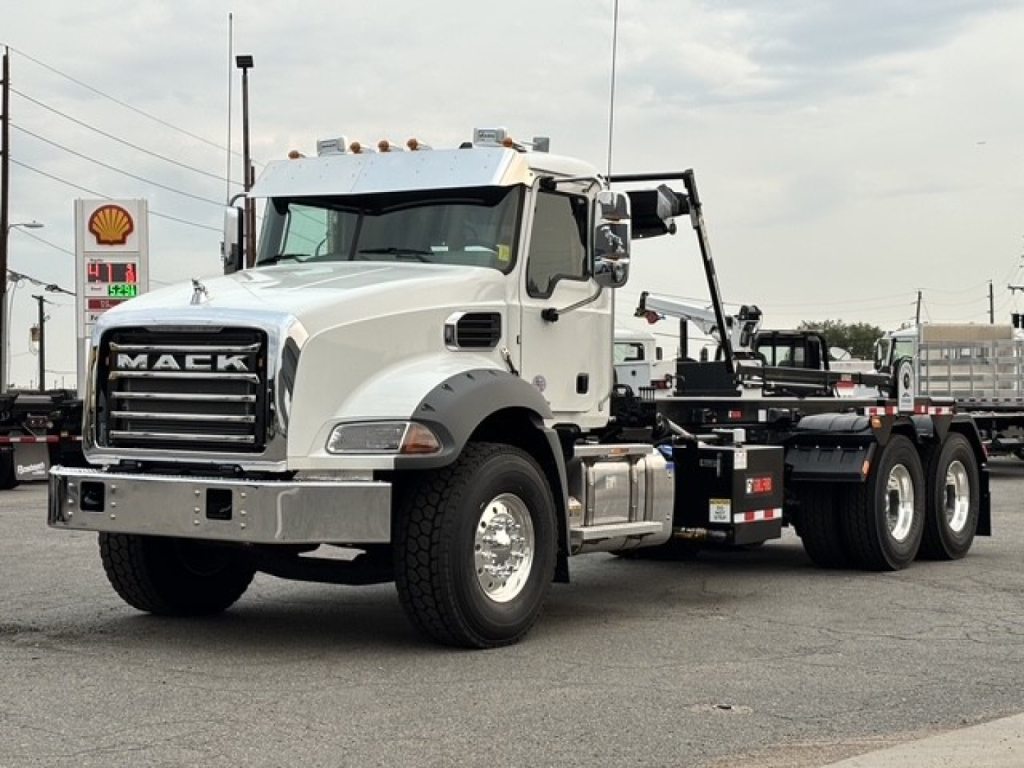
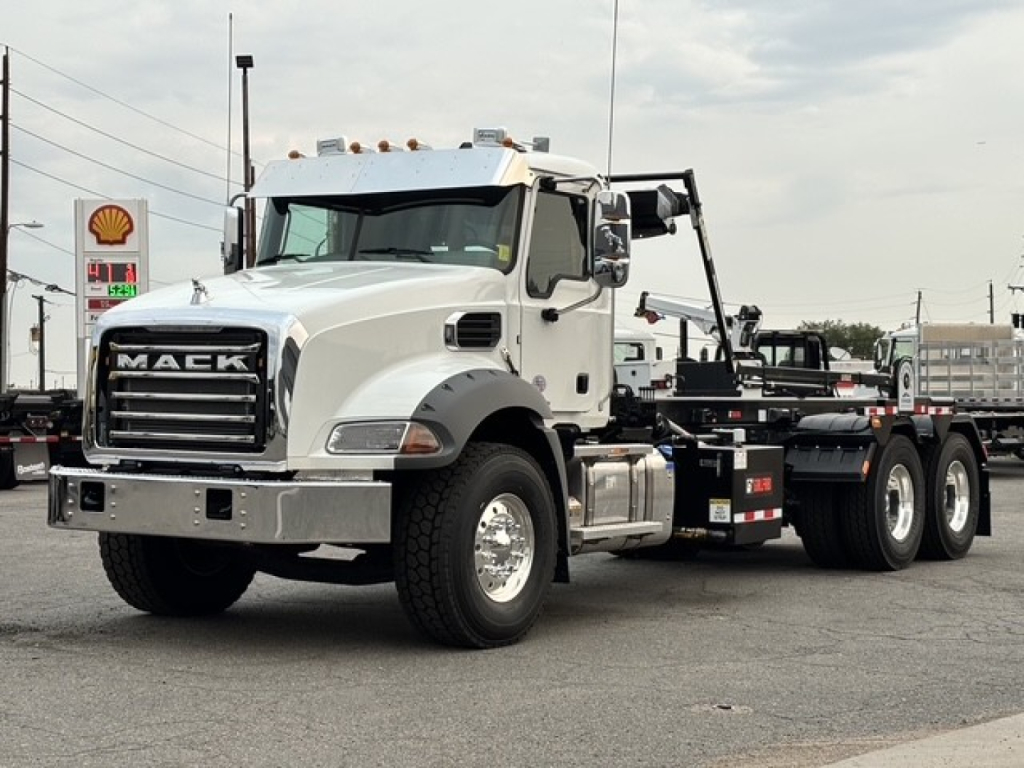
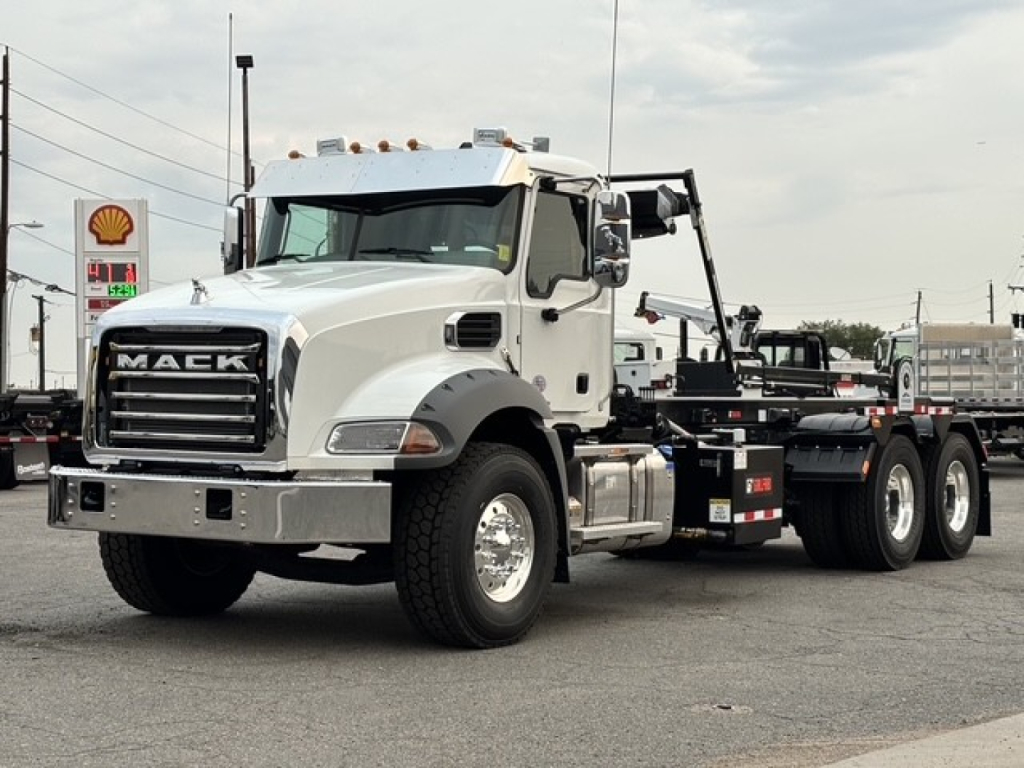
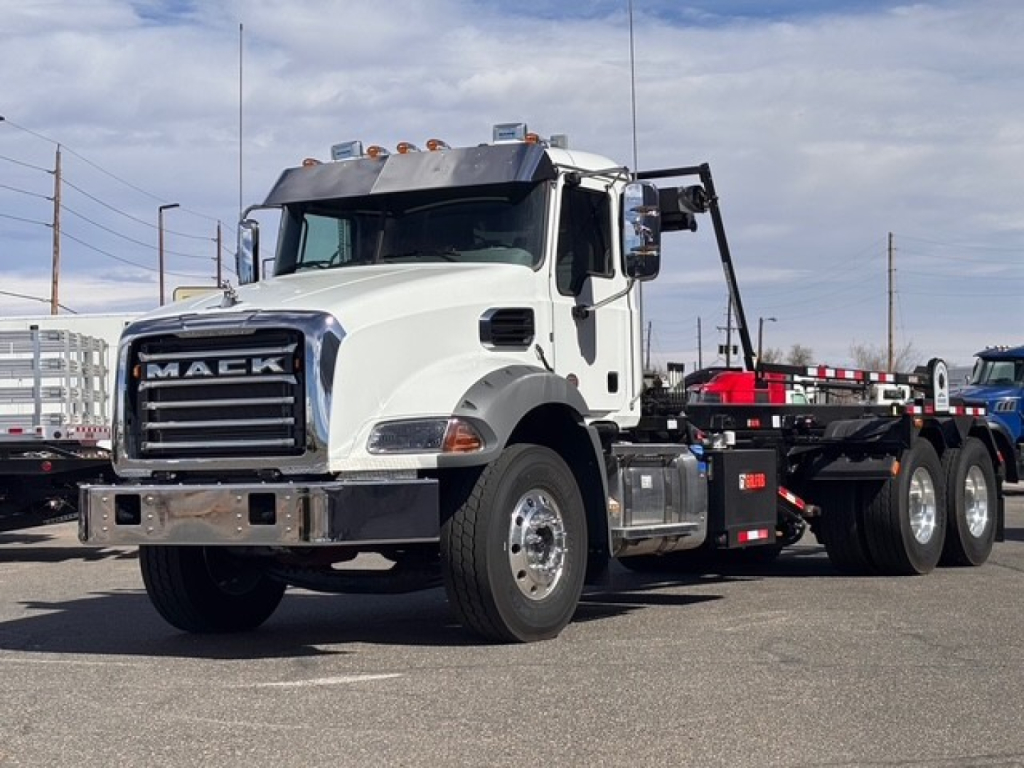
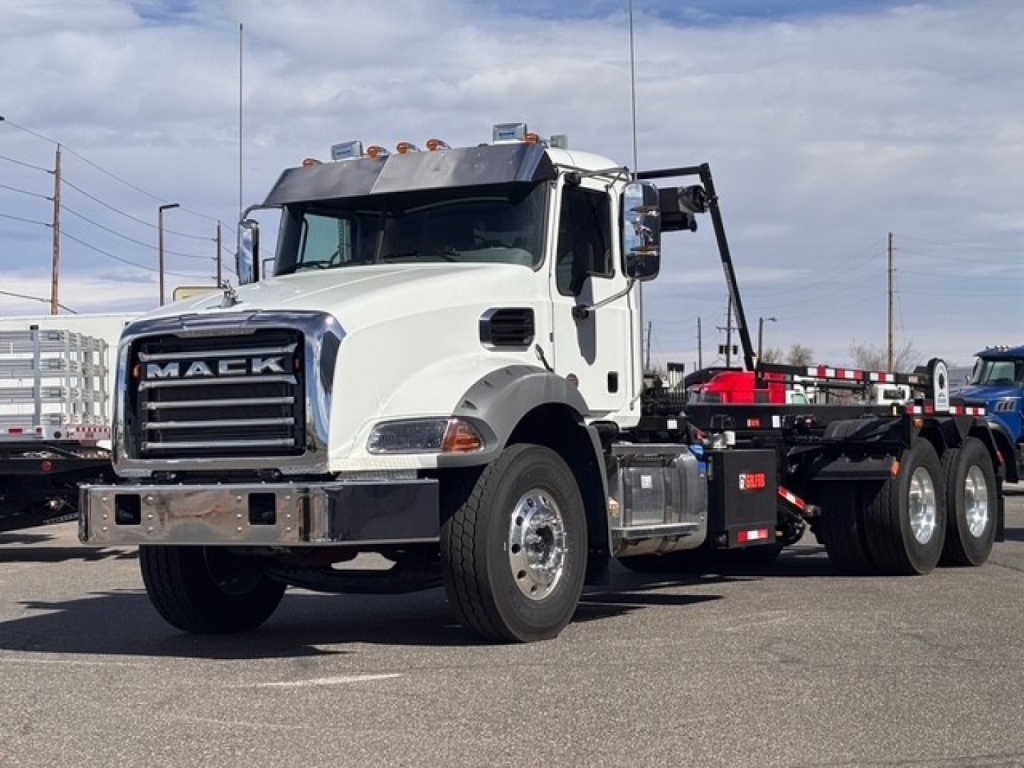
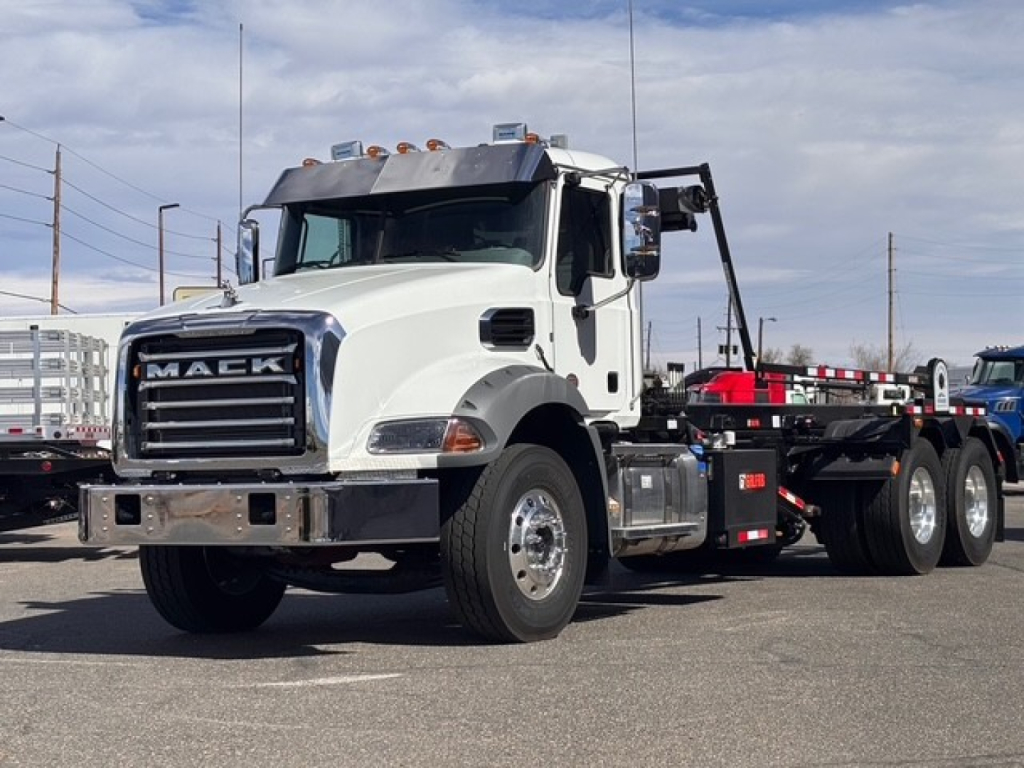
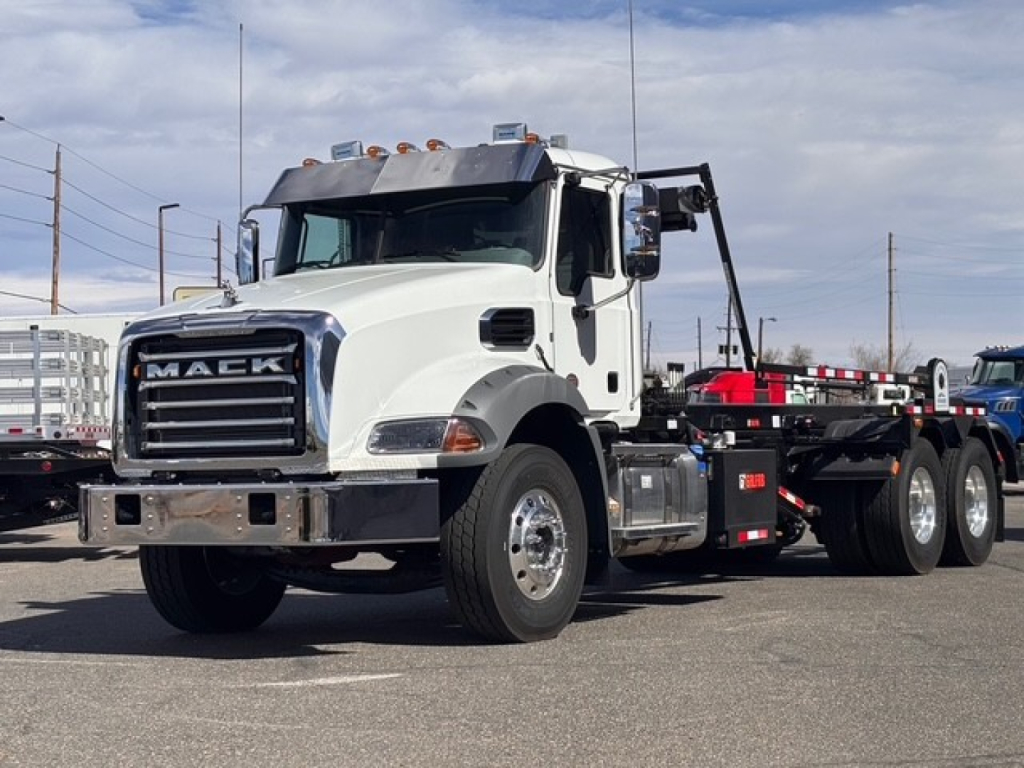
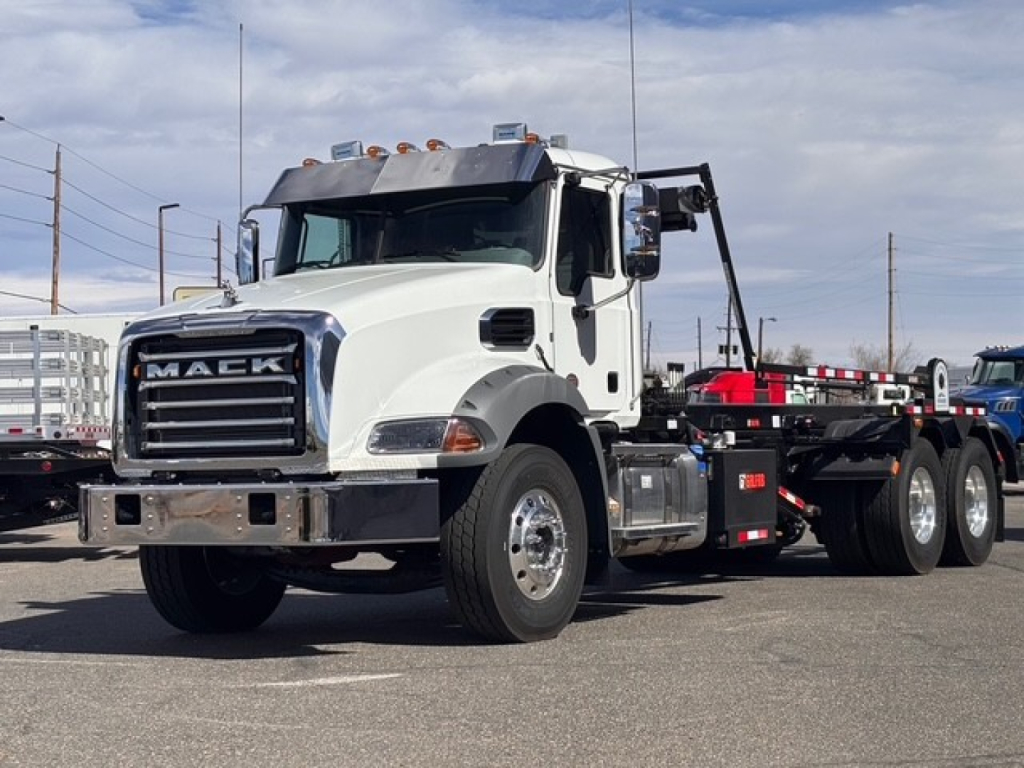
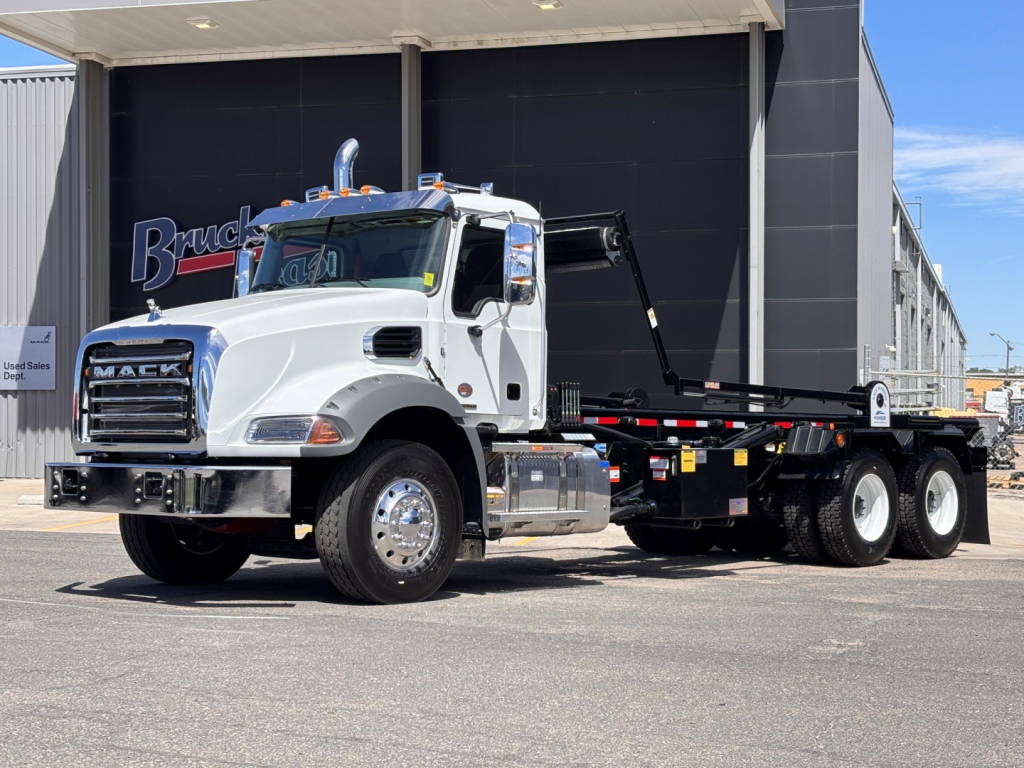
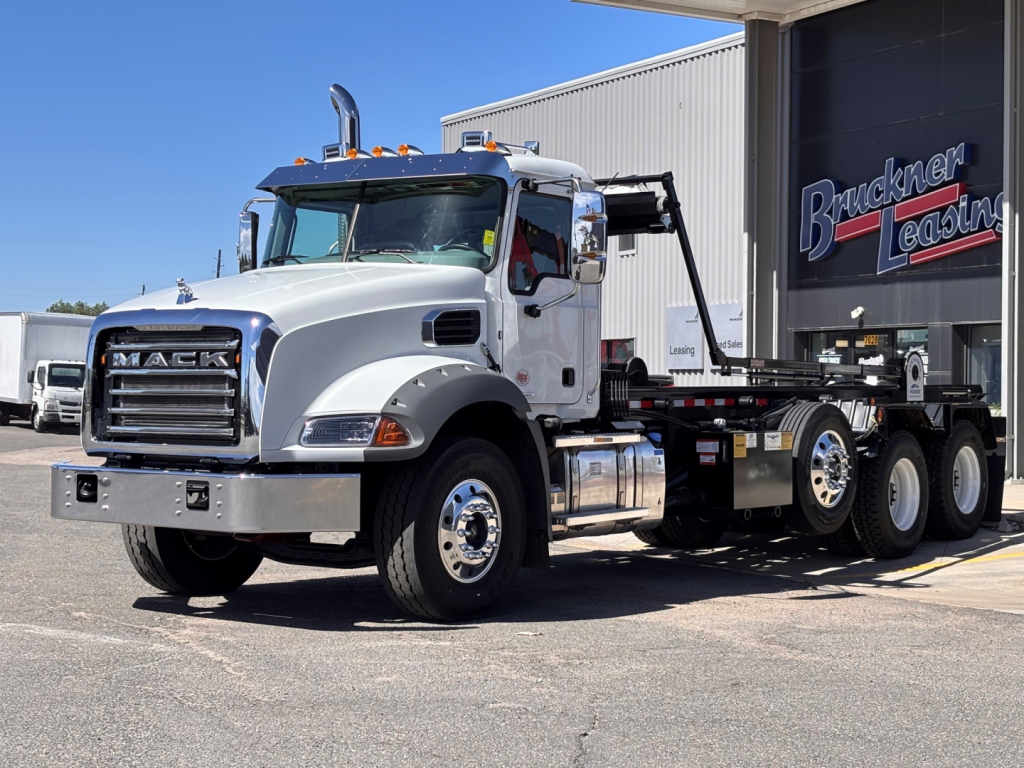

Selling a mack rolloff truck? List your mack rolloff truck for sale and reach thousands of commercial buyers.
Mack Rolloff Trucks in Colorado
A Mack rolloff setup usually starts with a vocational frame, tandem rear axles, and a wheelbase selected around the intended container lengths and hoist rating. Common buyer checkpoints include gross vehicle weight rating, front axle capacity, suspension type, PTO and hydraulic provisions, and the exact hoist brand and capacity. Hook hoists can speed up container engagement and reduce driver handling time, while cable hoists remain common in many fleets because of familiarity and container compatibility. Buyers should also pay close attention to inside frame reinforcement, crossmember design, fuel tank placement, and cab-to-axle dimensions, since those details affect hoist fitment, weight distribution, and body upfitter flexibility.
Colorado operation adds another layer to the buying decision. Mountain grades, mixed urban routes, and weather swings put extra value on powertrain selection, cooling capacity, and braking performance. Many buyers favor diesel engines with strong low-rpm torque, automatic or automated manual transmissions suited for stop-and-go work, and vocational suspensions that hold up under repeated container loading on uneven surfaces. If the truck will run Front Range municipal work, transfer station cycles, or mountain construction debris routes, look closely at axle ratios, traction options, and the balance between tare weight and durability. Features like heated mirrors, differential locks, lift axles where applicable, and severe-service air cleaning can also make a difference in year-round productivity.
The best Mack rolloff truck is the one that matches your container inventory, route density, and maintenance plan. A lighter-spec truck may improve payload on shorter urban runs, while a heavier severe-duty configuration may last longer in demolition, scrap, or rocky jobsite conditions. Buyers comparing listings should verify hoist capacity, container length range, frame dimensions, hydraulic setup, and any vocational controls in the cab before focusing on model year alone. On a rolloff truck, those application details usually determine profitability more than the badge on the hood.
Frequently Asked Questions about Mack Rolloff Trucks in Colorado
What should I look for first when buying a Mack rolloff truck?
Start with the chassis and hoist match. The most important checks are gross vehicle weight rating, axle capacities, wheelbase, cab-to-axle dimension, and the hoist type and rating. Those specs determine what container lengths the truck can handle, how well weight is distributed, and whether the unit is suited for waste, scrap, demolition, or construction debris work. A Mack rolloff truck with the wrong frame layout or hoist capacity can create body fitment issues and reduce legal payload.
Are Mack Granite rolloff trucks a common choice for vocational hauling?
Yes. Mack Granite models are a common platform for rolloff applications because they are designed for severe-duty work and can be spec'd with the frame strength, suspension, and axle ratings needed for repeated loading cycles. Buyers often choose them for waste and recycling fleets, scrap operations, and construction debris service where durability, turning capability, and vocational drivetrain options matter. The exact suitability still depends on the final chassis configuration and hoist installation.
What is the difference between a hook hoist and a cable hoist on a rolloff truck?
A hook hoist uses a hydraulic hook arm to pick up and set down compatible containers, while a cable hoist pulls containers onto the rails with a winch cable. Hook hoists are often favored for faster engagement and simpler driver operation, especially in high-cycle routes. Cable hoists remain widely used because many fleets already run cable-style containers and prefer their established operating process. The better choice depends on your container fleet, driver preference, and service environment.
How important is wheelbase on a rolloff truck?
Wheelbase is critical because it affects hoist fitment, container length compatibility, turning radius, bridge law compliance, and overall weight distribution. A truck that is too short or too long for the intended hoist and container sizes can cause loading issues or poor axle balance. On a Mack rolloff truck, wheelbase should be evaluated together with cab-to-axle measurement, rear overhang, and frame rail layout before purchase.
What specs matter most for a rolloff truck operating in Colorado?
Colorado buyers should pay close attention to engine torque, transmission choice, axle ratio, braking performance, cooling system capacity, and traction features. Mountain grades, winter conditions, and mixed urban-to-jobsite routes can stress a truck differently than flatland service. Differential locks, severe-duty suspension, and a drivetrain tuned for stop-and-go work plus climbing ability can improve uptime and driver confidence. Payload still matters, but in Colorado the best spec is usually the one that balances legal weight with durability and gradeability.