
Mack Rolloff Trucks For Sale
Browse Mack rolloff trucks built for waste, scrap, demolition, and container hauling with strong hoists, vocational specs, and durable chassis.
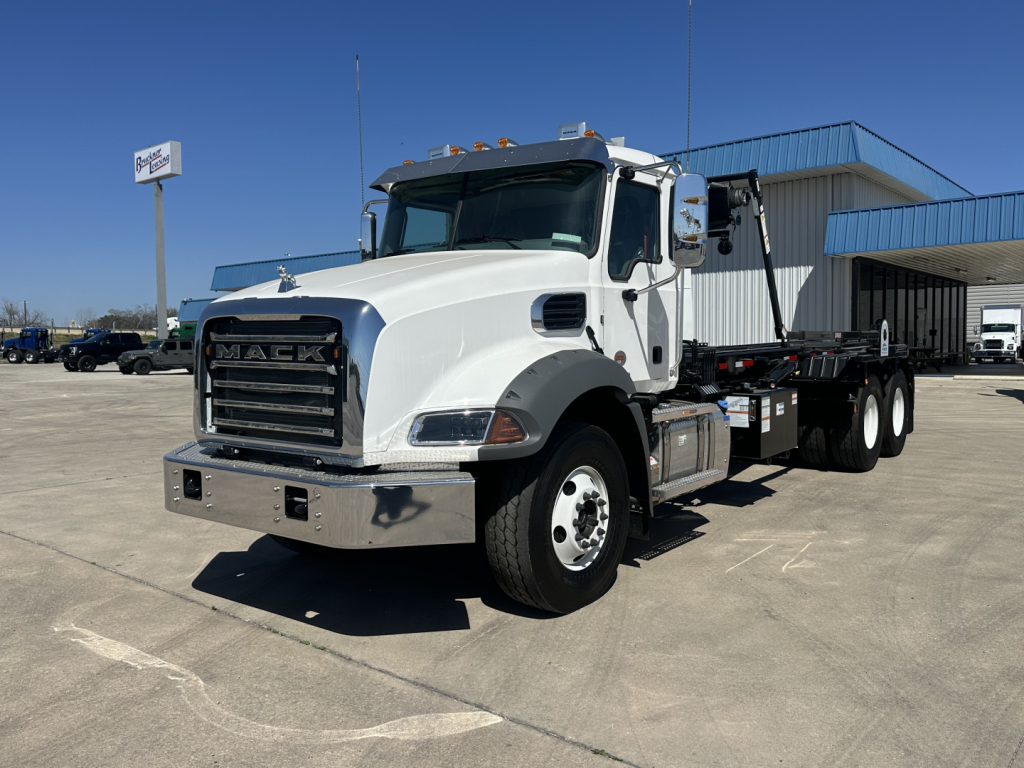
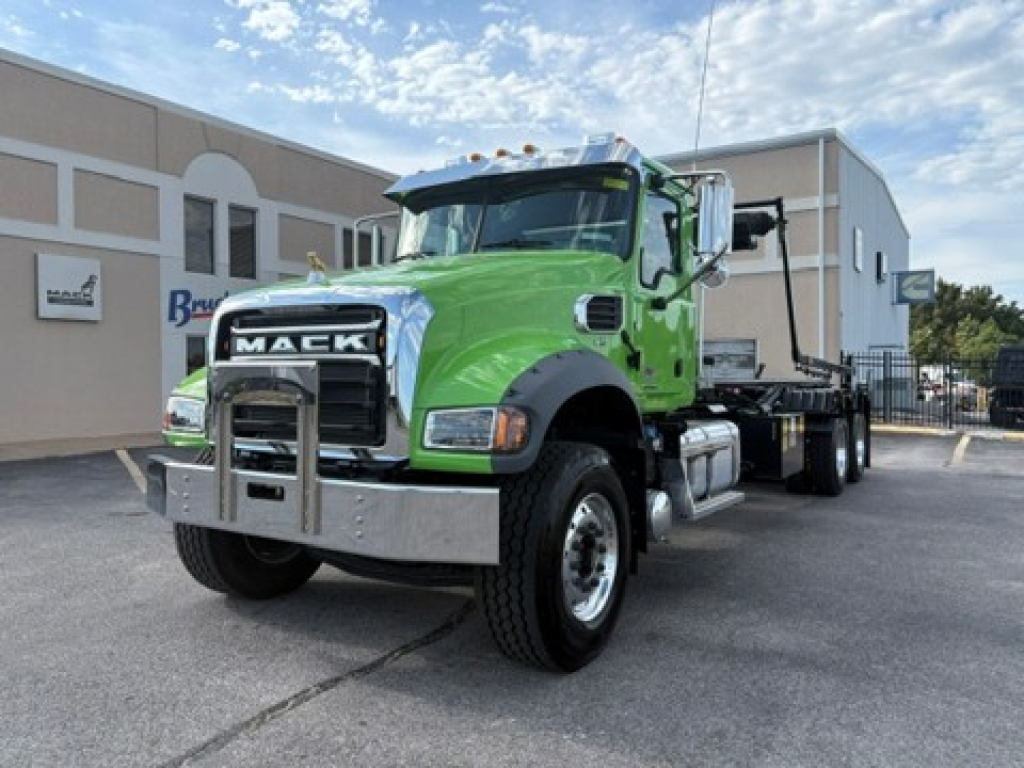
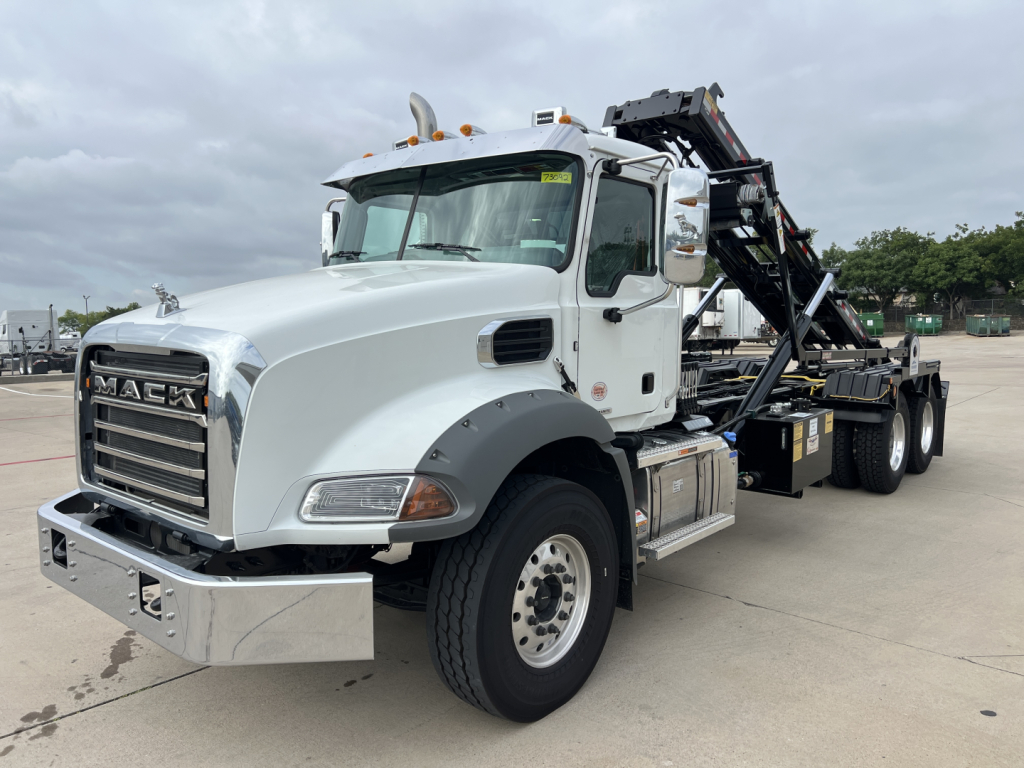
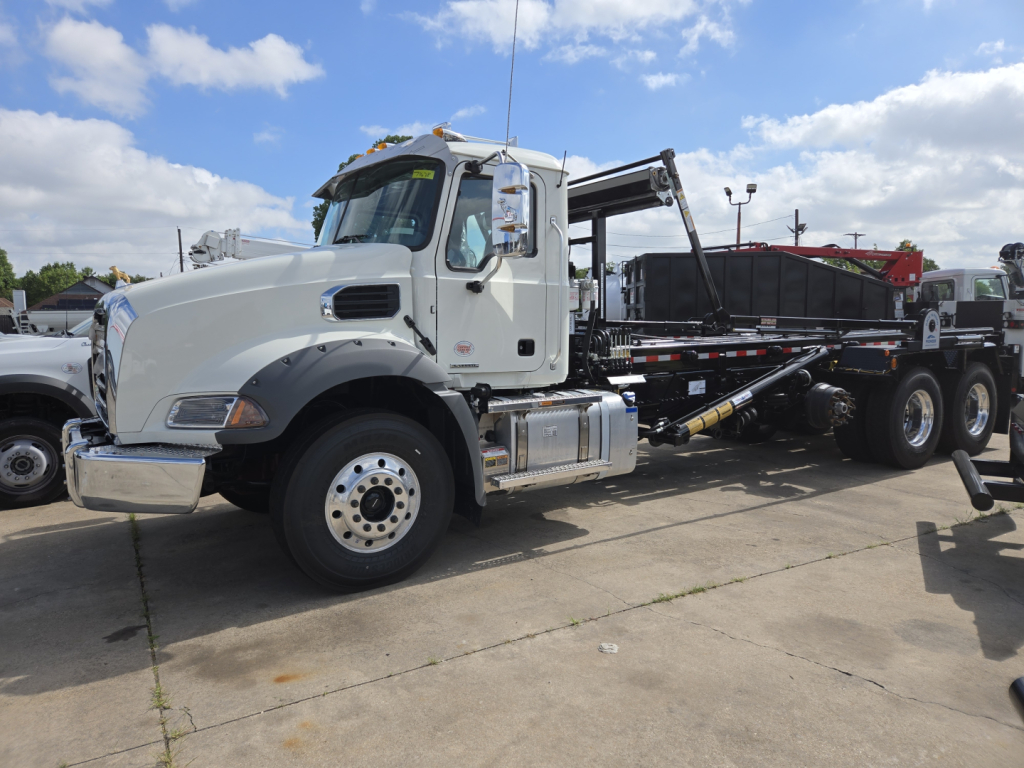
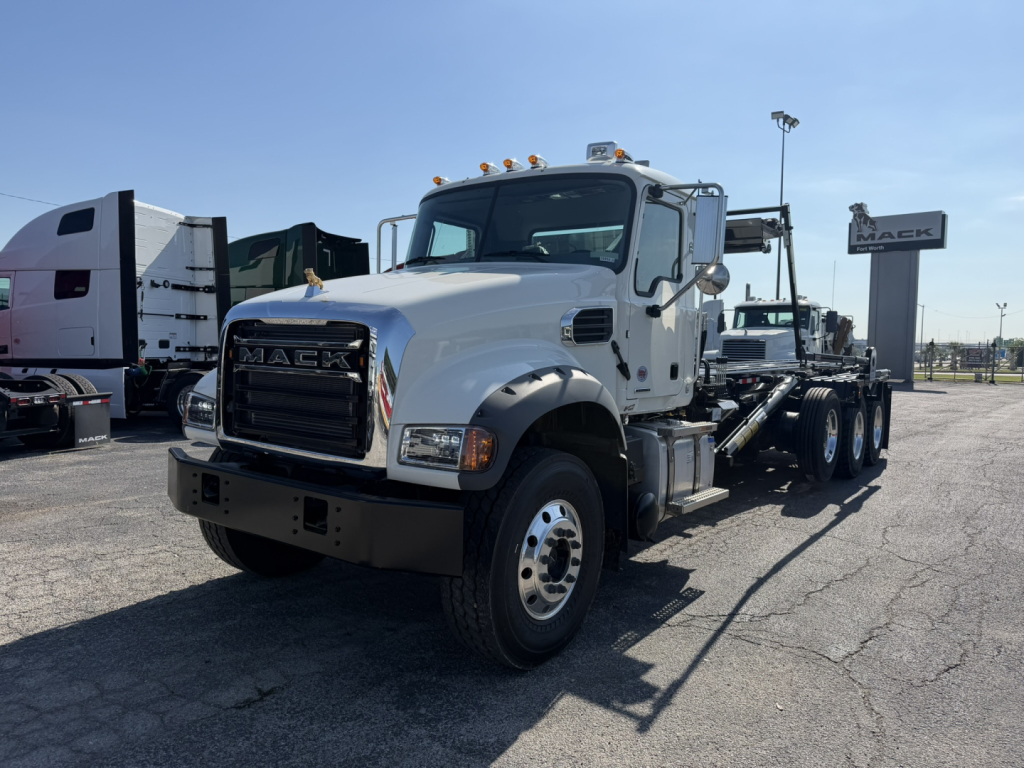
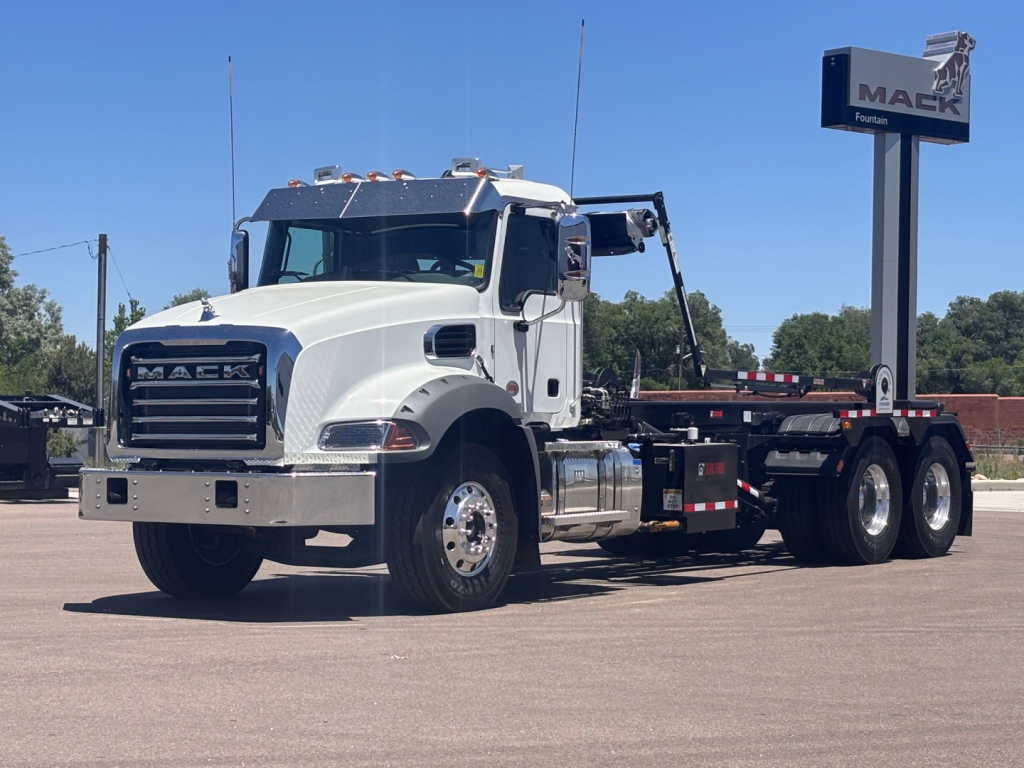
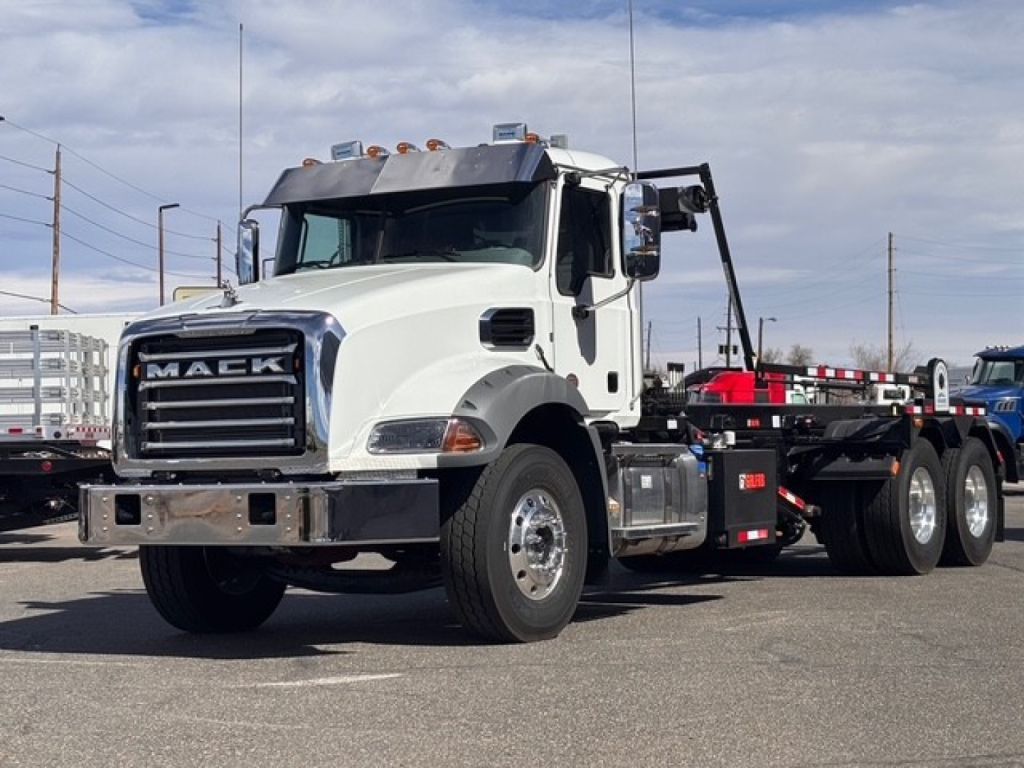
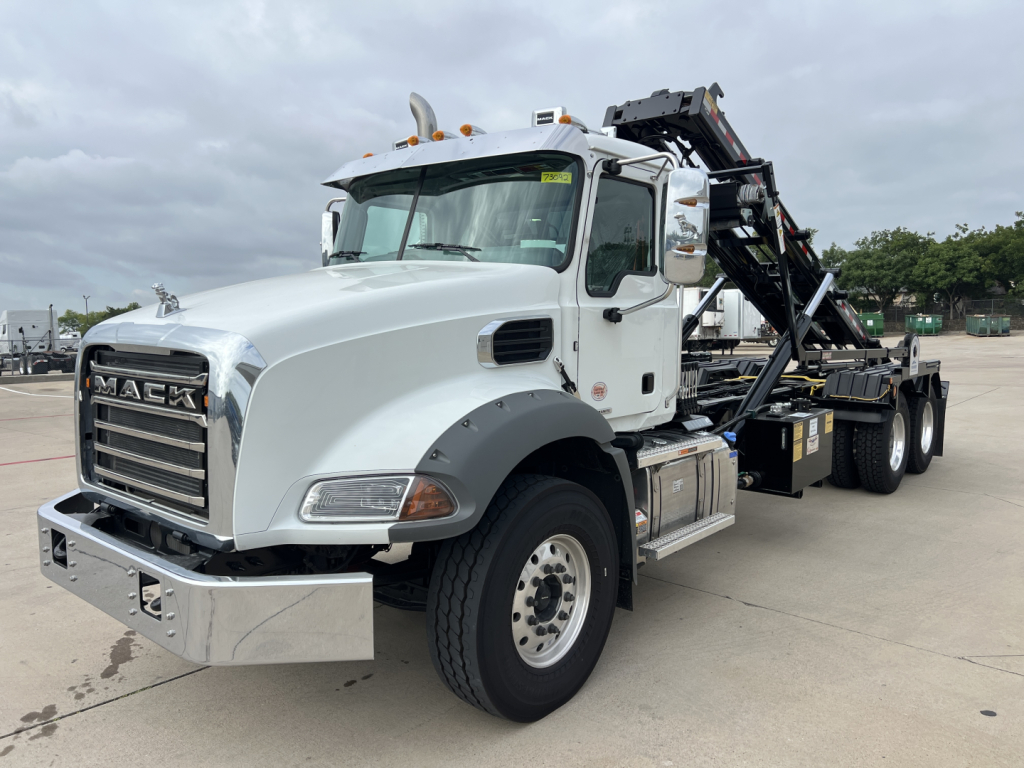
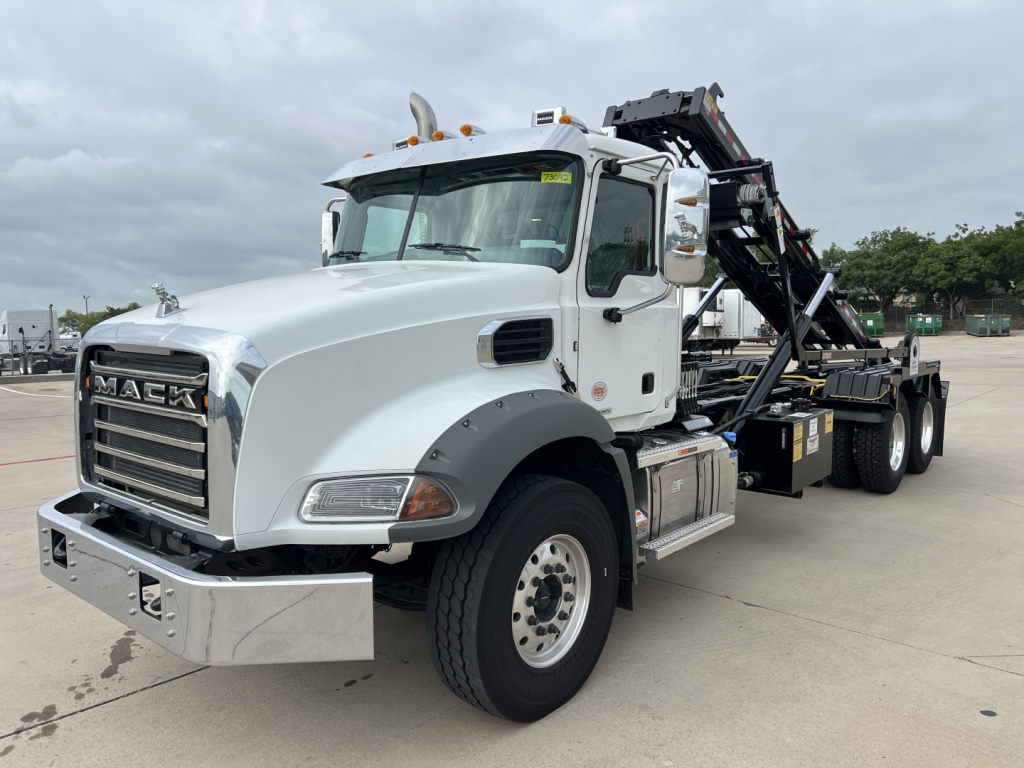
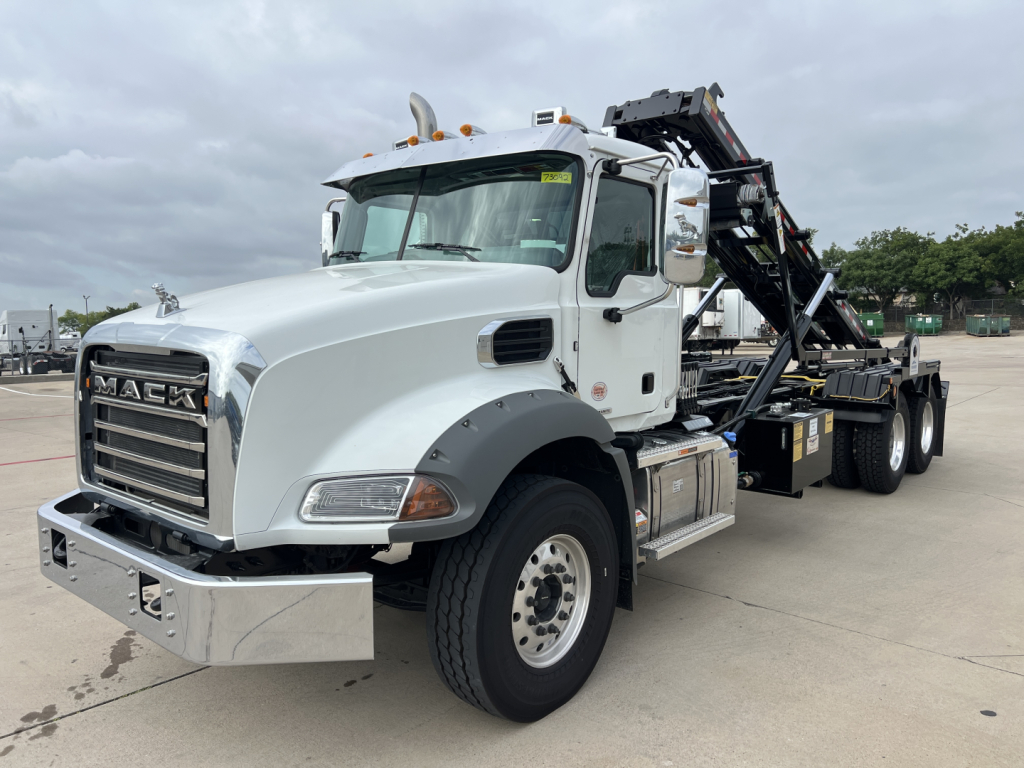
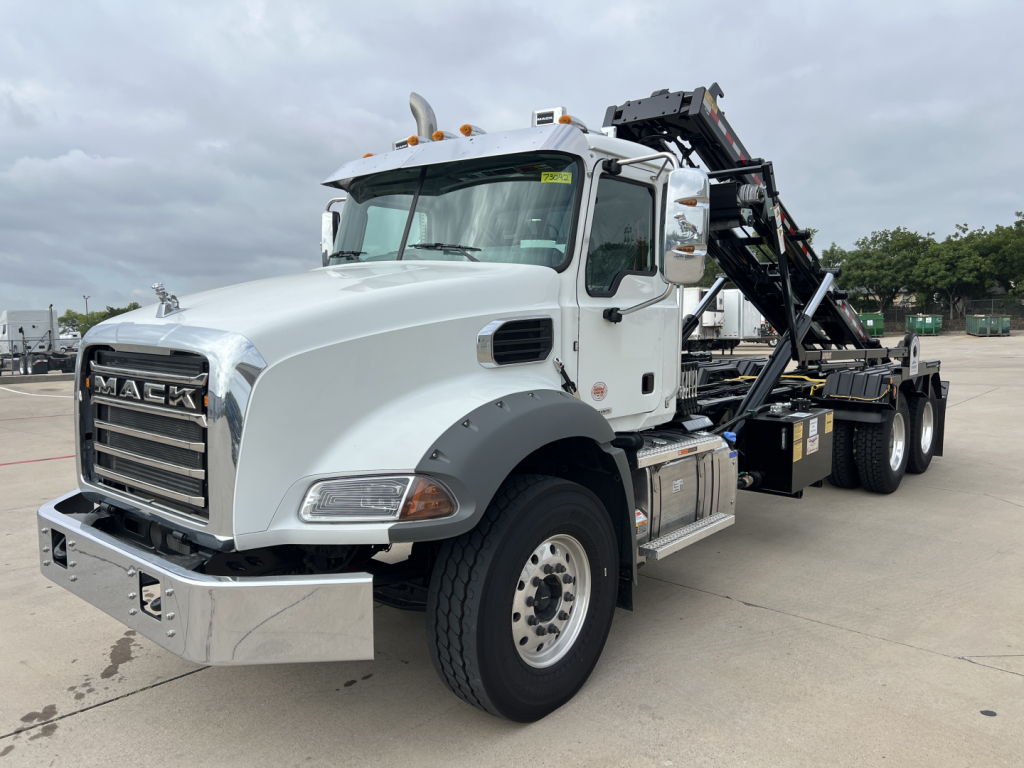
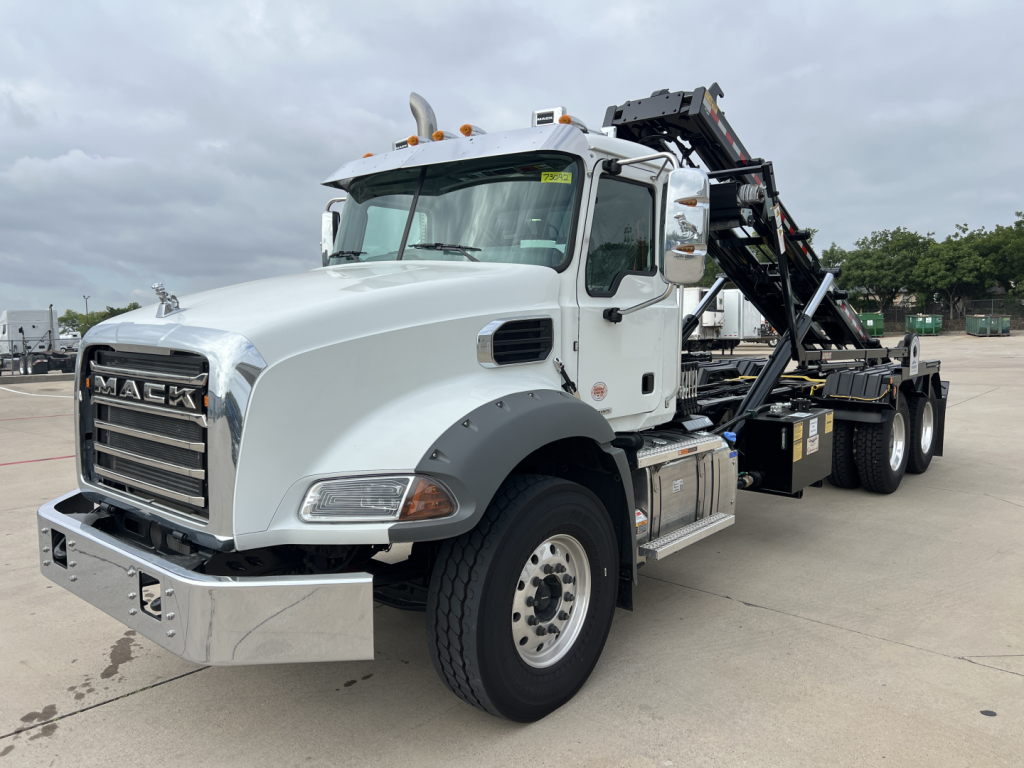
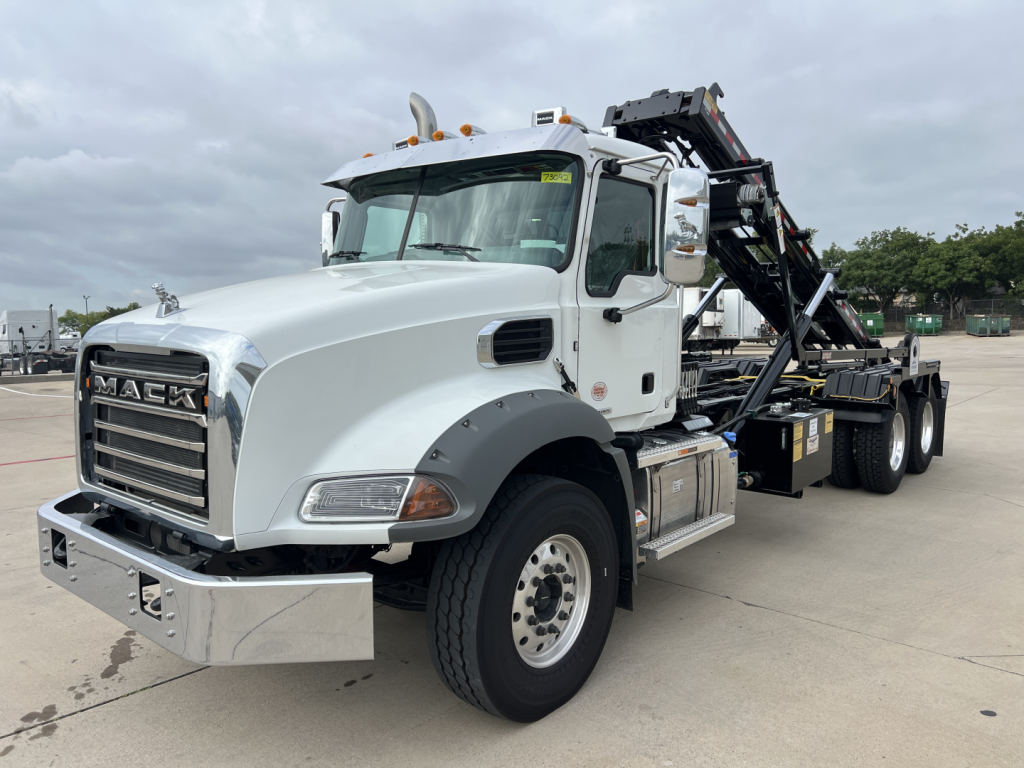
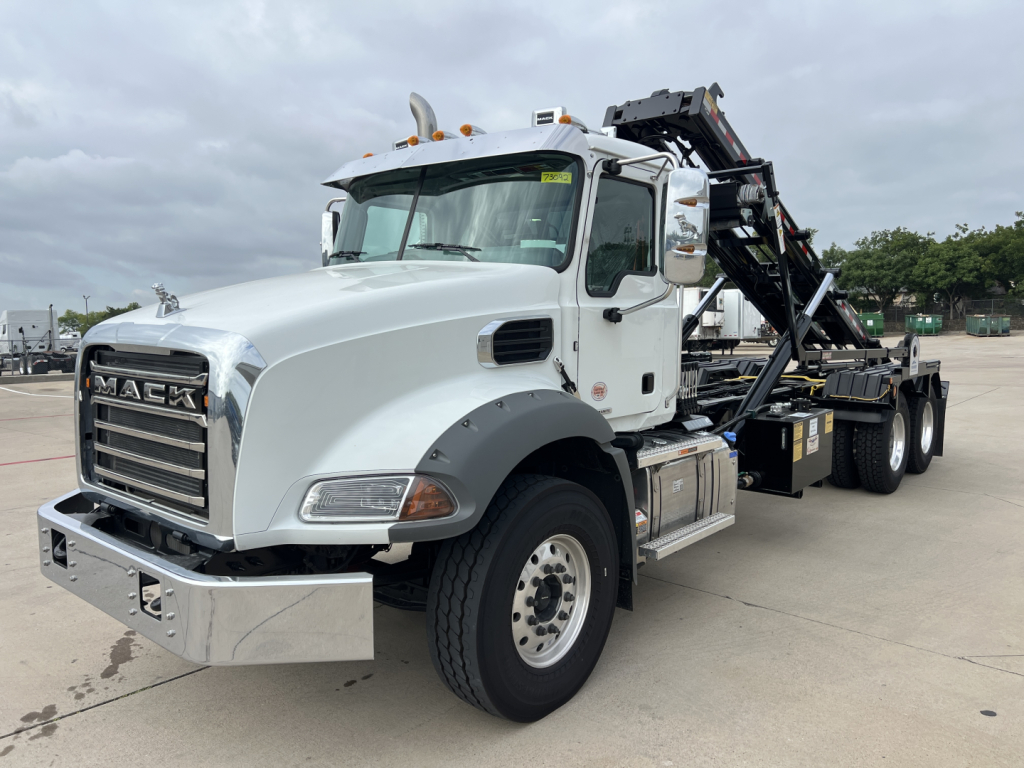
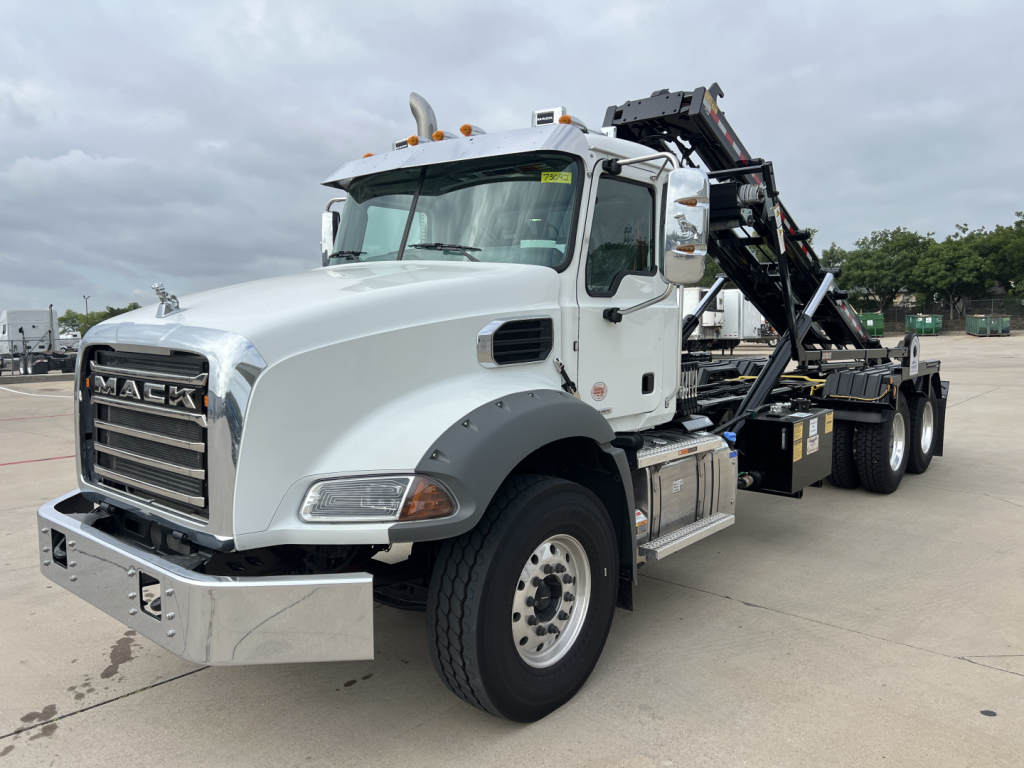
Showing 1 to 28 of 75 results
Selling a mack rolloff truck? List your mack rolloff truck for sale and reach thousands of commercial buyers.
Mack Rolloff Trucks
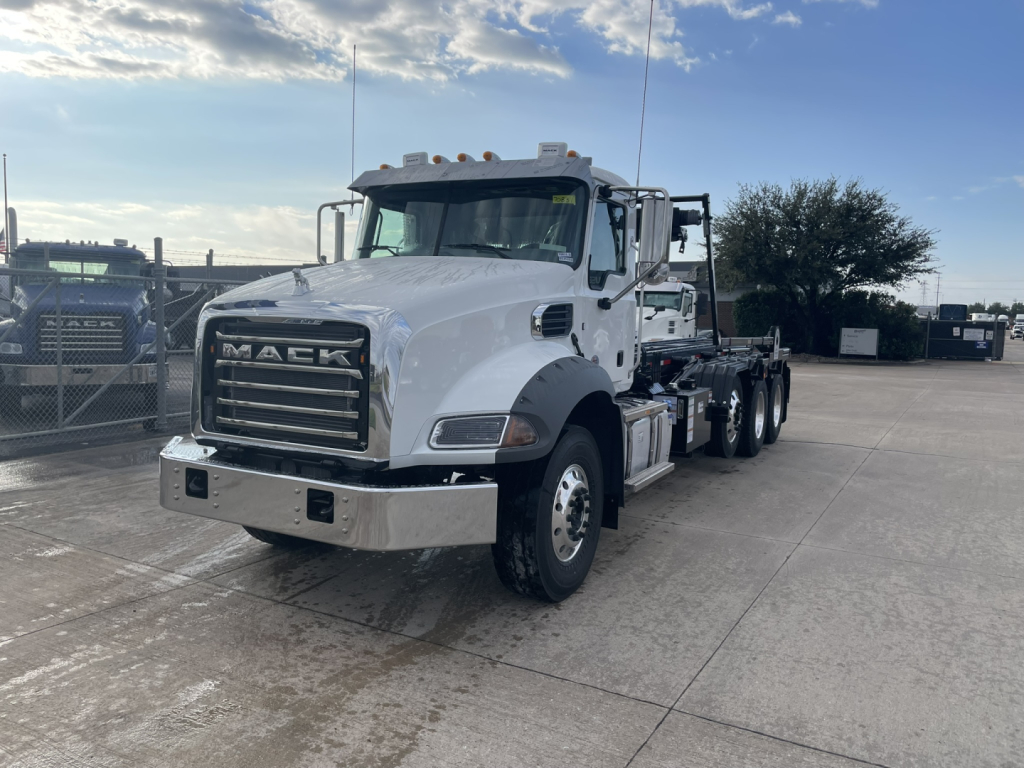
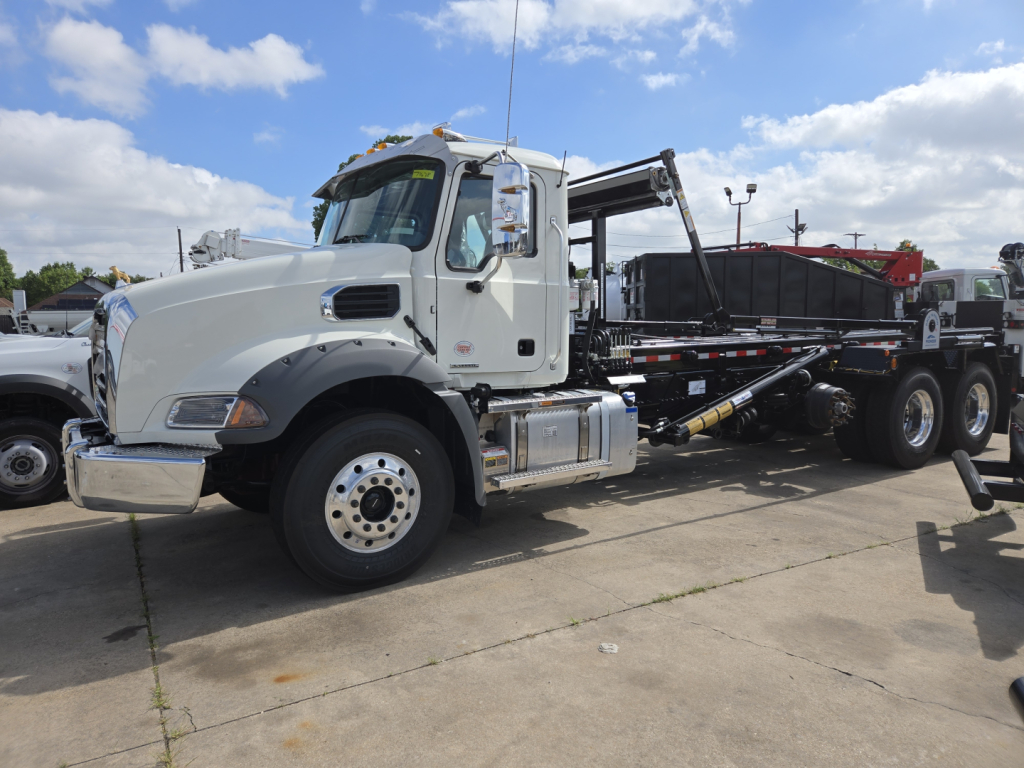
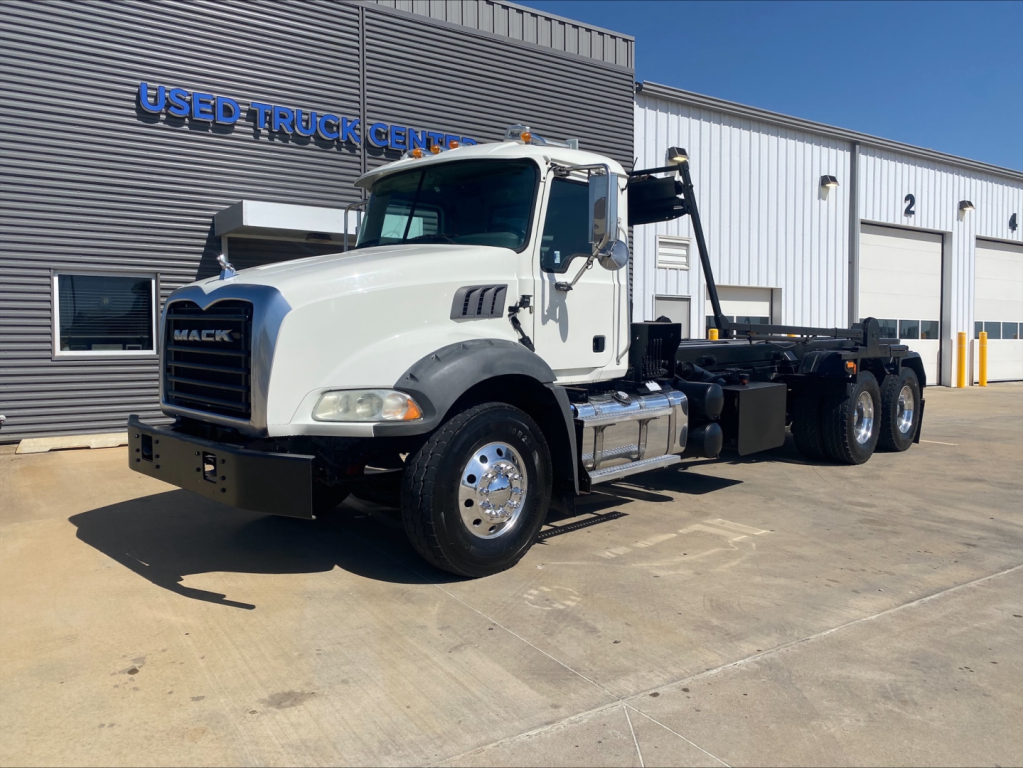
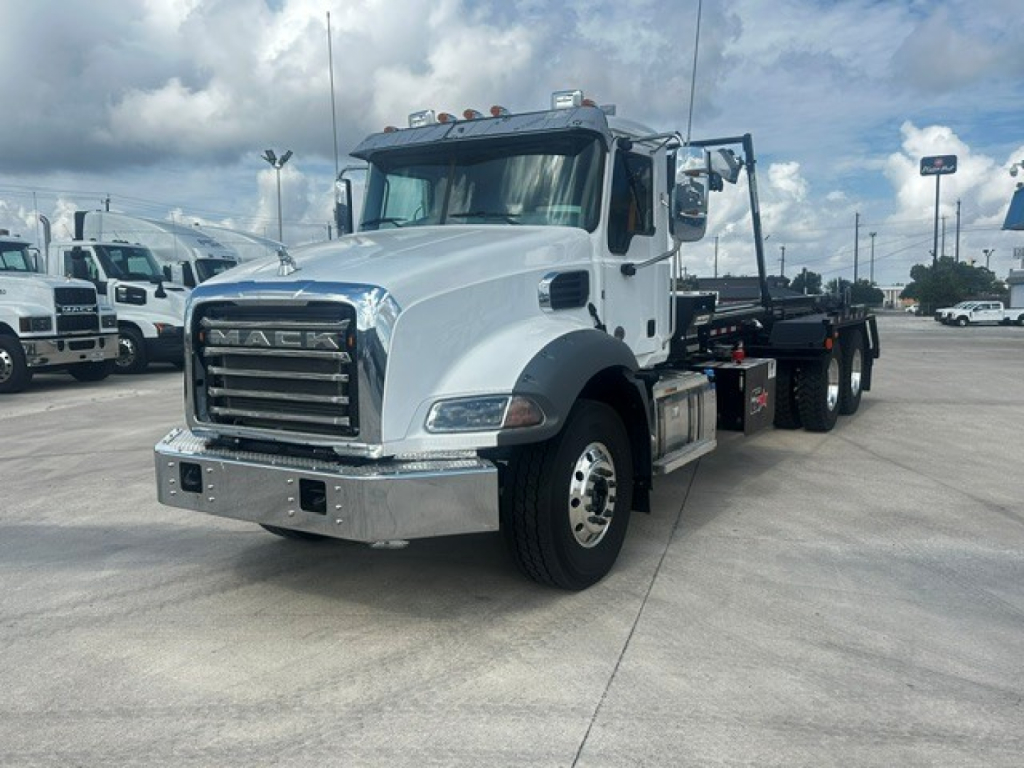
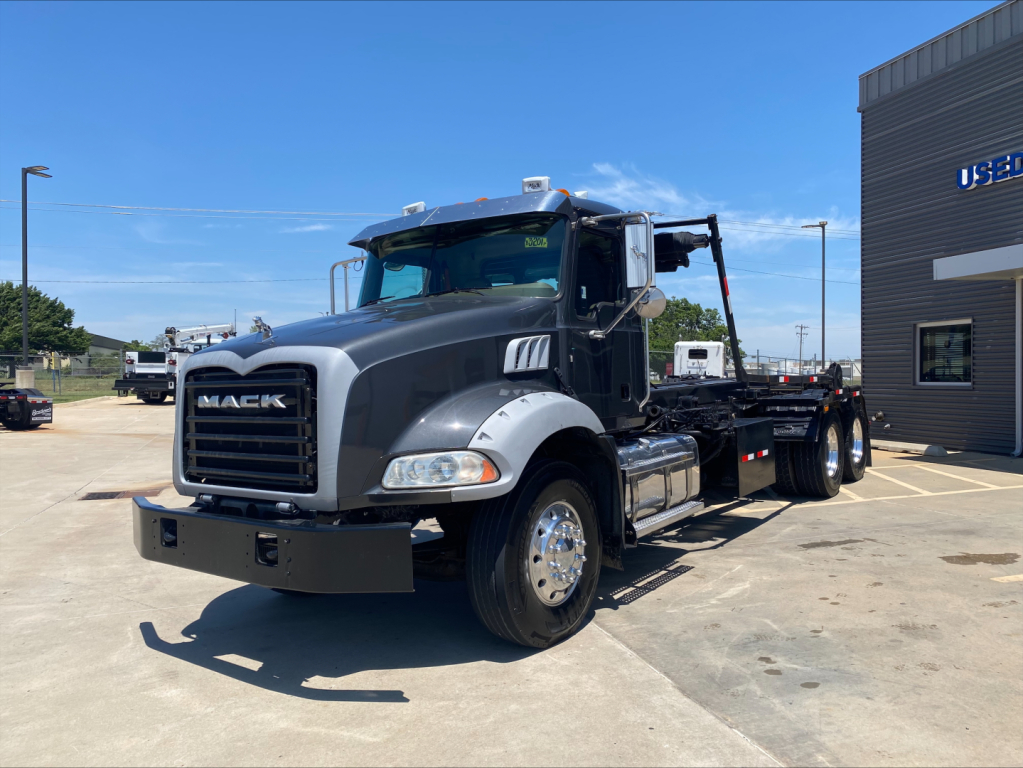
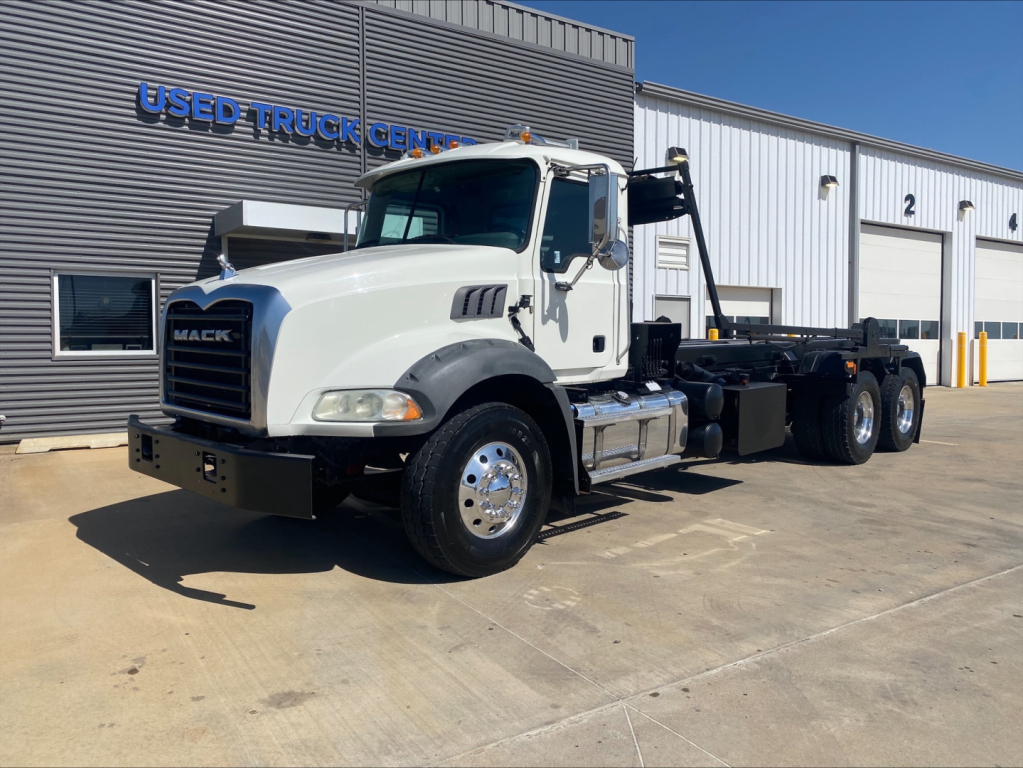
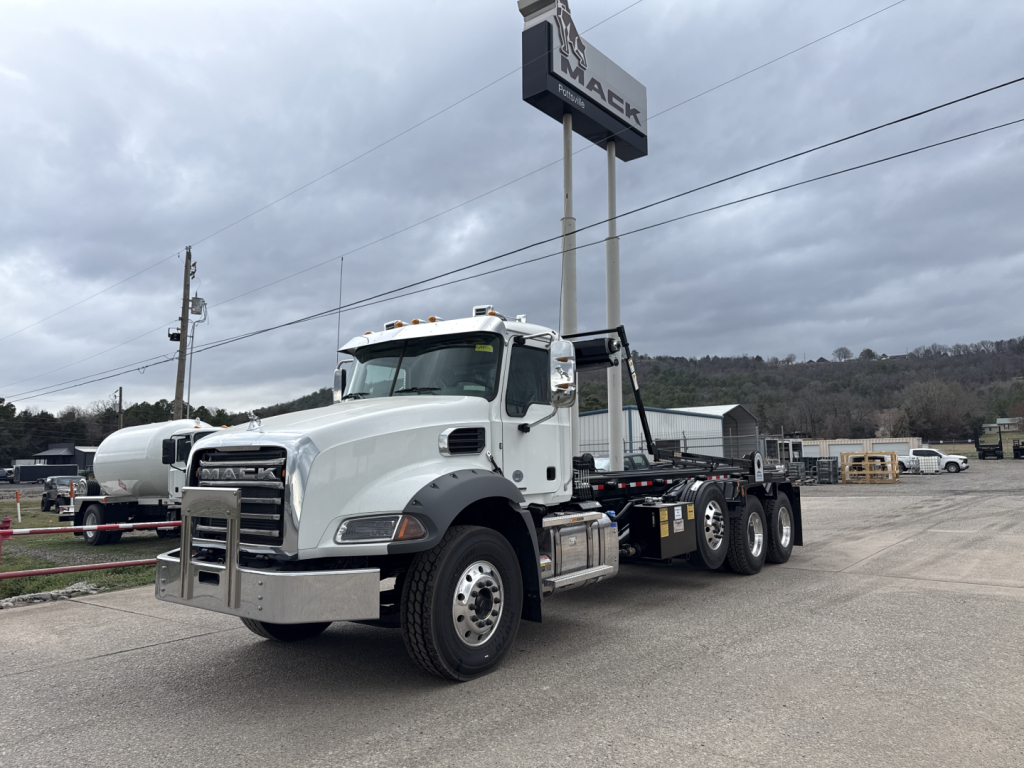
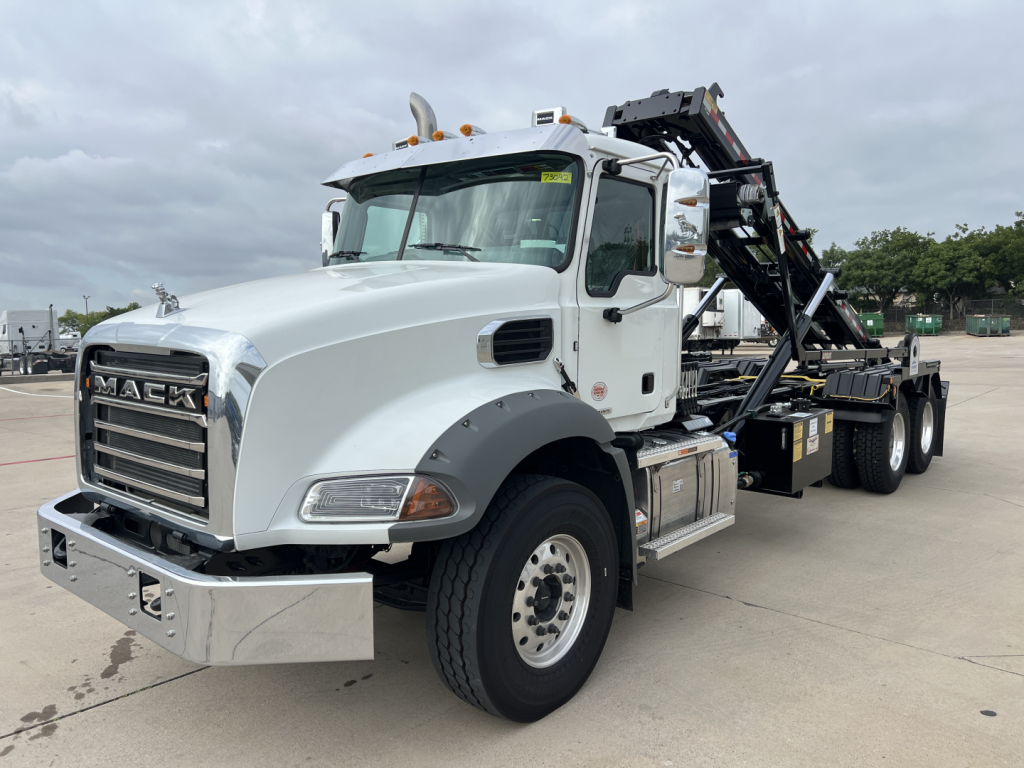
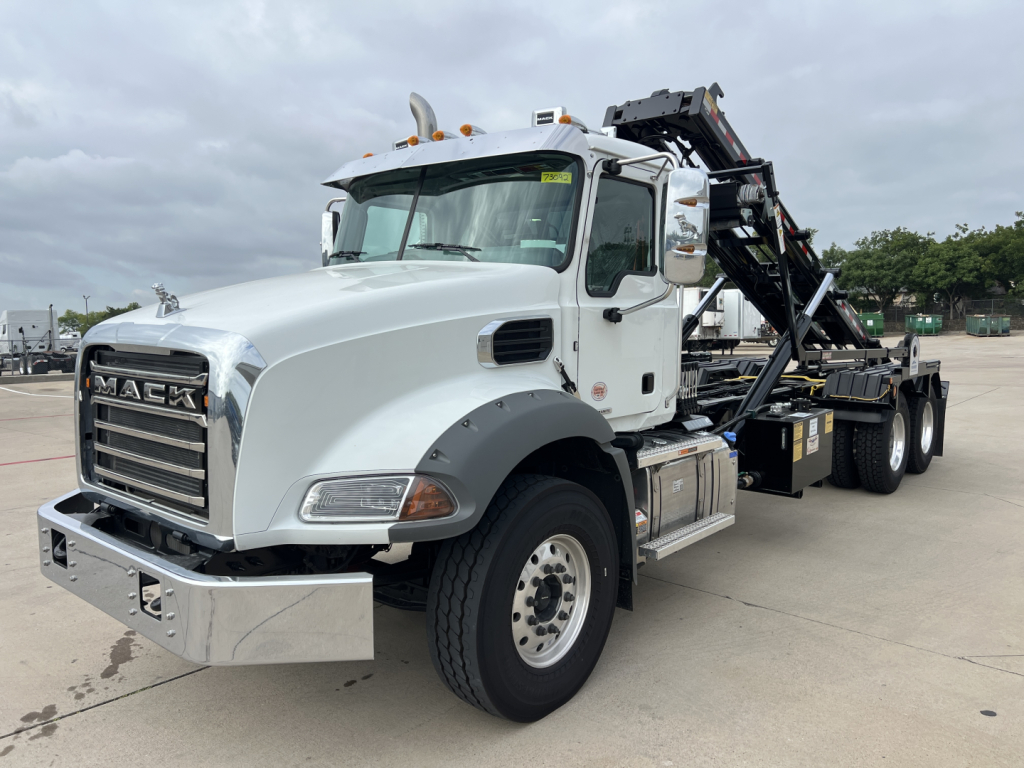
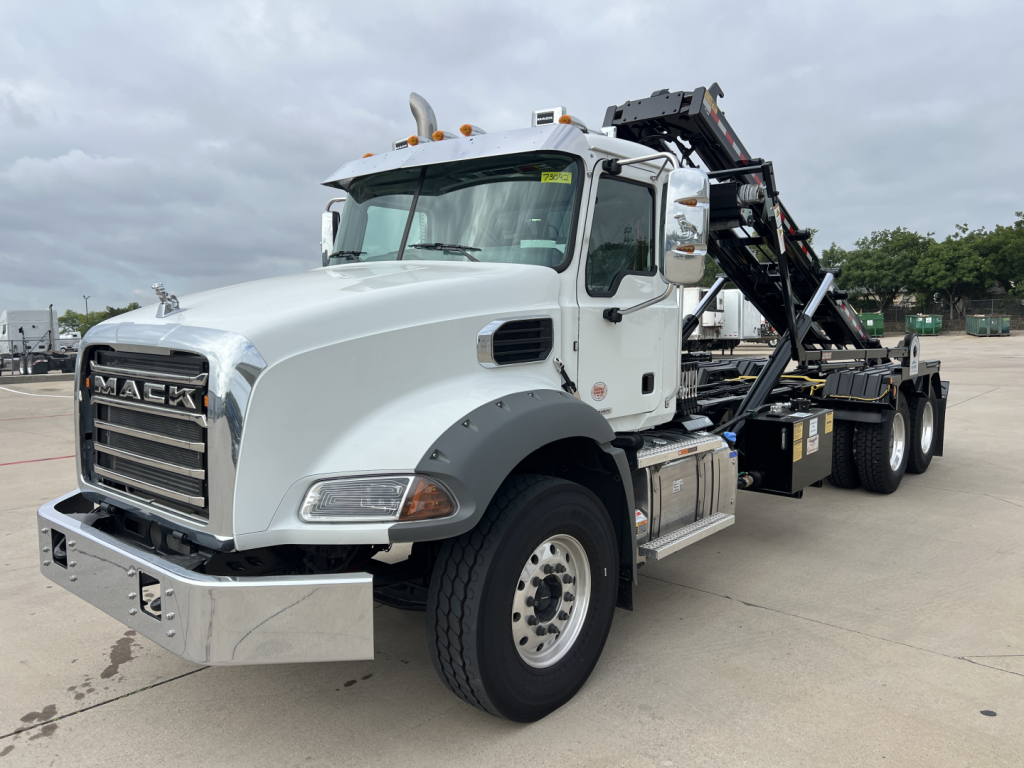
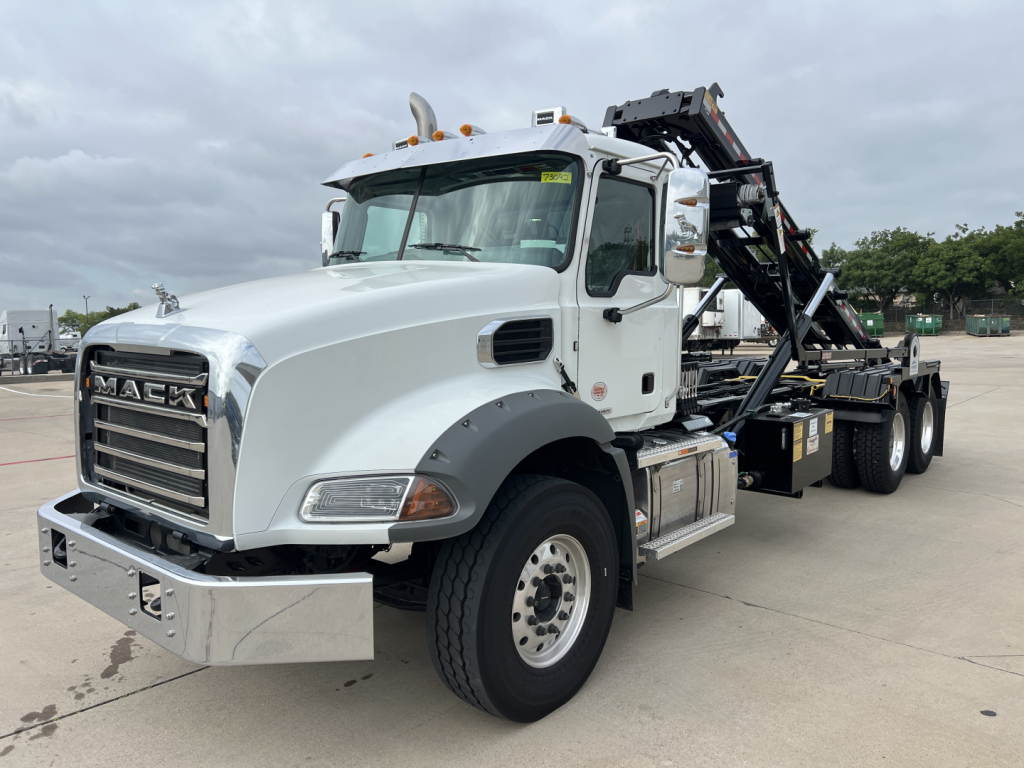
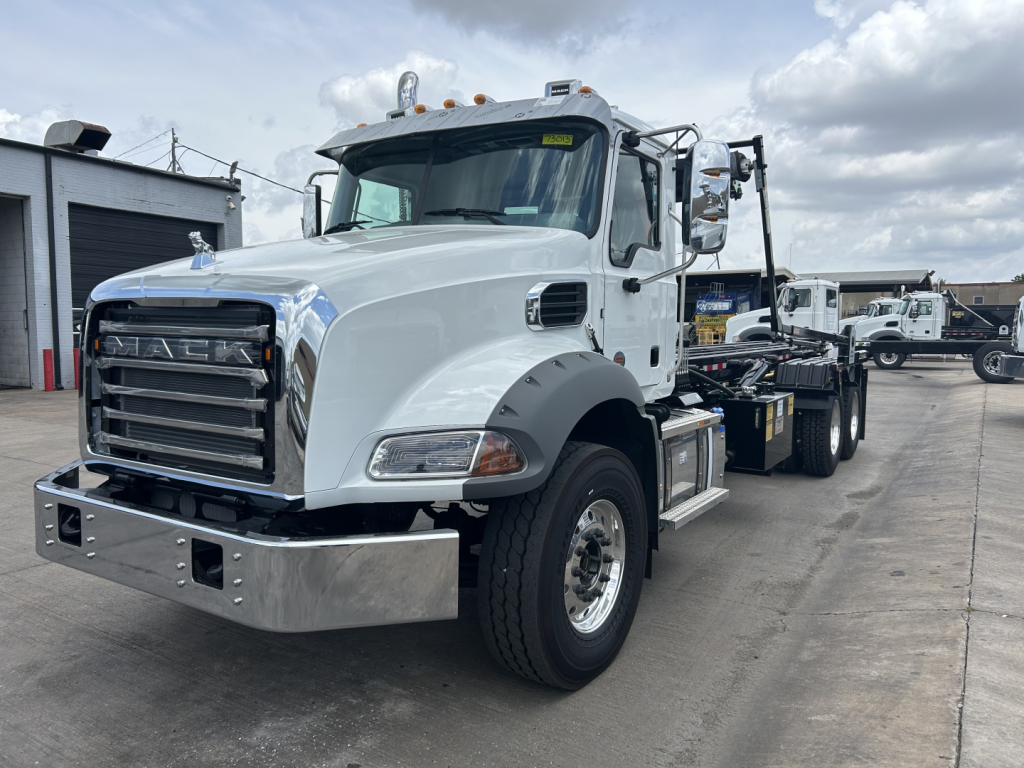
The first decision is usually hoist capacity and container length. Common rolloff hoists in this class fall around 50,000 to 75,000 pounds, with cable or hooklift-style systems depending on the body setup. Many Mack rolloff trucks are tandem-axle 6x4 units with heavy front axles, vocational rear suspensions, and deep gearing for jobsite starts and urban route work. Buyers should pay close attention to wheelbase, back-of-cab to end-of-frame dimensions, axle ratings, and suspension type because those specs directly affect hoist fitment, legal payload, and how well the truck handles loaded cans on uneven ground.
Powertrain choices on Mack rolloff trucks often center on diesel engines in the 330 to 450 horsepower range, paired with Allison automatic transmissions or manual and automated manual options depending on the application. Automatics are especially common in refuse and rolloff work because they reduce driver fatigue and hold up well in repetitive launch cycles. Rear axle ratios, tire size, and suspension setup all influence low-speed performance, bridge compliance, and maintenance costs. Buyers looking at used units should evaluate PTO operation, hydraulic condition, hoist wear points, crossmember integrity, frame repairs, and signs of container impact around the rails and tail area.
A well-spec'd Mack rolloff truck can serve construction debris fleets, municipal sanitation departments, scrap haulers, and waste operators that need dependable uptime in dense urban or mixed on-road and off-road conditions. Details such as double-frame sections, lift axle provisions, pintle setups, tarping systems, and in-cab controls can make a major difference in daily productivity. Mack has long been a strong fit for vocational truck buyers who prioritize rugged chassis design, straightforward serviceability, and components selected for severe-duty work rather than general over-the-road use.
Frequently Asked Questions about Mack Rolloff Trucks
What should I look for first when buying a Mack rolloff truck?
Start with the hoist rating, axle capacities, and wheelbase because those three items determine what containers the truck can legally and safely handle. A rolloff truck may have adequate engine power, but if the frame layout, suspension, or rear axle rating does not match the intended container size and material density, productivity and compliance both suffer. Buyers should also confirm the body manufacturer, hoist model, PTO setup, and back-of-cab measurement before focusing on secondary features.
Are Allison automatic transmissions a good choice for rolloff trucks?
Yes, Allison automatics are widely used in rolloff service because the job involves constant starts, stops, backing, and precise low-speed maneuvering. An automatic transmission reduces driver workload, delivers smooth power engagement to the hoist and drivetrain, and generally performs well in urban and vocational cycles. For fleets with multiple drivers or demanding route density, an Allison-equipped Mack rolloff is often a practical and durable configuration.
What axle configuration is most common on a Mack rolloff truck?
The most common setup is a tandem-axle 6x4 chassis with a heavy front axle and dual rear drive axles. This configuration supports the weight of loaded containers while providing traction and stability on transfer stations, jobsites, and uneven surfaces. Some trucks may include lift axles or bridge-friendly specs to improve payload distribution, but the tandem vocational chassis remains the standard starting point for most rolloff applications.
How much hoist capacity do Mack rolloff trucks usually have?
Many Mack rolloff trucks are equipped with hoists rated in the 50,000 to 75,000 pound range, though the exact rating depends on the body builder and intended application. A higher hoist rating does not automatically mean a better truck, because the total package must match container length, axle capacity, and legal operating weight. The right hoist spec depends on whether the truck is handling light construction debris, dense scrap, municipal waste, or specialty containers.
What are the main wear areas to inspect on a used Mack rolloff truck?
Key inspection points include the hoist rails, rollers, cable or hook components, hydraulic cylinders, PTO engagement, and any frame reinforcement or repair history. Buyers should also look for cracking around crossmembers, damage at the rear tail section from container impacts, suspension wear, and signs that the truck has spent extensive time overloaded or off road. A careful inspection of the hydraulic system and body mounting points is just as important as reviewing engine and transmission condition.