
Mack Rolloff Trucks For Sale in New Mexico
Browse Mack rolloff trucks for sale in New Mexico. Compare hoist capacity, axle specs, PTO setups, and chassis configurations for waste work.
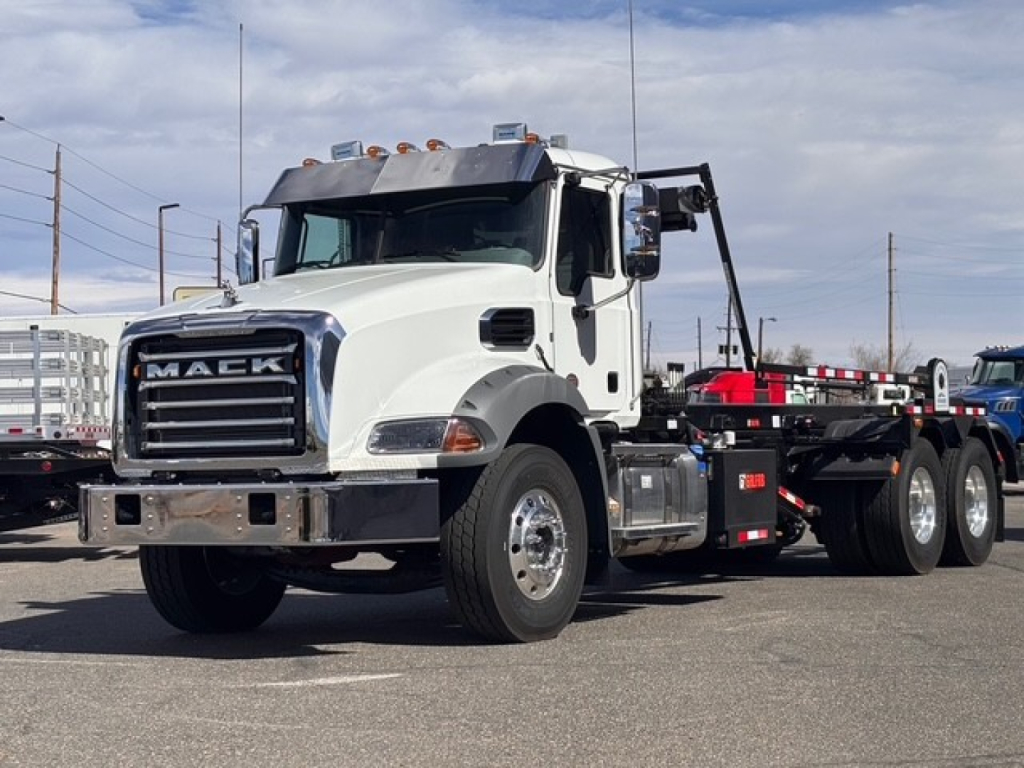
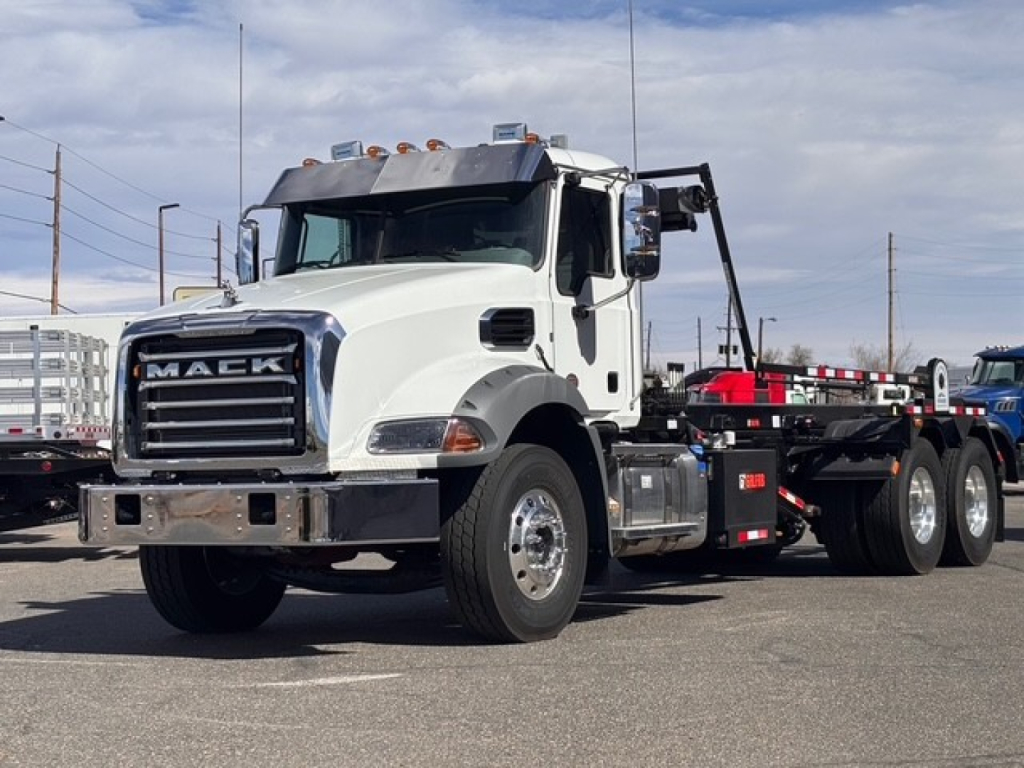

Selling a mack rolloff truck? List your mack rolloff truck for sale and reach thousands of commercial buyers.
Mack Rolloff Trucks in New Mexico
The main buying decision starts with the hoist and chassis match. Roll off trucks are commonly spec'd around cable hoists or hooklift-style systems, though traditional rolloff cable systems remain common for refuse and debris applications. Key considerations include hoist capacity, rail length, container compatibility, outside rail width, and the balance between legal payload and durability. Buyers should also look closely at wheelbase, rear overhang, PTO and hydraulic setup, lift axle configuration, and rear axle ratio. On a Mack chassis, engine and transmission combinations are typically chosen for low-speed pulling power, frequent starts, and dependable PTO performance rather than highway speed alone.
For New Mexico operations, terrain and service area matter. A truck working Albuquerque transfer routes may need different gearing and axle placement than one handling construction debris in oilfield-adjacent regions or rural municipal work. Traction options, driver-controlled locking differentials, and suspension design can make a real difference on loose surfaces and uneven access roads. Cab-to-axle dimensions also matter because they affect hoist fitment and the container lengths the truck can safely load, transport, and dump. Common buyer checkpoints include frame reinforcement, hydraulic tank placement, tarp system compatibility, backup camera integration, and how easily the body builder package supports future service.
Mack rolloff trucks are also known as roll-off trucks or container handling trucks, and they are typically bought for waste hauling, recycling, scrap, C&D debris, and temporary site container service. The best spec is the one that matches your container fleet, route density, gross weight targets, and maintenance model. Buyers comparing listings should focus less on badge alone and more on the complete vocational package: front axle capacity, tandem or tridem arrangement, brake type, fuel tank placement, body control layout, and access to service support. A properly spec'd Mack rolloff truck can deliver long frame life, predictable hydraulic performance, and better uptime in hard daily service.
Frequently Asked Questions about Mack Rolloff Trucks in New Mexico
What should I look for first when buying a Mack rolloff truck?
Start with the hoist and container compatibility. The truck must match the container lengths, rail width, and weight range used in your operation. After that, review axle ratings, wheelbase, PTO and hydraulic specifications, suspension, and cab-to-axle dimensions. On a Mack rolloff truck, the value is in how well the chassis and hoist are matched for your route, payload, and duty cycle.
Are Mack rolloff trucks a good fit for heavy vocational use?
Yes. Mack chassis are commonly selected for severe-duty and vocational applications because of their frame strength, steering durability, and ability to handle repeated loading cycles. In rolloff service, that matters because the truck sees frequent stops, uneven approach angles, shifting loads, and regular PTO-driven hydraulic work. A properly spec'd Mack can be a strong choice for waste, demolition, scrap, and municipal container hauling.
How important is axle configuration on a rolloff truck?
Axle configuration is one of the most important spec decisions because it affects legal payload, maneuverability, bridge compliance, and off-road stability. A tandem setup may suit many container routes, while lift axles or heavier rear axle ratings may be needed for denser materials or stricter weight distribution requirements. Buyers should match axle layout to local regulations, container size, and the actual material being hauled rather than choosing by price alone.
What New Mexico operating conditions should affect my spec?
New Mexico buyers should account for heat, elevation, mixed pavement quality, and longer travel distances between stops or disposal sites. Cooling capacity, gearing, traction aids, and suspension tuning can all affect performance and uptime. If the truck will work on construction sites, rural roads, or transfer station approaches, ground clearance and differential options deserve added attention.
What is the difference between a rolloff truck and a hooklift truck?
A rolloff truck usually uses a cable hoist system to load and unload rolloff containers on rails, while a hooklift uses a hydraulic hook arm to pick up compatible bodies or bins. Roll off systems are common in waste and debris hauling where standardized containers are used. Hooklifts offer more body versatility, but container compatibility and application requirements should determine which system makes more sense for the fleet.