
2026 Mack Rolloff Trucks For Sale
Shop 2026 Mack rolloff trucks with Granite specs, heavy-duty hoists, strong axle ratings, and vocational setups for waste and scrap work.
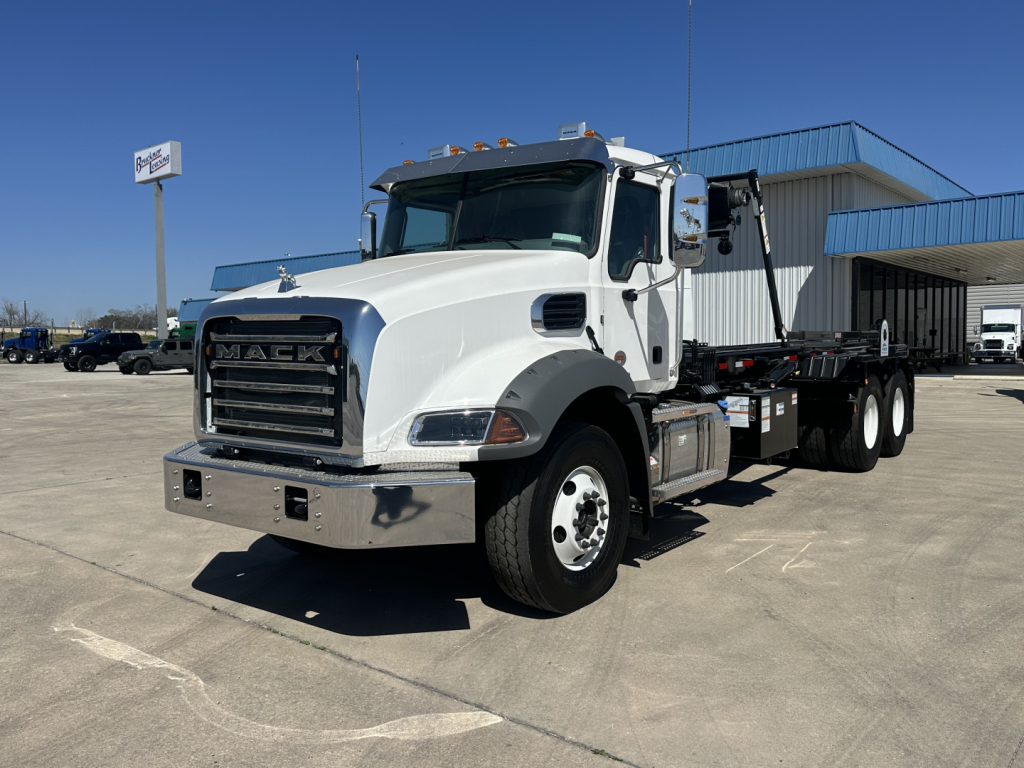
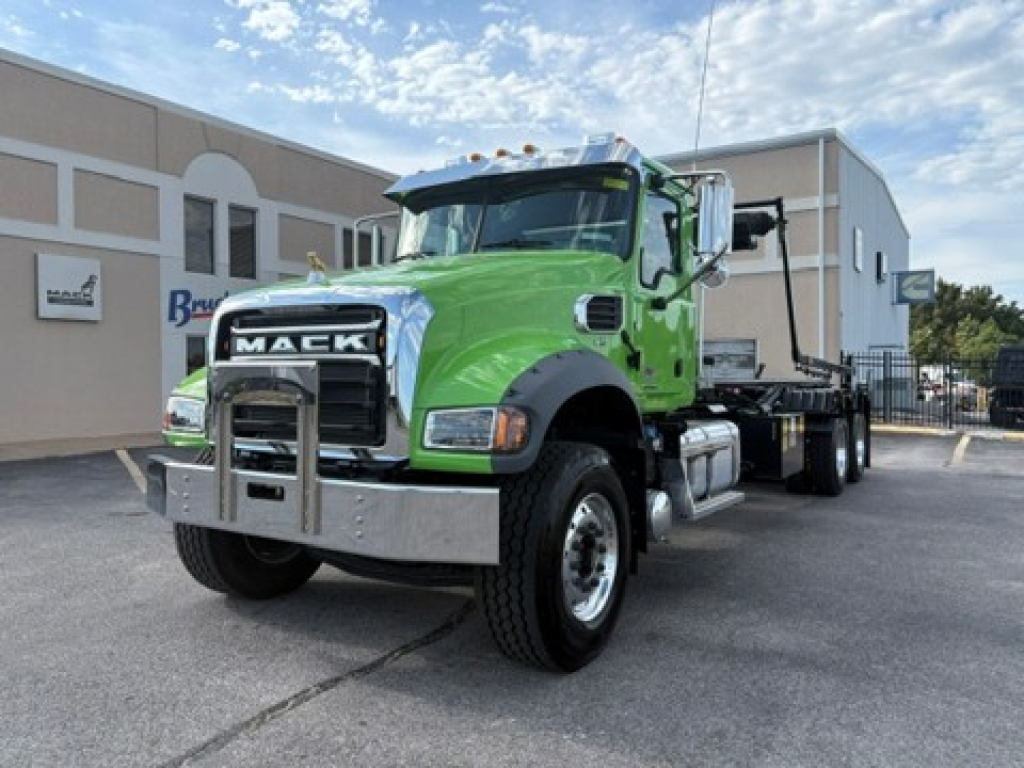
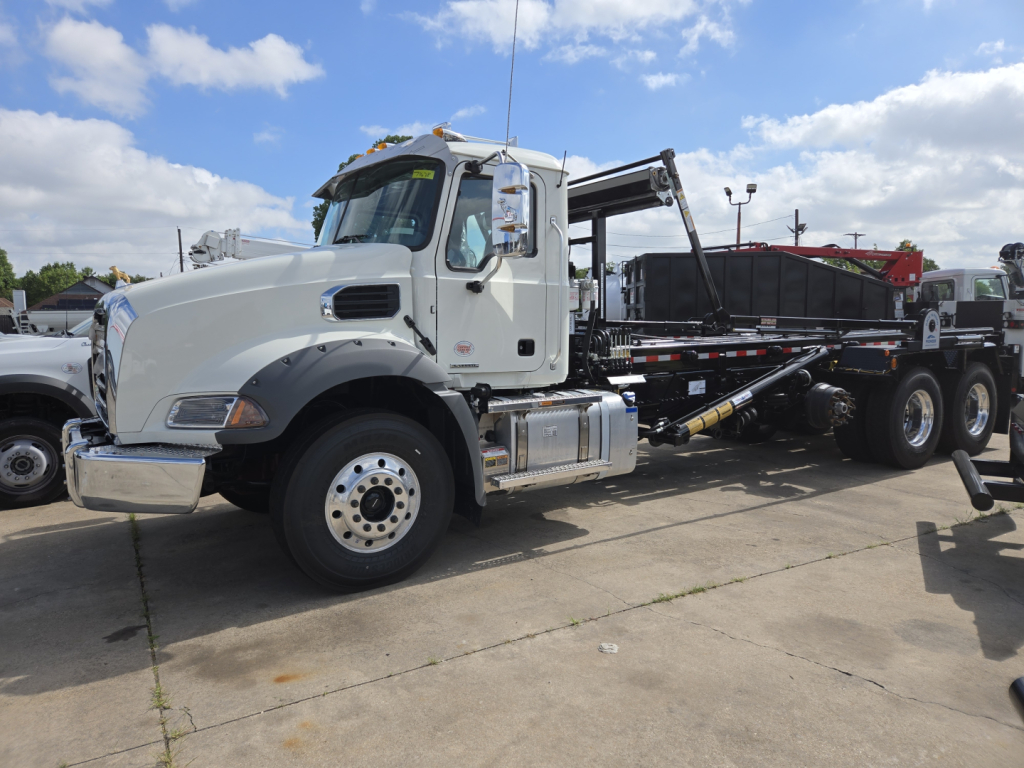
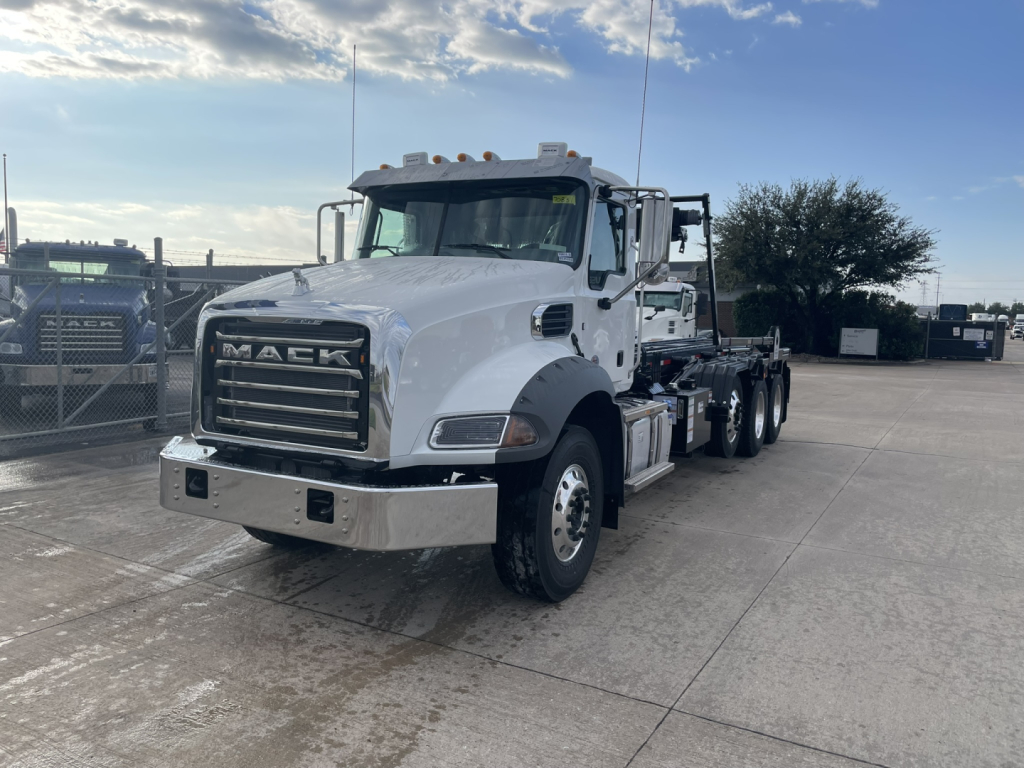
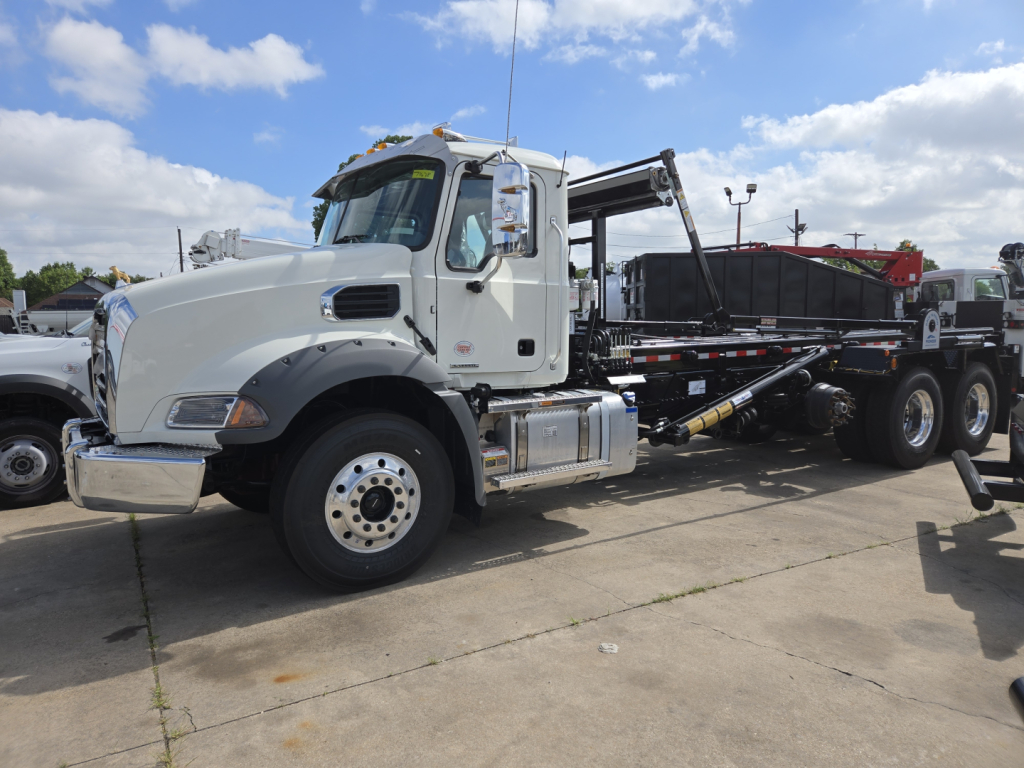
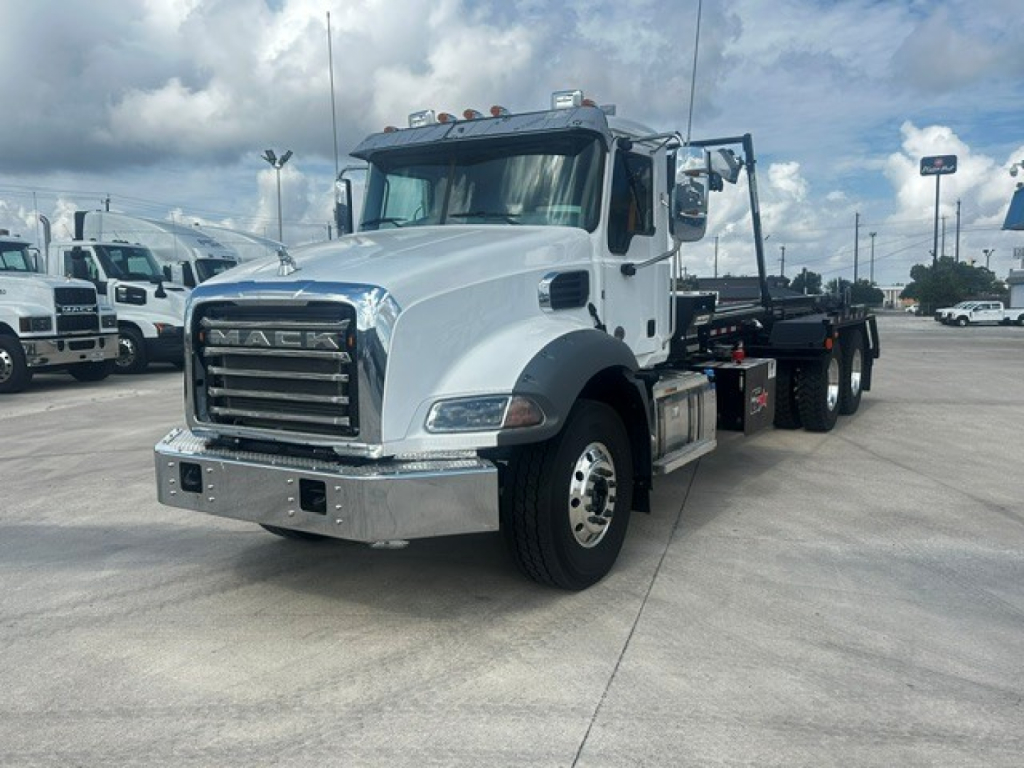
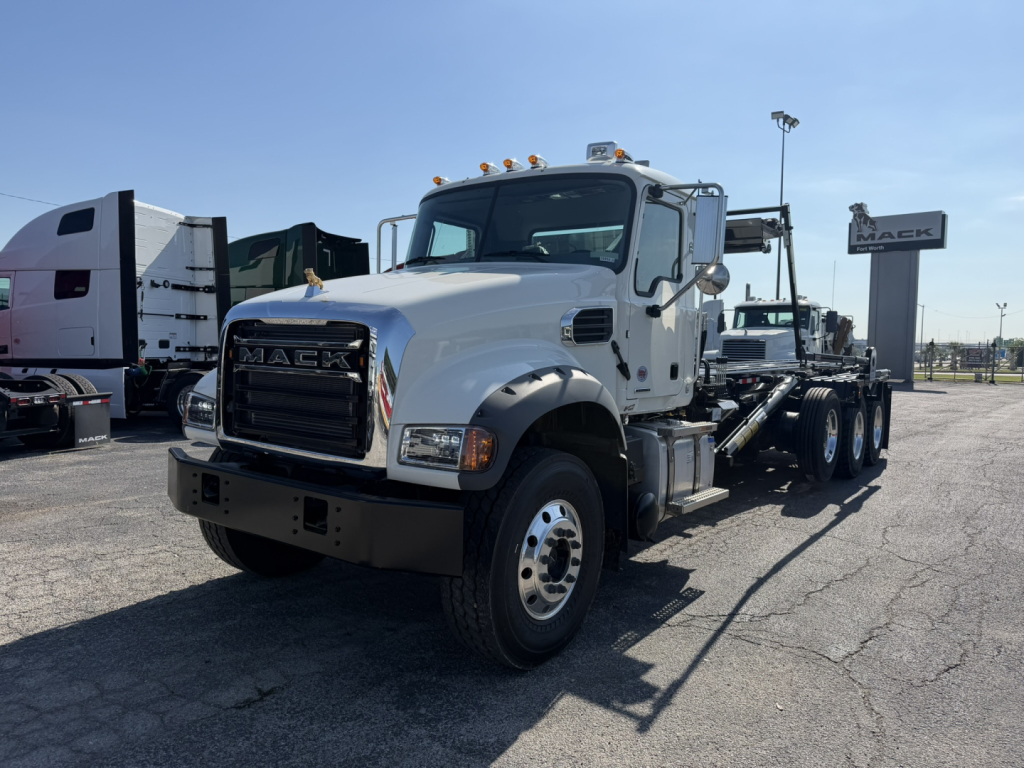
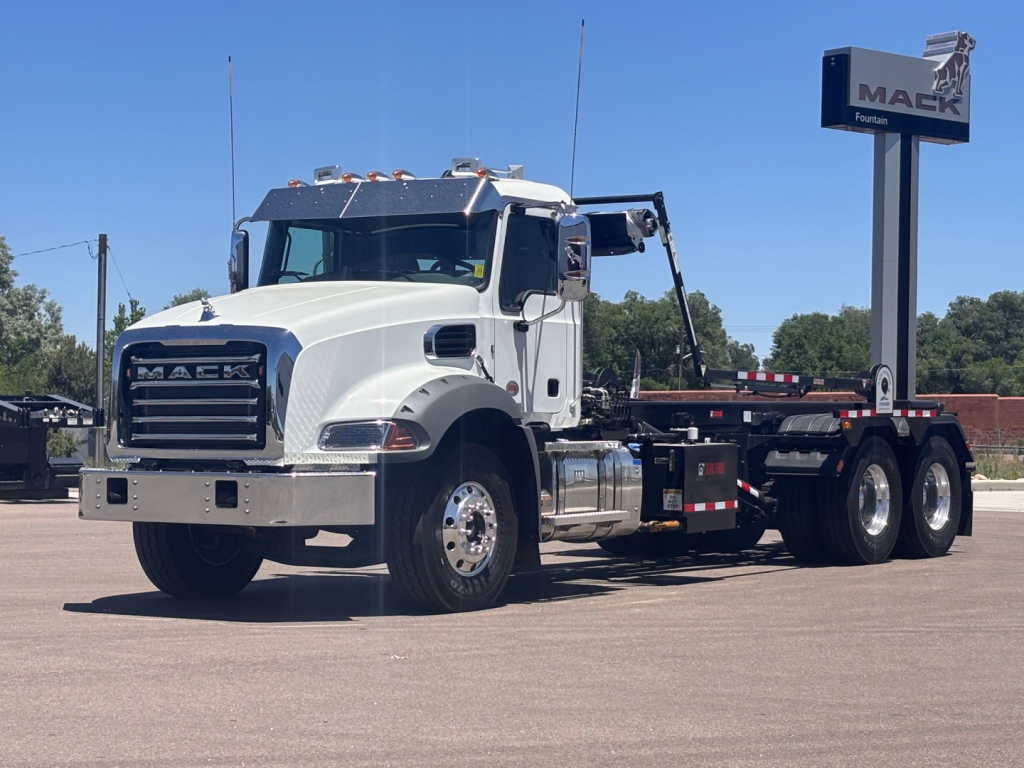
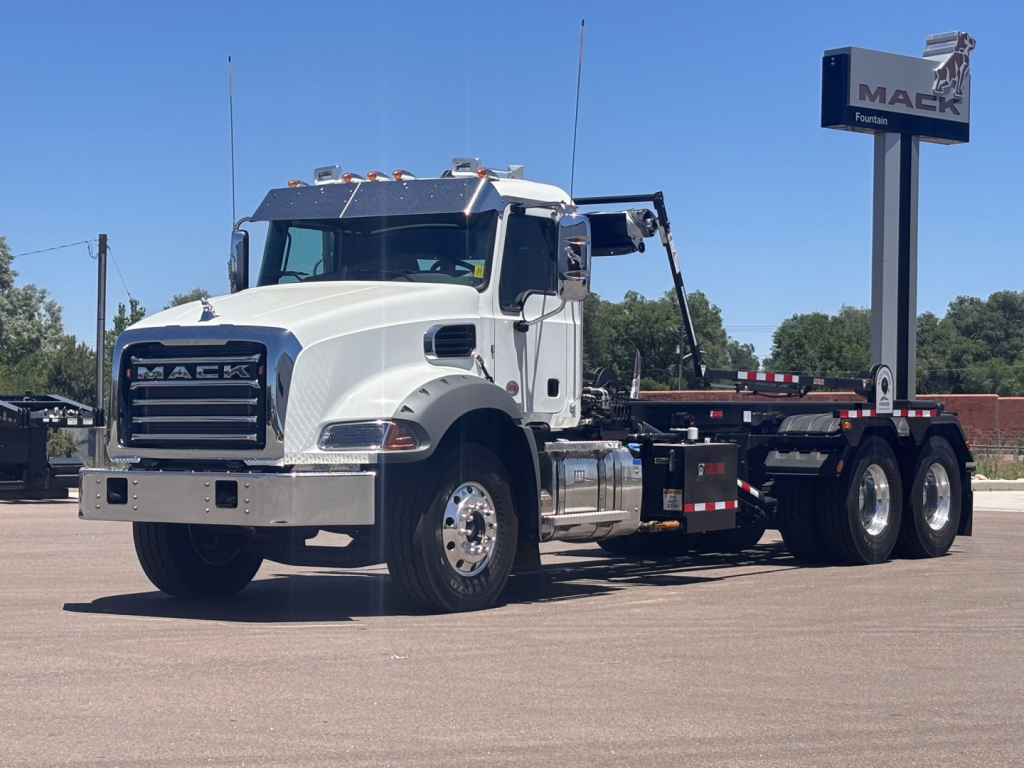
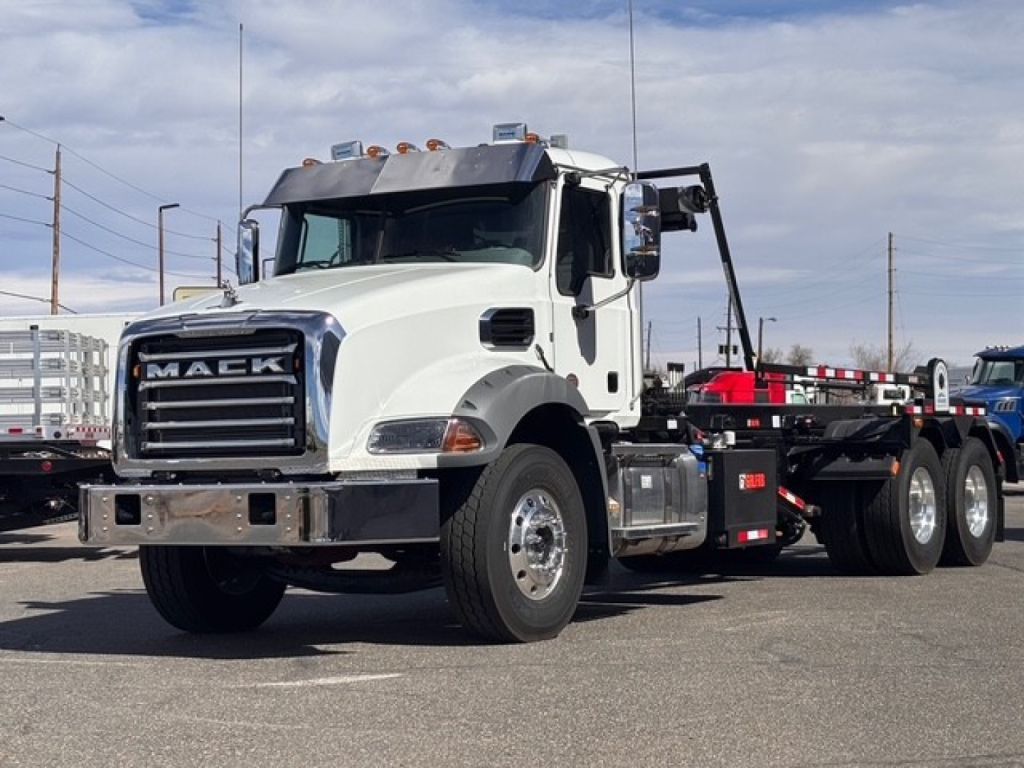
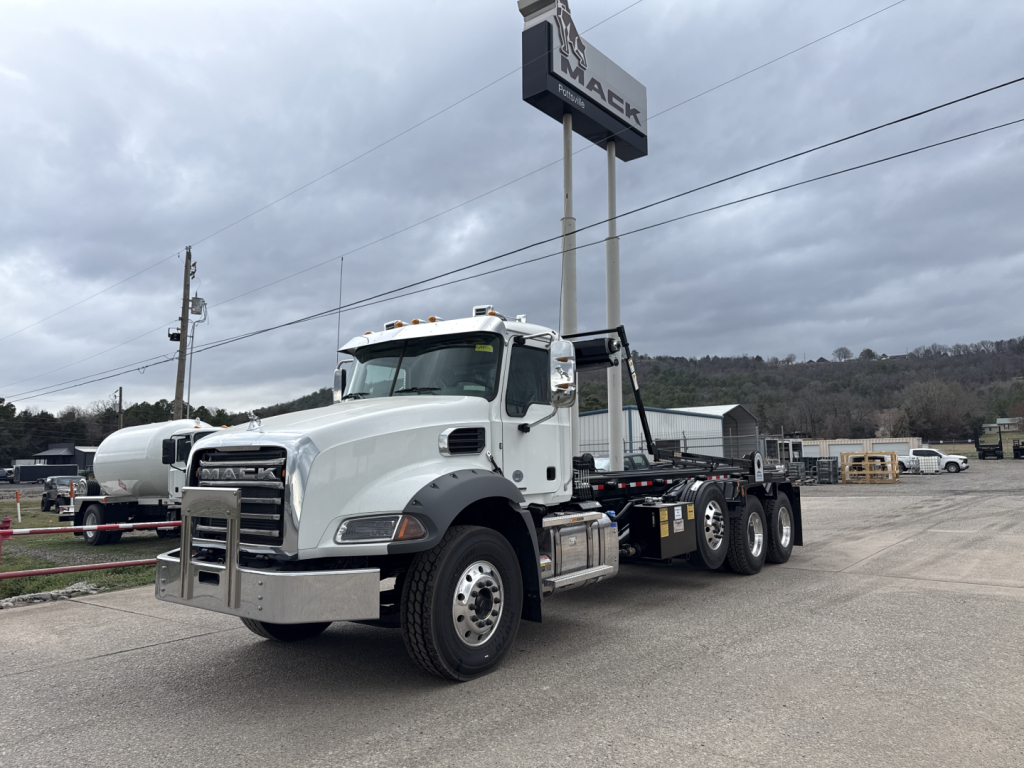
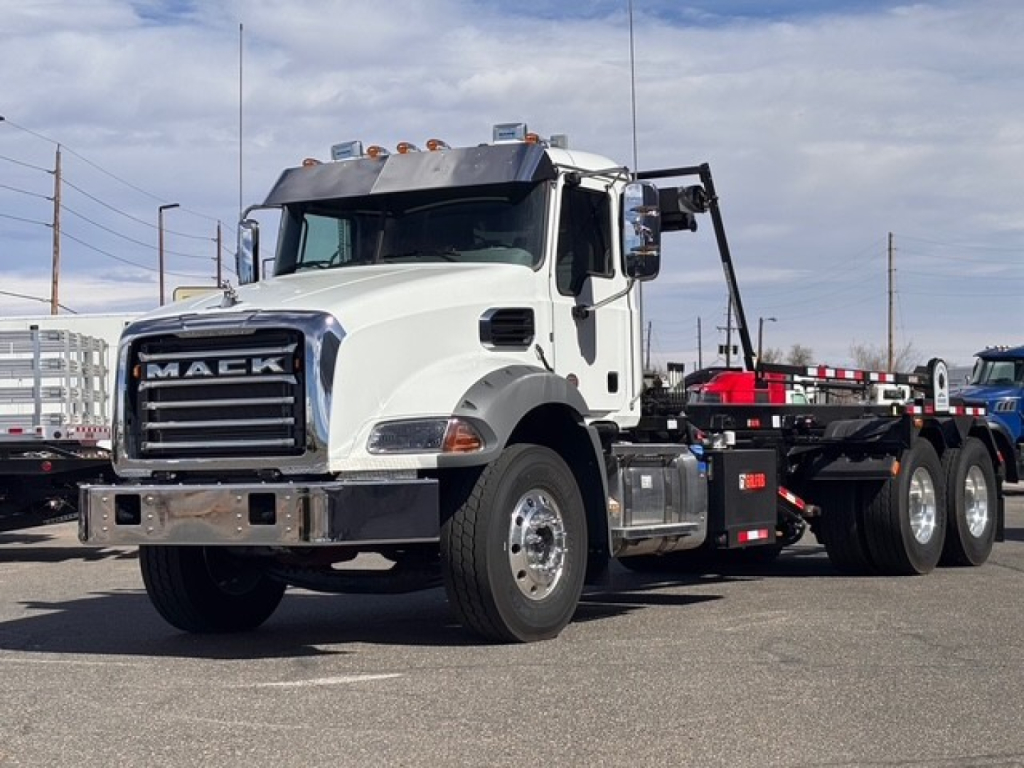
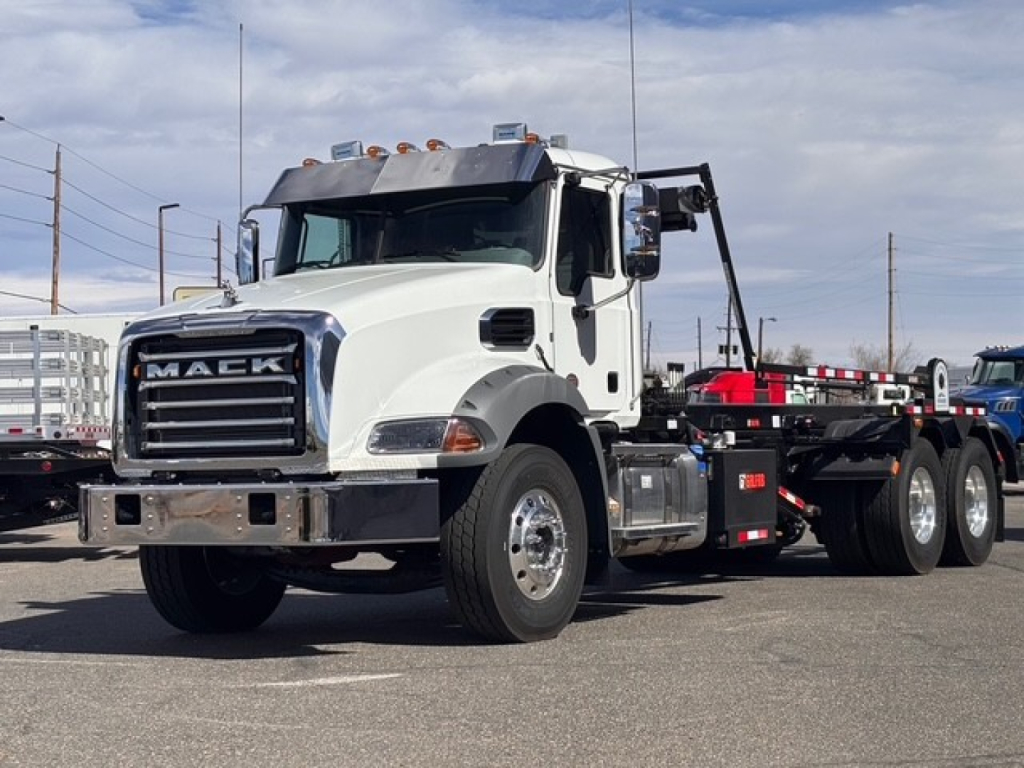
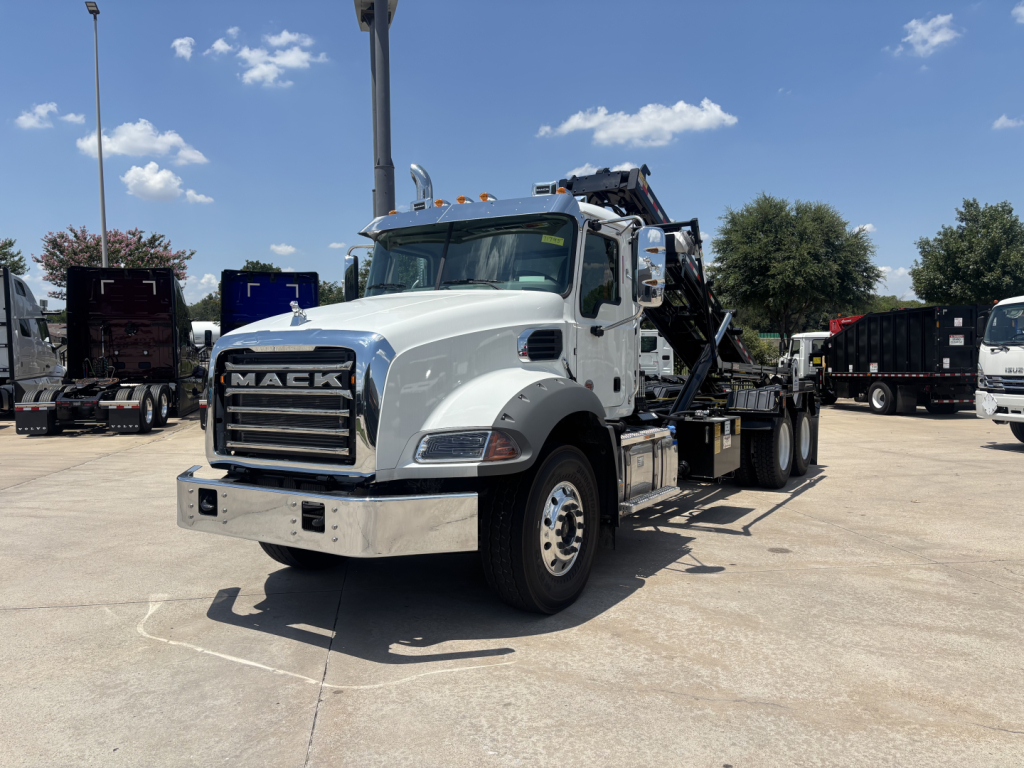
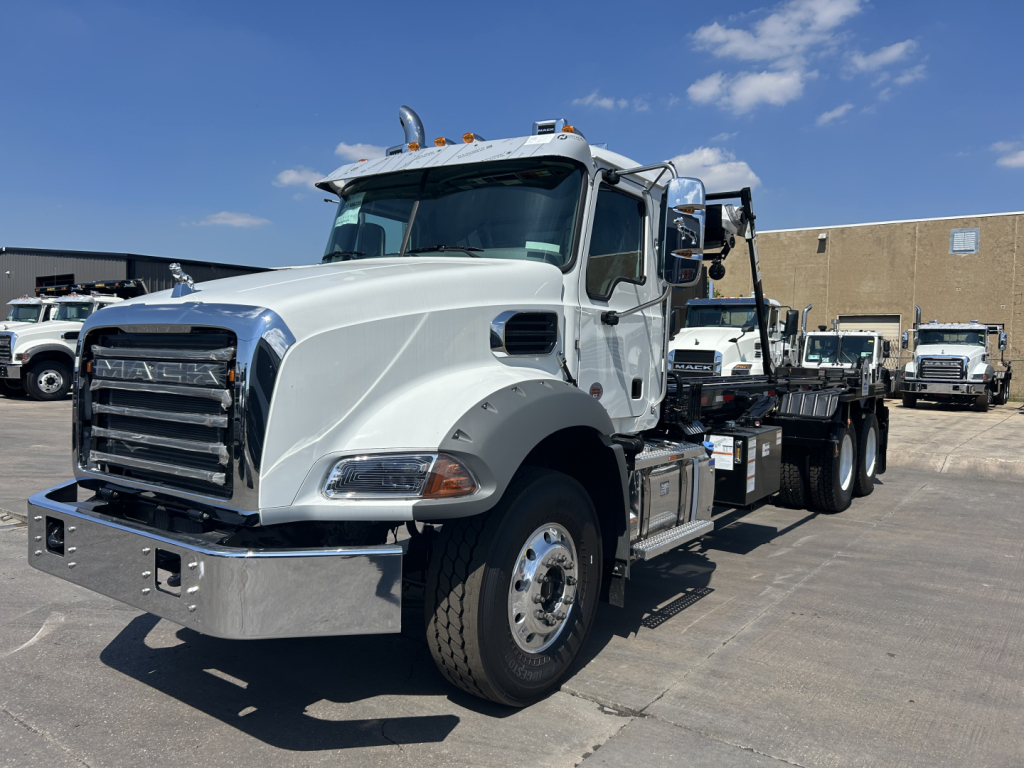
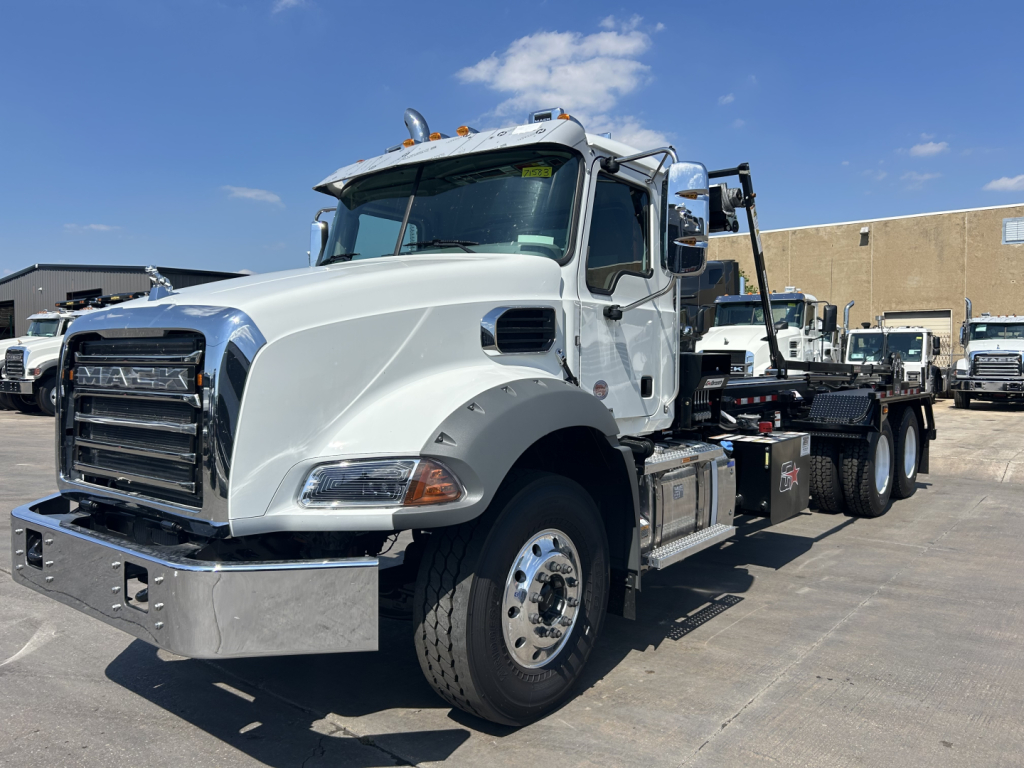
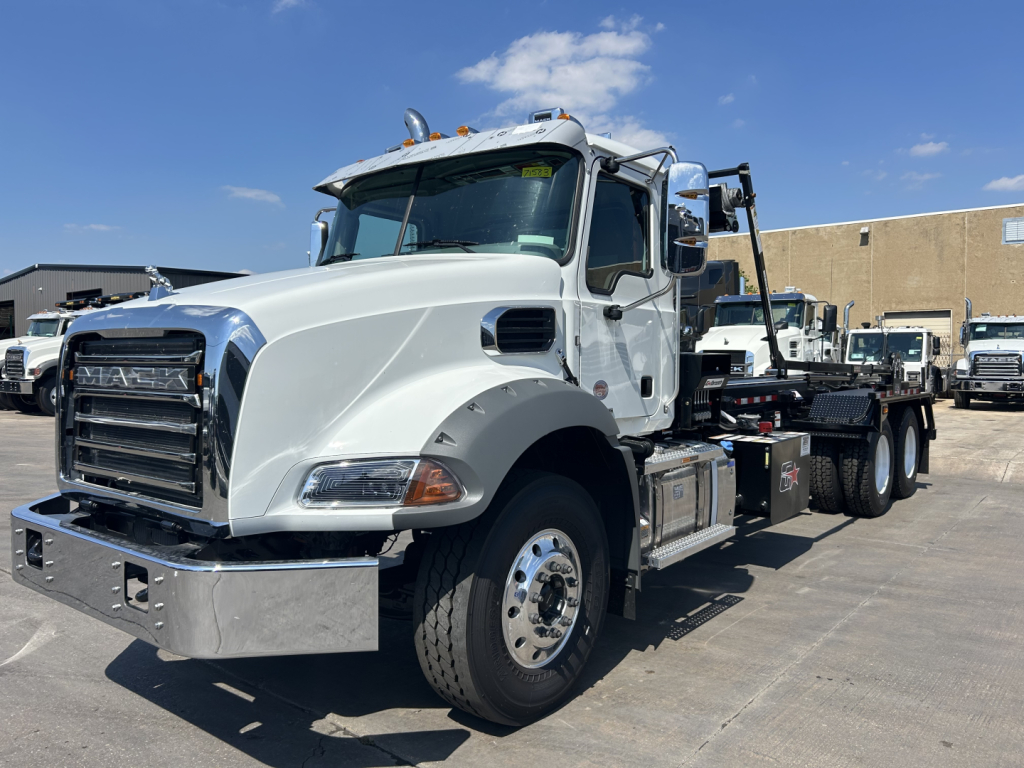
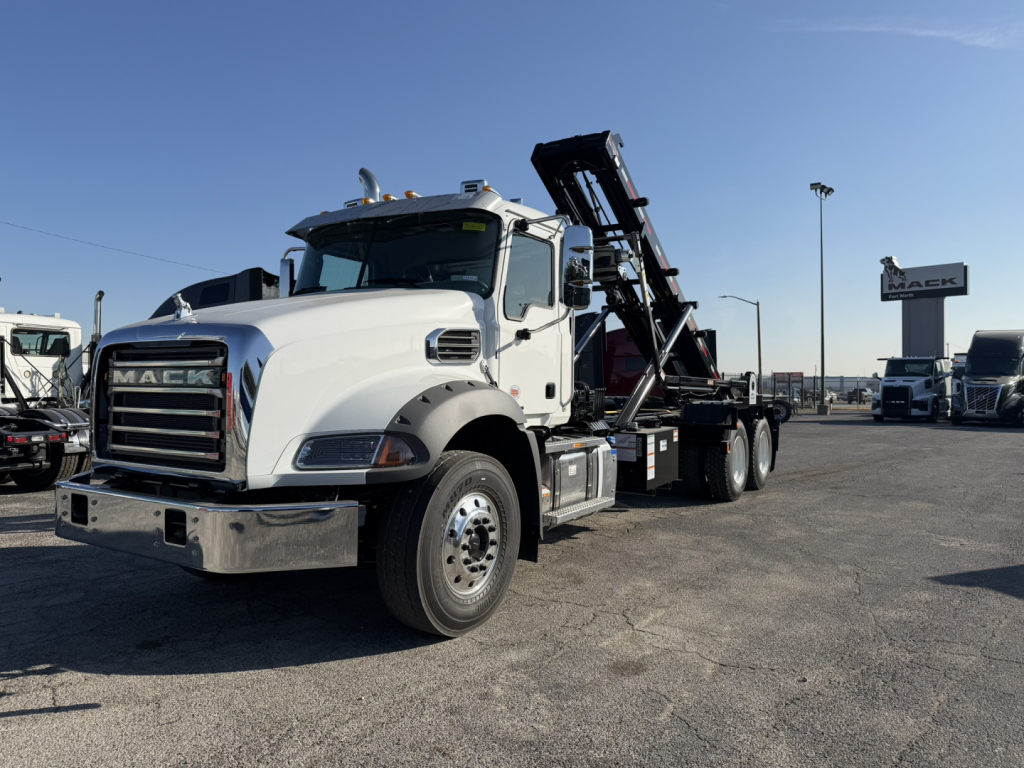
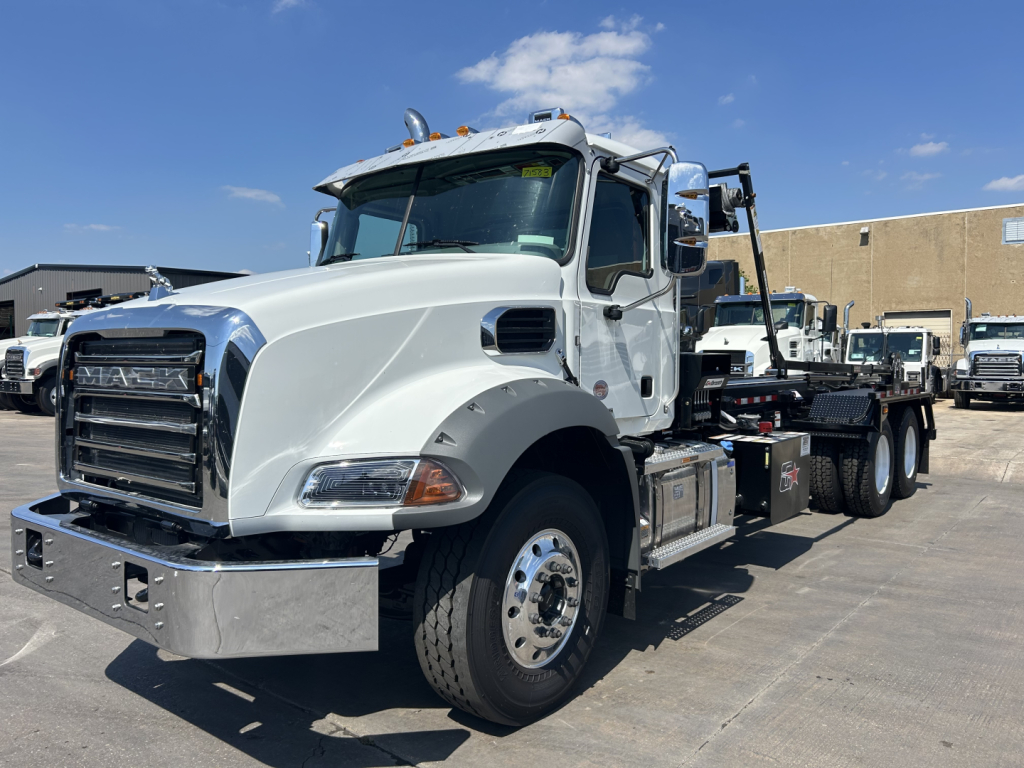
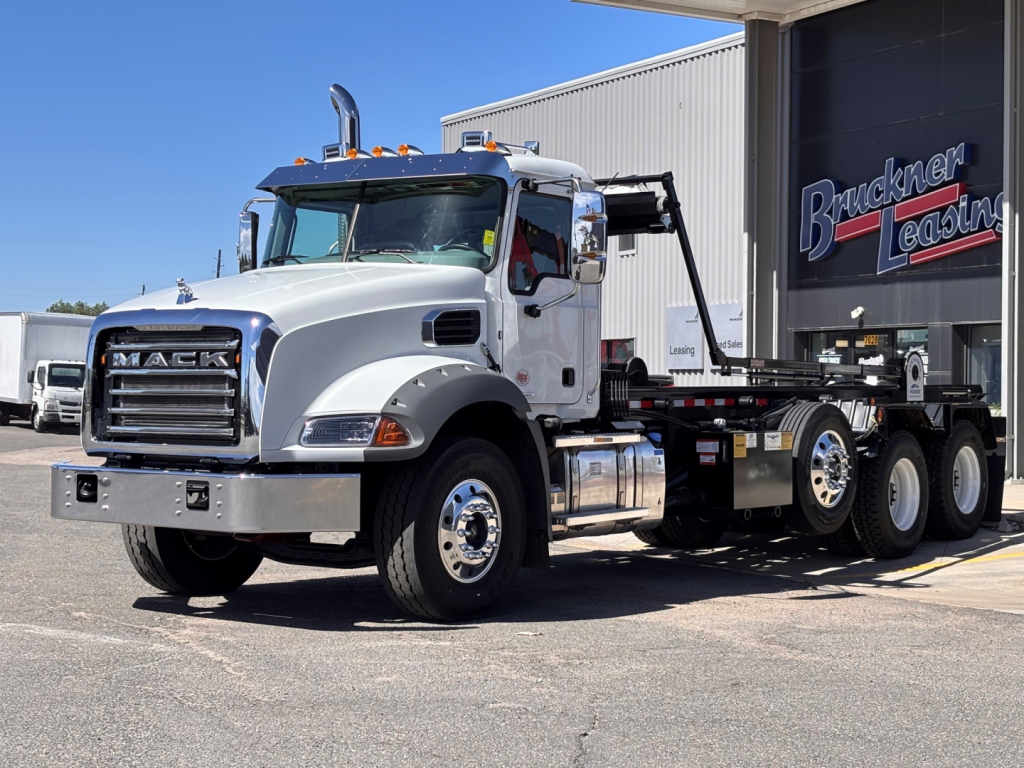
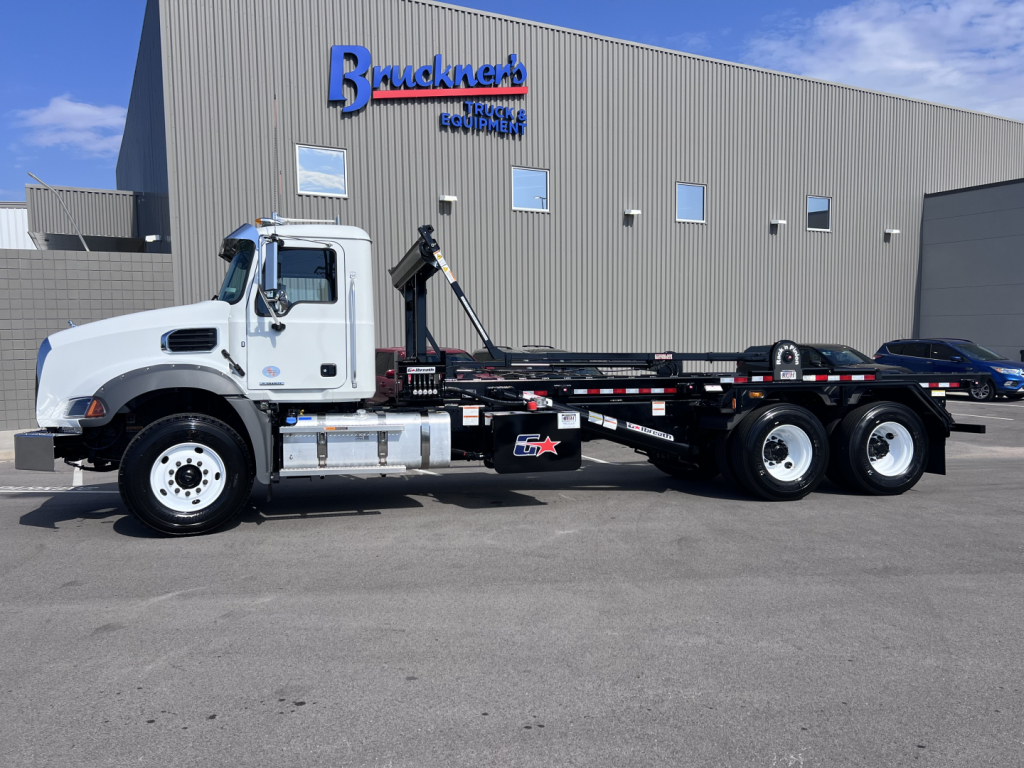
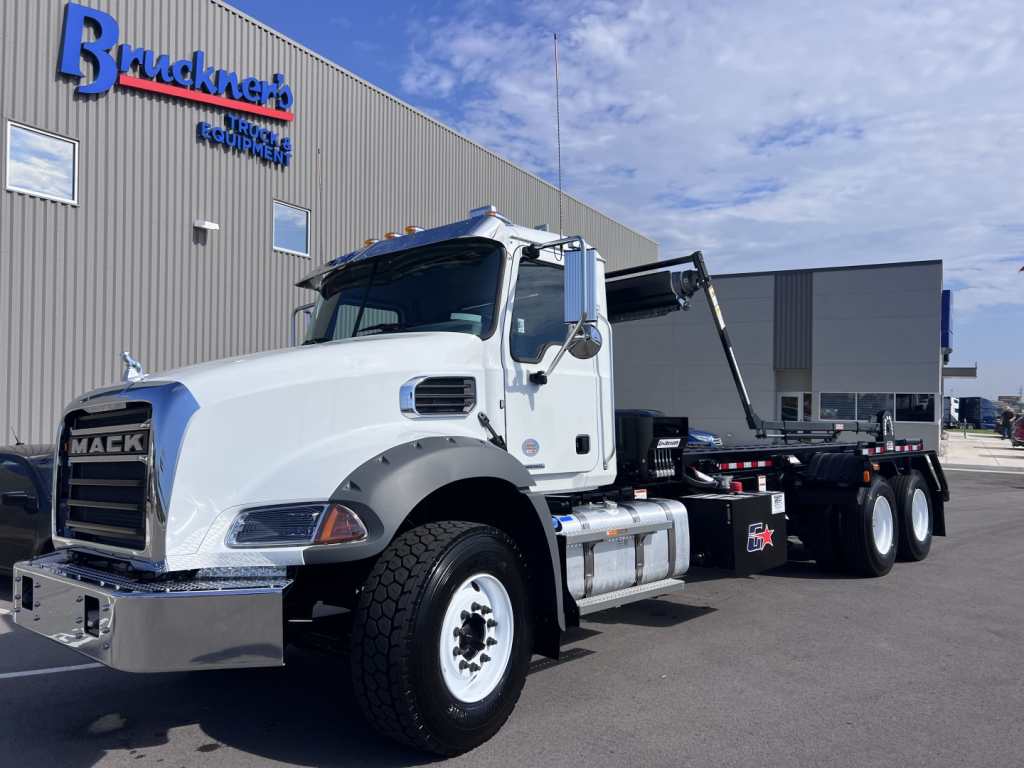

Selling a 2026 mack rolloff truck? List your 2026 mack rolloff truck for sale and reach thousands of commercial buyers.
2026 Mack Rolloff Trucks
Powertrain matters on a rolloff because the truck spends its life starting, stopping, backing, and pulling loaded cans in tight spaces. Mack MP8 engines in the mid-400 HP range are common on newer Granite rolloff builds, and buyers will often compare an Allison automatic against Mack mDRIVE or other automated manual options. Allison transmissions are popular for urban stop-and-go routes and precise low-speed control at the container, while automated manuals can appeal to fleets focused on fuel economy and highway transfers. Rear axle ratios, interwheel differential locks, PTO setup, and hydraulic performance are all worth close attention because they directly affect gradeability, hoist speed, and jobsite traction.
Chassis spec is just as important as the hoist. Front axle ratings around 20,000 lb and rear ratings in the 40,000 to 50,000 lb range are common in heavy vocational applications, with suspension choices like Mack Camelback still valued for durability in rough service. Double-frame construction, outside rails, tarping systems, and remote controls are common features buyers look for when comparing rolloff trucks. Wheelbase and cab-to-axle dimensions should match the container sizes and hoist geometry you plan to run, since a mismatch can limit loading angle, body length, or legal axle spread. On newer trucks, many buyers also look for heated mirrors, power conveniences, and better interior trim because driver retention matters even in severe-service applications.
A good Mack rolloff truck is selected around the work it will perform most often, not just maximum rated capacity. Waste fleets may prioritize fast cycle times, automatic transmissions, and easy in-cab operation. Scrap and demolition operators may put more value on frame strength, suspension durability, and heavy hoist hardware. If the truck will run dense urban routes, turning radius, visibility, and axle placement deserve extra attention. If it will spend time on regional transfers, fuel capacity, gearing, and ride quality become more important. The best comparison between listings is usually not brand reputation alone, but how well the truck’s hoist, wheelbase, axle package, and drivetrain fit your container lengths, route density, and legal weight targets.
Frequently Asked Questions about 2026 Mack Rolloff Trucks
What hoist capacity is common on a Mack rolloff truck?
Many Mack rolloff trucks are spec'd with 60,000 lb class hoists, which is a common rating for waste, scrap, and construction container work. The right capacity depends on the container sizes you handle, the material being hauled, and local weight laws. A higher-rated hoist can add versatility, but buyers should also confirm frame spec, axle ratings, and hydraulic setup because hoist capacity alone does not determine real-world performance.
Is an Allison automatic or mDRIVE better for a rolloff application?
Both can work well, but they suit different operating patterns. Allison automatics are often preferred for frequent stop-and-go driving, backing into tight spots, and smooth low-speed control during container pickup and placement. Mack mDRIVE and other automated manual transmissions can be attractive when fuel economy and road-speed efficiency matter more, especially for fleets that combine urban work with longer transfer runs.
What should buyers check in the chassis spec of a rolloff truck?
The key chassis items are front and rear axle ratings, suspension type, wheelbase, cab-to-axle dimension, frame reinforcement, and axle configuration. Those specs determine legal payload, durability, turning characteristics, and whether the hoist and body geometry will work with your container lengths. Buyers should also confirm PTO and hydraulic compatibility, since reliable hoist operation depends on the complete truck and body package working together.
Are Mack Granite rolloff trucks a common choice for waste and scrap fleets?
Yes. The Mack Granite is a well-known vocational chassis in rolloff service because it is designed for severe-duty work and can be ordered with heavy front axles, tandem rears, lift axles, durable suspension options, and engines suited to repeated starts under load. Its popularity also means buyers can often compare familiar specifications across listings, which makes it easier to evaluate axle package, transmission choice, and hoist brand.
How important are wheelbase and cab-to-axle measurements on a rolloff truck?
They are critical because they affect body fit, axle spread, turning radius, and how the truck handles different container lengths. A truck with the wrong wheelbase or cab-to-axle measurement may limit hoist installation options or create problems with weight distribution once the container is loaded. Buyers should match these dimensions to their typical can sizes, route conditions, and state bridge law requirements before focusing on convenience features.