
2026 Mack Rolloff Trucks For Sale in Texas
Shop 2026 Mack rolloff trucks in Texas. Compare hoist capacities, axle specs, PTO setups, and chassis options for waste and container work.
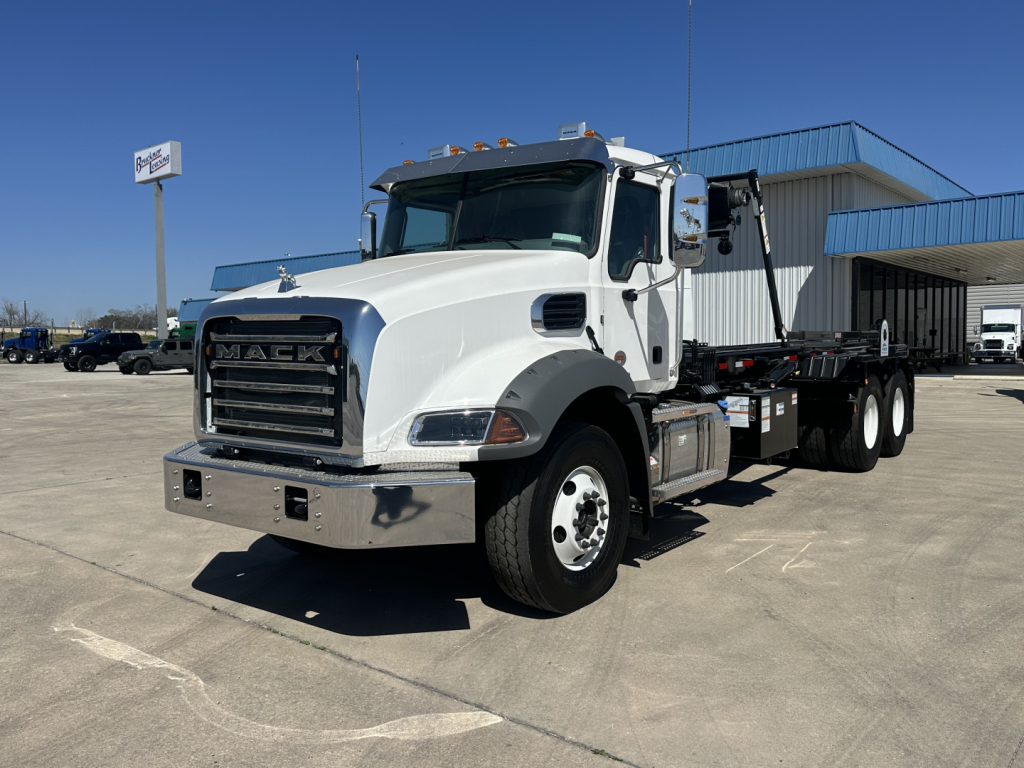
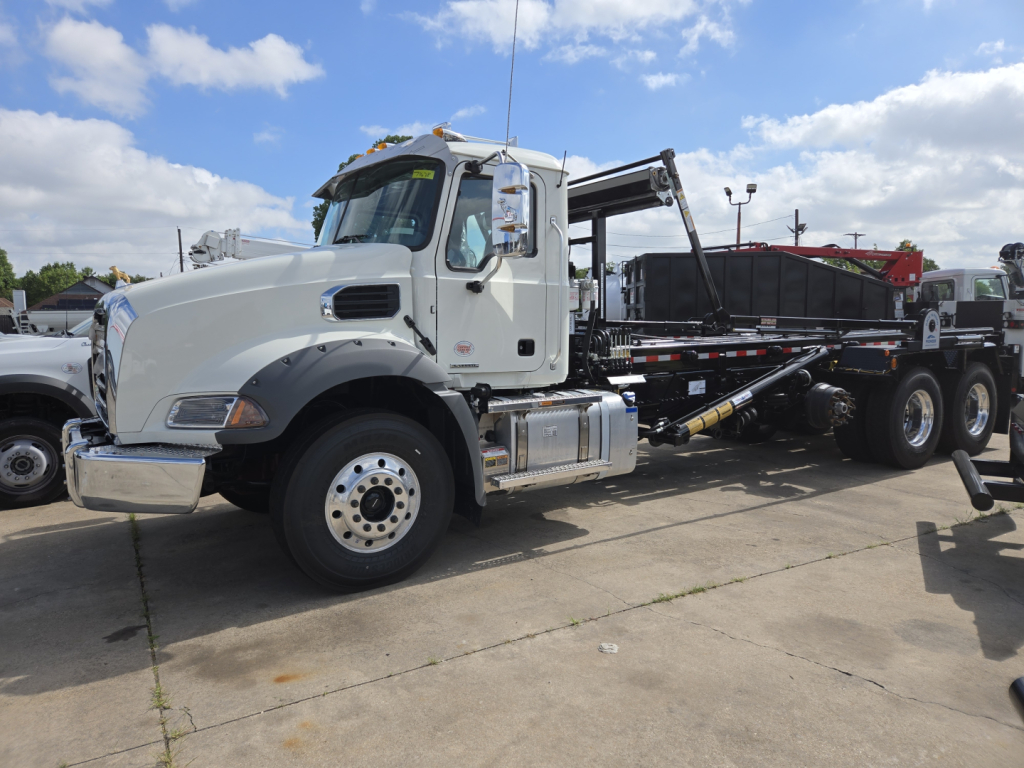
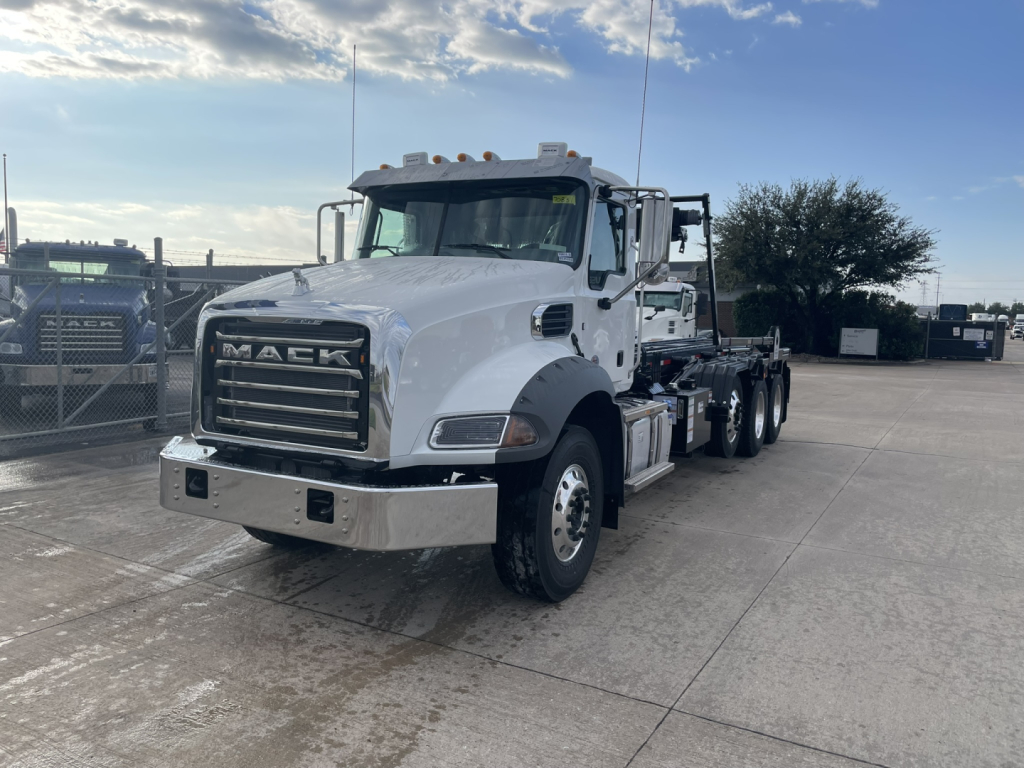
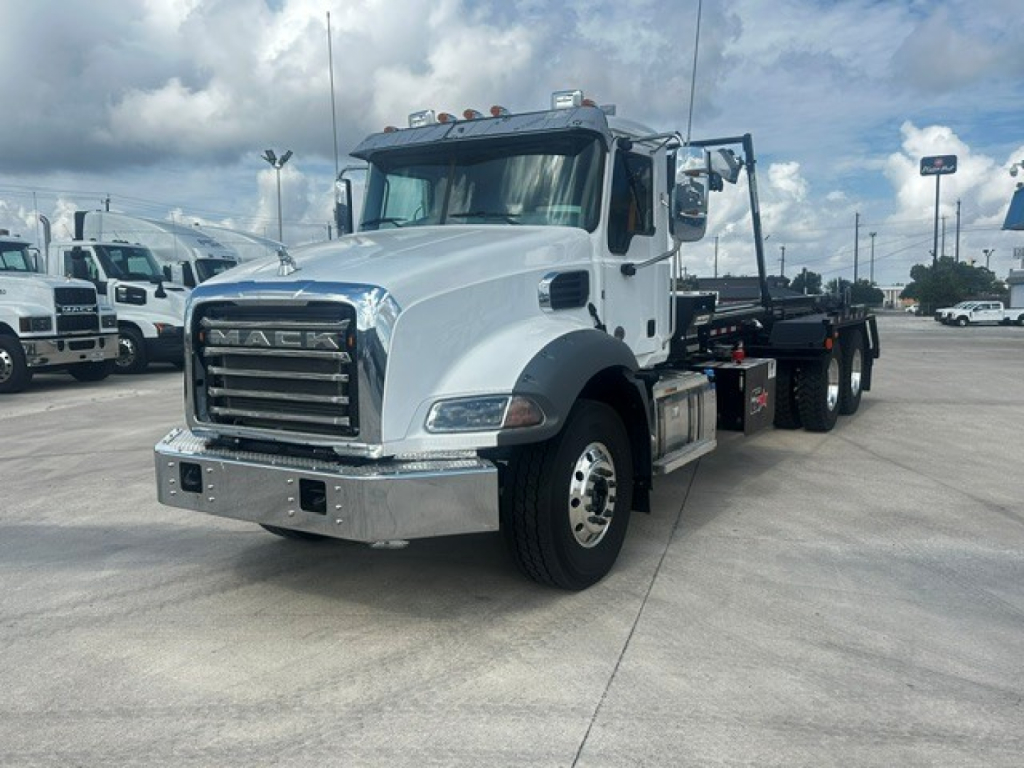
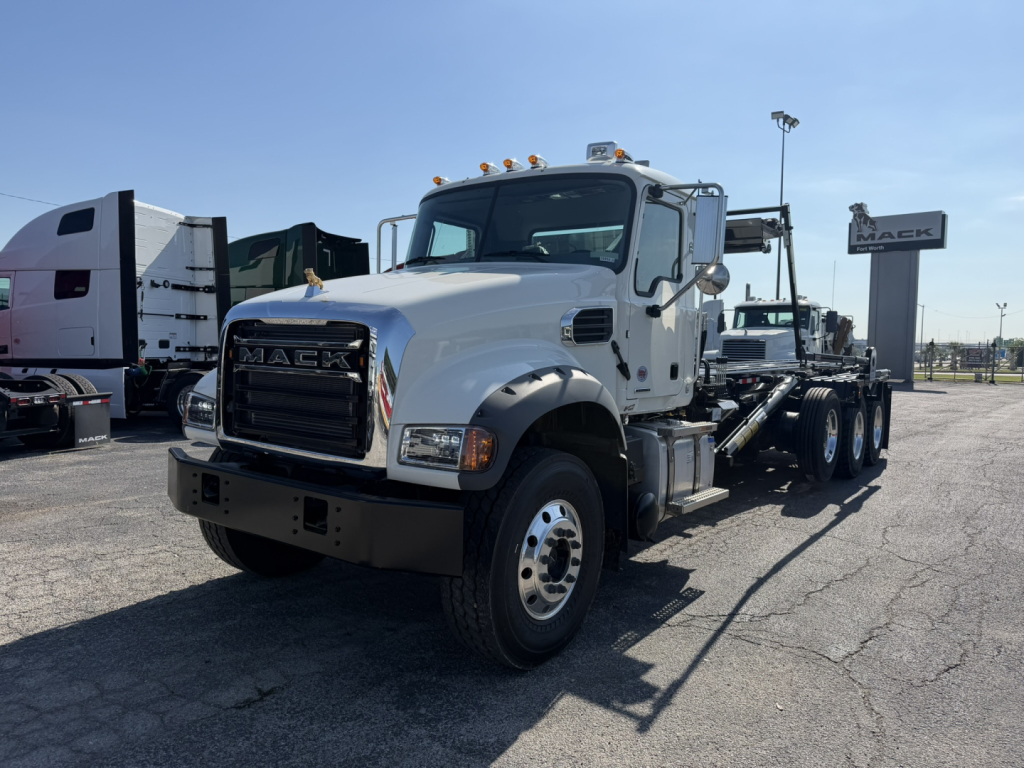
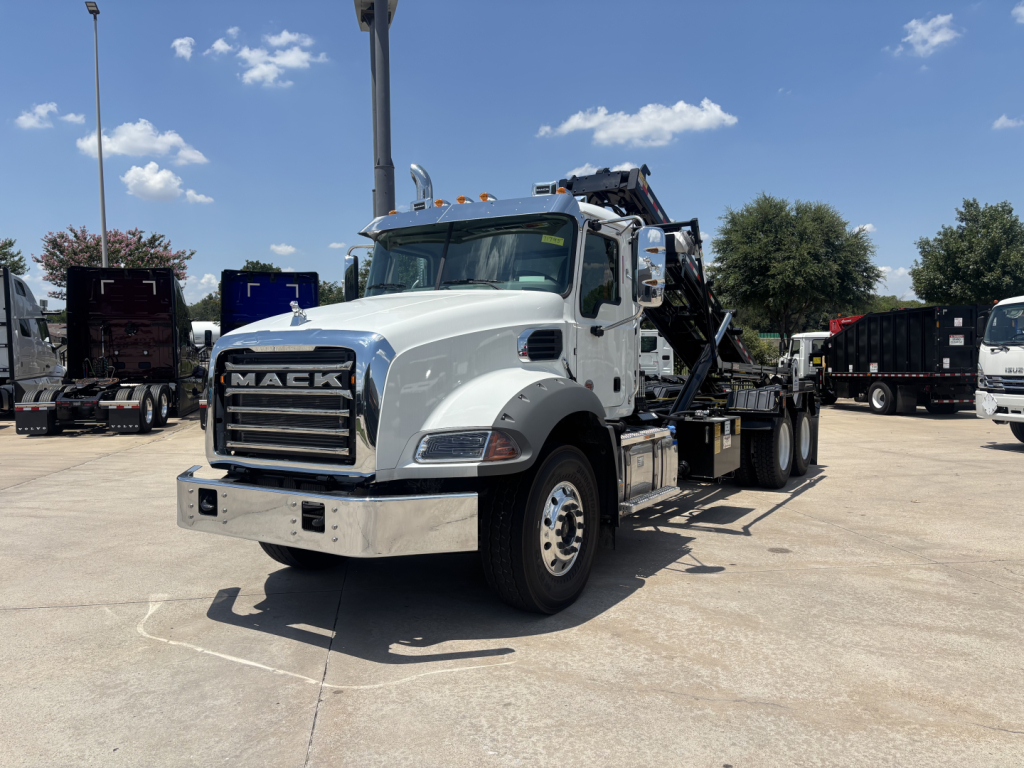
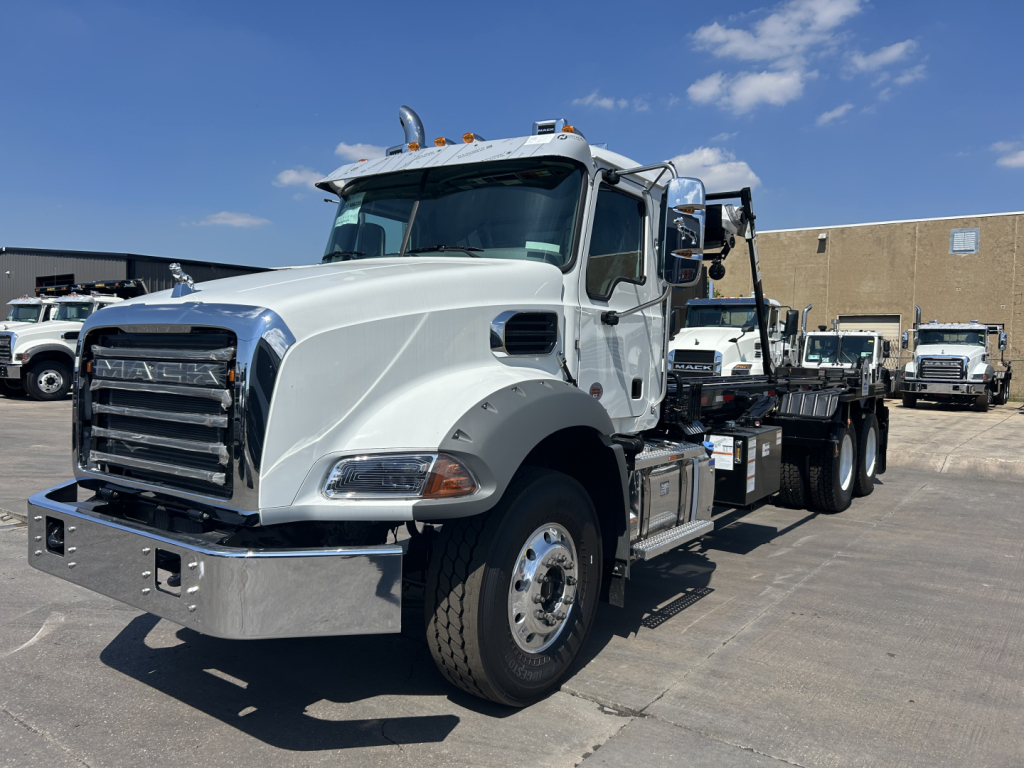
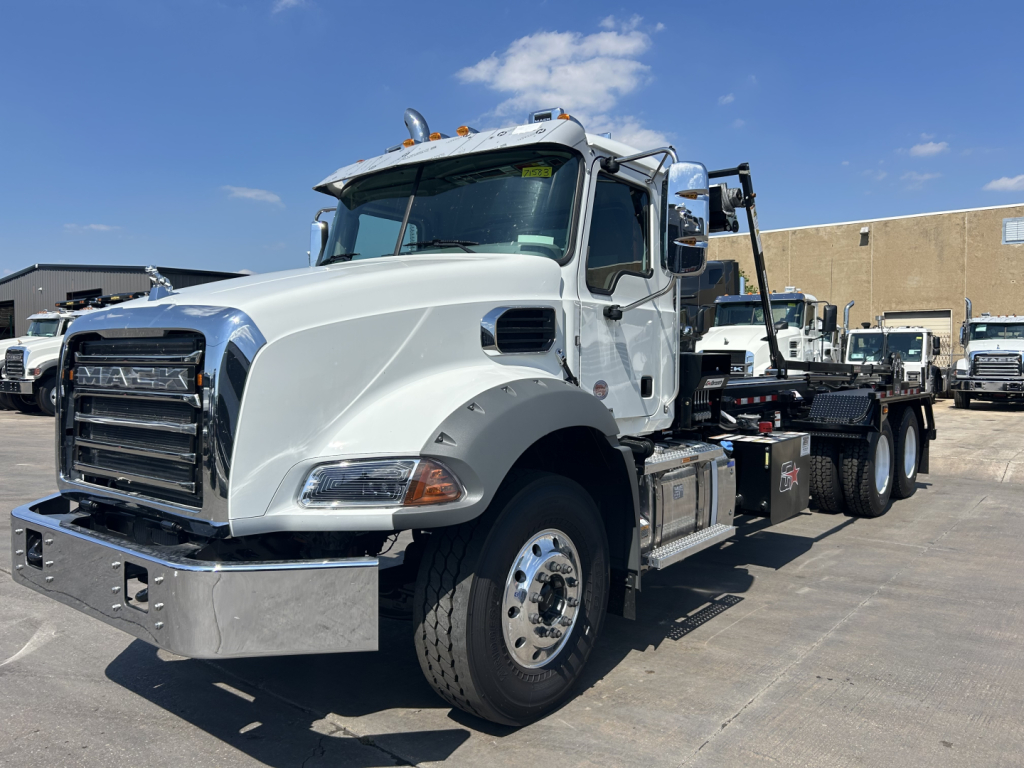
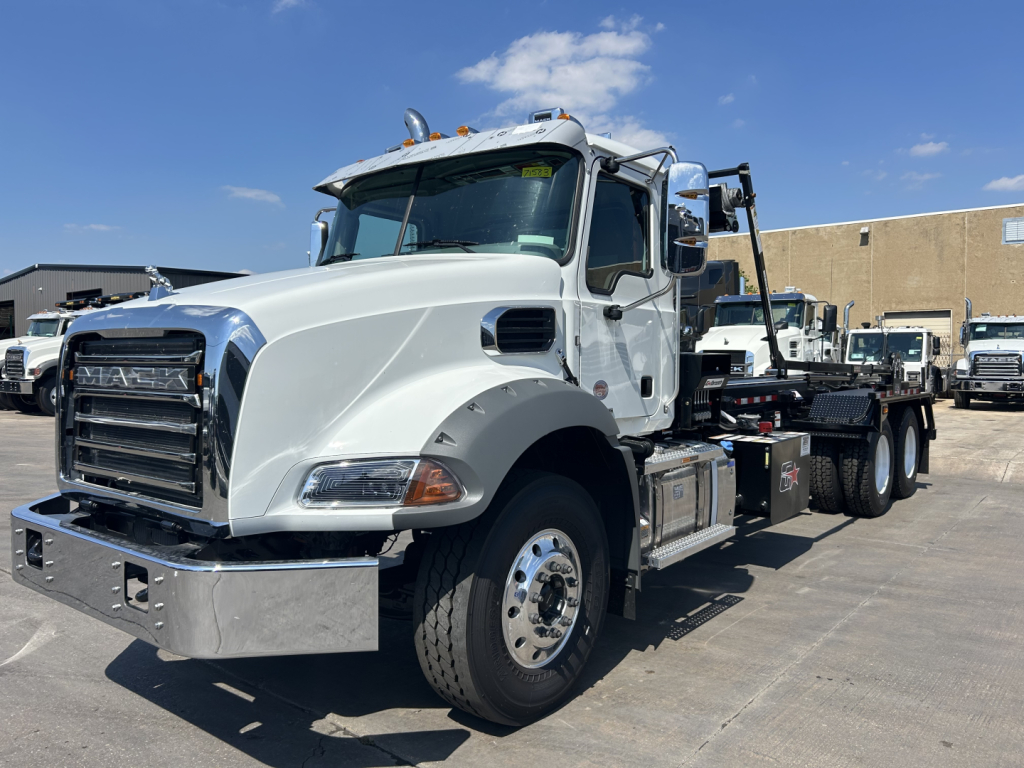
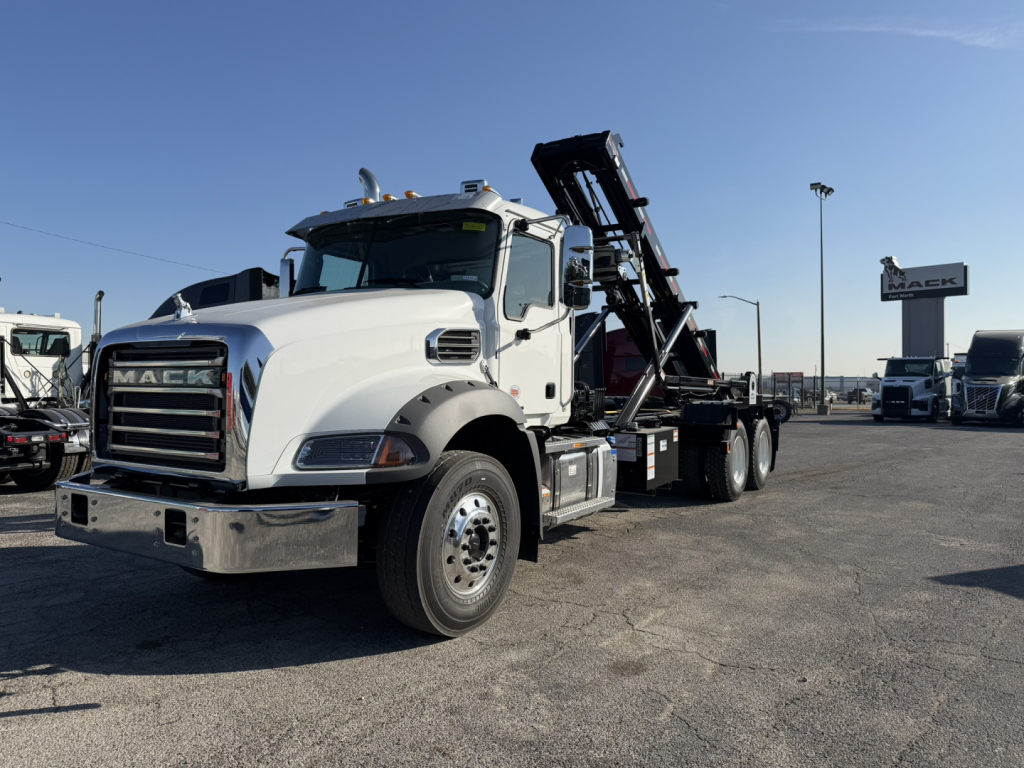
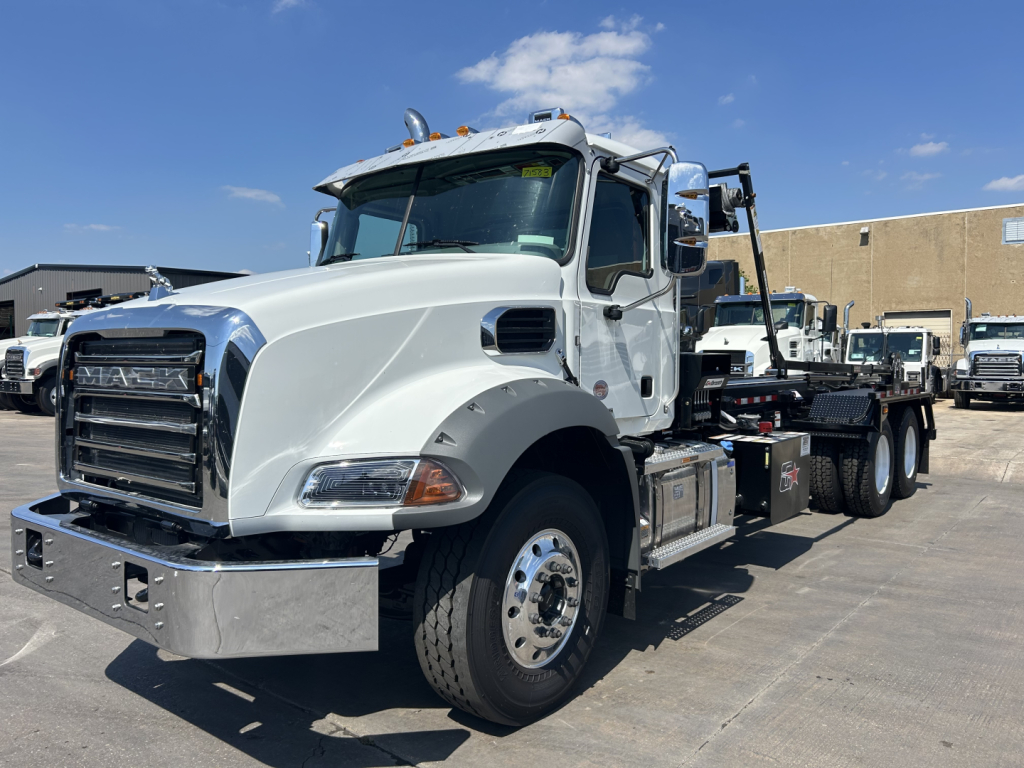

Selling a 2026 mack rolloff truck? List your 2026 mack rolloff truck for sale and reach thousands of commercial buyers.
2026 Mack Rolloff Trucks in Texas
The biggest buying decision is usually the hoist and chassis match. Roll-off bodies are commonly spec'd with cable hoists in 20,000-lb to 75,000-lb class ranges depending on container length and material density, while hooklift setups may appeal to fleets that want faster body interchange and more versatility across container styles. A tandem-axle Mack rolloff is the standard choice for heavier debris routes and commercial work, though some operations consider tri-axle configurations when payload laws and local route demands justify the extra axle. Buyers should pay attention to rail width, hoist capacity, inside and outside cable ratings, winch performance, and the rear underride or ICC bumper arrangement, along with container compatibility. Transmission choice also matters. An automated manual can reduce driver fatigue in stop-and-go service, while vocational automatic options remain popular in urban work where smooth engagement and PTO integration are priorities.
Engine and driveline specs should be matched to terrain, legal payload, and duty cycle rather than bought on horsepower alone. Many Mack rolloff trucks are ordered with diesel engines in the 350 hp to 500 hp range and torque outputs suited to repeated starts under load. Look at rear axle ratios, suspension type, and frame reinforcement, especially if the truck will work off-pavement or regularly haul dense loads like concrete, scrap, or wet waste. Front discharge clearance, cab-to-axle measurement, and usable rail length all affect how well the chassis handles standard 20-yard, 30-yard, and 40-yard containers. In Texas, cooling capacity, air conditioning performance, and easy service access are practical factors that can affect uptime just as much as published power ratings.
A well-spec'd 2026 Mack rolloff truck should be evaluated as a complete vocational package, not just a cab and engine with a body attached. Buyers typically compare pusher axle setup, tarp systems, lighting, backup camera options, hydraulic tank placement, and PTO access for maintenance. Safety and compliance items such as axle weight distribution, brake configuration, and visibility around the hoist area should also be part of the decision. For fleets running local and regional refuse or debris service, the right Mack rolloff spec can deliver long frame life, stable loading characteristics, and predictable operating costs across demanding container routes.
Frequently Asked Questions about 2026 Mack Rolloff Trucks in Texas
What is the typical hoist capacity for a Mack rolloff truck?
Mack rolloff trucks are commonly paired with hoists ranging from about 20,000 lbs to 75,000 lbs, depending on the intended container size and material type. Light construction debris and general waste routes may not require the same hoist rating as scrap, demolition, or concrete applications. The right capacity depends on the heaviest real-world load, not just the nominal container size, and buyers should confirm that the chassis frame, axle ratings, and hydraulic system are matched to the hoist.
Is a tandem axle Mack rolloff truck enough for most jobs?
For many commercial rolloff operations, a tandem axle Mack is the standard and most practical configuration. It provides a good balance of legal payload, maneuverability, and chassis strength for common 20-yard to 40-yard container work. A tri-axle setup may make sense for heavier routes or where local weight laws allow the added axle to improve payload compliance, but it also adds cost, maintenance, and complexity.
What should I look at besides the engine when buying a rolloff truck?
The engine matters, but the most important buying factors are usually hoist capacity, frame specification, wheelbase, cab-to-axle dimension, front axle rating, rear suspension, PTO setup, and hydraulic performance. Container compatibility is also critical. A truck can have adequate horsepower and still be poorly matched to the body or the loads it is expected to handle. Buyers should evaluate the truck as a complete vocational system.
Are Mack rolloff trucks used only for waste applications?
No. Rolloff trucks are widely used in waste and refuse service, but they are also common in scrap hauling, demolition cleanup, roofing debris, municipal public works, and construction site container service. Some fleets use hooklift-style rolloff equipment to support multiple body types for greater versatility. The intended application affects the ideal hoist rating, axle setup, and suspension choice.
Why does wheelbase matter on a rolloff truck?
Wheelbase directly affects container fit, axle loading, turning radius, and overall handling. A longer wheelbase can help accommodate longer rails and improve weight distribution on larger containers, but it may reduce maneuverability on tight urban routes or jobsites. A shorter wheelbase can be easier to position, but it still has to provide the necessary stability and clearance for safe loading and unloading. On a Mack rolloff truck, wheelbase should be chosen around the body spec and route conditions, not as an afterthought.