
Mack Rolloff Trucks For Sale in Texas
Browse Mack rolloff trucks built for waste, scrap, and container hauling with heavy-duty hoists, strong axle ratings, and vocational durability.
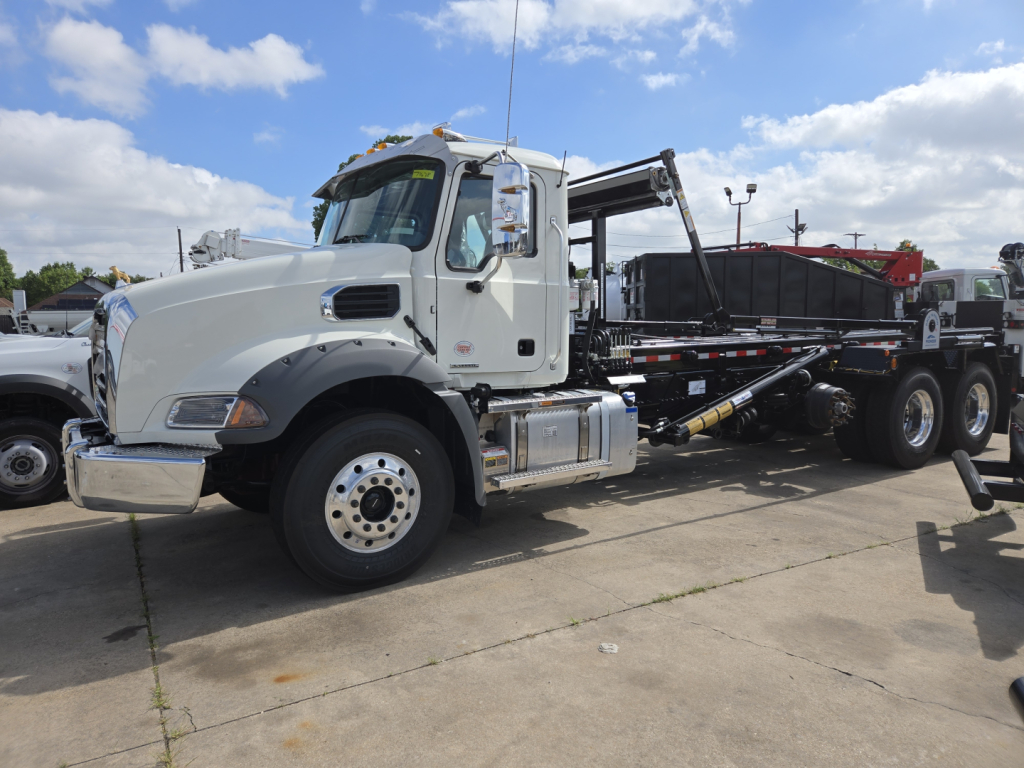
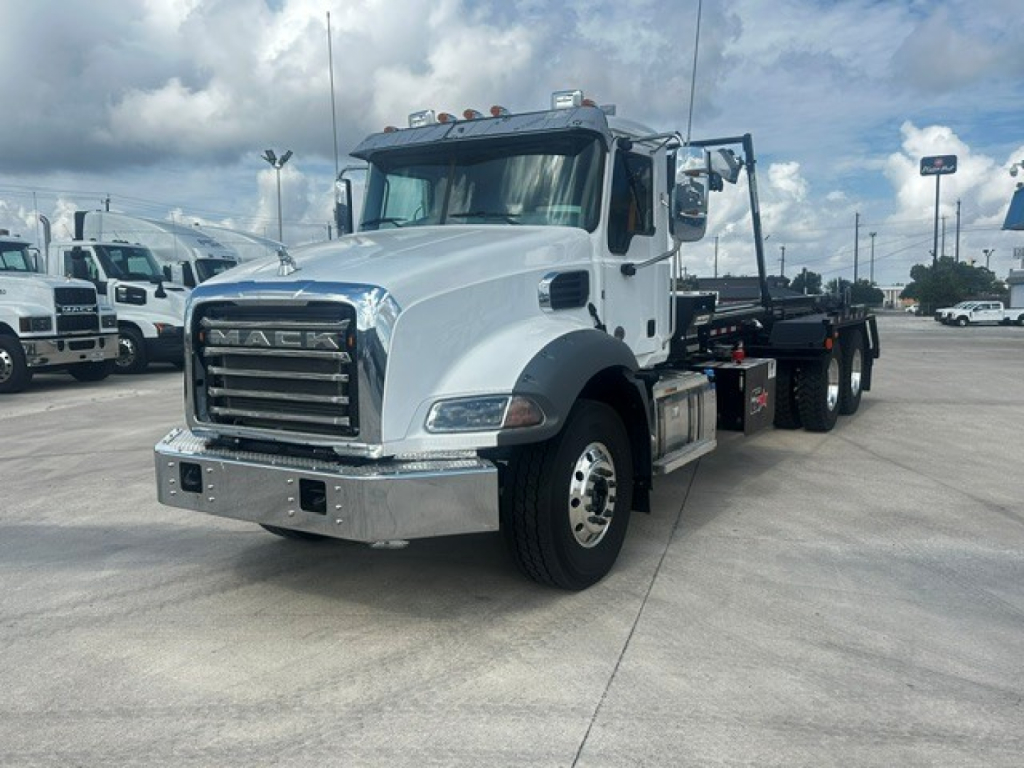
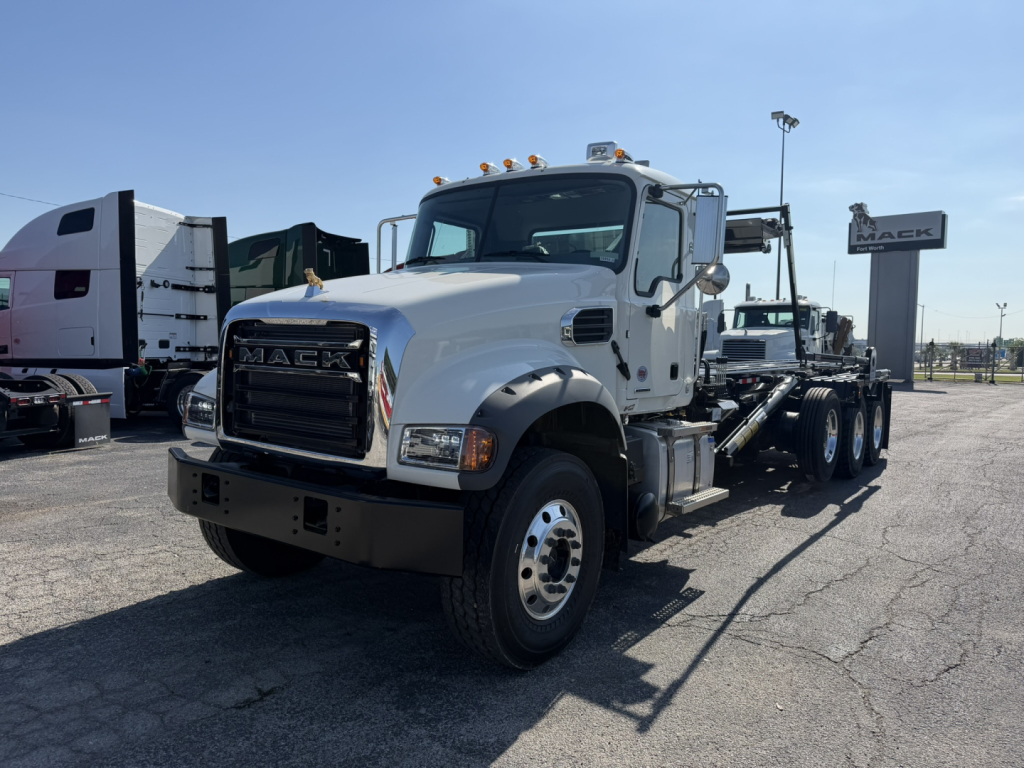
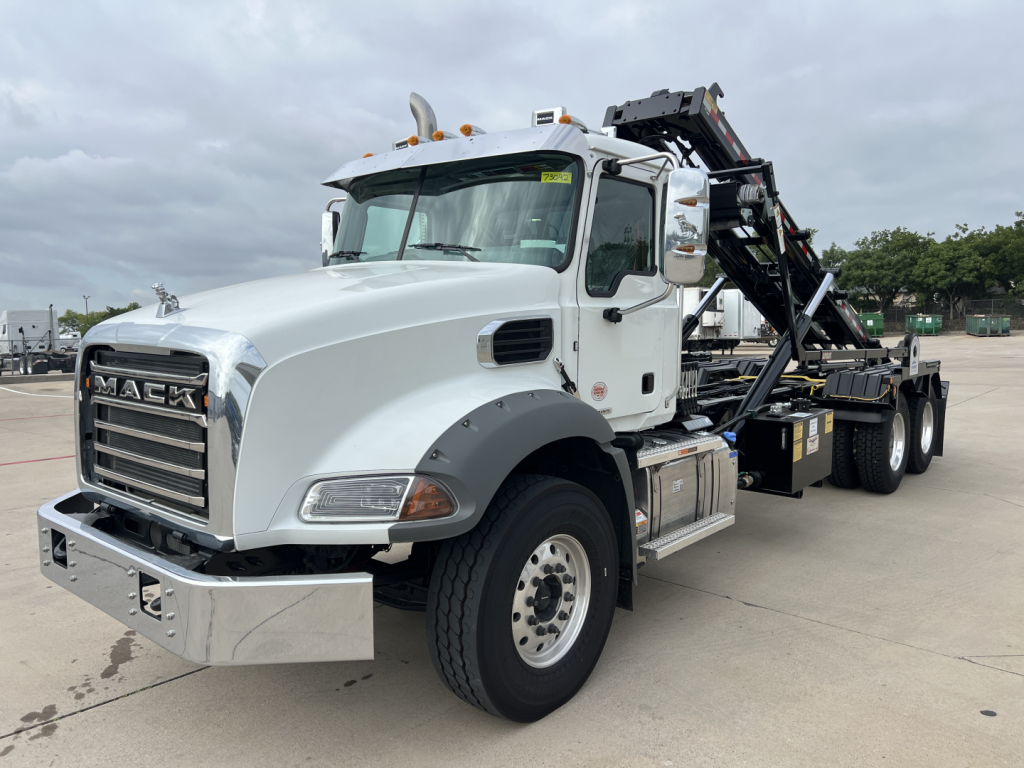
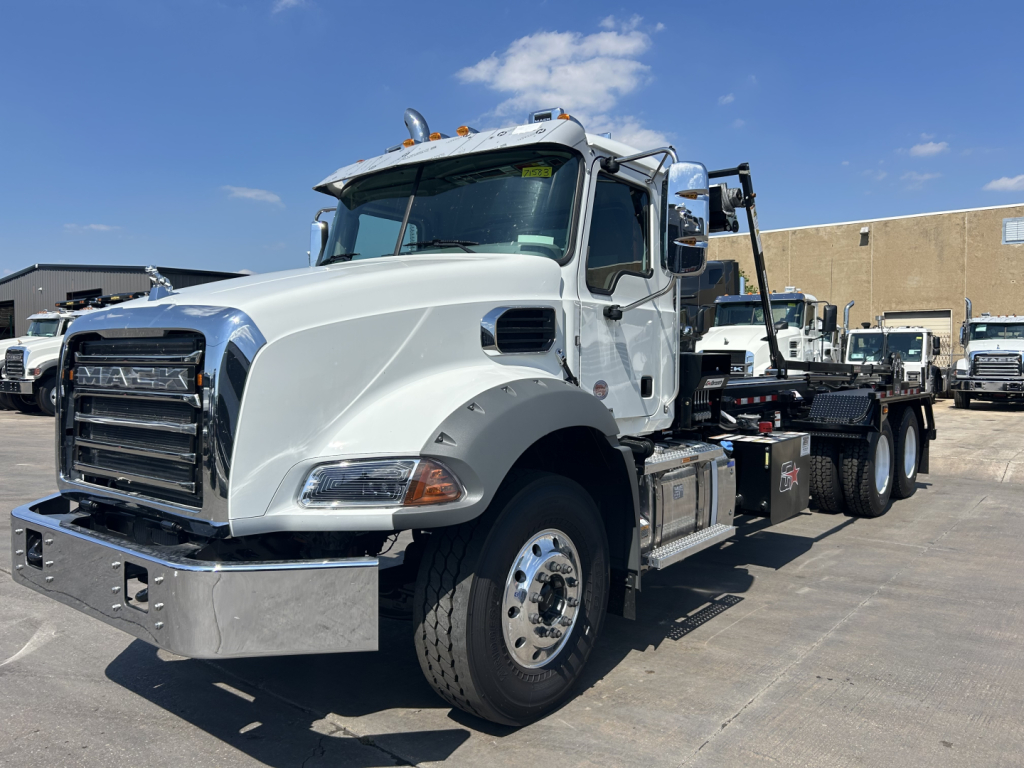
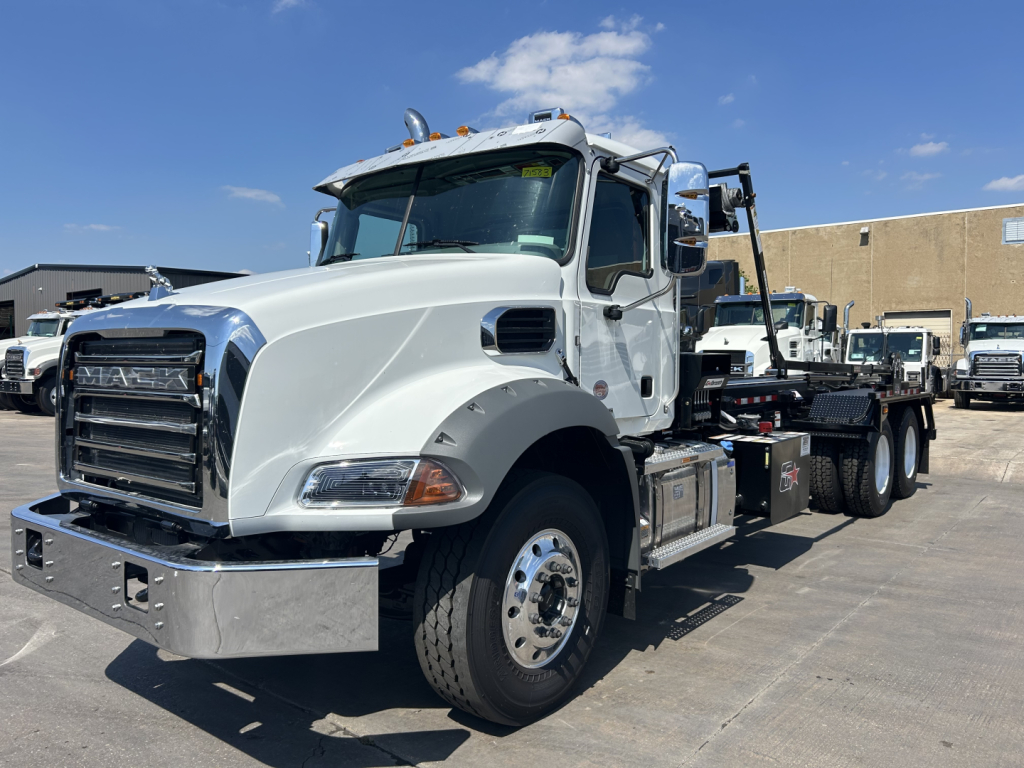
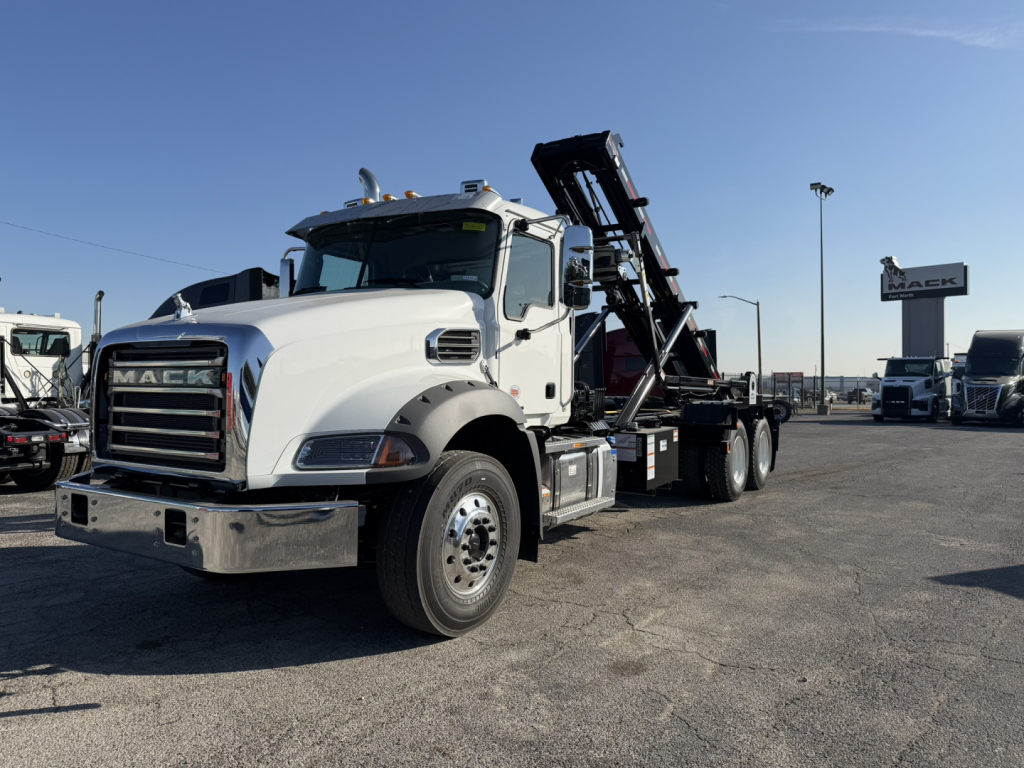
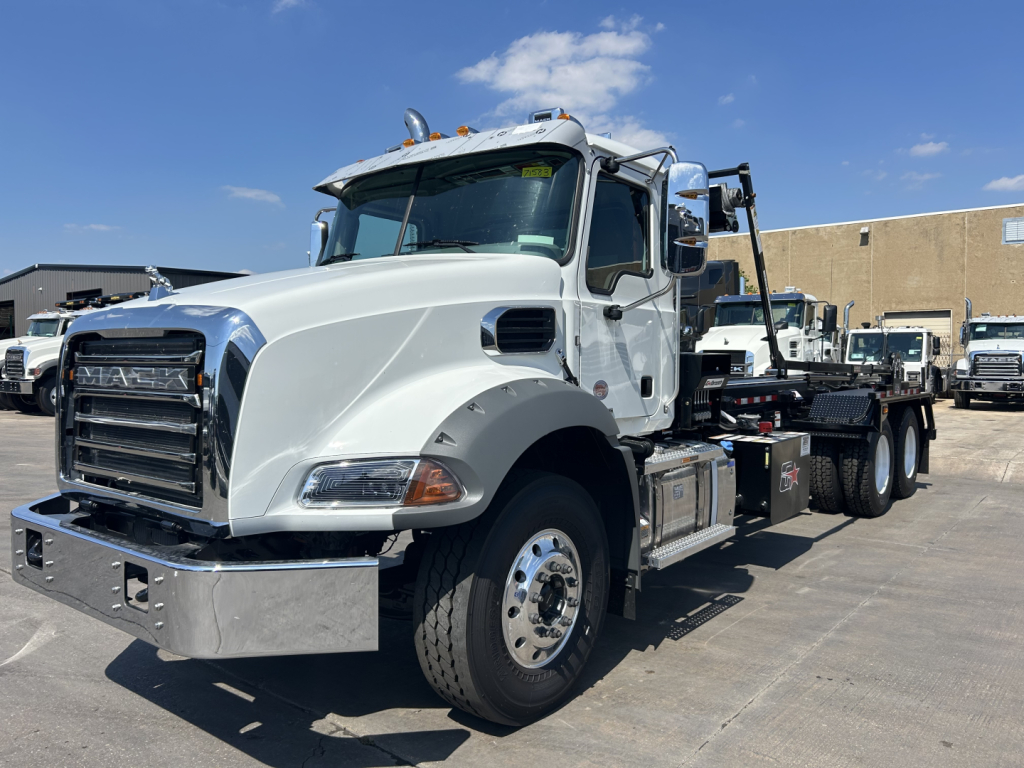
Showing 1 to 28 of 39 results
Selling a mack rolloff truck? List your mack rolloff truck for sale and reach thousands of commercial buyers.
Mack Rolloff Trucks in Texas
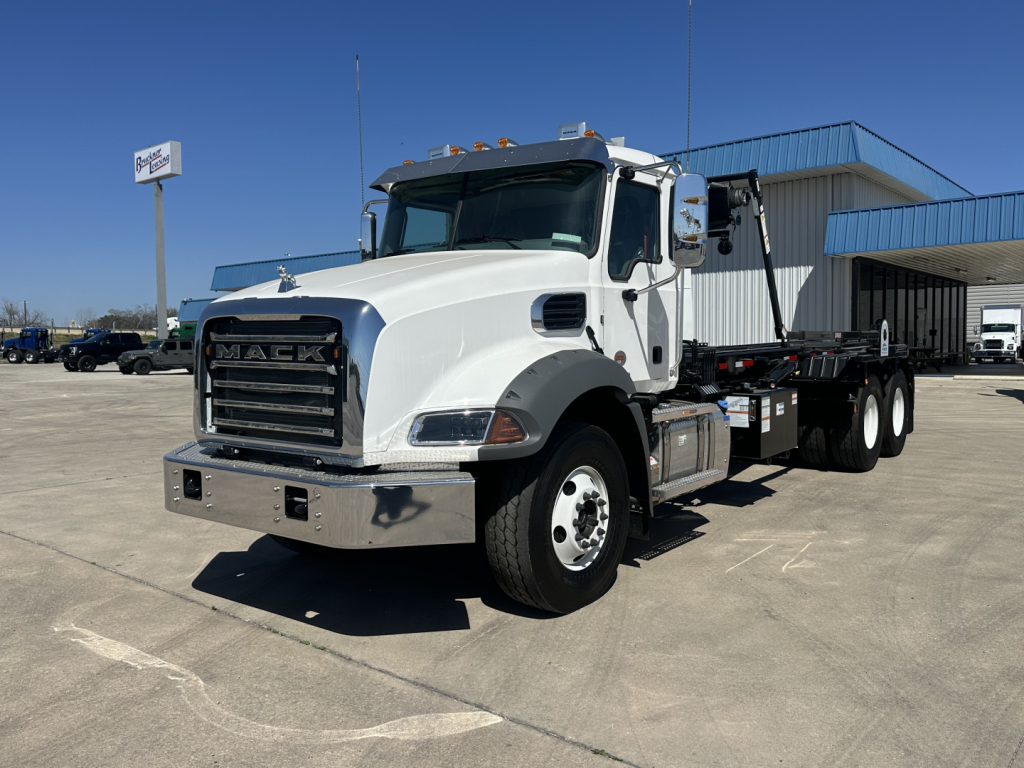
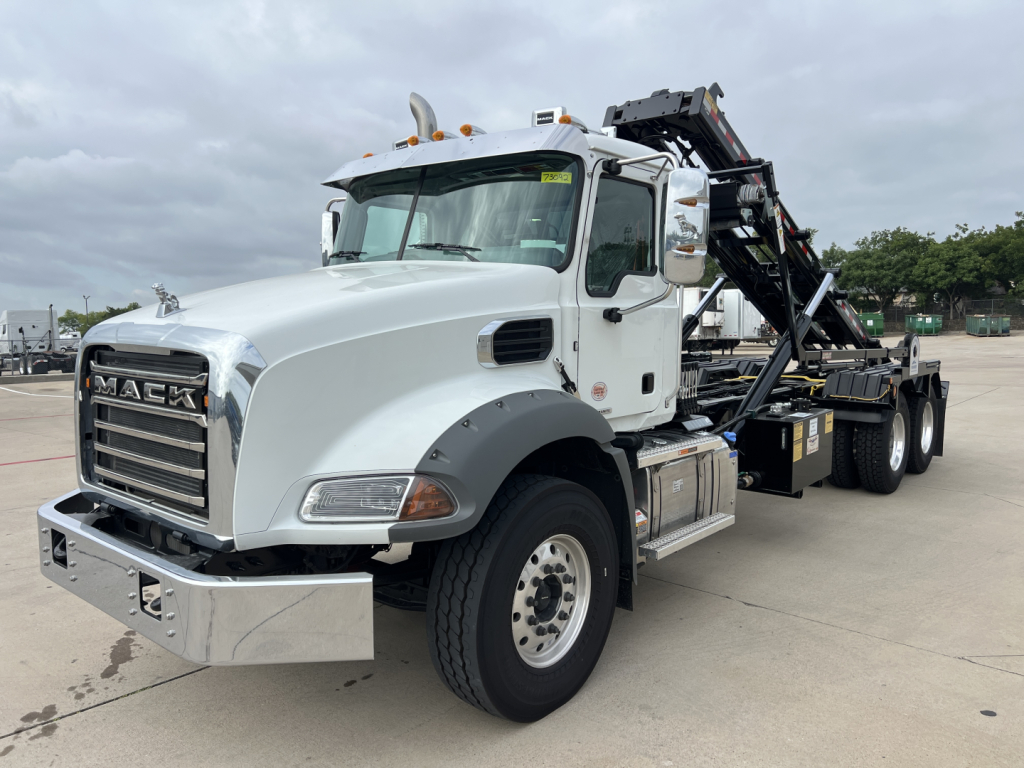
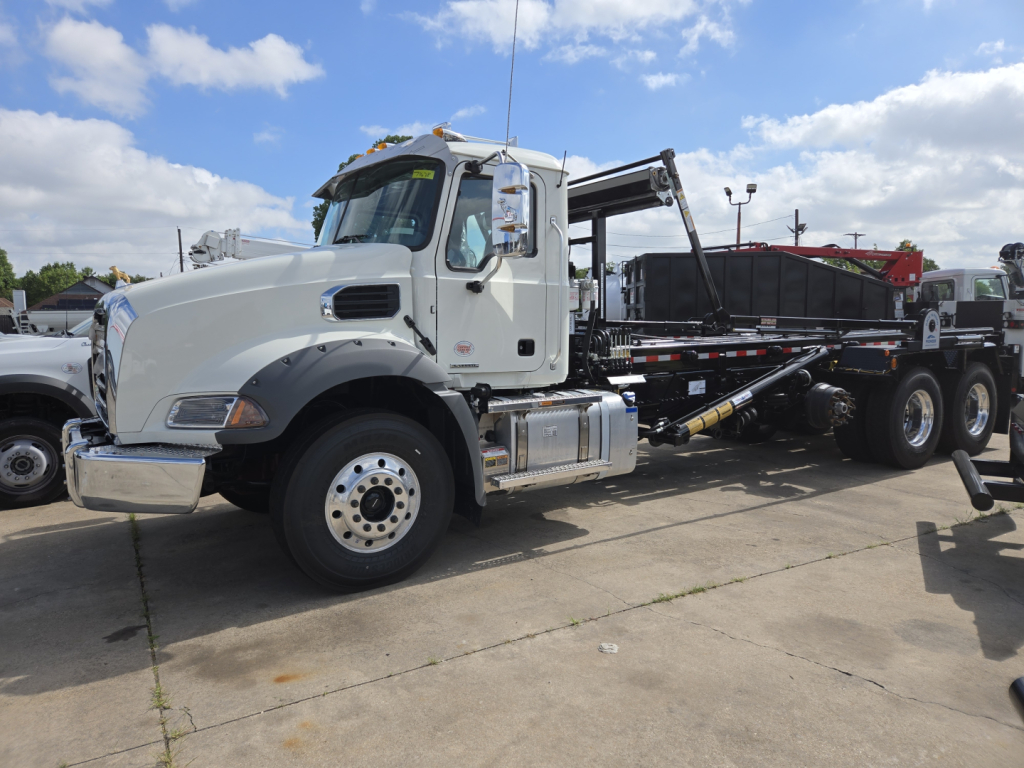
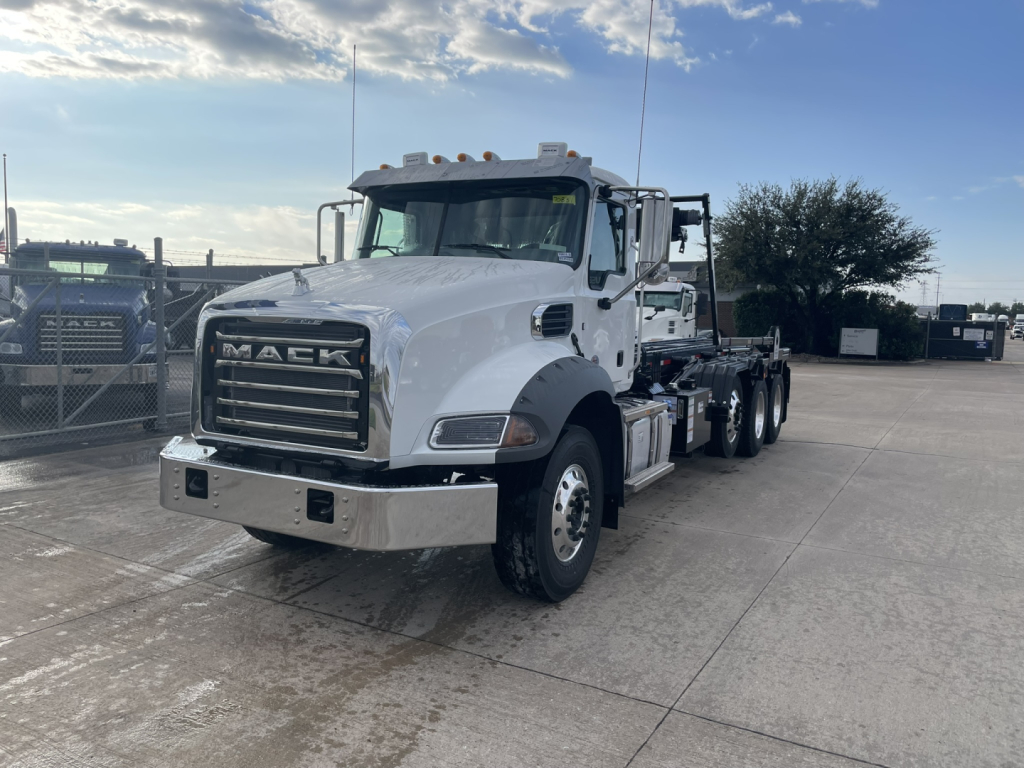
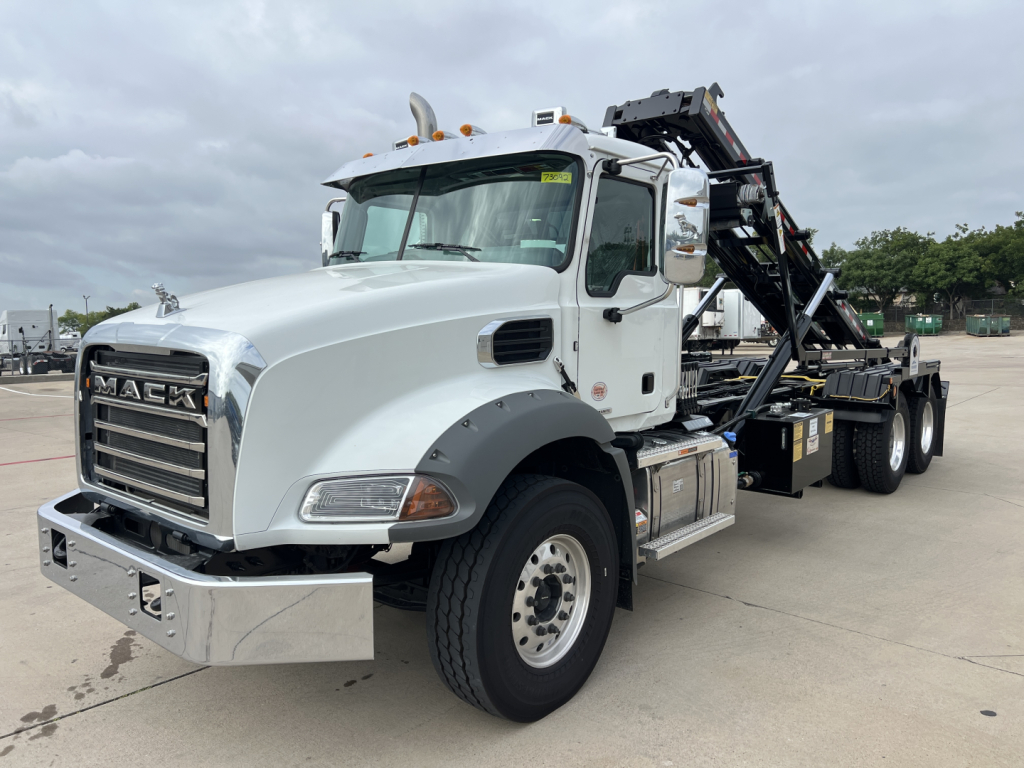
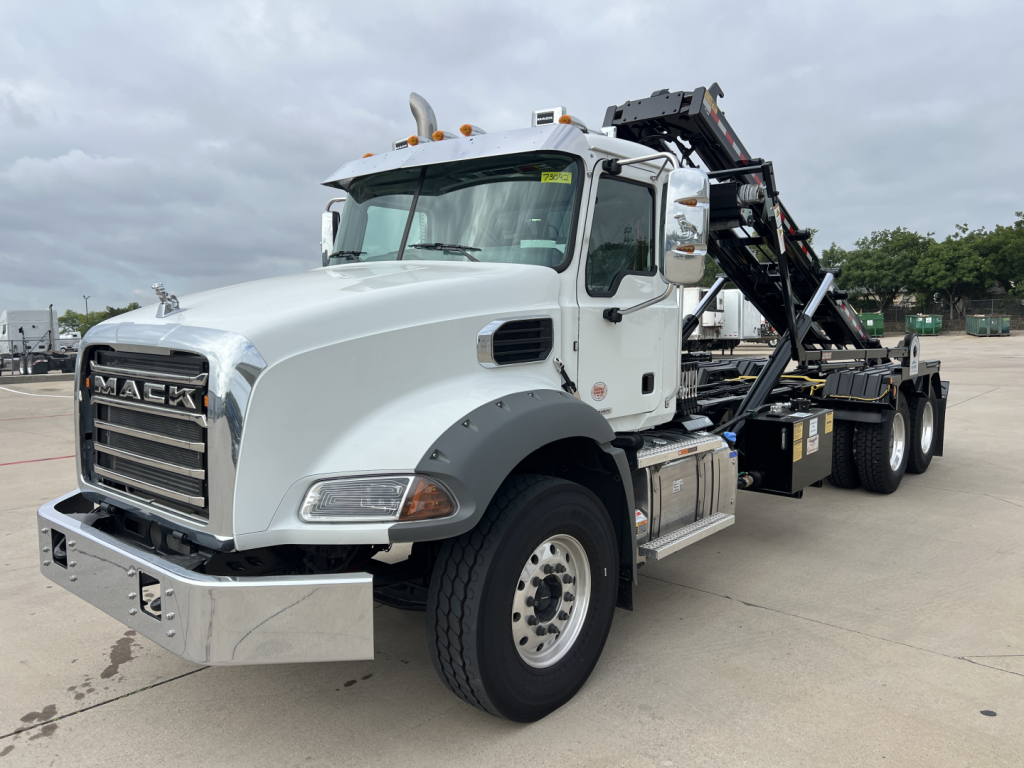
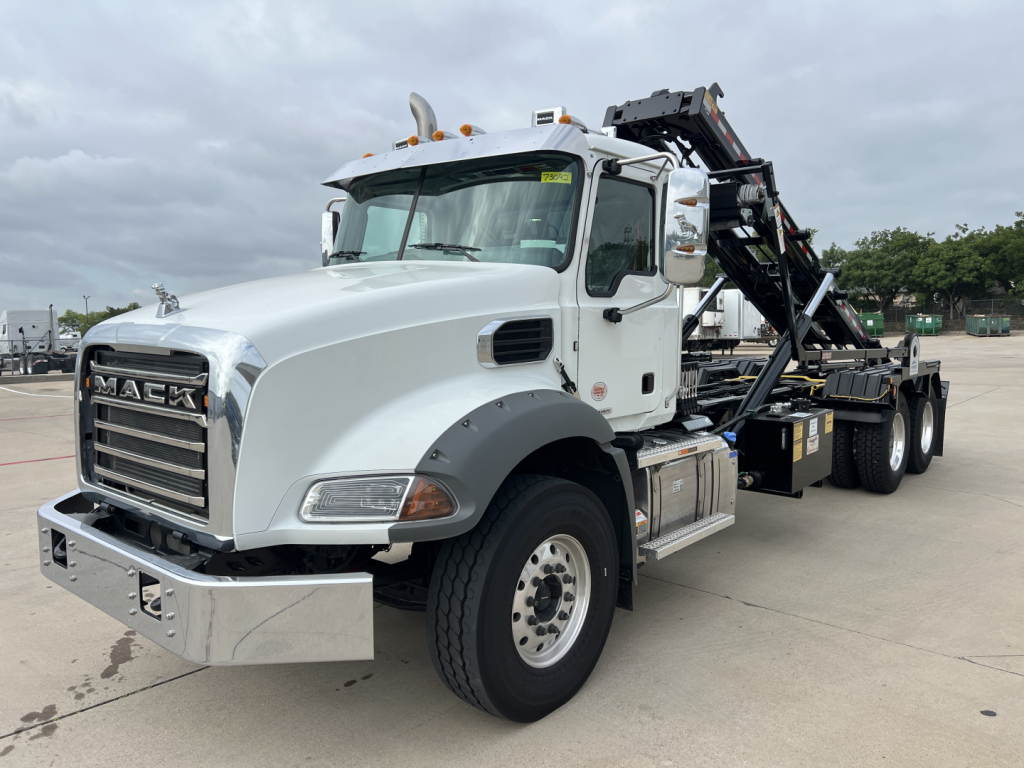
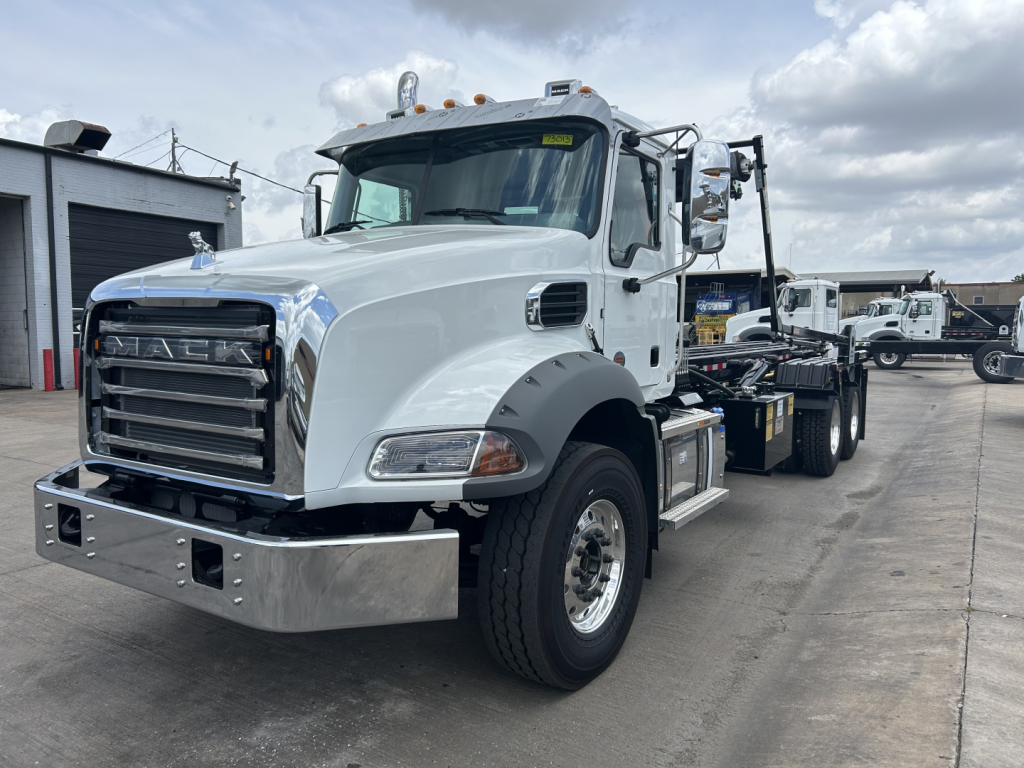
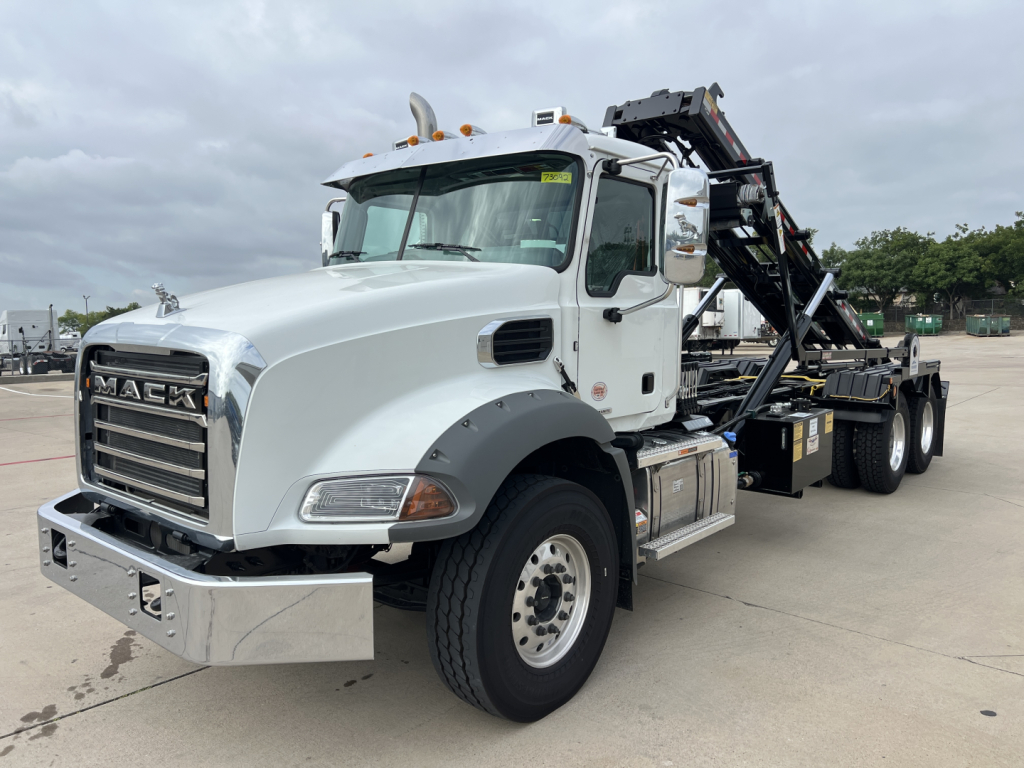
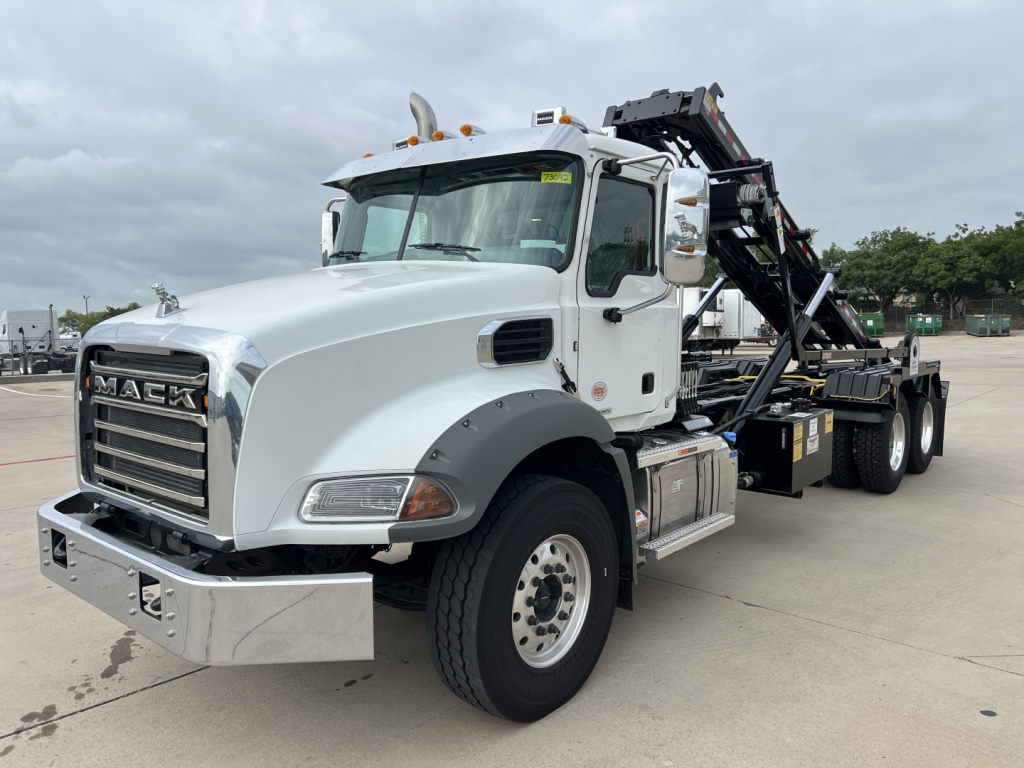
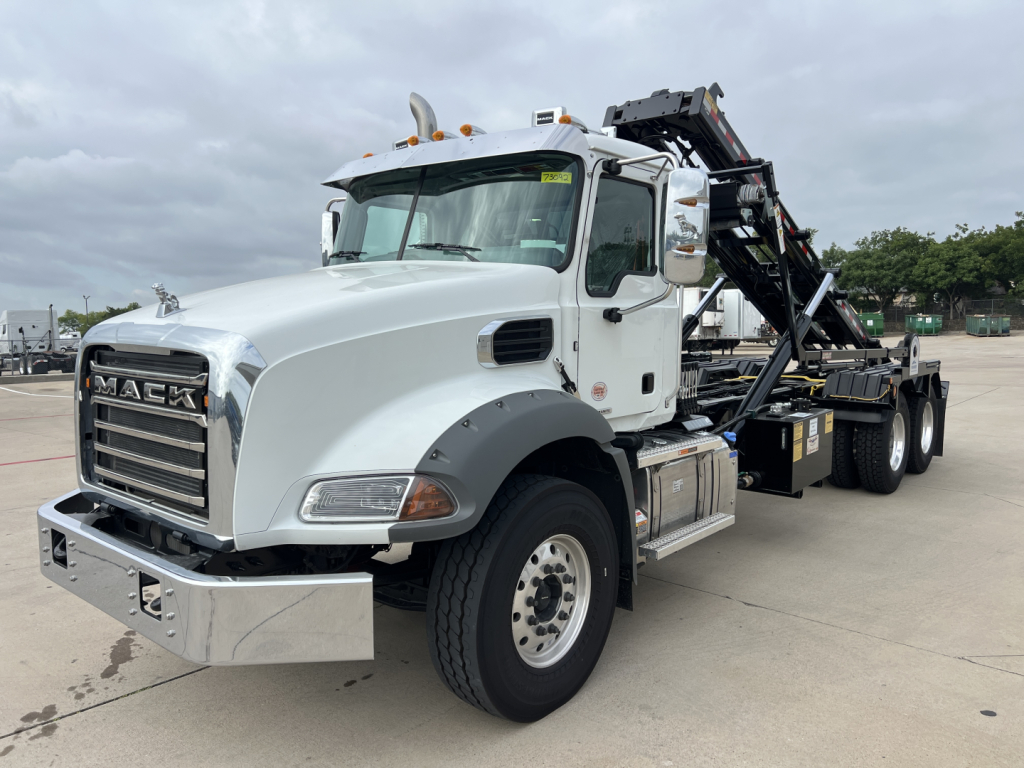
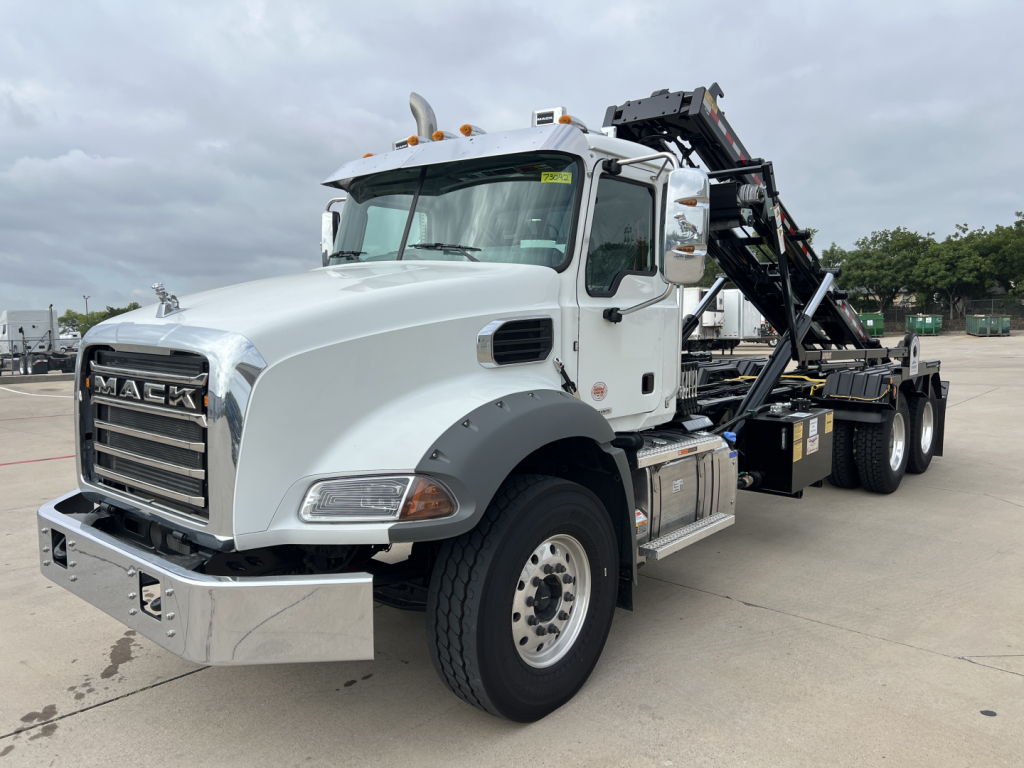
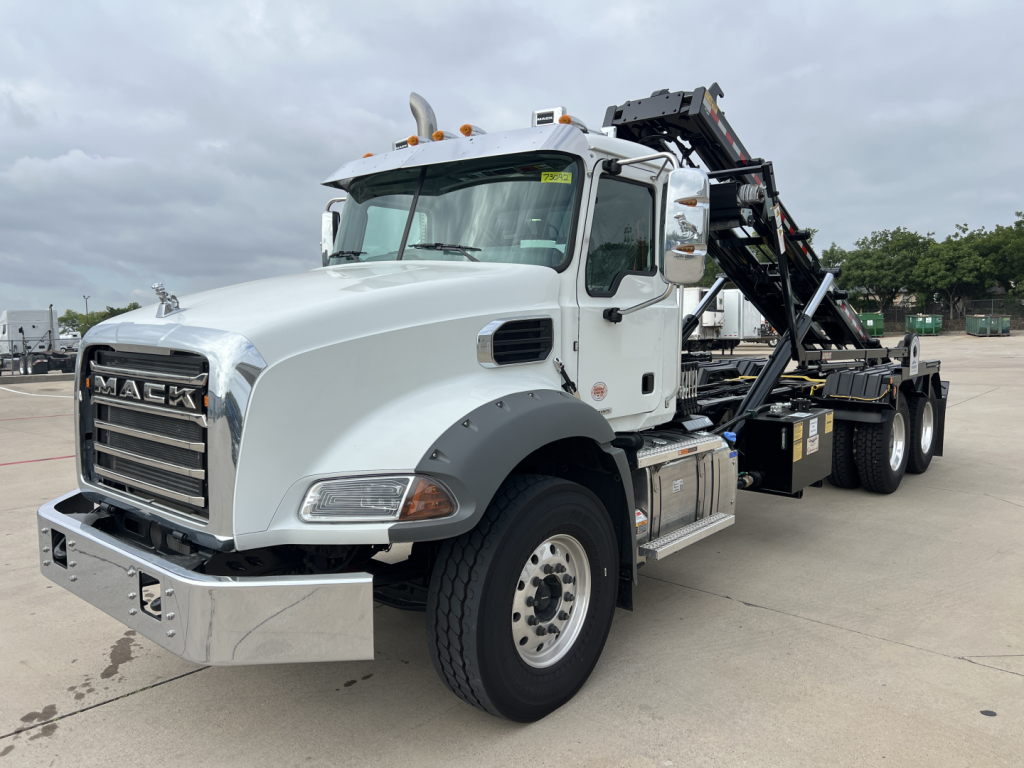
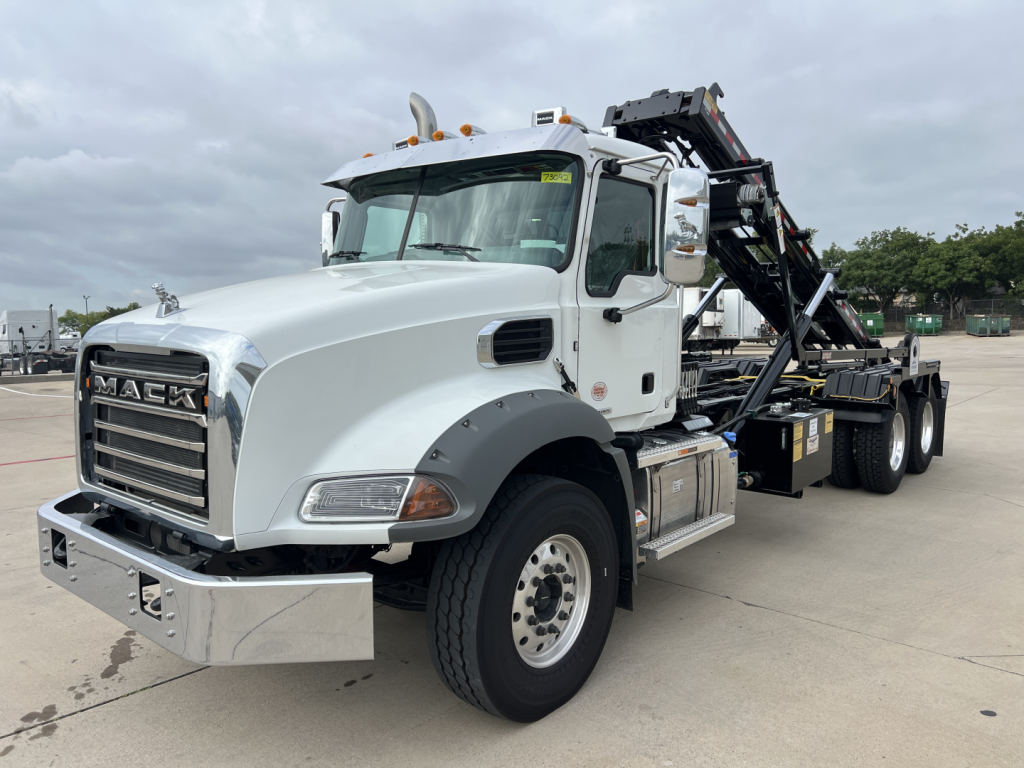
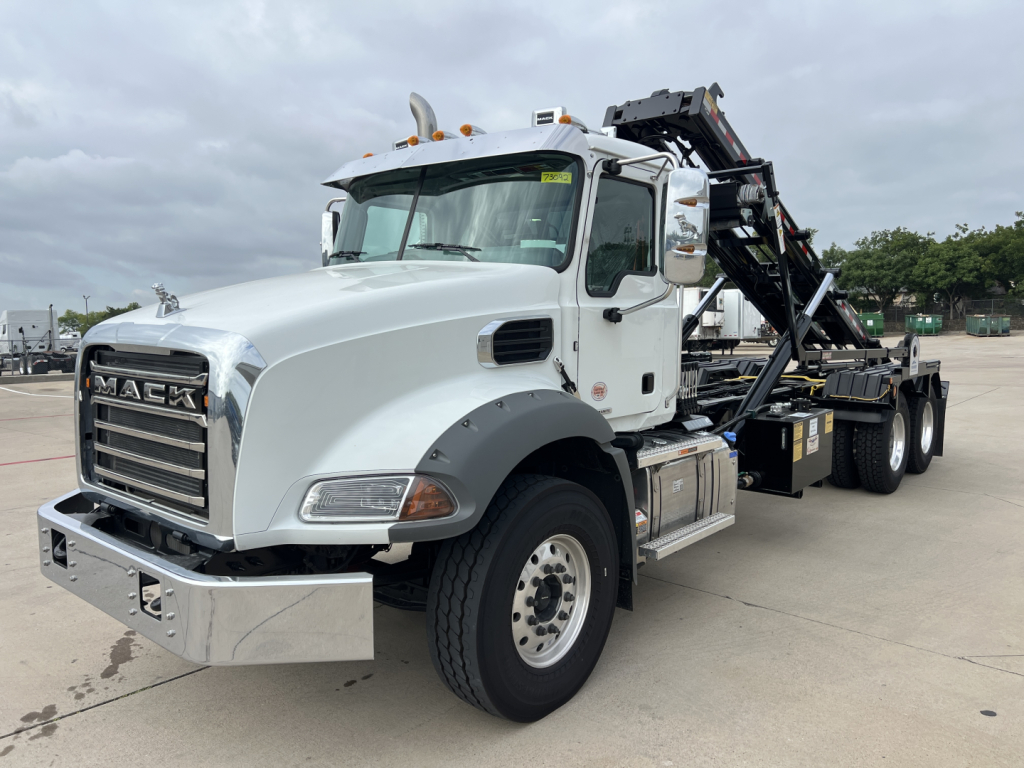
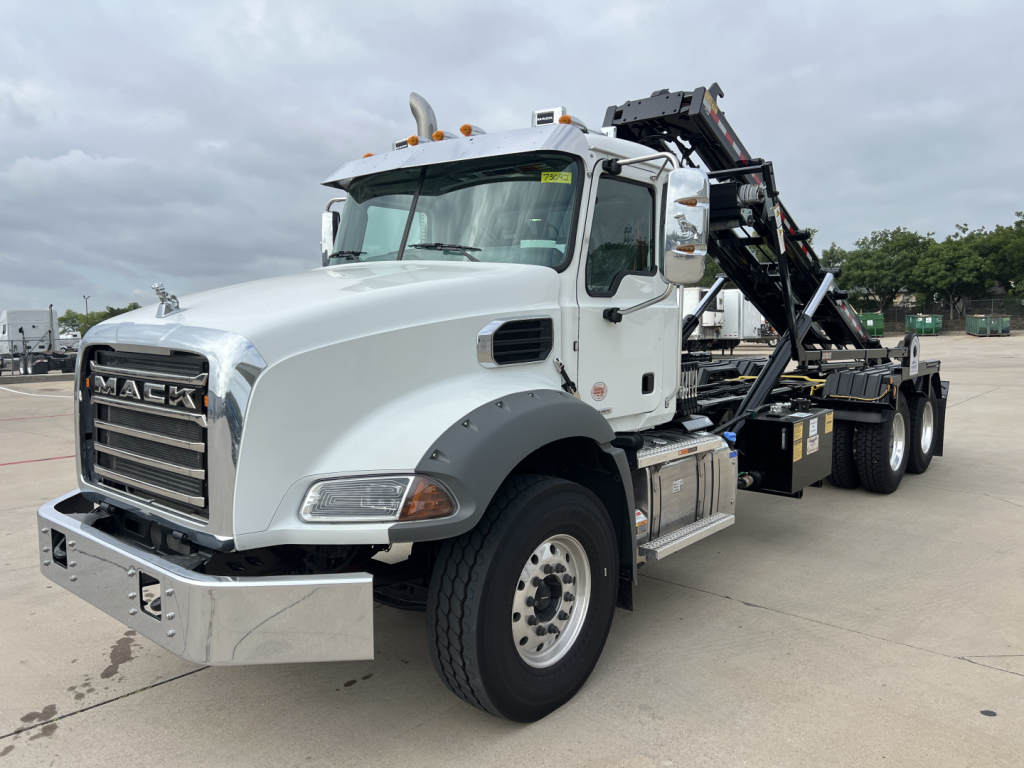
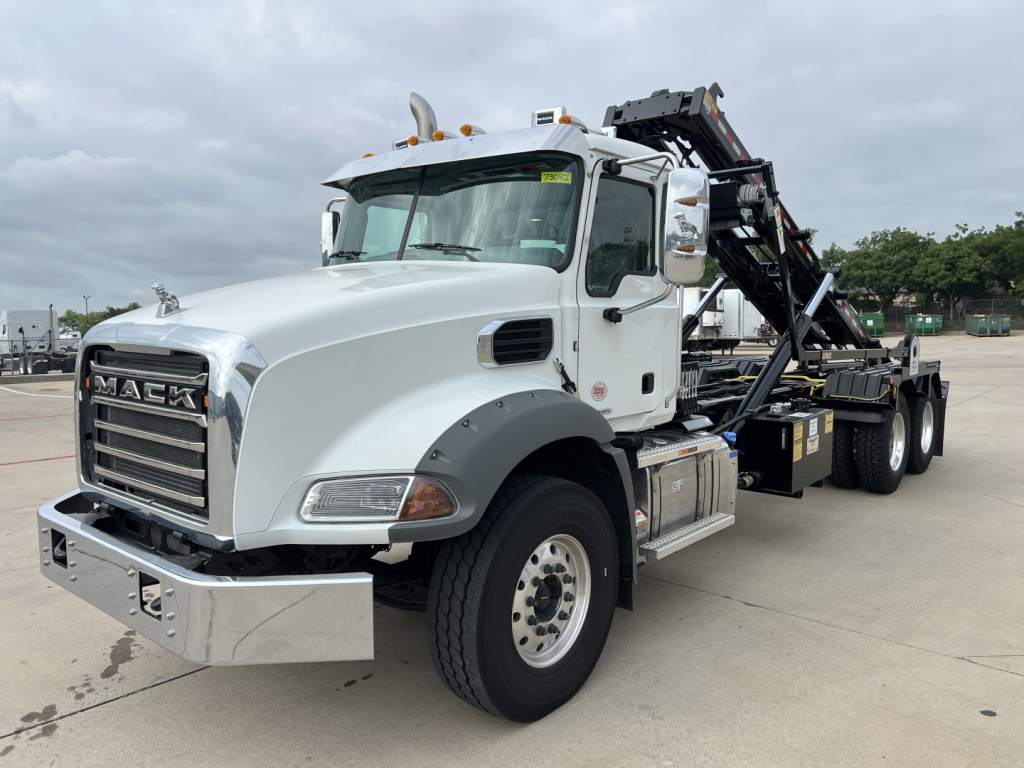
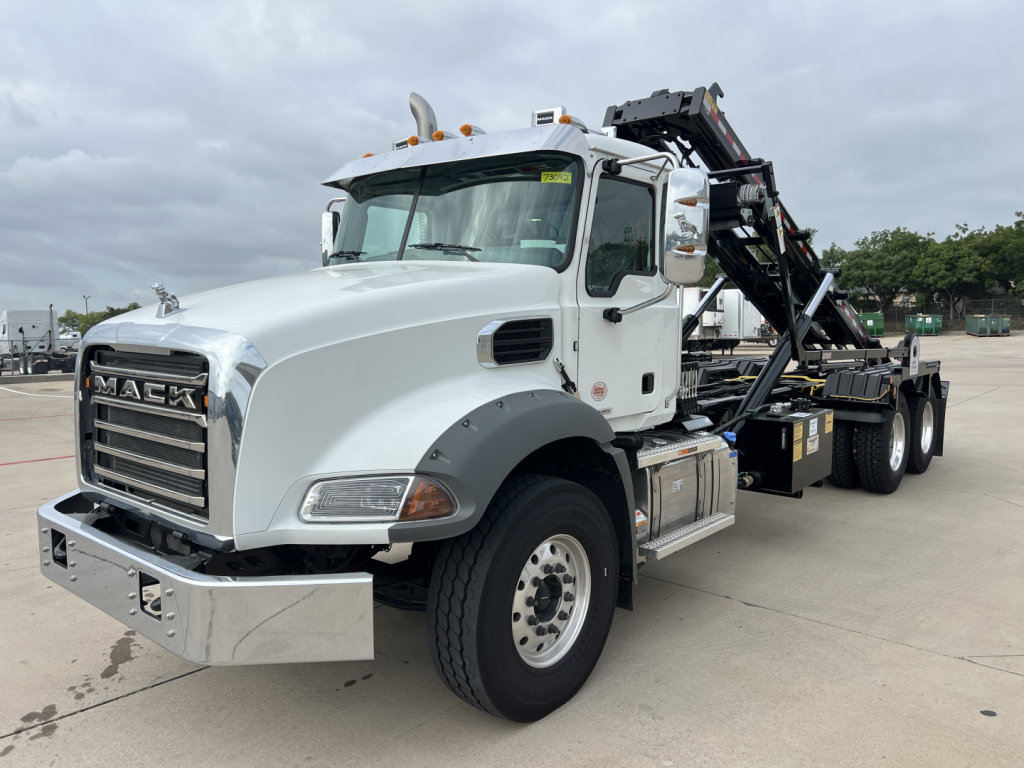
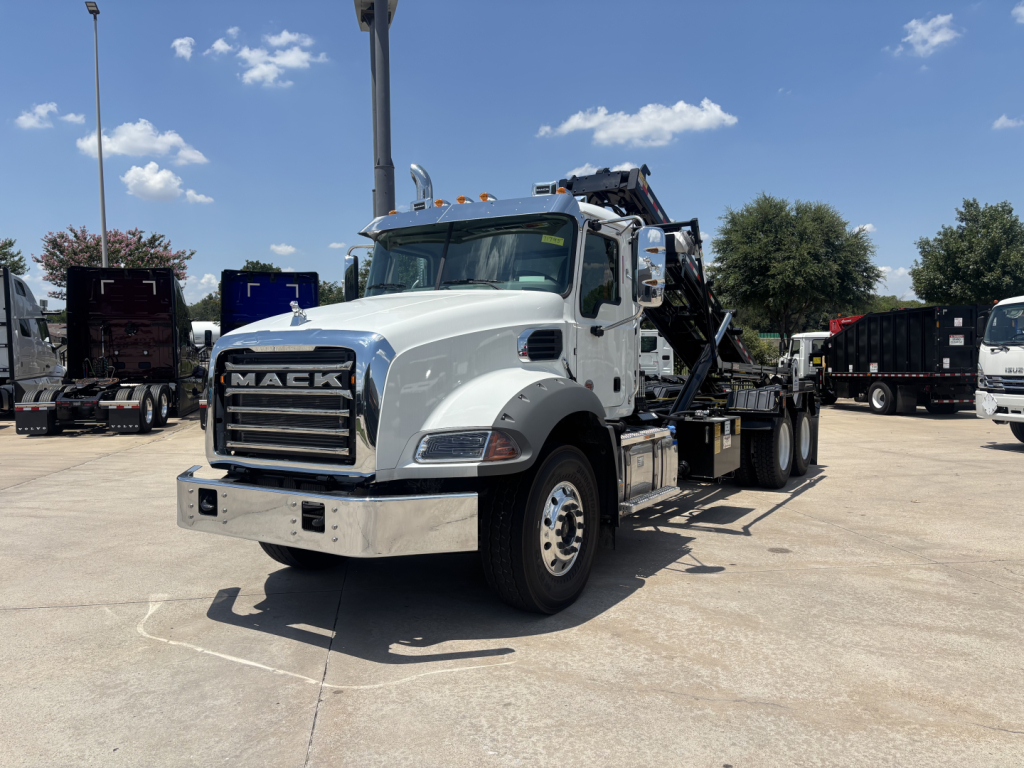
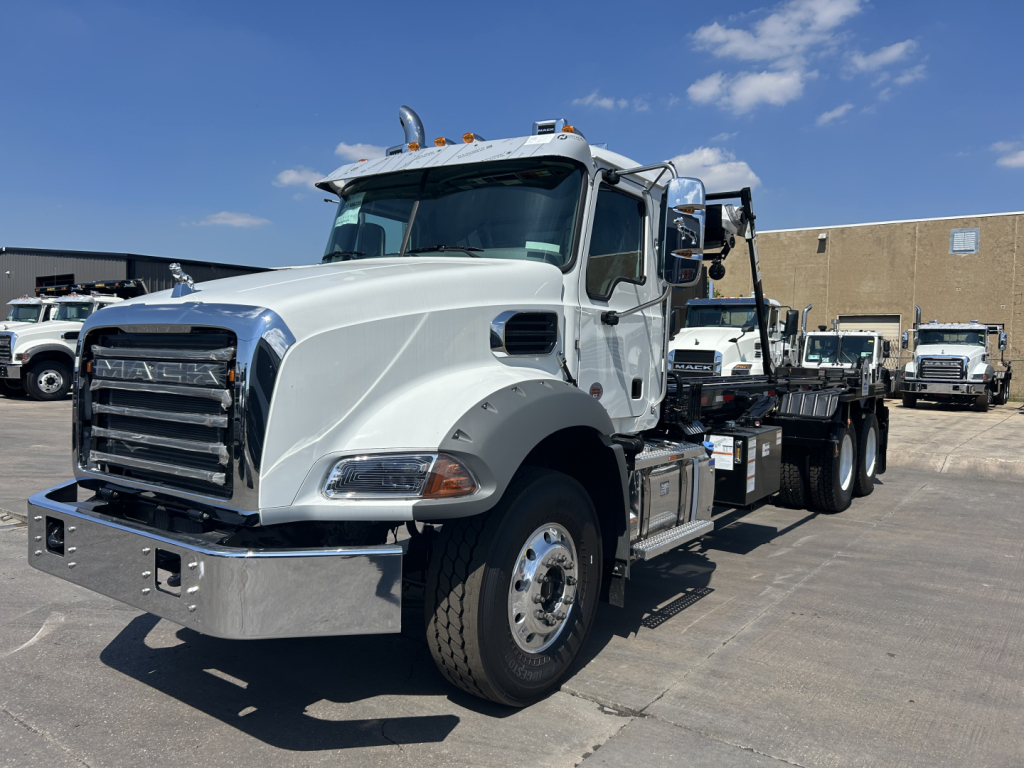
A typical Mack rolloff setup in this class uses the MP7 engine in the 400-plus horsepower range paired with an Allison automatic transmission, often an Allison 4500 RDS for smooth engagement and easier operation in dense urban routes or jobsite traffic. Tandem rear axles with ratings around 46,000 pounds are common, and some trucks add a steerable lift axle to increase legal payload and improve bridge compliance. Mack Camelback suspension remains popular in severe-service applications because it is simple, proven, and well suited for rough transfer stations, landfill approaches, and uneven construction entrances. Buyers should also pay attention to rear ratio, front axle rating, and overall GVWR, especially if the truck will spend time on mixed highway and local routes with heavy cans.
The hoist package matters as much as the chassis. Many Mack rolloff trucks in this segment are equipped with 60,000-pound-class cable or hook hoists, along with tarp systems to stay compliant and keep debris contained. A rear pintle plate can add flexibility for trailer use, but the buyer should confirm whether the truck is actually plumbed with the hitch and trailer hydraulics needed for the intended application. Frame length, cab-to-axle measurement, and hoist mounting geometry all affect container compatibility, departure angle, and weight distribution. If the work involves tight city alleys or smaller commercial accounts, maneuverability may matter more than maximum can length. For transfer, industrial, or demolition work, higher capacity and tri-axle configurations usually make more sense.
A Mack rolloff truck is generally a strong choice for fleets that want a straightforward vocational chassis with widespread parts support and a reputation for handling punishment. The best unit is not just the one with the highest hoist rating. It is the one with the right axle spread, suspension, transmission, and upfit details for the containers, legal weights, and route conditions the truck will actually see. On used units, buyers should inspect hoist wear points, cable or hook mechanism condition, cylinder leakage, frame reinforcement, lift axle function, tarp operation, and signs of twist or cracking around the body mounts. On newer trucks, it is worth confirming emissions configuration, PTO setup, and any body-builder provisions before the truck goes to work.
Frequently Asked Questions about Mack Rolloff Trucks in Texas
What is the typical configuration of a Mack rolloff truck?
A Mack rolloff truck is commonly built on a Granite vocational chassis with tandem rear axles, a heavy front axle, and a rolloff hoist rated for container handling in waste, scrap, or demolition service. Many are spec'd with a Mack MP7 engine, an Allison automatic transmission, and a suspension such as Mack Camelback for durability in severe-duty use. Depending on payload goals and local bridge laws, some units also include a steerable lift axle to increase legal carrying capacity.
Is an Allison automatic a good transmission choice for a rolloff truck?
Yes. An Allison automatic is a common and practical choice for rolloff work because it delivers smooth low-speed control, consistent shifting, and easier operation in stop-and-go service. That matters when drivers are backing into jobsites, aligning with containers, and making frequent pickups in urban or industrial areas. It can also reduce driver fatigue and help fleets with mixed driver experience levels.
How important is lift axle equipment on a Mack rolloff truck in Texas?
Lift axle equipment can be very important if the truck is expected to maximize legal payload while staying compliant with axle weight limits. In Texas, route type, container weight, and local enforcement patterns all influence whether a tandem truck is enough or a tri-axle setup makes more financial sense. A steerable lift axle can improve payload flexibility and reduce tire scrub compared with a fixed axle, but it also adds maintenance and complexity.
What should buyers inspect on a used Mack rolloff truck?
Key inspection points include the hoist rails, hinge points, rollers, hydraulic cylinders, PTO operation, tarp system, and the truck frame where the hoist mounts to the chassis. Buyers should also check for cracks, weld repairs, uneven tire wear, suspension fatigue, and proper lift axle operation if equipped. On the powertrain side, confirm engine service history, transmission performance, and that the axle ratings and GVWR match the intended container and route demands.
What jobs are Mack rolloff trucks best suited for?
Mack rolloff trucks are well suited for construction debris hauling, municipal solid waste, recycling, scrap service, demolition cleanup, and industrial container movement. Their vocational chassis design makes them a strong fit for repeated load cycles, rough access points, and heavier container weights. The exact application fit depends on hoist capacity, axle setup, wheelbase, and whether the truck is built more for tight urban service or heavier transfer-style work.