
2026 Rolloff Trucks For Sale in Colorado
Shop 2026 rolloff trucks in Colorado. Compare hoist capacity, axle setups, PTO hydraulics, and chassis specs for waste and container hauling.
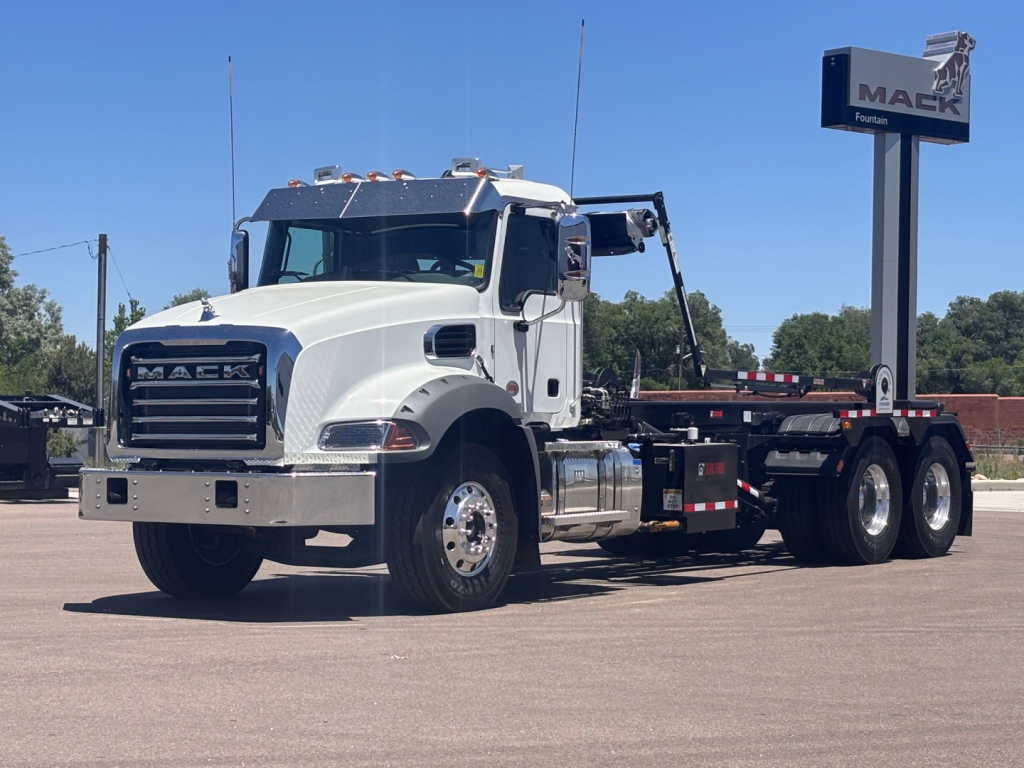
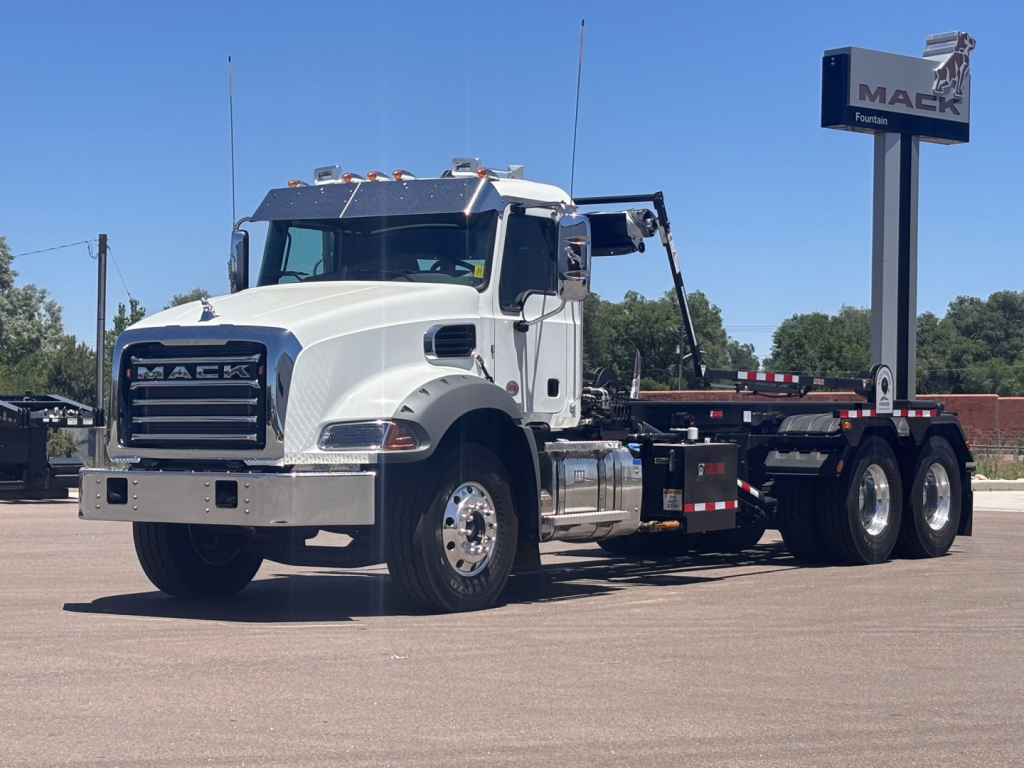
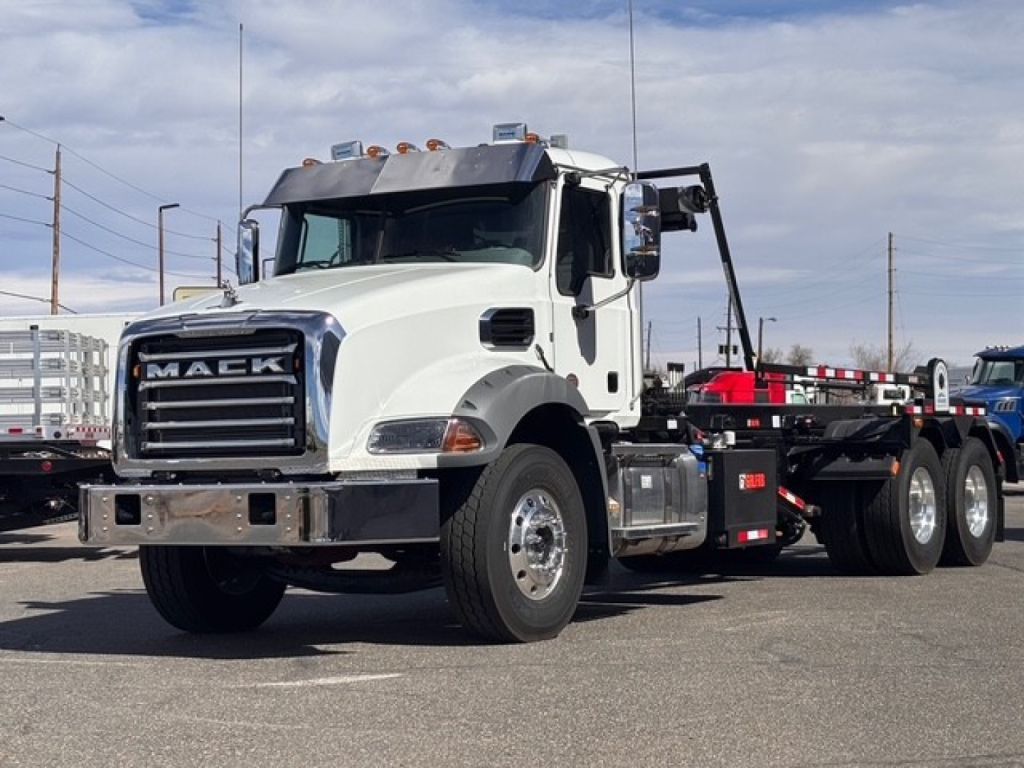
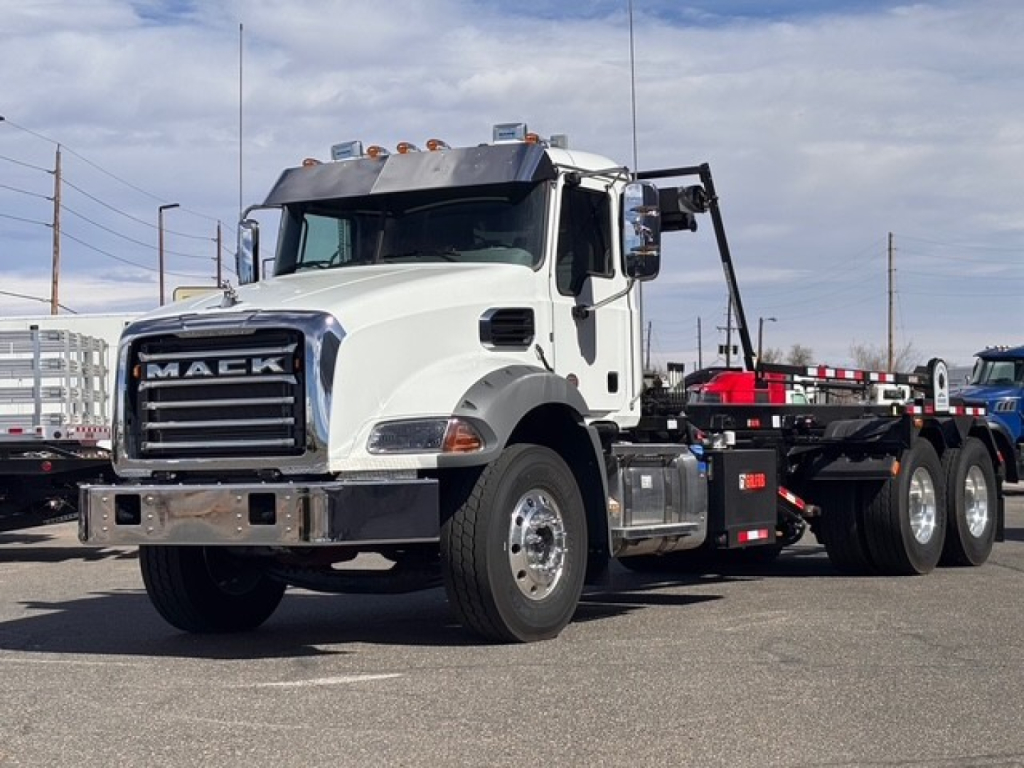
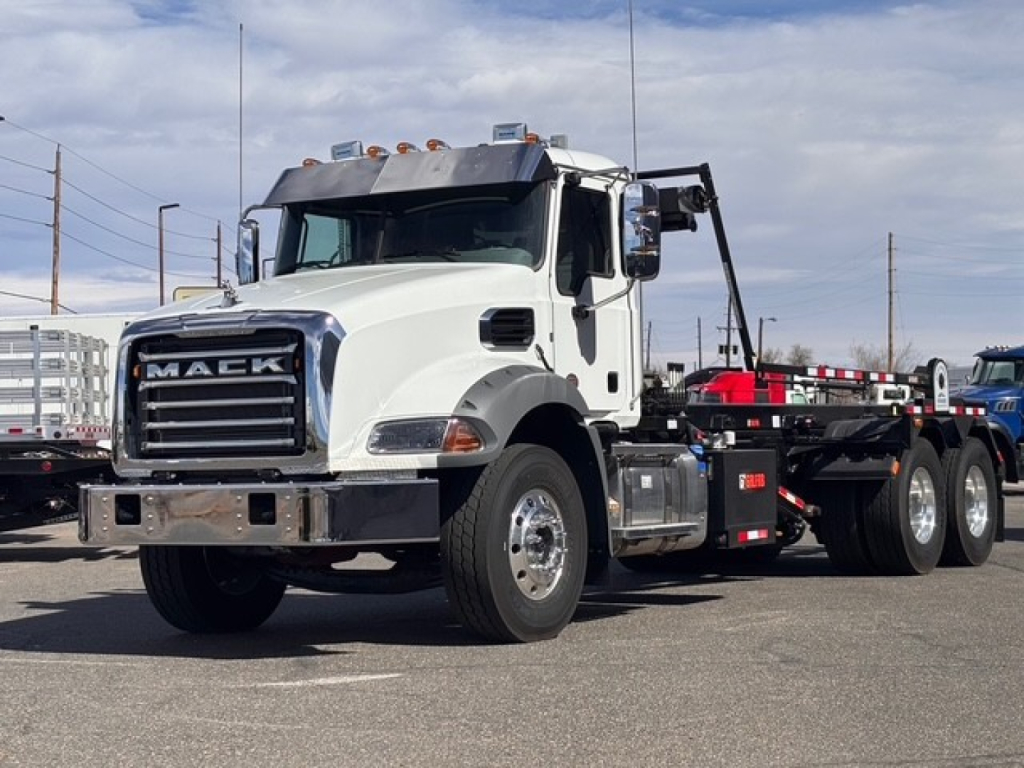
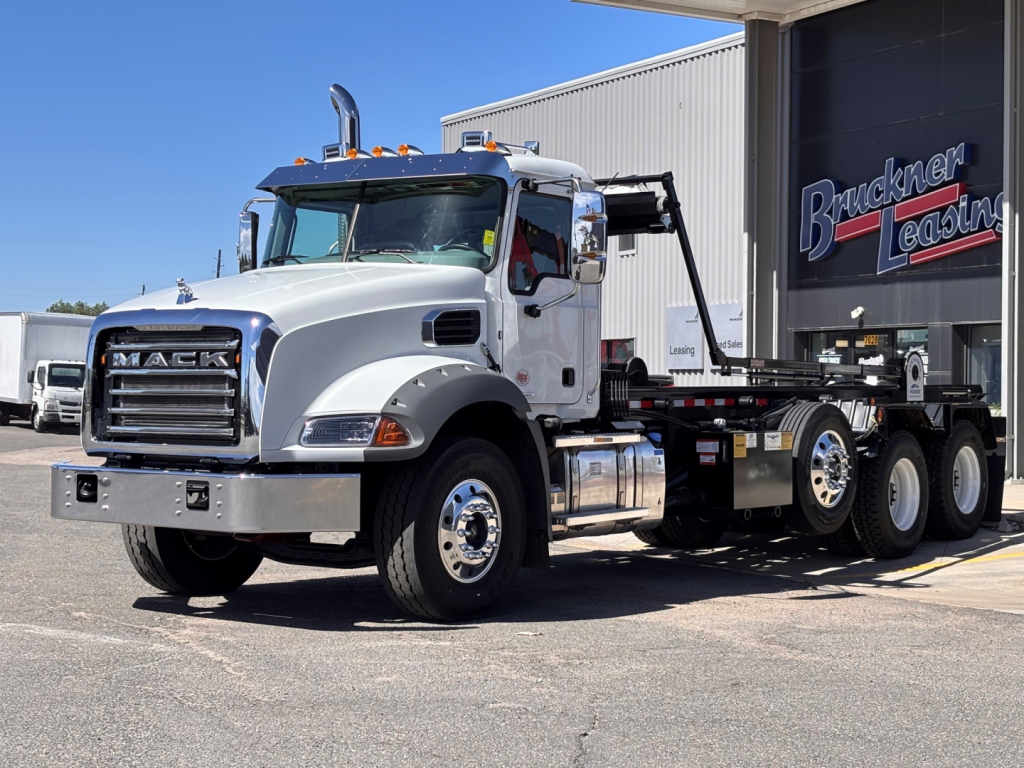
Selling a 2026 rolloff truck? List your 2026 rolloff truck for sale and reach thousands of commercial buyers.
2026 Rolloff Trucks in Colorado
The core buying decision is matching the hoist and chassis to the work cycle. Buyers should look closely at container compatibility, rail width, hoist rating, winch capacity, reeving design, and PTO-driven hydraulic performance. A rolloff truck working urban routes may prioritize maneuverability and shorter wheelbase dimensions, while a unit running heavier debris in mountain markets may need more axle capacity, higher horsepower, and aggressive rear axle ratios. Suspension choice also matters. Vocational spring suspension remains common for durability, while air ride can improve driver comfort and container stability depending on the application. Braking, frame reinforcement, and body-up safety systems deserve the same attention as engine and transmission specs.
Colorado operators also need to think about terrain, weather, and municipal route demands. Steep grades and variable jobsite conditions can put extra stress on cooling systems, transmissions, and hydraulic components. Locking differentials, durable lift axles where applicable, and proper tire selection can make a noticeable difference in traction and operating cost. If the truck will see frequent landfill traffic or rough demolition sites, ground clearance, crossmember strength, and rear underride protection should be reviewed carefully. Newer 2026 model year rolloff trucks may also bring updated safety systems, improved driver visibility, and cleaner integration of backup cameras, telematics, and electronic controls that help track idle time, PTO hours, and maintenance intervals.
For buyers comparing listings, the most important details are usually the ones not obvious in a photo. Check the cab-to-axle measurement, usable rail length, gross vehicle weight rating, front axle capacity, rear axle rating, and intended box size range. Confirm the engine torque curve and transmission programming suit stop-and-go vocational work rather than highway-only duty cycles. A well-spec'd rolloff truck should load smoothly, transfer weight predictably, and hold up under repeated container exchanges without excessive frame stress or hydraulic heat. When the chassis, hoist, and axle package are matched correctly, a rolloff truck becomes one of the most productive vocational assets in a fleet.
Frequently Asked Questions about 2026 Rolloff Trucks in Colorado
What is the difference between a rolloff truck and a hooklift truck?
A rolloff truck usually uses a cable hoist system to pull rolloff containers onto rails, making it a standard choice for waste, recycling, demolition, and scrap operations. A hooklift truck uses a hydraulic hook arm to pick up compatible bodies or containers more quickly and with greater body interchangeability. Buyers choosing between the two should focus on the container types already in service, body change frequency, and the weight range of typical loads.
What axle configuration is most common for a rolloff truck?
Tandem axle configurations are common because they provide a strong balance of maneuverability, legal payload, and chassis durability. Tri-axle setups may be used when operators need higher payload capacity or better weight distribution, especially in heavy debris applications. The right configuration depends on local bridge laws, route restrictions, container size, and the density of the material being hauled.
What should I check first when comparing 2026 rolloff trucks for sale in Colorado?
Start with hoist capacity, container length compatibility, gross vehicle weight rating, and axle ratings. After that, review horsepower, torque, rear axle ratio, transmission type, and PTO hydraulic setup to make sure the truck is built for steep grades, stop-and-go operation, and repeated loading cycles. In Colorado, cooling performance, traction equipment, and jobsite durability are especially important because terrain and weather can change operating demands quickly.
How important is wheelbase on a rolloff truck?
Wheelbase is a major spec because it affects turning radius, bridge weight distribution, rail length, and container fit. A shorter wheelbase can improve maneuverability on urban routes and tighter jobsites, but it may limit box size or weight distribution options. A longer wheelbase can support larger containers and improve stability, though it may be less practical in confined pickup and drop zones.
Which drivetrain and powertrain features matter most on a rolloff truck?
Torque delivery, transmission programming, PTO performance, and axle ratio matter more than headline horsepower alone. Rolloff trucks spend much of their time starting under load, operating hydraulics, backing into position, and moving through uneven sites, so low-speed drivability is critical. Locking differentials, vocational automatic or automated manual transmissions, and a cooling package designed for PTO and severe-duty use can improve uptime and reduce wear.