
2026 Rolloff Trucks For Sale
Shop 2026 rolloff trucks for waste, scrap, and container hauling. Compare hoist capacity, axle setup, wheelbase, and vocational chassis specs.
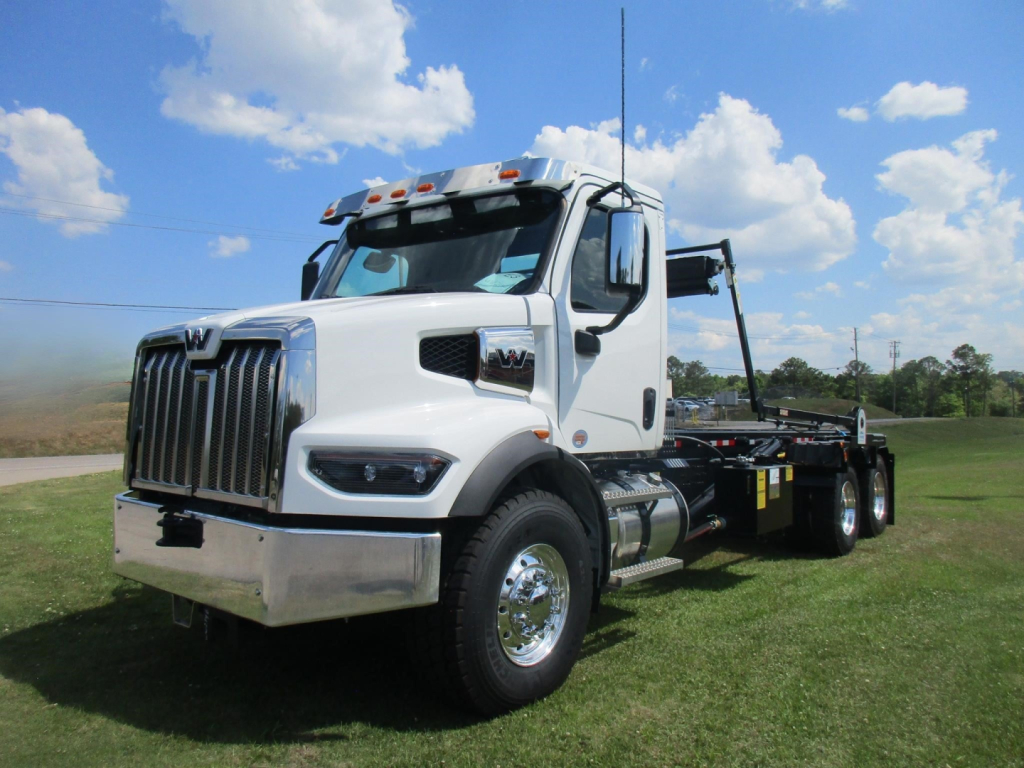
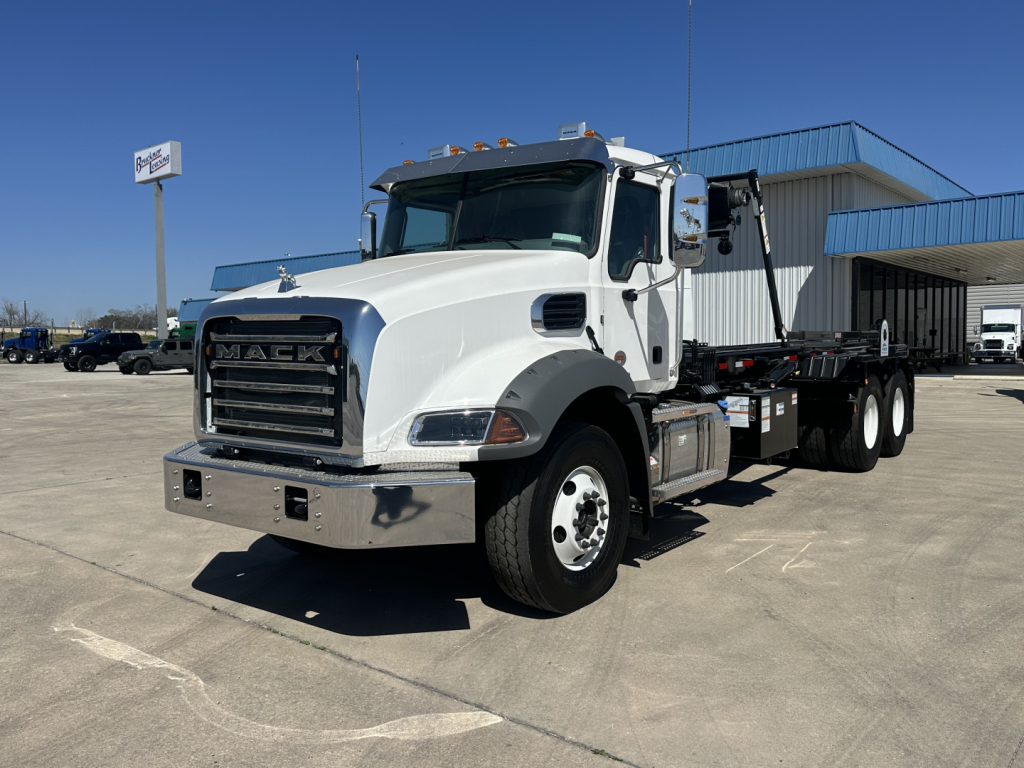
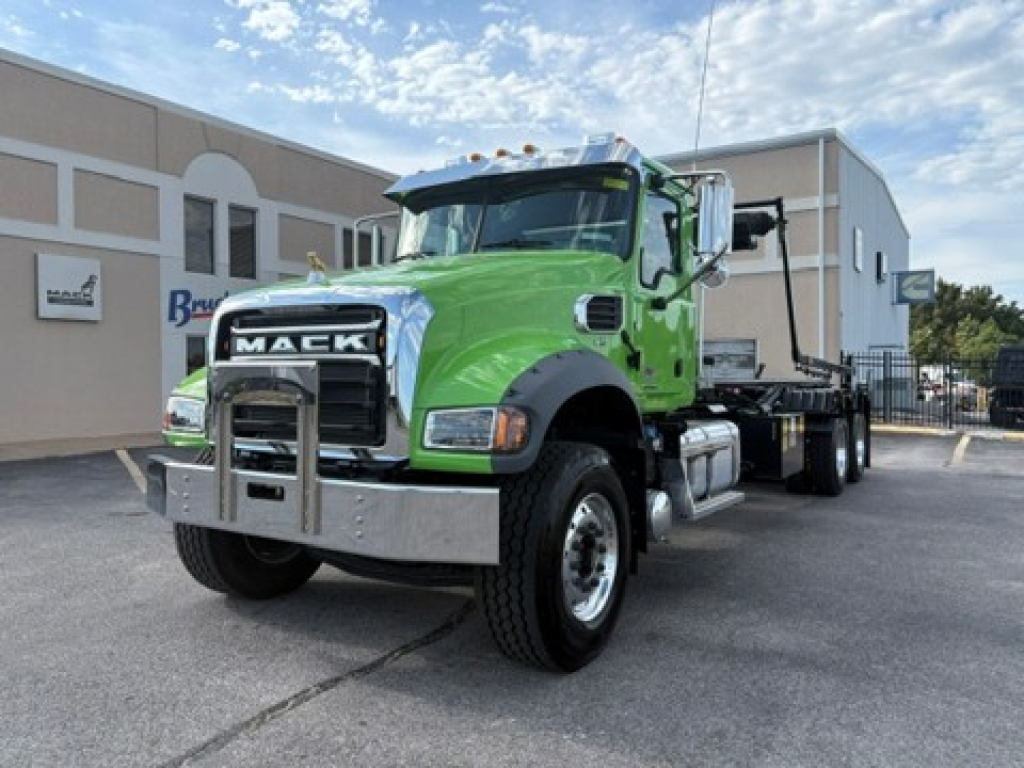
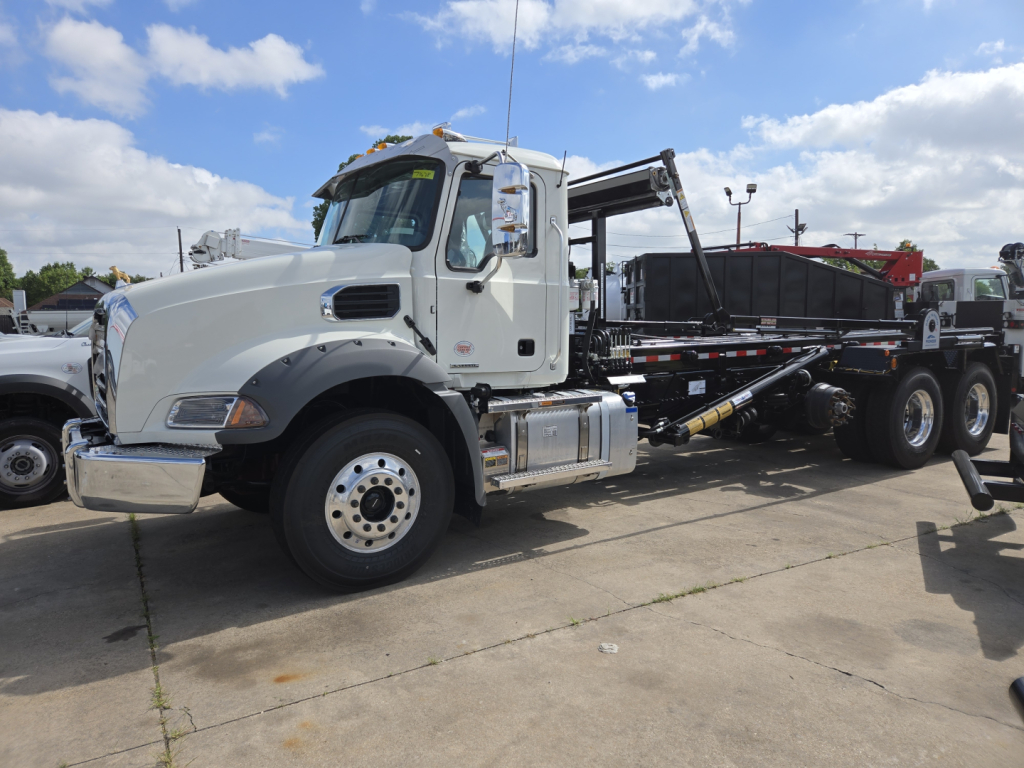
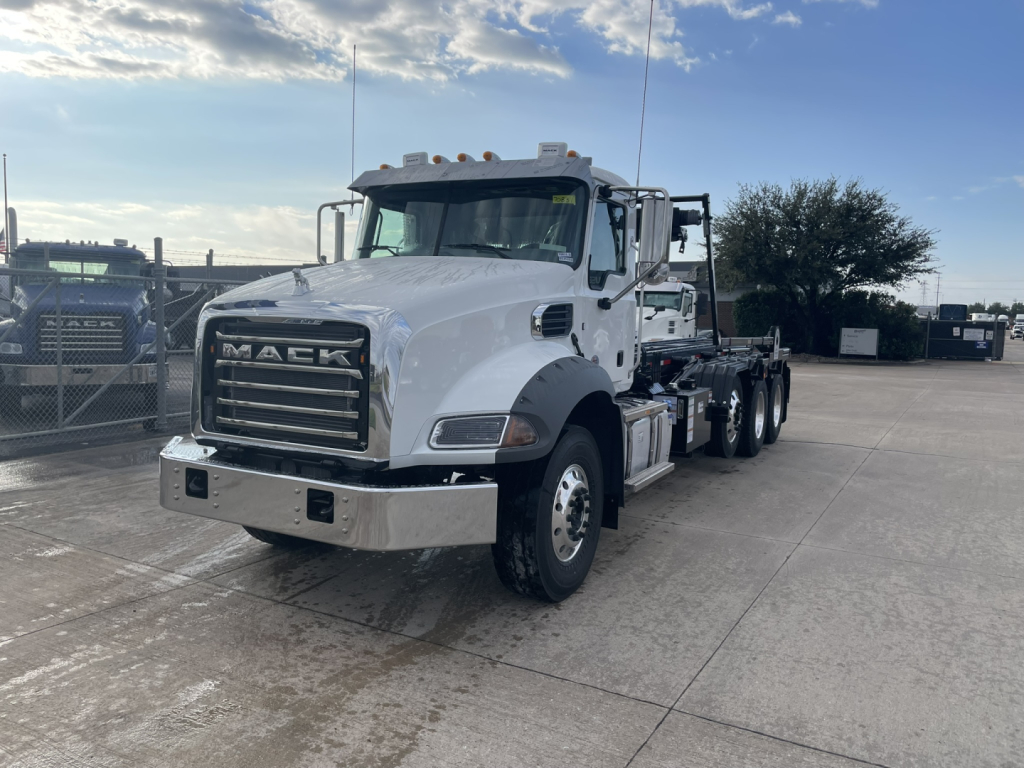
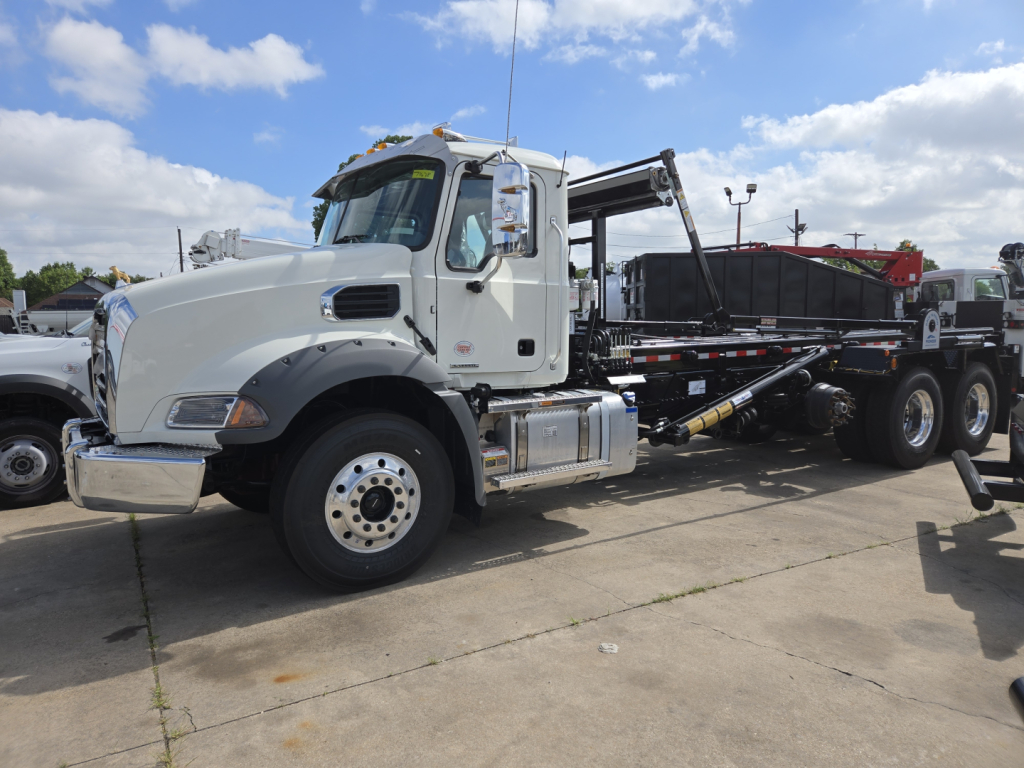
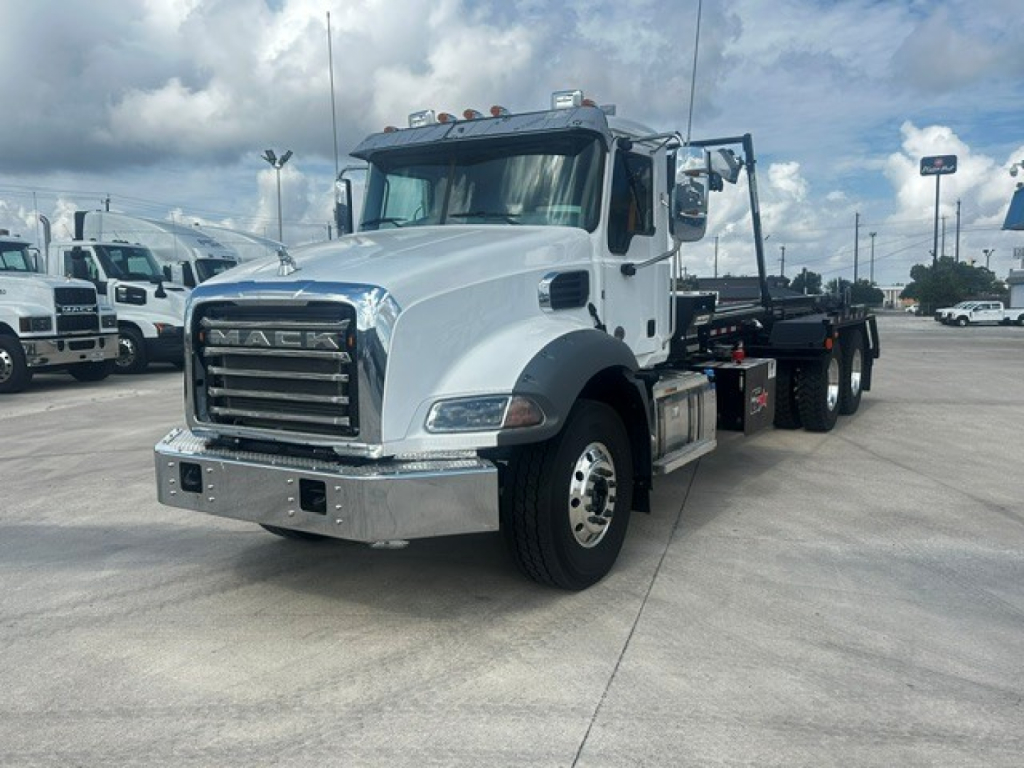
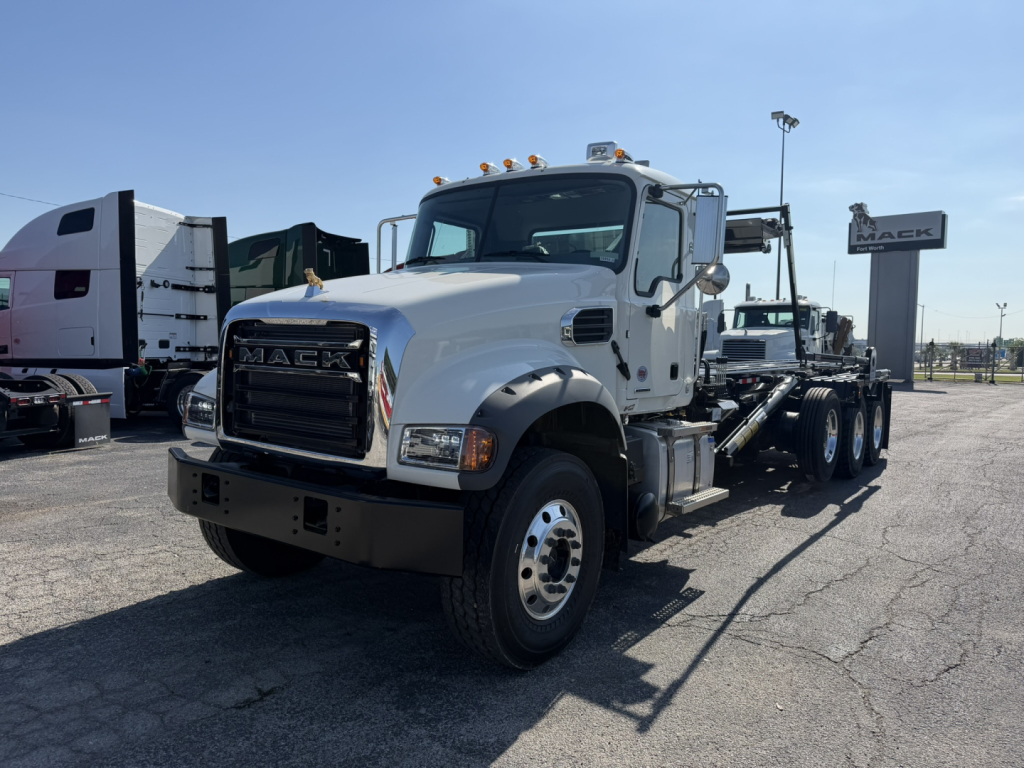
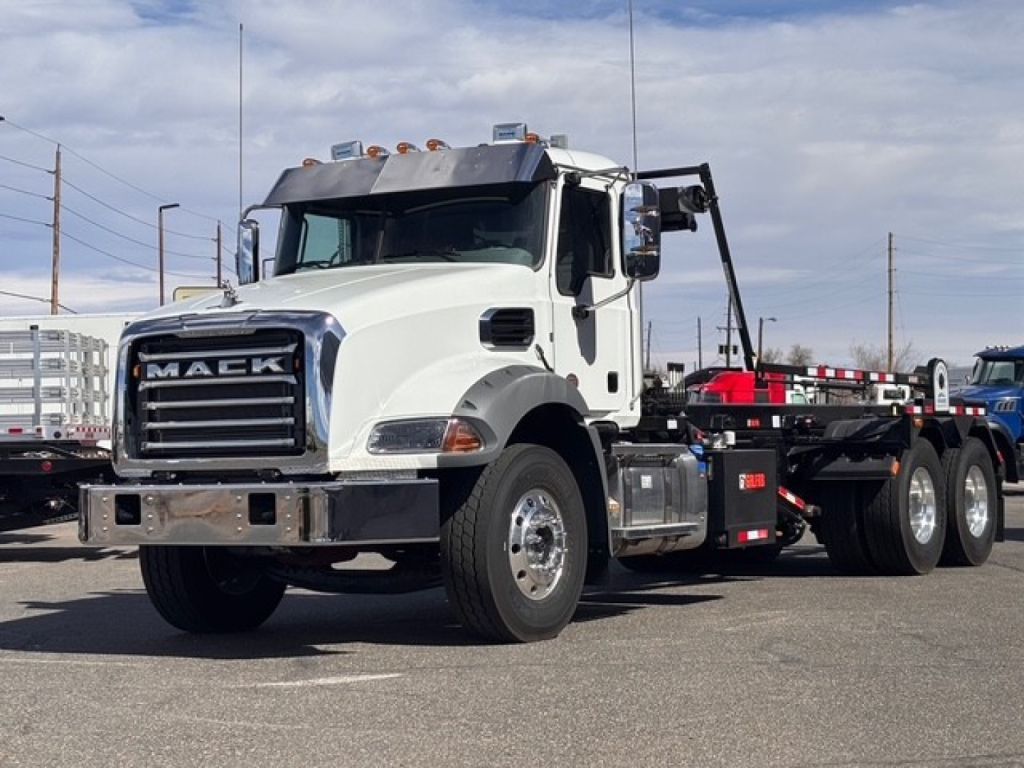
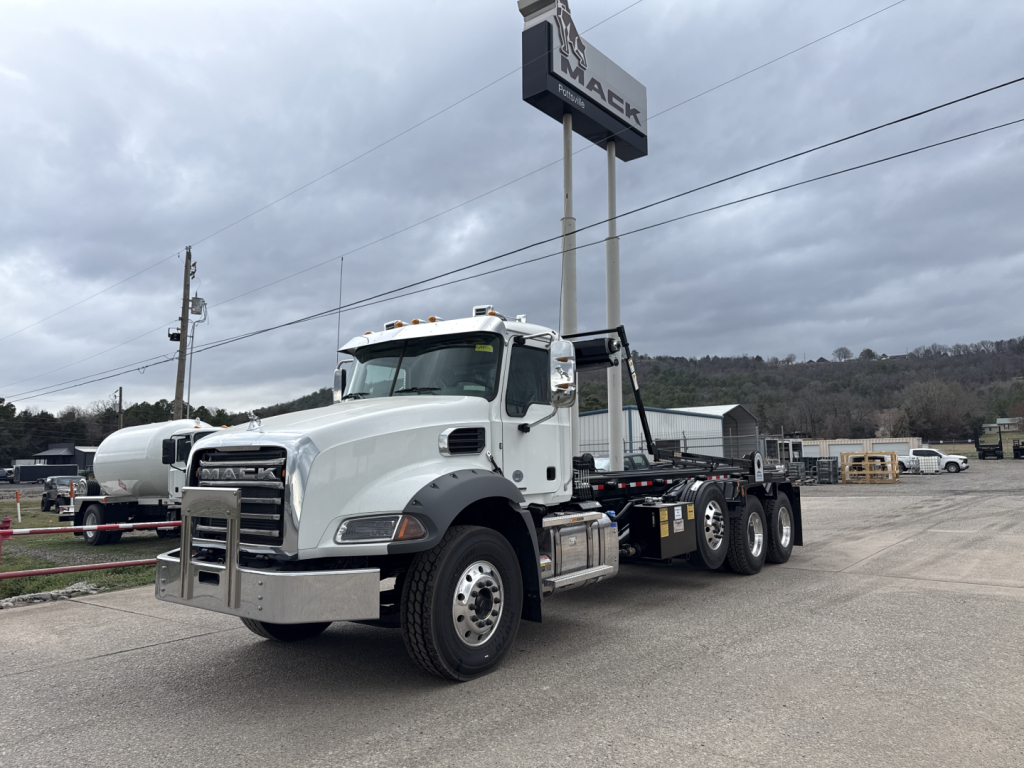
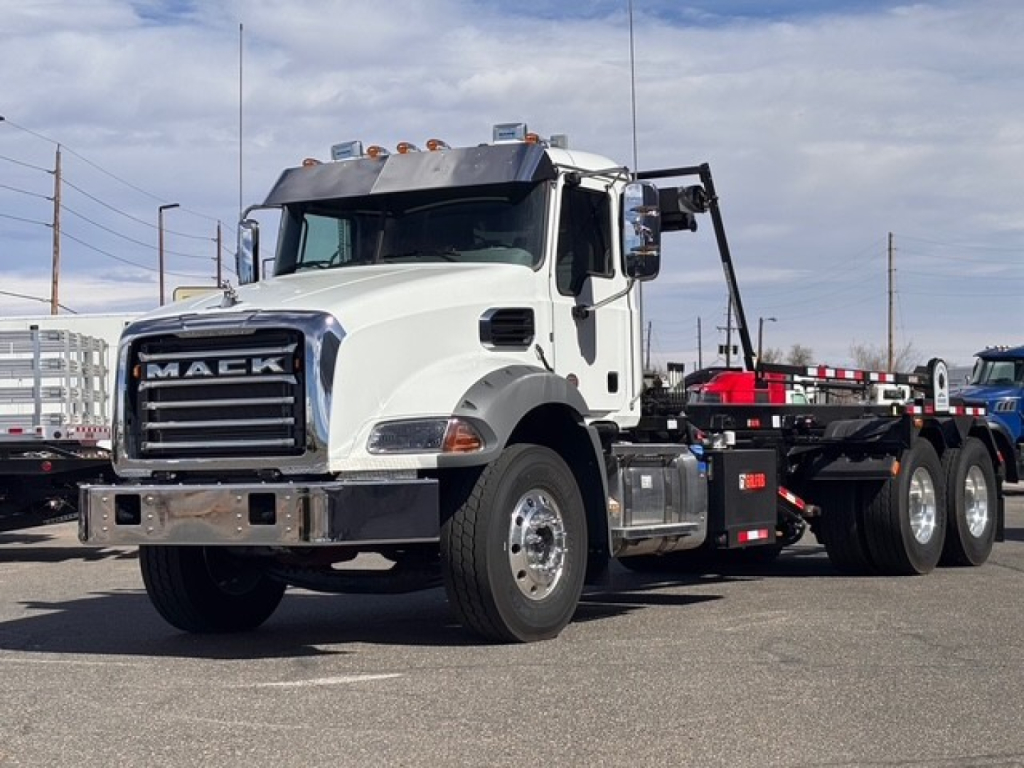
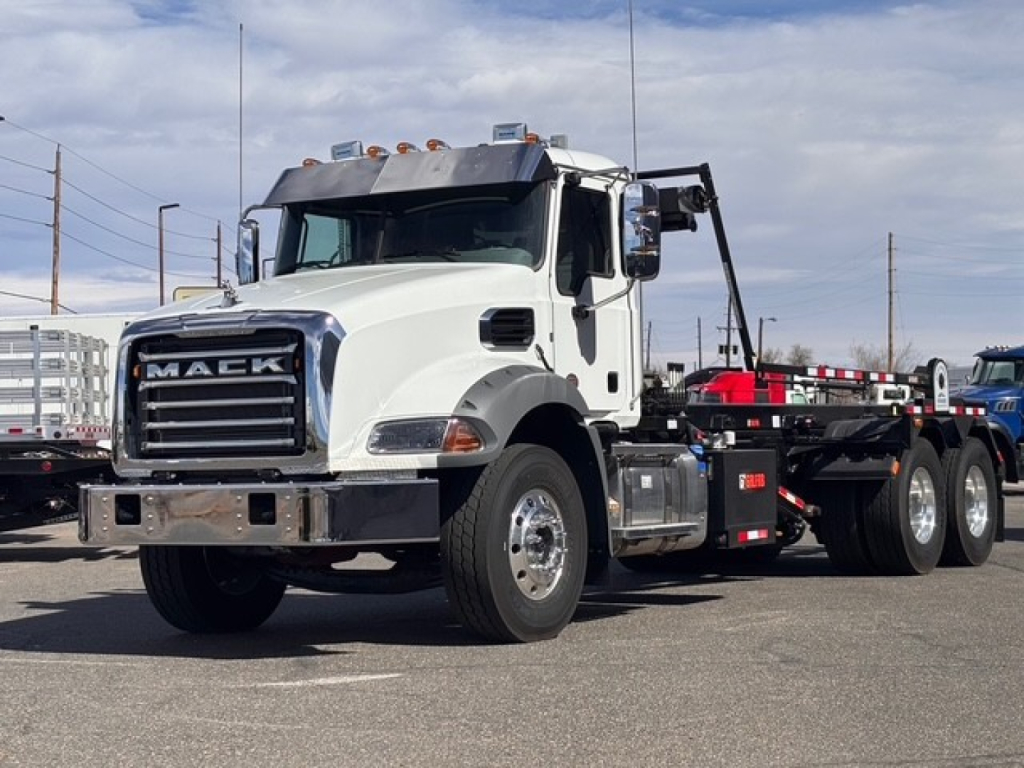
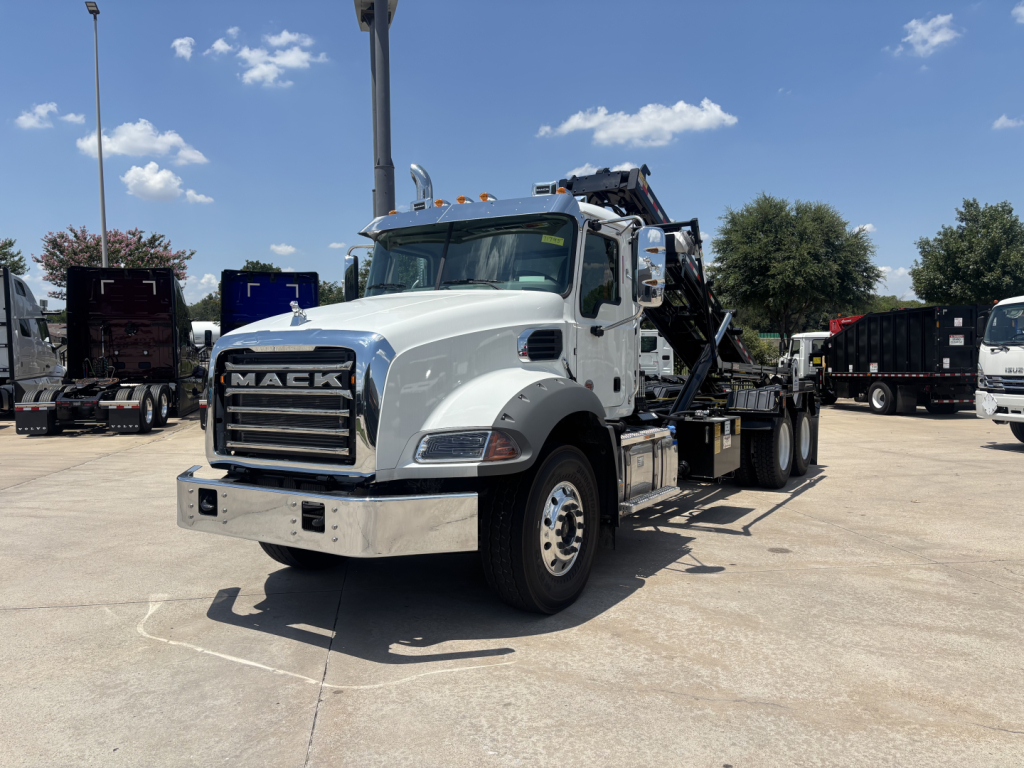
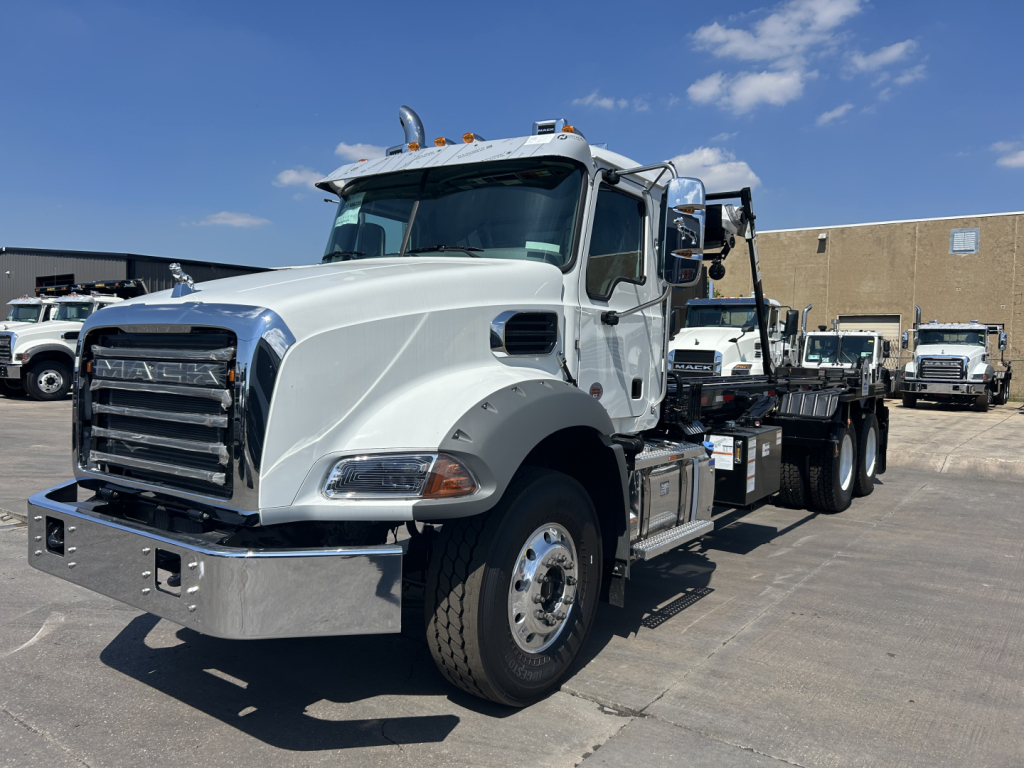
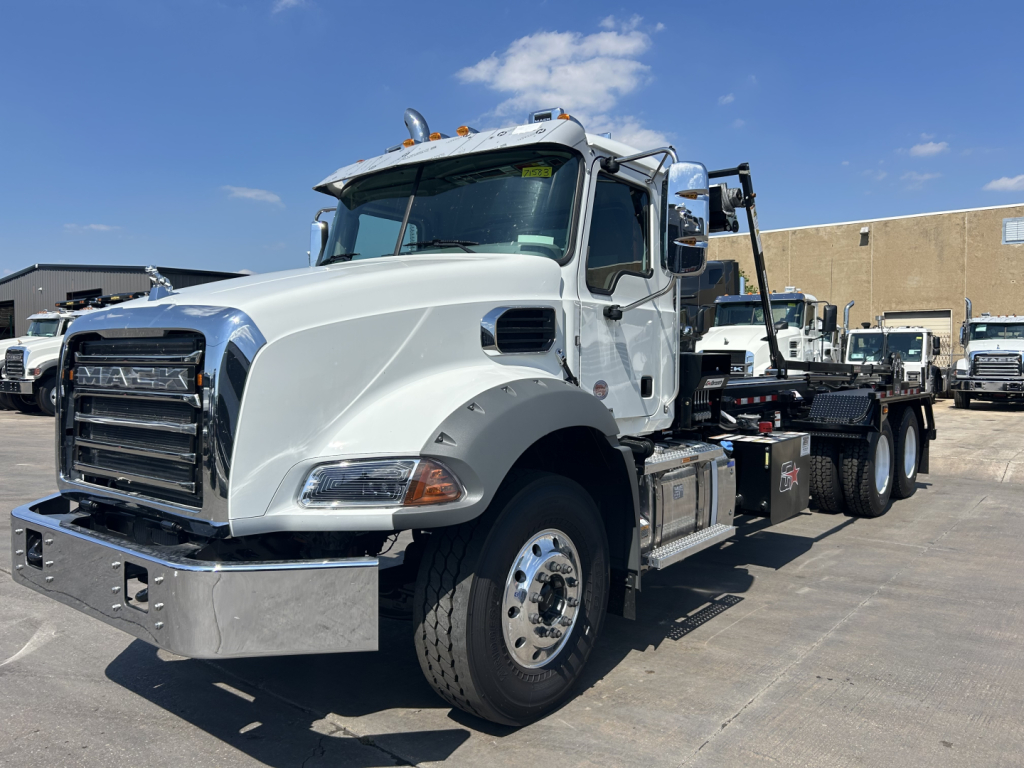
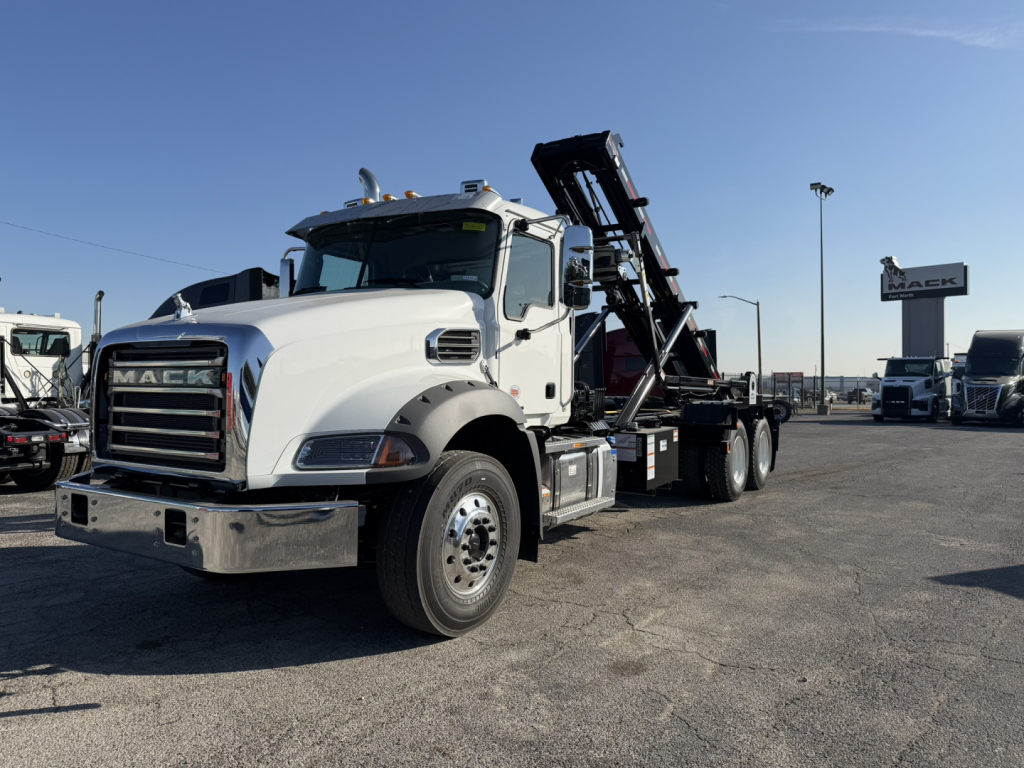
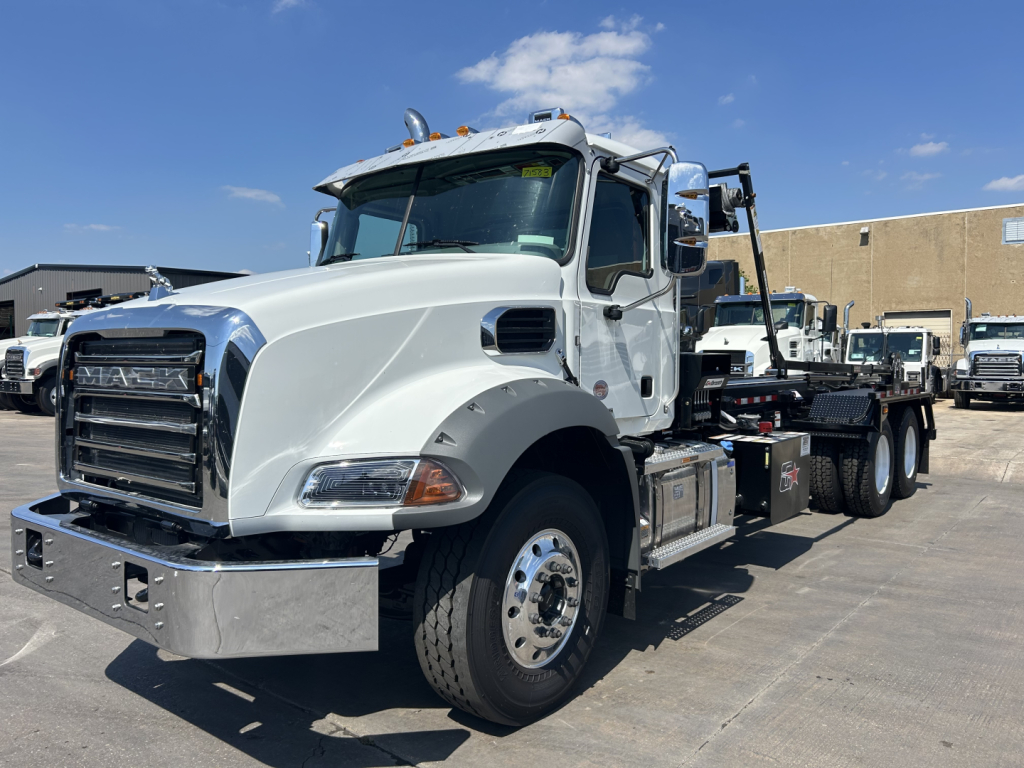
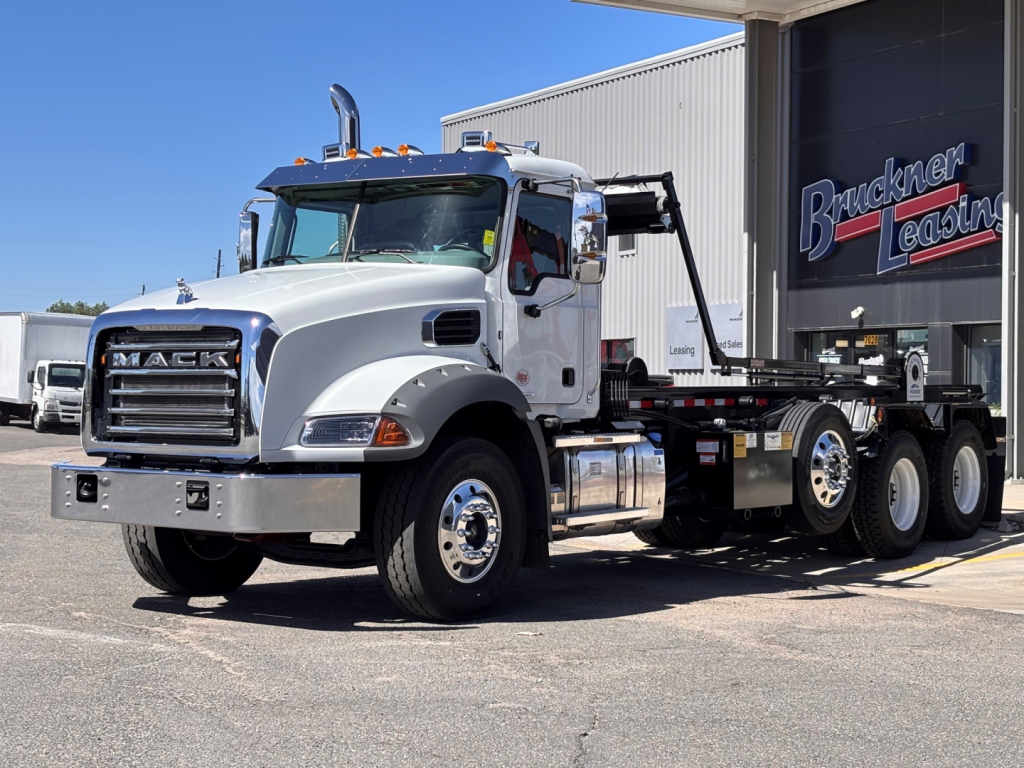
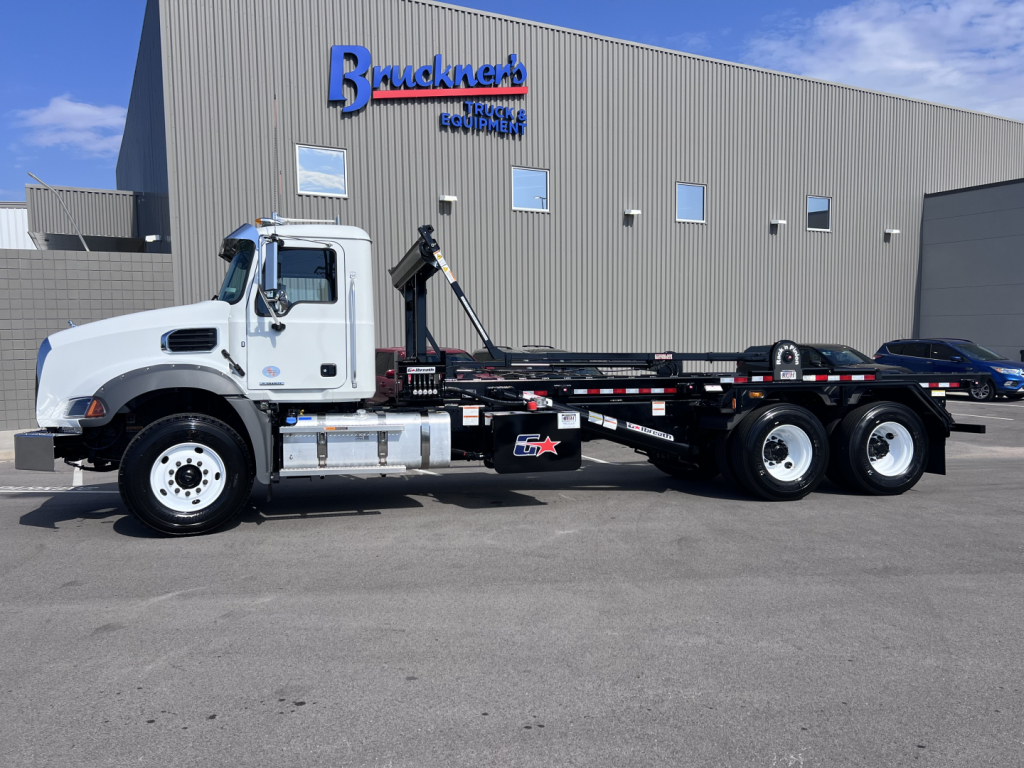

Showing 1 to 28 of 31 results
Selling a 2026 rolloff truck? List your 2026 rolloff truck for sale and reach thousands of commercial buyers.
2026 Rolloff Trucks
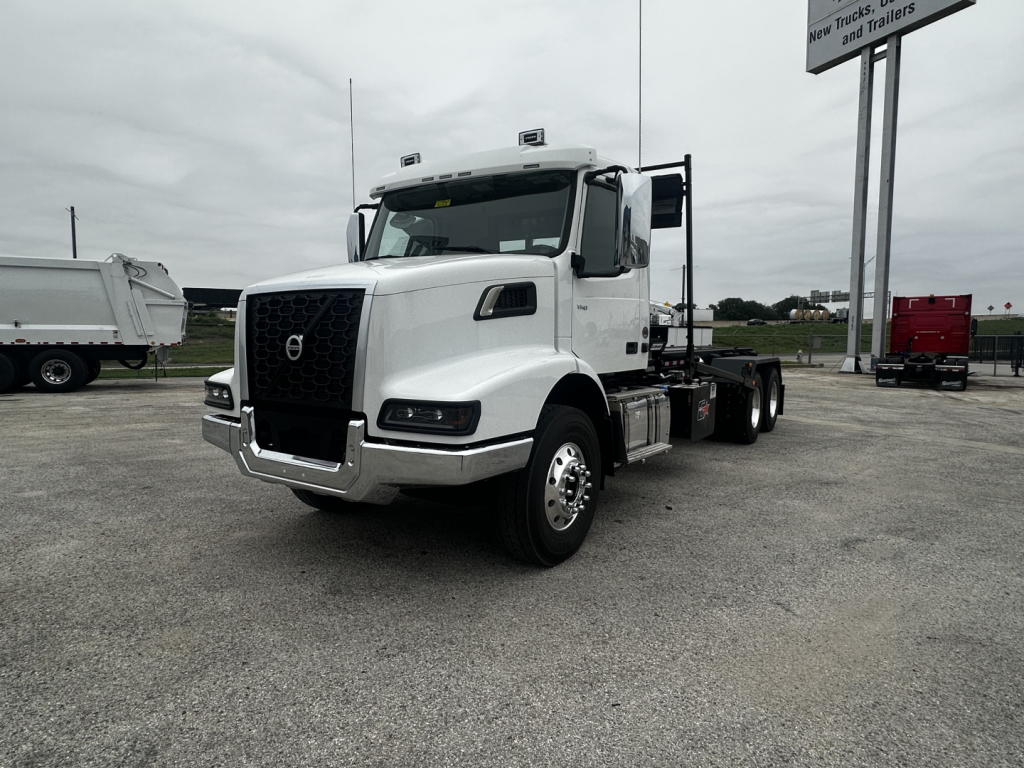
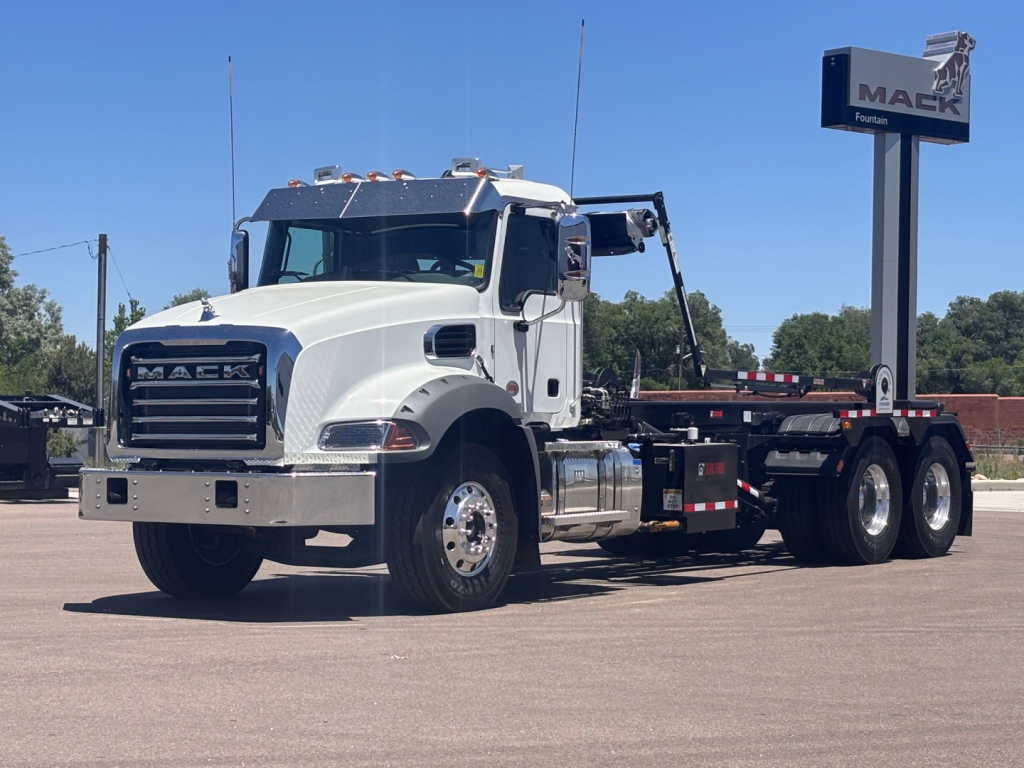
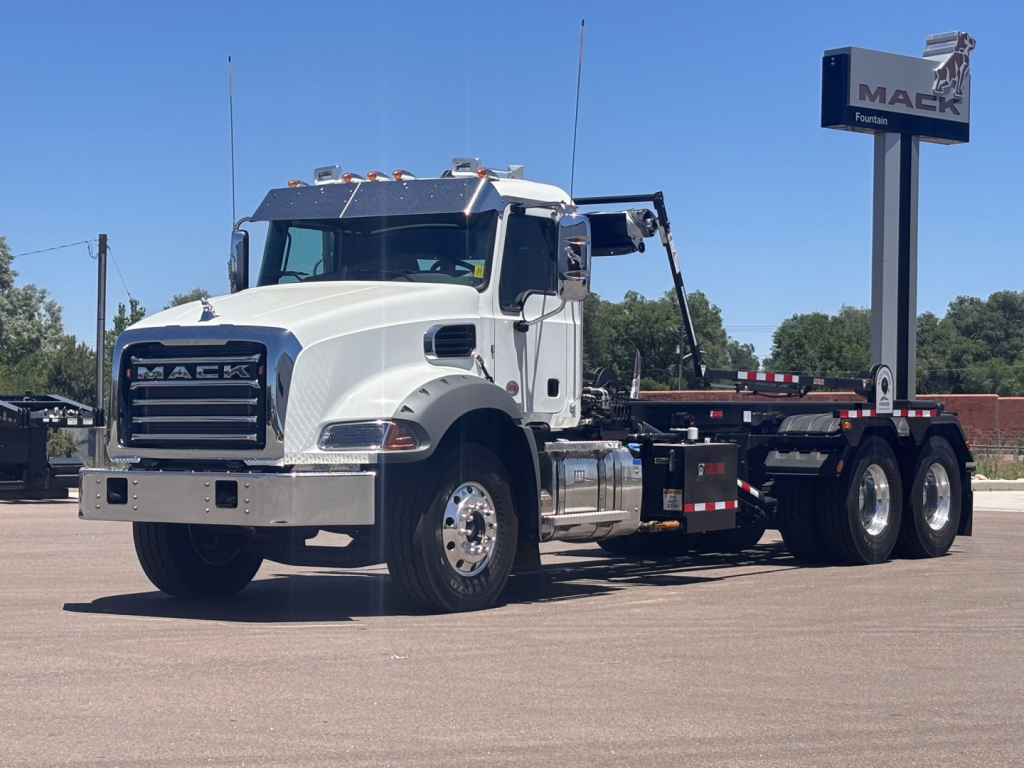
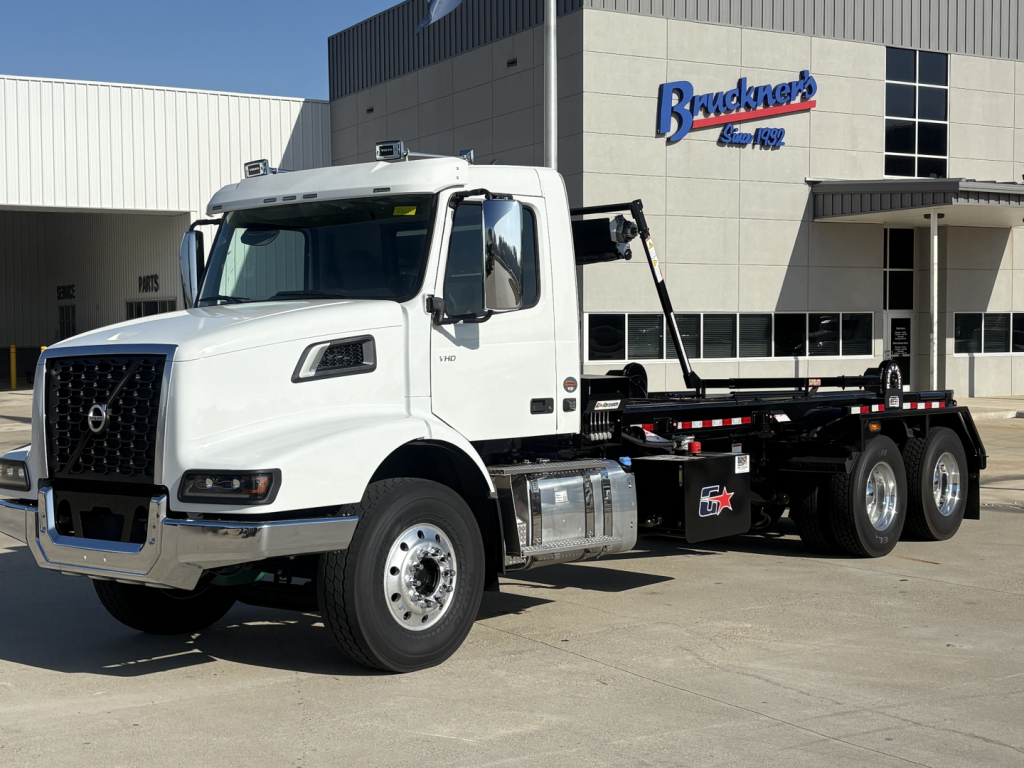
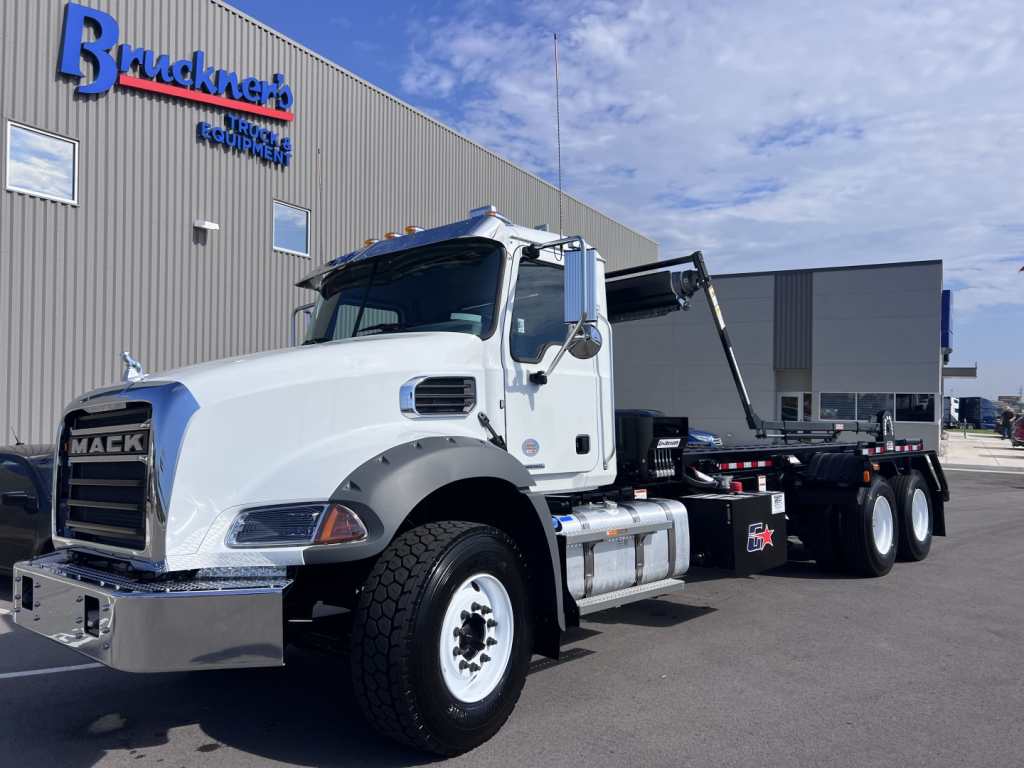
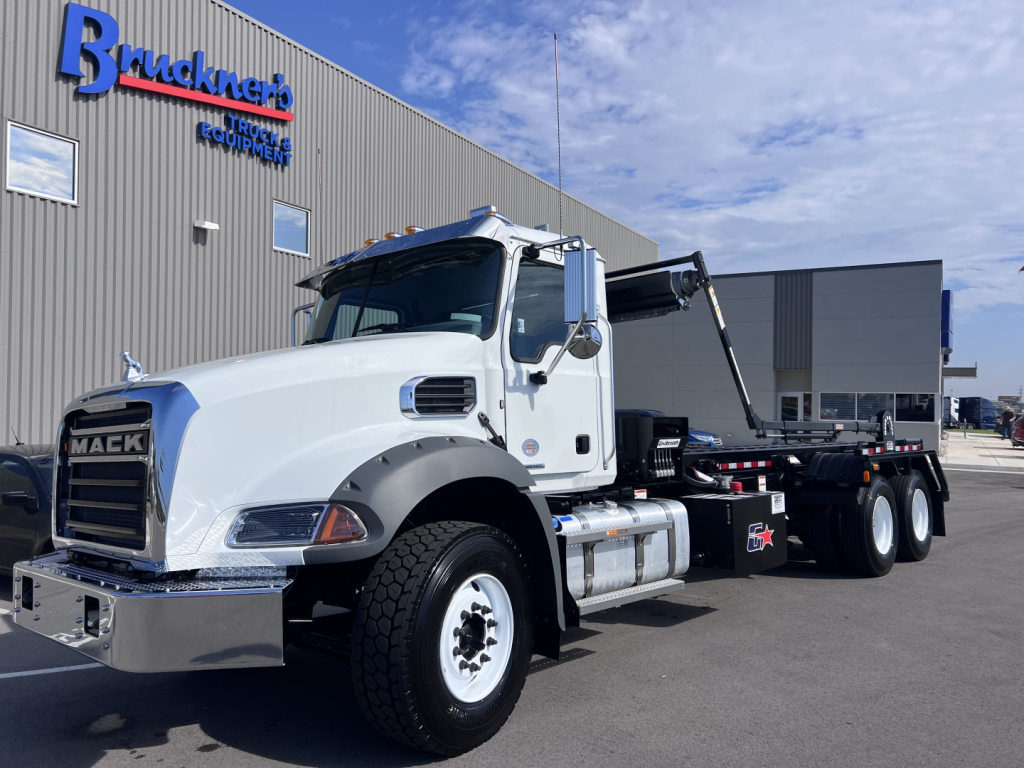
Chassis selection drives long-term operating cost. Most 2026 rolloff trucks are built on severe-duty platforms such as Mack Granite, Volvo VHD, Freightliner M2 Plus or similar vocational models, typically in 6x4 or 8x4 configurations. A 6x4 works well for general commercial container service, while an 8x4 or heavier front axle spec can make sense when local laws, container weights, or transfer-station routes push axle limits. Wheelbase, back-of-cab to trunnion dimension, frame reinforcement, suspension type, and pusher or tag axle availability all affect legal payload and body fit. Automatic transmissions, especially Allison automatics, remain popular in rolloff service because they reduce driver fatigue and improve low-speed control in tight urban work.
The details that separate one rolloff spec from another are usually vocational, not cosmetic. Buyers should look closely at hoist brand, inside rail width, hook height or cable capacity, tail roller design, body up warning systems, in-cab hoist controls, and tarp system type. A well-matched tarp setup is important for legal compliance and load retention, especially in demolition debris and municipal solid waste applications. PTO performance, hydraulic tank sizing, pump output, and cycle times also matter if the truck will run multiple containers per day. For hard-use fleets, frame liner specs, crossmember strength, rear hinge area reinforcement, and brake configuration deserve attention because rolloff trucks see repeated shock loading at the rails and rear of frame.
For many buyers, the best 2026 rolloff truck is the one spec'd to the containers and routes it will actually run. Urban fleets may prioritize maneuverability, visibility, and automatic shifting. Scrap and C&D operations often need higher hoist ratings, heavier suspensions, and stronger rear axle specs. If the truck will tow, check pintle hook provisions, GCWR, and local combination regulations. Newer vocational chassis also bring updated safety and emissions systems, so it is worth confirming service access, dealer support, and driver familiarity before standardizing a fleet. A properly spec'd rolloff truck can stay productive for years, but only if axle ratings, hoist capacity, and frame dimensions are matched from the start.
Frequently Asked Questions about 2026 Rolloff Trucks
What is the difference between a rolloff truck and a hooklift truck?
A rolloff truck is typically designed around a cable hoist system that pulls rolloff containers onto rails, while a hooklift truck uses a hydraulic hook arm to load compatible bodies. Rolloff trucks are common in waste, demolition, and scrap applications where fleets use standardized open-top containers. Hooklifts offer more body versatility, but a dedicated rolloff truck is often the better fit for high-volume container hauling with traditional rolloff boxes.
What hoist capacity should I look for on a 2026 rolloff truck?
The right hoist capacity depends on the loaded container weights, material type, and how aggressively the truck will be used. Light waste routes may be well served by a lower-capacity hoist, while construction debris, scrap, and dense recycling streams usually justify a heavier hoist rating and stronger chassis spec. Buyers should compare rated hoist capacity with axle ratings, frame reinforcement, and local bridge-law limits because the truck must be legal and stable, not just strong enough to lift the box.
Is a 6x4 or 8x4 better for rolloff service?
A 6x4 rolloff truck is the most common choice for general container hauling because it balances payload, maneuverability, and operating cost. An 8x4 can be the better option when front axle loading is high, container weights are consistently heavy, or local regulations favor additional axle capacity. The better choice depends on route density, transfer-station distances, legal axle distribution, and the body and hoist combination being installed.
Why are automatic transmissions so common in rolloff trucks?
Automatic transmissions are popular in rolloff service because this work involves repeated starts, backing, tight turns, and low-speed positioning around job sites and transfer stations. An Allison automatic is especially common on vocational specs because it improves drivability, helps reduce clutch-related wear, and makes it easier for drivers to control the truck while operating around containers, alleys, and congested urban routes.
What specifications matter most when comparing rolloff trucks for sale?
The most important specifications are hoist rating, container length compatibility, axle configuration, wheelbase, frame strength, suspension, transmission type, and brake setup. Buyers should also verify PTO and hydraulic performance, tarp system, rear rollers, and any towing provisions such as a pintle hook. These details determine how well the truck matches the containers, route conditions, and legal payload requirements of the operation.