
2026 Volvo Rolloff Trucks For Sale
Have 2026 volvo rolloff truck to sell? List it here to reach thousands of buyers.
2026 Volvo Rolloff Trucks
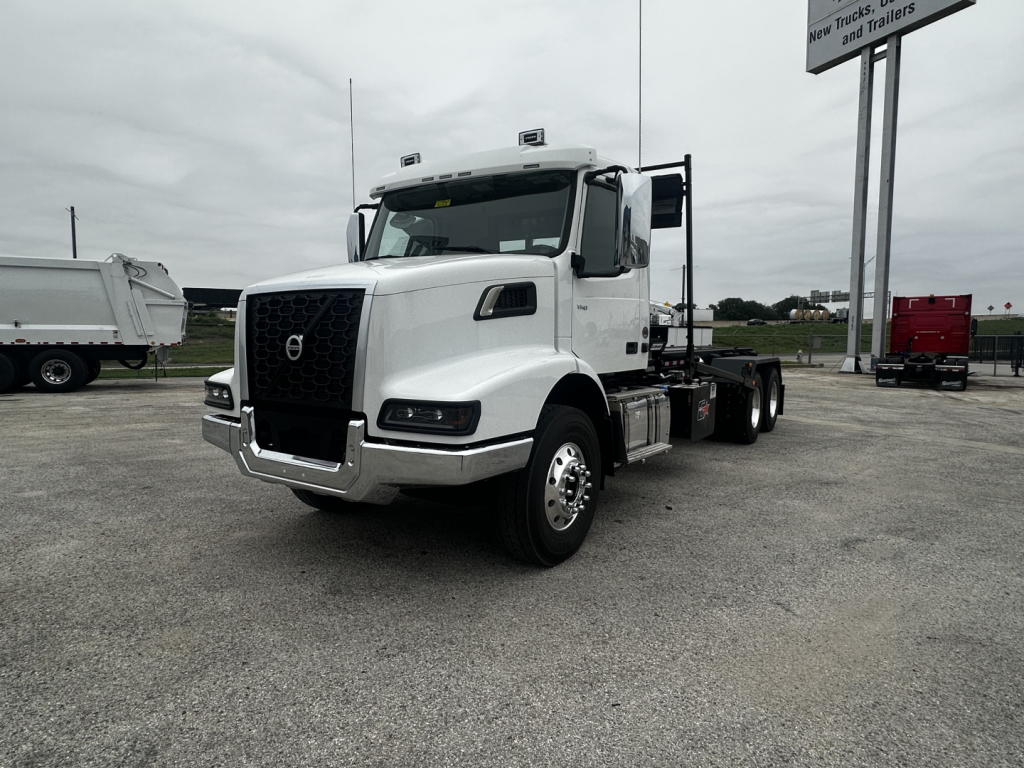
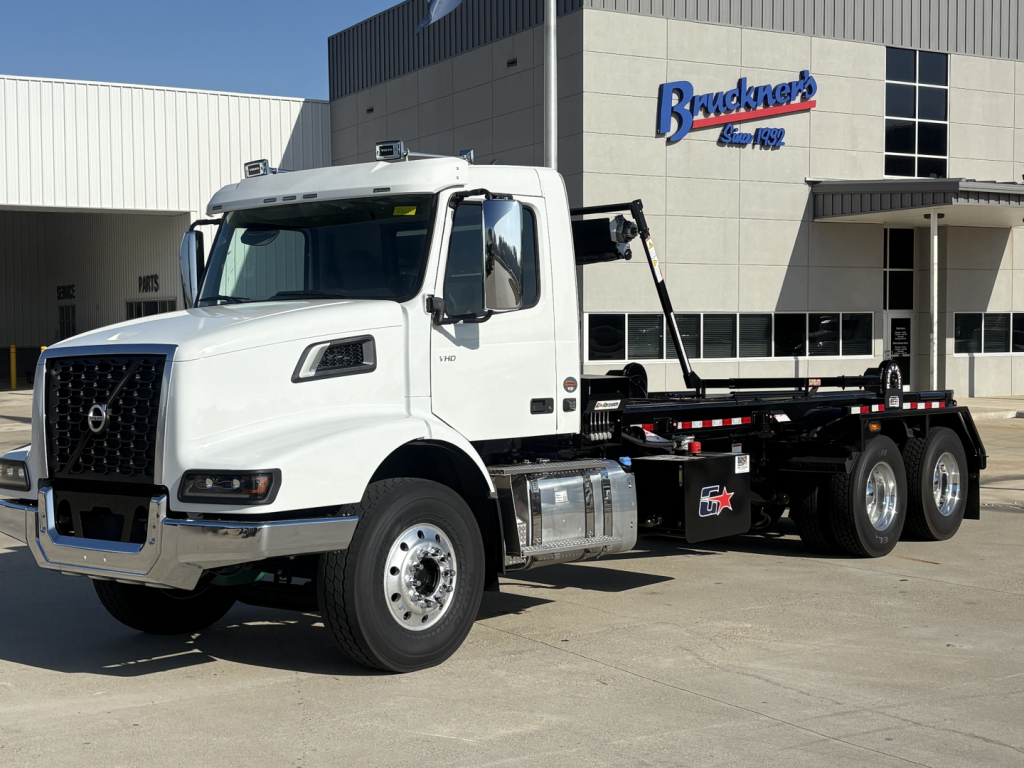
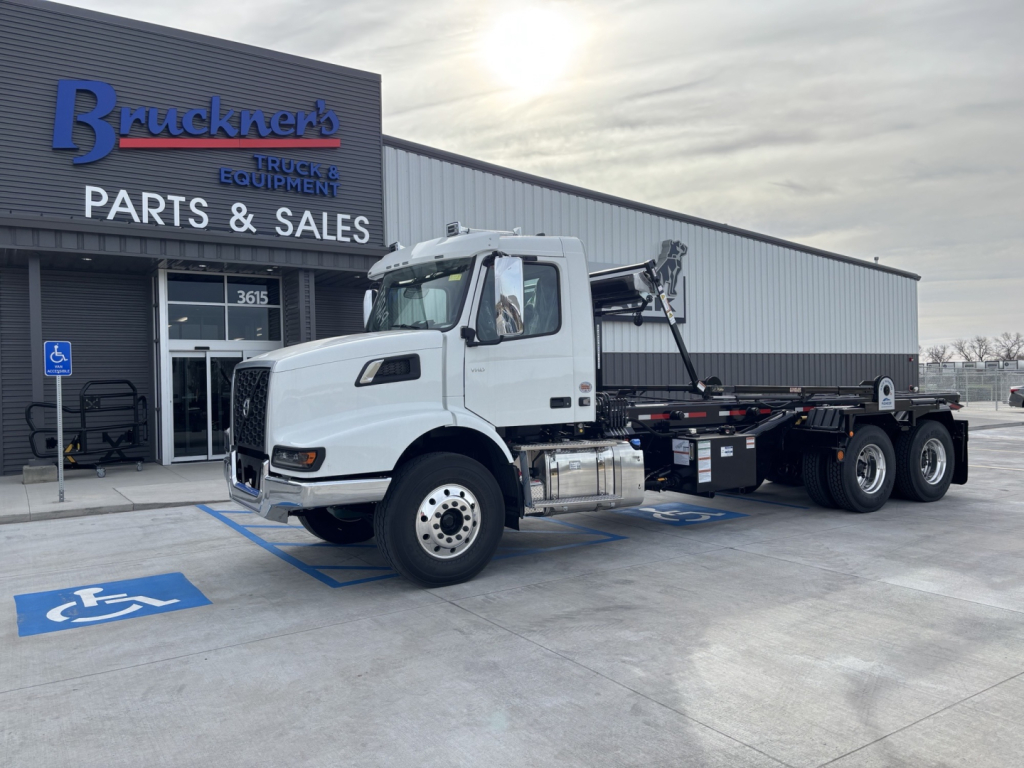
Most buyers in this category start with the hoist and chassis match. Common rolloff setups use a 60,000-lb hoist, which is a strong fit for construction debris, scrap, and commercial waste work. Front axle and rear axle ratings matter just as much as hoist capacity because legal payload and durability depend on the complete spec, not the hoist alone. A typical severe-duty configuration may include a 20,000-lb class front axle and 46,000-lb tandem rears, often paired with driver-controlled differential locks for traction at transfer stations, landfills, and unpaved job sites. Wheelbase is another practical decision. A longer wheelbase can help with body fit and stability, while a shorter layout may improve maneuverability in alleys, tight industrial yards, and urban container placements.
Powertrain choice affects uptime and driver acceptance more than many first-time buyers expect. Volvo's vocational chassis commonly pair a torque-focused diesel such as the D11 with an Allison automatic or an automated manual, depending on fleet preference and duty cycle. In rolloff service, automatics are popular because they simplify stop-and-go work, improve consistency across drivers, and work well with PTO-driven hydraulic systems. Buyers should also confirm PTO type, hot-shift capability, hydraulic performance, and how the tarp system is integrated. A factory-ready or body-builder-friendly chassis can reduce installation issues around frame layout, electrical connections, and cab controls.
Look closely at the details that affect daily use and long-term operating cost. Suspension spec, frame strength, brake configuration, and cab layout all influence how the truck performs when containers are loaded off-center or when the route mixes highway travel with repeated site entries. Visibility, turning radius, step height, and in-cab control placement matter in rolloff work because drivers make constant stops and frequent backing maneuvers. If the truck will handle demolition cans, scrap bins, or dense material, verify that the hoist, hook system, and body installation are matched to the container lengths and weight distribution you actually haul. A well-spec'd 2026 Volvo rolloff truck should balance legal payload, hydraulic speed, durability, and driver-friendly operation rather than chasing any single number on the build sheet.
Frequently Asked Questions about 2026 Volvo Rolloff Trucks
What should I look for first when buying a Volvo rolloff truck?
Start with the hoist capacity, axle ratings, and wheelbase because those three items determine what containers the truck can handle and how much usable payload the chassis can legally support. On a Volvo rolloff truck, the body and hoist spec must match the frame, suspension, and intended application. A 60,000-lb hoist may be common, but it only performs as expected when the truck is correctly spec'd for container length, material density, and route conditions.
Is the Volvo VHD a good chassis for rolloff applications?
Yes. The Volvo VHD is widely used in severe-duty vocational service and is a strong fit for rolloff work because it is designed for body-builder integration, heavy axle configurations, and demanding stop-and-go duty cycles. Buyers typically value the VHD for its stable ride, durable frame options, and compatibility with refuse and construction applications where traction, visibility, and hydraulic body operation are important.
Why do many rolloff trucks use an Allison automatic transmission?
An Allison automatic is popular in rolloff service because it handles repetitive starts, stops, backing, and site maneuvering with less driver fatigue than a manual transmission. It also works well with PTO-driven hydraulic systems and can improve consistency across multiple operators. For fleets with mixed driver experience or urban routes, an automatic often makes the truck easier to operate productively throughout the day.
How important are differential locks on a rolloff truck?
Differential locks are very important for rolloff trucks that operate on mud, gravel, loose fill, demolition sites, transfer stations, or landfill approaches. A loaded container shifts the truck's operating demands quickly, especially when traction is uneven. Locking differentials help keep the truck moving in low-grip conditions and can reduce the chance of getting stuck during pickups and drop-offs.
What container and job types are rolloff trucks commonly used for?
Rolloff trucks are commonly used to transport open-top containers for construction debris, roofing tear-offs, concrete, scrap metal, recycling, municipal waste, and industrial cleanup. The exact truck spec should match the material being hauled because light C&D debris, dense scrap, and heavy demolition loads place very different demands on hoist capacity, axle ratings, tarp systems, and overall chassis durability.