
2026 Rolloff Trucks For Sale in Texas
Shop 2026 rolloff trucks for sale in Texas. Compare hoist capacity, axle ratings, wheelbase, tarp systems, and vocational chassis specs.

Selling a 2026 rolloff truck? List your 2026 rolloff truck for sale and reach thousands of commercial buyers.
2026 Rolloff Trucks in Texas
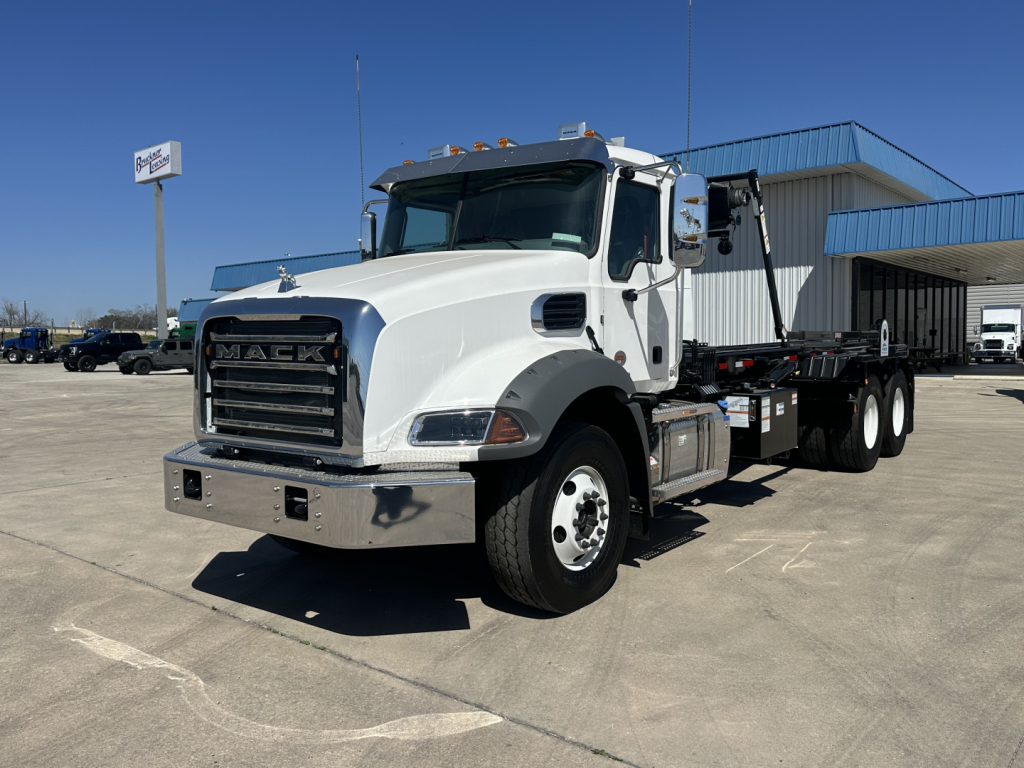
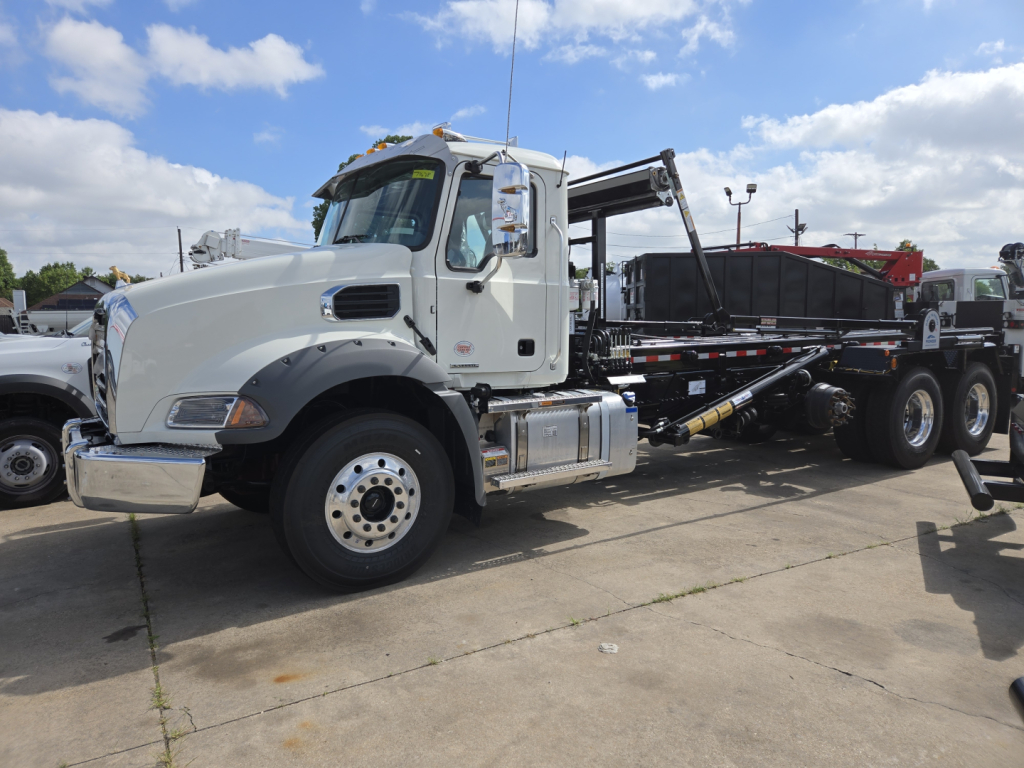
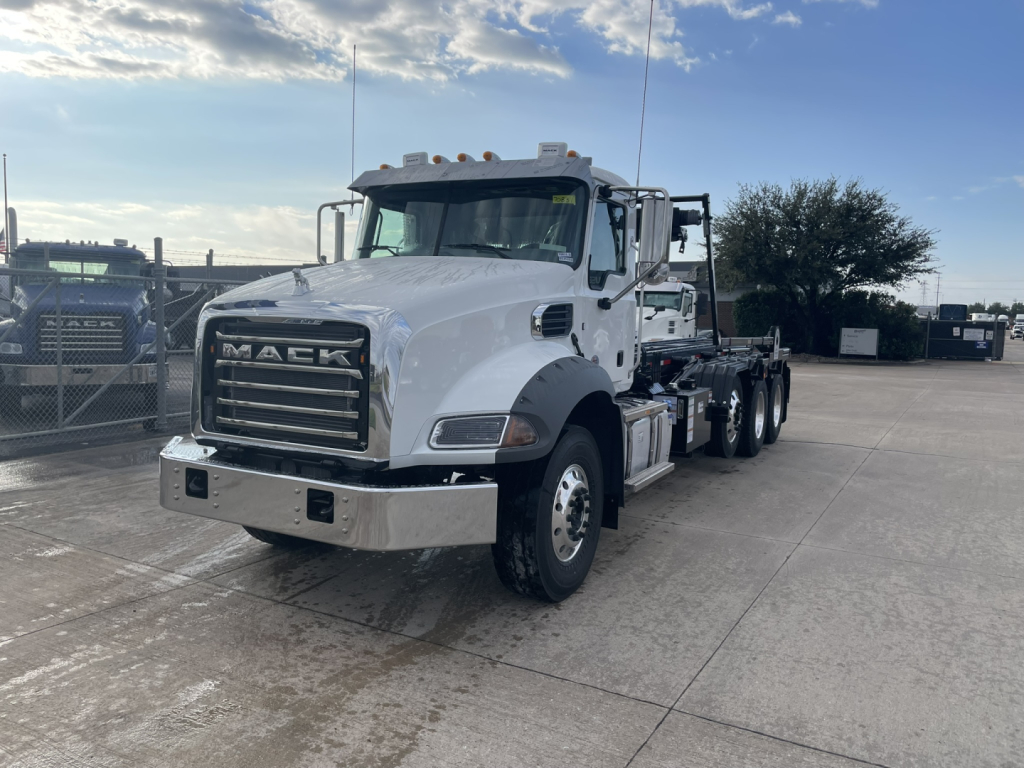
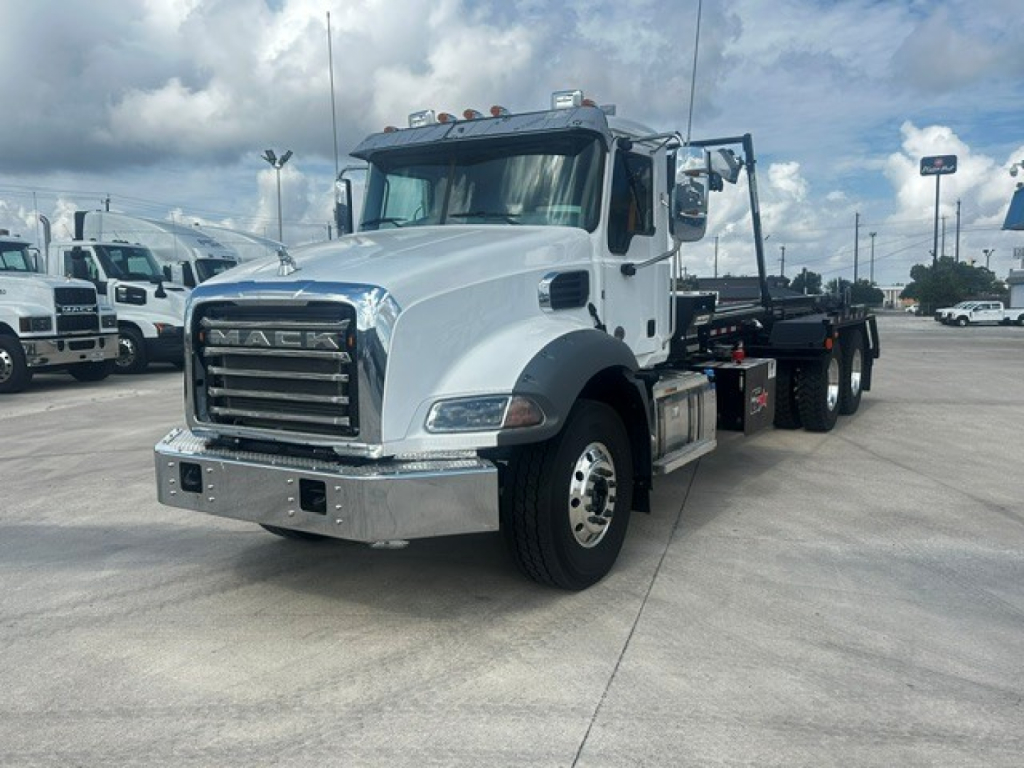
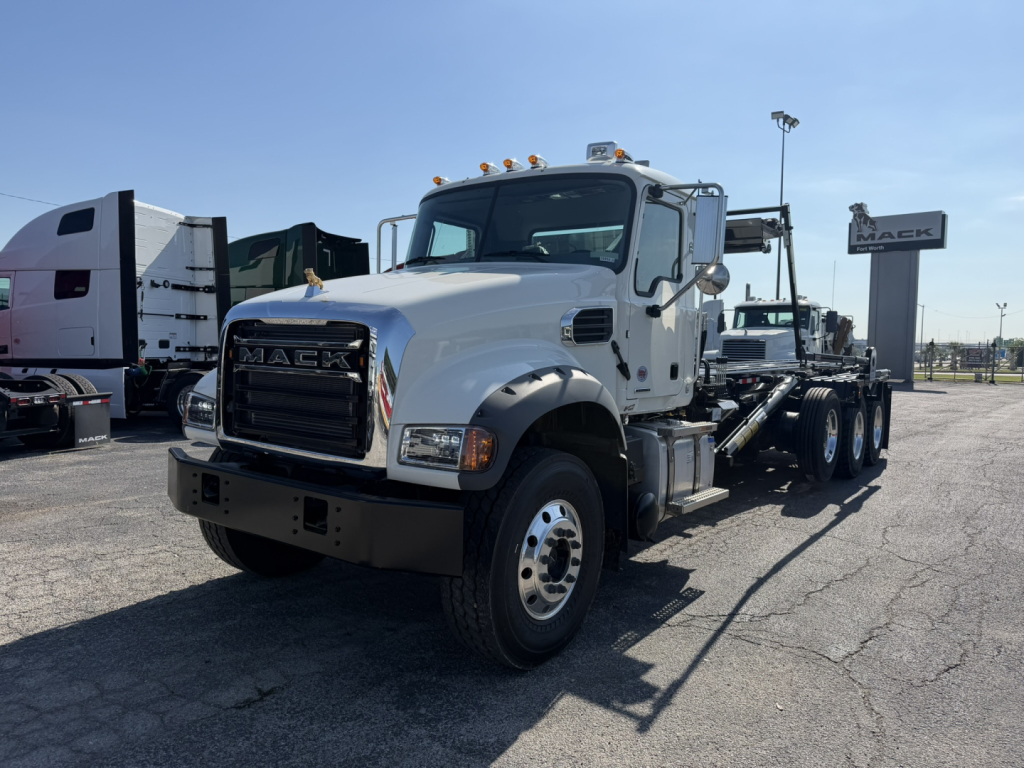
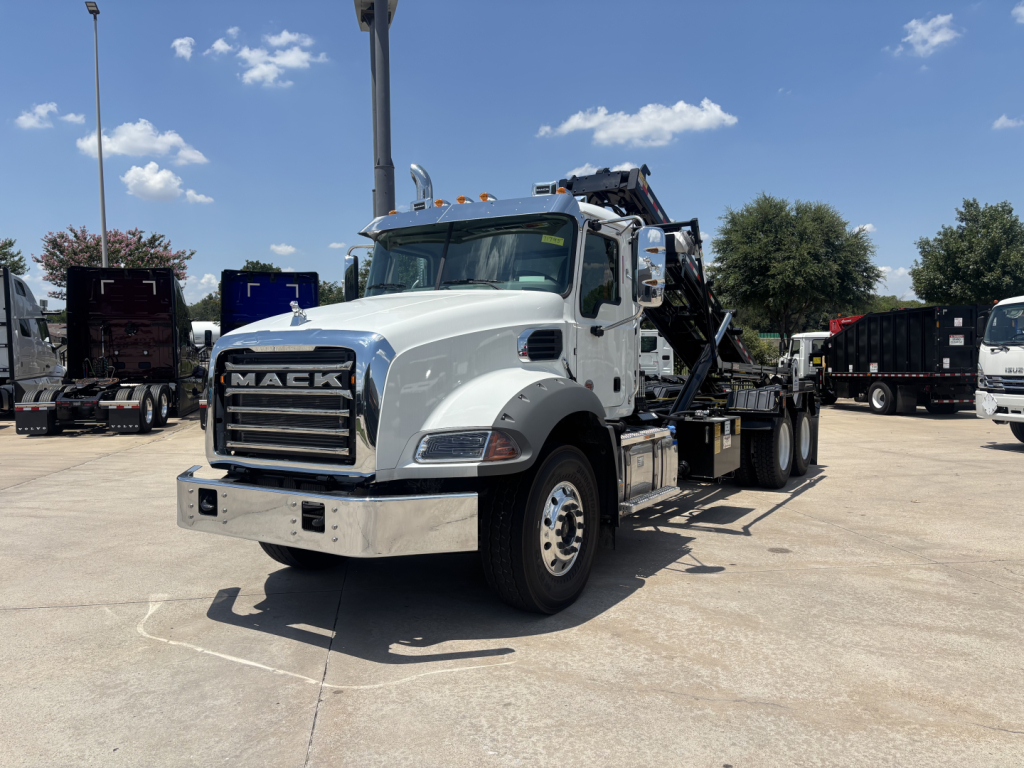
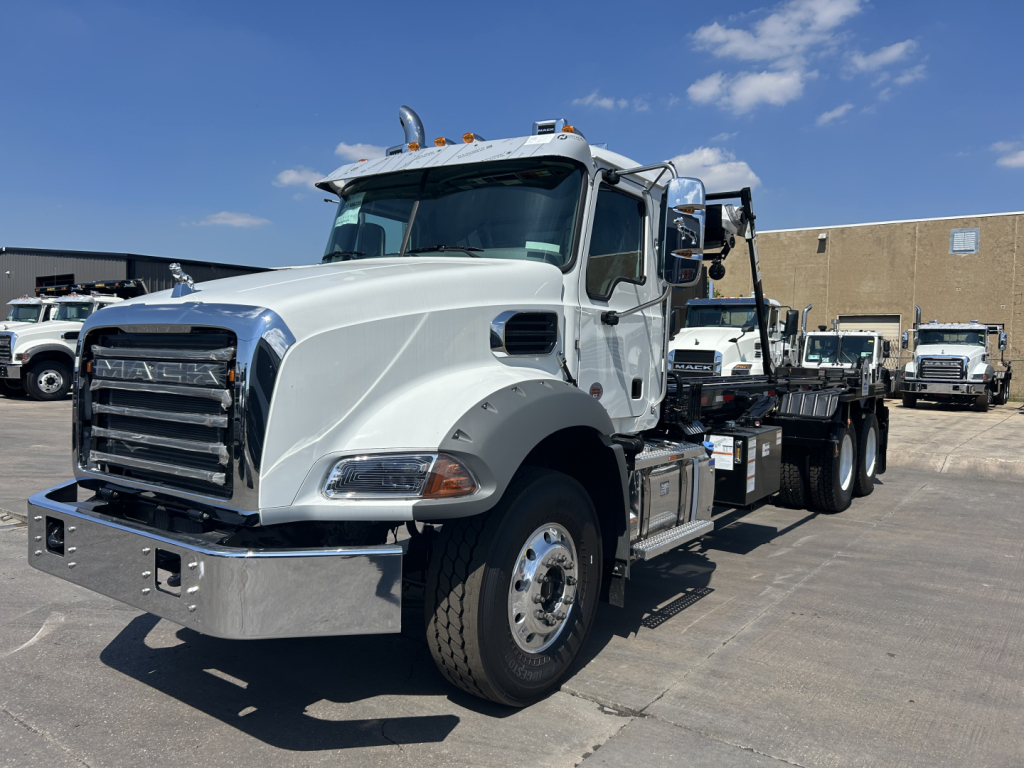
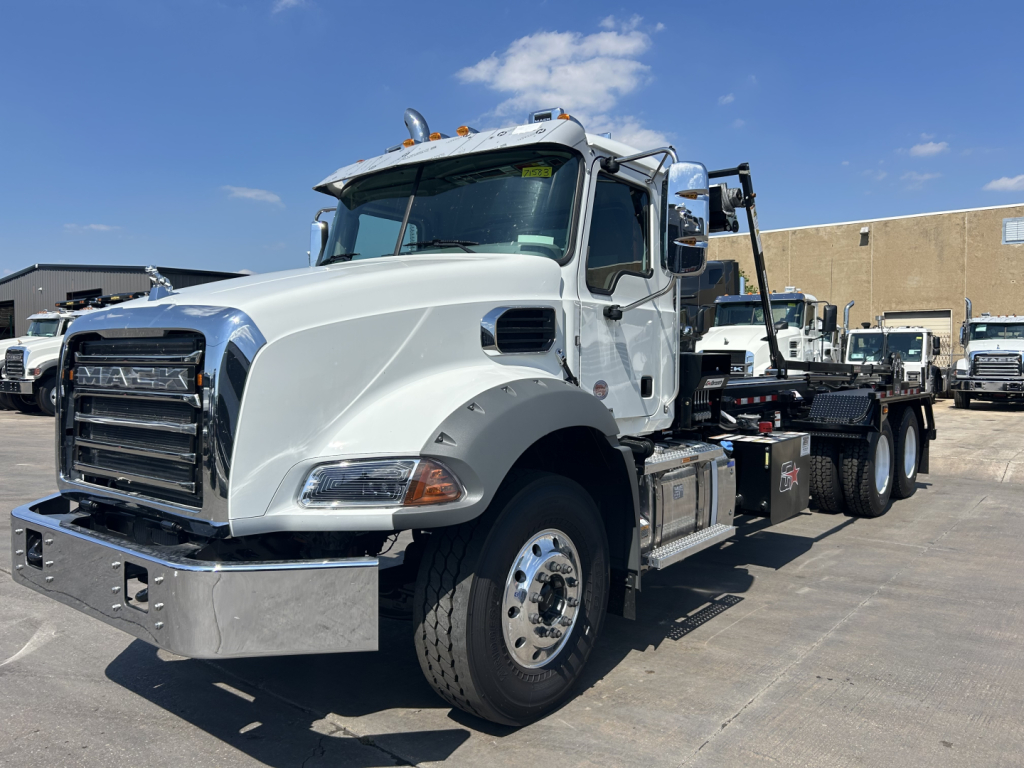
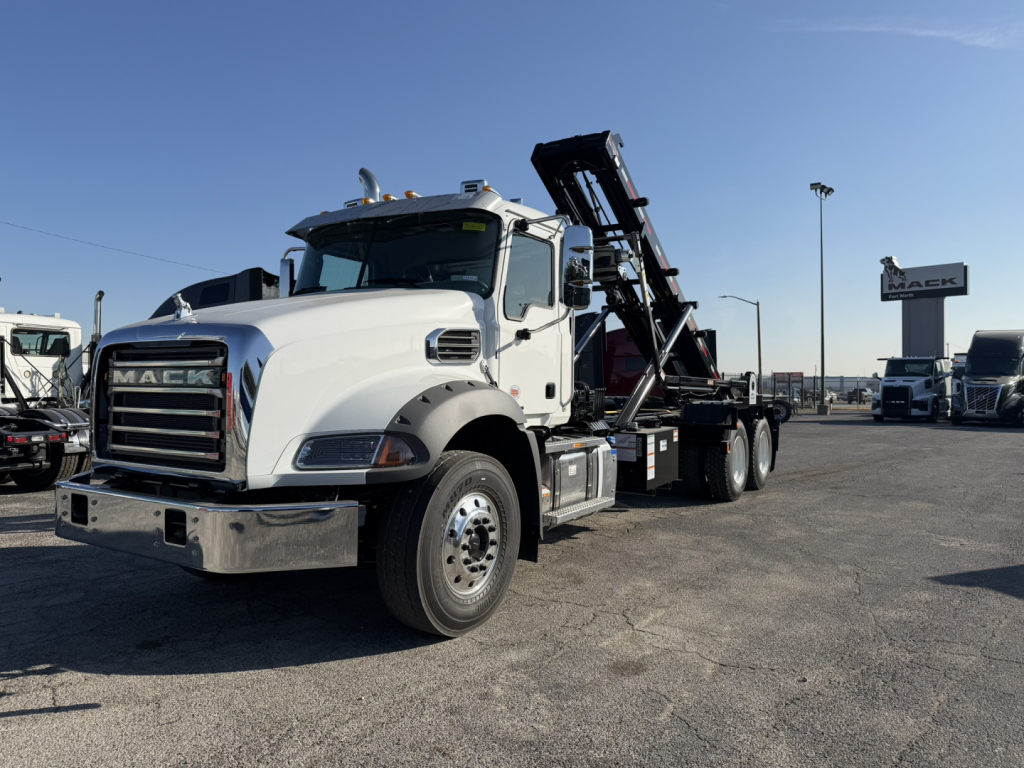
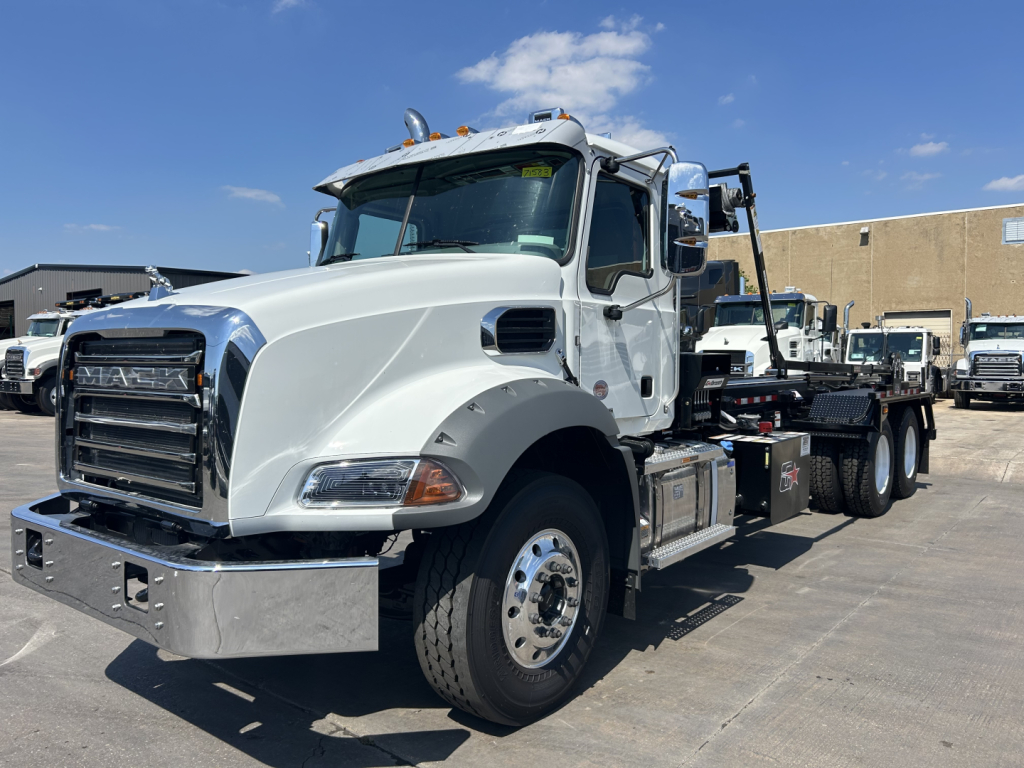
The chassis matters as much as the hoist. Many late-model rolloff trucks use vocational platforms such as the Mack Granite, often spec'd with diesel engines in the 425 to 455 HP range and Allison automatic transmissions for smoother operation in stop-and-go service. Front axle ratings around 20,000 lbs and rear ratings around 46,000 lbs are common on heavy rolloff builds, along with vocational suspensions like Camelback, differential locks, and heavy frame rails with liners. Buyers should also check brake configuration, rear axle ratio, fuel capacity, and wheelbase because those details affect legal payload, bridge compliance, turning radius, and how well the truck carries a loaded container without feeling under-spec'd.
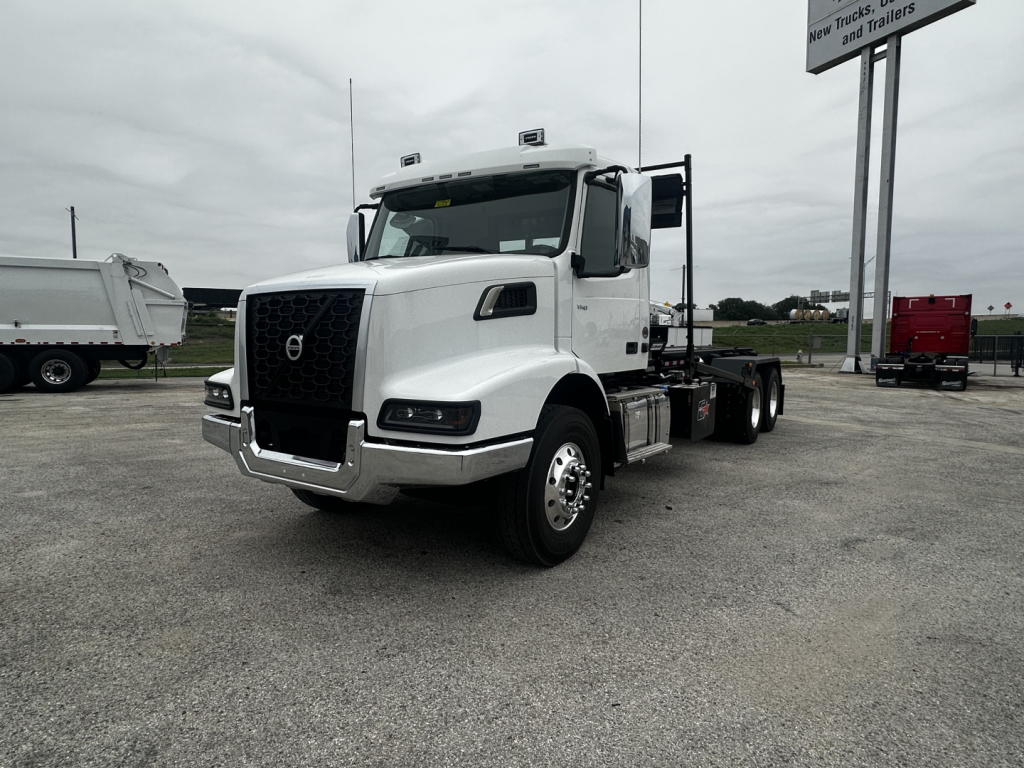
On the body side, look closely at the hoist design, tarp system, and controls. Outside-rail hoists are common in this class and are known for durability and compatibility with a wide range of containers. A rack-and-pinion tarp system is a valuable feature for keeping loads covered and staying compliant on the road. It also helps to verify hook height, body length, hoist brand, and any towing provisions such as a pre-drilled pintle plate if the truck may pull equipment or trailers. Work lights, backup alarms, air ride seating, heated mirrors, and smart chassis electrical layouts are not minor details on a rolloff truck. They directly affect operator productivity, visibility, and uptime during long vocational days.
For Texas buyers, application fit is everything. A truck running short urban routes with construction debris may need a different wheelbase and suspension feel than one hauling scrap or heavier industrial loads across longer distances. If the truck will see off-pavement work, pay extra attention to ground clearance, traction equipment, suspension durability, and frame reinforcement. If container interchange with an existing fleet is important, confirm hoist geometry and body length so the truck matches your cans. The best 2026 rolloff trucks are the ones spec'd around the containers, route density, legal weights, and operating environment, not just the engine rating on the hood.
Frequently Asked Questions about 2026 Rolloff Trucks in Texas
What hoist capacity is common on a 2026 rolloff truck?
A common specification in this class is a 60,000-lb rolloff hoist, especially on tandem-axle vocational chassis. That capacity suits many waste, demolition, and scrap applications using 20 to 22-foot containers. The important point is matching hoist rating, hoist length, and chassis axle capacity to the actual containers and material density you haul, because a high-capacity hoist does not automatically guarantee the truck is optimally spec'd for legal payload or stability.
What engine and transmission setup is typical for a heavy rolloff truck?
Many heavy rolloff trucks are spec'd with diesel engines in roughly the 425 to 455 HP range paired with an Allison automatic transmission. That combination is popular because rolloff work involves frequent starts, stops, backing, and jobsite maneuvering. An automatic transmission reduces driver fatigue and helps with consistent operation in urban service, while a vocational diesel with strong torque supports loaded pulls, steep approach angles, and repeated hydraulic work cycles.
Why does wheelbase matter on a rolloff truck?
Wheelbase affects container fit, weight distribution, turning radius, and how the truck handles when loading or carrying a full can. A longer wheelbase can help support certain hoist lengths and improve load balance, but it may be less maneuverable in tight alleys or compact jobsites. A shorter wheelbase can improve turning but may limit body fitment or change axle loading. Buyers should evaluate wheelbase alongside hoist length, axle spacing, and the type of routes the truck will run every day.
What features should I check besides the engine and hoist?
Key vocational details include front and rear axle ratings, suspension type, frame rail thickness, differential locks, brake configuration, tarp system, fuel capacity, and cab visibility features. Backup alarms, chassis work lights, heated mirrors, and an air ride driver seat also matter because they improve safety and operator comfort in constant stop-and-go service. These details often have more impact on daily productivity and long-term durability than appearance or trim.
Are rolloff trucks used only for waste and demolition?
No. Rolloff trucks are also used in scrap hauling, recycling, industrial cleanup, municipal container service, roofing tear-off work, and some oilfield or site-support operations. The same basic truck can serve different industries if the hoist geometry, container compatibility, axle ratings, and suspension are properly matched to the work. Buyers should focus on material weight, route conditions, and container interchange requirements before choosing a spec.