
2026 Rolloff Trucks For Sale in Oklahoma
Shop 2026 rolloff trucks in Oklahoma. Compare hoist capacity, axle ratings, wheelbase, transmission, and container handling specs.
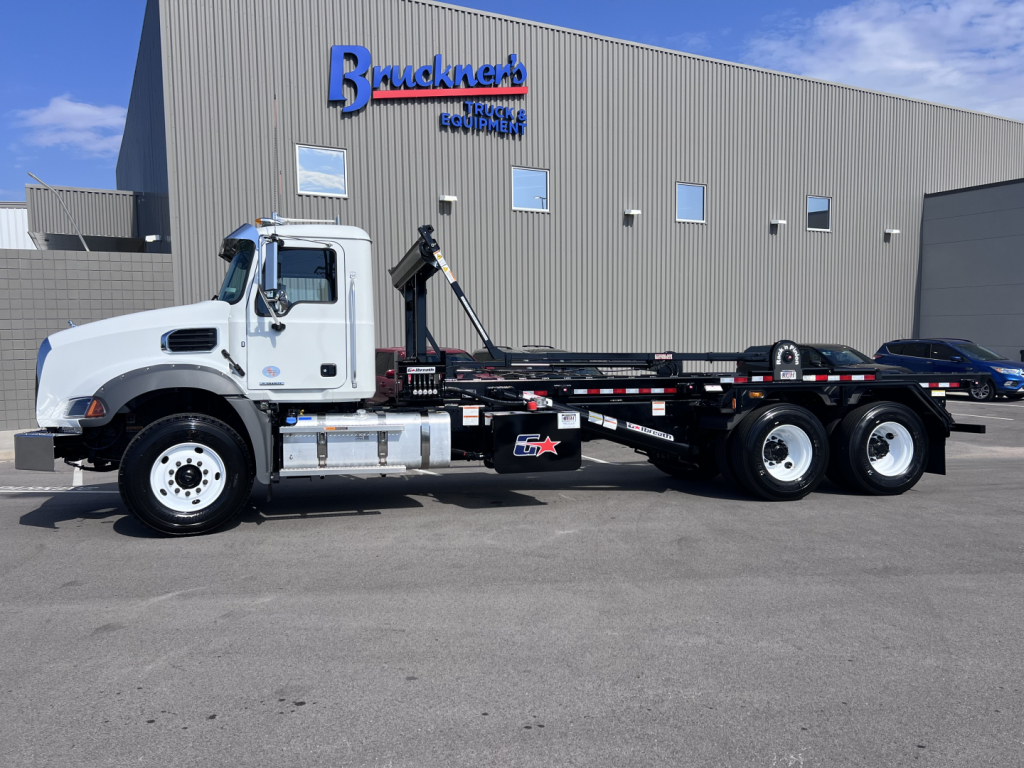
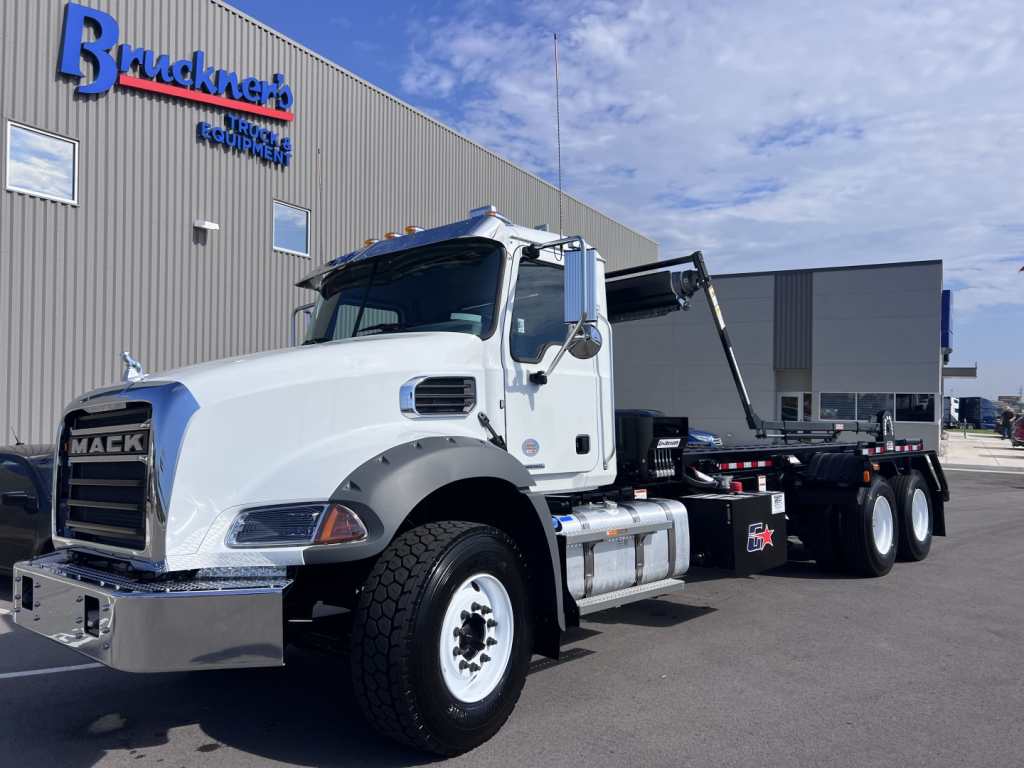
Selling a 2026 rolloff truck? List your 2026 rolloff truck for sale and reach thousands of commercial buyers.
2026 Rolloff Trucks in Oklahoma
The hoist design matters as much as the chassis. Most buyers will see outside-rail rolloff systems from established body manufacturers, and those systems are popular because they are straightforward to service and well understood by operators. Container length compatibility, cable or hook setup, winch performance, tarp system design, and hoist geometry all affect loading speed and stability. Wheelbase is another key spec because it influences bridge law compliance, box fitment, and turning radius. In tighter urban routes, a shorter wheelbase can be easier to manage, while longer wheelbase trucks may be better suited to larger containers and higher legal payload potential.
For Oklahoma operations, suspension and gearing deserve close attention. Job sites can range from paved commercial yards to rough demolition access roads, so buyers often look at heavy-duty spring or camelback suspensions, locking differentials, and rear axle ratios that balance startability with road speed. Tire size and front axle spec also matter, especially on trucks carrying heavy cans or running mixed on-road and off-road duty. Engines in this category are commonly matched with Allison automatic transmissions because they simplify stop-and-go operation, reduce driver fatigue, and hold up well in vocational service. A strong cooling package, PTO integration, and easy access for maintenance are all worth checking on a 2026 vocational chassis.
Cab and control layout should not be overlooked on a rolloff truck because driver efficiency affects cycle time all day long. Good visibility, durable interior materials, well-placed hoist controls, backup camera options, and effective tarp operation can make a noticeable difference in safety and productivity. Buyers comparing 2026 rolloff trucks should also confirm the hoist rating versus the actual container weights they expect to move, review axle and suspension ratings against local route demands, and check for practical details such as fuel capacity, frame reinforcement, and body-builder integration. A well-matched rolloff truck is less about brand alone and more about getting the chassis, hoist, and container application aligned from the start.
Frequently Asked Questions about 2026 Rolloff Trucks in Oklahoma
What hoist capacity is common on a rolloff truck?
Common rolloff hoist capacities in this segment are 60,000 lb and 75,000 lb. The right choice depends on the container sizes you run, the material you haul, and how much reserve capacity you want for heavier loads. Scrap, demolition debris, and dense waste streams often push buyers toward higher-rated systems, while lighter container work may not require the extra hoist capacity.
Why do so many rolloff trucks use Allison automatic transmissions?
Allison automatics are widely used in rolloff applications because they perform well in constant stop-and-go service and are easy for multiple drivers to operate consistently. They help with launch control on loaded starts, reduce clutch-related wear compared with manual transmissions in urban work, and are well suited to PTO-driven vocational equipment. For fleets focused on driver retention and uptime, that combination is a major advantage.
How important is wheelbase on a rolloff truck?
Wheelbase is a major spec because it affects turning radius, container compatibility, axle spacing, and legal weight distribution. A truck that is too short may limit box fit or payload balance, while one that is too long can be harder to maneuver in alleys, transfer stations, and congested job sites. Buyers should match wheelbase to the container lengths they handle most often and the route environment the truck will see every day.
What axle ratings should a buyer look for on a 2026 rolloff truck?
Many heavy rolloff trucks are built with front axles around 18,000 lb to 20,000 lb and rear axles around 44,000 lb to 46,000 lb, though exact requirements depend on the hoist, body layout, and expected payload. The axle package should be evaluated together with suspension type, tire size, and local weight laws. A strong hoist on an underspec'd chassis can limit legal payload and shorten component life.
What features matter most for Oklahoma rolloff work?
For Oklahoma fleets, durability and traction are high priorities because trucks may see highway miles, landfill approaches, demolition sites, and uneven yard surfaces in the same week. Heavy-duty suspension, differential locks, appropriate rear gearing, floatation-capable front tire options, and a dependable tarp system are all useful. Buyers should also consider cooling capacity, cab visibility, and service access, especially if the truck will run hard in summer conditions.