
Ford Rolloff Trucks For Sale
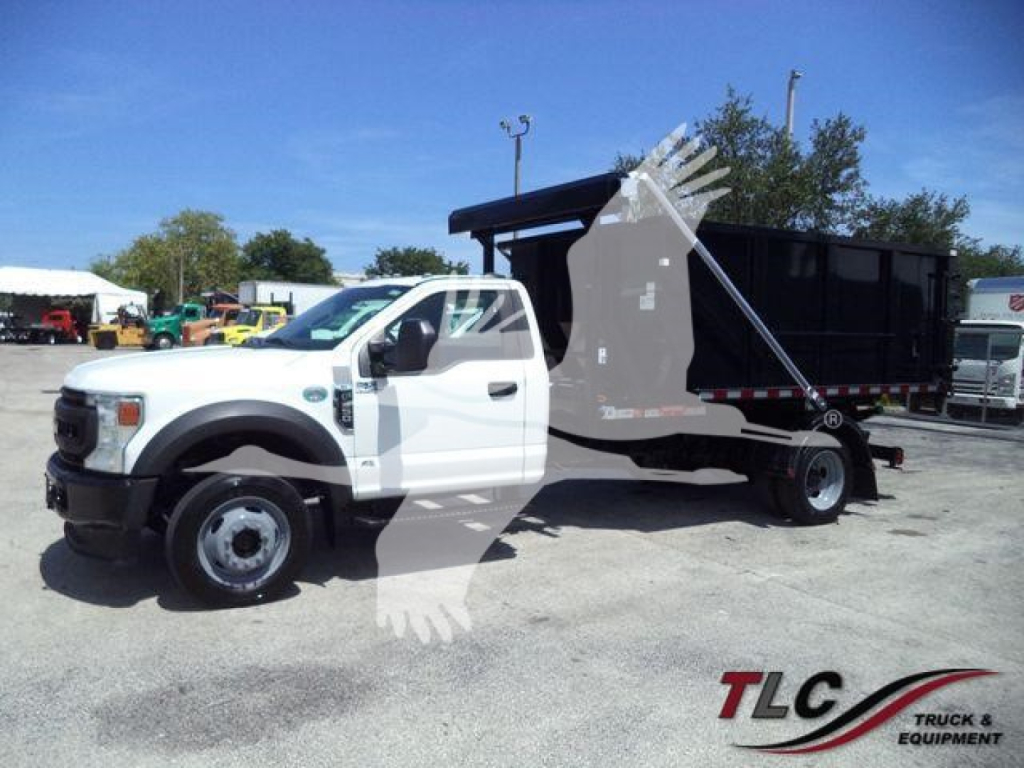
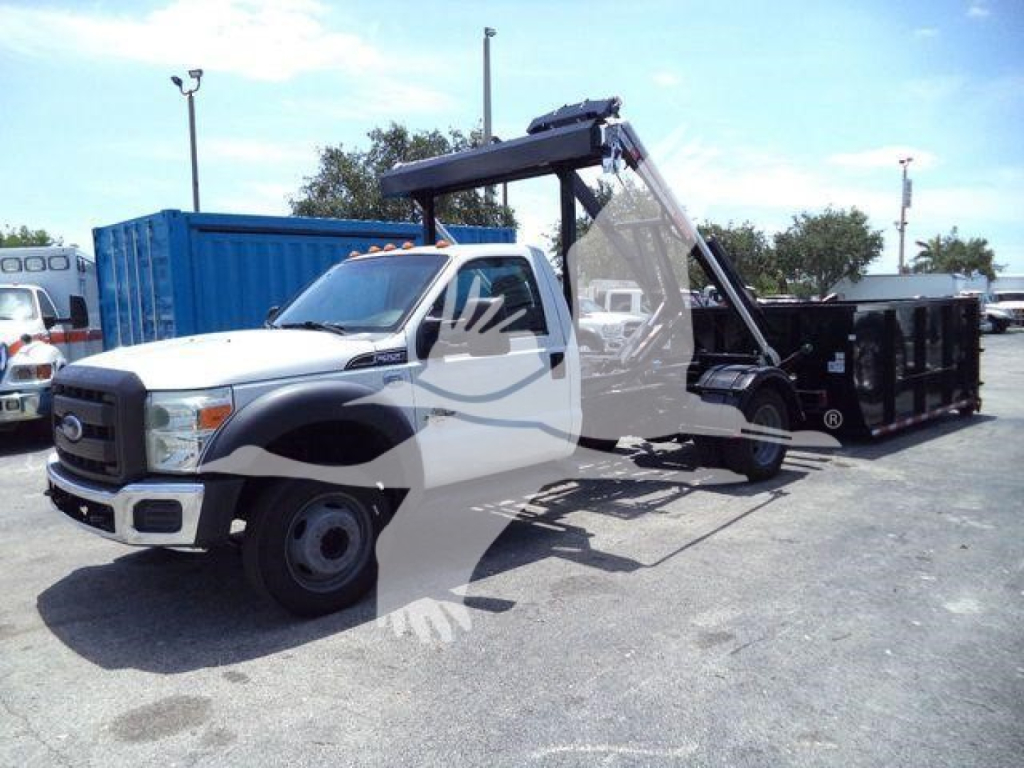
Ford roll-off trucks deliver medium-duty hauling flexibility for debris, landscape, and waste containers on F-550 gas and diesel chassis.
Selling a ford rolloff truck? List your ford rolloff truck for sale and reach thousands of commercial buyers.
Ford Rolloff Trucks
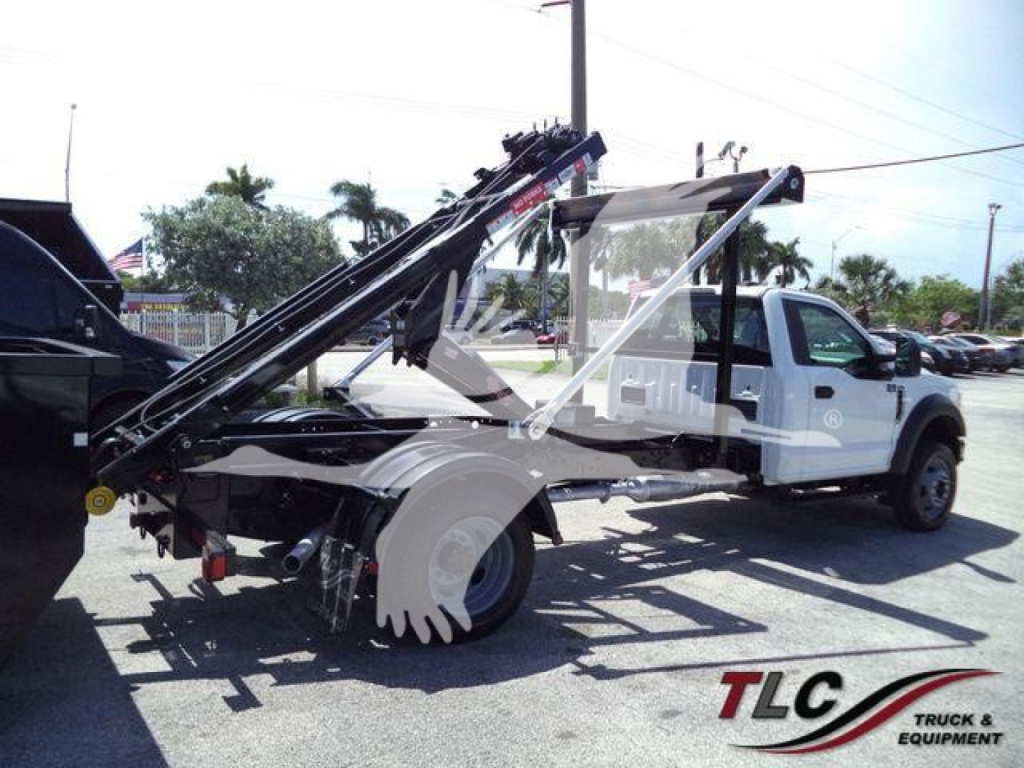
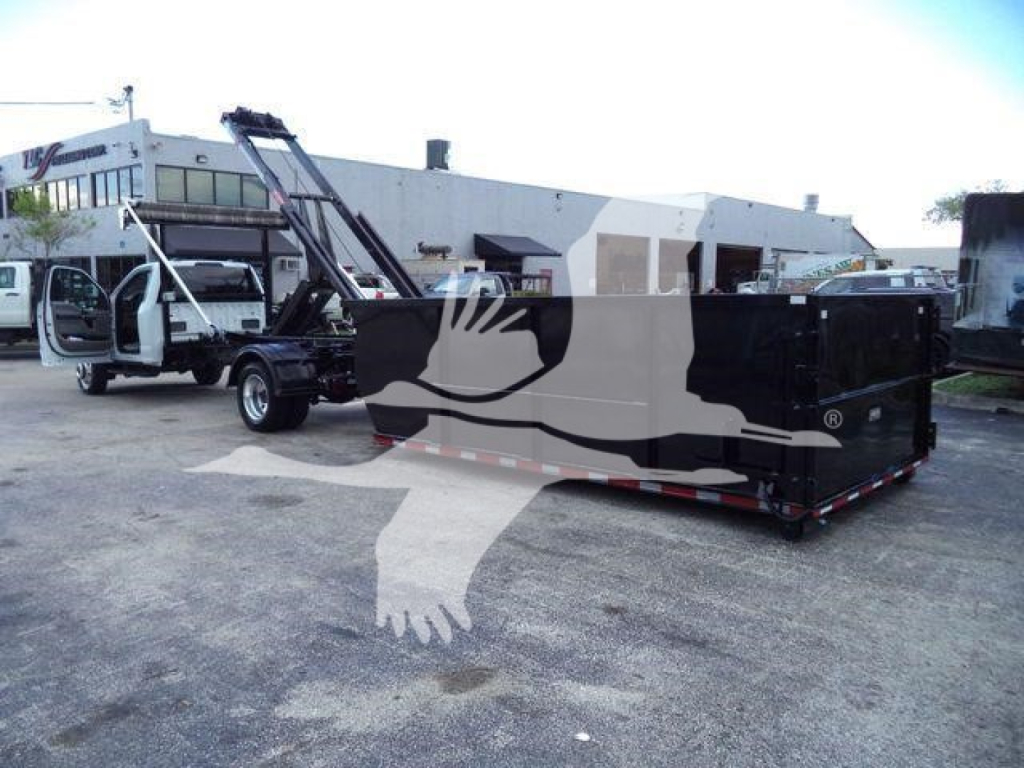
The key buying decision is usually chassis and hoist configuration. Ford F-550 roll-off trucks commonly show up in 4x2 and 4x4 drivetrains, with regular cab layouts that maximize usable body length while keeping the wheelbase compact enough for tight jobsites. Powertrain choices typically include Ford’s 6.7L Power Stroke diesel or 7.3L gas V8, both matched to an automatic transmission. Diesel is usually favored for higher annual miles, heavier duty cycles, and more frequent towing. Gas can make sense for local routes, lower acquisition cost, and fleets that want simpler emissions-related maintenance. On the body side, 11 ft to 14 ft containers are common, often with steel construction, 8 ft width, 51 in sides, single swing rear doors, tarp systems, and electric-over-hydraulic hoists with winch and cable setups.
A Ford roll-off truck earns its keep through versatility. One truck can handle landscape bodies, trash boxes, demolition debris containers, mulch, roofing tear-off, or light equipment support depending on the interchangeable bodies in the fleet. Buyers should pay close attention to hoist capacity, cable length, hoist subframe design, rear bumper and hitch rating, trailer brake controller setup, and electrical connections such as 7-way plugs if towing is part of the job. On used units, inspect frame condition, PTO or electric-over-hydraulic system performance, winch operation, container rail wear, rear hinge and door condition, and signs of stress around body mounts. If the truck will see uneven terrain, soft ground, or winter service, 4x4 and tire choice can matter as much as engine selection.
Ford chassis have broad service support and strong familiarity across municipal and contractor fleets, which is a real advantage when uptime matters. For buyers comparing roll-off trucks for sale, the best unit is usually the one matched closely to container size, jobsite access, payload expectations, and daily cycle count. A compact Ford roll-off truck is not a substitute for a larger Class 7 or Class 8 refuse roll-off, but for light to medium-duty container work, it is one of the most efficient ways to add route flexibility without moving into a much larger truck.
Frequently Asked Questions about Ford Rolloff Trucks
What is the most common Ford chassis used for a roll-off truck?
The Ford F-550 is one of the most common chassis in this category because it fits light to medium-duty roll-off work well. It typically offers a 19,500 lb GVWR, enough frame strength for small container systems, and a compact footprint that works on residential streets, alleys, and tight commercial jobsites. Buyers will commonly see regular cab F-550 configurations with 4x2 or 4x4 drivetrains and either gas or diesel power.
Should I choose a Ford gas or diesel roll-off truck?
The right choice depends on duty cycle and operating cost priorities. Ford’s 6.7L diesel is usually better for frequent towing, heavier payloads, and higher annual mileage because it delivers strong low-end torque and tends to suit hard daily use. Ford’s 7.3L gas V8 can be a smart fit for local work with shorter routes, lower upfront cost, and fleets that want to avoid diesel emissions system complexity. The real answer comes down to payload, idle time, route density, and maintenance strategy.
What container sizes are common on Ford roll-off trucks?
In this class, 11 ft and 14 ft interchangeable containers are very common. Many are all-steel boxes around 8 ft wide with side heights near 51 inches, often configured for landscape, trash, roofing, or general debris use. The truck’s wheelbase, hoist design, and GVWR all influence what body length and payload combination makes sense, so container size should always be matched to the actual hoist system and chassis rating.
What should I inspect on a used Ford roll-off truck?
Focus first on the hoist and body system because that is where hard use shows up. Check winch operation, cable condition, hydraulic response, rail wear, container alignment, rear door hardware, and the subframe mounting points. Then inspect the chassis for frame corrosion, suspension wear, brake condition, tire wear, and any signs of overload stress. On diesel units, service history for the emissions system matters. On any unit, verify that the tarp system, trailer brake wiring, lights, and in-cab and exterior controls all function properly.
Are Ford roll-off trucks good for landscaping and light waste work?
Yes. This is one of the strongest use cases for the category. A Ford F-550 roll-off truck is well suited for landscape debris, brush, mulch delivery, roofing tear-off, renovation debris, and small commercial waste container service. The main advantage is flexibility. One truck can swap between multiple bodies instead of being tied to a single fixed dump body, which helps improve utilization across different jobs and seasons.