
Rolloff Trucks For Sale in New Mexico
Shop rolloff trucks for waste, scrap, and container hauling in New Mexico. Compare hoist specs, axle ratings, wheelbase, and PTO setups.
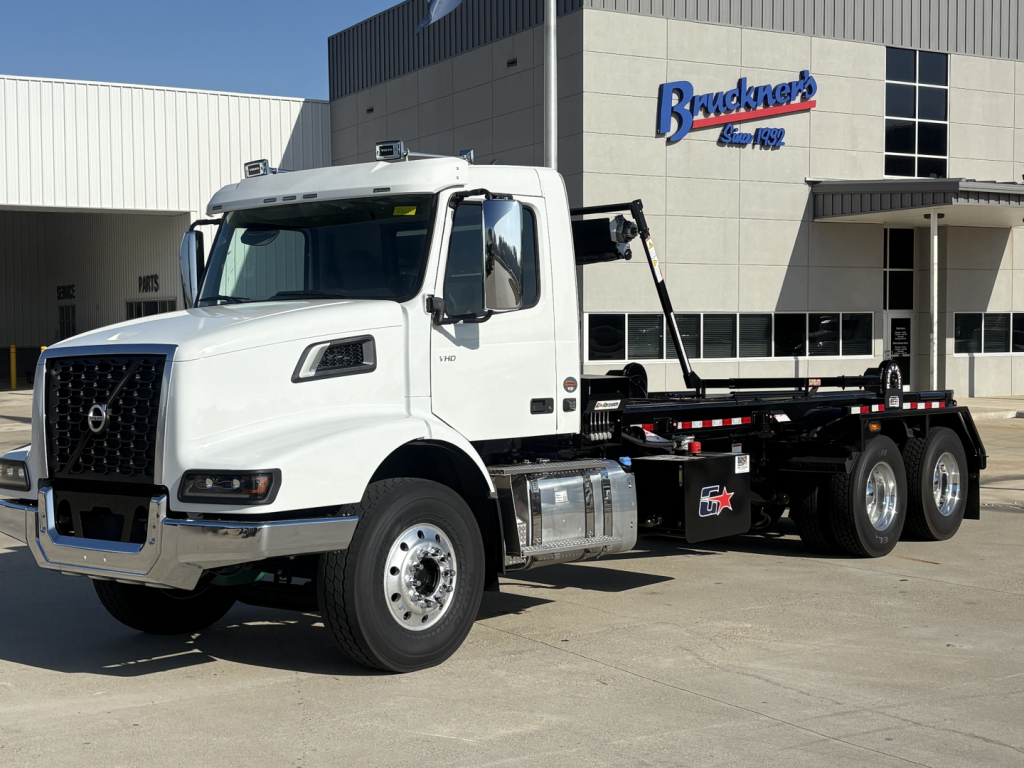
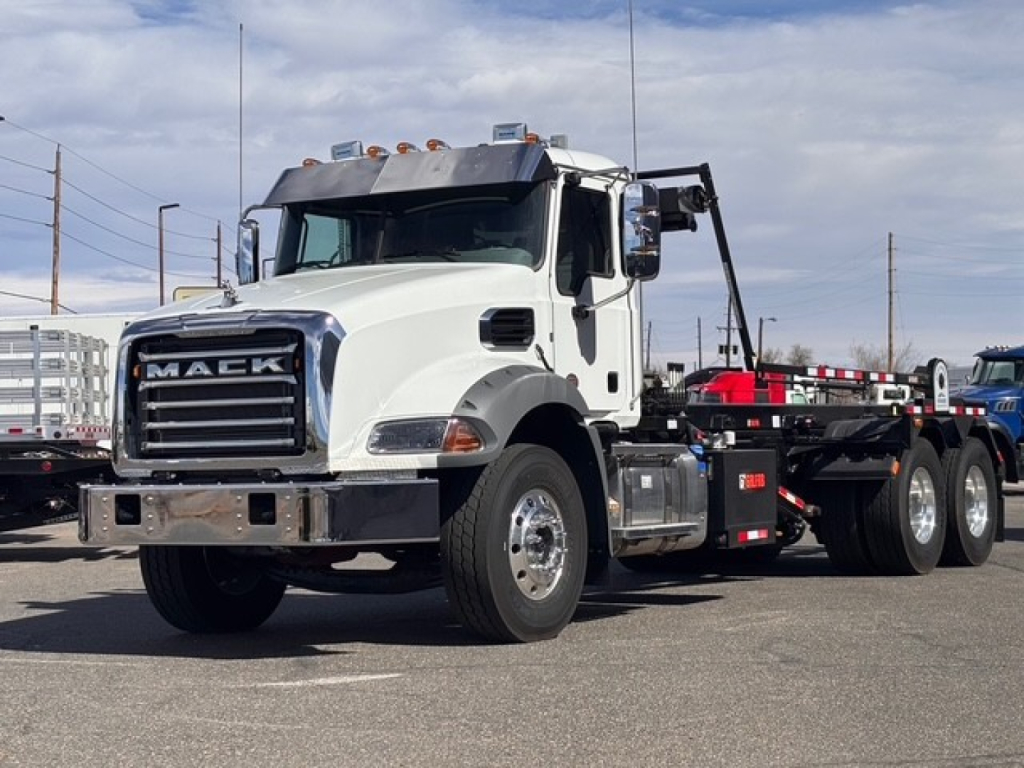

Selling a rolloff truck? List your rolloff truck for sale and reach thousands of commercial buyers.
Rolloff Trucks in New Mexico
The hoist system is the first major buying decision. Cable hoists remain common for their simplicity and lower repair cost, while hooklift-style rolloff systems can offer faster changeouts and broader body compatibility depending on the operation. Buyers should verify hoist capacity, rail length, container size range, and PTO setup, then match those specs to the wheelbase and axle spread on the chassis. A rolloff truck also needs enough frame strength, rear axle rating, and suspension capacity to manage repeated load shifts during container pickup and dump cycles. Specs such as a 20,000 lb front axle, 46,000 lb rear tandem, and vocational suspension are typical in this class, particularly on severe-duty platforms from builders like Mack, Peterbilt, Kenworth, Freightliner, and Western Star.
Powertrain selection matters more on a rolloff truck than many buyers expect. High-torque diesel engines in the 400 to 500 horsepower range are common, especially when the truck will see hilly routes, landfill approaches, or heavy scrap boxes. Automatic transmissions are widely used because they improve low-speed control, reduce driver fatigue, and hold up well in stop-and-go refuse and container work. Rear axle ratio, wheelbase, and suspension design all affect how the truck handles loaded boxes, approaches transfer stations, and tracks on rough surfaces. A shorter wheelbase can improve turning radius, but it still has to support the intended container length and hoist geometry.
Body and upfit details deserve close inspection. Buyers should look at tarp systems, ICC bumper design, outside rail condition, hydraulic tank placement, in-cab controls, backup camera options, and lighting for early morning or late-day operation. Frame liners, PTO and pump accessibility, pintle provisions, and container securement components all affect uptime and serviceability. For New Mexico fleets, cooling capacity, dust exposure, and mixed on-road/off-road use are practical considerations, especially in construction, municipal, and waste applications where the truck may cycle between paved routes and unimproved sites daily.
Frequently Asked Questions about Rolloff Trucks in New Mexico
What should I look for first when buying a rolloff truck?
Start with the hoist and chassis match. The truck needs the right hoist capacity, rail length, and container compatibility for the boxes you actually run, and the chassis needs enough GVWR, axle rating, wheelbase, and frame strength to support that setup. If those core specs are mismatched, payload, stability, and legal road performance will all suffer regardless of engine or cab features.
Are cable hoist rolloff trucks better than hooklift trucks?
A cable hoist rolloff truck is often preferred for traditional waste, scrap, and demolition containers because the system is straightforward, proven, and typically less expensive to repair. Hooklift trucks can be more versatile because they may handle multiple body types and speed up body swaps, but they depend on body compatibility and are not always the best fit for fleets standardized around classic rolloff boxes. The right choice depends on your container fleet, operating cycle, and maintenance priorities.
What axle and GVWR ratings are common on a tandem rolloff truck?
Many tandem rolloff trucks are built in the 60,000 to 66,000 lb GVWR range with front axles around 18,000 to 20,000 lbs and rear tandems around 40,000 to 46,000 lbs. Exact ratings vary by state law, body design, and intended payload. Buyers should confirm not only the chassis rating, but also bridge compliance, suspension spec, tire capacity, and how the loaded container places weight across the axles.
Why are automatic transmissions common in rolloff applications?
Automatic transmissions are common because rolloff work involves frequent stops, slow backing, tight approach angles, and repeated PTO-related duty cycles. An automatic improves low-speed modulation, reduces clutch wear, and helps drivers stay consistent in congested yards or landfill environments. For many fleets, that translates to easier driver training, less fatigue, and lower maintenance tied to stop-and-go vocational use.
What New Mexico operating conditions matter for a rolloff truck?
New Mexico operations often combine highway travel, municipal routes, construction debris hauling, and rough access roads. That makes cooling performance, suspension durability, ground clearance, and reliable traction important. Buyers should also account for dust exposure, long distances between service points, and elevation changes that can affect engine performance, braking confidence, and drivetrain stress under load.