
Rolloff Trucks For Sale in New York
Browse rolloff trucks for sale in New York. Compare hoist capacity, wheelbase, axle ratings, hydraulics, tarp systems, and chassis specs.
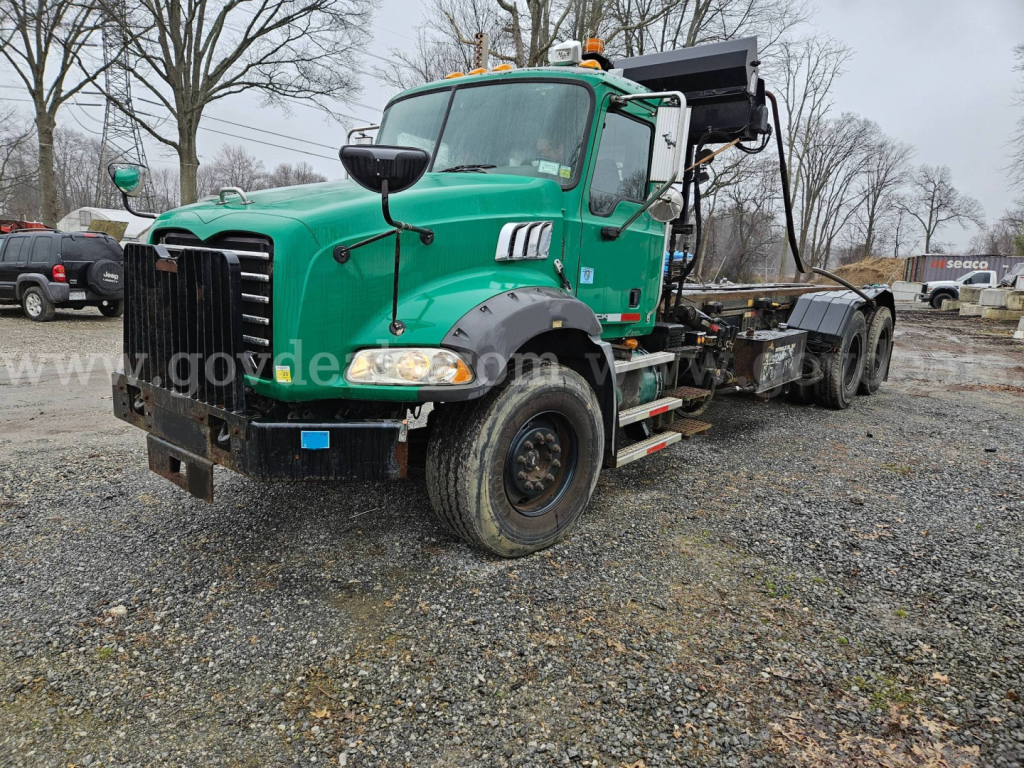
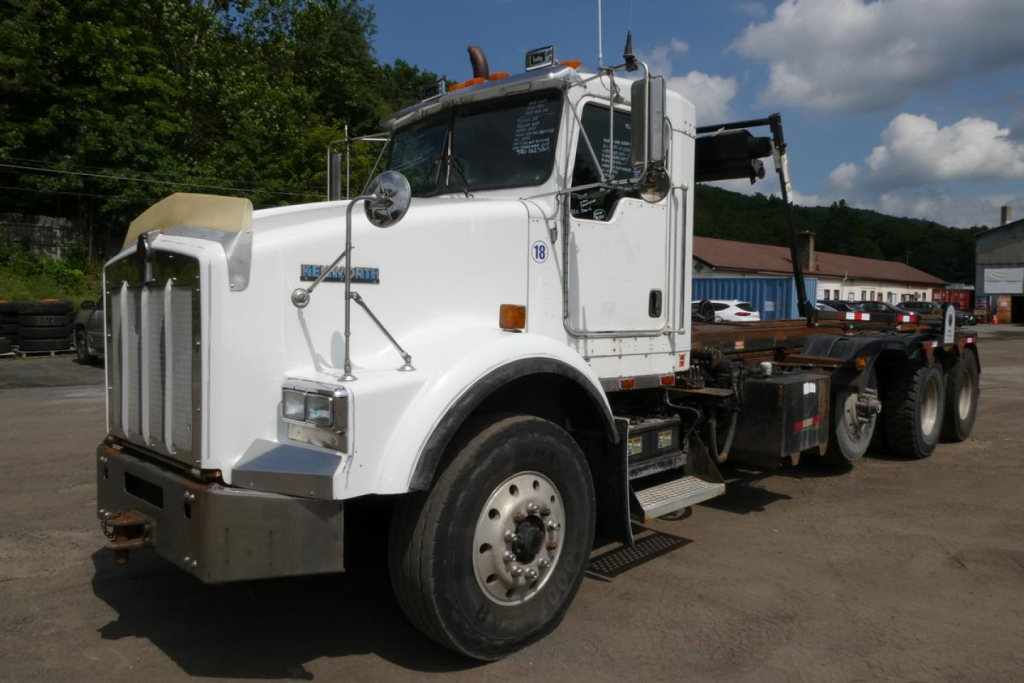

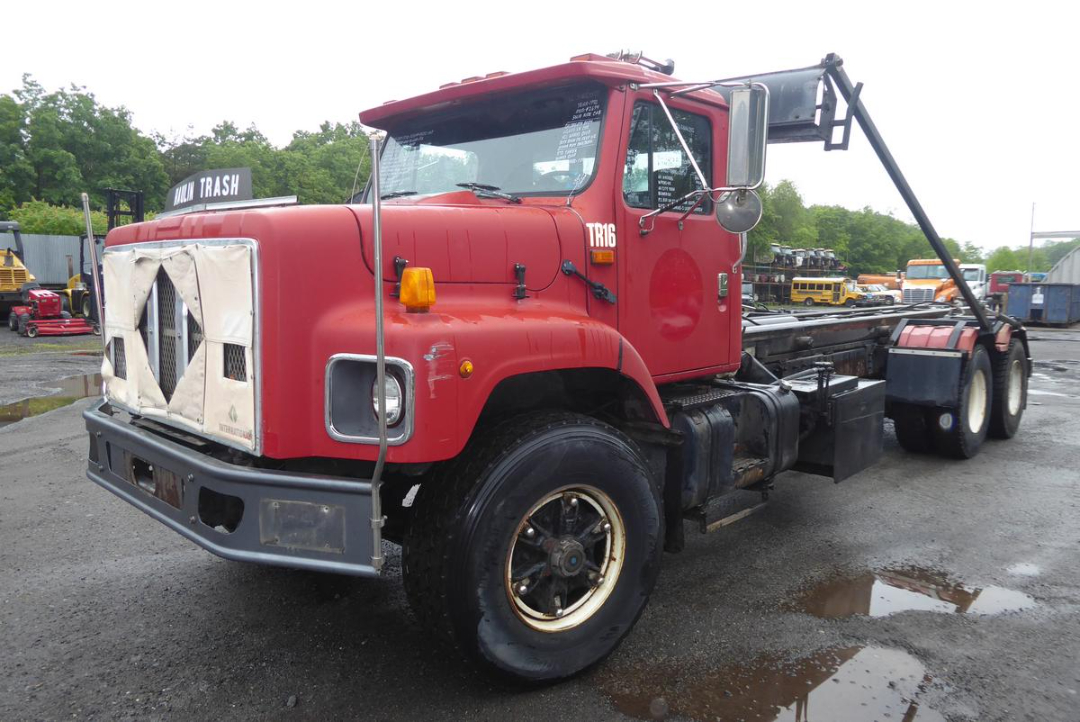
Selling a rolloff truck? List your rolloff truck for sale and reach thousands of commercial buyers.
Rolloff Trucks in New York
A serious buyer should pay close attention to the hydraulic system and hoist wear points. Pin and bushing play, boom cylinder seepage, winch function, PTO engagement, and pump performance matter as much as engine and transmission specs on a rolloff application. Many trucks in this class use air-operated PTOs with married hydraulic pumps or front-engine-driven hydraulic systems. If the truck will spend its day cycling cans instead of running highway miles, PTO hours can tell you more than the odometer. Tarp systems also deserve a close look, especially on trucks running construction debris or municipal waste, where reliable coverage is not optional.
Chassis spec matters because rolloff work is hard on frames, suspensions, and driveline components. Buyers will commonly see heavy vocational setups with 18,000 to 20,000 pound front axles, 46,000 to 50,000 pound rears, and Hendrickson spring, rubber block, or Mack Camelback suspensions. Transmissions are often 8-speed or 8LL manuals with deep reduction for job site loading and steep transfer station grades. Rear axle ratios in the low-to-mid 4s and even 5-series ratios are common, depending on intended route speed and startability requirements. A longer wheelbase can help with container compatibility and stability, while a shorter setup may be more practical for city work with frequent turns and limited approach room.
Used rolloff trucks should be evaluated like two machines in one: the truck and the hoist. Engine condition, frame integrity, brake life, and suspension wear are important, but buyers should also inspect rail condition, hook or cable components, container alignment, roller condition, and any stress cracking around the body mounts and rear tail section. In New York applications, corrosion exposure, stop-and-go duty cycles, and high idle PTO use can accelerate wear. The best fit usually comes from matching the truck to the container lengths, material density, route type, and legal bridge requirements the operation handles every day.
Frequently Asked Questions about Rolloff Trucks in New York
What should I look at first when buying a used rolloff truck?
Start with the hoist capacity, axle ratings, wheelbase, and hydraulic condition. A rolloff truck has to match the container sizes and loaded weights your business handles, so those specs come before paint, cab features, or even brand preference. After that, inspect PTO operation, boom and winch cylinders, pin and bushing wear, rail condition, frame strength, and any signs of cracking or past repairs around the hoist mounts.
What is a typical GVWR and capacity for a rolloff truck?
Most tandem axle rolloff trucks fall in the 64,000 to 70,000 pound GVWR range, with hoists commonly rated at 50,000 to 60,000 pounds. Actual payload depends on local regulations, axle spacing, container length, and the weight of the chassis and hoist itself. Heavier double-frame trucks provide durability for severe service, but curb weight directly affects legal payload.
Are manual transmissions common in rolloff trucks?
Yes. Many rolloff trucks use 8-speed or 8LL manual transmissions because they offer good control in stop-and-go work, job site maneuvering, and steep approaches at transfer stations or landfills. Deep reduction gearing helps when starting under load or positioning a container precisely. Some fleets prefer automatics for driver availability, but manuals remain common in older and heavy vocational rolloff specs.
How important is wheelbase on a rolloff truck?
Wheelbase is a key spec because it affects container compatibility, bridge compliance, turning radius, and load distribution. A longer wheelbase can improve stability and help with certain can lengths, while a shorter truck is easier to maneuver on tight city routes and constrained job sites. Buyers should compare wheelbase with cab-to-axle and cab-to-end measurements, not just overall truck length.
What wear points are most common on rolloff bodies?
Common wear areas include pins and bushings, boom pivots, winch assemblies, cable or hook components, rollers, rails, hydraulic cylinders, and the rear tail area where containers load and unload repeatedly. Minor hydraulic seepage is not unusual on older units, but excessive leakage, uneven operation, or visible metal fatigue can point to more expensive repairs. On trucks that have spent years in waste or demolition service, frame and hoist mount inspection is critical.