
Rolloff Trucks For Sale in Texas
Shop rolloff trucks for sale in Texas. Compare hoist capacity, axle setups, container lengths, PTO systems, and severe-duty chassis options.
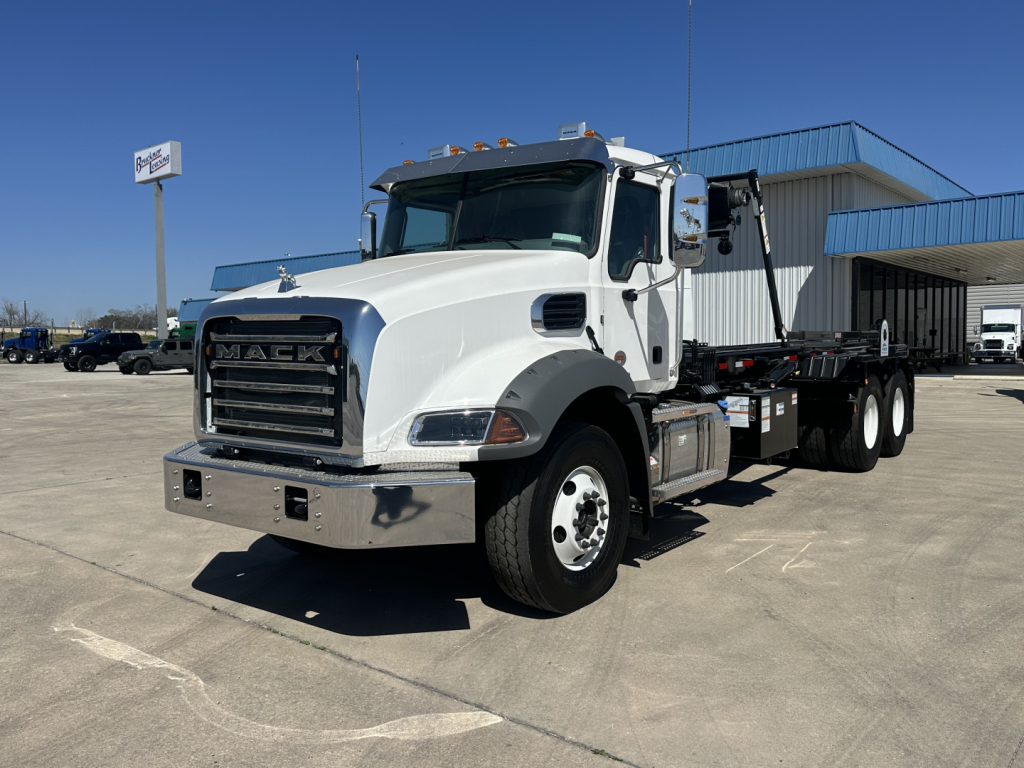
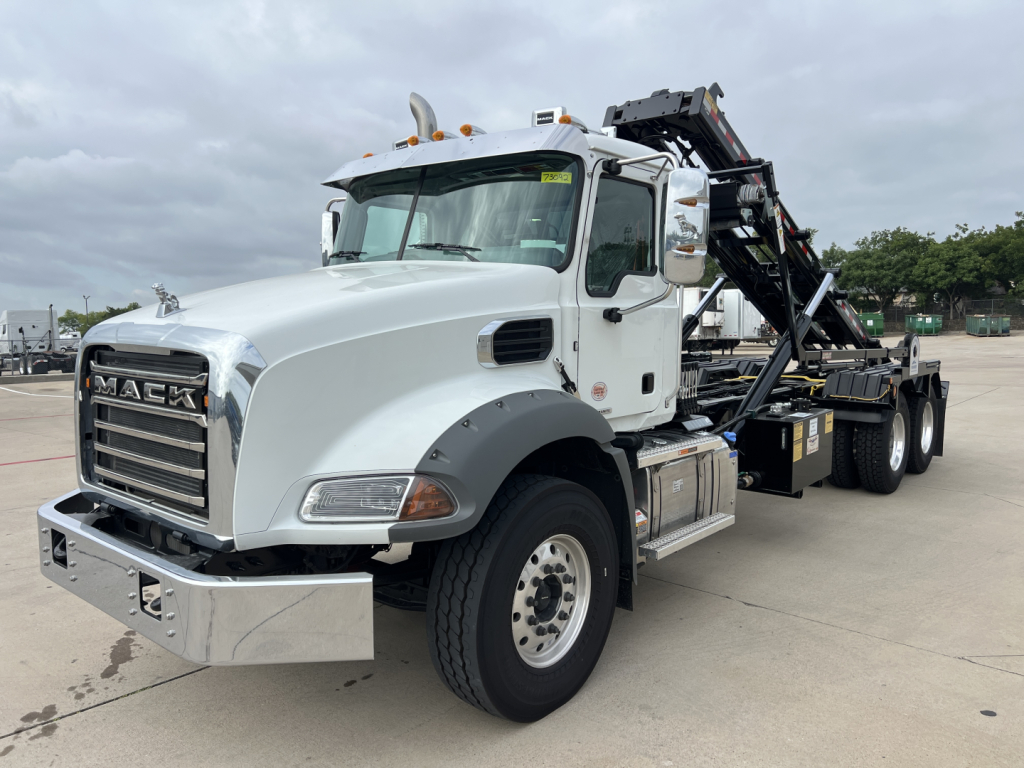
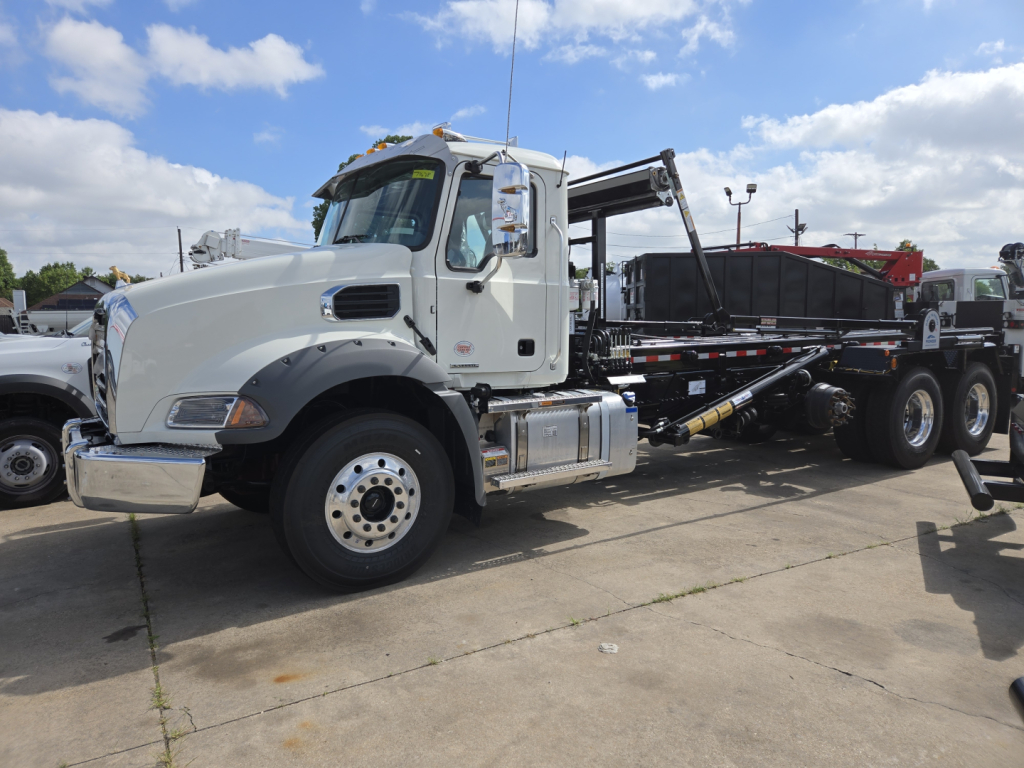
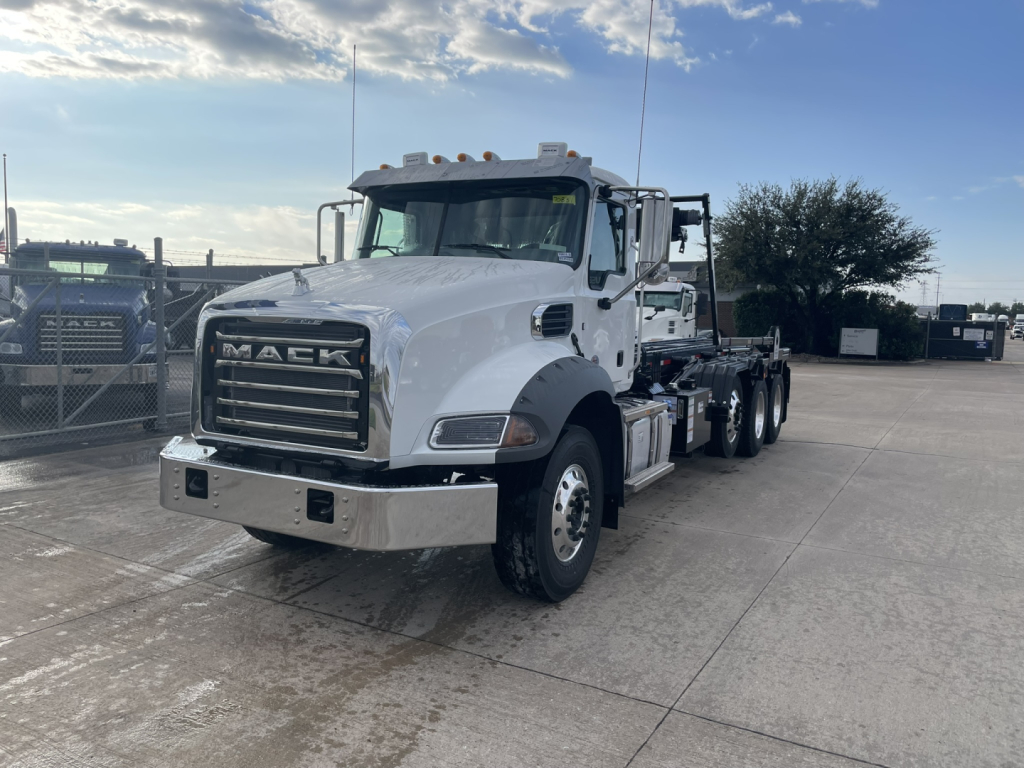
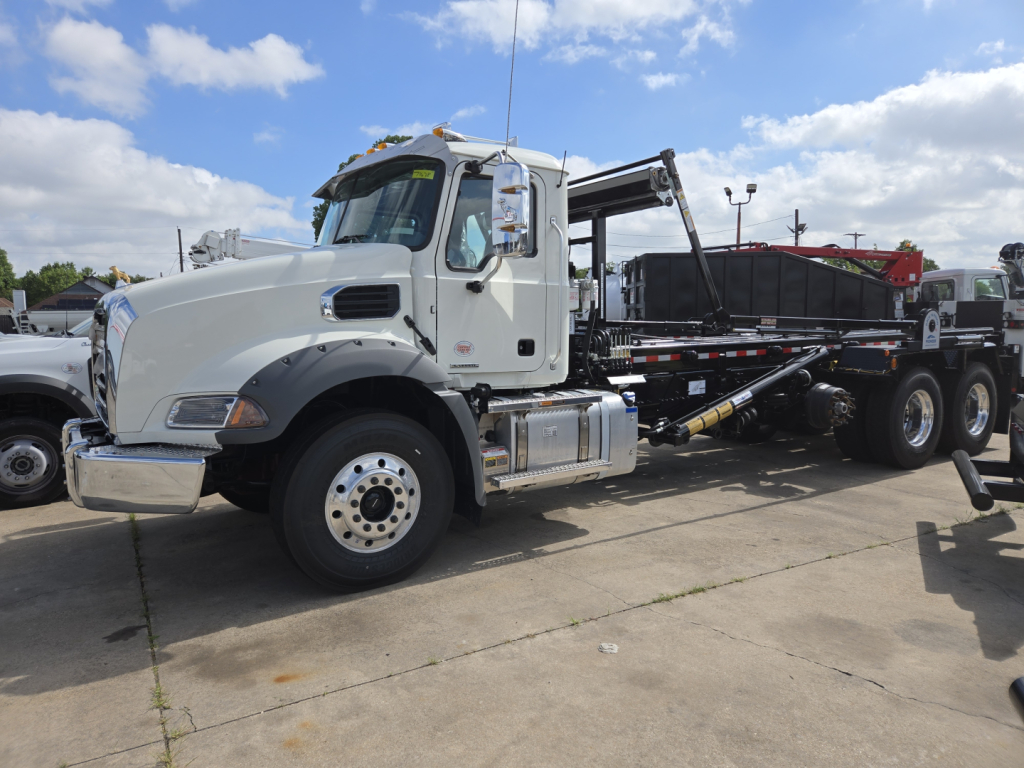
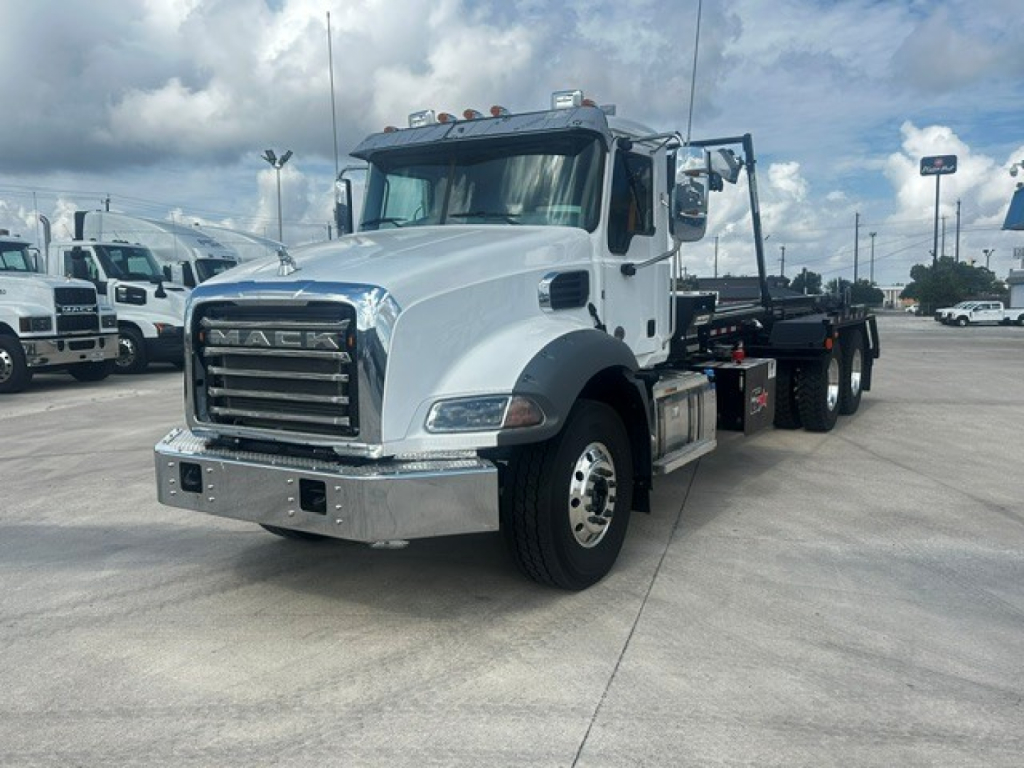
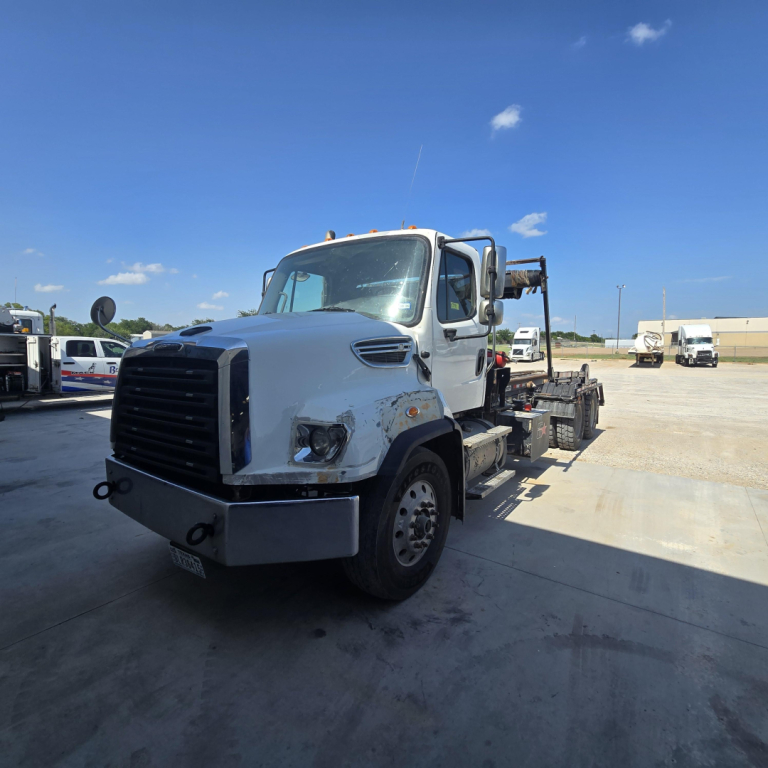
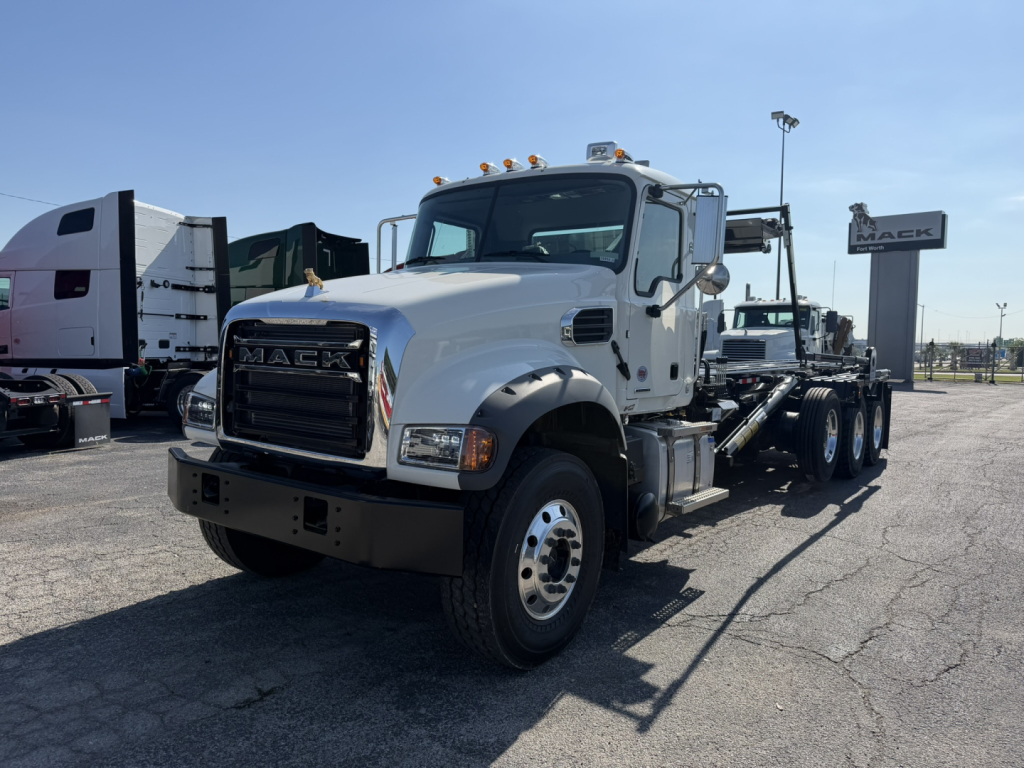
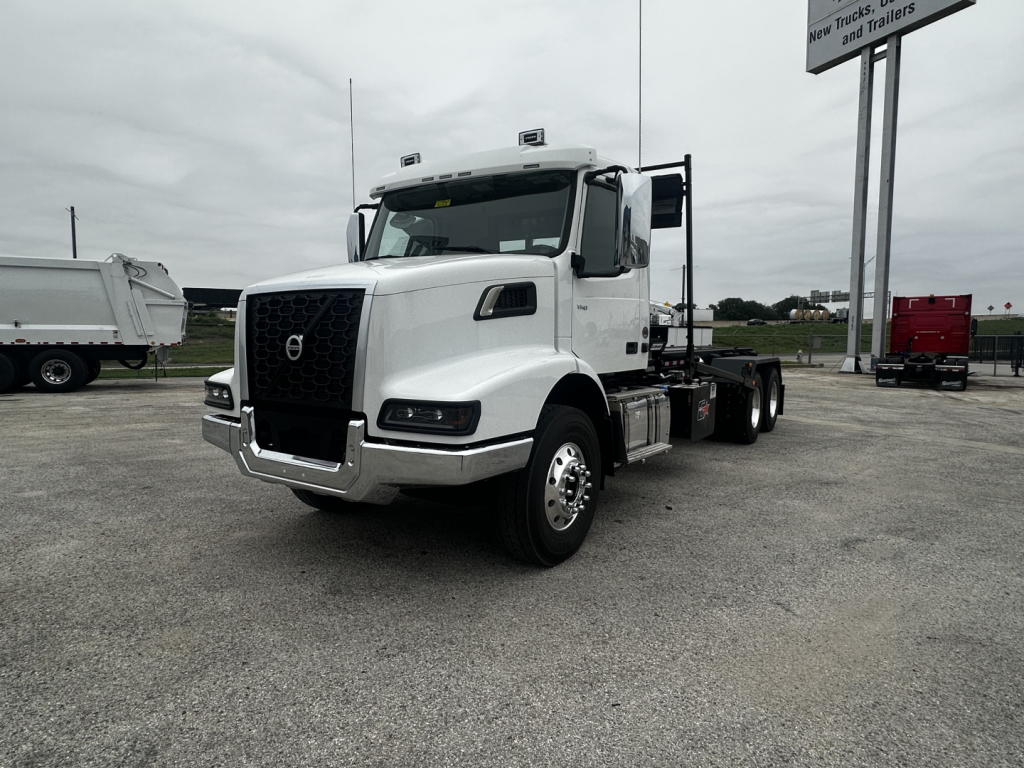
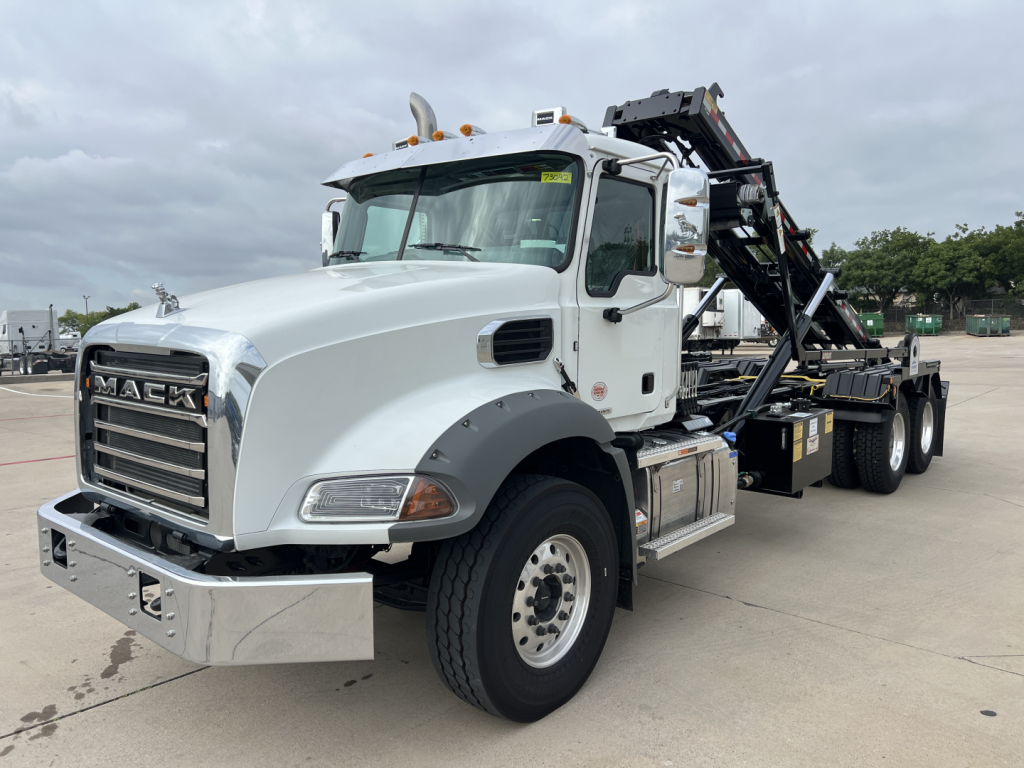
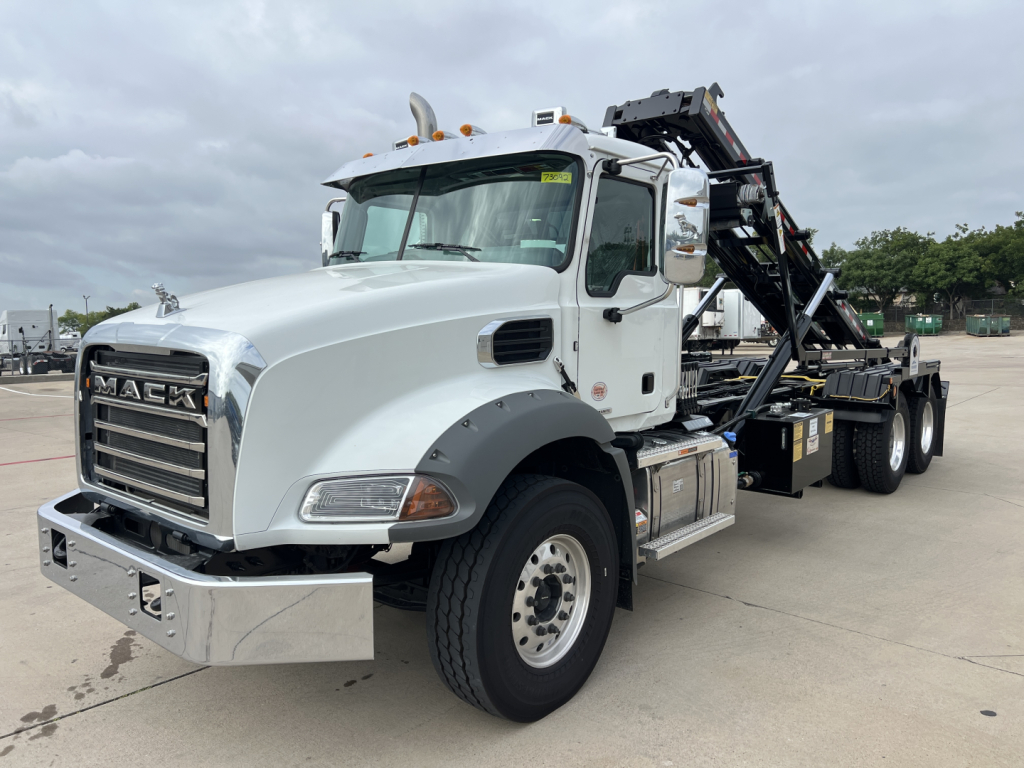
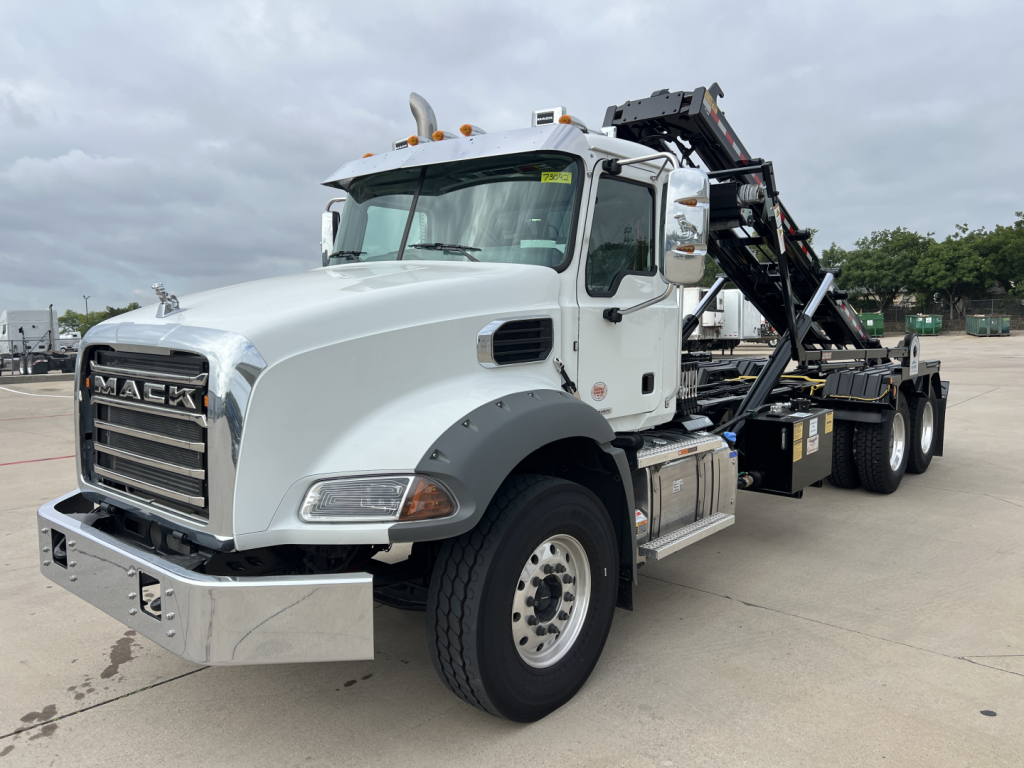
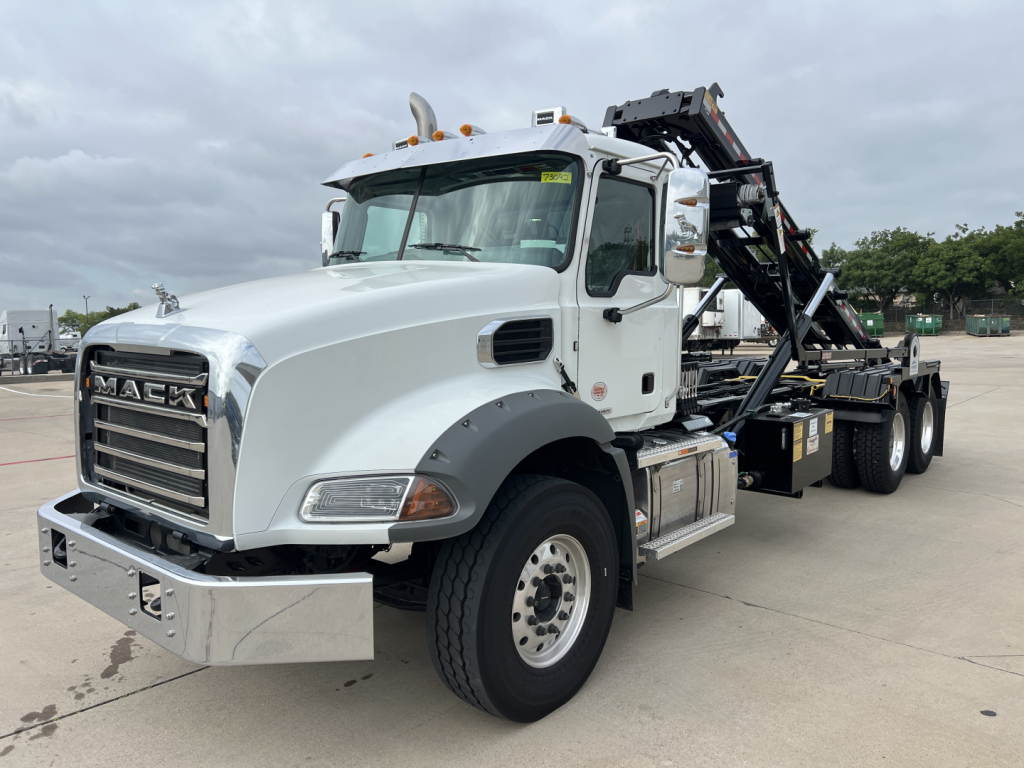
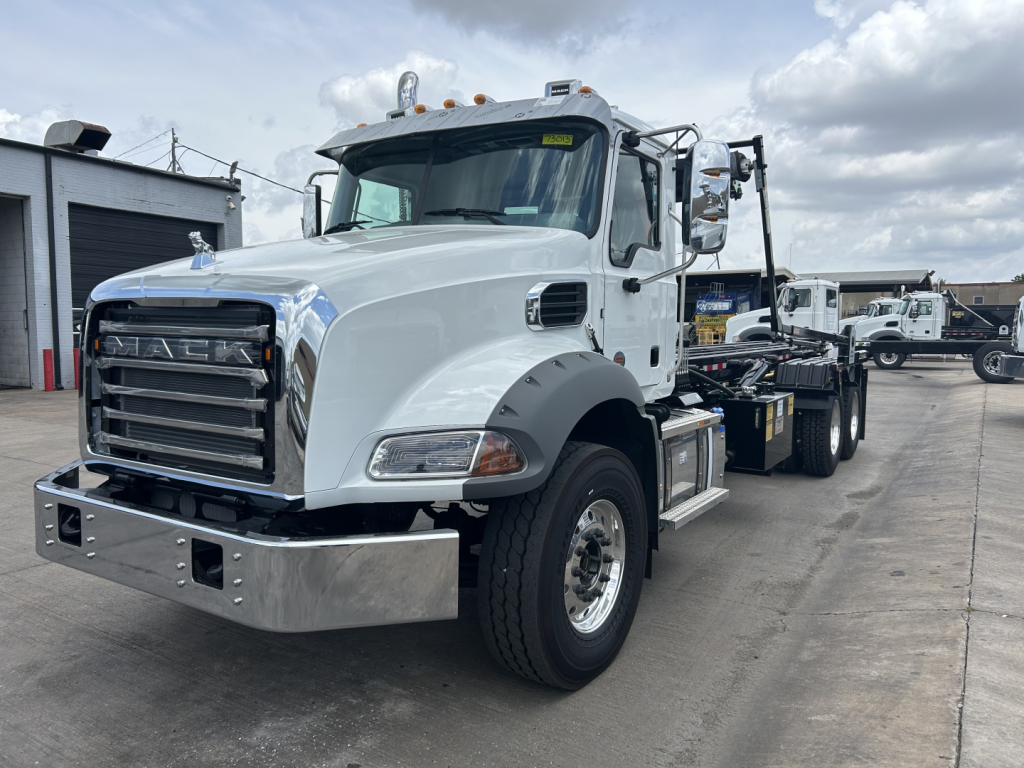
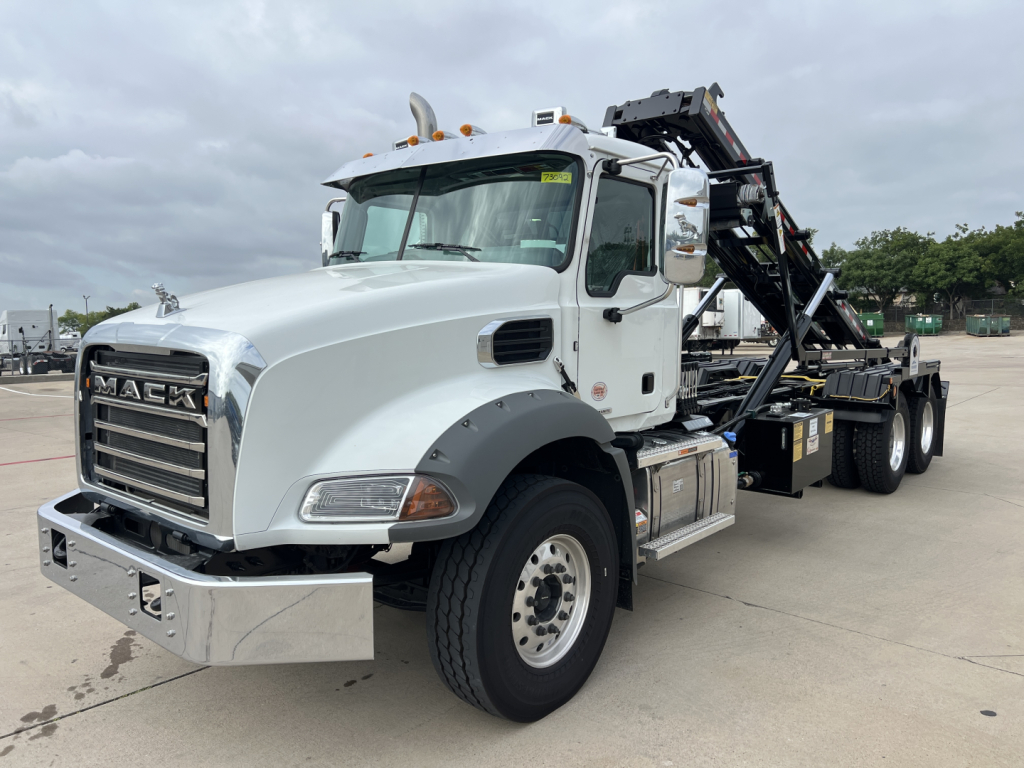
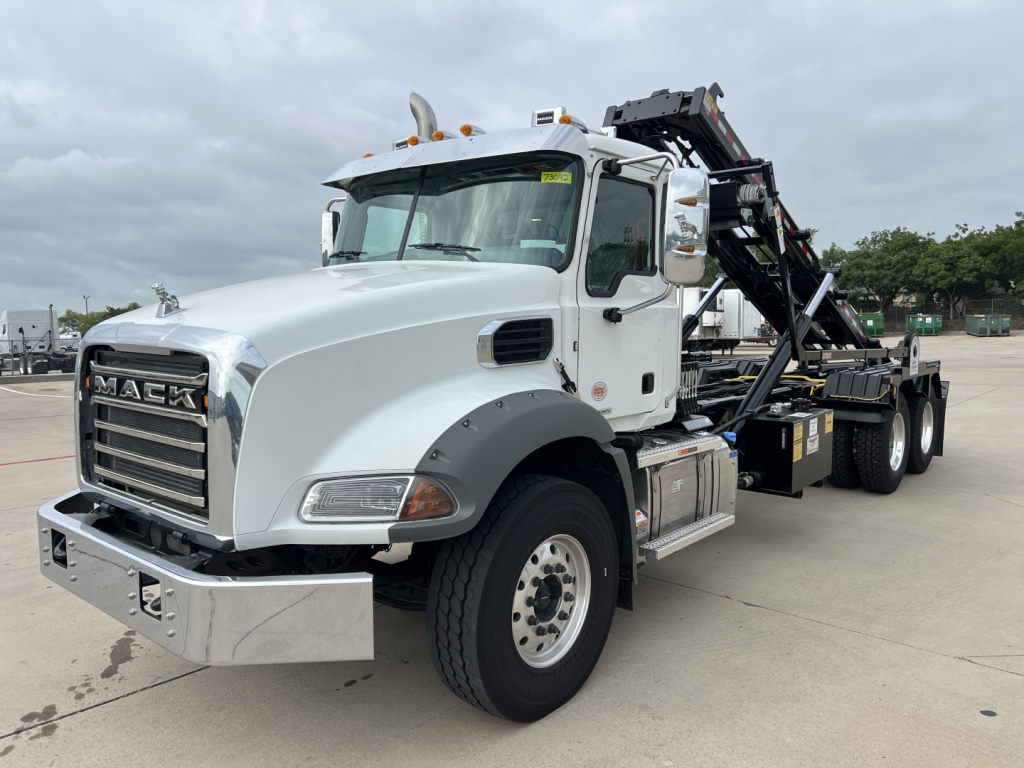
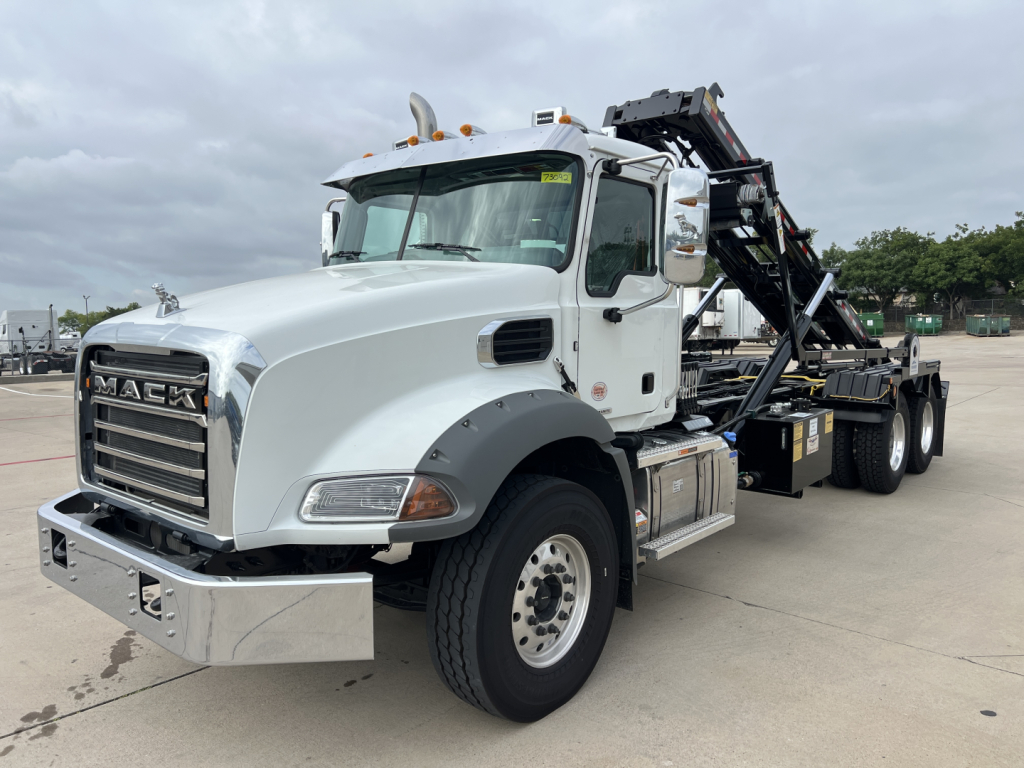
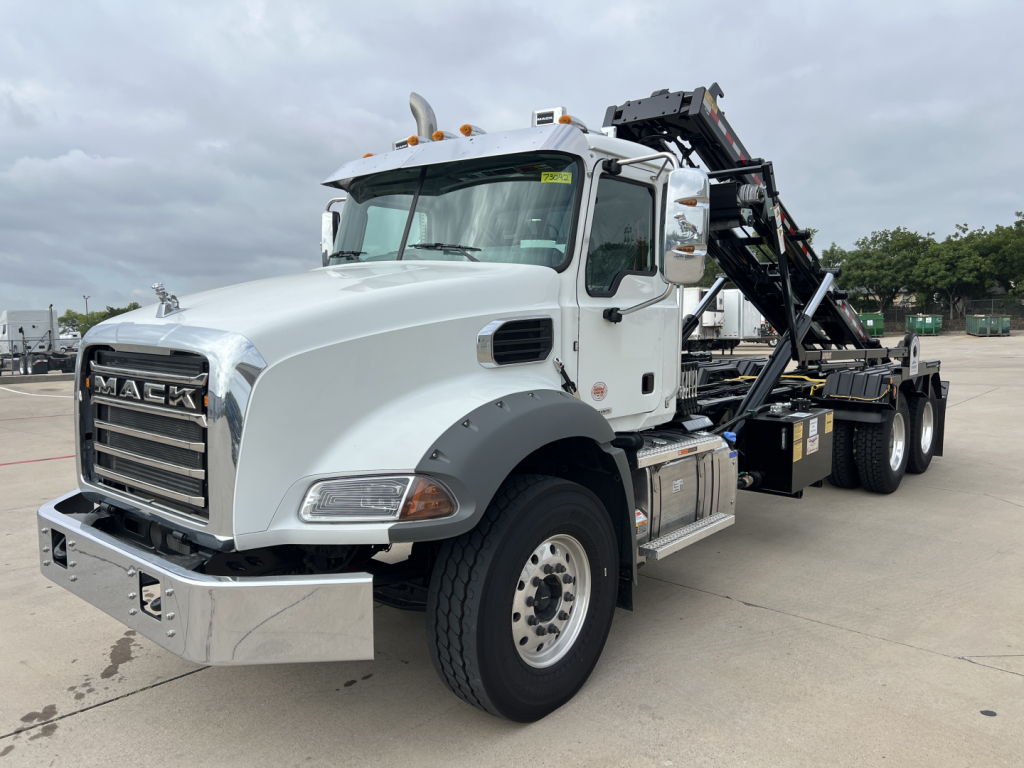
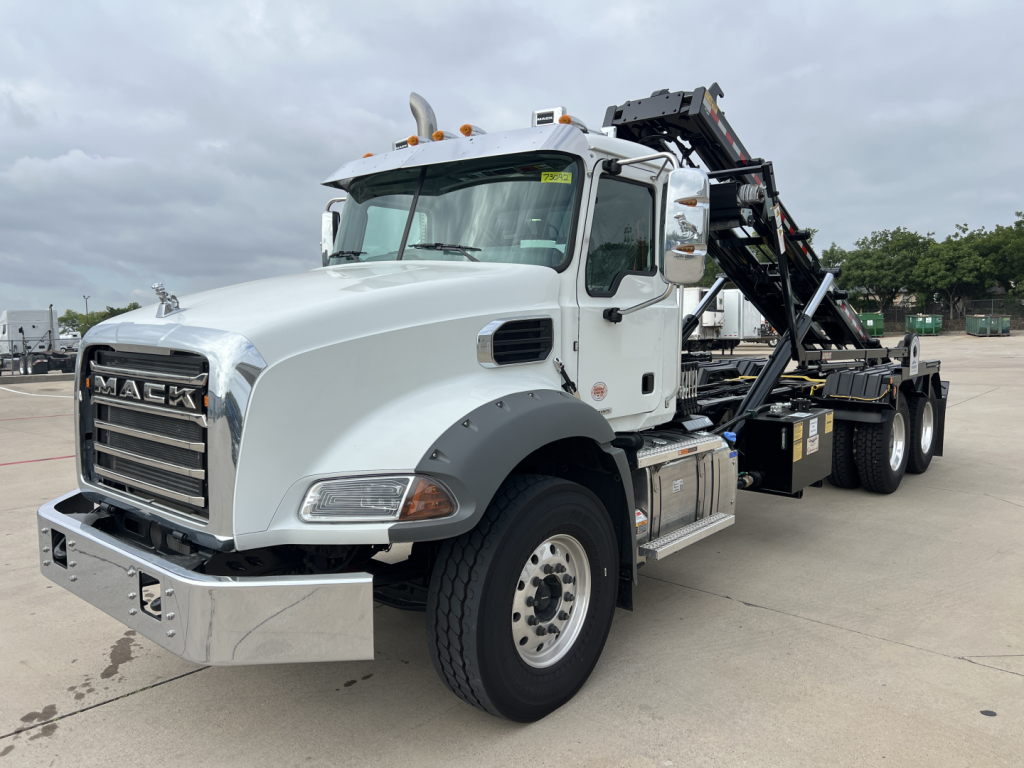
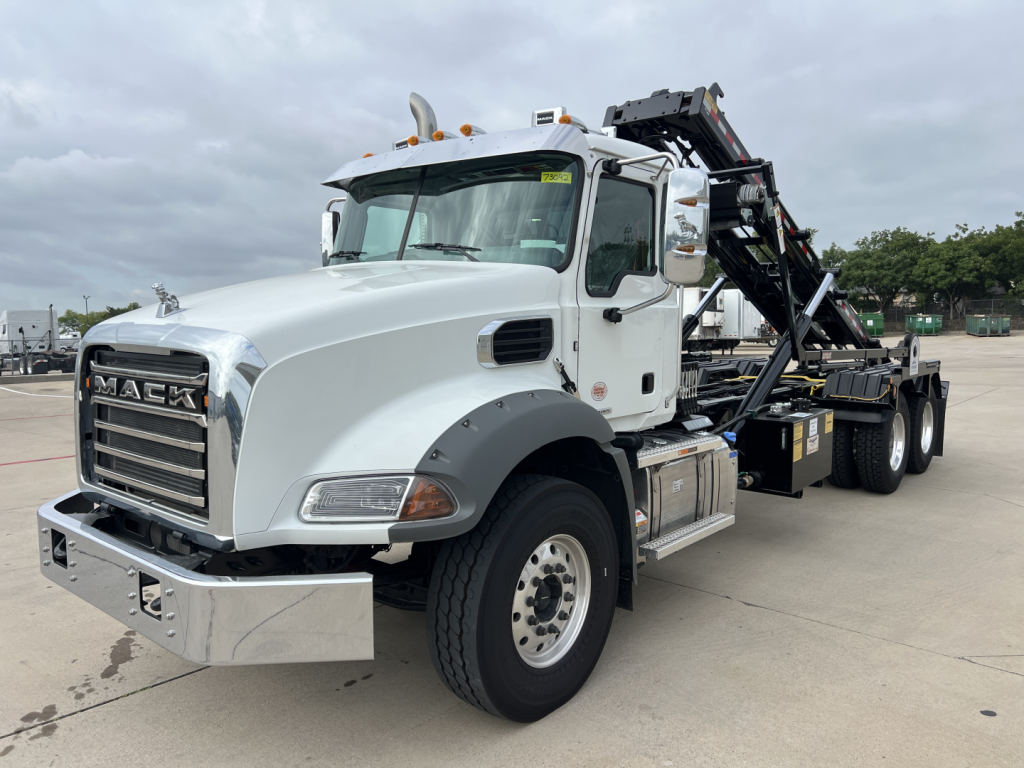
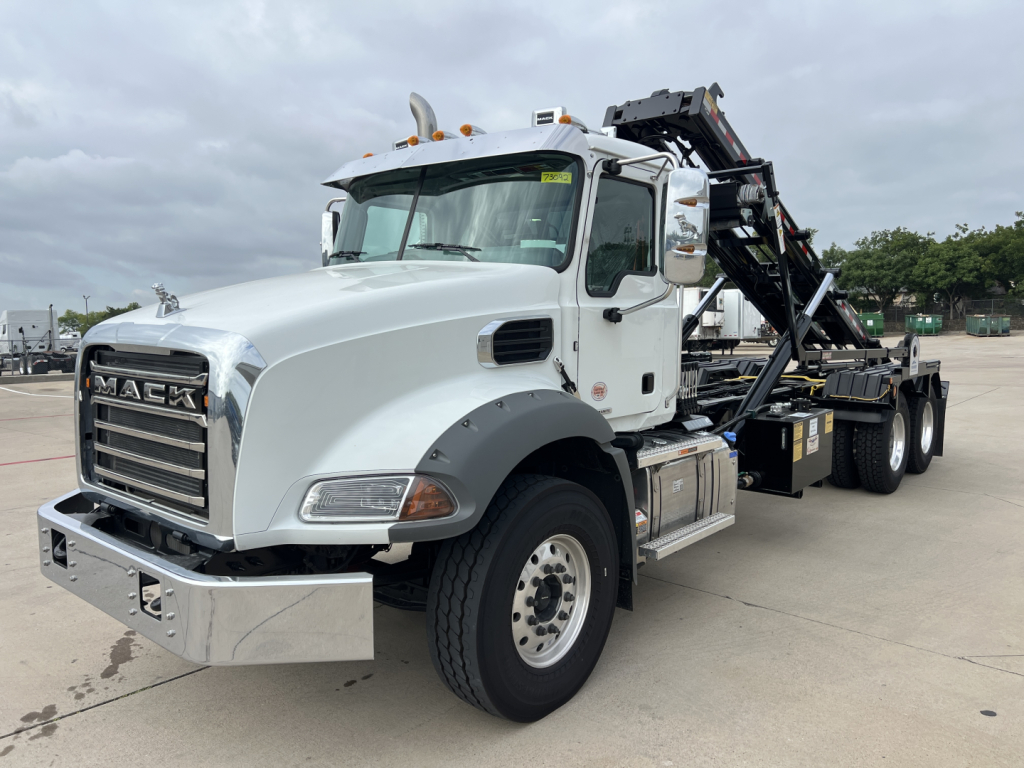
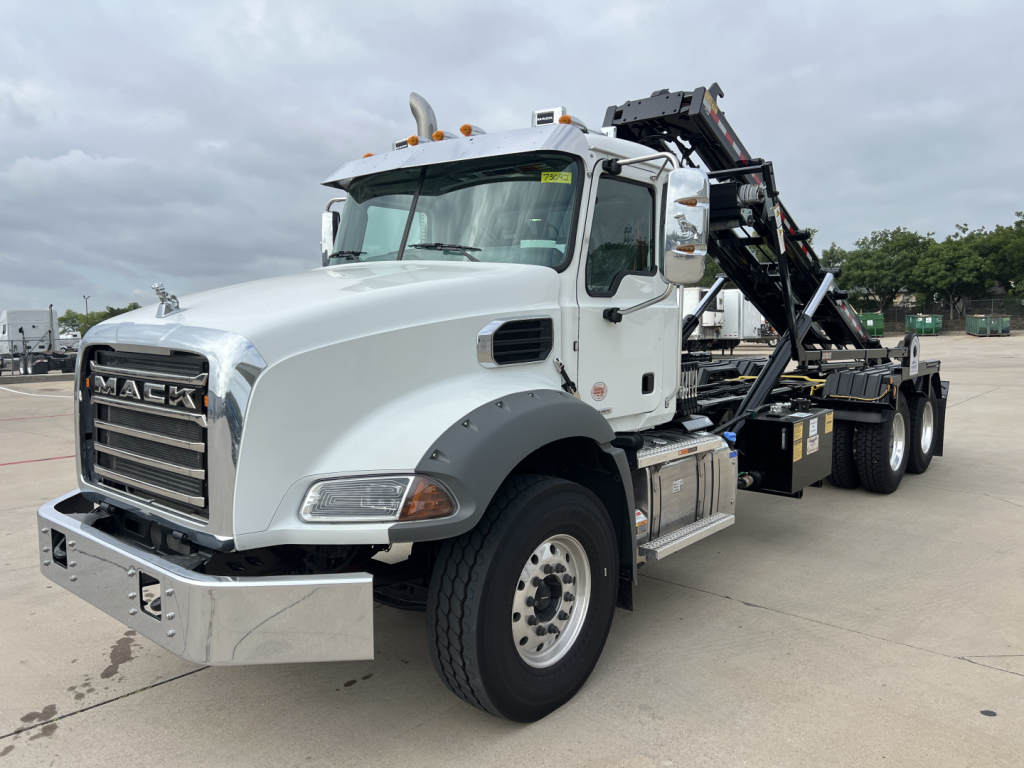
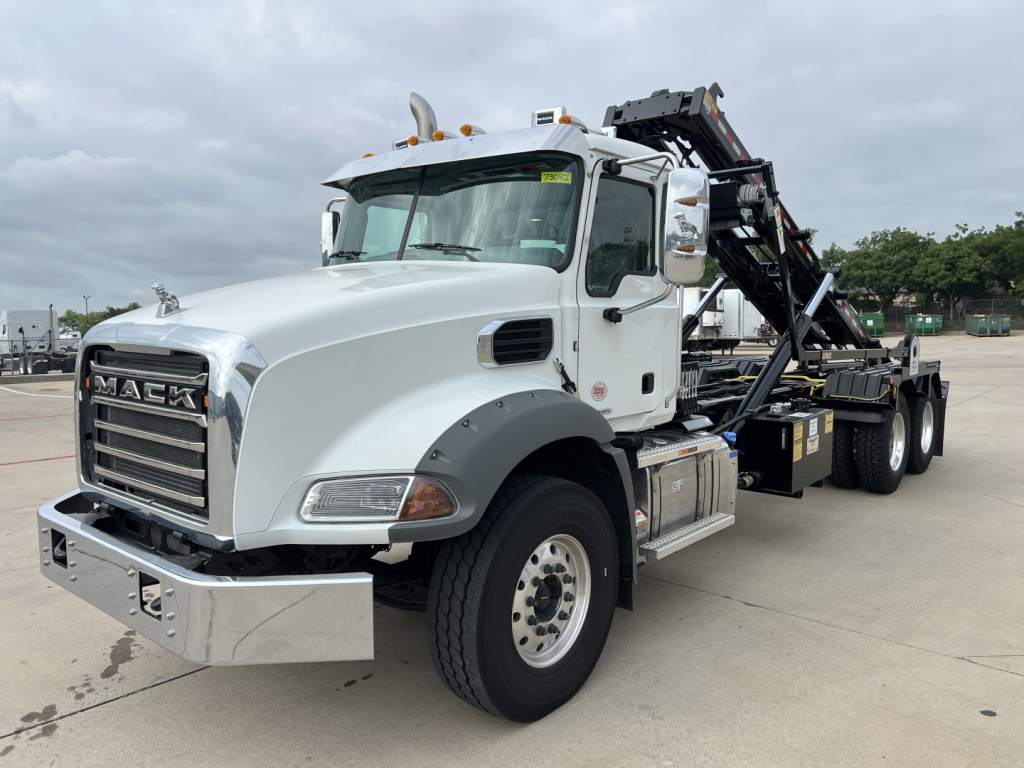
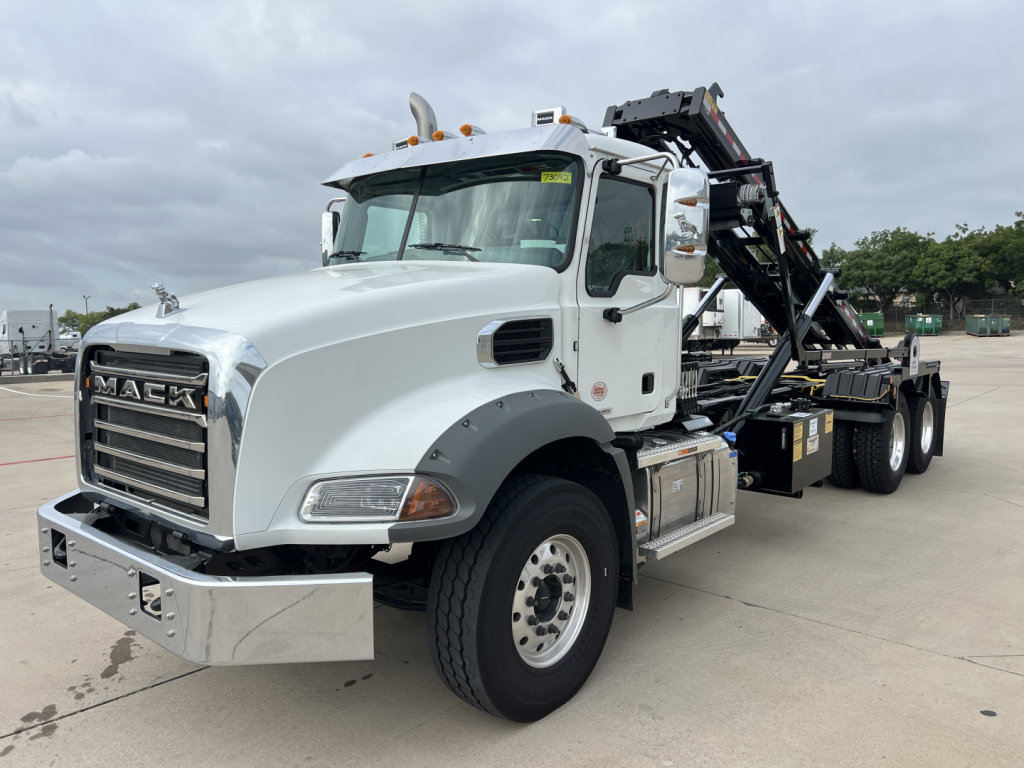
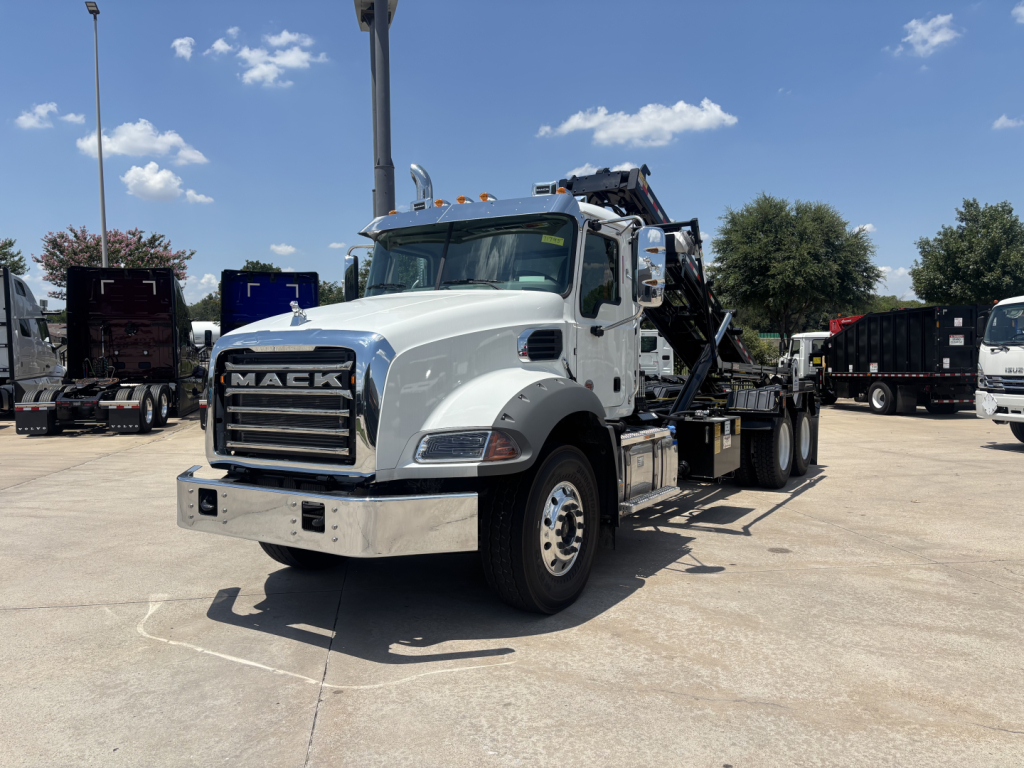
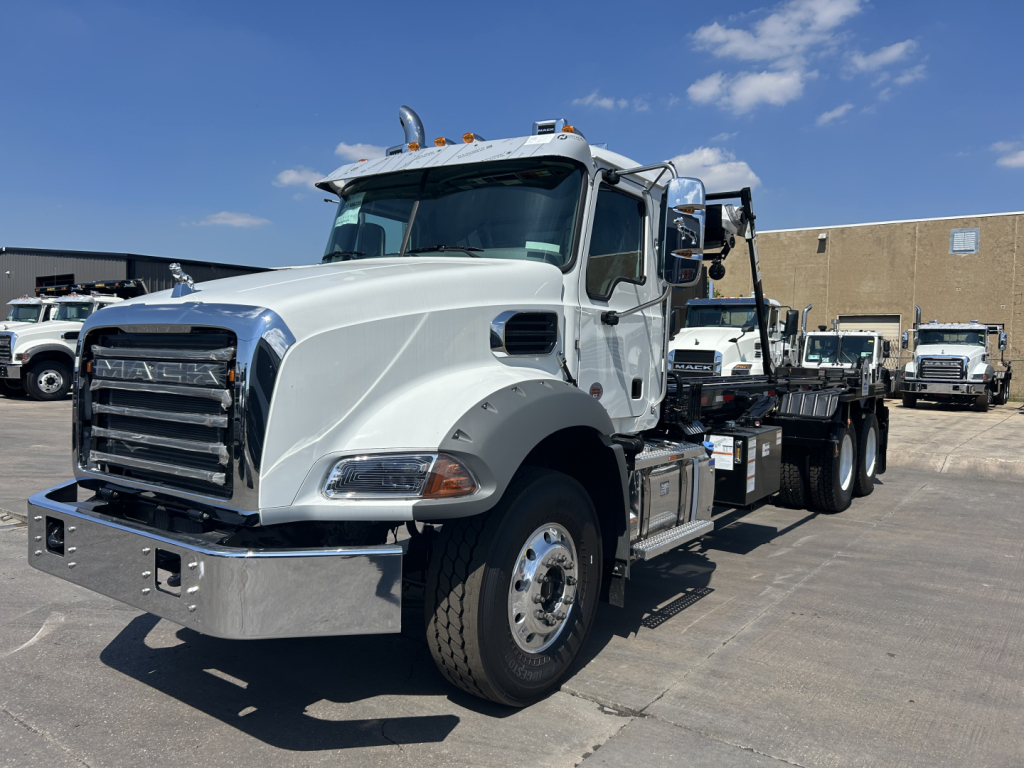
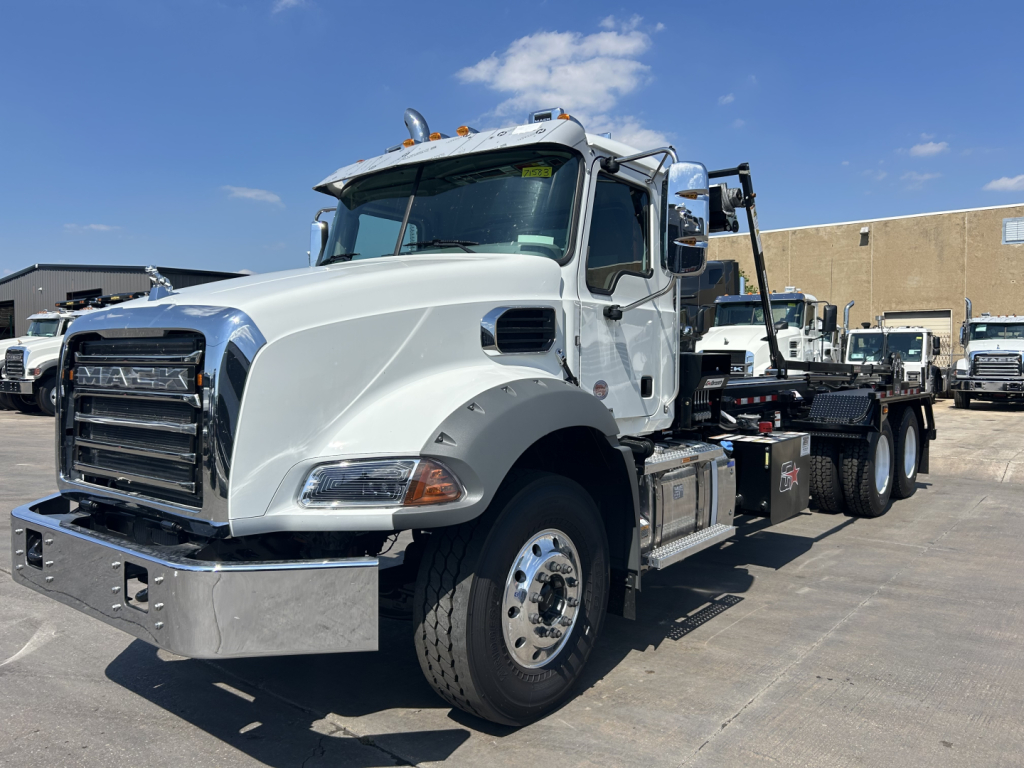
Showing 1 to 28 of 57 results
Selling a rolloff truck? List your rolloff truck for sale and reach thousands of commercial buyers.
Rolloff Trucks in Texas
The chassis matters as much as the hoist. Most rolloff trucks are spec'd as tandem axle or tri-axle severe-duty units, often with heavy rear suspensions, double-frame reinforcement, and PTO-driven hydraulic systems. Wheelbase, back-of-cab to end-of-frame, and axle placement all affect container length range, bridge law compliance, and turning radius. In Texas, buyers often look closely at axle ratings, lift axle configurations, cooling package size, and vocational transmission specs because route density, heat, and stop-and-go operation can punish an underbuilt truck quickly. Engines are typically selected for low-end torque and PTO performance more than highway speed.
Hoist design choices also deserve close attention. Cable rolloff systems remain common and are straightforward to maintain, while hooklift-style systems can offer faster loading and broader body interchangeability in the right operation. Key details include inside rail width, container length range, jib style, tarp system, hydraulic reservoir size, in-cab controls, and safety features such as rear view cameras, backup alarms, and body up indicators. If the truck will spend time at transfer stations, landfills, or demolition sites, buyers should also check ground clearance, approach angle, and rear underride considerations.
A good rolloff truck spec is the one that fits the containers already in your fleet, the legal payload targets on your routes, and the abuse level of your material stream. Pay attention to frame condition, hoist pin and bushing wear, hydraulic leaks, cable condition, winch performance, and signs of twist or cracking around the body mounts on used units. On newer trucks, emissions system access, serviceability, and uptime support can matter just as much as rated capacity. For fleets working Texas markets, durability, simple hydraulic service, and correct axle and hoist sizing usually drive long-term operating cost more than headline horsepower alone.
Frequently Asked Questions about Rolloff Trucks in Texas
What capacity rolloff truck do I need?
The right capacity depends on the containers you run, the density of the material, and the legal payload you need to carry. Light construction debris and municipal waste can often be handled with lower-capacity hoists than scrap, concrete, or demolition debris. Buyers should match hoist rating, chassis GVWR, axle ratings, and container length range as one system, because a truck with a strong hoist but insufficient axle capacity will still be limited in real-world hauling.
What is the difference between a cable rolloff and a hooklift?
A cable rolloff uses a winch and cable system to pull rolloff containers onto rails, and it remains a common choice for dedicated waste and debris container work. A hooklift uses a hydraulic jib with a hook to load compatible bodies, which can add versatility if one chassis needs to handle multiple body types. Cable systems are often favored for traditional rolloff fleets, while hooklifts appeal to operators who want interchangeability and quick body changes.
What axle configuration is most common for rolloff trucks in Texas?
Tandem axle rolloff trucks are common for many waste and construction applications, while tri-axle configurations are often selected when operators need better weight distribution and higher legal payload potential. The best setup depends on route laws, transfer station access, landfill conditions, and the weight of the materials being hauled. In Texas, buyers often pay close attention to lift axles, suspension durability, and wheelbase because those factors affect both compliance and maneuverability.
What should I inspect on a used rolloff truck?
Focus on the frame, hoist structure, hydraulic system, and wear components before anything cosmetic. Look for cracked welds, frame rail damage, excessive pin and bushing wear, winch or cable wear, hydraulic leaks, cylinder scoring, and uneven rail wear. It is also smart to inspect PTO engagement, transmission behavior under load, suspension condition, brake life, and signs that the truck has been consistently overloaded or operated with a twisted container.
How do container size and truck spec work together?
Container length, rail width, and body design have to match the hoist geometry and chassis dimensions. A truck spec'd for the wrong container range can create loading issues, poor weight transfer, and unnecessary stress on the hoist and frame. Buyers should confirm the truck's compatible container lengths, hook or cable setup, and rail dimensions so the unit works smoothly with the boxes already in service.