
Rolloff Trucks For Sale in Georgia
Compare rolloff trucks for sale in Georgia by hoist compatibility, legal payload, PTO setup, and used-truck wear for construction and waste routes.
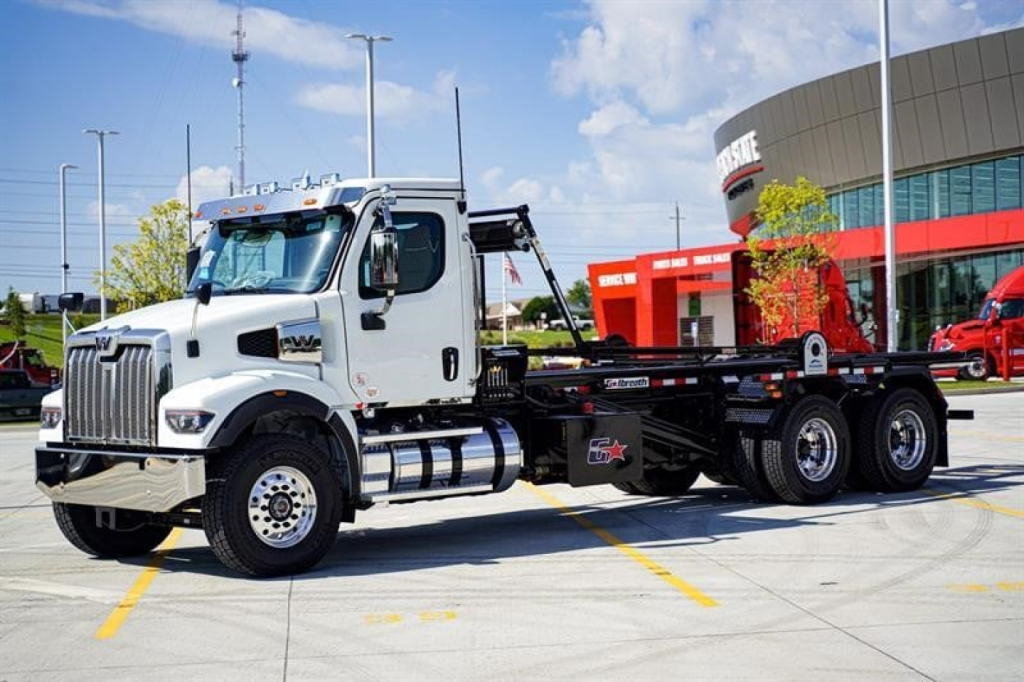
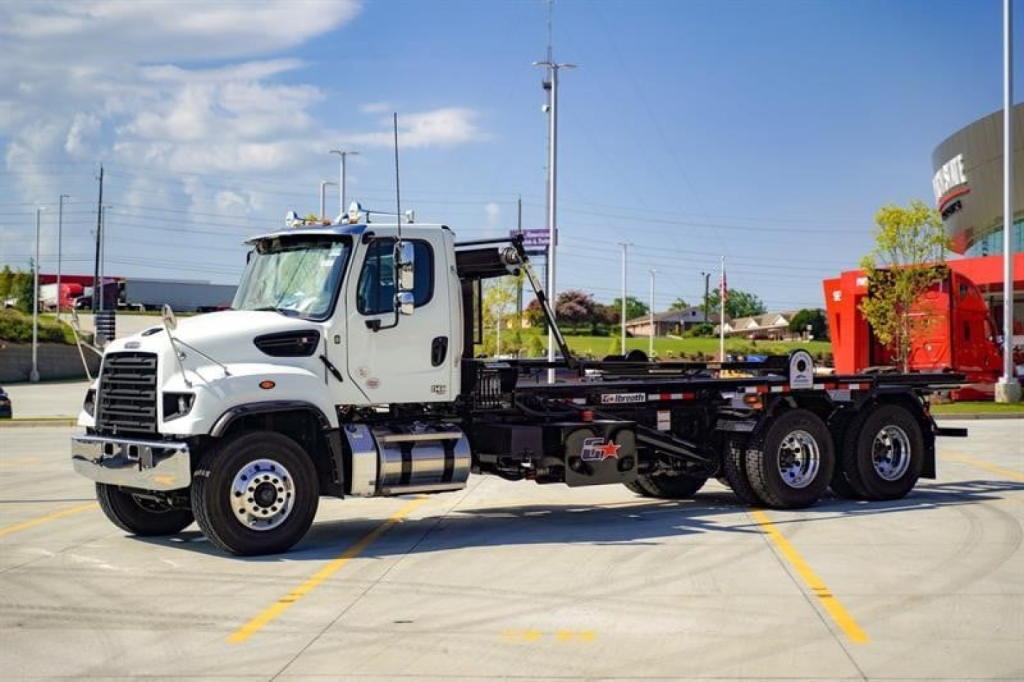
Selling a rolloff truck? List your rolloff truck for sale and reach thousands of commercial buyers.
Rolloff Trucks in Georgia
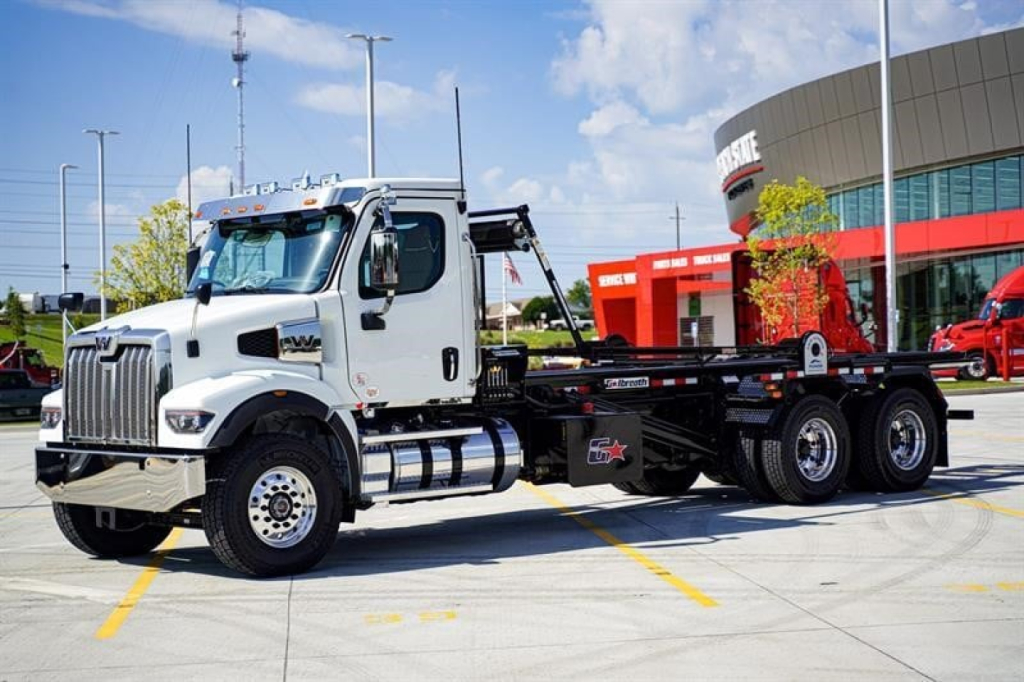
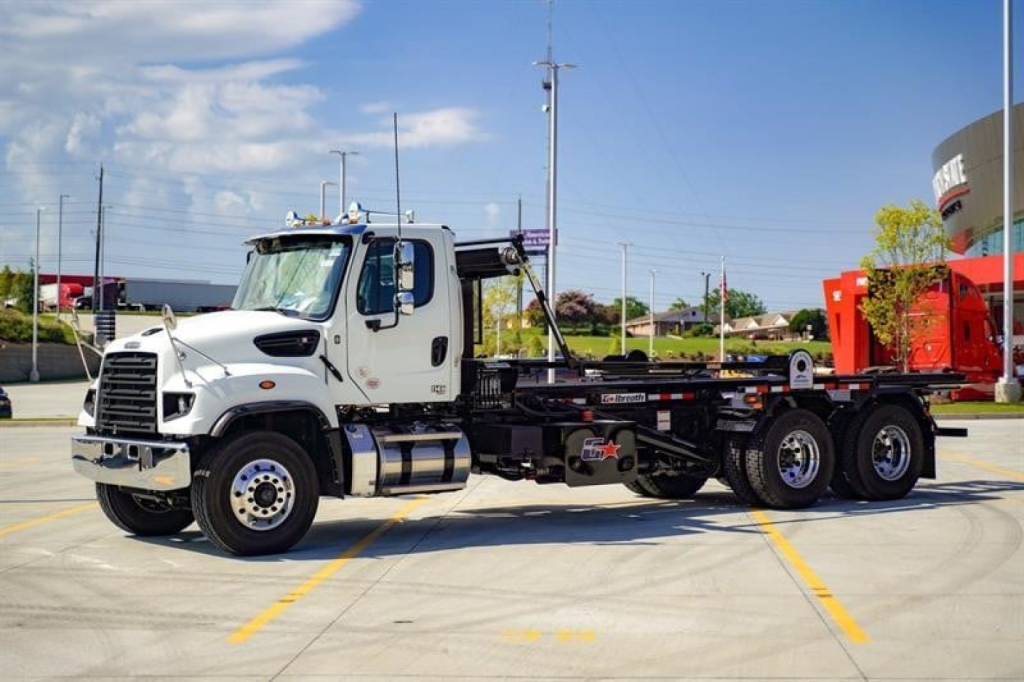
Hoist capacity, wheelbase, rear overhang, and axle spacing determine whether a chassis fits the job. Freightliner 114SD, Western Star 47X, Mack Granite, Kenworth T880, and Peterbilt 567 are vocational chassis used in container service. Compare front and rear axle ratings, suspension capacity, frame reinforcement, and the weight of the completed truck rather than relying on the chassis badge. Confirm transmission PTO provisions, hydraulic pump flow, hoist rating, and container-length range from manufacturer documentation. A higher-rated hoist cannot overcome an overloaded axle or inadequate chassis rating.
For a new truck, settle container dimensions, required lift axles, wheelbase, hydraulic controls, and tarp system before the chassis and body specifications are finalized. Obtain separate chassis, engine, transmission, and hoist warranty terms, including responsibility for upfit-related failures. Plan for the 12% federal excise tax on qualifying new heavy trucks, and confirm how the chassis and installed hoist are treated. Delivery mileage alone does not establish the warranty start date or completed-upfit condition.
Used trucks need a loaded hoist demonstration and an ECM download showing engine hours, idle time, and fault history. Inspect frame rails around hoist mounts, rear hinge points, cable condition, rollers, cylinder rods, hose routing, and transport locks. Compare maintenance records with wear on the PTO and hydraulic system because short routes can accumulate substantial operating hours without high mileage. Most 2007-and-newer heavy-duty diesels use a DPF, and most 2010-and-newer engines also use SCR with DEF. Check regeneration history, aftertreatment repairs, cooling-system condition, and evidence of emissions tampering on trucks from those eras.
Georgia's wet red-clay jobsites make traction, ground clearance, and stable loading surfaces practical buying concerns, while summer heat demands sound engine and hydraulic cooling. Coastal service warrants close inspection for corrosion around electrical connectors, body mounts, and exposed hydraulic fittings. For Interstate travel on I-75, I-85, or I-16, start with the federal 80,000-pound gross limit and applicable axle and bridge limits unless a lawful exception applies. Added lift axles do not automatically create legal payload; verify axle spacing, route restrictions, and posted bridge limits before assigning heavy containers.
Frequently Asked Questions about Rolloff Trucks in Georgia
Do I need a CDL to drive a rolloff truck in Georgia?
A roll-off truck with a GVWR or actual gross weight of 26,001 pounds or more generally requires a Class B CDL in Georgia when operated without a heavy trailer. A combination rated or weighing at least 26,001 pounds generally requires Class A when the towed vehicle exceeds 10,000 pounds. Most full-size roll-off trucks have air brakes, so the driver's CDL must not carry a restriction that prohibits operating that brake system.
How do I calculate how much debris a rolloff truck can legally carry?
The lowest applicable legal weight limit or equipment rating controls a roll-off truck's payload. Obtain a scale weight with the truck, hoist, empty container, fuel, and normal equipment aboard, then subtract that weight from the allowable gross weight. Check individual axle weights separately because a truck can remain below its gross limit while overloading the steer axle or rear group. Container cubic-yard capacity is not a payload rating.
Can I use cable-hoist dumpsters on a hooklift rolloff truck?
A cable-hoist dumpster is not automatically compatible with a hooklift roll-off truck. Hooklift compatibility requires the correct pickup bar height, rail spacing, container length, rear rollers, and locking arrangement. Cable-hoist containers use a different pickup interface, and some boxes require an engineered conversion rather than a simple attachment change. Obtain written compatibility confirmation from the hoist manufacturer before committing to a truck intended to serve an existing container fleet.
Is an automatic transmission better for Georgia rolloff work?
A torque-converter automatic is a strong fit for stop-start roll-off routes with frequent reversing and loaded launches. Allison-equipped vocational trucks are commonly used for that duty, particularly on congested Atlanta-area routes. An automated manual can also work well, but test low-speed maneuvering and loaded starts rather than judging by the transmission name alone. Confirm suitable gearing, transmission cooling, and PTO operation for the specific hoist and route.