
2027 Rolloff Trucks For Sale in Georgia
Compare 2027 rolloff trucks for sale in Georgia by hoist compatibility, axle ratings, emissions certification, and new or used inspection requirements.
Selling a 2027 rolloff truck? List your 2027 rolloff truck for sale and reach thousands of commercial buyers.
2027 Rolloff Trucks in Georgia
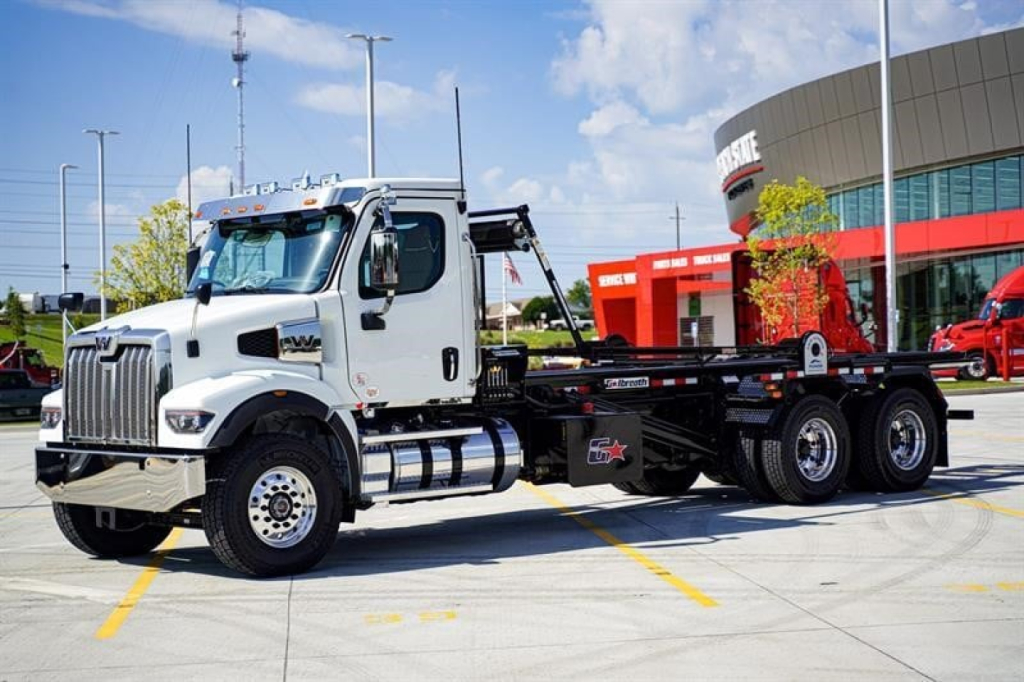
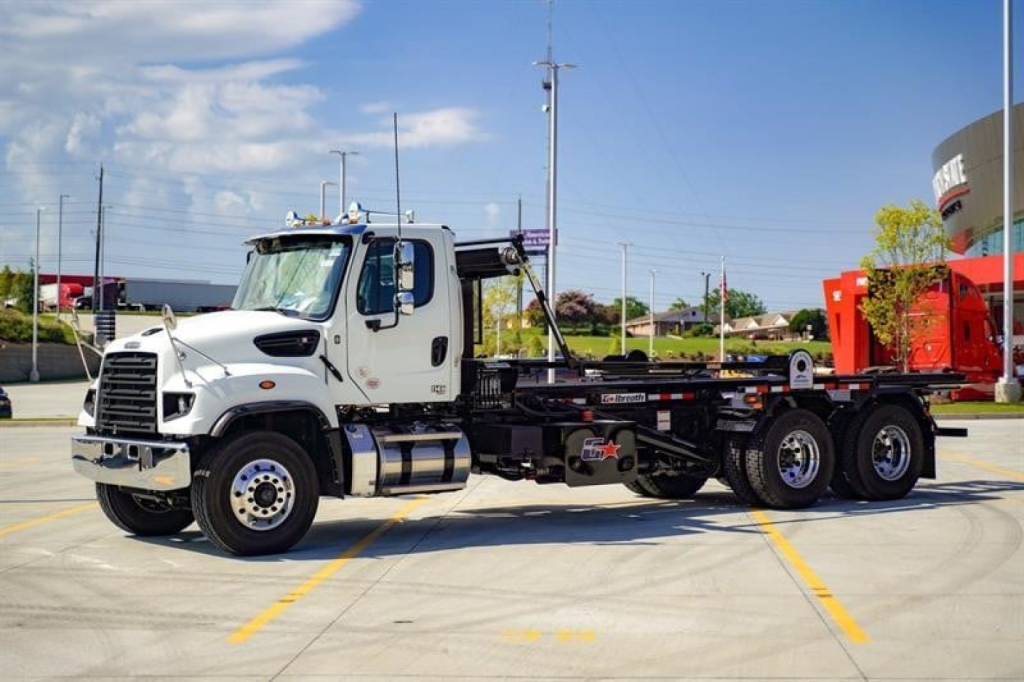
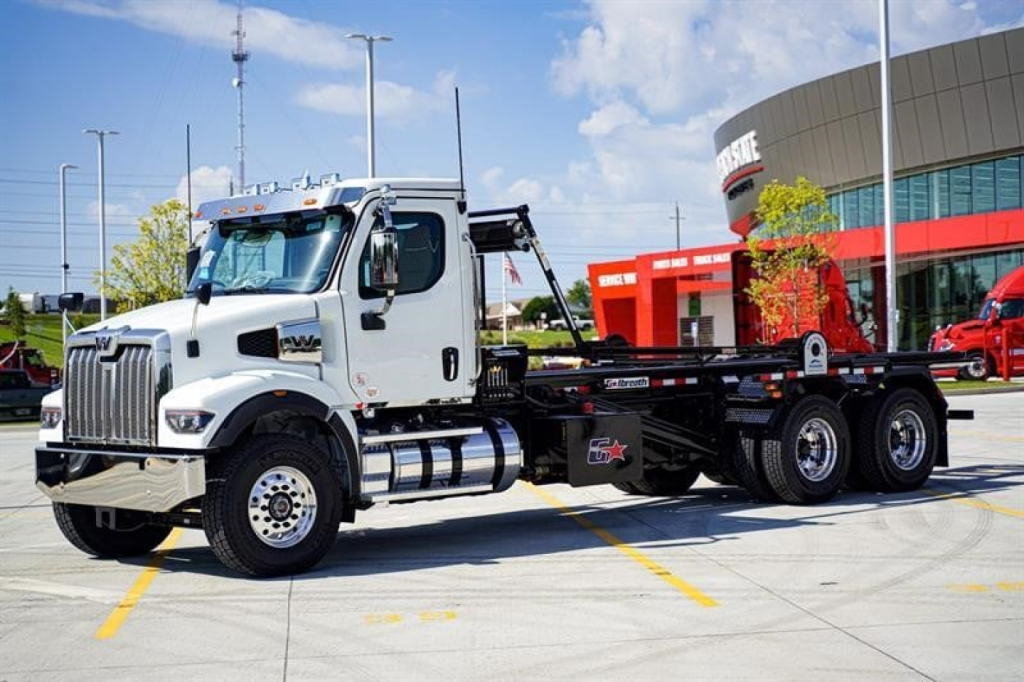
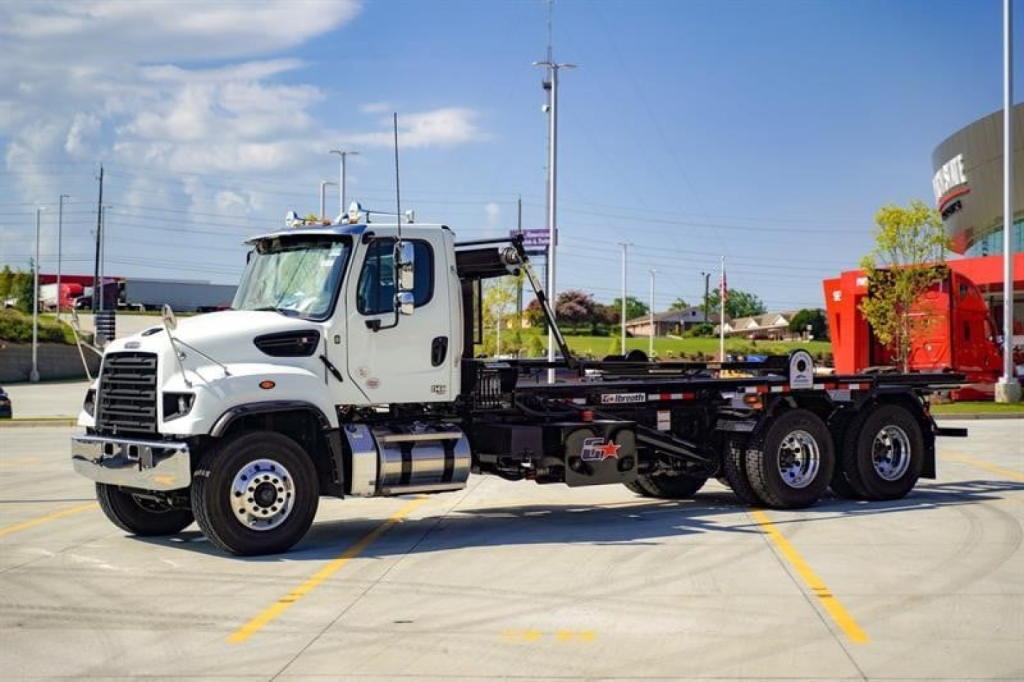
Compare frame reinforcement, front axle rating, tandem capacity, lift-axle placement, and PTO provisions across makes, including vocational platforms such as the Western Star 47X and Freightliner 114SD family. Transmission choice should reflect loaded starts, landfill grades, and hydraulic demand, not just road speed. For a 2027 truck, verify the engine model year and emissions certification on the engine label; chassis model year alone does not identify the certified engine configuration. Obtain the applicable DPF, SCR, and DEF maintenance requirements before committing to the build.
Georgia's summer heat calls for adequate hydraulic cooling during repeated exchanges, while coastal service warrants extra corrosion checks. Metro Atlanta demolition, inland land-clearing, and coastal storm cleanup impose different container and axle requirements. Check Georgia axle limits and route-specific bridge restrictions, including federal bridge-formula requirements where applicable; adding a lift axle does not automatically increase legal gross weight.
New trucks need a complete chassis-and-hoist specification, documented delivery inspection, and clear separation between chassis, engine, transmission, and hoist warranties. Confirm warranty start dates and whether PTO or idle hours affect coverage; qualifying new heavy trucks generally incur 12% federal excise tax on the taxable first retail sale. For a used 2027 truck, compare ECM engine and PTO hours with odometer mileage and service records. Cycle the hoist, inspect cylinder rods and cables or hook components, and check subframe fasteners, pivot pins, rollers, hydraulic leaks, and rear suspension damage.
Frequently Asked Questions about 2027 Rolloff Trucks in Georgia
Can a hooklift roll-off truck haul my cable-hoist dumpsters?
Hooklift and cable-hoist dumpsters are not automatically interchangeable. A hooklift roll-off truck needs containers with compatible hook height, pickup hardware, rails, rollers, and locking geometry. Some containers accommodate both systems, but that compatibility must be documented. Confirm the hoist manufacturer's approved container dimensions and weight limits before attempting a pickup, especially with mixed fleets or modified containers.
How much can a roll-off truck legally weigh on Georgia Interstates?
The standard federal Interstate limits are 80,000 pounds gross, 20,000 pounds on a single axle, and 34,000 pounds on a tandem, subject to the bridge formula and applicable exceptions. A roll-off truck can reach an axle limit below 80,000 pounds because of container placement or short axle spacing. Registration, equipment ratings, permits, and route restrictions must also support the intended load.
Is an automatic transmission better for Georgia landfill work?
A torque-converter automatic is often a strong fit for roll-off trucks making frequent loaded starts on landfill grades. Compare first-gear ratio, cooling capacity, PTO compatibility, and the approved duty rating. An automated manual can suit longer paved-route work, but confirm low-speed maneuvering, hill-start behavior, and whether the programmed PTO controls meet the hoist manufacturer's requirements.
What should I inspect on a low-mileage used 2027 roll-off truck?
A cold start, ECM fault download, and loaded hoist cycle are the priority checks on a low-mileage used 2027 roll-off truck. Watch for hydraulic drift, noisy pumps, delayed PTO engagement, and container-lock problems under load. Compare engine hours with idle and PTO history, and inspect emissions fault history rather than assuming low mileage means the DPF and SCR systems have had easy service.
Does a 2027 roll-off chassis guarantee a 2027-model engine?
No, a 2027 roll-off truck chassis does not by itself establish the engine's model year or emissions certification. Record the engine family, build date, and serial number from the engine identification and emissions labels. Use those details to obtain the correct maintenance literature, diagnostic support, and emissions warranty terms. Do not assume older regeneration procedures or service intervals apply to the installed engine.