
Rolloff Trucks For Sale in Florida
Browse rolloff trucks for debris, landscape, waste, and jobsite hauling. Compare GVWR, hoist type, container size, and CDL needs.
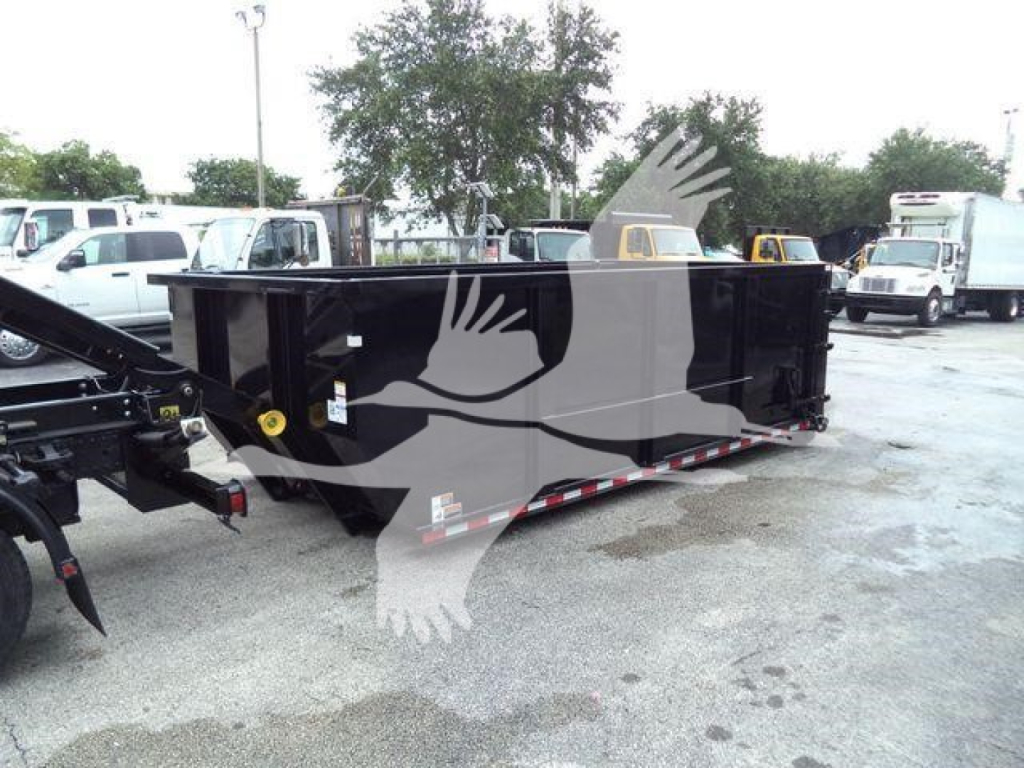
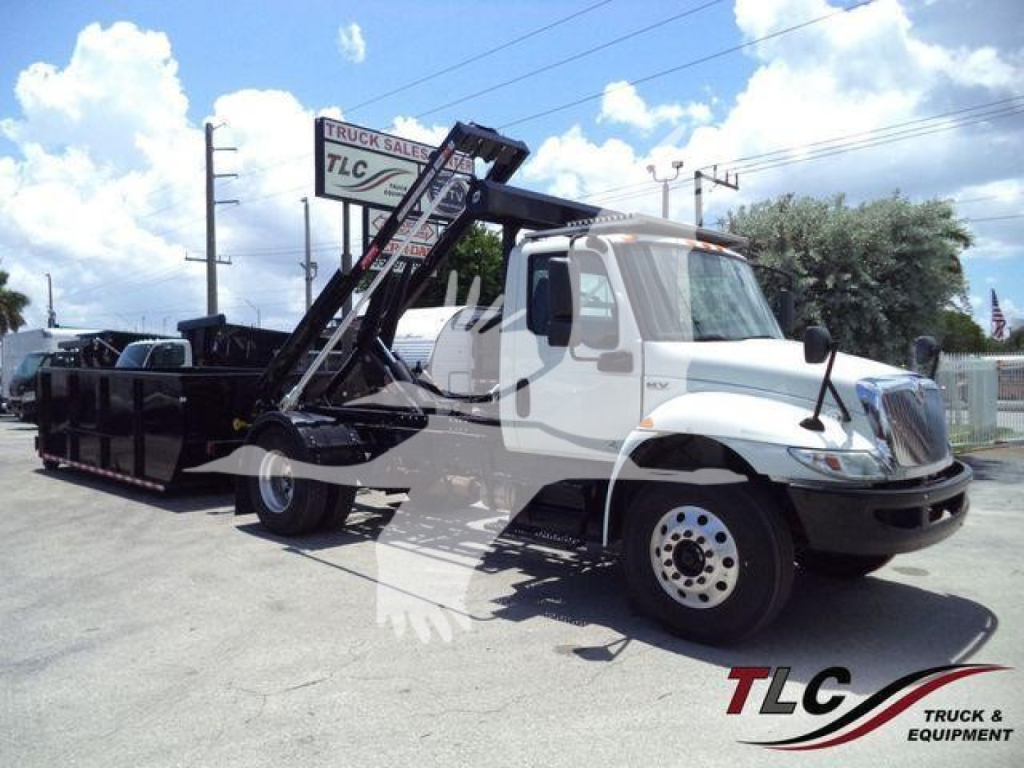
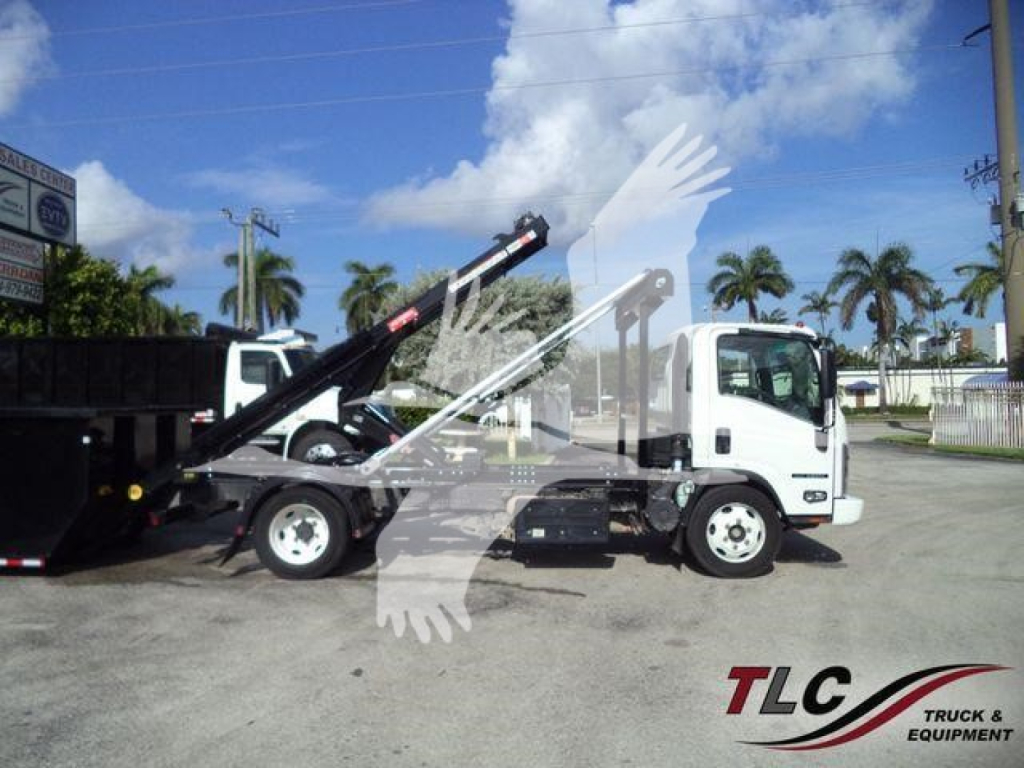
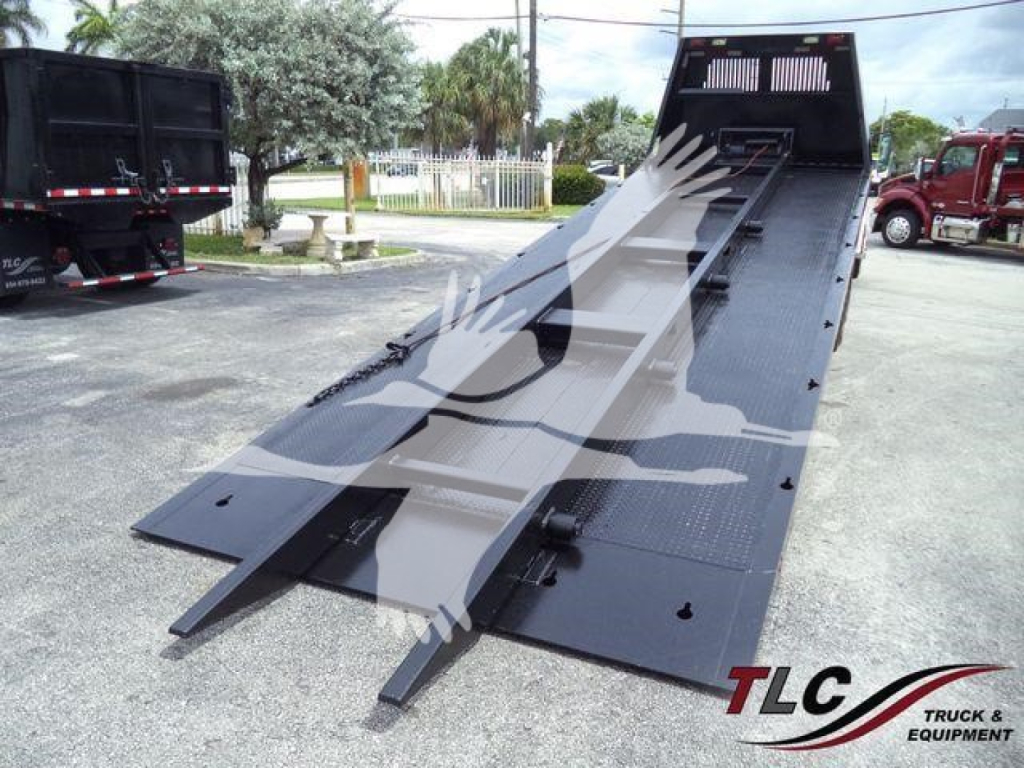
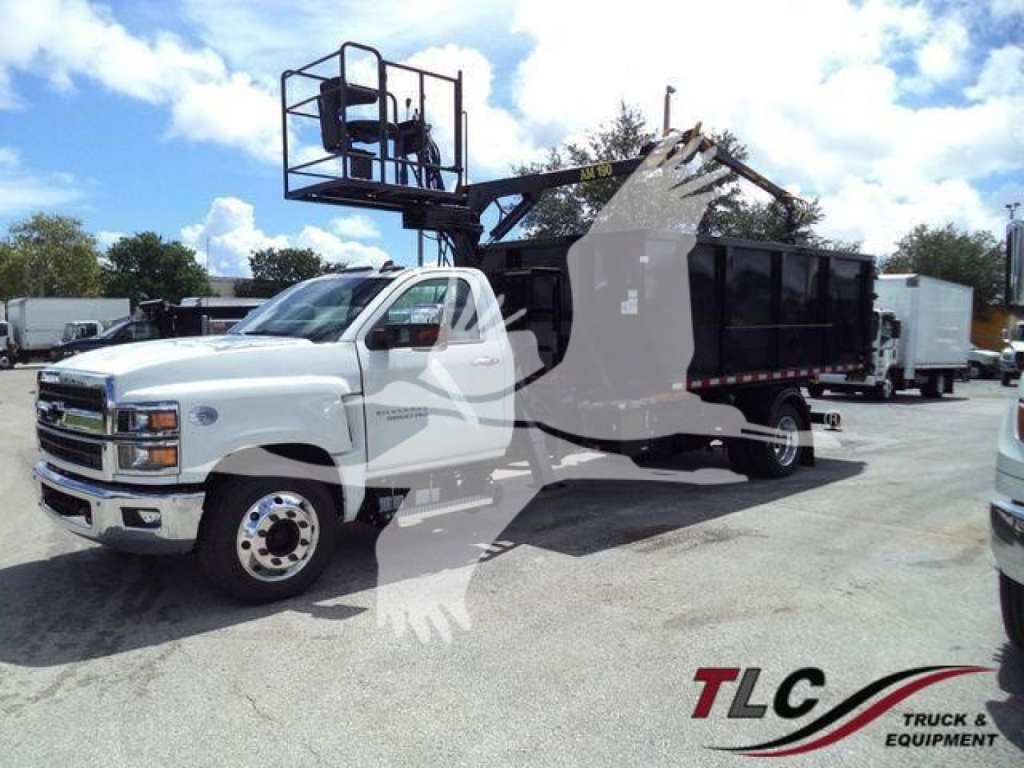
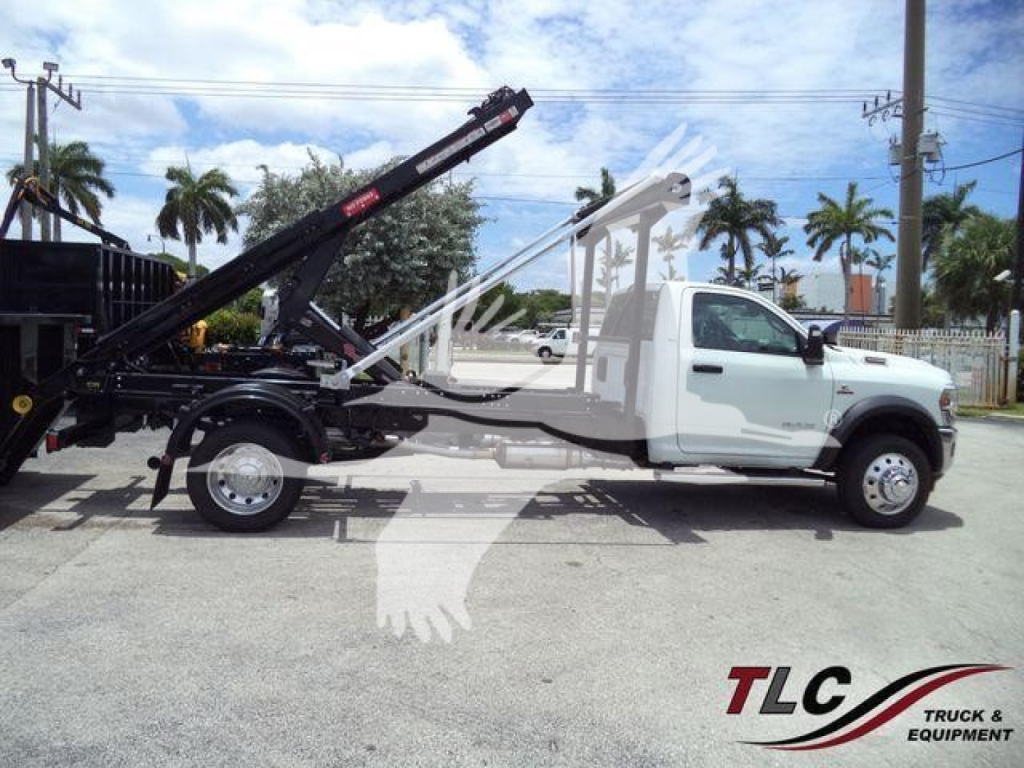
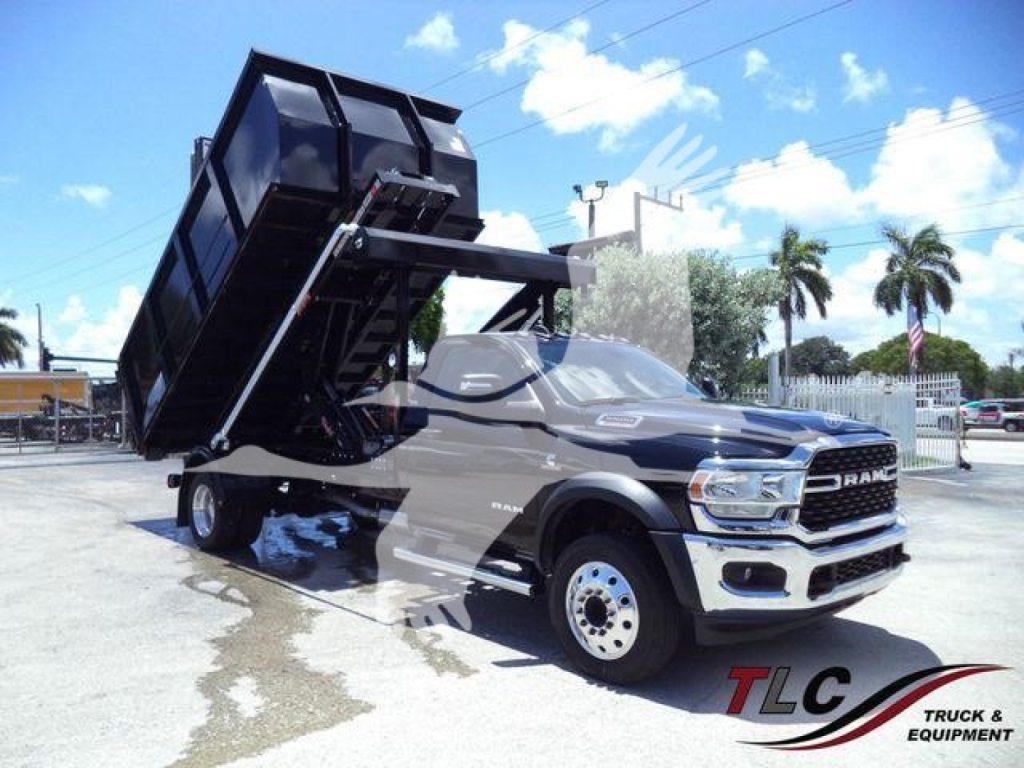
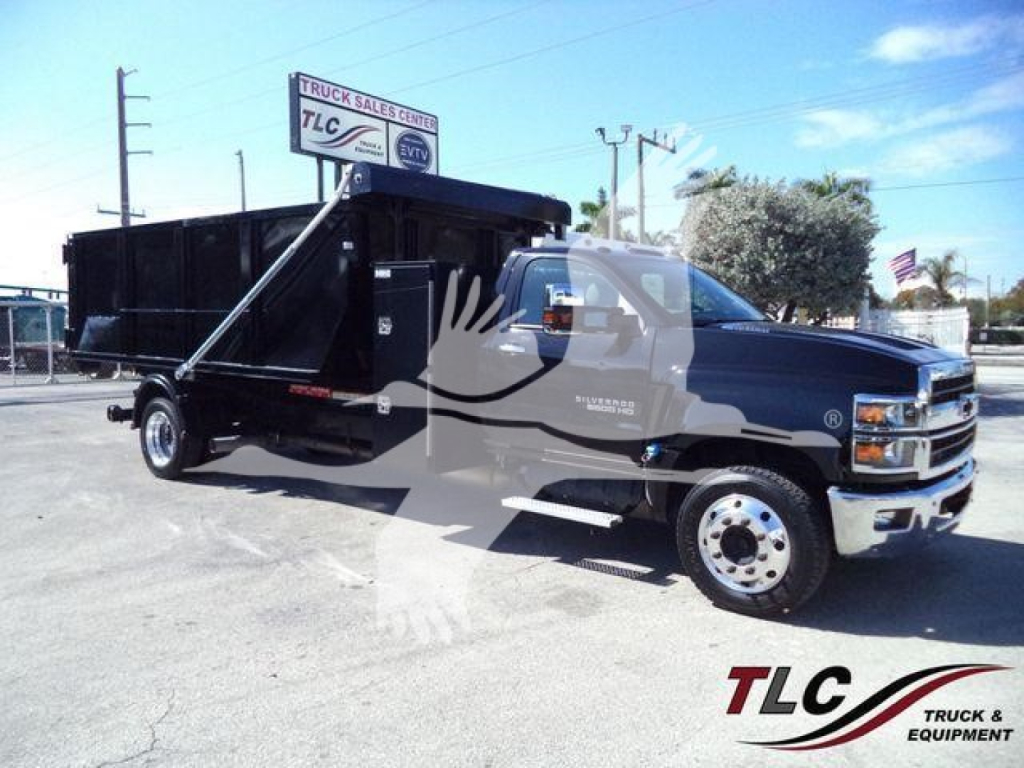
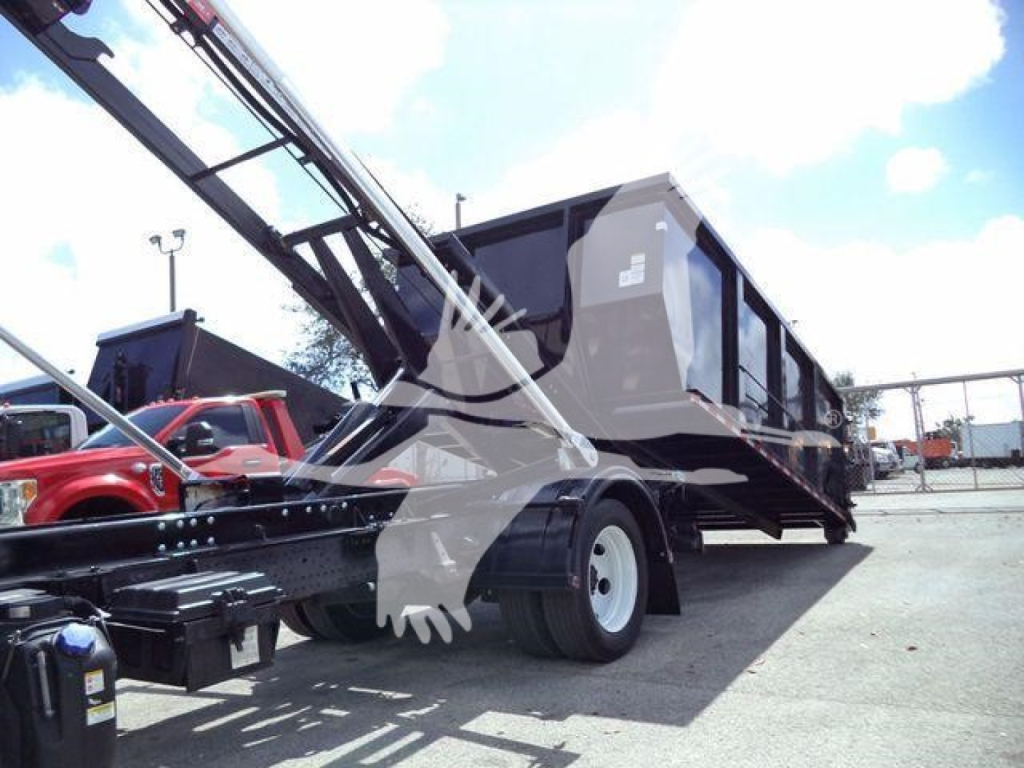
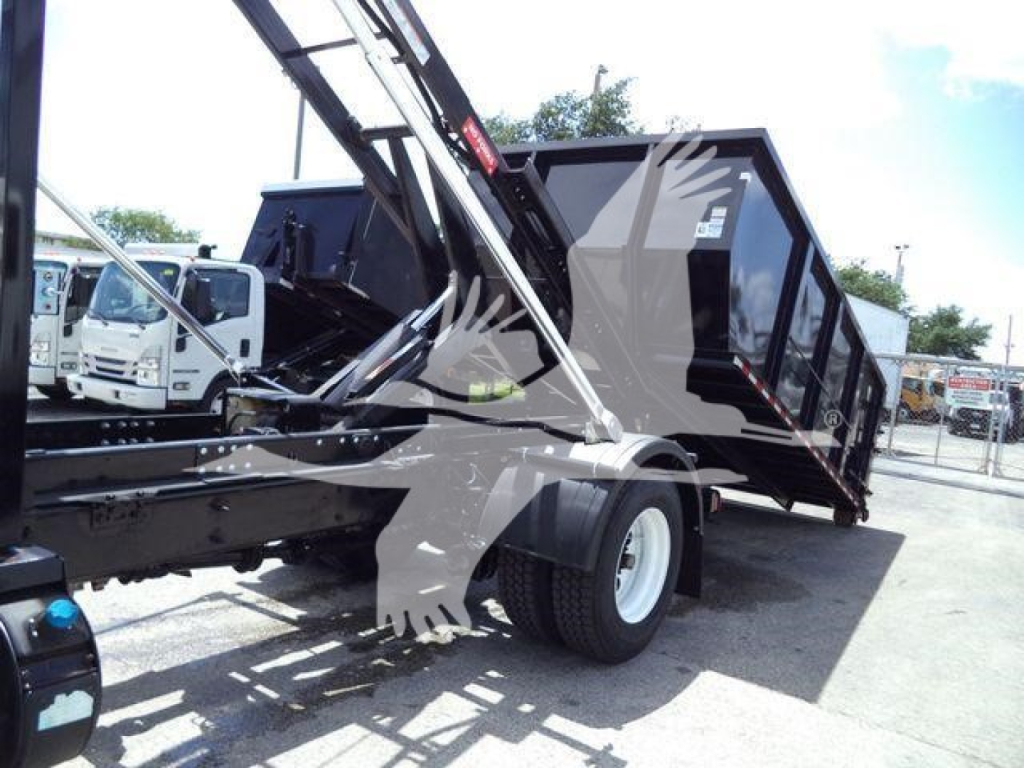
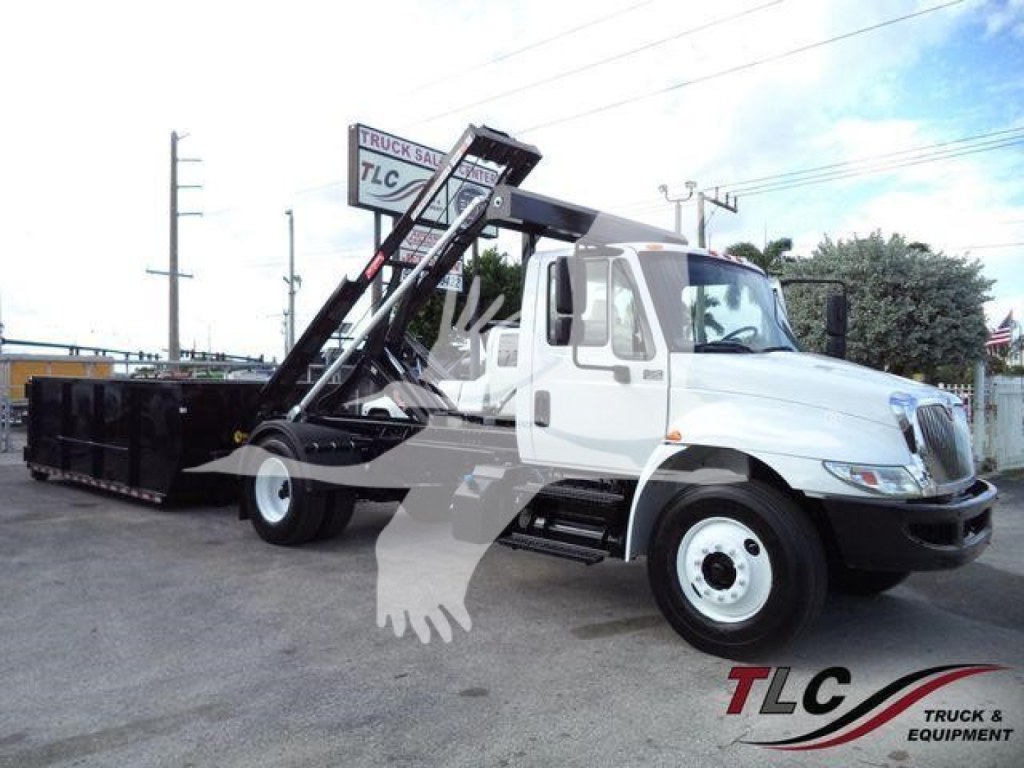
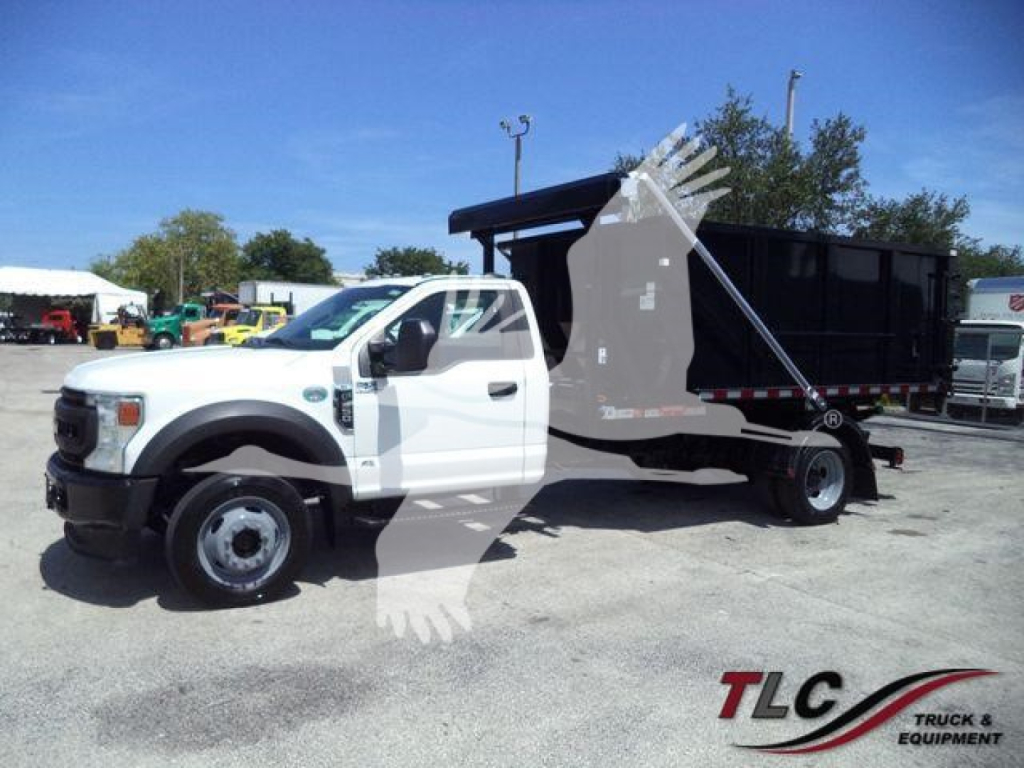
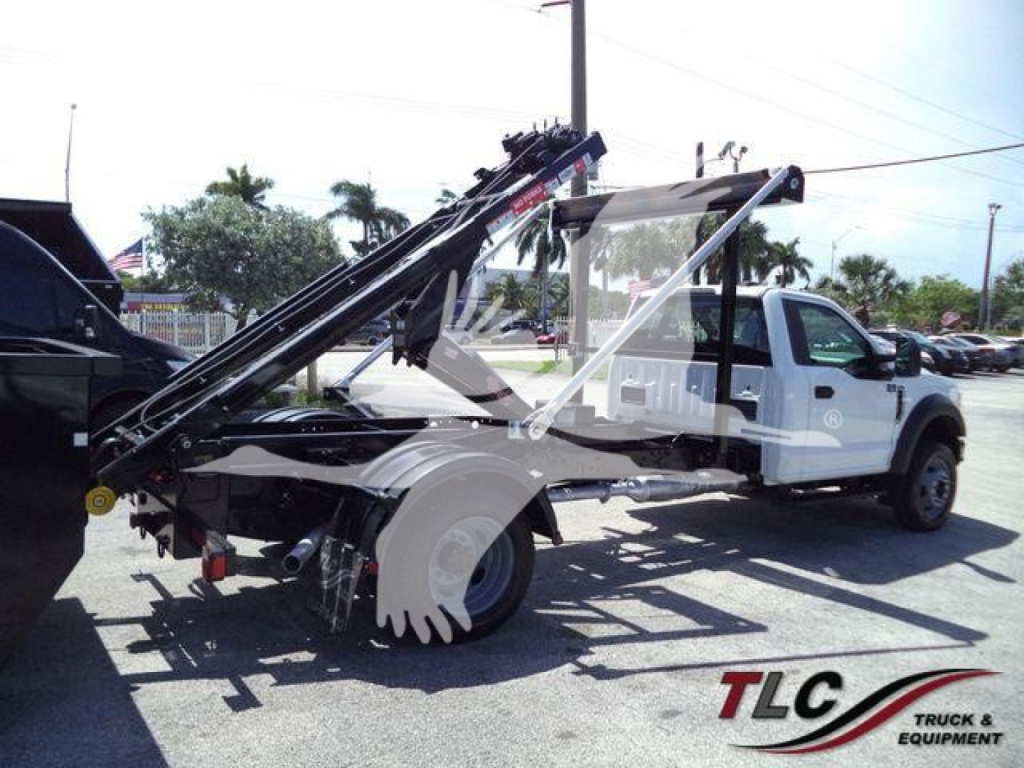
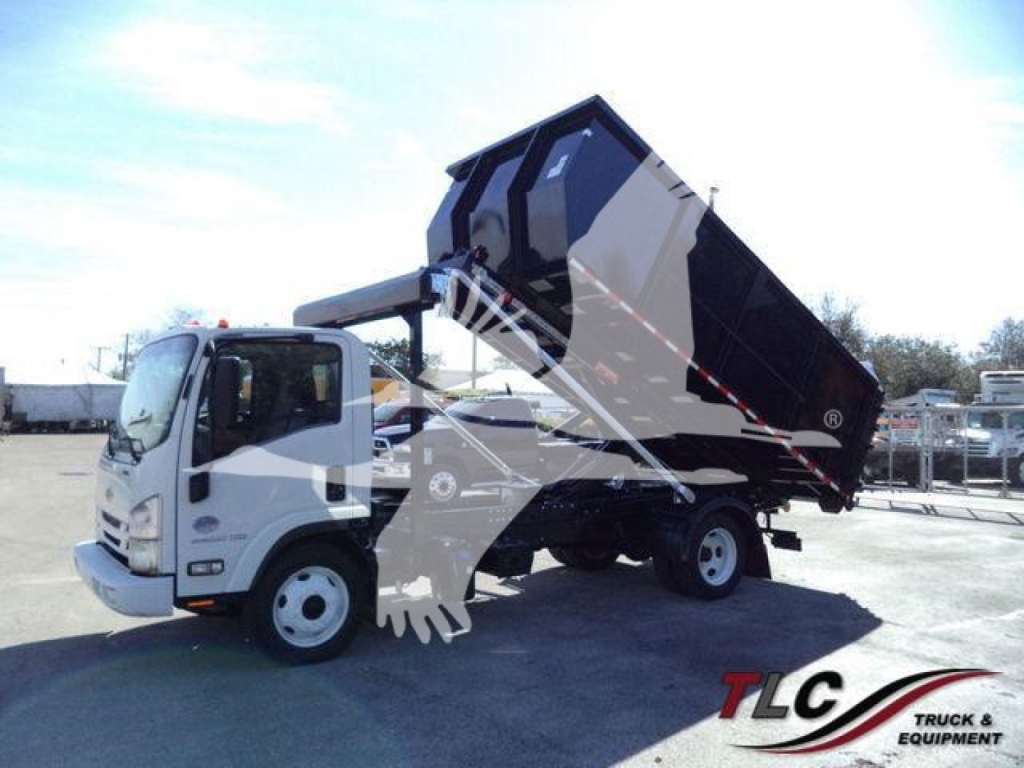
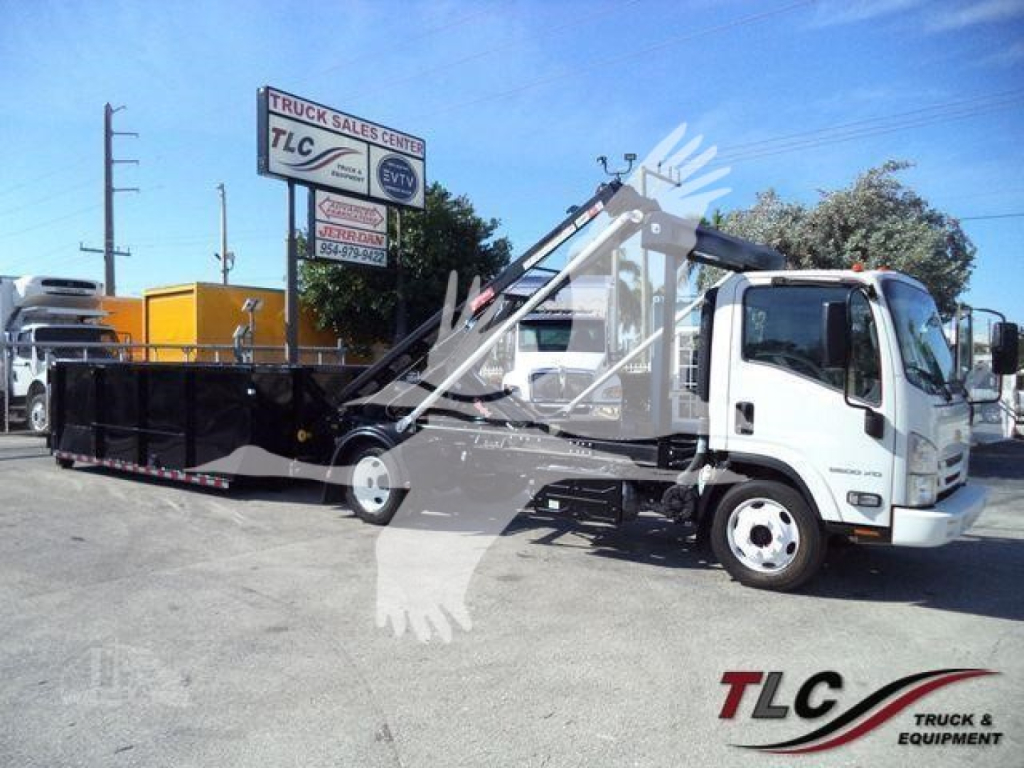
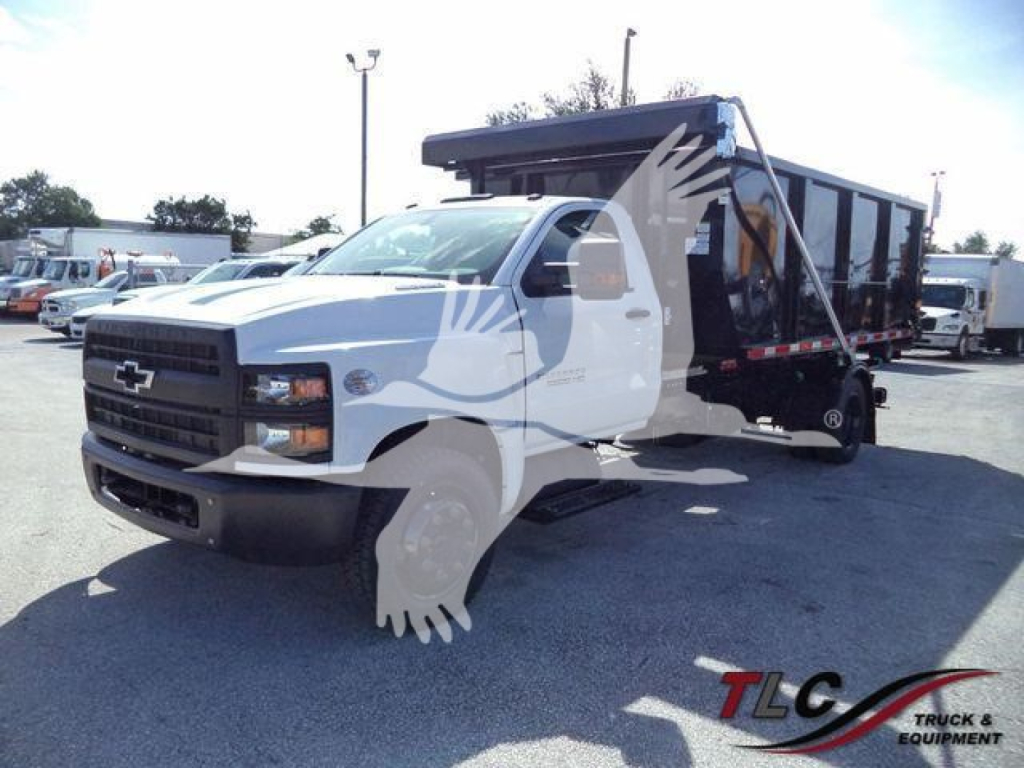
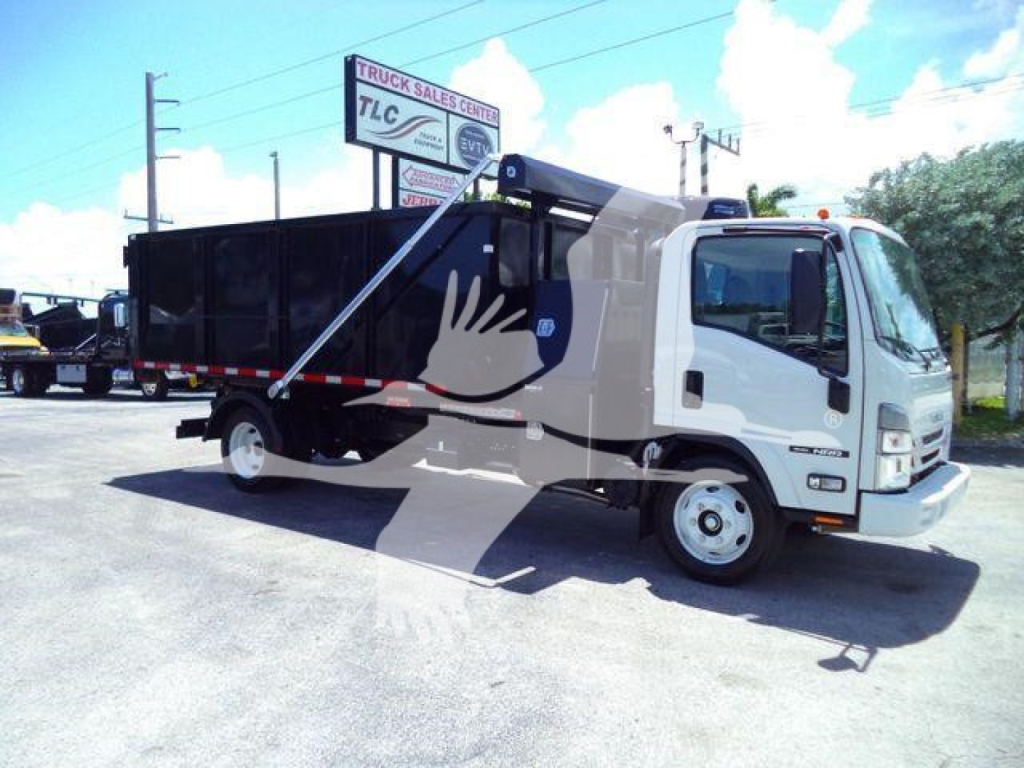
2023 Chevrolet Silverado 6500Hd
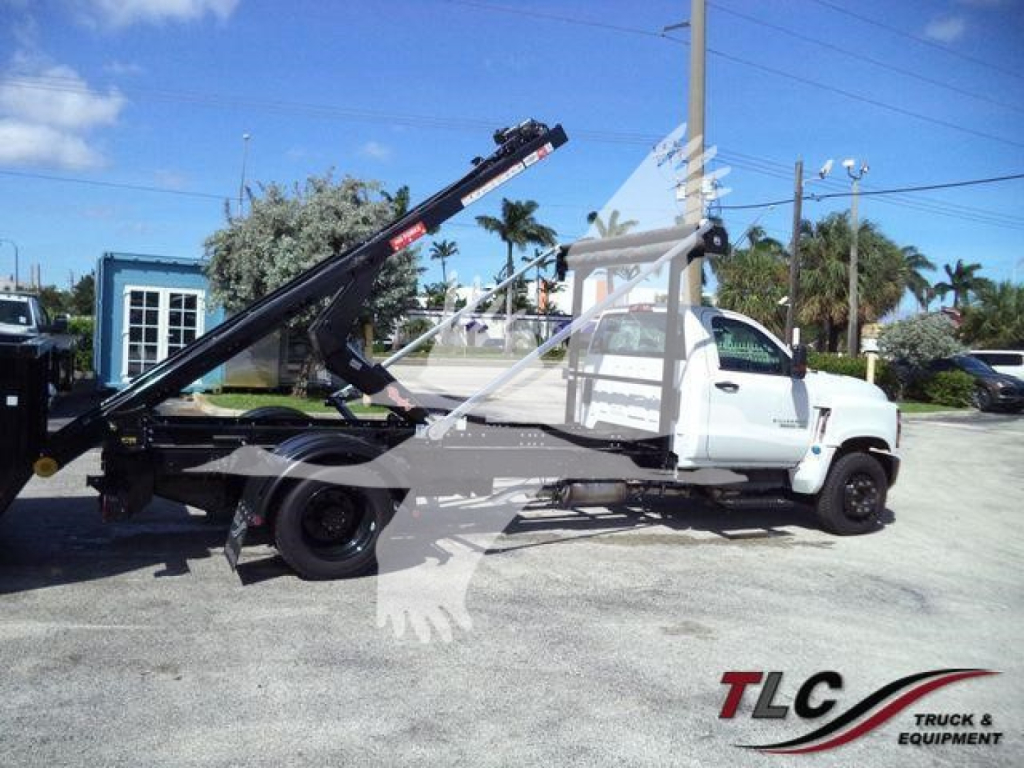
2023 Chevrolet Silverado 6500Hd
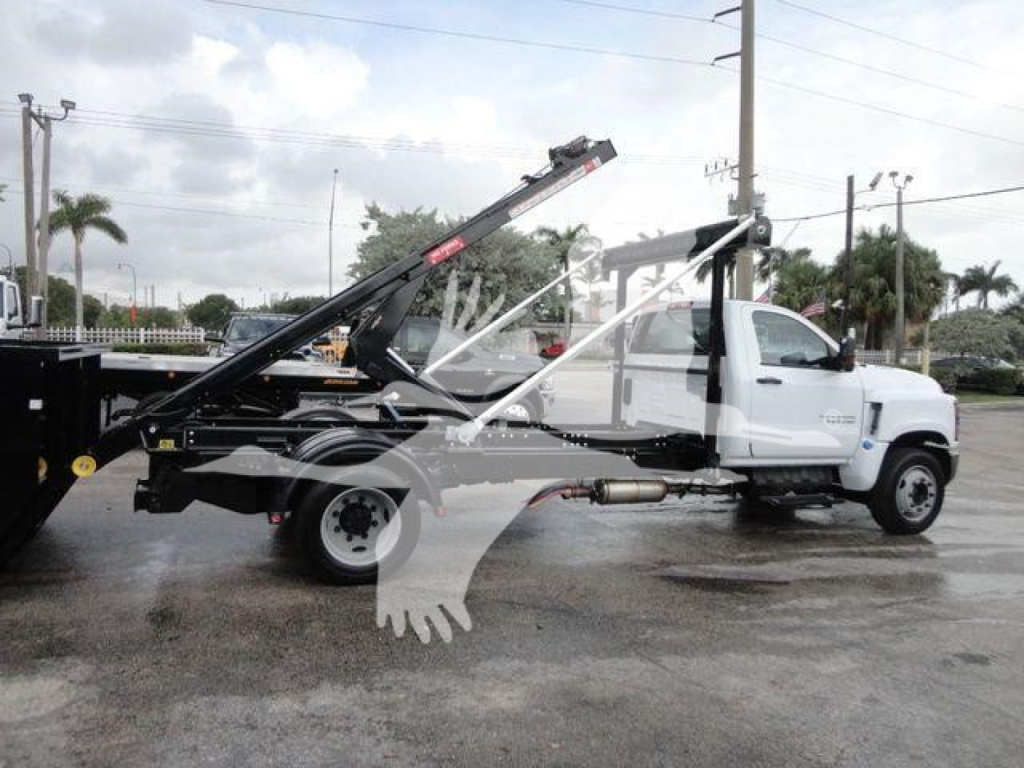
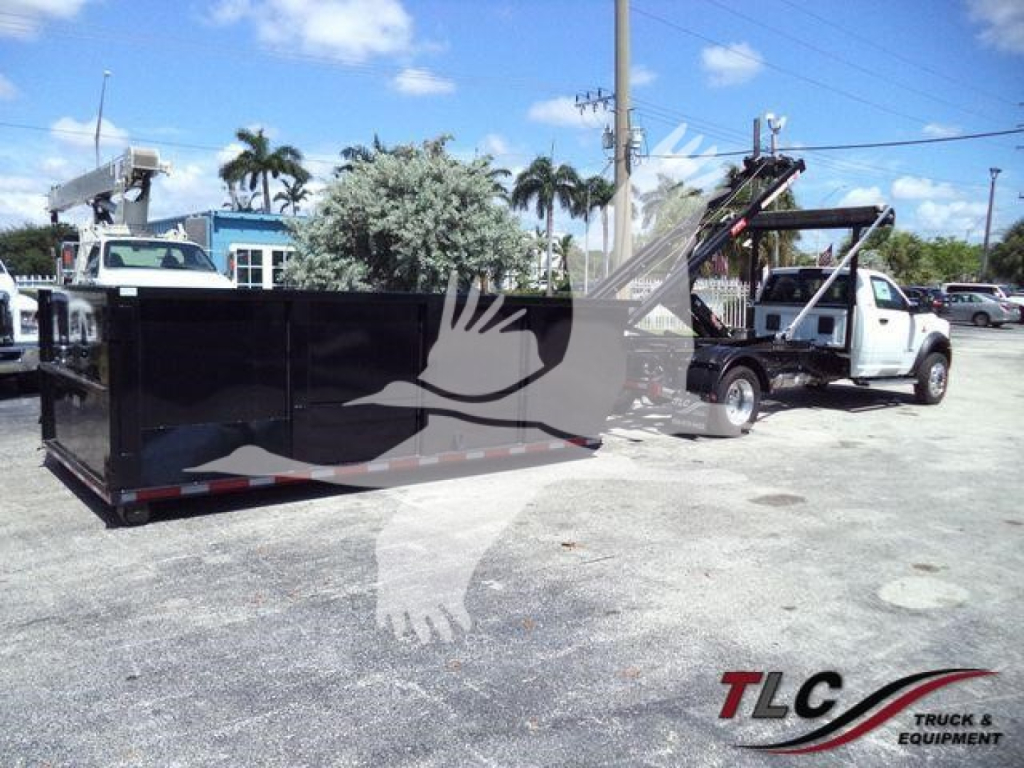
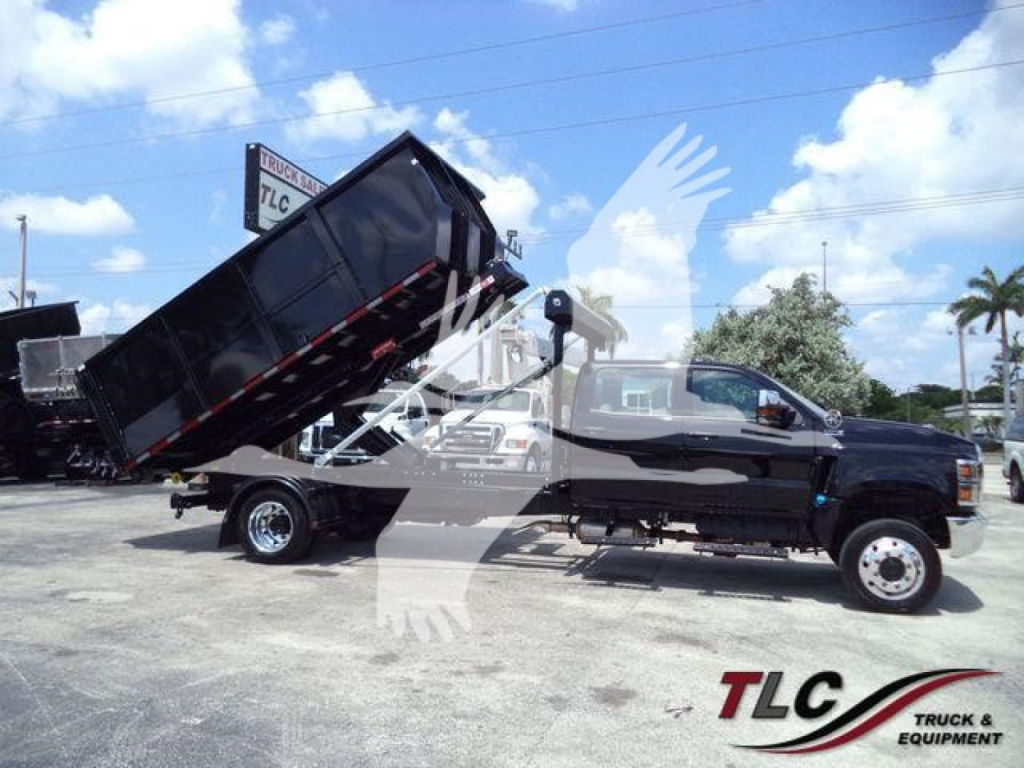
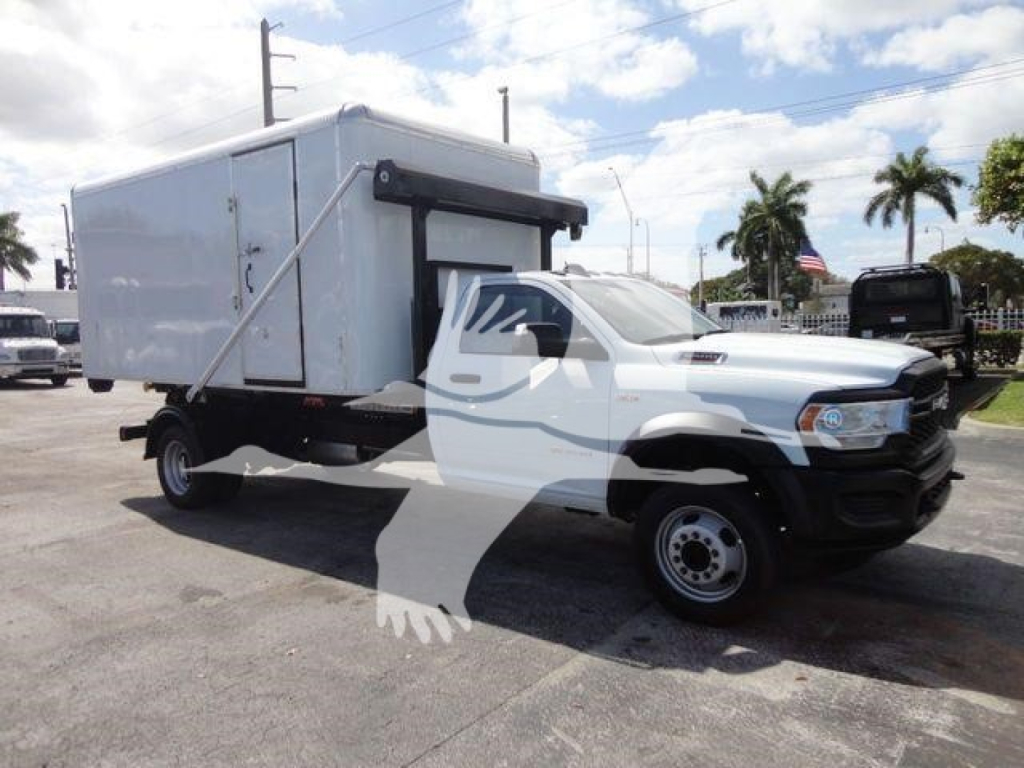
2023 International Cv
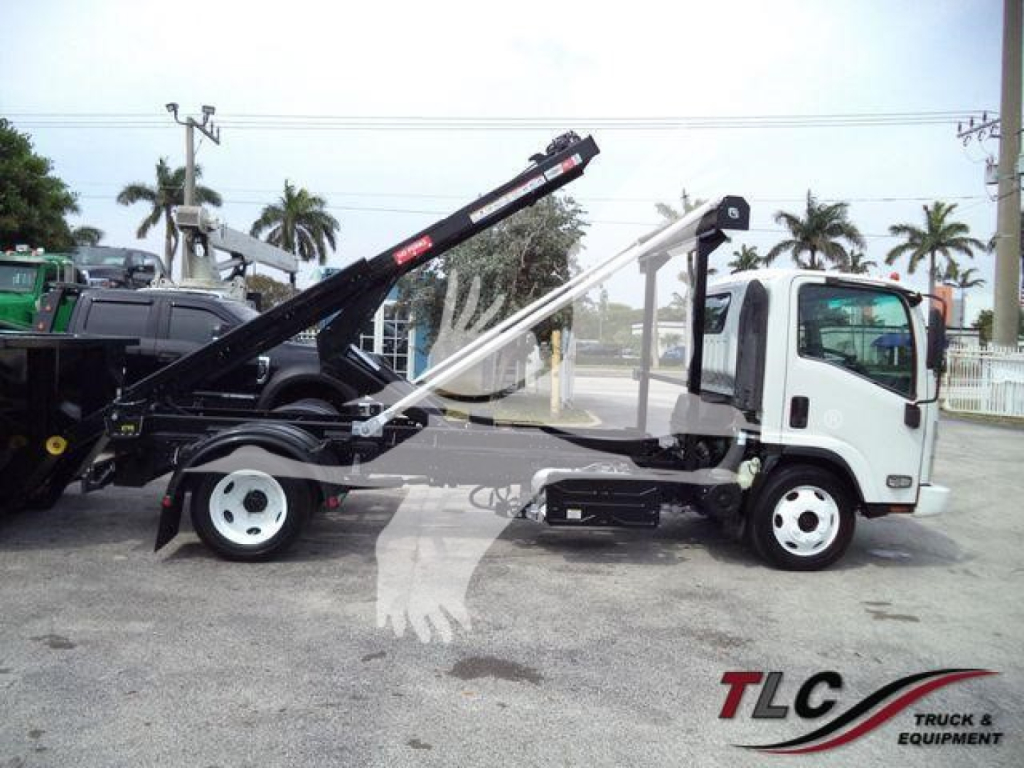
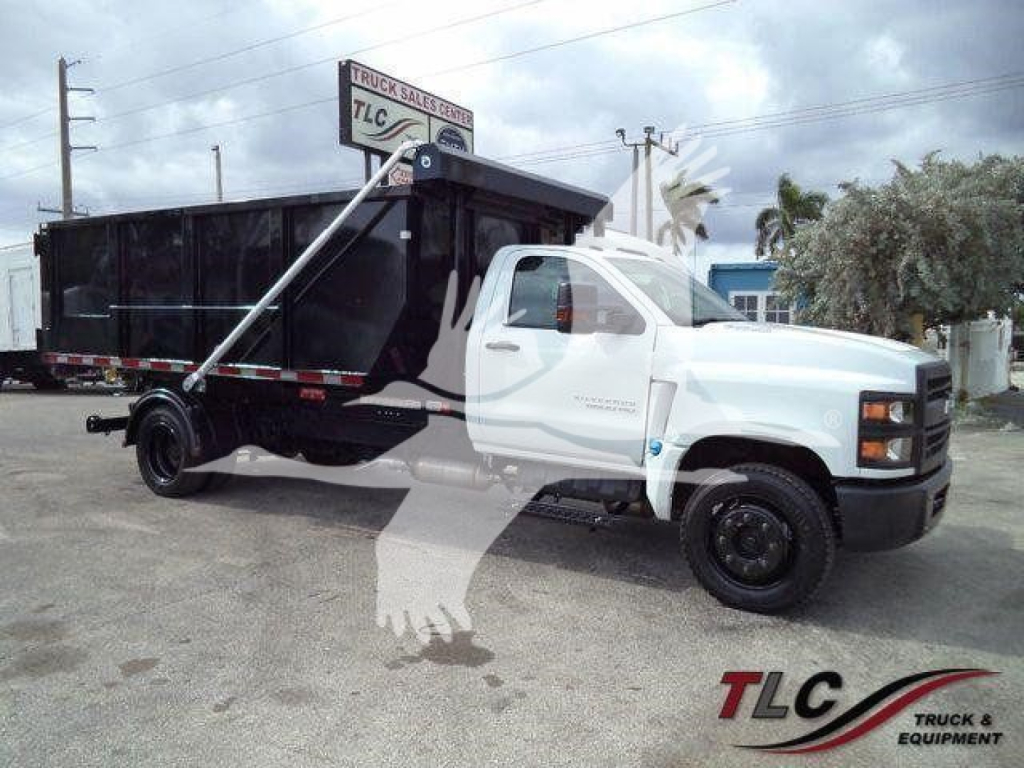
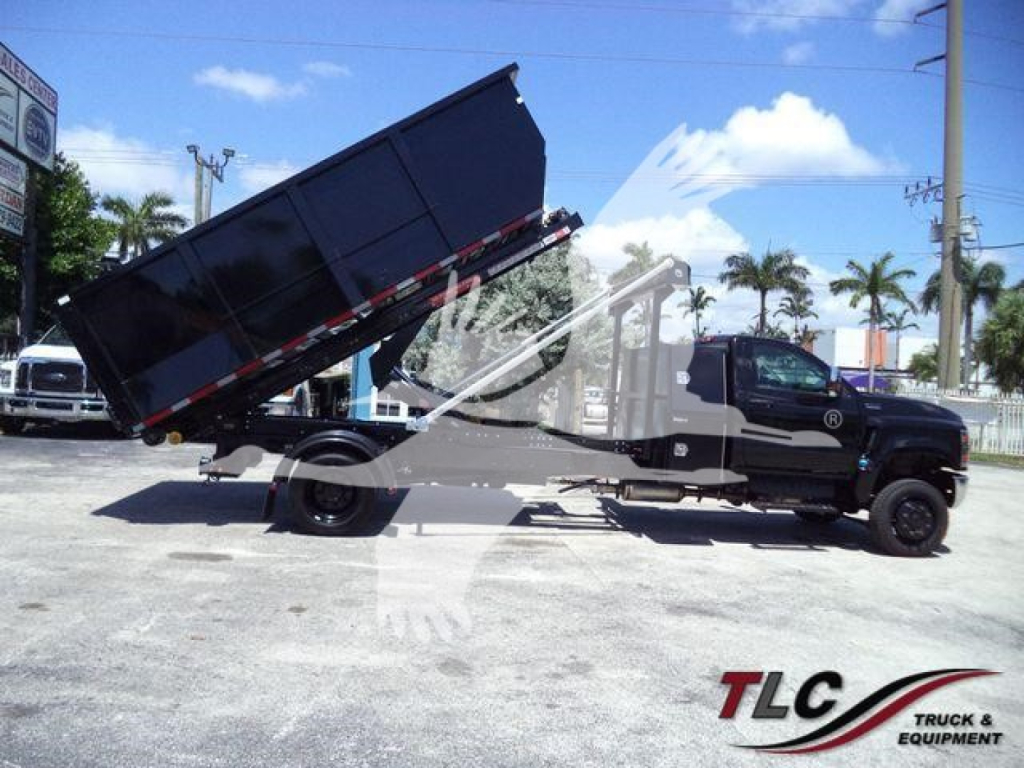
2023 Chevrolet Silverado 6500Hd
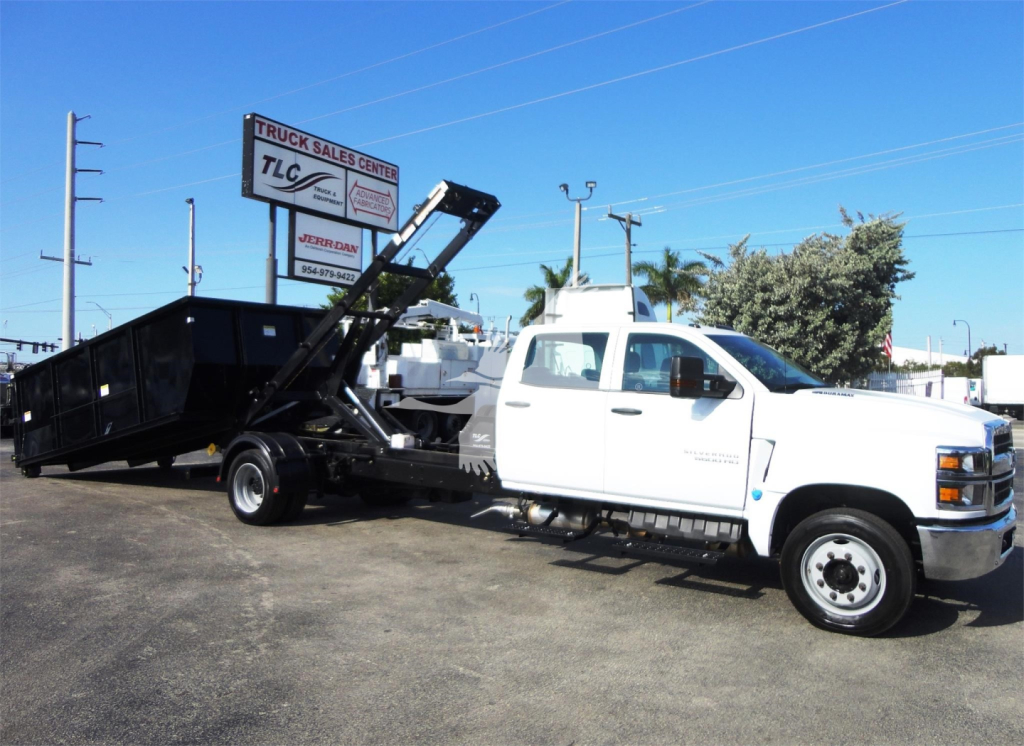
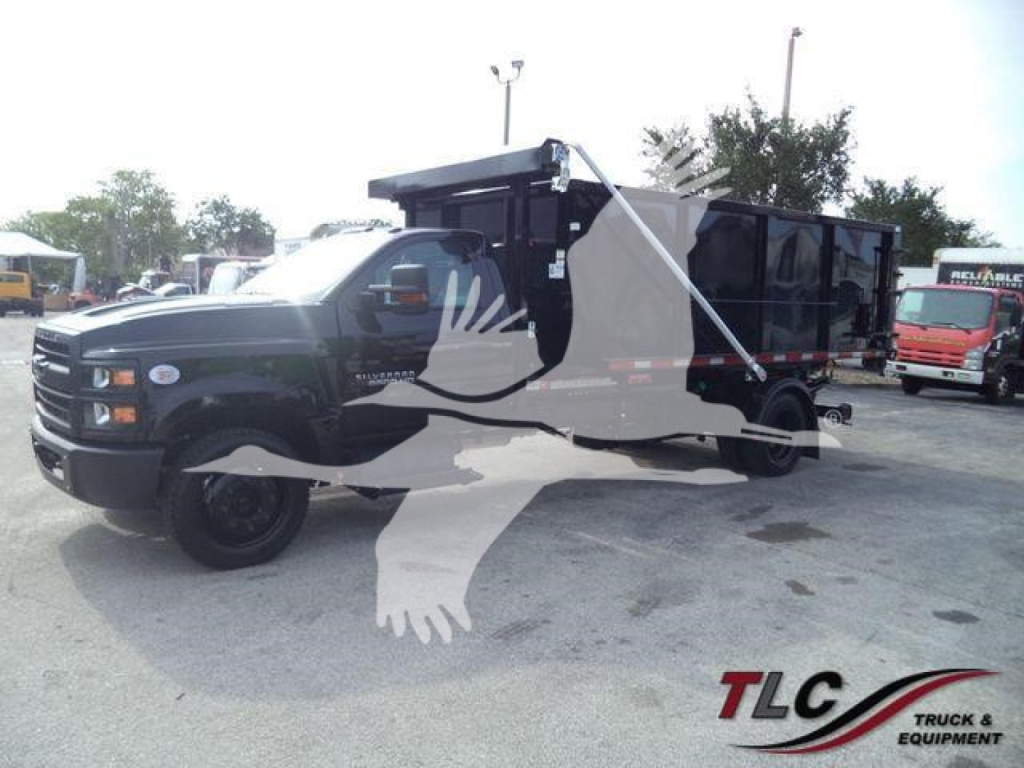
Showing 1 to 28 of 32 results
Selling a rolloff truck? List your rolloff truck for sale and reach thousands of commercial buyers.
Rolloff Trucks in Florida
A key buying decision is chassis size and whether the truck needs to stay non-CDL. Common setups in this category run around 19,500 to 26,000 GVWR on platforms such as the Isuzu NRR, Ford F-550, Chevrolet Silverado 6500HD, and Peterbilt 337. Non-CDL 19,500 GVWR trucks are popular for crews that want easier driver qualification and urban maneuverability, while 23,500 to 26,000 GVWR units offer more payload and a heavier hoist package. In Florida service, buyers should pay close attention to wheelbase, turning radius, brake type, and corrosion protection. Tight residential routes, wet conditions, and frequent stop-and-go work put a premium on simple controls, dependable hydraulics, and easy cab access.
Hoist design, winch capacity, and container dimensions matter more than brand decals. Many rolloff trucks in this class use electric-over-hydraulic or PTO-driven hydraulic hoists with 10-ton class capacities, 15,000 to 18,000 lb winches, and 25-foot cables. Bed lengths commonly range from 11 to 15 feet, with 8-foot-wide containers and side heights from about 51 inches to 75 inches depending on material type and cubic yard target. Lower side boxes are easier to load by hand for landscape and general debris, while taller boxes increase volume for lighter material. Useful features include electric tarp systems, ICC bumper hitches, receiver tubes, trailer brake provisions, outside and in-cab controls, swing rear doors, and toolboxes. If the truck will tow chippers, mini excavators, or compact equipment, confirm hitch rating and brake controller setup.
The best rolloff truck for sale is usually the one matched to your container strategy and route profile. Buyers should verify hoist compatibility across all planned boxes, check frame condition around the rear mounts, inspect cable wear and sheave alignment, and confirm hydraulic cycle speed under load. On used units, look closely at PTO operation, battery health on electric-over-hydraulic systems, tarp motor function, floor and door condition on the containers, and signs of overload stress near hinge points and body rails. A well-matched rolloff truck can replace several single-purpose bodies, improve daily turns, and give a contractor or waste hauler more flexibility without moving up to a full-size refuse platform.
Frequently Asked Questions about Rolloff Trucks in Florida
What is the difference between a rolloff truck and a dump truck?
A rolloff truck carries interchangeable containers that can be set on the ground and picked back up later, while a dump truck typically has one permanently mounted body that raises to unload. For debris removal, landscape work, and jobsite service, a rolloff truck often improves productivity because the chassis does not have to wait during loading or unloading. The truck can drop an empty box, pick up a full one, and keep moving.
Can a rolloff truck be operated without a CDL?
Many rolloff trucks are built on non-CDL chassis rated at 19,500 GVWR, such as Isuzu NRR or Ford F-550 configurations. That said, CDL requirements depend on the truck's GVWR, trailer GVWR, and local operating rules. Buyers should also remember that payload, body weight, and any towed equipment can quickly affect legal operating weight, so the non-CDL advantage only works if the complete setup stays within the applicable limits.
What container size is most common on a medium-duty rolloff truck?
In this class, 11-foot to 15-foot containers are common, with 8-foot widths and side heights often ranging from 51 inches to 75 inches. The right size depends on material density and loading method. Lower side boxes suit hand-loaded debris, roofing, and landscape material, while taller boxes are better for bulky but lighter loads. Buyers should match the box volume to both hoist rating and chassis payload, not just overall dimensions.
Is electric-over-hydraulic or PTO hydraulic better on a rolloff truck?
Both systems are widely used and each has advantages. Electric-over-hydraulic setups are common on lighter and non-CDL trucks because they simplify installation and operation, but battery condition and charging performance become more important. PTO hydraulic systems are often preferred on heavier applications because they can deliver strong, repeatable cycle performance during frequent use. The best choice depends on duty cycle, chassis type, and how often the truck will make box exchanges each day.
What should I inspect on a used rolloff truck?
Start with the hoist, cable, winch, hydraulic hoses, controls, and rear mounting structure. Then inspect the frame for cracks, corrosion, or signs of repeated overload, especially around hoist mounts and rear crossmembers. Check the container floors, rear door fit, tarp system, and sheaves or rollers for wear. On the chassis side, review GVWR, brake type, tire condition, transmission operation, and service records. A used rolloff truck is only as useful as the condition of both the truck and the boxes it is expected to handle.