
International Rolloff Trucks For Sale in Florida
Shop International rolloff trucks with medium-duty and Class 5 specs, hoist options, and container setups for debris, landscape, and waste work.
Selling a international rolloff truck? List your international rolloff truck for sale and reach thousands of commercial buyers.
International Rolloff Trucks in Florida
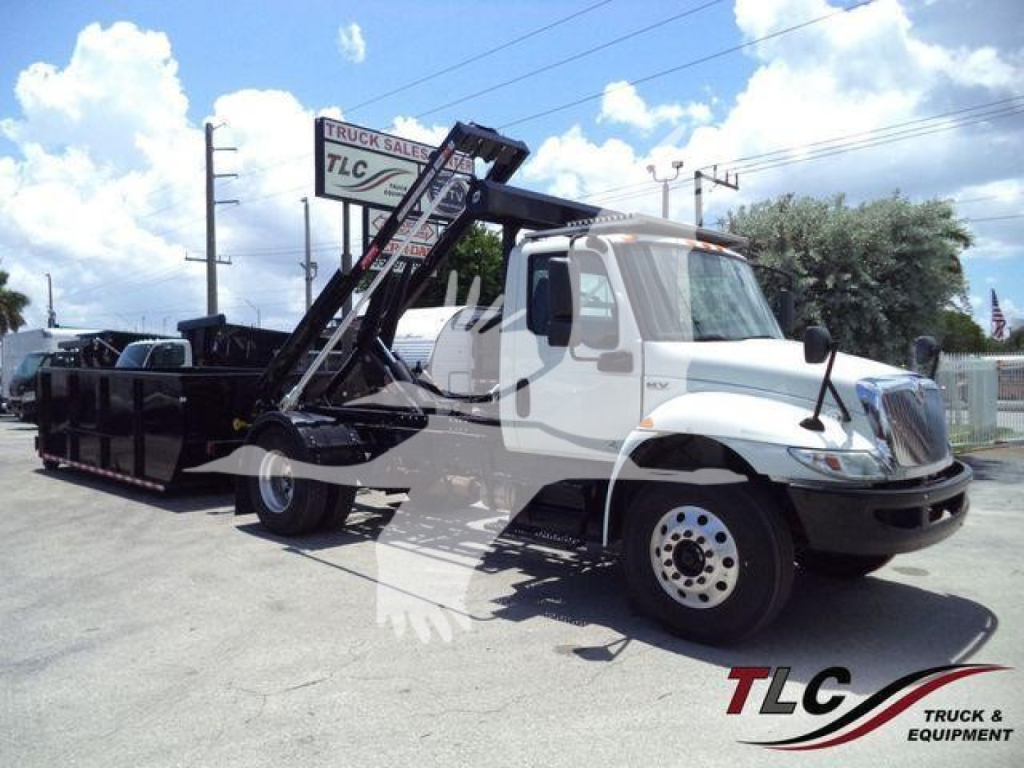
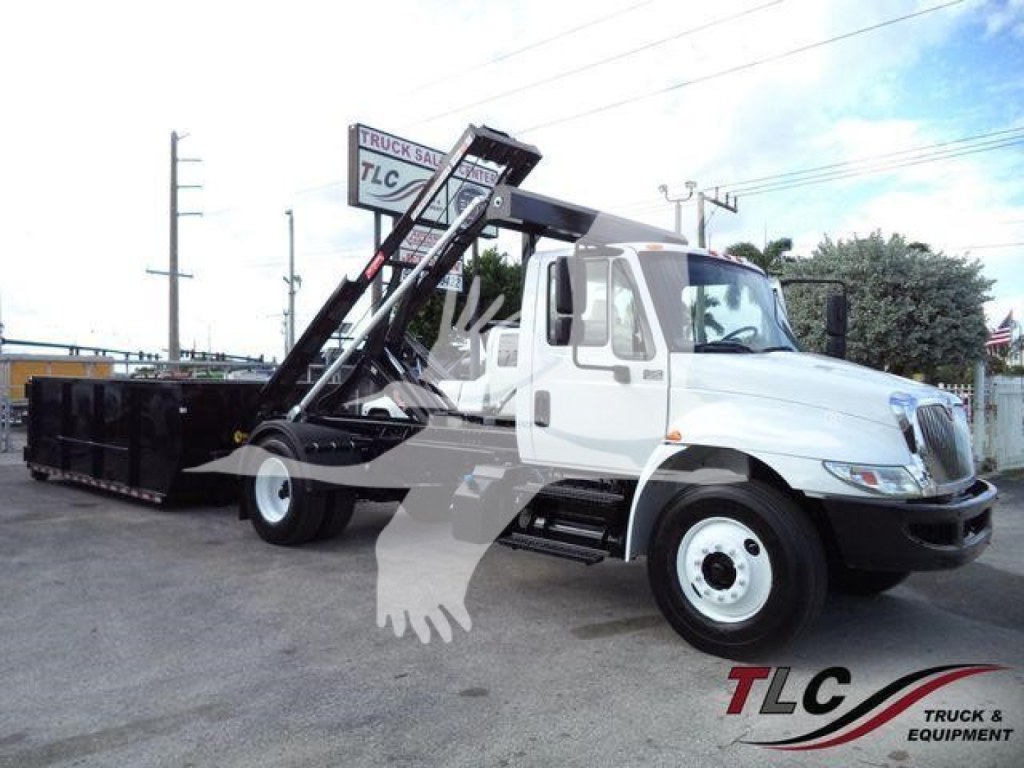
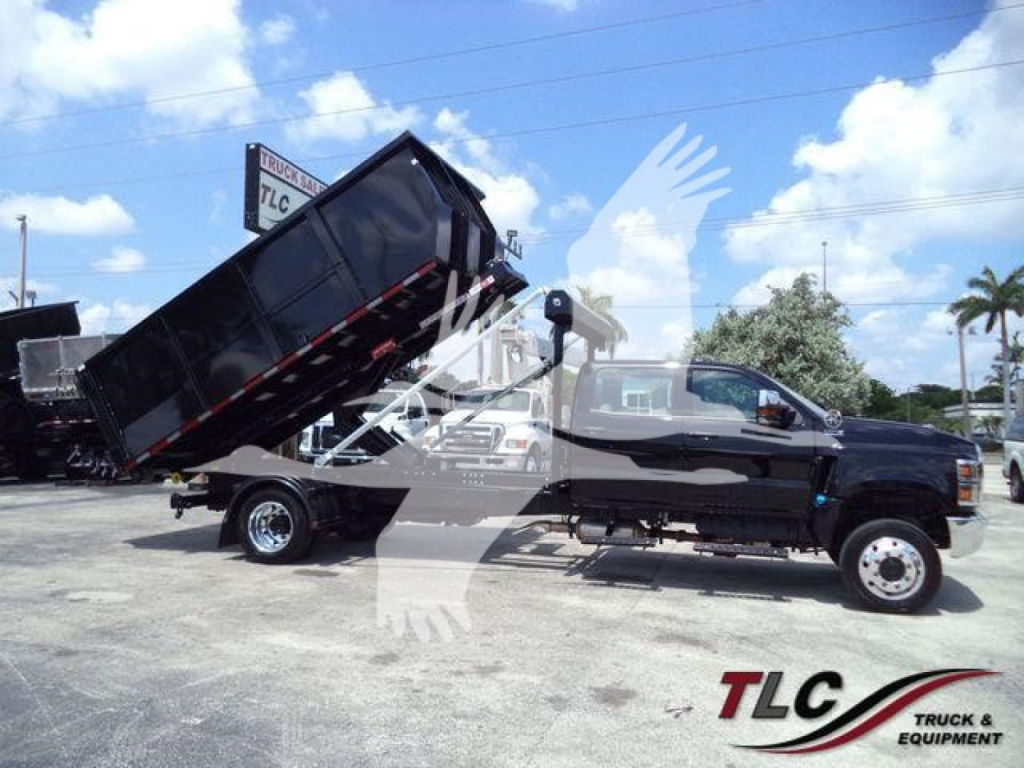
The first buying decision is chassis class and axle configuration. International CV models are commonly spec'd as Class 5 trucks with GVWR around 19,500 pounds, often with 4x4 capability for soft ground, storm cleanup, and off-pavement access. International 4300 and Durastar 4300 trucks move up into a medium-duty platform, commonly around 25,900 pounds GVWR with air brakes, larger wheels, and greater payload capability. Buyers comparing these setups should look closely at legal payload after the hoist, container, tarp system, toolboxes, and hitch equipment are included. A lighter CV can be a strong fit for crews that prioritize maneuverability and lower operating cost, while a 4300-class truck usually makes more sense for denser material, longer routes, and higher daily cycle counts.
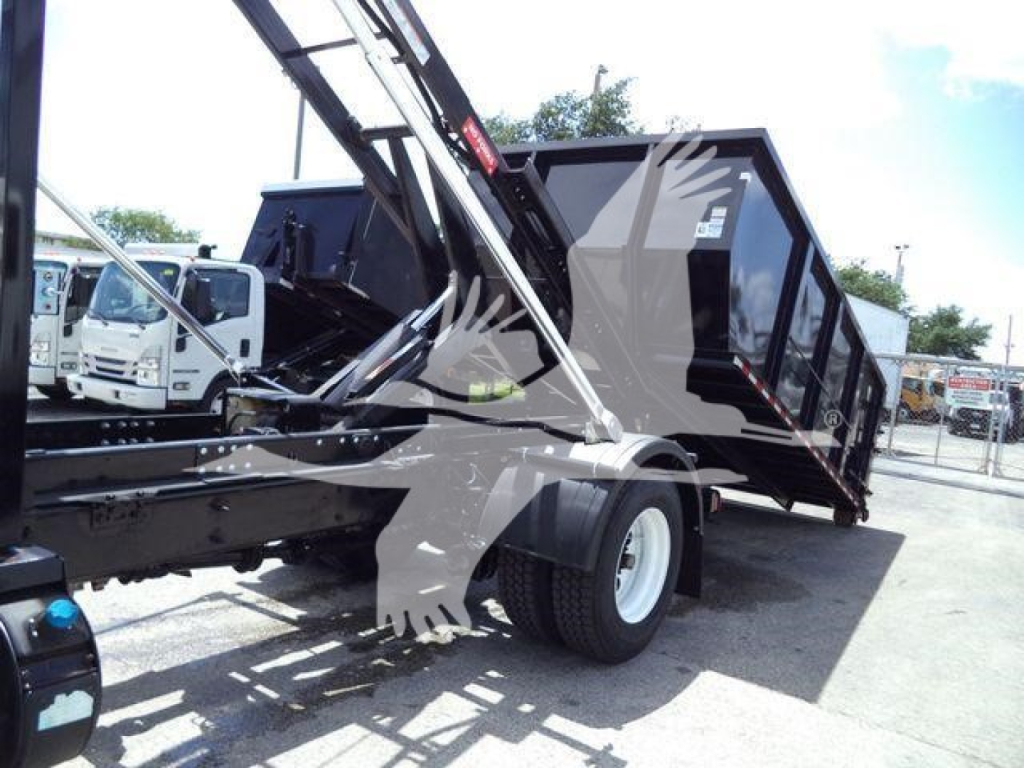
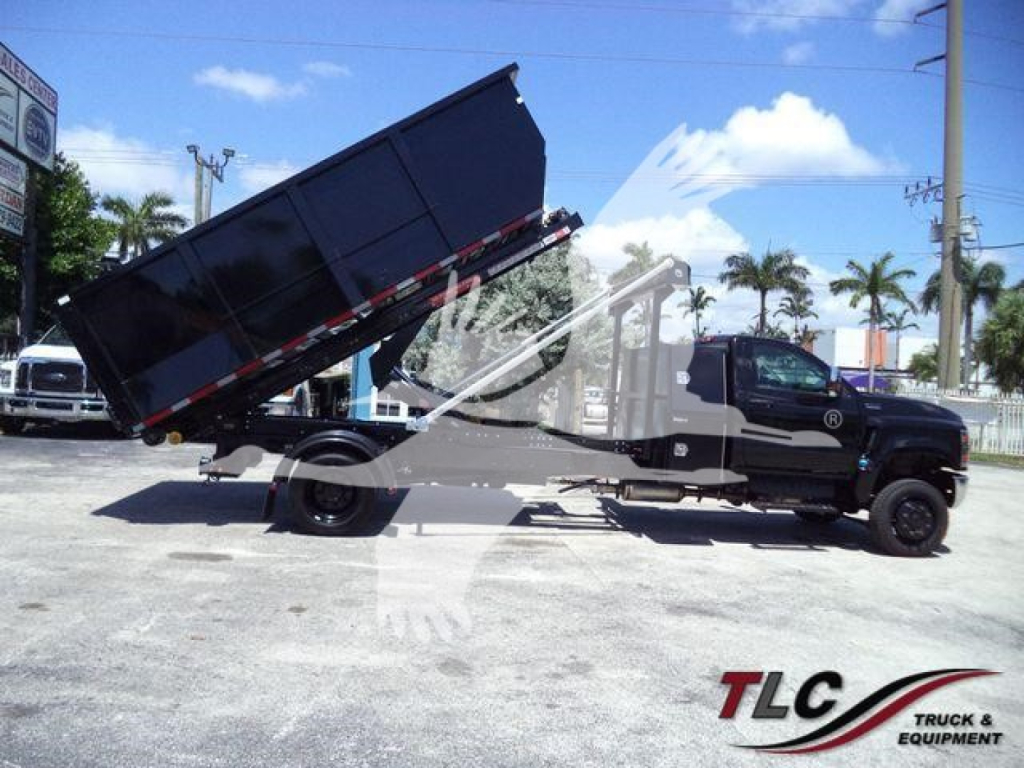
On the upfit side, cable rolloff systems such as Switch-N-Go are common in this segment. Key specs include hoist type, PTO-driven hydraulic versus electric-over-hydraulic operation, winch rating, cable length, and controller layout. A 14-foot steel container with 51-inch sides and a single swing rear door is a common configuration for trash, landscape, and mixed debris. Buyers should also check for electric tarp systems, ICC bumper hitches, receiver tubes, trailer brake provisions, and 7-way plugs if the truck may tow support equipment. If the work involves repeated container swaps, inspect rail condition, body locks, rear rollers, hydraulic plumbing protection, and how easily the controls can be operated from inside and outside the cab area.
For Florida operations, corrosion resistance, cooling performance, and low-speed durability matter. Powder-coated steel bodies, clean frame condition, and well-routed hydraulic and electrical components are important in coastal and humid environments. Cab layout also matters more than many buyers expect. A regular cab can maximize body-to-wheelbase efficiency, while a crew cab is useful for landscape, tree, and storm response crews carrying additional personnel. International rolloff trucks are popular because parts access is generally straightforward, chassis specs are familiar to fleet technicians, and the platform adapts well to dumpster, dump, and interchangeable body applications. Also known as mini-rolloff trucks or container delivery trucks, they are a strong choice for contractors who need one truck to place, haul, dump, and return containers efficiently.
Frequently Asked Questions about International Rolloff Trucks in Florida
What is the difference between an International CV rolloff truck and an International 4300 rolloff truck?
The main difference is chassis class, GVWR, and overall work capacity. The International CV is typically a smaller Class 5 platform, often around 19,500 pounds GVWR, and is commonly chosen for lighter containers, tighter access, and in some cases 4x4 use. The International 4300 is a medium-duty truck with a higher GVWR, commonly around 25,900 pounds, and usually offers better payload potential, heavier brake and suspension components, and stronger suitability for higher-volume debris or commercial route work.
What size container is most common on a mini-rolloff International truck?
A 14-foot container is one of the most common setups in this category. Many trucks use steel containers around 8 feet wide with side heights near 51 inches, which works well for landscape material, roofing debris, trash, and general construction cleanup. The exact usable volume and legal payload depend on the chassis GVWR, hoist weight, and the material being hauled, so container size should always be matched to the truck's rated capacity and the density of the load.
Is a cable rolloff system a good choice for contractor and landscape work?
Yes. Cable rolloff systems are widely used in contractor, landscaping, and waste applications because they are relatively simple, proven, and well suited to interchangeable containers. A properly spec'd cable system with the right winch capacity, cable length, and hoist geometry can load and unload containers efficiently on residential and light commercial jobs. Buyers should confirm the hoist rating, control setup, body lock design, and compatibility with the container sizes they plan to run.
What should I inspect first on a used International rolloff truck?
Start with the frame, hoist, and hydraulic system because those areas determine how the truck performs under load. Check for frame rust, hoist mount integrity, rail wear, leaking cylinders, damaged hydraulic hoses, sloppy body locks, and winch condition. Then verify brake type, tire size, suspension condition, PTO operation if equipped, and the condition of the container floor and rear door. On Florida trucks, corrosion around wiring, connectors, body crossmembers, and hydraulic fittings deserves extra attention.
Are International rolloff trucks good for Florida routes and job sites?
They can be a strong fit for Florida because many jobs involve tight neighborhoods, smaller commercial sites, storm debris, and frequent stop-and-go operation. A CV chassis can be especially useful where maneuverability and occasional off-pavement access matter, while a 4300-class truck fits heavier debris and longer daily duty cycles. Buyers should prioritize cooling system condition, rust prevention, tarp functionality, and durable hydraulic and electrical routing because heat, humidity, and coastal exposure can shorten component life if the truck is not maintained well.