
2019 Rolloff Trucks For Sale
Browse 2019 rolloff trucks built for waste, scrap, demolition, and container hauling with hook hoist strength, hydraulic performance, and spec insight.
Selling a 2019 rolloff truck? List your 2019 rolloff truck for sale and reach thousands of commercial buyers.
2019 Rolloff Trucks
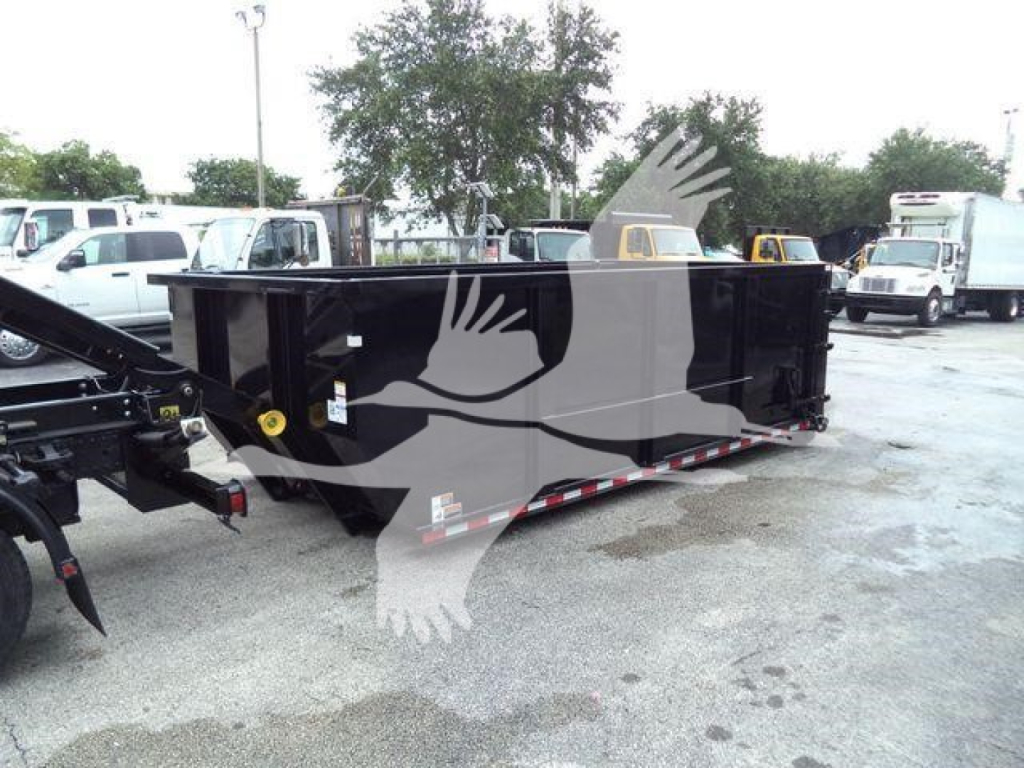
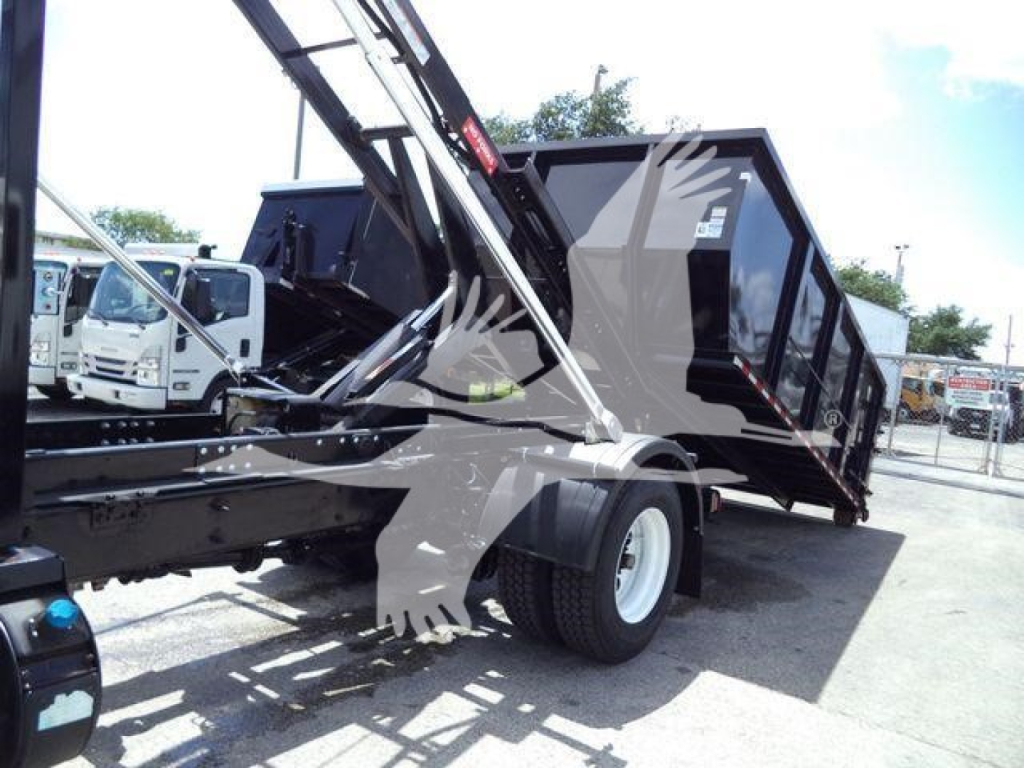
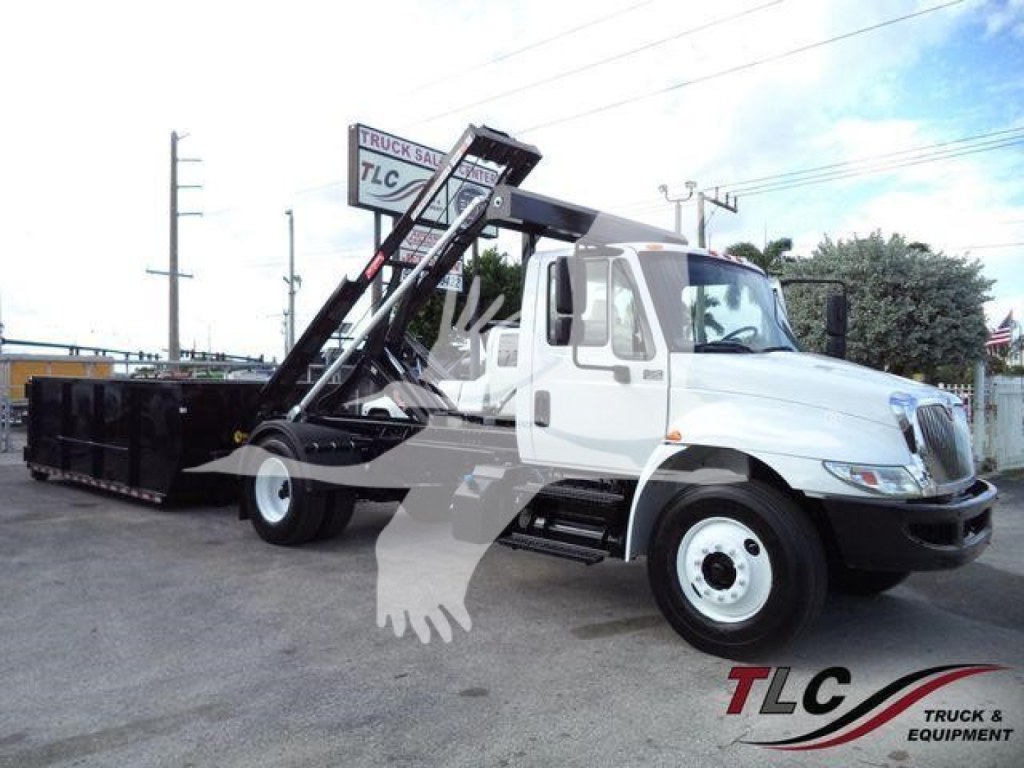
Container compatibility matters as much as raw lifting power. Buyers should confirm the cable or hook system, rail design, hoist rating, and intended container lengths before comparing trucks side by side. Many 2019 rolloff trucks are set up for 20-yard to 40-yard boxes, but the actual usable range depends on hoist geometry, jib setting, axle placement, and legal bridge compliance. Wheelbase and cab-to-axle dimensions affect how the truck handles tight urban routes versus larger transfer or demolition jobs. If the truck will spend time on rough job sites, double-frame construction, rear suspension type, axle ratings, and tire size deserve close attention. An outside-rail rolloff may appeal to buyers who prioritize straightforward service access and established container compatibility.
On a 2019 model, emissions system condition should be reviewed carefully. That means looking at DEF history, DPF service records, regen performance, fault codes, and idle hours along with standard engine and transmission checks. Automatic and automated manual transmissions are common in later-model vocational trucks, though some fleets still prefer manual boxes for certain stop-and-go applications. Hydraulic performance is another major checkpoint. Hoist cycle speed, PTO engagement, boom wear, cylinder seepage, winch or hook operation, and tarper function all affect uptime. Remote controls, backup cameras, pintle hitches, and air-operated tailgate or tarp systems can add real daily value depending on the route structure.
The best 2019 rolloff truck for sale is the one matched to the container fleet, disposal network, and payload profile it will actually run. A truck hauling construction debris in dense urban service needs a different spec than one moving scrap metal or servicing industrial customers with heavier cans. Front axle capacity, rear ratio, suspension, and gross vehicle weight rating all shape legal payload and durability. For buyers comparing multiple listings, it pays to look past the badge and focus on hoist manufacturer, body capacity, frame condition, service documentation, and signs of hard vocational use. In this category, a well-maintained 2019 rolloff truck can still be a strong revenue unit if the chassis and hoist were spec'd correctly from the start.
Frequently Asked Questions about 2019 Rolloff Trucks
What should I look for first when buying a 2019 rolloff truck?
Start with the hoist and chassis match. Confirm the hoist manufacturer, rated capacity, rail style, cable or hook setup, and the container lengths the truck is designed to handle. Then review axle ratings, wheelbase, frame condition, hydraulic performance, and emissions service history. On a 2019 rolloff truck, these factors usually matter more than brand alone because they determine legal payload, box compatibility, and long-term uptime.
How much weight can a 2019 rolloff truck usually handle?
Capacity varies widely by chassis and hoist spec. Many tandem-axle units are built around hoists in the 50,000 to 60,000 pound class, while actual payload depends on truck weight, axle configuration, suspension ratings, and local bridge laws. A buyer should separate hoist lifting capacity from legal on-road payload because they are not the same number. The truck may be able to load a heavy container hydraulically but still be limited by axle law once it is on the road.
Are 2019 rolloff trucks typically cable hoist or hooklift units?
In the rolloff category, many trucks are traditional cable hoist rolloff units, though some buyers also cross-shop hooklift trucks depending on body style and container fleet. A cable rolloff is common in waste, scrap, and demolition work where standardized rolloff boxes are already in service. Hooklift systems can offer more body flexibility, but they require compatible bodies and different operating geometry. Buyers need to match the truck to the containers already used in the business.
What maintenance areas matter most on a used 2019 rolloff truck?
The priority areas are the hydraulic system, frame, hoist structure, suspension, and emissions components. Check cylinders for leaks, rails for wear, rollers and pivots for play, PTO engagement, and tarper operation. Review the truck for frame cracks, corrosion, body mount repairs, and signs of repeated overloading. On the chassis side, DPF and DEF service records, fault code history, transmission operation, and axle or suspension wear can tell you a lot about how the truck was used.
Is a tandem-axle 2019 rolloff truck enough, or should I look for a tri-axle?
That depends on route density, container size, and material type. Tandem-axle rolloff trucks are common and often make sense for general waste, construction debris, and urban work where maneuverability matters. Tri-axle trucks can offer better legal weight distribution for heavier applications, but they add complexity, cost, and sometimes tighter maintenance requirements. If the work involves dense scrap, heavy demolition debris, or stricter bridge compliance demands, a tri-axle spec may be worth the tradeoff.