
2003 Rolloff Trucks For Sale
Shop 2003 rolloff trucks for waste, scrap, and container hauling. Compare hoist capacity, axle ratings, wheelbase, hydraulics, and frame specs.
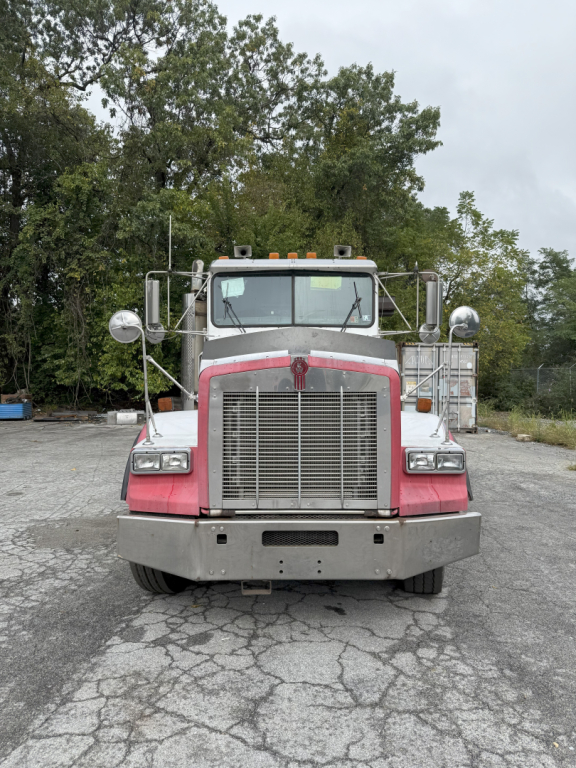
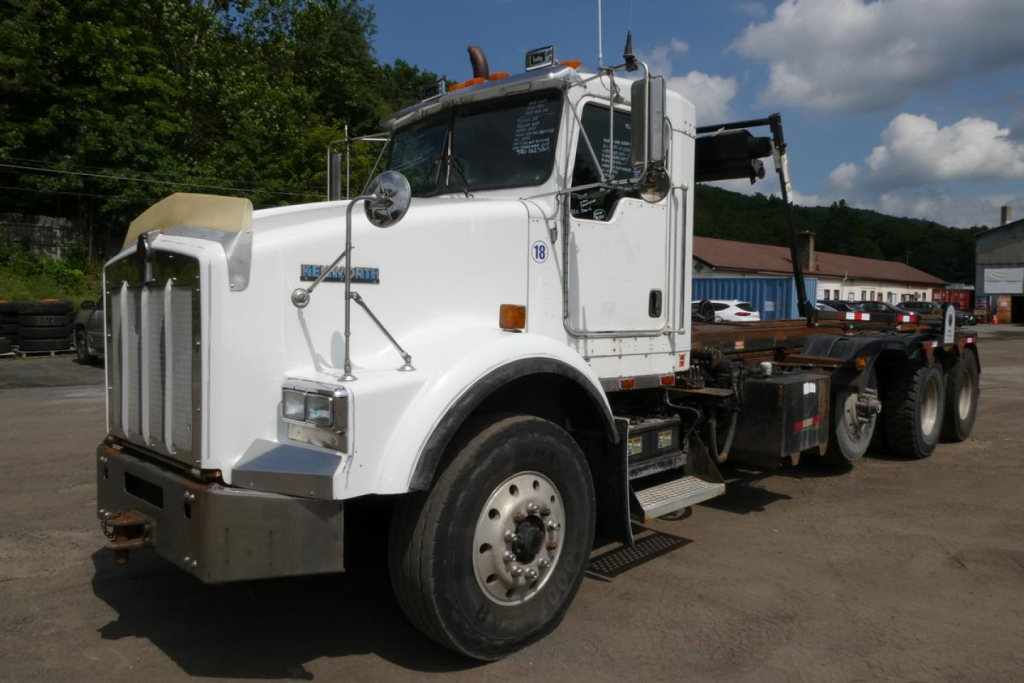

Selling a 2003 rolloff truck? List your 2003 rolloff truck for sale and reach thousands of commercial buyers.
2003 Rolloff Trucks
The key buying decision on an older rolloff is the relationship between chassis spec and body spec. A truck may have a strong engine and transmission, but if the double frame shows rust scaling, the tail section is worn, or the hoist pins and slide rails have excessive play, operating cost can climb quickly. Front axle ratings around 18,000 to 20,000 lbs and rears in the 40,000 to 50,000-lb range are typical, with camelback or heavy vocational suspensions still common on 2003 units. Manual transmissions were prevalent, though some trucks in this class were spec'd with automatics for stop-and-go refuse work. Look closely at PTO engagement, pump response, cable or hook mechanism wear, container lock function, tarper operation, and whether the hydraulics lift cleanly under load without drift or seepage.
Wheelbase, cab-to-axle, and overall hoist length matter because they determine what container sizes the truck can safely and legally handle. Many 2003 rolloff trucks were built for 20-yard to 40-yard cans, but actual compatibility depends on rail design, hoist capacity, axle spacing, and local bridge laws. Tire size, rear ratio, and engine horsepower also affect how well the truck performs on transfer routes, landfill grades, and urban stop-start service. In this age range, emissions complexity is generally lower than later diesel platforms, which can be a plus for operators who want simpler maintenance, but condition and service history matter more than model year alone.
For buyers comparing several 2003 rolloff trucks for sale, the best value is usually the truck with the cleanest vocational history and the most evidence of upkeep on the hoist, hydraulics, frame, and suspension. Pay attention to hour meter readings as much as odometer miles, since rolloff trucks often spend long periods working at low speed with the PTO engaged. A thorough inspection should include cylinder packing leaks, body mount cracking, rail straightness, pintle or hitch setup if used, brake condition, and signs of frame repairs around high-stress points. A well-maintained 2003 rolloff can still be a productive local container truck if the chassis and hoist were matched correctly from the start.
Frequently Asked Questions about 2003 Rolloff Trucks
What should I inspect first on a 2003 rolloff truck?
Start with the hoist, hydraulics, and frame. Check boom and hoist cylinders for leaks, inspect rail wear and pin play, confirm the PTO engages smoothly, and look for cracks or heavy corrosion on the double frame and rear tail section. After that, review axle ratings, suspension condition, brake wear, and signs of hard vocational use such as frame repairs, uneven tire wear, or sloppy container lock operation.
How much hoist capacity is common on a 2003 rolloff truck?
Many 2003 rolloff trucks were equipped with 50,000-lb to 60,000-lb hoists, especially on tandem axle vocational chassis. Actual working performance depends on more than the hoist rating alone. Frame reinforcement, axle capacity, wheelbase, hydraulic condition, and the type of containers being handled all affect how the truck performs in daily service.
Are 2003 rolloff trucks good for waste and scrap applications?
They can be, especially for local and regional work where buyers want a simpler pre-emissions diesel platform and a proven mechanical setup. These trucks are commonly used in refuse, scrap, C&D, and municipal container hauling. The deciding factor is condition. A well-maintained older chassis with a sound hoist and strong frame can still be productive, while a neglected unit can become expensive quickly due to hydraulic, suspension, and structural repairs.
What container sizes can a 2003 rolloff truck usually handle?
Many trucks in this class were set up to handle 20-yard, 30-yard, and 40-yard containers, but fitment is not universal. Container compatibility depends on hoist length, rail type, hook or cable setup, wheelbase, and axle placement. Buyers should verify the truck's body dimensions and hoist design against the container sizes used in their operation and local weight regulations.
Why do engine hours matter on a used rolloff truck?
Engine hours are important because rolloff trucks often spend significant time idling or operating the PTO while stationary or moving slowly on route. A truck with moderate miles can still have heavy engine and hydraulic wear if the hours are high. Comparing odometer mileage with engine hours gives a more accurate picture of total vocational use, especially in waste, demolition, and container service.