
Sterling Vacuum Trucks For Sale in Florida
Browse Sterling vacuum trucks, including sewer jetter and combo units, with specs on debris body size, water capacity, blowers, pumps, and GVWR.

Selling a sterling vacuum truck? List your sterling vacuum truck for sale and reach thousands of commercial buyers.
Sterling Vacuum Trucks in Florida
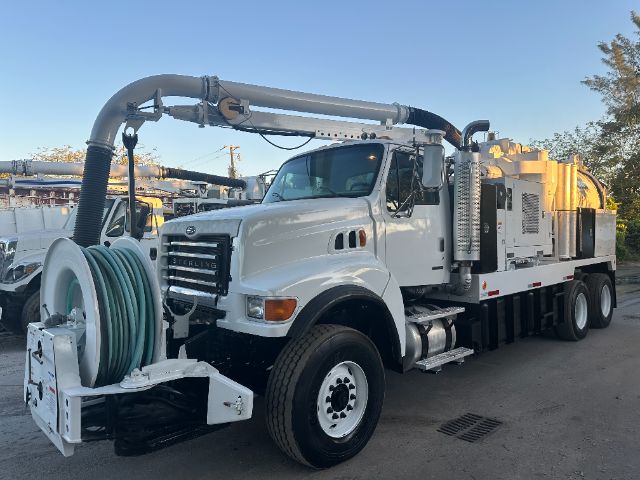
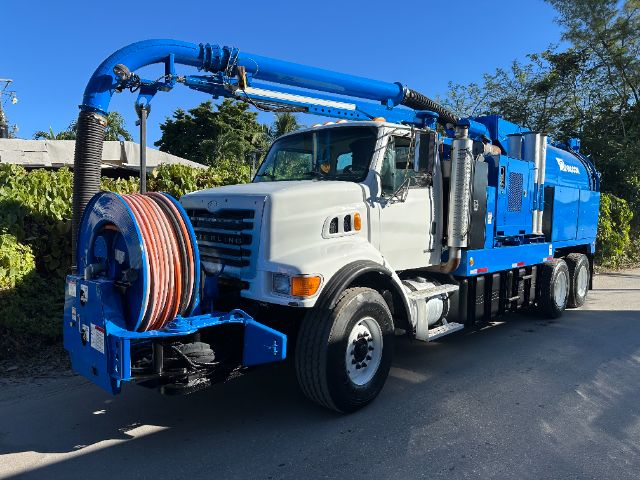
The body and vacuum package matter as much as the cab and chassis. Many Sterling vacuum trucks in this class are fitted with Vac-Con units featuring debris bodies around 11 to 12 cubic yards, fresh water capacity near 1,000 to 1,300 gallons, and either a positive displacement blower or a multi-stage fan system. A PD blower generally offers stronger vacuum performance for heavier material and longer hose runs, while a fan system can be a good fit for lighter material and faster loading in certain applications. On combo units, jetting systems in the 80 GPM range at 2,000 to 3,000 PSI are common, and hydraulic hose reels, hydraulic dump bodies, and hydraulic rear door locks are typical features worth confirming.
For the chassis itself, Sterling medium and heavy-duty models are usually paired with diesel engines such as the Caterpillar C7 or C9 and automatic transmissions. Buyers should look beyond miles and pay close attention to engine hours, PTO or auxiliary system hours, and the condition of the pony motor if the vacuum and water systems are independently powered. Ex-municipal units are common in this segment, which can be a plus if maintenance records are available, but inspection should still focus on blower condition, pump output, tank integrity, boom or hose reel wear, frame corrosion, and signs of cracking around body mounts or hoist points. In Florida, salt air and humidity make rust inspection especially important on subframes, plumbing, electrical connections, and the lower sections of the debris body.
GVWR, axle ratings, and licensing requirements should be matched to the intended job mix before purchase. A 66,000 GVWR combo truck may be ideal for city sewer departments or utility contractors handling heavier spoils, but route density, disposal access, and bridge or residential street limits still matter. Buyers also need to think through supportability. Sterling is no longer a current OEM brand, so the real question is parts and service access for the chassis components, engine, transmission, and the vacuum body manufacturer. In many cases, chassis service remains manageable through shared component suppliers, while body support depends heavily on the vacuum system manufacturer and the availability of replacement blowers, pumps, valves, and hydraulic components.
Frequently Asked Questions about Sterling Vacuum Trucks in Florida
What is a Sterling vacuum truck typically used for?
A Sterling vacuum truck is commonly used for sewer line cleaning, storm drain maintenance, catch basin cleaning, lift station work, sludge removal, and other municipal or industrial vacuum applications. Many Sterling units on the market are combo vacuum jetter trucks, which means they can both jet a line with high-pressure water and vacuum out the resulting debris. That combination makes them practical for public works departments, underground utility contractors, and environmental service fleets.
What should I check first on a used Sterling vacuum truck?
Start with the vacuum body and work system, not just the truck chassis. Verify blower or fan condition, water pump performance, debris tank integrity, hose reel function, hydraulic operation, and the condition of the pony motor if equipped. Then review chassis miles, engine hours, transmission operation, suspension condition, brake wear, and any corrosion on the frame or substructure. A vacuum truck with a sound chassis but a weak blower, damaged tank, or tired jetter pump can become expensive quickly.
Is a positive displacement blower better than a fan system on a vacuum truck?
It depends on the work. A positive displacement blower is generally preferred when stronger vacuum is needed for heavier material, deeper pulls, or longer hose runs. A multi-stage fan system can be effective for lighter debris and some sewer cleaning applications where high airflow is more important than deep vacuum. Buyers should match the vacuum source to the material type, hose length, and typical jobsite conditions rather than assuming one setup is always superior.
Are Sterling vacuum trucks hard to maintain since Sterling is no longer in production?
Not necessarily, but supportability should be evaluated before purchase. Many Sterling chassis used common drivetrain and component suppliers, so routine service parts for engines, transmissions, brakes, and running gear are often still obtainable. The bigger issue is usually the installed vacuum package, including the blower, water pump, hydraulics, valves, and controls. Buyers should confirm that replacement parts and service knowledge are available for both the chassis and the body manufacturer.
Why are ex-municipal Sterling vacuum trucks so common?
Municipal fleets were major buyers of Sterling chassis for sewer and vacuum applications, so many used units come from city, county, or public utility service. Ex-municipal trucks can be attractive because they are often purpose-built and may have documented maintenance histories. At the same time, they often show high idle hours, high PTO or system hours, and wear related to stop-and-go duty cycles, so condition should be judged by inspection and service records rather than ownership type alone.