
2009 Vacuum Trucks For Sale
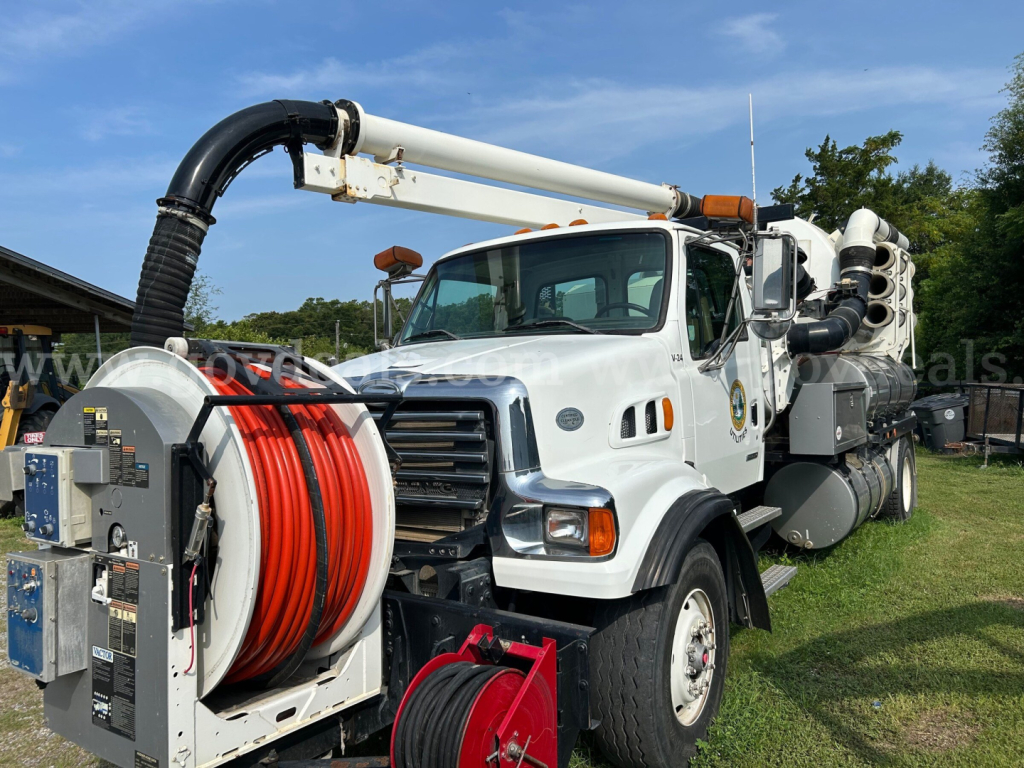
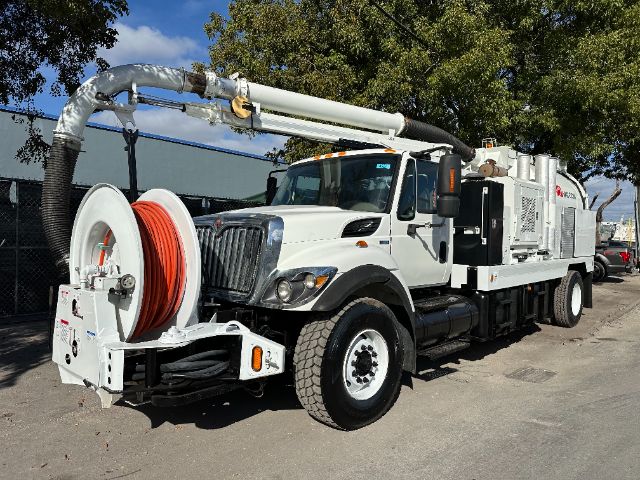

Have 2009 vacuum truck to sell? List it here to reach thousands of buyers.
2009 Vacuum Trucks
The first decision is application. If the work is sewer line cleaning, a combo unit with both vacuum recovery and high-pressure water is usually the right fit. Common specs in this class include debris bodies from about 3 to 12 yards, freshwater capacity from roughly 500 to 1,000 gallons, and water pumps rated around 40 to 50 GPM at up to 2,500 to 3,000 PSI. Hydro excavation and municipal cleanup units may use a fan system for high airflow and easier operation, while some trucks are equipped with positive displacement blowers for deeper excavation and longer hose runs. Buyers should also check for hydraulic hose reels, rear door hydraulic locks, dump capability, boom rotation, and usable pipe storage, since these features affect daily productivity more than cosmetic condition.
On a used 2009 vacuum truck, hours and subsystem condition are as important as mileage. The truck chassis may show moderate miles while the vacuum package has significantly higher operating hours, especially on ex-municipal or fleet-maintained equipment. Pay close attention to the blower or fan, pony motor if equipped, water pump condition, hose reel hydraulics, tank integrity, rear door seals, and the condition of valves, gauges, and relief systems. Corrosion inside the debris body, repairs around the dump hoist, and wear in the boom pivot area can be more important than cab appearance. If the truck has a separate pony motor, confirm cold starts, service records, and parts support. If it is a single-engine setup, evaluate how the PTO and hydraulic systems perform under load.
GVWR, axle rating, and licensing requirements should be matched to the job before purchase. A smaller 2009 vacuum truck can be easier to maneuver in urban utility work and residential streets, while a larger combo truck offers more spoil capacity and fewer dump trips on long municipal routes. Buyers comparing listings should look beyond generic terms like vacuum truck and confirm whether the unit is a jetter combo, hydro excavator, sewer cleaner, or industrial vacuum configuration. Tank capacities, blower stage or PD specifications, pump output, chassis class, and service history will tell you far more about suitability than age alone.
Frequently Asked Questions about 2009 Vacuum Trucks
What should I look at first on a 2009 vacuum truck?
Start with the vacuum system and body, not just the cab and odometer. Review blower or fan condition, water pump output, operating hours, debris tank condition, hydraulic functions, rear door seals, and any pony motor records. On a vacuum truck of this age, the upfit condition usually drives repair cost and uptime more than chassis age alone.
Is mileage or engine hours more important on a used vacuum truck?
Both matter, but engine hours and equipment hours are often more revealing on a vacuum truck. Municipal and utility units can spend long periods idling or running the vacuum and water systems at the jobsite. A truck with modest road miles may still have heavy wear in the blower, pump, hydraulics, and PTO-related systems, so hour meter readings and maintenance documentation are critical.
What is the difference between a combo vacuum truck and a straight vacuum truck?
A combo vacuum truck combines suction with a high-pressure water jetting system, making it suitable for cleaning sewer lines and vacuuming the resulting debris. A straight vacuum truck focuses on material recovery and may be used for dry pickup, liquid waste, catch basin work, or excavation support depending on the build. The right choice depends on whether the job requires line jetting, excavation, or simple recovery.
Are 2009 vacuum trucks still a good fit for municipal and utility work?
They can be, especially when the truck has been maintained correctly and the body matches the application. Many 2009 units were built on durable commercial chassis and fitted with proven vacuum systems from well-known upfitters. The key is confirming tank condition, pressure and vacuum performance, hydraulic operation, and parts support for the blower, pump, and control systems.
What common specs should I compare across 2009 vacuum truck listings?
Compare debris body size, freshwater capacity, blower or fan type, water pump GPM and PSI, hose reel setup, boom function, dump system, GVWR, axle configuration, and whether the unit is single-engine or pony motor equipped. These details determine production rate, hauling capacity, jobsite reach, and long-term serviceability far better than make or paint condition.