
2009 Vacuum Trucks For Sale in Florida
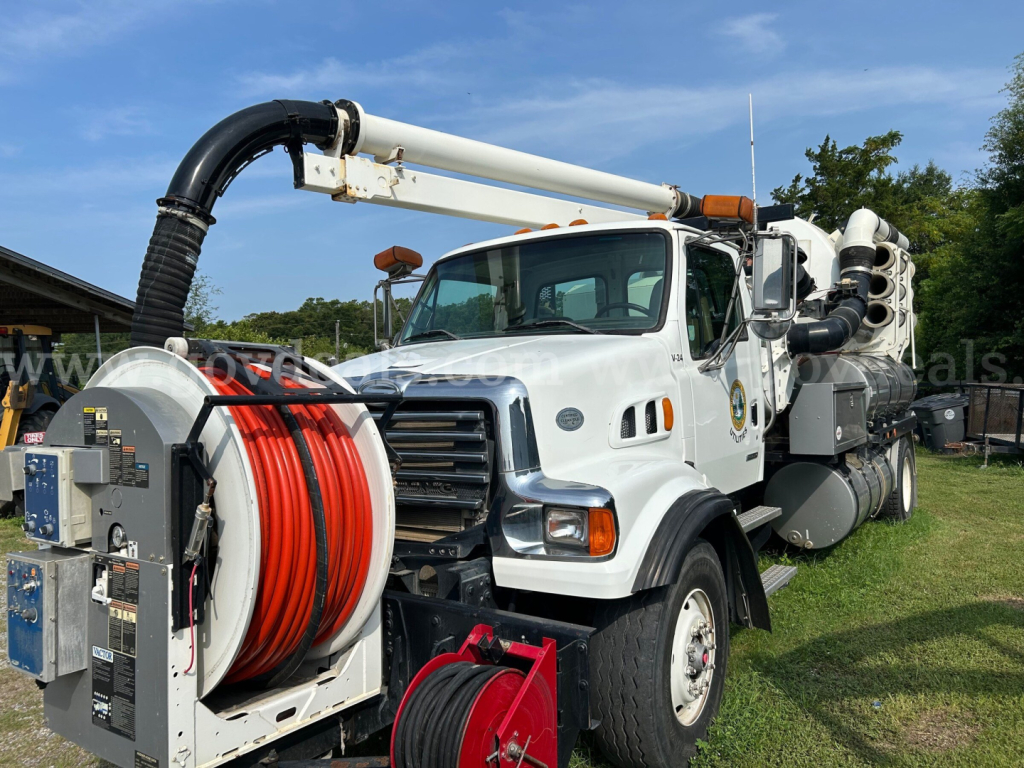
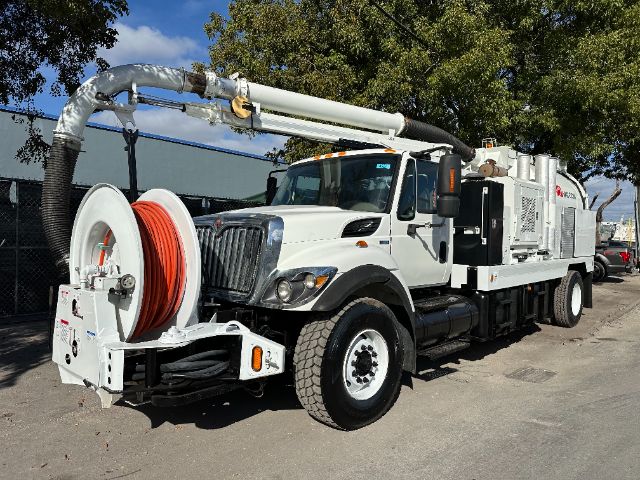

Have 2009 vacuum truck to sell? List it here to reach thousands of buyers.
2009 Vacuum Trucks in Florida
The biggest spec decision is whether the truck is a straight vacuum unit or a combo vacuum jetter. A straight vac truck is built to recover liquids, sludge, grit, and dry material depending on setup, and is often simpler to maintain. A combo unit adds high-pressure water for sewer line cleaning and municipal utility work. Common configurations on used units include debris bodies around 8 to 12 cubic yards, fresh water capacity from roughly 1,000 to 1,500 gallons, and either positive displacement blowers such as Roots-style systems or high-volume fan systems. Positive displacement blowers generally suit deeper pulls and heavier recovery work, while fan units are often favored for faster air movement and lighter material recovery.
Chassis choice also matters on a 2009 model because service access, parts support, and axle ratings affect long-term operating cost. Buyers will commonly see vocational platforms from International, Mack, Freightliner, Peterbilt, or Kenworth with diesel engines paired to automatic or automated transmissions. Check GVWR, front axle loading, and wheelbase against the mounted equipment, especially if the truck carries a full water load and a packed debris tank. PTO hours, engine idle history, suspension condition, brake wear, and hydraulic performance tell more about the truck than mileage alone. On combo units, inspect the water pump brand and output rating, hose reel operation, boom condition, and tank seals. A full-function test should confirm vacuum performance, pressure output, hydraulic dump operation, and rear door locking integrity.
For Florida buyers, application fit is just as important as price. Municipal and utility contractors often prioritize ex-municipal combo trucks because they may have known service intervals and familiar sewer-cleaning specs. Septic and grease operators may put more value on tank condition, pump accessibility, and legal axle weights when loaded. Industrial users should pay close attention to filtration, shutoff protection, and how the unit was previously used. A well-kept 2009 vacuum truck can still deliver strong value, but the best purchase is usually the one with clear maintenance records, compatible pump and blower specifications, and a chassis that matches the weight and duty cycle of the work.
Frequently Asked Questions about 2009 Vacuum Trucks in Florida
What should I inspect first on a 2009 vacuum truck?
Start with the vacuum system, not the paint. Check blower or fan condition, pump hours, tank integrity, rear door seals, hydraulic functions, hose reels, and plumbing. Then review chassis items such as engine service history, PTO operation, transmission performance, axle ratings, brake condition, and corrosion on the frame and body mounts. A vacuum truck is really two machines in one, so both the chassis and the mounted equipment need to be evaluated separately.
What is the difference between a vacuum truck and a combo vacuum jetter?
A vacuum truck is designed primarily to recover liquids, sludge, solids, and debris through suction. A combo vacuum jetter adds a high-pressure water system used to clean sewer lines and break up material before recovery. Combo units are common in municipal sewer maintenance and utility work because one truck can jet and vacuum in the same job cycle. Straight vac units are often simpler and may be better suited for septic, grease, or general industrial cleanup depending on tank and pump configuration.
Are 2009 vacuum trucks still a good buy?
They can be, if maintenance has been consistent and the vacuum package has life left in it. Many 2009 units are on durable vocational chassis and were built with serviceable components from established body manufacturers. The key is to judge condition by pump hours, blower performance, tank wear, hydraulic operation, and documented repairs rather than age alone. A cheaper truck can become expensive quickly if the blower, water pump, or tank structure needs major work.
What capacities are common on used vacuum trucks in this class?
Many used vacuum trucks in this age range fall into debris body capacities of about 8 to 12 cubic yards, with fresh water tanks around 1,000 to 1,500 gallons on combo units. Exact capacity depends on the body manufacturer, chassis wheelbase, and intended application. Buyers should also compare pressure and flow ratings on jetter systems, along with legal loaded weight, because higher capacity is only useful if the truck can carry it efficiently and legally.
Why do PTO hours matter on a vacuum truck?
PTO hours are often a better indicator of equipment wear than odometer miles because the vacuum system, water pump, and hydraulics may spend long periods working while the truck is stationary. A unit with moderate road miles can still have heavy equipment use if it spent years in municipal or industrial service. Reviewing PTO hours alongside engine hours helps buyers understand how much actual work the mounted vacuum package has performed.