
2014 Vacuum Trucks For Sale
Shop 2014 vacuum trucks for sewer cleaning, hydrovac, and industrial cleanup. Compare chassis, tank size, blower, jetter, and PTO specs.
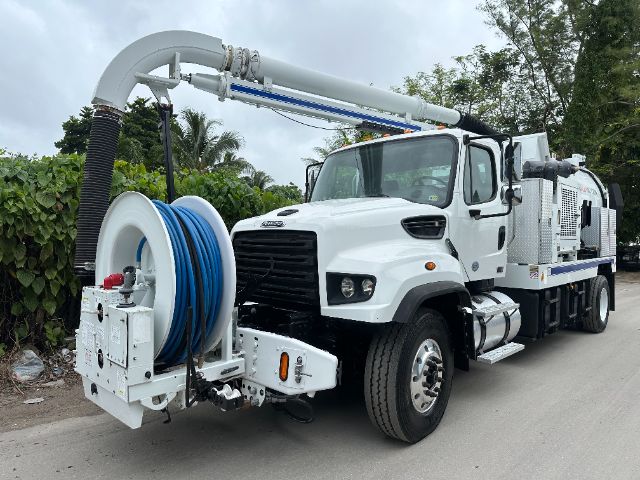
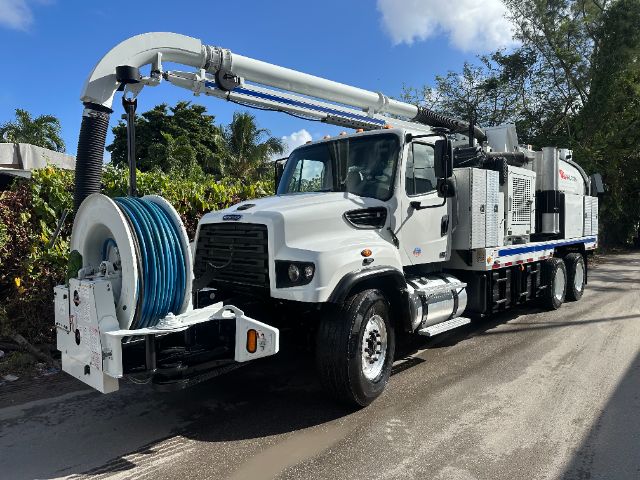
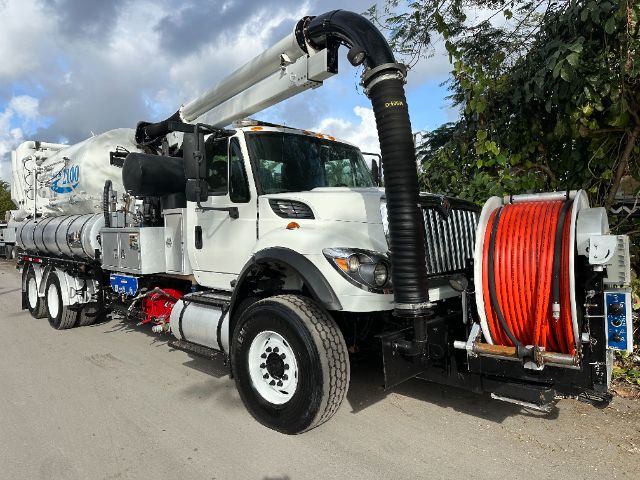
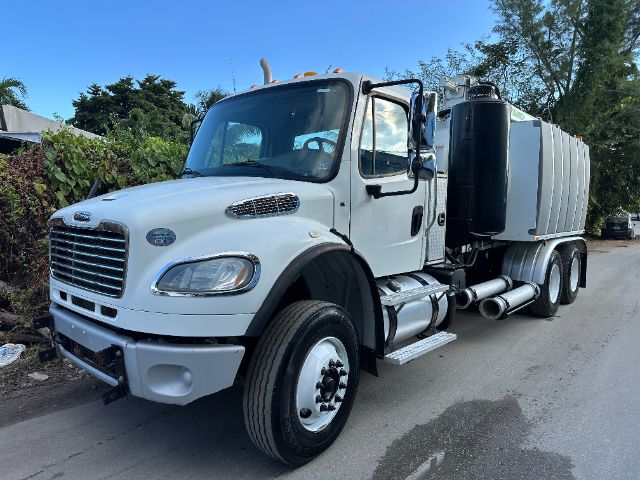
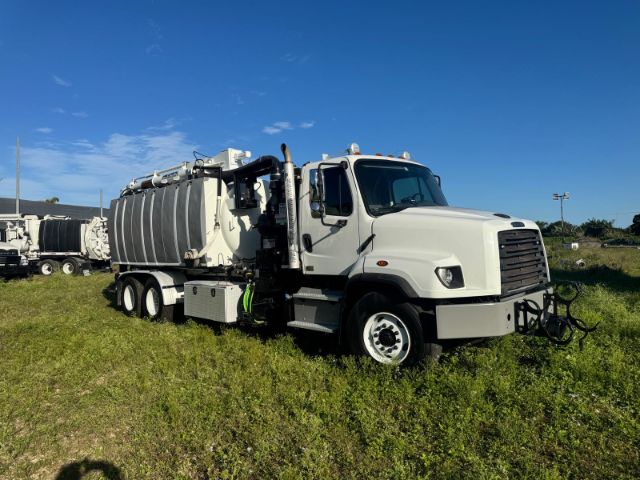
Selling a 2014 vacuum truck? List your 2014 vacuum truck for sale and reach thousands of commercial buyers.
2014 Vacuum Trucks
On 2014 vacuum trucks, common chassis platforms include International, Freightliner, Mack, Peterbilt, Kenworth, and Sterling, usually in severe-duty or medium-heavy vocational configurations. Engines often fall in the Cummins ISL or ISC range, MaxxForce 9 or DT platforms, and similar mid-displacement diesels, typically paired with Allison automatic transmissions because stop-and-go utility work and PTO operation favor automatics. Buyers should compare miles, engine hours, PTO hours, and body hours together. A vacuum truck with moderate road miles can still have heavy PTO use, and that is where blower wear, pump condition, hydraulic system health, and tank integrity become more important than odometer reading alone.
Body specs deserve a close look. Debris tanks commonly range from smaller 3-yard municipal jetter bodies up to 10-yard to 12-yard units for heavier sewer and industrial vacuum work. Fresh water capacity can range from roughly 500 gallons to 1,500 gallons or more on combo units. Key components include the blower or fan system, jetter pump rating in GPM and PSI, hose reel type, rear door locks, dump style, filtration, and boom controls. On a 2014 model, inspect the subframe, tank shell, rear door seal surface, cyclone components, and plumbing for corrosion or patch repairs. Ex-municipal trucks can be attractive because service records are often better, but buyers still need to check for idle-heavy use, cold-weather wear, and deferred body maintenance.
A good 2014 vacuum truck should be evaluated as a complete system: chassis, PTO, hydraulics, blower, water pump, tank, and controls. Ask if the unit is set up for sewer cleaning, catch basin work, storm drain maintenance, slot trench cleanup, hydro excavation, or industrial plant service. Confirm axle ratings, GVWR, brake type, suspension, turning radius, and legal weight with a full debris load. If the truck will work in colder climates, look for insulation, boiler or water heating equipment, and protected plumbing. For many buyers, the right 2014 vacuum truck is the one with documented body maintenance, predictable component life, and a spec that fits daily work without overbuying capacity.
Frequently Asked Questions about 2014 Vacuum Trucks
What should I check first on a used 2014 vacuum truck?
Start with the vacuum body and PTO-driven systems before focusing on cosmetic condition. Verify blower performance, jetter pump output, hydraulic function, hose reel operation, tank condition, rear door sealing surfaces, and signs of corrosion or weld repairs. Then compare engine hours, PTO hours, and service records to understand how hard the truck has actually worked.
What is the difference between a vacuum truck, a combo truck, and a hydrovac truck?
A straight vacuum truck is designed primarily to suck up liquids, sludge, or debris. A combo truck adds a high-pressure water jetting system for sewer line cleaning, which makes it common in municipal and utility service. A hydrovac truck uses pressurized water and strong airflow to excavate soil safely around utilities, and it usually emphasizes boom reach, excavation capability, and spoil tank design.
Are 2014 vacuum trucks commonly equipped with automatic transmissions?
Yes. Many 2014 vacuum trucks use Allison automatic transmissions because these trucks spend a lot of time in stop-and-go operation, on job sites, and under PTO load. Automatics are generally preferred for municipal and contractor applications because they simplify operation and work well with vocational duty cycles.
How important are PTO hours on a vacuum truck?
PTO hours are extremely important because they reflect use of the blower, water pump, hydraulics, and other body components that generate revenue and wear. A truck with reasonable road miles can still have high PTO time from long periods of stationary operation. When evaluating a 2014 vacuum truck, PTO hours often tell more about body wear than the odometer alone.
What tank and water capacities are typical on 2014 vacuum trucks?
Capacity depends on the application. Smaller municipal combo units may have around a 3-yard debris body and about 500 gallons of fresh water, while larger sewer and industrial units can carry 10 to 12 yards of debris and 1,000 to 1,500 gallons or more of water. The right size depends on route density, dump frequency, legal weight limits, and the material being handled.