
2013 Vacuum Trucks For Sale
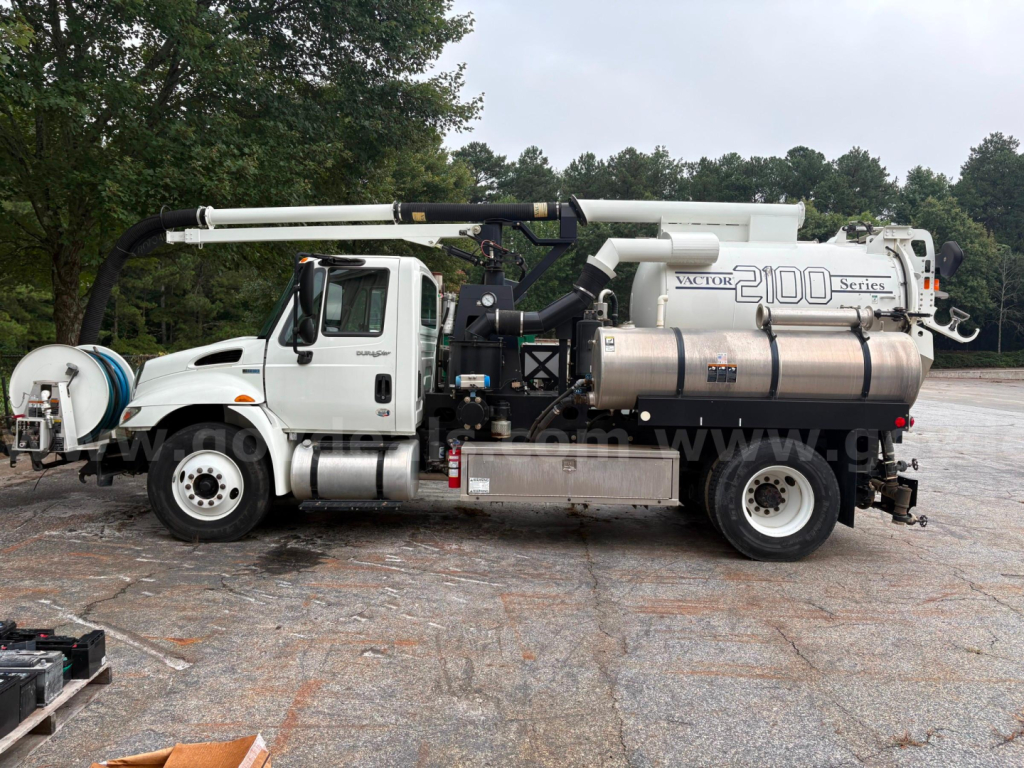
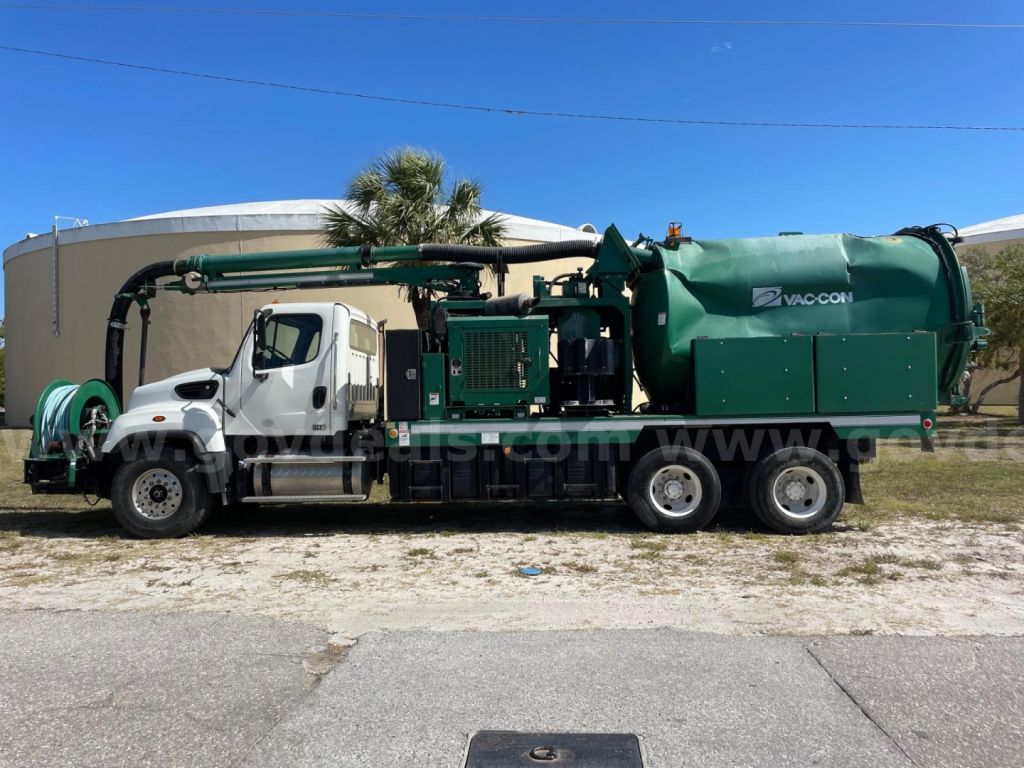
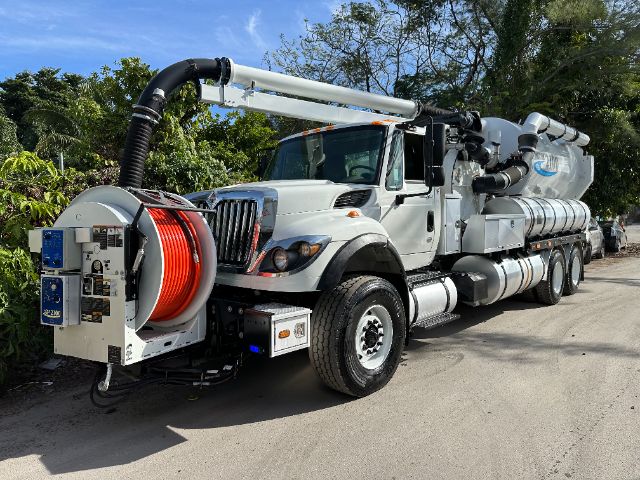
Have 2013 vacuum truck to sell? List it here to reach thousands of buyers.
2013 Vacuum Trucks
On 2013 models, pay close attention to the vacuum producer, debris body size, fresh water capacity, and pump package. Many units in this age range use positive displacement blowers or multi-stage fan systems, and that choice affects both performance and maintenance cost. Fan units are often favored for lighter material, faster airflow, and municipal sewer work, while blower-equipped trucks are usually preferred when deeper lifts or heavier recovery demands are part of the job. Debris bodies often fall in the mid-size to heavy municipal range, and water tanks, hose reels, hydraulic dumps, and rear door locks are key functional items to inspect. If the truck is a jetter combo, buyers should verify water pump output in GPM and PSI, the condition of the reel system, and whether the unit uses a pony motor or chassis-driven setup.
Chassis spec matters, but on a 2013 vacuum truck the service history often matters more. Common platforms in this class include severe-duty and medium-duty models from International, Freightliner, Mack, and similar vocational brands. Automatic transmissions are common in municipal and utility applications because they simplify stop-and-go work. Review engine hours along with miles, because vacuum trucks can accumulate significant stationary operating time. Ex-municipal units are common in this category and can be attractive because they were fleet maintained, but buyers should still inspect PTO function, hydraulic components, boom or hose reel wear, tank corrosion, rear door seals, and evidence of past vacuum or pressure system repairs.
A well-matched 2013 vacuum truck can still be a productive asset for sewer departments, contractors, industrial cleanup crews, and utility maintenance operations. The smart comparison is not just year, make, or mileage. It is airflow or vacuum capability, usable debris capacity, jetting performance, chassis GVWR, and the overall condition of the working system. On older vacuum trucks, the expensive surprises usually come from the pump, blower or fan, hydraulics, and tank structure, so those areas deserve the closest inspection before purchase.
Frequently Asked Questions about 2013 Vacuum Trucks
What should I look at first on a 2013 vacuum truck?
Start with the vacuum system and the tank, not just the chassis odometer. Confirm the type of vacuum producer, inspect service records for the blower or fan, check hydraulic operation, and inspect the debris body for corrosion, cracks, patched areas, and rear door sealing issues. On combo units, verify the jetter pump output, reel condition, and water tank integrity. Miles matter, but engine hours and equipment hours are often more important on this type of truck.
Is a 2013 vacuum truck still a good choice for sewer cleaning work?
Yes, if the truck has been maintained properly and the working system is sound. Many 2013 vacuum trucks are still used in municipal sewer cleaning, catch basin service, hydro excavation support, and industrial cleanup. The value depends on the condition of the jetter pump, vacuum producer, hydraulics, and tank structure. A well-kept older combo truck can remain productive for years, while a neglected unit can become expensive quickly even if the chassis appears clean.
What is the difference between a vacuum truck and a vacuum jetter combo truck?
A straight vacuum truck is designed mainly to recover liquids, sludge, slurry, and debris through suction. A vacuum jetter combo truck adds a high-pressure water system for flushing and cleaning sewer lines before or during vacuum recovery. For sewer departments and drainage contractors, the combo configuration is often more versatile because it can clear blockages, wash down lines, and remove debris with one machine.
Why do hours matter so much on used vacuum trucks?
Vacuum trucks spend a large part of their life operating while parked at the jobsite. That means the engine, PTO, hydraulics, and auxiliary systems may have significant wear that is not reflected by mileage alone. Chassis hours, pony motor hours, and operating hours on the vacuum and jetting systems help show the true workload. A lower-mile truck with very high equipment hours may need more immediate component work than a higher-mile unit with lighter vocational use.
Are ex-municipal 2013 vacuum trucks worth considering?
They often are, because many municipal fleets follow scheduled maintenance and document service intervals well. These trucks are commonly spec'd for sewer cleaning and public works use, so they may include the right combination of debris capacity, water volume, automatic transmission, and hydraulic equipment. Buyers should still inspect for idle-heavy wear, corrosion from harsh operating environments, and deferred repairs that can appear when a city rotates equipment out of service.