
Freightliner Vacuum Trucks For Sale
Shop Freightliner vacuum trucks built for sewer cleaning, jetting, hydro excavation, and municipal service with proven M2, 108SD, and 114SD chassis.
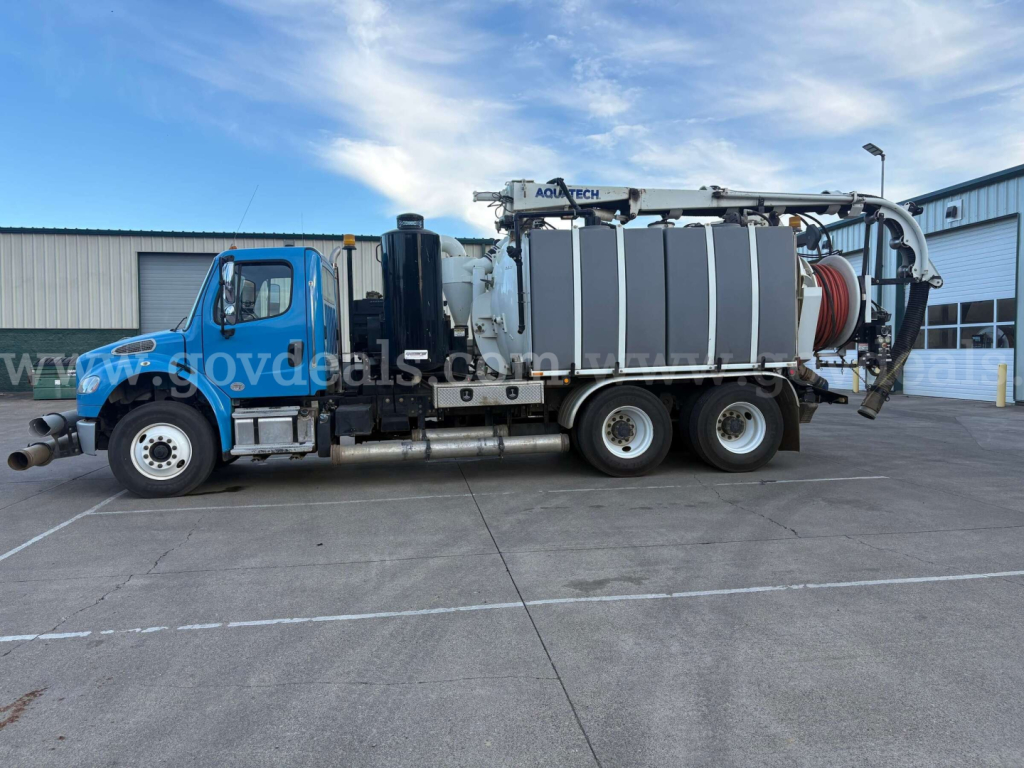
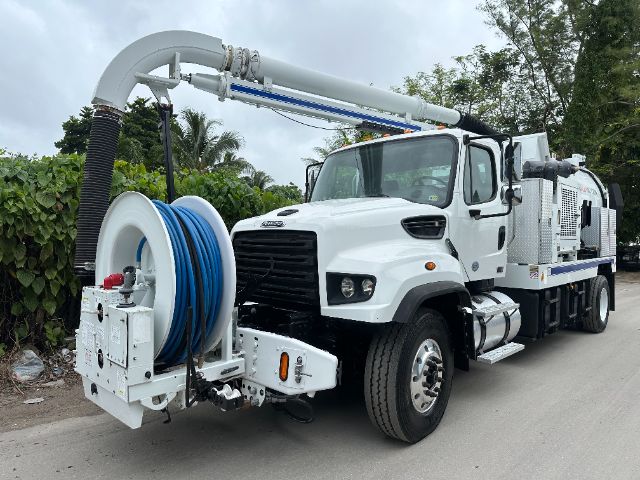
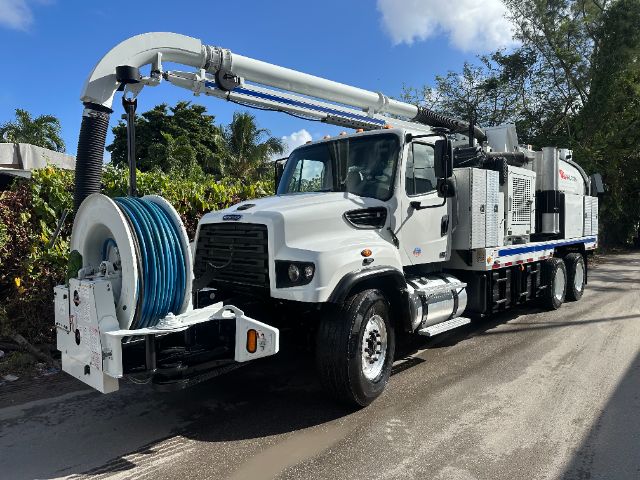
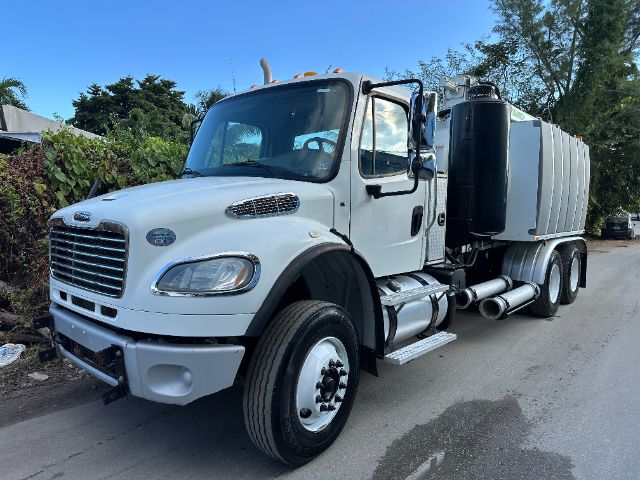
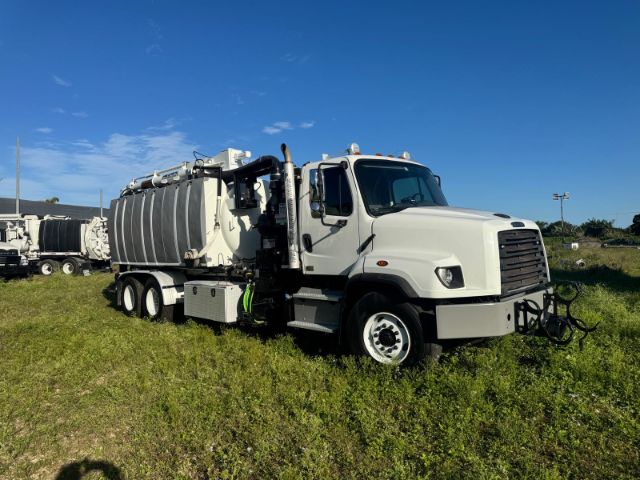
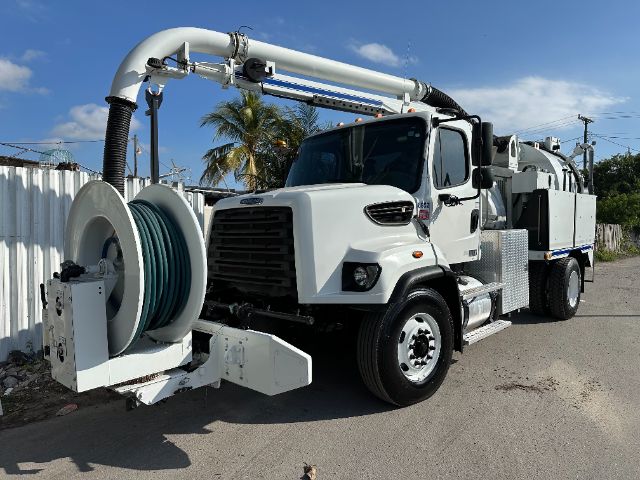
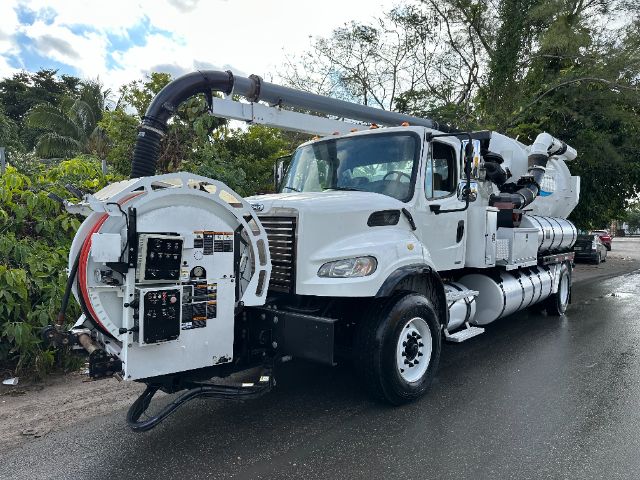

Selling a freightliner vacuum truck? List your freightliner vacuum truck for sale and reach thousands of commercial buyers.
Freightliner Vacuum Trucks
The first decision is usually application. A combination jetter-vac truck is built to clean sanitary and storm lines, pull sludge, and flush pipe with high-pressure water while vacuuming debris into the tank. Typical specs in this class include 3 to 10 yard debris bodies, roughly 500 to 1,000 gallons of fresh water, water pumps in the 40 to 70 GPM range, and either fan systems or positive displacement blowers such as Roots units. Fan trucks are often preferred for faster air movement and lighter debris loading in municipal work, while PD blower setups are favored when stronger vacuum at distance is more important. Many Freightliner units also use a pony motor to run the vacuum or jetting package independently, though some later machines are single-engine systems that simplify operation and reduce one extra engine to maintain.
Buyers should pay close attention to chassis and body hours, not just odometer miles. Vacuum trucks often spend long periods operating at job speed or stationary with the module engaged, so pump hours, blower hours, and pony motor hours tell more of the service story than mileage alone. On used Freightliner vacuum trucks, inspect the debris tank, rear door seals, hoist, boom pivot points, hose reel hydraulics, water pump condition, and vacuum relief system. Ex-municipal trucks can be attractive because many followed scheduled maintenance programs, but it is still important to check corrosion in the tank and subframe, signs of abrasive debris wear, condition of the float shutoff system, and any repairs around the dump body, lock mechanisms, or reel structure. Tire size, wheelbase, and axle configuration also matter because a single-axle 4x2 unit works well in tighter city service, while heavier tandem or severe-duty setups are better for larger bodies and tougher excavation work.
Freightliner remains a strong fit in this segment because parts availability, dealer coverage, and technician familiarity are generally good across North America. Cummins-powered trucks with automatic transmissions are especially common in this category, which helps with serviceability and driver acceptance. If the truck will spend most of its time cleaning sewer mains, focus on pump output, hose reel capacity, boom reach, and water volume. If hydro excavation is the primary task, look closer at vacuum performance, boom control, spoil capacity, and how the chassis is rated once the body is full. A well-matched Freightliner vacuum truck should be judged as a complete system, with the chassis, vacuum module, pump package, and intended duty cycle all working together.
Frequently Asked Questions about Freightliner Vacuum Trucks
What Freightliner chassis are most common for vacuum trucks?
The most common Freightliner vacuum truck chassis are the M2 106, 108SD, and 114SD. The M2 platform is widely used for medium-duty sewer cleaners and jetter trucks in urban service, while the 108SD and 114SD are more severe-duty options suited for heavier modules, larger debris bodies, and tougher jobsite conditions. The best choice depends on GVWR, axle configuration, turning needs, and the weight of the vacuum package when loaded with water and debris.
What is the difference between a combination sewer cleaner and a straight vacuum truck?
A combination sewer cleaner, often called a combo truck or jet-vac, uses both high-pressure water jetting and vacuum recovery in one machine. It is designed to clean sewer and storm lines by flushing debris loose and then vacuuming it into the debris tank. A straight vacuum truck focuses on suction and debris removal without the same pipe-cleaning jetting capability. Buyers handling municipal line maintenance usually want a combo unit, while some excavation or material recovery work may only require vacuum capability.
Should I choose a fan system or a positive displacement blower on a Freightliner vacuum truck?
Fan systems move high volumes of air and are often a good fit for lighter material, faster potholing cycles, and general municipal vacuum work. Positive displacement blowers typically provide stronger vacuum over longer hose runs and deeper pulls, which can be important in sewer cleaning and heavier recovery applications. The right choice depends on the material being handled, excavation depth, hose length, and whether the truck will spend more time jetting sewers or doing hydro excavation.
What matters most when evaluating a used Freightliner vacuum truck?
Hours on the vacuum system, water pump, and any pony motor are usually more important than miles alone. Buyers should also inspect the debris tank for corrosion or abrasion, check rear door seals and hydraulic locks, confirm smooth boom and hose reel operation, and review maintenance records for the blower, pump, and chassis engine. A truck can show moderate mileage and still have significant wear if it spent years running the module daily, so a full functional inspection is critical.
Are ex-municipal Freightliner vacuum trucks a good buy?
Ex-municipal units can be a strong value because many were maintained on regular service intervals and operated by trained departments. They may also come with desirable safety equipment, work lights, boom controls, and documented inspections. The tradeoff is that municipal vacuum trucks often idle extensively and may have accumulated substantial body and system hours, so buyers should verify condition carefully rather than assuming low miles mean low wear.