
Freightliner Vacuum Trucks For Sale in Florida
Browse Freightliner vacuum trucks for sewer cleaning, hydro excavation, and jetting work with common specs, body sizes, and chassis insights.
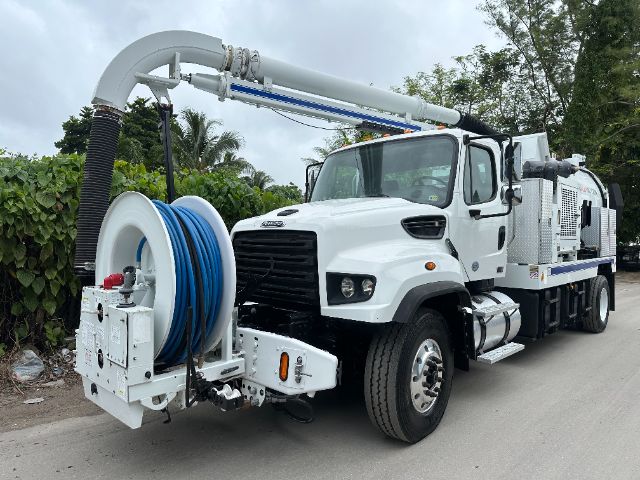
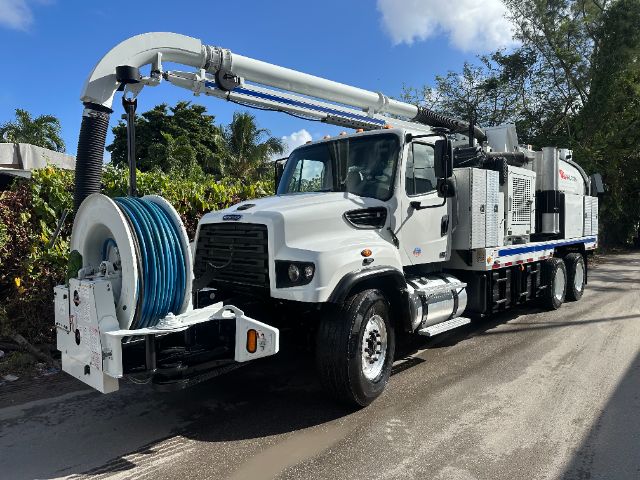
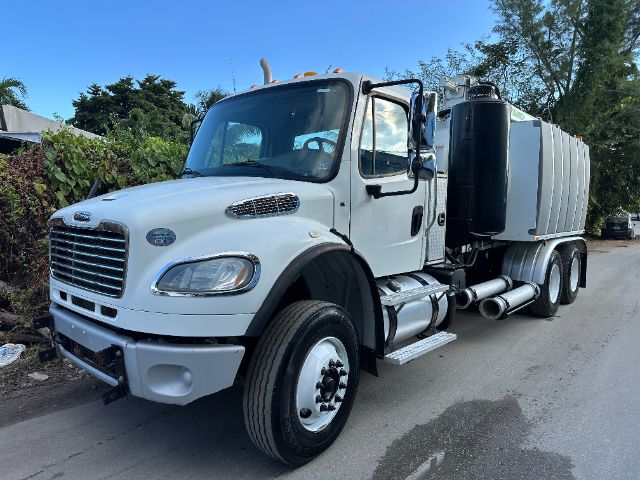
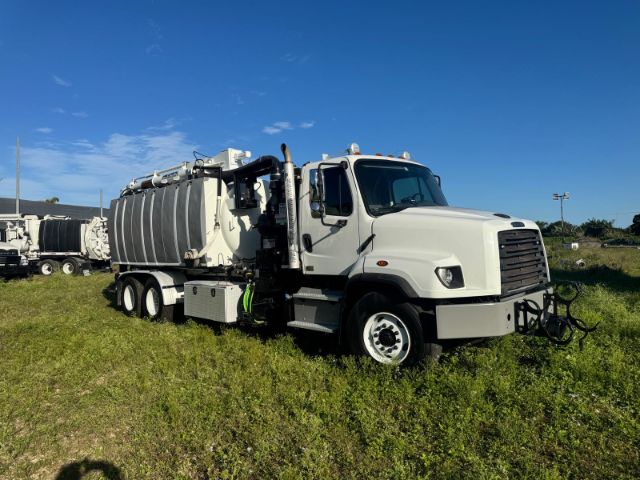
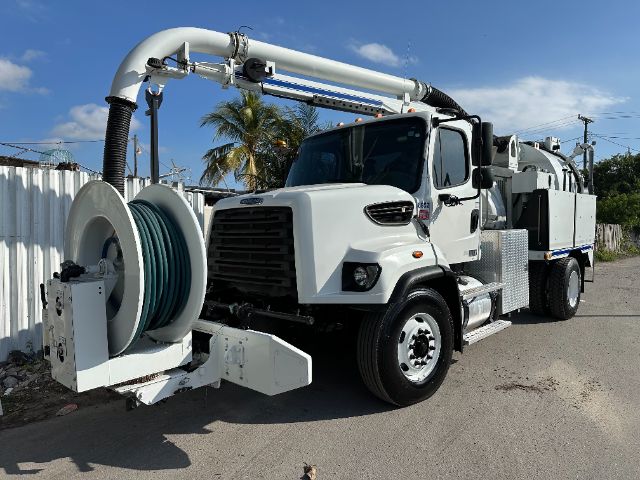
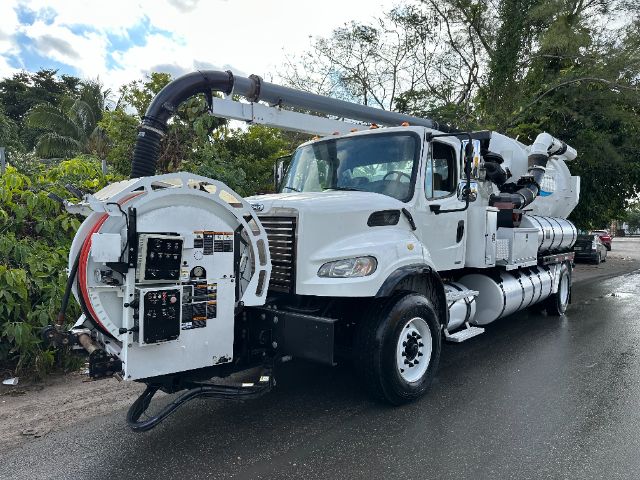
Selling a freightliner vacuum truck? List your freightliner vacuum truck for sale and reach thousands of commercial buyers.
Freightliner Vacuum Trucks in Florida
The first buying decision is usually chassis size versus body capacity. M2 and 108SD units are often spec'd for tighter urban work, lighter overall package weight, and easier maneuvering in residential or municipal routes. 114SD trucks are more common when the build carries a larger debris body, more fresh water, or heavier-duty vacuum and jetting equipment. Typical used specs in this category include Cummins ISC or ISL diesel engines, automatic transmissions, GVWRs ranging from roughly 37,000 to over 41,000 pounds, debris bodies from about 3 to 15 cubic yards, and freshwater capacity from around 500 to 1,500 gallons. If route density and access are more important than total payload, a smaller combo unit can be the better fit. If the truck will spend long days on sewer rehabilitation, mainline cleaning, or municipal basin work, tank size and water capacity usually drive the decision.
The vacuum system and water system deserve as much attention as the truck itself. Many Freightliner vacuum trucks in this class use a positive displacement blower or a fan system, and the right choice depends on the work. Fan units are commonly favored for faster air movement and lighter material recovery, while PD blowers are often preferred for deeper pulls and heavier sludge. On combo trucks, common water pump ratings fall in the 40 to 80 GPM range at roughly 2,500 to 3,000 PSI. Buyers should verify blower model, pump hours, hose reel configuration, boom placement, hydraulic dump operation, rear door locks, and whether the unit runs off the chassis engine or an auxiliary engine. Hour meter readings can matter as much as mileage on municipal vacuum trucks, especially on units that spent long periods operating stationary equipment.
A strong used Freightliner vacuum truck should be evaluated as a complete system, not just a chassis with a body mounted on it. Debris body condition, subframe integrity, hydraulic leaks, tailgate seal wear, water tank condition, and PTO engagement history all affect long-term cost. Ex-municipal trucks can be attractive because they are often serviced on schedule, but they may also show high idle hours or frequent short-trip use. For Florida buyers, check for rust around the body, hose reel hardware, and plumbing components even in southern climates, especially on trucks exposed to coastal conditions or aggressive wastewater environments. Parts support is usually a plus with Freightliner, and that can make M2, 108SD, and 114SD vacuum trucks practical choices for fleets that want mainstream chassis service access while running specialized sewer and vacuum equipment.
Frequently Asked Questions about Freightliner Vacuum Trucks in Florida
What is the difference between a Freightliner vacuum truck and a Freightliner vacuum jetter combo truck?
A Freightliner vacuum truck is built to recover liquid, sludge, slurry, or dry material into a debris body or tank. A Freightliner vacuum jetter combo truck adds a high-pressure water system used to clean sewer lines, culverts, and drains before the vacuum system recovers the material. Combo units are more versatile for municipal and underground utility work because one truck can jet, loosen debris, and vacuum it into the body.
Which Freightliner chassis is most common for vacuum truck applications?
The Freightliner M2, 108SD, and 114SD are the most common chassis in this category. The M2 is popular for medium-duty municipal and contractor work where maneuverability matters. The 108SD and 114SD are better suited for heavier builds, larger debris bodies, higher GVWR requirements, and more demanding vocational use. The right chassis depends on tank size, water capacity, axle ratings, and the operating environment.
What specs matter most when buying a used Freightliner vacuum truck?
The most important specs are debris body capacity, freshwater capacity, blower or fan type, water pump output, GVWR, engine and transmission pairing, and equipment hours. Buyers should also inspect hose reels, boom arrangement, hydraulic dump and tailgate systems, and whether the truck uses an auxiliary engine for the vacuum and water systems. On used units, service records and hour-related wear on the vacuum package are often more important than odometer mileage alone.
Are Freightliner vacuum trucks a good fit for Florida municipal and utility work?
Freightliner vacuum trucks are a practical fit for Florida because they are commonly used in sewer cleaning, stormwater maintenance, lift station service, and hydro excavation support. The chassis has broad parts and service availability, which helps reduce downtime. Florida buyers should still inspect the vacuum body, plumbing, and metal components for corrosion from humidity, wastewater exposure, and coastal conditions, especially on older municipal units.
What is better for sewer cleaning, a fan system or a positive displacement blower?
A fan system is often preferred for moving large volumes of air and handling lighter recovery work efficiently, while a positive displacement blower is typically better for deeper excavation, longer hose runs, and heavier material. Sewer cleaning fleets often choose based on the type of debris, depth of pull, and how the truck is used day to day. The best choice is the one that matches the route profile and the kind of waste the truck will handle most often.