
2014 Freightliner Vacuum Trucks For Sale in Florida
Browse 2014 Freightliner vacuum trucks for sewer cleaning, hydro excavation, and municipal work with common specs, body sizes, and setup details.
Selling a 2014 freightliner vacuum truck? List your 2014 freightliner vacuum truck for sale and reach thousands of commercial buyers.
2014 Freightliner Vacuum Trucks in Florida
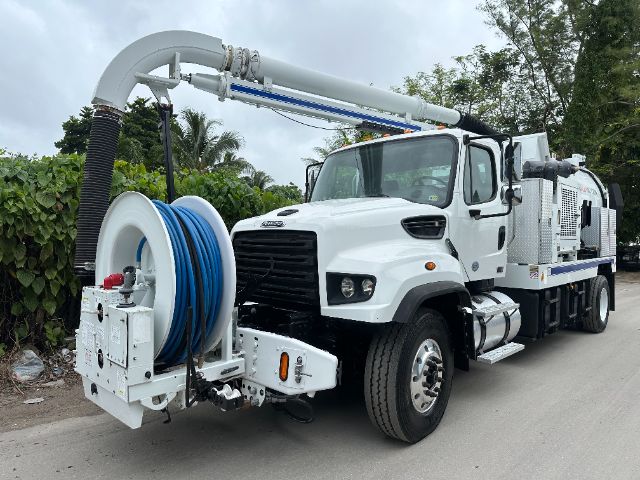
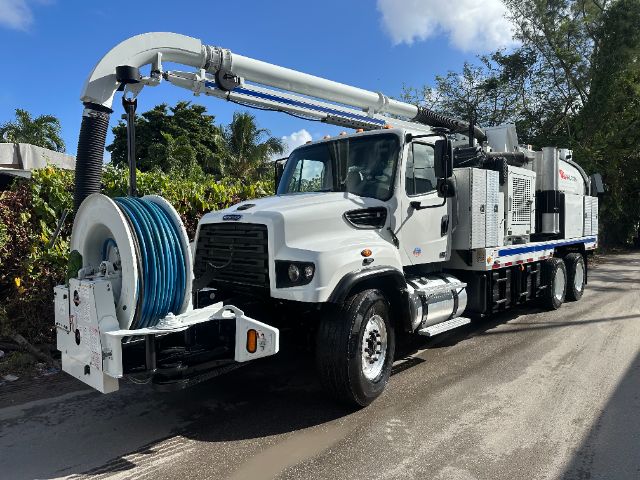
On 2014 models, a Cummins ISL 8.9L diesel and automatic transmission are common, especially on municipal-spec trucks. Typical vacuum equipment in this class includes positive displacement blowers or multi-stage fan systems, debris bodies ranging from about 5 to 15 yards, and freshwater capacity from roughly 500 to 1,500 gallons. Jetter pump output often falls in the 40 to 80 GPM range at around 2,500 to 3,000 PSI, which is suitable for many sewer and drain cleaning applications. Buyers should also compare hose reel configuration, top-mounted boom or rear-mounted hose access, hydraulic dump body operation, and rear door locking systems, since these features affect daily productivity and operator safety.
For Florida use, corrosion exposure and cooling performance deserve extra attention. Salt air, humidity, and frequent wet service can accelerate wear on hydraulic components, electrical connections, hose reels, and body structure. A careful buyer will inspect the debris tank, subframe, rear door seals, blower condition, water pump hours, and any rust or scaling around plumbing, hinges, and tool compartments. On used vacuum trucks, engine miles tell only part of the story. PTO hours, blower hours, pony motor condition if equipped, and maintenance history on the jetter pump often matter more than odometer reading alone.
The best way to compare 2014 Freightliner vacuum trucks is to match the chassis and body package to the job. A smaller debris body with moderate water capacity may suit tighter urban work and lighter sewer cleaning routes, while a 10 to 15 yard setup is better for heavier municipal debris loads and longer service intervals between dumps and refills. Freightliner trucks from this class are valued for parts availability, familiar controls, and vocational chassis strength, but the real buying decision usually comes down to the vacuum system manufacturer, tank size, water volume, blower type, and overall service history.
Frequently Asked Questions about 2014 Freightliner Vacuum Trucks in Florida
What is the difference between a vacuum truck and a vacuum jetter combo truck?
A vacuum truck is primarily designed to suction liquids, sludge, and debris into a debris body or tank. A vacuum jetter combo truck adds a high-pressure water system used to jet and clean sewer lines before or during vacuum recovery. For municipal drain cleaning and sewer maintenance, a combo unit is usually more versatile because it can break up blockages and remove debris with one truck.
What are common specs on a 2014 Freightliner vacuum truck?
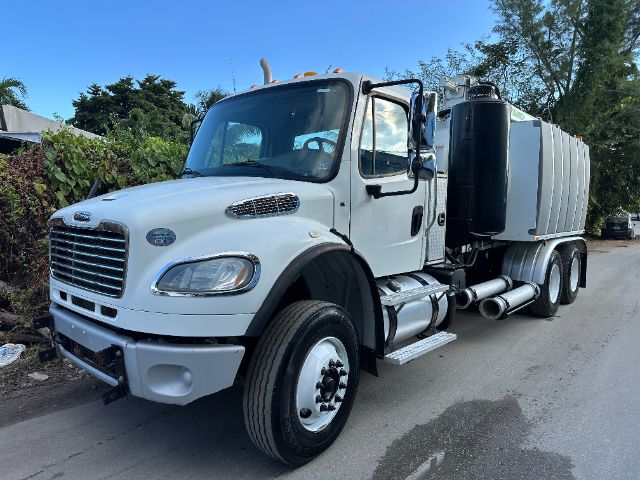
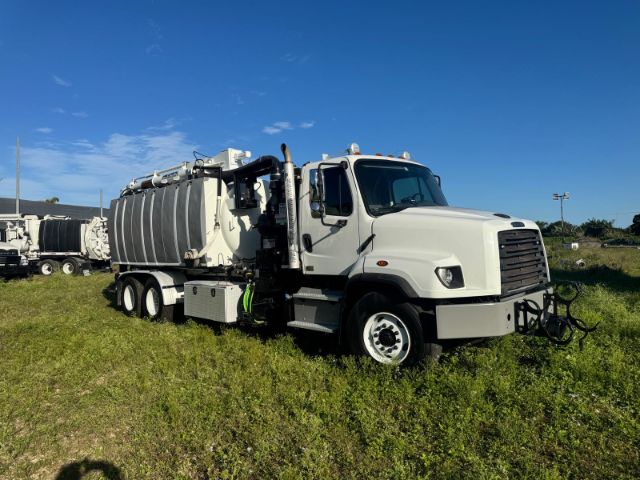
Common specs include a Freightliner 114SD or M2 chassis, a Cummins ISL 8.9L diesel, and an automatic transmission. Vacuum equipment often includes a positive displacement blower or fan system, debris body sizes from roughly 5 to 15 yards, freshwater capacity from about 500 to 1,500 gallons, and jetter pump ratings around 40 to 80 GPM at 2,500 to 3,000 PSI. Exact configuration depends on whether the truck was ordered for municipal sewer work, hydro excavation support, or general vacuum service.
Are ex-municipal 2014 Freightliner vacuum trucks a good choice?
Ex-municipal trucks can be a strong value because they are often maintained on scheduled service intervals and may have detailed fleet records. The tradeoff is that municipal duty cycles can include long idle time, frequent PTO use, and heavy seasonal workload. Buyers should review miles, engine hours, PTO hours, blower condition, pump service history, and wear on the debris body and hydraulics before judging overall value.
What should I inspect first on a used vacuum truck?
Start with the expensive vacuum components rather than the cab cosmetics. Inspect the blower or fan system, jetter pump, PTO operation, hydraulic dump system, rear door seals, water plumbing, hose reels, and the condition of the debris body. Check for cracks, corrosion, weld repairs, and leaks. After that, review engine performance, transmission operation, tire condition, brake wear, and maintenance records to understand the full cost of getting the truck into dependable service.
Is a 2014 Freightliner 114SD better than an M2 for vacuum truck work?
The 114SD is generally favored for heavier vocational applications because it is built for more demanding chassis loads and tougher work environments. The M2 can still be an excellent platform, especially for medium-duty or more compact vacuum truck builds. The better choice depends on body size, GVWR, axle setup, and how the truck will be used. For larger debris bodies and more demanding municipal service, many buyers lean toward the 114SD.