
2027 Winch - Oil Field Trucks For Sale
Compare 2027 winch oil field trucks with key specs, chassis options, PTO and hydraulic setups, and hauling applications for rig support.
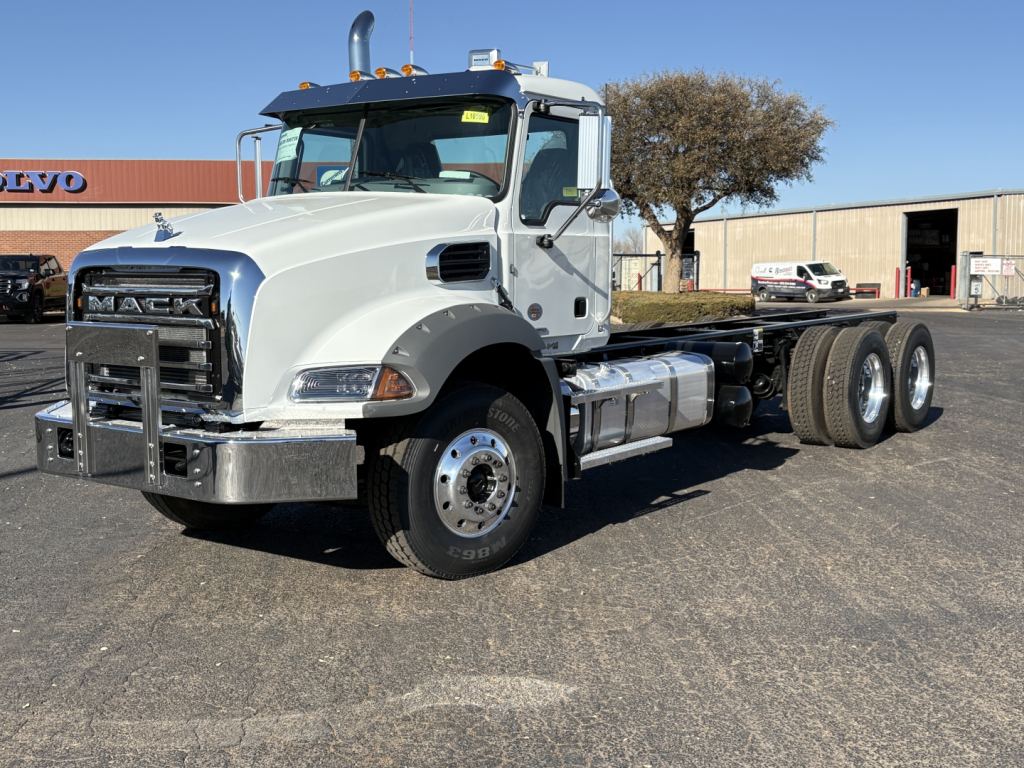

Selling a 2027 winch - oil field truck? List your 2027 winch - oil field truck for sale and reach thousands of commercial buyers.
2027 Winch - Oil Field Trucks
Most winch oil field trucks are set up on medium-duty to severe-duty chassis, often in 4x2, 6x4, or vocational tandem configurations depending on terrain and payload. Common spec points include diesel engines matched to Allison automatic or heavy-duty manual transmissions, PTO-driven hydraulic systems, and front and rear axle ratings suited for body weight plus equipment. A truck used for lighter service or urban delivery of oilfield supplies may be built on a platform like a Class 6 or 7 chassis, while heavier field support units often move to a more robust tandem axle frame with higher GVWR, stronger suspension, and better off-pavement durability. Ground clearance, wheelbase, frame reinforcement, and locking differential availability all matter when the truck is expected to leave improved roads.
The body and winch package deserve as much attention as the cab and engine. Many oil field winch trucks use a flatbed-style or pole truck-style deck with toolboxes, pipe stakes, headache racks, and rear rollers to manage cable and loads safely. Buyers should confirm line pull rating, drum capacity, cable type, hydraulic oil reservoir size, and control layout. Outrigger or stabilizer options, pintle hitches, trailer brake provisions, and light or crane-adjacent accessories may also be relevant depending on the application. If the truck will spend time pulling disabled equipment, dragging pipe, or loading machinery onto another platform, the difference between a basic winch body and a true heavy-service oilfield setup becomes important very quickly.
For 2027 models, the biggest buying decision is usually not just brand or horsepower, but how closely the truck is matched to the work cycle. A truck assigned to lease road service, rig-up support, or equipment spotting needs durability, simple hydraulics, and easy service access. A truck handling mixed transport may benefit from a more versatile deck layout and better highway manners. Look closely at body builder integration, PTO engagement logic, cooling capacity for hydraulic demand, and overall legal operating weight. The right winch oil field truck should be spec'd as a working tool, not just a chassis with a winch mounted on it.
Frequently Asked Questions about 2027 Winch - Oil Field Trucks
What is a winch oil field truck used for?
A winch oil field truck is used to pull, load, recover, and position equipment in oilfield and energy service operations. Common tasks include moving pipe, dragging machinery, assisting with rig support, spotting equipment on location, and handling field transport jobs where a hydraulic winch provides controlled pulling power. These trucks are often equipped with a vocational body, headache rack, tool storage, and towing or hauling provisions to support daily lease road and yard work.
What specs matter most when buying a winch oil field truck?
The most important specs are winch line pull, chassis GVWR, axle configuration, hydraulic system capacity, and body design. Buyers should also review PTO setup, transmission compatibility, wheelbase, suspension type, frame strength, and off-road suitability. A truck that looks adequate on paper can still be underbuilt if the hydraulic system, rear axle rating, or body reinforcement does not match the intended pulling and hauling work.
Is a single-axle or tandem-axle winch truck better for oilfield work?
It depends on the jobsite conditions and the weight of the equipment being handled. A single-axle truck can work well for lighter service, tighter access, and lower operating costs, especially when the truck spends time on paved roads. A tandem-axle truck is usually the better choice for heavier loads, rougher terrain, greater stability, and more demanding winch applications. Buyers should match axle layout to actual payload, trailer use, and the type of surfaces the truck will see every day.
What is the difference between a standard flatbed and a winch oil field truck?
A standard flatbed is designed primarily to carry cargo, while a winch oil field truck is built to actively pull and position loads using a hydraulic winch system. Oilfield winch trucks usually include reinforced body components, cable handling features, heavier-duty PTO and hydraulic equipment, and vocational accessories that support field service work. The added structure and hydraulic capability make them better suited for recovery, machinery movement, and rig-related support tasks than a basic flatbed truck.
Should buyers pay attention to the body builder and hydraulic integration?
Yes. The quality of the body installation and hydraulic integration directly affects reliability, safety, and ease of operation. A well-integrated truck will have properly matched PTO controls, hydraulic cooling, hose routing, reservoir sizing, and structural mounting points. Poor integration can lead to overheating, weak winch performance, difficult maintenance access, and premature wear on both the chassis and the body equipment. For vocational trucks, body builder execution is often just as important as the chassis brand.